


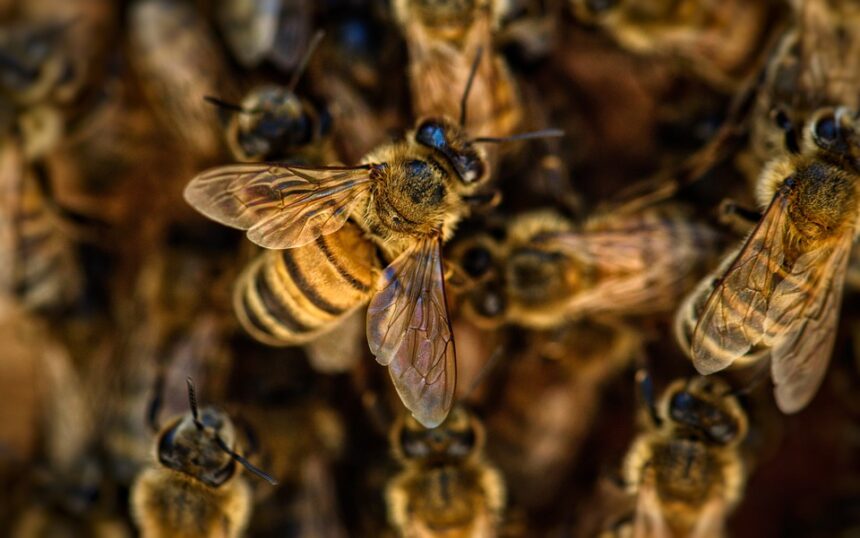
The delicate equilibrium of our planet’s ecosystems is increasingly threatened by climate change. As temperatures rise, weather patterns shift, and natural habitats face unprecedented pressures, it is vital to investigate how these changes affect wildlife, conservation efforts, and sustainable living practices.
Current Nature and Environmental Trends


Today, we witness significant climate-driven changes across various natural landscapes. Increasing global temperatures have altered flora and fauna distributions, leading to shifts in biodiversity. Reports indicate that many species are migrating toward cooler regions or changing their seasonal patterns, further complicating existing ecological relationships.



Ecosystems and Biodiversity
Biodiversity is the backbone of healthy ecosystems. It ensures resilience against environmental stressors. Climate change significantly impacts biodiversity by causing habitat loss, changing food webs, and promoting the spread of invasive species. These impacts can lead to biodiversity loss, diminishing ecosystems’ abilities to provide essential services, such as clean air and water.
Wildlife and Natural Habitats
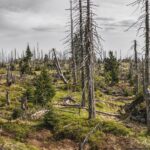

Wildlife conservation is at a pivotal junction, as many species struggle to adapt to rapid environmental changes. Forests and mountains—critical habitats for countless species—are facing increased wildfires and changing precipitation patterns. Similarly, rivers and oceans are experiencing altered flow patterns and rising sea levels, contributing to habitat degradation. Protected areas often serve as refuges for endangered species, but climate adaptation measures are increasingly necessary to maintain their effectiveness.
Climate and Environmental Challenges
Environmental challenges stemming from climate change are varied and interconnected. Extreme weather events, such as droughts and storms, can disrupt reproduction cycles, food availability, and migration patterns. Marine ecosystems face challenges from ocean acidification and temperature fluctuations, which affect coral reefs and fish populations. These disruptions impact not only the wildlife that inhabits these natural systems but also the human communities that rely on them for resources.
Conservation and Sustainability
Efforts in conservation and sustainability have become more critical than ever. Strategies focusing on habitat restoration, habitat protection, and sustainable resource management help mitigate the impacts of climate change on ecosystems. Eco tourism can foster awareness and financial support for conservation initiatives, assisting in the preservation of natural environments and wildlife.
Human Interaction with Nature
As humans engage with nature through outdoor experiences, it is essential to foster environmental awareness and responsible behaviors. Education about biodiversity and sustainable living can enhance appreciation for the interconnectedness of ecosystems. Missteps such as littering, overconsumption, and habitat encroachment undermine conservation efforts, demonstrating the need for more conscientious interactions with the environment.
Common Environmental Mistakes
Common mistakes in environmental stewardship include neglecting the importance of native species, underestimating the impact of pollution, and failing to support local conservation efforts. Such oversights can exacerbate the fragility of ecosystems already under stress from climate change and human activities.
Future of Nature Conservation
The future of nature conservation hinges on adaptive management approaches that consider climate variability. Integrating scientific research, community engagement, and policy advocacy is crucial for crafting effective conservation strategies. Biodiversity corridors, habitat restoration projects, and strategic land-use planning are prospective solutions that can help mitigate climate impacts and enhance ecosystem resilience.
Conclusion
The relationship between climate change and ecosystems is complex and multifaceted. Understanding the intricate connections between wildlife, natural habitats, and the environment is essential for making informed decisions that respect the planet’s delicate balance. As we move forward, continued commitment to biodiversity and conservation will be integral in maintaining the health of our natural ecosystems, ensuring they can thrive in an uncertain future.