



Introduction
Ecosystem services refer to the myriad benefits that natural ecosystems provide to humanity, encompassing everything from clean water and air to the cultural and recreational experiences derived from nature. Understanding these contributions is crucial for fostering sustainable living and ensuring the preservation of our planet’s biodiversity.

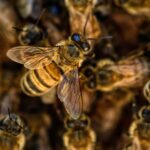

Current Nature and Environmental Trends
The growing recognition of ecosystem services is reshaping conservation strategies globally. Increased urbanization and industrialization have led to greater awareness of the need to protect natural systems. For instance, initiatives aimed at preserving wetlands and forests have gained traction, demonstrating a collective acknowledgment of their roles in climate regulation, flood protection, and habitat provision.



Ecosystems and Biodiversity
Biodiversity is foundational to the functionality of ecosystems. It ensures resilience against environmental changes and supports vital processes such as pollination, nutrient cycling, and habitat formation. Current studies show that areas with high biodiversity can better withstand climate change and disturbances, offering a buffer against potential ecological collapse.
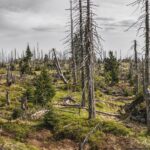


Wildlife and Natural Habitats
Wildlife conservation is crucial for maintaining ecological balance. Natural habitats, ranging from forests and mountains to rivers and oceans, serve as sanctuaries for myriad species. These habitats not only fulfill the biological needs of wildlife but also provide critical services—such as carbon sequestration and soil stabilization—that benefit human communities.
Climate and Environmental Challenges
Climate change poses significant challenges to ecosystems globally. Rising temperatures, altered precipitation patterns, and increased frequency of extreme weather events threaten species survival and habitat integrity. For example, mountain ecosystems, which are sensitive to temperature changes, face disruptions that jeopardize both wildlife and the communities reliant on these natural resources.
Conservation and Sustainability
Sustainable living practices are essential for conserving ecosystems. Initiatives like eco-tourism promote appreciation for natural environments without compromising their integrity. Protected areas, including national parks, play a vital role in safeguarding biodiversity while providing opportunities for outdoor nature experiences that engage and educate the public.
Human Interaction with Nature
The relationship between humans and nature is complex. Positive interactions, such as nature photography and outdoor activities, foster a sense of appreciation and environmental awareness. Conversely, industrial activities and urban sprawl often lead to habitat destruction and biodiversity loss. Balancing these interactions is critical for achieving sustainable outcomes.
Common Environmental Mistakes
One common mistake is the underestimation of the value of ecosystem services. Often, ecosystems are viewed merely as resources, overlooking their broader contributions to human well-being. This misunderstanding can lead to policies that do not adequately protect these vital systems, ultimately undermining long-term sustainability.
Future of Nature Conservation
The future of nature conservation hinges on integrating scientific research with public policy and community engagement. Greater collaboration among governments, NGOs, and local populations can facilitate innovative approaches to conservation, ensuring that both ecosystems and human needs are met.
Conclusion
As we navigate the challenges of modern life, recognizing and valuing ecosystem services becomes imperative. By promoting biodiversity, protecting natural habitats, and fostering sustainable practices, we can enhance our well-being while ensuring the longevity of the natural world. The future depends on our collective effort to cherish and safeguard the ecosystems that support us.