


Introduction
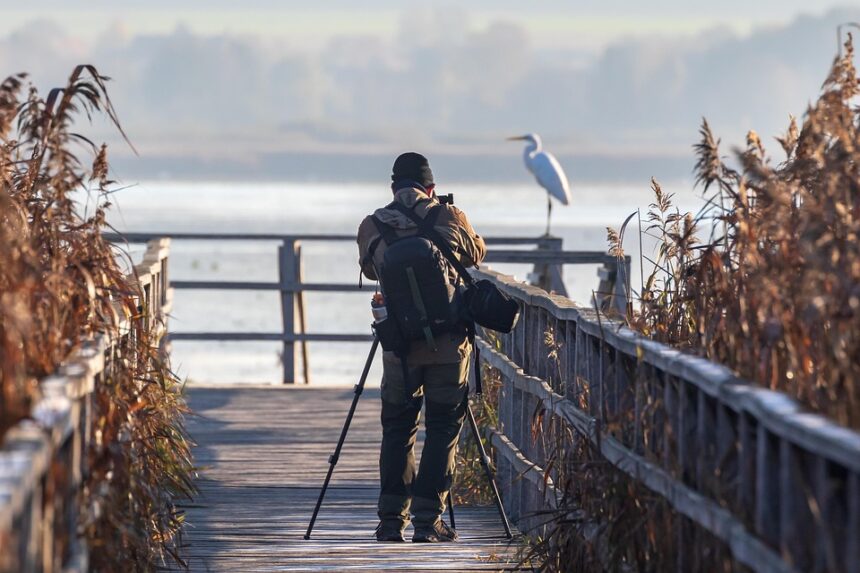
As the guardians of the Earth, humans have a responsibility to engage with and protect our natural environment. Schools play a pivotal role in fostering understanding and stewardship towards wildlife conservation. By integrating nature exploration into the curriculum, educators set the stage for students to appreciate the intricacies of ecosystems, the significance of biodiversity, and the urgent need for sustainable practices.


Current Nature and Environmental Trends
In recent years, there has been an increasing acknowledgment of the fragility of our natural ecosystems. Reports indicate alarming rates of habitat loss and species extinction driven by human activities. Educational institutions must reflect these trends, enabling students to grasp the interconnectedness of ecological health and human well-being. Programs focusing on outdoor experiences can serve as a conduit for this knowledge, encouraging greater environmental awareness.


Ecosystems and Biodiversity
Understanding biodiversity—the variety of life forms and their relationships within ecosystems—is crucial for future conservation efforts. Schools can highlight local biodiversity through field studies in forests, mountains, and rivers, enabling students to witness firsthand the diversity of flora and fauna. Lessons can encompass the roles different species play in their habitats and how changes in one aspect of the ecosystem can have widespread impacts.


Wildlife and Natural Habitats
Wildlife conservation begins with understanding the habitats that support various species. Schools can promote nature exploration trips to national parks and protected areas, allowing students to observe wildlife in their natural settings. Experiences such as these cultivate a respect for wildlife and deepen the students’ appreciation for maintaining ecological balance. Learning about the needs of different plant and animal habitats prepares students to become advocates for wildlife protection.
Climate and Environmental Challenges
Climate change poses significant challenges to natural ecosystems, impacting everything from polar ice caps to tropical rainforests. Schools can address these challenges by integrating climate education into their science curricula. Students can participate in activities that illustrate the effects of climate change, such as simulations of rising sea levels or the importance of sustainable living practices to mitigate these impacts.
Conservation and Sustainability
Education is a critical component of conservation. Schools can foster a culture of sustainability by promoting eco-friendly practices within the school environment itself. Initiatives like recycling programs, energy conservation, and sustainable gardening projects not only educate students but also encourage lifelong commitments to conservation and sustainable living.
Human Interaction with Nature
Human interactions with nature can often lead to negative consequences, such as habitat destruction and pollution. Schools should impart lessons about the human footprint on the environment and encourage discussions on responsible ecotourism practices. Outdoor nature experiences provide students opportunities to interact with their environment meaningfully, reinforcing a sense of belonging and responsibility.
Common Environmental Mistakes
Many people inadvertently contribute to environmental degradation. Schools can enable students to identify common mistakes—like overconsumption and inadequate waste management—and understand their repercussions. Through education, students become informed consumers capable of making better choices that favor conservation.
Future of Nature Conservation
For future generations to thrive within a healthy planet, conservation education must take precedence. Schools particularly have the potential to nurture a generation of informed individuals who will champion biodiversity, promote environmental awareness, and develop innovative solutions to ongoing ecological challenges. By cultivating a passion for nature through experiential learning, schools can inspire students to lead the charge in wildlife conservation efforts.
Conclusion
The responsibility of wildlife conservation falls on us all, but the crucial groundwork begins in schools. By embracing nature exploration, prioritizing biodiversity education, and emphasizing sustainable living practices, educational institutions prepare students to understand and address contemporary environmental challenges. As stewards of the planet, the educated youth of today will shape the world of tomorrow, ensuring that ecosystems and wildlife thrive for generations to come.