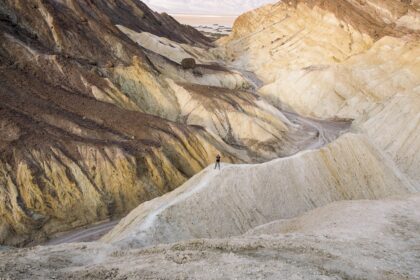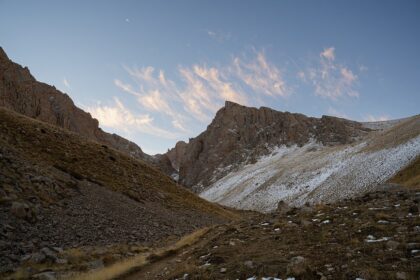


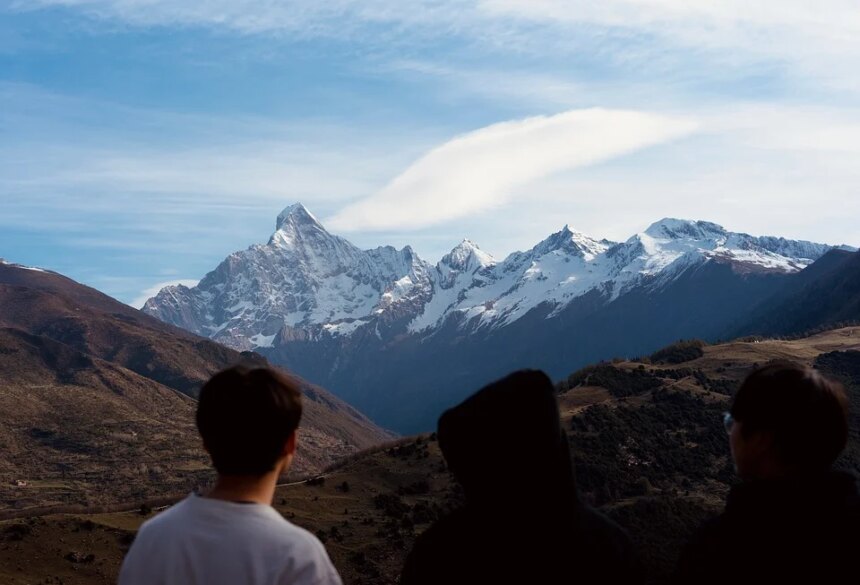
The call of the wild has captivated humankind for centuries, ushering people into the heart of nature’s most stunning landscapes. As we embark on these journeys, the opportunity to photograph and document the intricate tapestries of the natural world not only serves as a personal endeavor but also plays a critical role in fostering environmental awareness and wildlife conservation. This article delves into the methodologies and significance of photographing nature while highlighting the current trends and challenges that impact our outdoor experiences.
Current Nature and Environmental Trends



In recent years, there has been an uptick in nature exploration. This surge is spurred by a collective desire to reconnect with untouched landscapes. Outdoor nature pursuits are increasingly intertwined with eco-tourism, where travelers seek authentic environmental experiences that promote biodiversity and sustainable living. With advancements in photography technology, capturing these fleeting moments has become more accessible, engaging a broader audience in the conservation dialogue.

Ecosystems and Biodiversity
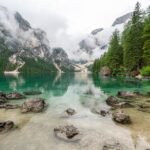
Photographing natural ecosystems allows us to witness biodiversity firsthand, revealing intricate relationships between species and their habitats. Forests, mountains, rivers, and oceans comprise diverse environments that foster unique life forms. For instance, temperate forests support species such as the red fox and various fungi, while marine ecosystems defend countless species against climate change. Photographers can play a pivotal role in illustrating these interdependencies, raising awareness of the delicate balance that sustains our planet.
Wildlife and Natural Habitats

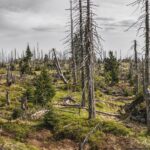

Wildlife encounters, whether through capturing images of a majestic eagle in flight or a fleeting glimpse of a deer, can be transformative. Each photograph tells a story of adaptation and survival within its natural habitat. Understanding local ecosystems is essential; for instance, wetlands serve as crucial buffers against flooding and are home to diverse species. The visual documentation of such habitats not only enriches our knowledge but also highlights the need for wildlife conservation, urging action to protect these environments from degradation.
Climate and Environmental Challenges
As climate change continues to reshape our planet, nature photography serves as a poignant reminder of what is at stake. Melting glaciers, shifting migration patterns, and habitat loss are visually captured through lenses, offering powerful narratives. Documenting these changes helps increase public understanding of environmental challenges, emphasizing the reality of our impact and the urgency for cohesive climate action.
Conservation and Sustainability
The role of photographers extends beyond documentation; it encompasses advocacy for conservation efforts. By showcasing the beauty and fragility of natural places, photographers can assist in amplifying messages of sustainable living. Initiatives such as protected areas and national parks are fundamental in preserving biodiversity. Through photographs shared across various platforms, environmental stories inspire collective responsibility and proactive engagement in conservation efforts.
Human Interaction with Nature
Human activity has historically influenced the landscapes we cherish. Urbanization, pollution, and resource extraction significantly alter natural habitats, often resulting in biodiversity loss. Photographs can serve as compelling evidence of this impact, shedding light on the consequences of environmental negligence. As such, they have the capability to evoke empathy and drive more mindful interactions with nature.
Common Environmental Mistakes
While the pursuit of nature photography is enriching, photographers must also be mindful of their impact. Common mistakes include disturbing fragile environments or wildlife behaviors for the perfect shot. Ethical practices in nature photography, such as adhering to guidelines in protected areas, are critical to safeguarding ecosystems while still enjoying the artistry of the natural world.
Future of Nature Conservation
The future of nature conservation may be closely linked to technological advancements and visual storytelling. As tools for capturing and sharing images become more sophisticated, the potential to engage wider audiences increases. By promoting eco-tourism and educational initiatives through compelling photography, we can work towards a shared vision of conservation centered on inclusive collaboration to restore and sustain our natural ecosystems.
Conclusion
In an age where visual communication dominates, photography emerges not just as a creative outlet, but as a significant medium for environmental awareness and wildlife conservation. By documenting nature’s splendor, photographers can inspire appreciation for biodiversity, advocate for sustainable practices, and raise awareness of the urgent environmental challenges we face. Each click of the shutter has the potential to foster a deeper connection to the wild, calling for collective action to preserve the beauty of our planet for generations to come.