


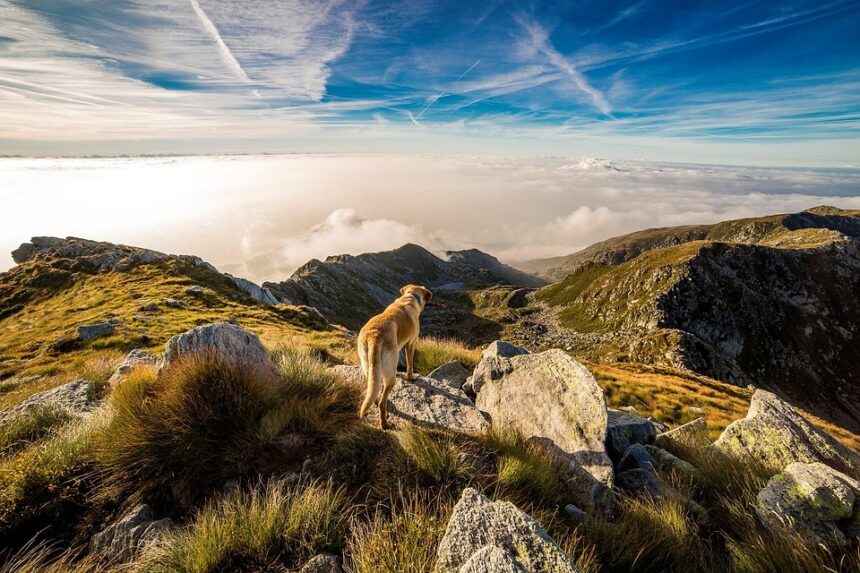
As the world grapples with various environmental challenges, the importance of wildlife conservation is increasingly coming to the forefront. The benefits of protecting our natural habitats extend far beyond the immediate preservation of species; they ripple through ecosystems and into our daily lives. This article explores the multi-faceted advantages of wildlife conservation and its critical role in sustaining our planet.
Current Nature and Environmental Trends


Today, nature exploration reveals both the beauty and fragility of our environment. Conservation efforts are witnessing a growing trend, with more people engaging in eco-tourism and outdoor nature activities than ever before. As individuals venture into national parks and protected areas, they experience firsthand the rich biodiversity and natural ecosystems that thrive there. These interactions foster a deeper environmental awareness, motivating communities to advocate for conservation.

Ecosystems and Biodiversity
Biodiversity is the cornerstone of resilient ecosystems. Each species, from the smallest insect to the largest mammal, plays a specific role in maintaining ecological balance. Forests, mountains, rivers, and oceans all host unique habitats that contribute to this complexity. The loss of any species can lead to unpredictable consequences, amplifying the importance of wildlife conservation efforts aimed at preserving these natural ecosystems.
Wildlife and Natural Habitats

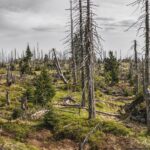

Wildlife conservation initiatives protect not only individual species but also their habitats, ensuring that ecosystems continue to thrive. For example, the preservation of forests supports numerous wildlife species while also safeguarding carbon sinks that mitigate climate change. Mountains create diverse niches, each fostering taxa adapted to various elevations and climates, thereby promoting biodiversity. Preserving rivers and oceans is equally important, as these water bodies support aquatic life and are vital to the health of terrestrial ecosystems.
Climate and Environmental Challenges
Climate change poses significant challenges to wildlife and their habitats, threatening to disrupt the delicate balance within ecosystems. Changes in temperature and precipitation patterns can lead to habitat loss and alter migration corridors. Conservation strategies must adapt to these realities, aiming to increase the resilience of ecosystems. Understanding how wildlife interacts with shifting climate patterns enables scientists and conservationists to develop informed response strategies.
Conservation and Sustainability
Conservation is not only about protecting wildlife but also about promoting sustainable living practices. By reducing human impact on natural resources, communities can create a sustainable interface between people and wildlife. Sustainable tourism practices emphasize low-impact outdoor nature experiences while supporting local economies, which encourages communities to value and actively participate in wildlife conservation.
Human Interaction with Nature
The increasing human encroachment into natural habitats has prompted a need for respectful coexistence with wildlife. Engaging in outdoor nature experiences provides individuals with opportunities to connect with the environment and fosters appreciation for biodiversity. Educational programs that focus on wildlife conservation can inspire future generations to advocate for sustainable practices and protect natural landscapes.
Common Environmental Mistakes
Despite growing awareness, common environmental mistakes persist. Overconsumption, habitat destruction, and pollution threaten wildlife and natural ecosystems. Movements focusing on eco-tourism aim to minimize these factors by promoting responsible travel that respects the environment. Ensuring that tourism activities do not disrupt wildlife habitats is essential for maintaining biodiversity and sustaining ecosystems.
Future of Nature Conservation
As we look to the future, wildlife conservation must transition to embrace innovative approaches. Integrating technology into conservation efforts—such as remote sensing for monitoring habitats—can enhance data collection and early intervention. Collaboration among governments, NGOs, and local communities will be vital in developing strategies that address the complex challenges of climate change and habitat destruction while promoting biodiversity.
Conclusion
The ripple effect of wildlife conservation extends far beyond the realm of nature; it profoundly influences human societies, economies, and cultures. By recognizing the intrinsic connection between our well-being and the health of natural ecosystems, we can foster a sustainable future. Through intentional conservation efforts and a commitment to protect the natural world, we ultimately secure a thriving planet for generations to come.