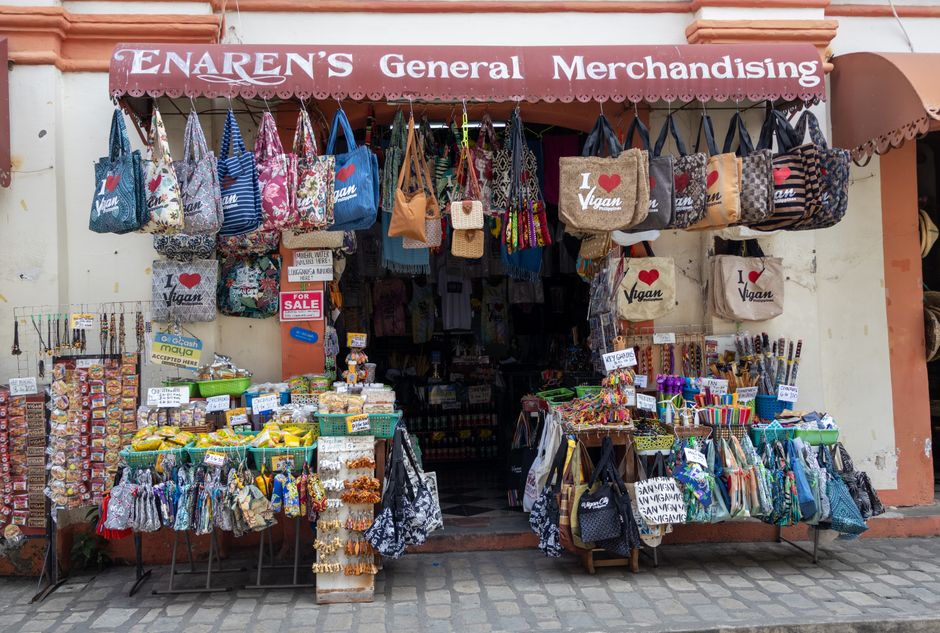
Vigan, the capital of Ilocos Sur on the northwest coast of Luzon, is the best-preserved Spanish colonial town in Asia, and the Philippines’ most evocative step back in time. Its historic center, inscribed by UNESCO as the Historic City of Vigan in 1999, is a grid of cobblestone streets lined with two-story ancestral houses of brick and wood, with stone ground floors, wide wooden upper stories and sliding capiz-shell windows, a style that blends Spanish, Chinese and Filipino building traditions. Horse-drawn kalesas clatter along Calle Crisologo, the most famous street, past antique shops, cafés and heritage hotels; the cathedral and two broad plazas anchor the town; and the pottery kilns, loom weavers and food of the Ilocos region, from garlicky Vigan longganisa to crisp empanada, make it a rewarding stop for a night or two. Vigan is also the base for the rest of the Ilocos coast: the UNESCO-listed baroque churches of Santa Maria and Paoay, the sand dunes and windmills of Ilocos Norte and the beaches of Pagudpud. The Ilocos coast is one of the driest parts of the country from November to April; from June to September, the southwest monsoon brings very heavy rain.
Right now in Vigan
- Wed 24–30°C 75–86°F 3 mm Showers
- Thu 25–30°C 76–86°F 8 mm Heavy showers
- Fri 25–30°C 77–86°F 1 mm Rain
Weather: MET Norway (CC BY 4.0) · Sea temperature: NOAA CoastWatch
Top tours in Vigan
See all tours for Vigan →
From local operators, with prices and reviews; you check availability and book on Viator, our partner. We may earn a commission at no extra cost to you. How we earn money
Vigan at a glance
- Best for: Spanish colonial architecture, heritage walks and kalesa rides, Ilocano food, crafts, and a base for the Ilocos coast.
- How long: 1 to 2 days for the town; 3 to 4 with Santa Maria, Paoay, Laoag and Pagudpud.
- Best time: November to April, when it barely rains; highs are about 30–33 °C (86–91 °F).
- Getting there: about 8 to 10 hours by bus from Manila, around 4 to 5 hours from Baguio, or fly to Laoag and drive about 1.5 to 2 hours south.
- Getting around: on foot in the historic center, by kalesa or tricycle around town.
- Good to know: Calle Crisologo is closed to most motor vehicles; visit early in the morning or in the evening, when it is cooler and less crowded.
- Before you go: eTravel registration, visa-free stays, money and general safety are in our Philippines travel guide.
Vigan’s areas and where to stay
Vigan is small, and almost everything of interest lies in or near the historic center.
The Mestizo District and Calle Crisologo
The heart of the World Heritage Site is the old Mestizo District, where wealthy Chinese-Filipino merchant families built their homes. Calle Crisologo and the parallel streets hold heritage hotels in restored ancestral houses, antique shops, cafés and souvenir stores. Staying here puts you on the cobblestones at their best, early and late in the day.
The plazas and the cathedral
Around Plaza Salcedo and Plaza Burgos, the cathedral, the provincial capitol and the archbishop’s palace form the civic and religious center, with food stalls and evening crowds.
Outside the center
Newer hotels and inns along the main roads and on the outskirts are cheaper and often have parking and pools, a short tricycle ride from the old town.
Top things to see in Vigan
Vigan was a busy trading port long before the Spanish arrived, with Chinese junks calling at the mouth of the Mestizo River. The conquistador Juan de Salcedo founded a Spanish town here in 1572, and Vigan grew into the religious and commercial capital of the north, where Chinese-Filipino (mestizo) merchant families grew rich on tobacco, indigo and trade. Unlike Intramuros in Manila, Vigan escaped heavy destruction in World War II, which is why so much of its colonial fabric survives.
The architecture of the ancestral houses
Vigan’s typical house, the bahay na bato (house of stone), has thick brick or stone walls on the ground floor, once used for storage, shops and carriages, and a wooden upper floor where the family lived, with a wide sala (living room), sliding windows of translucent capiz shells, ventilating panels below the windows and steep tiled roofs. The design kept homes cool and helped them survive earthquakes and typhoons. Several houses are open as museums, cafés or hotels, so you can see the interiors.
Calle Crisologo
According to the Department of Tourism, Calle Crisologo is a beautifully preserved street lined with Spanish-era ancestral houses, the place to start any visit. Walk its length, look up at the carved wooden balconies and capiz windows, and duck into shops selling antiques, abel weaves and local snacks. It glows under lamps in the evening.
A kalesa ride
Hire a kalesa, a horse-drawn carriage, with its driver (kutsero) for a tour of the old town and the sights on the edge of the center, such as the pottery kilns and the Hidden Garden. Agree on the route and price before setting off; hourly rates are usual.
St. Paul Metropolitan Cathedral and the plazas
The whitewashed cathedral, rebuilt in the 18th century in an “earthquake baroque” style with thick walls and a separate bell tower, faces Plaza Salcedo, where, according to the DOT, the fountains come alive with colorful lights at night in a dancing fountain show. Plaza Burgos, alongside, has empanada stalls.
The Crisologo Museum and Syquia Mansion
The DOT lists the Crisologo Museum, the family home of a political dynasty, as one of the town’s premier attractions, with memorabilia and period rooms. The Syquia Mansion, home of Elpidio Quirino, a former president, shows how Vigan’s elite lived in the early 20th century.
Bantay Church and Bell Tower
In the neighboring town of Bantay, a short ride away, the brick bell tower on a hill once served as a watchtower over the coast; according to the DOT, visitors can climb it for scenic views, and the church beside it is one of the oldest in the region.
More classic sights
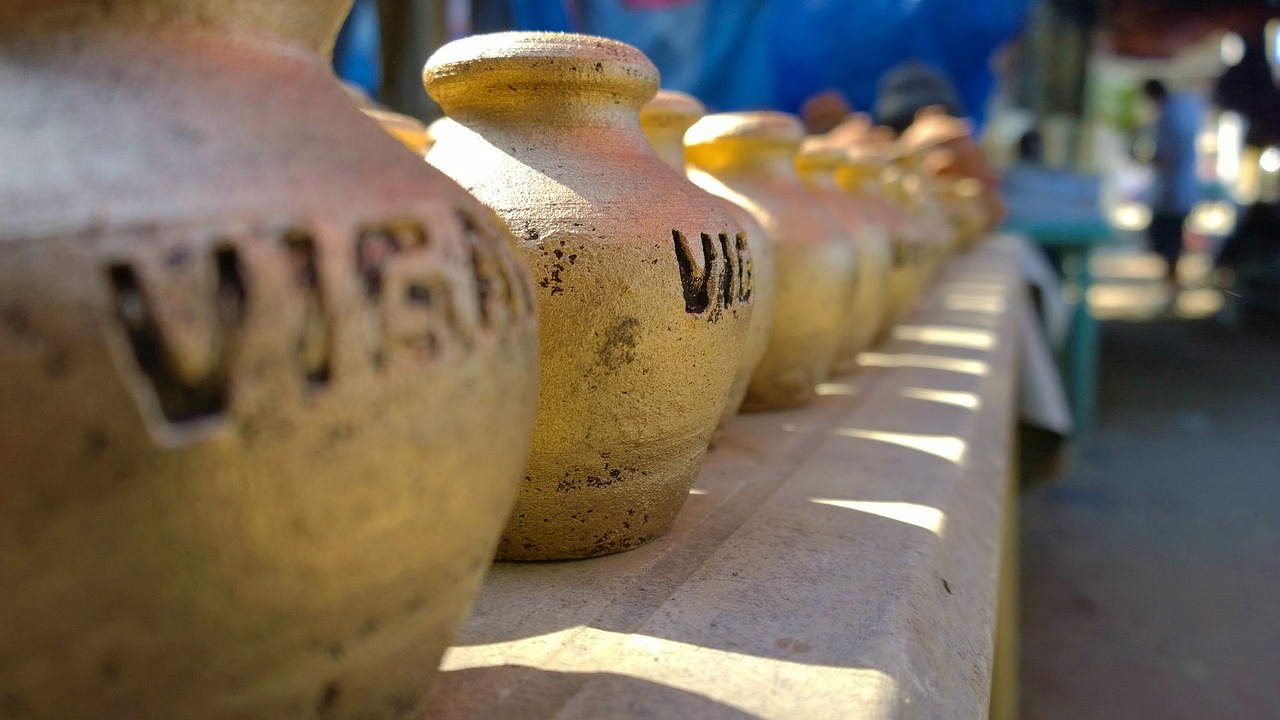
- Pagburnayan pottery: workshops where potters make burnay, traditional earthenware jars, using carabao-powered clay mixing and wood-fired kilns.
- Abel weaving: loom weavers of the Ilocos cotton cloth called abel, used for blankets and textiles.
- Hidden Garden: a large garden nursery with a café serving Ilocano food.
- Plaza Salcedo’s Juan de Salcedo monument and the old provincial capitol.
- Baluarte: a free zoo and theme park on the outskirts, popular with Filipino families.
Other things to do in Vigan
Food and drink
Vigan is a destination for Ilocano food. According to the DOT, the town is known for Vigan longganisa, a small garlicky sausage, and visitors should try it along with Vigan empanada, a crisp orange-hued turnover filled with green papaya, egg and longganisa, deep-fried to order at the stalls around Plaza Burgos. Also try bagnet, deep-fried pork belly; pinakbet, vegetables stewed with fish paste; okoy, shrimp fritters; and sinanglao, a beef soup. For drinks, look for basi, a sugarcane wine, and local coffee.
The empanada stalls around Plaza Burgos are the classic place to eat in the evening, with cooks folding and frying the turnovers in front of you; ask for spicy sukang Iloko, the local cane vinegar, to dip them in. For a sit-down meal, several restaurants in ancestral houses on and near Calle Crisologo serve Ilocano dishes in old dining rooms, and the market sells longganisa, bagnet and chichacorn to take home.
Crafts and shopping
Shop for abel textiles, burnay jars, woodcarvings and antiques in the shops of Calle Crisologo and the market; sweets such as chichacorn (crunchy corn) and bibingka make good gifts.
Festivals
Vigan hosts festivals such as the Longganisa Festival in January and the Viva Vigan Festival of the Arts in early May, with street parades, kalesa processions and cultural events, and Holy Week brings religious processions through the old town.
Day trips from Vigan
- Santa Maria Church: the hilltop Church of Our Lady of the Assumption, about 40 km (25 miles) south, one of the four Baroque Churches of the Philippines on the UNESCO list.
- Paoay Church and Laoag: the massive buttressed Church of San Agustin in Paoay, another of the UNESCO-listed baroque churches, and the sand dunes near Laoag, about 2 hours north.
- Bangui windmills and Pagudpud: the wind farm on the north coast, which the DOT calls a breathtaking sight, and the beaches of Pagudpud, about 3.5 to 4 hours away, best with an overnight stay.
- Ilocos Norte’s coast: the white rock formations of Kapurpurawan, the Spanish-era Cape Bojeador Lighthouse and the Malacañang of the North museum near Paoay Lake, often combined on a long day or an overnight trip.
- Baguio: the mountain city, about 4 to 5 hours away. See our Baguio guide.
Getting there and getting around
By bus from Manila
Several bus companies run day and overnight services from Manila to Vigan, from terminals in Cubao, Sampaloc and Pasay, in about 8 to 10 hours depending on traffic and stops; deluxe overnight buses with reclining seats are the most comfortable choice. Buses also link Vigan with Baguio and Laoag.
By air
The nearest airport with regular flights is Laoag International Airport (LAO) in Ilocos Norte, served by flights from Manila, about 1.5 to 2 hours by road from Vigan. Vigan’s own small airport has no regular commercial flights.
By car
The drive from Manila takes about 7 to 9 hours on the NLEX, SCTEX and TPLEX expressways and the coastal Manila North Road, and it combines well with Baguio.
Around town
The historic center is compact and best explored on foot or by kalesa. Tricycles cover longer trips to the outskirts, Bantay and the bus terminals; agree on the fare first. Grab does not list Vigan among its service areas.
When to go and how long to stay
The Ilocos coast has the most pronounced dry season in the Philippines: from November to April, it barely rains at all, while the southwest monsoon from about June to September brings torrential rain and typhoons can strike. According to PAGASA, the national weather agency, the rainy season begins in June across western Luzon; in 2026 it declared the onset on June 4. The table uses PAGASA’s 1991–2020 normals for its Sinait station in Ilocos Sur, about 35 km (22 miles) north of Vigan, as submitted to the World Meteorological Organization (WMO).
| Month | Average high / low | Rain (days with 1 mm or more) | What to expect |
|---|---|---|---|
| January | 30 °C (86 °F) / 21 °C (70 °F) | 6 mm (0.2 in), 1 day | Dry and breezy; cool nights; Longganisa Festival |
| February | 31 °C (87 °F) / 22 °C (71 °F) | 2 mm (0.1 in), 1 day | Dry and sunny |
| March | 32 °C (89 °F) / 23 °C (73 °F) | 6 mm (0.2 in), less than 1 day | The driest month |
| April | 33 °C (91 °F) / 24 °C (76 °F) | 17 mm (0.7 in), 1 day | Hot; Holy Week processions |
| May | 33 °C (91 °F) / 25 °C (77 °F) | 173 mm (6.8 in), 9 days | Hot; first storms; Viva Vigan festival |
| June | 32 °C (90 °F) / 25 °C (76 °F) | 282 mm (11.1 in), 14 days | Rainy season begins |
| July | 31 °C (88 °F) / 24 °C (75 °F) | 534 mm (21.0 in), 19 days | Monsoon rain; typhoons possible |
| August | 31 °C (87 °F) / 24 °C (75 °F) | 614 mm (24.2 in), 19 days | The wettest month |
| September | 31 °C (88 °F) / 24 °C (75 °F) | 358 mm (14.1 in), 15 days | Wet; typhoon peak |
| October | 31 °C (89 °F) / 23 °C (74 °F) | 135 mm (5.3 in), 7 days | Drying out |
| November | 32 °C (89 °F) / 23 °C (74 °F) | 46 mm (1.8 in), 3 days | Dry season returns |
| December | 31 °C (88 °F) / 22 °C (72 °F) | 6 mm (0.2 in), 1 day | Dry; Christmas lights in the plazas |
Sinait gets about 2,180 mm (86 in) of rain a year, nearly all of it from May to October. PAGASA said in September 2026 that a strong El Niño was expected to bring below-normal rainfall to most of the country into early 2027.
1 day in Vigan
Walk Calle Crisologo in the early morning, visit the cathedral, the Crisologo Museum and Syquia Mansion, take an afternoon kalesa ride to the pottery kilns and Bantay Bell Tower, and finish with empanada at Plaza Burgos and the fountain show at Plaza Salcedo.
3 to 4 days on the Ilocos coast
Add a day trip south to Santa Maria Church, then head north for Paoay Church, the Laoag sand dunes, the Bangui windmills and a night or two in Pagudpud.
Where to stay in Vigan
- Calle Crisologo and the Mestizo District: heritage hotels in restored ancestral houses, full of atmosphere.
- Near the plazas: mid-range hotels close to food stalls and the cathedral.
- Outskirts: newer hotels with parking and pools, cheaper and quieter.
Rooms fill on long weekends, Holy Week and during festivals.
What a trip to Vigan costs
Prices are approximate, for October 2026, converted at about ₱62.6 to the US dollar.
| Item | Typical cost |
|---|---|
| Deluxe overnight bus from Manila, one way | ₱1,000–1,500 (about US$16–24) |
| Kalesa ride, per hour | ₱150–300 (about US$2.40–4.80) |
| Tricycle ride in town | ₱20–60 (about US$0.30–1) |
| Vigan empanada | ₱50–100 (about US$0.80–1.60) |
| Museum entrance, such as the Crisologo Museum or Syquia Mansion | ₱20–100 (about US$0.30–1.60) |
| Meal at a local restaurant | ₱200–400 (about US$3.20–6.40) |
| Dinner in a heritage-house restaurant | ₱500–1,000 (about US$8–16) per person |
| Heritage hotel double, per night | ₱2,500–6,000 (about US$40–96) |
Practical tips for Vigan
- Go early and late: Calle Crisologo is hottest and busiest at midday; the light and atmosphere are best at dawn and dusk.
- Agree on kalesa fares: confirm the price, route and duration before the ride.
- Respect the houses: many ancestral houses are private homes; enter only those open to visitors.
- Carry small bills: stalls, kalesas and tricycles prefer cash.
- Take photos respectfully: kutsero and shopkeepers are used to cameras, but ask before photographing people up close.
- Plan the long trip: overnight buses from Manila save a day; book a seat in advance on weekends.
Safety
Vigan is a quiet, safe town. Watch your step on the uneven cobblestones, especially when wet, and look out for kalesas and tricycles in the narrow streets. The midday heat from March to May is intense, so carry water and rest in the shade. From June to October, the southwest monsoon and typhoons can bring flooding and close roads along the Ilocos coast; follow PAGASA’s Tropical Cyclone Wind Signals and local announcements. The region lies in an earthquake zone, and strong quakes have damaged churches and heritage houses in the past. Petty theft is rare but possible in crowds. In an emergency, call 911.
What to pack for Vigan
Light, breathable clothes, a hat and sunscreen, comfortable shoes for cobblestones, an umbrella in the rainy season, and modest clothes for churches. The Philippines uses 220 V and mostly flat two-pin US-style plugs. See our travel adapters guide.
Vigan travel FAQ
Why is Vigan a UNESCO World Heritage Site?
Vigan’s historic center, inscribed in 1999 as the Historic City of Vigan, is an exceptionally well-preserved Spanish colonial town whose architecture blends Spanish, Chinese and Filipino influences.
How do I get from Manila to Vigan?
By bus in about 8 to 10 hours, with overnight deluxe services, or fly to Laoag and drive about 1.5 to 2 hours south.
How many days do I need in Vigan?
One full day and a night cover the town; add two or three days for Santa Maria, Paoay, Laoag and Pagudpud.
What is Calle Crisologo?
Vigan’s most famous street, lined with Spanish-era ancestral houses, shops and cafés, and closed to most motor traffic.
What food is Vigan known for?
Vigan longganisa and empanada above all, plus bagnet, pinakbet, okoy and sinanglao.
What is the best time to visit Vigan?
November to April, when it barely rains; March is the driest month. July to September is very wet.
Is there Grab in Vigan?
No. Walk in the historic center, and use kalesas and tricycles for longer trips.
How much is a kalesa ride in Vigan?
Usually priced by the hour, around ₱150–300; agree on the route and price with the driver first.
Can I visit Paoay Church from Vigan?
Yes. Paoay, one of the UNESCO-listed Baroque Churches of the Philippines, is about 2 hours north by road, often combined with Laoag.
When is the Plaza Salcedo fountain show?
The dancing fountain show with colored lights runs in the evening at Plaza Salcedo; check locally for the current schedule.
Sources and last review
Researched and last reviewed on 4 October 2026. The World Heritage inscription and the Baroque Churches listing: UNESCO; Calle Crisologo, kalesas, the Plaza Salcedo fountain show, the Bantay tower, the Crisologo Museum, Vigan longganisa and the Bangui wind farm: the Department of Tourism; climate normals, the 2026 rainy-season onset and the El Niño outlook: PAGASA, via the World Meteorological Organization; Grab coverage: Grab Philippines; exchange rate: the European Central Bank. Architecture and history, other sights and festivals, bus routes and times, the Laoag flight connection, fees and typical prices are general references or estimates, flagged for checking. Prices and hours change, so check the official sites before you go. For entry rules, money and general safety, see our Philippines travel guide.
Plan your trip
Partner links: TravelerCenter may earn a commission if you book, at no extra cost to you.
🇵🇭 Useful Filipino phrases for Vigan
All 38 Filipino phrases: restaurant, hotel, emergencies, romance (printable) →