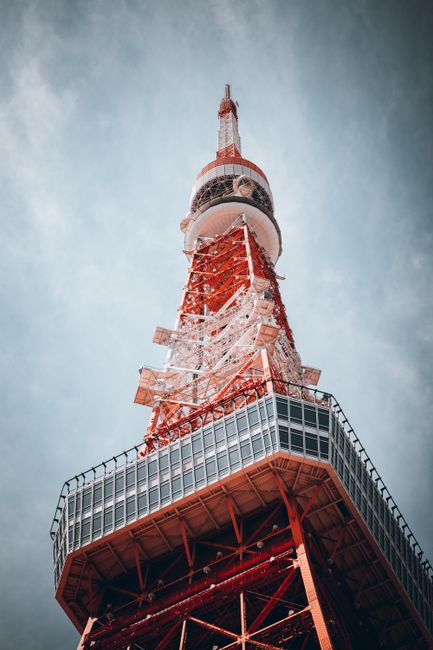
Japan packs ancient temples and the world’s biggest city, snowy mountains and coral beaches, bullet trains and village inns into a chain of islands a little smaller than California. A first trip usually follows the “Golden Route”: the neon and food of Tokyo, a night in the hot springs of Hakone or by the Fuji Five Lakes, the temples and gardens of Kyoto, the deer and great Buddha of Nara, the street food of Osaka, and Hiroshima with the island shrine of Miyajima. Beyond it lie the powder snow and seafood of Hokkaido, the ramen stalls of Fukuoka and the beaches of Okinawa. Japan is safe, spotlessly clean and very easy to travel in, but plan ahead for a few things: the JR Pass and the regional rail passes, the new ¥3,000 departure tax, tax-free shopping rules that change on November 1, 2026, local accommodation taxes, and the seasons, from cherry blossoms in spring and the summer rainy season to typhoons and fall colors.
Right now in Japan
- Wed 15–21°C 59–69°F Clear
- Thu 14–22°C 58–72°F Mostly clear
- Fri 15–25°C 58–77°F Clear
- Mon 12 Oct Sports Day (スポーツの日)
Weather: MET Norway (CC BY 4.0) · Air quality: OpenAQ · Rates: ECB · Holidays: Nager.Date
Key facts
| Currency | Japanese yen (JPY, ¥); about ¥158 to the US dollar in late September 2026Source: federalreserve.gov · Last reviewed 5 Oct 2026 |
|---|---|
| Languages | Japanese; English signs in stations and major sights, but little spoken English outside citiesSource: wikidata.org · Last reviewed 5 Oct 2026 |
| Plugs and voltage | Type A flat two-pin plugs, 100 V (50 Hz east, 60 Hz west)Source: japan.travel · Last reviewed 5 Oct 2026 |
| Emergency number | 110 police; 119 fire and ambulance; 118 at sea; JNTO visitor hotline 050-3816-2787 (24 h, English)Source: japan.travel · Last reviewed 5 Oct 2026 |
| Driving side | On the left; International Driving Permit (1949 Geneva Convention) or an official translation neededSource: wikidata.org · Last reviewed 5 Oct 2026 |
| Tap water | Safe to drink; free water in restaurantsSource: japan.travel · Last reviewed 5 Oct 2026 |
| Tipping | No tipping: pay the bill amount; a tip in an envelope only for a private guideSource: japan.travel · Last reviewed 5 Oct 2026 |
| Payments | Cards, IC cards and phone payments almost everywhere in cities; carry yen for small restaurants, temples, markets and rural areas; 7-Eleven and Japan Post ATMs take foreign cardsSource: japan.travel · Last reviewed 5 Oct 2026 |
| Calling code | +81 (dial 010 for international calls)Source: wikidata.org · Last reviewed 5 Oct 2026 |
| Time zones | UTC+9 (Japan Standard Time) all year; no summer timeSource: data.iana.org · Last reviewed 5 Oct 2026 |
| Entry summary | Visa-free up to 90 days for the US, Canada, UK, EU, Australia and ~70 others; Visit Japan Web optional; JESTA not yet in operation (Oct 2026)Source: japan.travel · Last reviewed 5 Oct 2026 |
| SIM and eSIM | Prepaid SIM, eSIM or pocket Wi-Fi from airport counters or online; free Wi-Fi in stations and convenience storesSource: japan.travel · Last reviewed 5 Oct 2026 |
Multi-day tours of Japan
Multi-day tours from local operators. You check dates and book on Viator, our partner; we may earn a commission at no extra cost to you. How we earn money
Japan at a glance
Japan is a constitutional monarchy of four main islands, Honshu, Hokkaido, Kyushu and Shikoku, plus more than 14,000 smaller ones, stretching about 3,000 km (1,900 miles) from the drift ice of northern Hokkaido to the subtropical islands of Okinawa. It is divided into 47 prefectures. According to the Statistics Bureau of Japan, about 122.7 million people lived here on September 1, 2026, most of them on the narrow coastal plains, because about three quarters of the land is mountainous. Tokyo is the capital.
The language is Japanese. English signs are everywhere in stations, airports and major sights, and menus in English are common in cities, but outside them few people speak much English; a translation app helps. Japan uses a single time zone, Japan Standard Time (UTC+9), with no daylight saving time. Electricity is 100 V with two-pin type A plugs, as in the US.
Japan’s regions
- Hokkaido: the wild north, with Sapporo, ski resorts, hot springs, national parks and the best seafood and dairy.
- Tohoku: the rural north of Honshu, with mountains, hot spring villages, summer festivals and fall colors.
- Kanto: Tokyo, Yokohama and the day trips around them, such as Kamakura and Nikko.
- Chubu: Mount Fuji and the Fuji Five Lakes, the Japan Alps, Kanazawa, Takayama and Shirakawa-go, and Nagoya.
- Kansai: Kyoto, Osaka, Nara, Kobe and Himeji, the old heartland of Japan.
- Chugoku and Shikoku: Hiroshima and Miyajima, the islands of the Seto Inland Sea, and the pilgrimage island of Shikoku.
- Kyushu: Fukuoka, Nagasaki, Kumamoto, the volcanoes and hot springs of Beppu and Kagoshima.
- Okinawa: the subtropical Ryukyu Islands, with beaches, coral reefs and their own culture.
Regions
- Aichi Prefecture
- Akita Prefecture
- Aomori Prefecture
- Chiba Prefecture
- Ehime Prefecture
- Fuji Five Lakes
- Fukui Prefecture
- Fukuoka Prefecture
- Fukushima Prefecture
- Gifu Prefecture
- Gunma Prefecture
- Hiroshima Prefecture
- Hokkaido
- Hyōgo Prefecture
- Ibaraki Prefecture
- Ishikawa Prefecture
- Iwate Prefecture
- Kagawa Prefecture
- Kagoshima Prefecture
- Kanagawa Prefecture
- Kumamoto Prefecture
- Kyoto Prefecture
- Kōchi Prefecture
- Mie Prefecture
- Miyagi Prefecture
- Miyazaki Prefecture
- Nagano Prefecture
- Nagasaki Prefecture
- Nara Prefecture
- Niigata Prefecture
- Okayama Prefecture
- Okinawa Prefecture
- Osaka Prefecture
- Saga Prefecture
- Saitama Prefecture
- Shiga Prefecture
- Shimane Prefecture
- Shizuoka Prefecture
- Tochigi Prefecture
- Tokushima Prefecture
- Tottori Prefecture
- Toyama Prefecture
- Wakayama Prefecture
- Yamagata Prefecture
- Yamaguchi Prefecture
- Yamanashi Prefecture
- Ōita Prefecture
Where to go: cities, temples, mountains and islands
Most first trips combine Tokyo with Kyoto and one or two other places along the shinkansen line between them, which you can do in 10 to 14 days. Return visitors head for Hokkaido, Kyushu, Okinawa or the countryside. See our guides to each of these places:
- Tokyo: the world’s biggest metropolis, for food, neighborhoods, shrines, shopping and nightlife.
- Kyoto: the old imperial capital, with Fushimi Inari, Kinkaku-ji, geisha districts and Zen gardens.
- Osaka: street food, nightlife and Osaka Castle, and an easy base for the Kansai region.
- Nara: Japan’s first capital, with the Great Buddha of Todai-ji and the deer of Nara Park.
- Hiroshima: the Peace Memorial Park and Museum, and the floating torii of Miyajima.
- Hakone: hot springs, volcanic valleys and Lake Ashi, about 80 minutes from Tokyo.
- The Fuji Five Lakes: the closest views of Mount Fuji, and the base for climbing it in summer.
- Sapporo: Hokkaido’s capital, with the Snow Festival, ramen, beer and nearby ski resorts.
- Fukuoka: yatai food stalls, Hakata ramen and the gateway to Kyushu.
- Okinawa Island: beaches, reefs, Ryukyu castles and a subtropical climate.
Other favorites include Kanazawa, with its garden and samurai and geisha districts; Takayama and the thatched villages of Shirakawa-go in the mountains; Nikko’s ornate shrines; Kamakura’s Great Buddha; the art islands of Naoshima; Nagasaki; the hot springs of Beppu; Himeji Castle; and, in winter, the powder snow of Niseko.
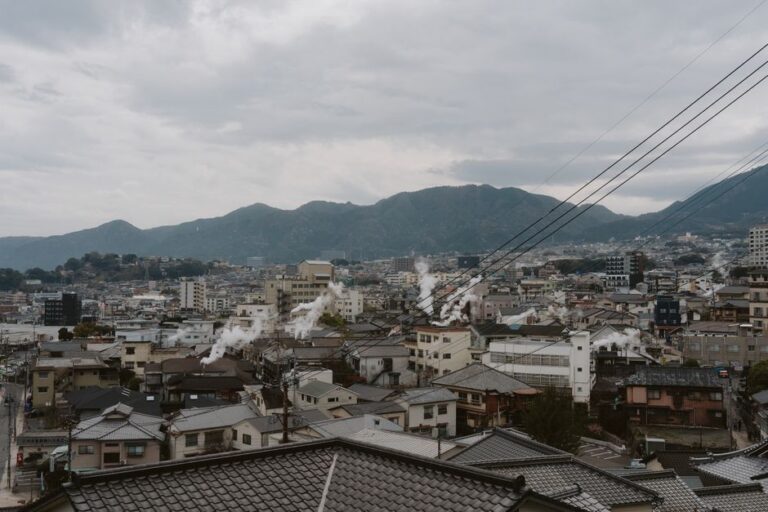
Beppu Travel Guide
Plan a trip to Beppu: the station and seafront, Kannawa, Myoban, Shibaseki and the hillside resorts and where to stay, the Hells of Beppu…
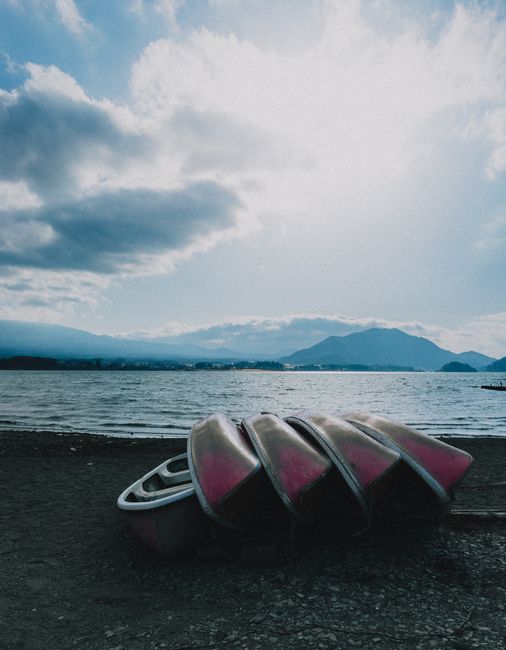
Fuji Five Lakes Travel Guide
Plan a trip to the Fuji Five Lakes: Lake Kawaguchi, Fujiyoshida, Lake Yamanaka and Lakes Saiko, Shoji and Motosu and where to stay, climbing…
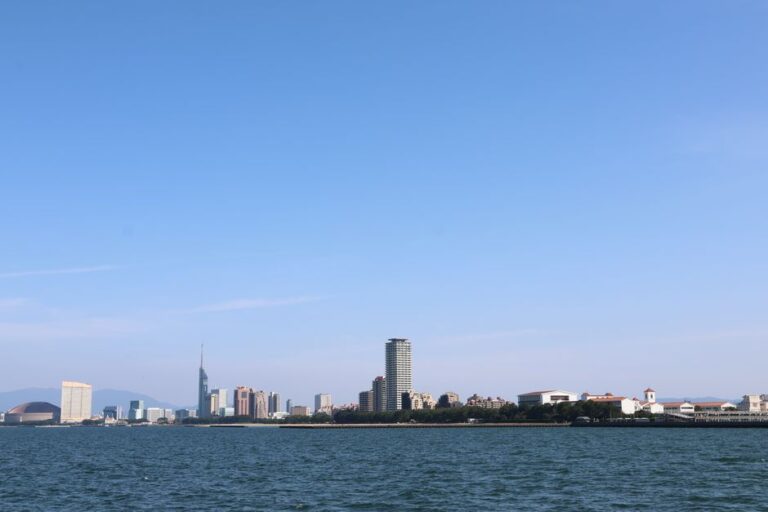
Fukuoka Travel Guide
Plan a trip to Fukuoka: Hakata, Tenjin, Daimyo, Nakasu and Momochi and where to stay, the yatai food stalls, Hakata ramen and motsunabe, Kushida…
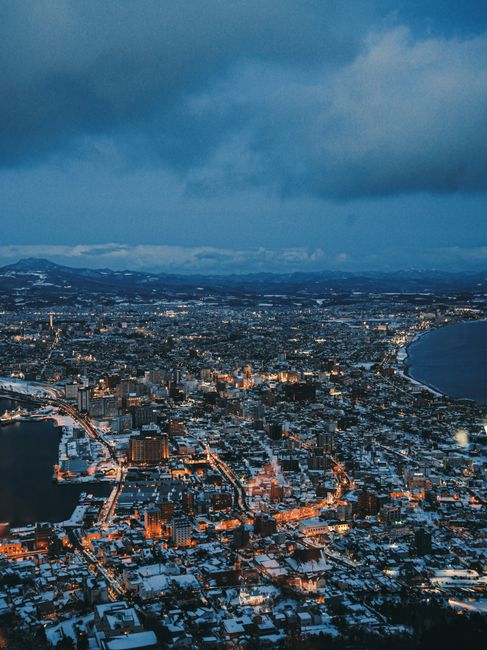
Hakodate Travel Guide
Plan a trip to Hakodate: the station and morning market, the Bay Area, Motomachi, Goryokaku and Yunokawa Onsen and where to stay, the Mount…
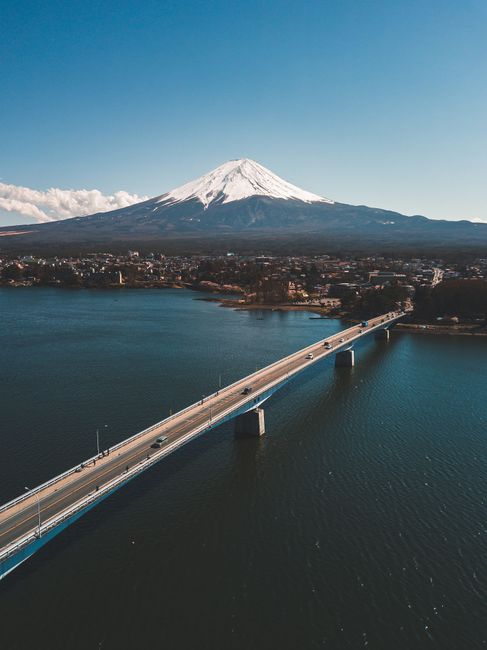
Hakone Travel Guide
Plan a trip to Hakone: Hakone-Yumoto, Miyanoshita, Gora, Lake Ashi and Sengokuhara and where to stay, the Hakone loop by mountain railway, cable car,…
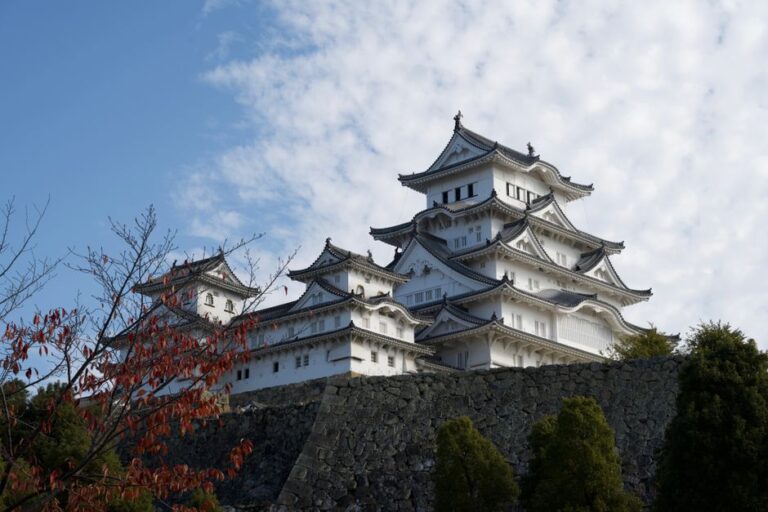
Himeji Travel Guide
Plan a trip to Himeji: the station, Otemae-dori, the castle area and Mount Shosha and where to stay, Himeji Castle fees from March 2026,…
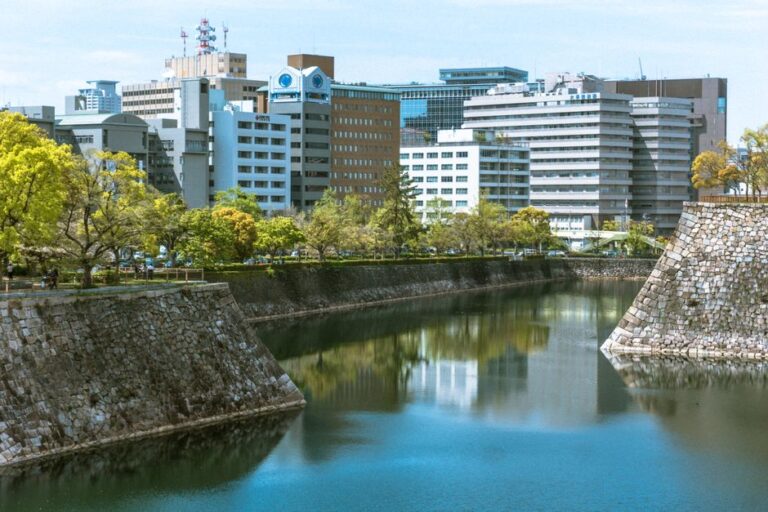
Hiroshima Travel Guide
Plan a trip to Hiroshima: the Peace Memorial Park, A-Bomb Dome and museum with 2026 fees, Shukkeien, the castle after the keep closed in…
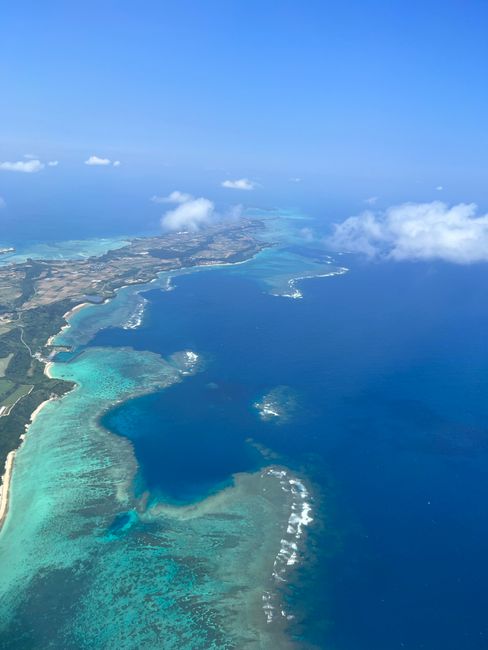
Ishigaki Island Travel Guide
Plan a trip to Ishigaki Island: the town and port, Kabira, Shiraho and the north and where to stay, Kabira Bay, beaches, manta ray…
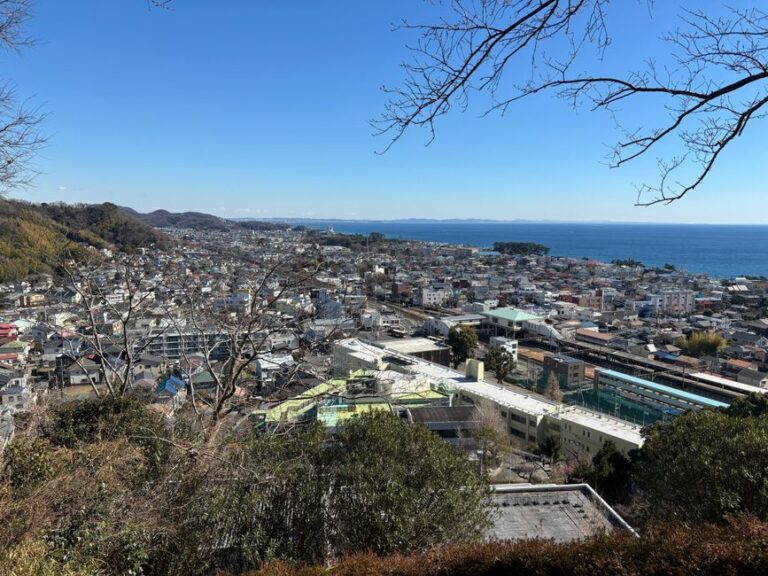
Kamakura Travel Guide
Plan a trip to Kamakura: Kamakura Station, Komachi-dori, Kita-Kamakura, Hase and the coast and where to stay, the Great Buddha's 2026 fees, hours and…
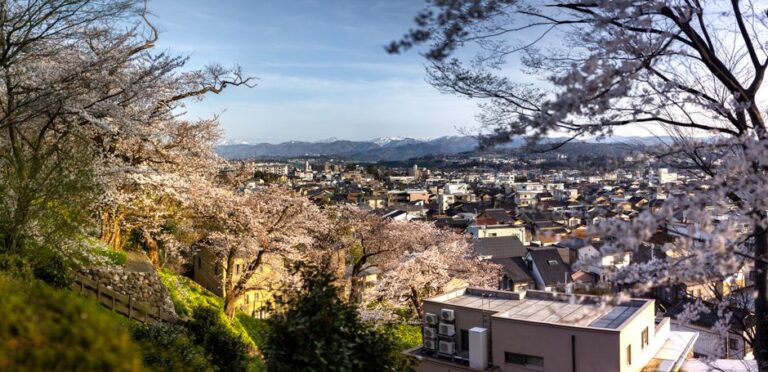
Kanazawa Travel Guide
Plan a trip to Kanazawa: the station area, Korinbo, Higashi Chaya, Nagamachi and Teramachi and where to stay, Kenroku-en hours, fees and free early…
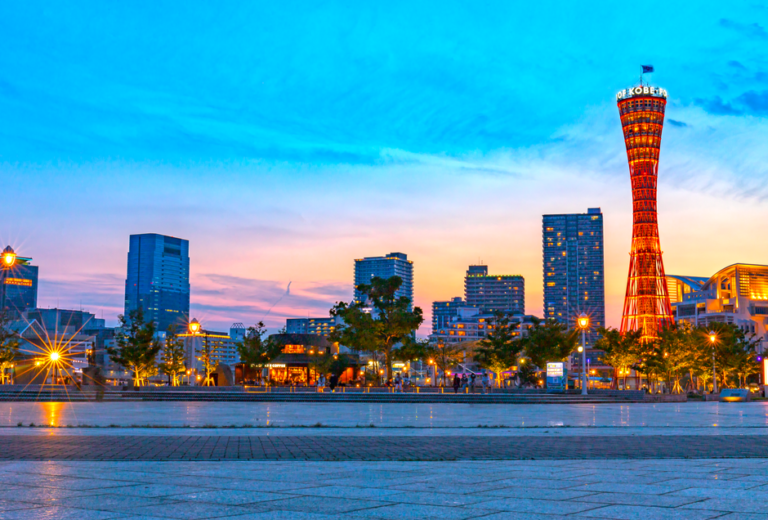
Kobe Travel Guide
Plan a trip to Kobe: Sannomiya, Kitano, Harborland, Shin-Kobe and Arima Onsen and where to stay, the Ijinkan, Meriken Park, Mount Rokko and night…
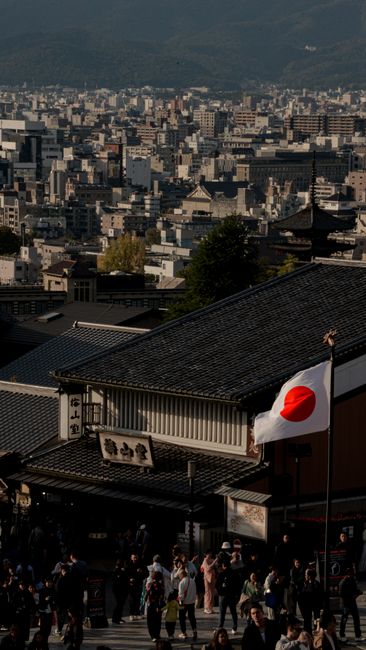
Kyoto Travel Guide
Plan a trip to Kyoto: downtown, Gion and Higashiyama, Kyoto Station and Arashiyama and where to stay, Fushimi Inari, Kiyomizu-dera, Kinkaku-ji, the bamboo grove,…
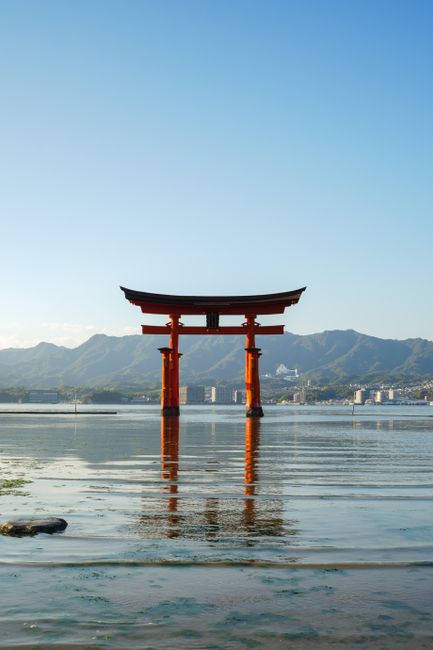
Miyajima Travel Guide
Plan a trip to Miyajima (Itsukushima): Omotesando, the shrine, Momijidani and Mount Misen, Itsukushima Shrine hours and fees, the Great Torii at high and…
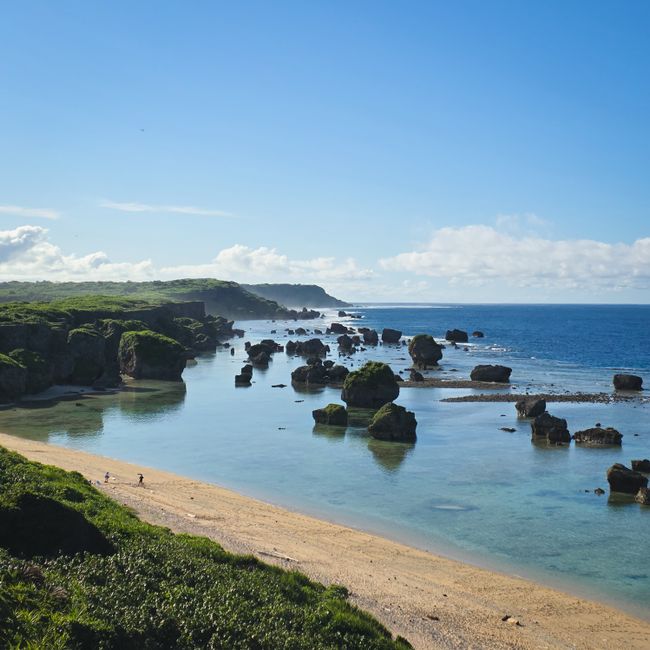
Miyakojima Travel Guide
Plan a trip to Miyakojima: Hirara, Yonaha Maehama, the south coast, Higashi-Hennazaki, Ikema, Kurima, Irabu and Shimoji and where to stay, the best beaches,…
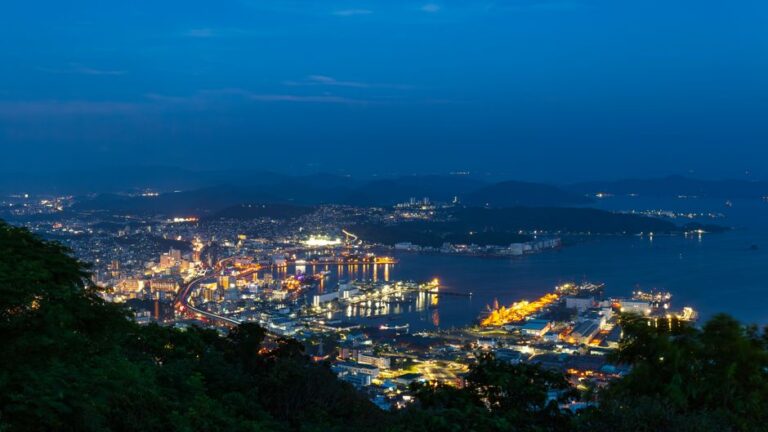
Nagasaki Travel Guide
Plan a trip to Nagasaki: the station, Dejima, Chinatown, Shianbashi, Minamiyamate and Urakami and where to stay, Atomic Bomb Museum fees and hours, the…
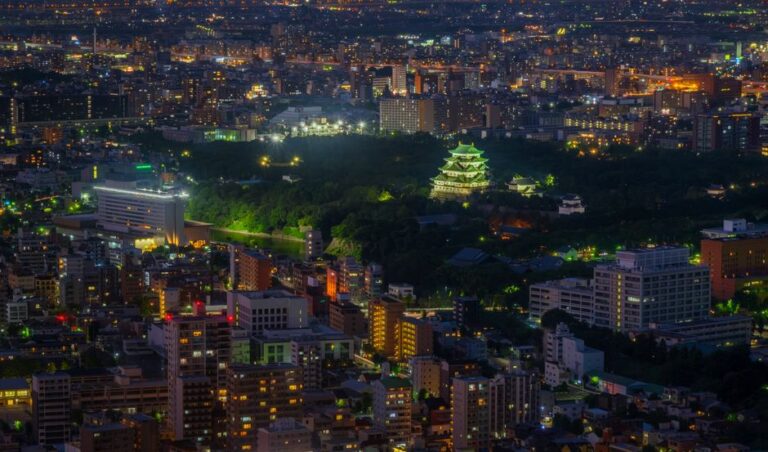
Nagoya Travel Guide
Plan a trip to Nagoya: Nagoya Station, Sakae, Fushimi and Osu and where to stay, Nagoya Castle and the Hommaru Palace with the new…
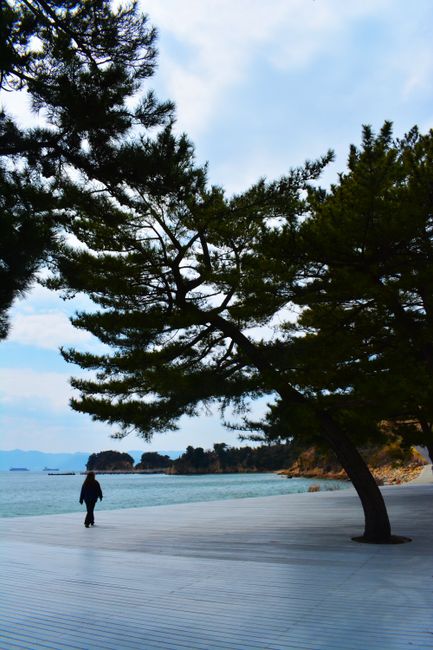
Naoshima Travel Guide
Plan a trip to Naoshima: Miyanoura, Honmura and the Benesse House area and where to stay, Chichu Art Museum reservations, fees and closing days,…
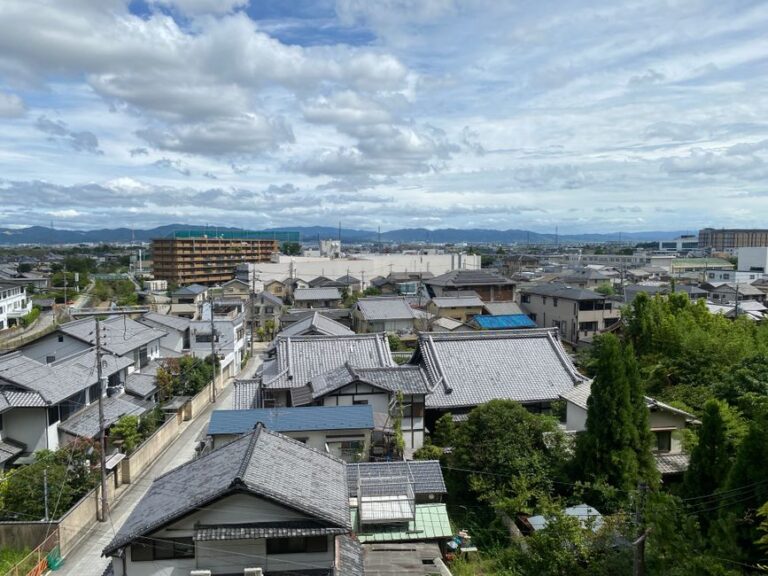
Nara Travel Guide
Plan a trip to Nara: Nara Park and deer etiquette from the Nara Deer Preservation Foundation, Todai-ji and the Great Buddha with 2026 fees,…
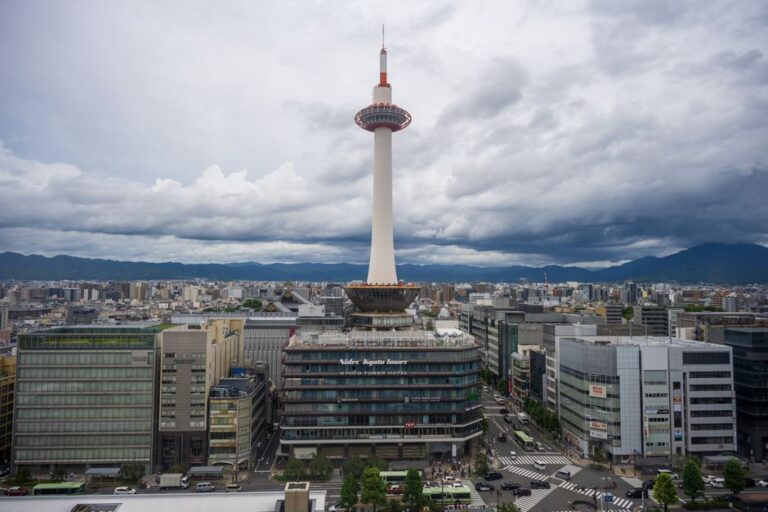
Nikko Travel Guide
Plan a trip to Nikko: central Nikko, the shrine area, Lake Chuzenji, Yumoto and Kinugawa and where to stay, Toshogu, Rinnoji and Taiyuin hours…
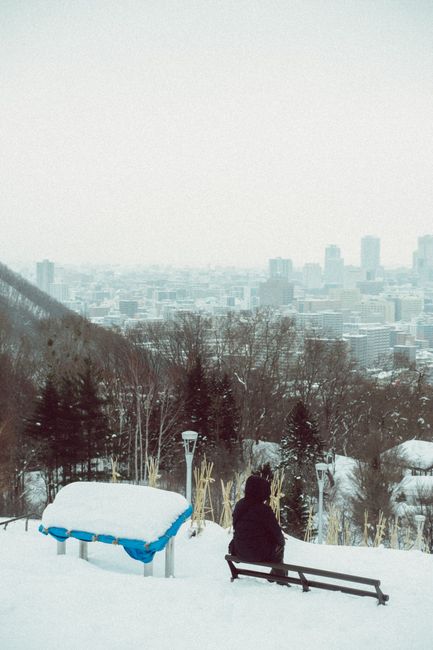
Niseko Travel Guide
Plan a trip to Niseko: Grand Hirafu, Hanazono, Niseko Village, Annupuri and Kutchan and where to stay, the 2026–27 ski season dates and All…
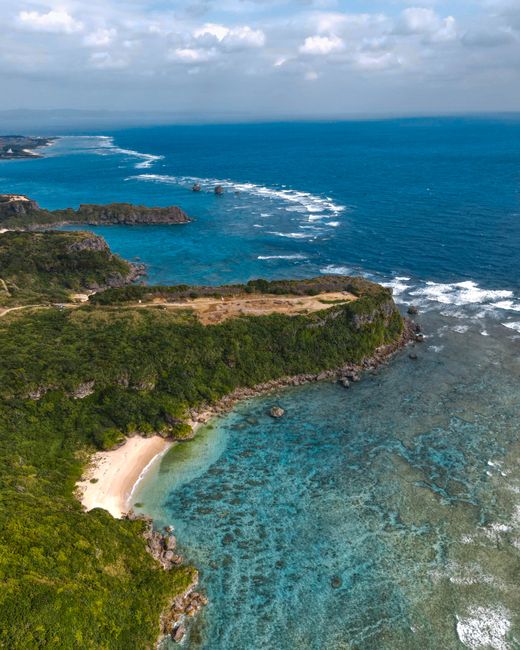
Okinawa Island Travel Guide
Plan a trip to Okinawa Island: Naha and Kokusai-dori, Chatan, Onna, the Motobu Peninsula and Yanbaru and where to stay, Shurijo Castle, the Churaumi…
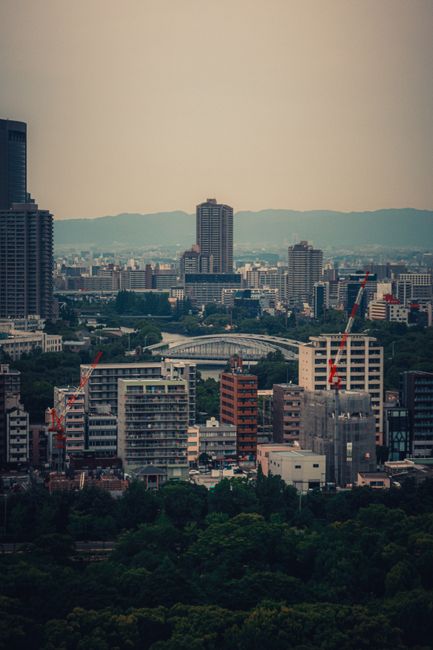
Osaka Travel Guide
Plan a trip to Osaka: Umeda, Namba and Dotonbori, Tennoji and Shinsekai and where to stay, Osaka Castle, Kuromon Market, the Umeda Sky Building,…
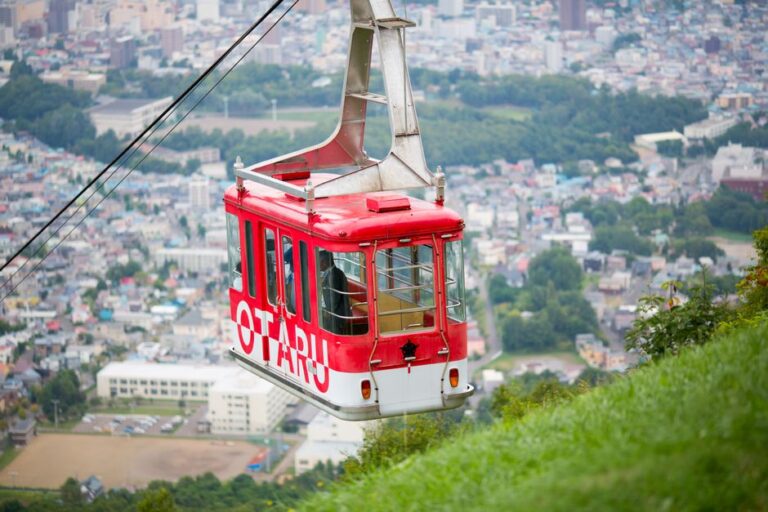
Otaru Travel Guide
Plan a trip to Otaru: the station area, the canal, Sakaimachi-dori, Temiya and Asarigawa Onsen and where to stay, the canal's history, gas lamps…
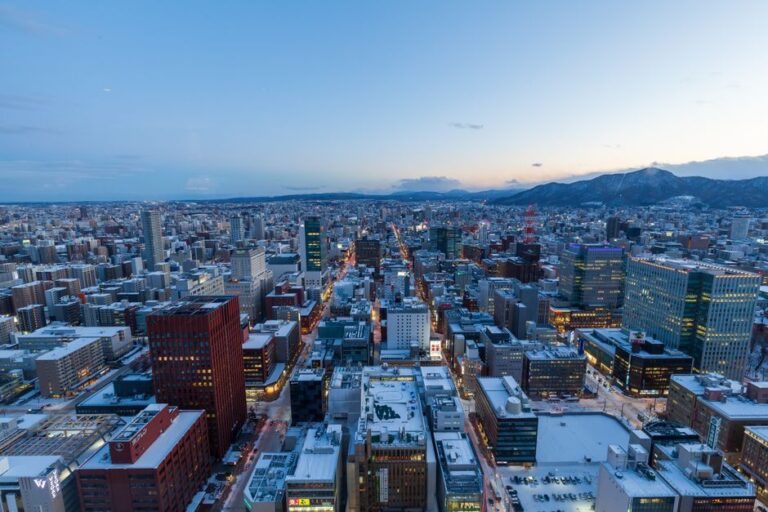
Sapporo Travel Guide
Plan a trip to Sapporo: Sapporo Station, Odori, Susukino and Maruyama and where to stay, the Snow Festival, Clock Tower, Mount Moiwa, Hokkaido Shrine,…
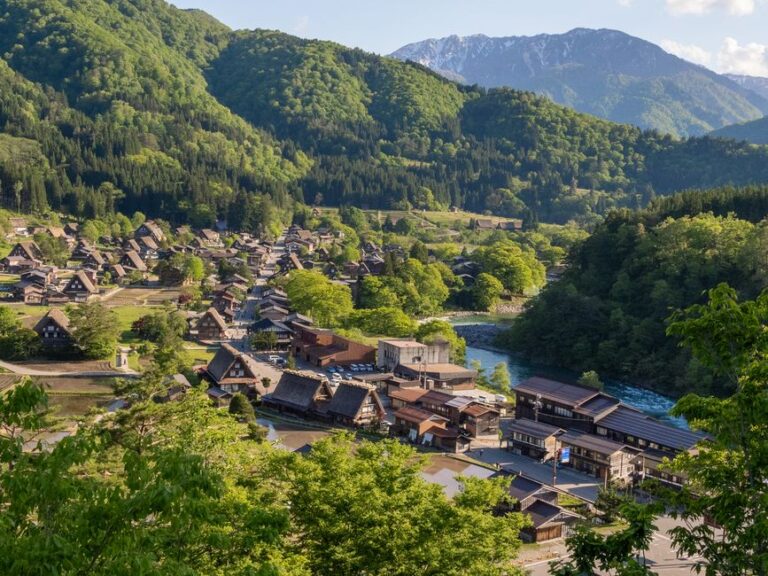
Shirakawa-go Travel Guide
Plan a trip to Shirakawa-go: Ogimachi village, the observation deck, Wada House and Myozen-ji, gassho-zukuri farmhouses and staying in a minshuku, Nohi Bus access…
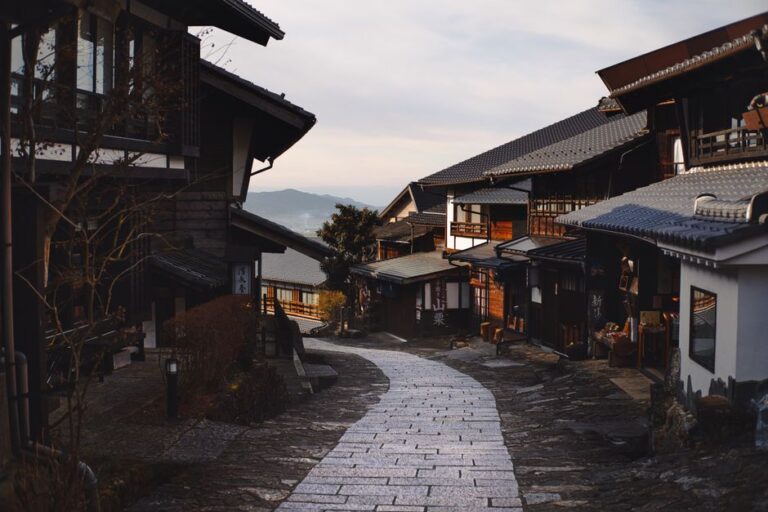
Takayama Travel Guide
Plan a trip to Takayama: Sanmachi Suji, the station area and Higashiyama and where to stay, sake breweries, the morning markets, Takayama Jinya, the…
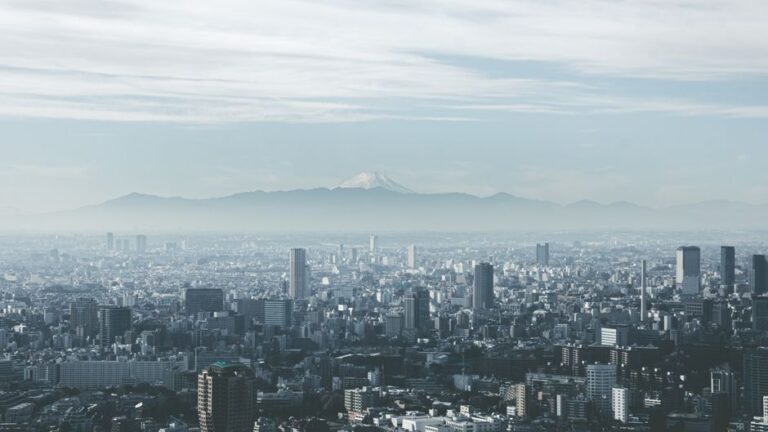
Tokyo Travel Guide
Plan a trip to Tokyo: Shinjuku, Shibuya, Ginza, Asakusa and Ueno and where to stay, Senso-ji, Meiji Jingu, the Imperial Palace gardens, food and…
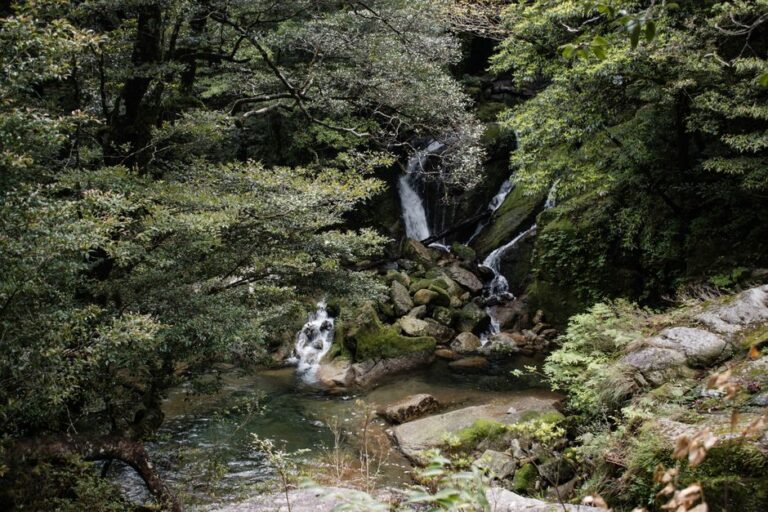
Yakushima Travel Guide
Plan a trip to Yakushima: Miyanoura, Anbo, Onoaida, Nagata and the western forest road and where to stay, the Jomon Sugi hike, Arakawa bus…
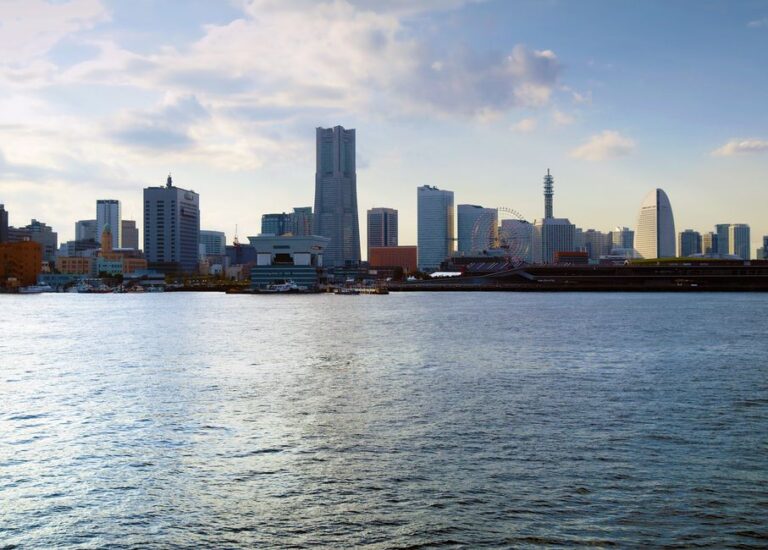
Yokohama Travel Guide
Plan a trip to Yokohama: Minato Mirai, Kannai, Chinatown, Yamashita Park, the Bluff and where to stay, the waterfront, Sankeien garden, the Cup Noodles…
Best time to visit Japan
Japan has four distinct seasons, and the islands span a wide range of climates, from snowy Hokkaido to subtropical Okinawa. Spring (late March to May) and fall (October to early December) are the most comfortable and most popular seasons on the main islands; summer is hot, humid and wet, and winter is cold but sunny on the Pacific side and snowy on the Sea of Japan side and in Hokkaido. The table shows rounded average daily highs and lows from the 1991–2020 climate normals of the Japan Meteorological Agency (JMA) for one station in each main region.
| Region (JMA station) | January high / low | August high / low | Rain a year |
|---|---|---|---|
| Hokkaido (Sapporo) | 0 °C (31 °F) / −6 °C (20 °F) | 26 °C (80 °F) / 19 °C (66 °F) | about 1,150 mm (45 in), much as snow |
| Tokyo and Kanto (Tokyo) | 10 °C (50 °F) / 1 °C (34 °F) | 31 °C (88 °F) / 24 °C (74 °F) | about 1,600 mm (63 in) |
| Mount Fuji area (Kawaguchiko, 860 m) | 6 °C (42 °F) / −6 °C (22 °F) | 28 °C (83 °F) / 18 °C (65 °F) | about 1,590 mm (62 in) |
| Kansai (Kyoto) | 9 °C (48 °F) / 2 °C (35 °F) | 34 °C (93 °F) / 25 °C (76 °F) | about 1,520 mm (60 in) |
| Chugoku (Hiroshima) | 10 °C (50 °F) / 2 °C (36 °F) | 33 °C (91 °F) / 25 °C (77 °F) | about 1,570 mm (62 in) |
| Kyushu (Fukuoka) | 10 °C (50 °F) / 4 °C (39 °F) | 32 °C (90 °F) / 25 °C (78 °F) | about 1,690 mm (66 in) |
| Okinawa (Naha) | 20 °C (68 °F) / 15 °C (59 °F) | 32 °C (89 °F) / 27 °C (80 °F) | about 2,160 mm (85 in) |
Japan month by month
| Month | Weather on the main islands | Highlights | Crowds and prices |
|---|---|---|---|
| January | Cold, dry and sunny in Tokyo and Kyoto; snowy in Hokkaido and the Alps | Skiing, hot springs, winter illuminations; early cherry blossoms in Okinawa | New Year holiday (about Dec 29–Jan 3) busy, then quiet |
| February | The coldest month; clear Fuji views | Sapporo Snow Festival; plum blossoms; whale watching in Okinawa | Low, except in Hokkaido |
| March | Mild and changeable | Cherry blossoms open from late March in Tokyo, Kyoto and Fukuoka | Rising fast; spring break in Japan |
| April | Warm days, cool nights | Peak cherry blossoms in early April; Golden Week from about April 29 | Very high around the blossoms and Golden Week |
| May | Warm, sunny and green | Hokkaido’s cherry blossoms; festivals; Okinawa’s rainy season starts | Busy in early May, then good value |
| June | Rainy season (tsuyu) on most of Honshu and Kyushu | Hydrangeas and irises; Hokkaido’s best month | Low |
| July | Rainy season ends around mid-July, then hot and humid | Fuji climbing season opens; Gion Matsuri; fireworks | High from mid-July (school holidays) |
| August | The hottest month; typhoon peak in Okinawa | Obon festivals and dances; summer in Hokkaido | Very high around Obon (mid-August) |
| September | Hot early on; the main typhoon month on Honshu | Fuji climbing ends September 10; harvest moon viewing | Moderate; holidays in late September |
| October | Clear, dry and comfortable | Fall festivals; colors start in Hokkaido and the mountains | Rising |
| November | Crisp and sunny | Fall colors peak in Kyoto, Tokyo and Nara late in the month | Very high in Kyoto |
| December | Cold and dry; snow in the north | Late fall colors in early December; illuminations; ski season opens | Quiet until the New Year rush |
Weather month by month
Averages from JMA normals 1991–2020, Tokyo · Last reviewed 5 Oct 2026
Cherry blossoms
Cherry blossoms (sakura) sweep north from late March to early May, and the JMA publishes official flowering dates for each city. The JMA’s normal flowering and full-bloom dates are: Fukuoka, March 22 and March 31; Tokyo, March 24 and March 31; Hiroshima, March 25 and April 3; Kyoto, March 26 and April 4; Osaka, March 27 and April 4; Nara, March 28 and April 4; and Sapporo, May 1 and May 6. In 2026, Tokyo’s first blossoms opened on March 19, five days early. Okinawa’s deep-pink hikanzakura is a different species that blooms in winter, with Naha’s normal flowering date on January 16. Full bloom lasts about a week, so book hotels early and keep your dates flexible.
Fall colors
Maples and ginkgos start turning in Hokkaido and the mountains in early October and reach the cities of Honshu and Kyushu in late November and early December. From the JMA’s records, the maples at its weather stations normally turn around October 28 in Sapporo, November 21 in Nara, November 22 in Hiroshima, November 28 in Tokyo, and December 1 to 5 in Osaka, Fukuoka and Kyoto, though the famous temple gardens in the hills often peak a week or two earlier.
The rainy season and typhoons
The rainy season (tsuyu or baiu) brings weeks of grey, humid weather with frequent rain, though rarely all day. The JMA’s 1991–2020 normals put it at about May 10 to June 21 in Okinawa, June 4 to July 19 in northern Kyushu, June 6 to July 19 in the Kansai, Chugoku and Tokai regions, and June 7 to July 19 in the Kanto-Koshin region around Tokyo; Hokkaido has no official rainy season. Heavy rain at the end of the season can cause floods and landslides.
Typhoons can reach Japan from May to November. According to the JMA’s 1991–2020 normals, about 25 typhoons form in the western Pacific each year; about 12 come close to Japan and about 3 make landfall, most of them in August and September. The Okinawa region sees the most, about 8 a year, with a peak in August. A typhoon can stop flights, ferries and trains for one to three days, so keep plans flexible from July to October, buy travel insurance that covers weather, and follow the JMA’s warnings.
How long to stay: sample itineraries
- 7 days: Tokyo (3 nights), Hakone or the Fuji Five Lakes (1 night), Kyoto (3 nights) with a day trip to Nara. Fly home from Osaka’s Kansai Airport.
- 10 days: add Osaka (2 nights) and a day in Hiroshima and Miyajima, or a night on Miyajima.
- 14 days: Tokyo (4), Hakone (1), Kyoto (4) with Nara, Osaka (2), Hiroshima (2) and Fukuoka (1), returning by shinkansen or flying home from Fukuoka.
- Winter week: Sapporo, the Snow Festival in February, Otaru and skiing in Niseko, then a few days in Tokyo.
- Beach week: Okinawa Island and the Kerama Islands in April to June or September to November, combined with a few days in Tokyo or Kyoto.
Entry, money and costs
Entry and visas (last reviewed October 2026)
All visitors need a passport valid for the length of their stay. Citizens of about 70 countries and regions with visa-exemption arrangements, including the United States, Canada, the United Kingdom, Ireland, the European Union countries, Australia and New Zealand, can visit Japan without a visa for tourism; according to the Japan National Tourism Organization (JNTO), most short stays are allowed up to 90 days, although some nationalities are given 15, 30 or 180 days. Other nationalities need a visa from a Japanese embassy or consulate. Visitors cannot work, and immigration officers may ask about your plans, accommodation and funds.
Visit Japan Web, the Japanese government’s online service, lets you register your immigration and customs details before you fly and show a QR code on arrival. According to the JNTO it is not required, but it speeds up arrival and tax-free shopping. At immigration you are photographed and fingerprinted.
JESTA: the pre-arrival authorization (not yet in force)
Japan is creating an online travel authorization for visa-exempt visitors, the Japan Electronic System for Travel Authorization (JESTA). According to Japan’s Immigration Services Agency, the law creating it was passed by parliament on May 29, 2026 and promulgated on June 5, 2026; it will make approval through JESTA a condition of entry for visa-exempt short-term visitors, with a fee set by cabinet order. The JESTA provisions take effect on a date to be set by cabinet order no later than March 31, 2029. As of October 2026, JESTA is not yet in operation, and you do not need to apply for anything before a visa-free trip. Beware of websites offering “Japan ETA” applications for a fee.
The International Tourist Tax (departure tax)
Everyone leaving Japan by air or sea, Japanese or foreign, pays the International Tourist Tax. According to the National Tax Agency, it rose from ¥1,000 to ¥3,000 (about US$19) per departure from July 1, 2026; departures on tickets issued on or before June 30, 2026 still pay ¥1,000. Airlines and cruise lines collect it in the ticket price, so you normally pay nothing extra. Children under 2 and transit passengers who leave within 24 hours are exempt.
Customs and medicines
Declare cash over ¥1 million, and don’t bring meat products such as sausages, ham or beef jerky, which are banned without permission from the Animal Quarantine Service. Some common medicines are restricted: stimulants, including some over-the-counter cold and allergy medicines containing pseudoephedrine, and certain ADHD drugs, are prohibited, and larger supplies of prescription medicines need advance permission. Check the Ministry of Health, Labour and Welfare’s rules before you pack, carry prescriptions in their original packaging, and bring a doctor’s letter. Cannabis products, including many CBD products containing THC, are illegal.
Money and cards
The currency is the yen (¥); in late September 2026 the US Federal Reserve’s rate was about ¥158 to the US dollar. Japan used to be very cash-based, but cards, IC transport cards and phone payments are now accepted almost everywhere in cities; small restaurants, shrines, temples, markets, rural buses and mountain huts may still want cash. ATMs in 7-Eleven, Lawson and FamilyMart convenience stores and at Japan Post Bank accept most foreign cards. When a machine offers to charge you in your home currency, choose yen. Japan’s 10% consumption tax (8% on takeaway food) is included in most displayed prices.
Tax-free shopping changes on November 1, 2026
Visitors staying less than six months can shop without paying Japan’s 10% consumption tax at registered tax-free shops, on purchases of at least ¥5,000 before tax per shop per day; show your passport at the counter. According to the Japan Tourism Agency, the system changes completely for purchases made from November 1, 2026:
- Until October 31, 2026: the shop deducts the tax at the till. Consumables such as cosmetics and food are sealed in special bags, with a limit of ¥500,000.
- From November 1, 2026: you pay the full price, including tax, in the shop. When you leave Japan, within 90 days of the purchase, you show your passport at a tax-free kiosk at the airport or port, before checking in your bags, and customs may ask to see the goods. After customs confirms the export, the shop or its refund agent pays back the tax. The ¥500,000 limit and the sealed bags for consumables are abolished, but you must still carry everything with you and not use it in Japan.
At the busiest airports (Narita, Haneda, Kansai, Chubu, Fukuoka, New Chitose and Naha), you can also do the customs step online through Visit Japan Web in the departure lobby. Arrive early: there is no refund if you miss the check because of time, and items you can’t show, or bags already checked in, can’t be refunded.
Accommodation and visitor taxes
Several cities and prefectures charge their own taxes per person per night, collected by your hotel; check whether a quoted price includes them. As of October 2026:
| Place | Tax per person per night |
|---|---|
| Tokyo | ¥100 (room ¥10,000–14,999) or ¥200 (¥15,000 or more); 3% from April 1, 2027 |
| Kyoto | ¥200 to ¥10,000 depending on the rate, since March 1, 2026 |
| Osaka Prefecture | ¥200, ¥400 or ¥500 on rooms from ¥5,000 |
| Fukuoka | ¥200, or ¥500 on rooms from ¥20,000 |
| Sapporo and Hokkaido | city and prefecture together ¥300 to ¥1,000, since April 1, 2026 |
| Okinawa Prefecture | none yet; 2% (up to ¥2,000) from February 1, 2027 |
| Miyajima (Hiroshima) | ¥100 visitor tax per visit, added to the ferry fare |
Other towns, including some ski and hot spring resorts, charge their own taxes, and hot spring hotels add a small bathing tax, usually about ¥150 per night.
Tipping
Tipping is not part of Japanese culture, and a tip may cause confusion; good service is simply expected. Some hotels and ryokan add a 10–15% service charge, and some bars a cover charge. If you want to thank a ryokan host or private guide, a small gift or cash in an envelope is appropriate.
What a trip costs
Prices are approximate, for October 2026, converted at about ¥158 to the US dollar.
| Item | Typical cost |
|---|---|
| Bowl of ramen or a set lunch | ¥1,000–1,800 (about US$6.3–11) |
| Convenience-store breakfast | ¥500–900 (about US$3.2–5.7) |
| Izakaya dinner with drinks | ¥4,000–7,000 (about US$25–44) |
| City subway or train ride | ¥180–400 (about US$1.1–2.5) |
| Temple or museum entry | ¥300–1,500 (about US$1.9–9.5) |
| Business hotel double, per night | ¥9,000–25,000 (about US$57–160) |
| Ryokan with dinner and breakfast, per person | ¥20,000–60,000 (about US$125–380) |
| Japan Rail Pass, 7 days (official site) | ¥50,000 (about US$315) |
A comfortable mid-range trip costs roughly ¥20,000–35,000 (about US$125–220) per person per day, including a shared double room, food and local transport; budget travelers in hostels can manage on about half.
Getting there and getting around
Airports
Most international flights land at Tokyo’s Haneda (HND), close to the city, or Narita (NRT), about an hour away, and at Osaka’s Kansai (KIX). Nagoya’s Chubu (NGO), Fukuoka (FUK), Sapporo’s New Chitose (CTS) and Naha (OKA) have flights from Asia and some long-haul routes. An “open-jaw” ticket, arriving in Tokyo and leaving from Osaka, saves backtracking.
The shinkansen and the Japan Rail Pass
Japan’s bullet trains are fast, frequent and punctual: Tokyo to Kyoto takes about 2 hours 15 minutes by Nozomi, and Tokyo to Hiroshima about 4 hours. The Japan Rail Pass gives unlimited travel on JR trains nationwide, including most shinkansen. According to the official Japan Rail Pass website, as of October 2026 an ordinary (standard class) pass costs:
| Pass | Bought on the official website | Bought from an overseas agent | Green Car (first class), official website |
|---|---|---|---|
| 7 days | ¥50,000 (about US$315) | ¥53,000 | ¥70,000 |
| 14 days | ¥80,000 (about US$505) | ¥84,000 | ¥110,000 |
| 21 days | ¥100,000 (about US$635) | ¥105,000 | ¥140,000 |
Children aged 6 to 11 pay half. The pass covers the Hikari, Kodama and other shinkansen, but to ride the fastest Nozomi and Mizuho trains you need an extra “Nozomi Mizuho ticket” for each trip: ¥4,960 (about US$31) from Tokyo to Kyoto or Shin-Osaka, ¥6,500 (about US$41) from Tokyo to Hiroshima, and ¥4,960 from Shin-Osaka to Hakata. It does not cover city subways, private railways or Okinawa.
Is it worth it? Since the 2023 price rise, a 7-day pass pays off only if you make a long round trip, such as Tokyo to Hiroshima and back, or several long journeys in a week; for Tokyo–Kyoto–Osaka alone, single tickets are usually cheaper. Compare with JR’s online fare tools before you buy.
Regional passes
Regional passes are often better value. As of October 2026:
- JR West: the Kansai Mini Pass (¥3,000 (about US$19) for 3 days, Kyoto, Osaka, Kobe and Nara on rapid and local trains), the Kansai WIDE Area Pass (¥12,000 (about US$76) for 5 days, including the Haruka airport express and the shinkansen to Okayama), and the Kansai-Hiroshima Area Pass (¥17,000 (about US$110) for 5 days, including the shinkansen to Hiroshima and the JR Miyajima ferry). The popular Kansai Area Pass stopped selling on September 30, 2026.
- JR Kyushu: the Northern Kyushu Rail Pass (¥15,000 (about US$95) for 3 days) and the All Kyushu Rail Pass (¥22,000 (about US$140) for 3 days).
- JR Hokkaido: area passes such as the Sapporo–Noboribetsu Area Pass (¥10,000 (about US$63) for 4 days).
- JR East: passes for the Tokyo area, Tohoku and the Japan Alps; and private railways’ passes such as Odakyu’s Hakone Freepass.
IC cards and city transport
Rechargeable IC cards, such as Suica and PASMO in Tokyo, ICOCA in Kansai and others elsewhere, work on trains, subways and buses in most cities and in convenience stores, and they are interchangeable across the main networks. Visitors can buy a Welcome Suica or a Tourist PASMO, valid for 28 days; according to PASMO, money left on a Tourist PASMO is not refunded. You can also add Suica or PASMO to an iPhone or some Android phones, and contactless credit cards now work at the gates of a growing number of lines.
Flights, buses, ferries and driving
Low-cost domestic flights are the fastest way to reach Hokkaido, Okinawa and distant islands. Highway buses, including overnight buses, are a cheap alternative to trains. Ferries link the main islands with smaller ones. Driving is on the left; you need an International Driving Permit under the 1949 Geneva Convention (or an official translation for some licenses, such as Germany’s, France’s and Switzerland’s), and toll expressways are expensive. A car is useful in Hokkaido, Okinawa and the countryside, but not in the big cities. To travel light, send suitcases between hotels with a luggage delivery service (takkyubin).
Culture, food and everyday etiquette
Food
Japanese food is one of the great reasons to come, and it is not all sushi. Each region has its specialties: ramen in Fukuoka and Sapporo, okonomiyaki in Osaka and Hiroshima, kaiseki in Kyoto, soba in the mountains, seafood in Hokkaido and goya champuru in Okinawa. Department store food halls, convenience stores and set-meal restaurants make eating well cheap. Many restaurants close one day a week, and popular ones need bookings, sometimes through a hotel concierge. Vegetarians should learn the words for meat and fish stock (dashi), since it is in many dishes.
Etiquette
- Shoes off in homes, ryokan, temple halls and some restaurants; use the slippers provided, and the separate toilet slippers.
- Quiet on trains: no phone calls, keep your voice down, and give priority seats to those who need them.
- Queue for trains and lifts; stand on the left of escalators in Tokyo and on the right in Osaka.
- Shrines and temples: bow at the torii gate, rinse your hands at the water basin, and don’t photograph where signs forbid it.
- Hot springs: wash before you enter, bathe naked, and keep your towel out of the water; many baths refuse guests with tattoos.
- Rubbish: public bins are rare, so carry your trash and sort it where bins exist.
- Eating while walking is frowned upon in some places, and smoking on the street is banned in many city centers.
- Overtourism: in places such as Kyoto’s Gion, Fujiyoshida and Kamakura, respect private property, don’t block roads for photos, and follow local rules.
Safety, health, accessibility and connectivity
Japan has very low crime rates, and violent crime against visitors is rare; lost wallets are often handed in. Ordinary care is enough: watch your bags in crowds, avoid touts in nightlife districts such as Tokyo’s Kabukicho and Roppongi, and agree prices before ordering in unknown bars. Possession of drugs is punished severely.
- Earthquakes and tsunamis: Japan has many earthquakes, most of them small; buildings and trains are designed for them. In strong shaking, take cover under a table, stay away from windows, and follow staff instructions; on the coast, move to high ground if a tsunami warning sounds. The JMA’s earthquake early warnings reach mobile phones, and the JNTO’s free Safety Tips app sends alerts in English.
- Typhoons and heavy rain: most likely from July to October; follow JMA warnings and keep plans flexible.
- Heat: July and August are hot and humid; drink water and use the JMA’s heatstroke alerts.
- Volcanoes: Japan has more than 100 active volcanoes; the JMA sets volcanic alert levels and access restrictions, for example around Hakone’s Owakudani.
- Mountains: climb Mount Fuji only in the official season, and be prepared for cold and altitude.
- Winter: snow and ice in Hokkaido and the mountains; in some forests, follow local warnings about bears.
- Health: tap water is safe to drink. Medical care is excellent but expensive for visitors, so buy travel insurance.
- Emergencies: call 110 for the police and 119 for an ambulance or fire; 118 for the Coast Guard at sea. The JNTO’s Japan Visitor Hotline, 050-3816-2787, answers in English, Chinese and Korean 24 hours a day.
Accessibility: big-city stations, newer hotels and major sights are increasingly step-free, with elevators and accessible toilets; station staff will help wheelchair users onto trains with ramps if asked. Temples, ryokan and the countryside are harder. Connectivity: buy an eSIM or rent a pocket Wi-Fi; free Wi-Fi is common in stations, convenience stores and cafés.
Things to do: temples, hot springs, hiking, snow and beaches
- City sightseeing: Tokyo’s neighborhoods, Kyoto’s temples and Osaka’s food streets. See our guide to city sightseeing.
- Hiking: Mount Fuji in summer, the Kumano Kodo pilgrimage trails, the Japan Alps and Yakushima’s cedar forest. See our hiking guide.
- Cycling: the Shimanami Kaido bridges from Onomichi, and bikes around Kyoto and the Fuji lakes. See our cycling guide.
- Beaches, snorkeling and diving: Okinawa, the Kerama Islands and the Yaeyama Islands. See our guides to beaches, snorkeling and diving.
- Hot springs: Hakone, Beppu, Noboribetsu, Kusatsu and thousands more, from rustic outdoor pools to luxury ryokan.
- Skiing: Hokkaido’s Niseko and Rusutsu, and the Japan Alps around Nagano, from December to March.
- Festivals: Kyoto’s Gion Matsuri, Osaka’s Tenjin Matsuri, Hakata’s Yamakasa, Sapporo’s Snow Festival and countless summer fireworks and Obon dances.
Japan travel FAQ
Do I need a visa to visit Japan?
Not if you hold a passport from one of about 70 visa-exempt countries and regions, including the US, Canada, the UK, the EU countries, Australia and New Zealand; most can stay up to 90 days as tourists. Check the Ministry of Foreign Affairs list for your nationality.
Do I need to apply for JESTA before my trip?
No, not as of October 2026. The law creating JESTA, Japan’s pre-arrival travel authorization, was passed in May 2026, but it will start only on a date set by cabinet order by March 31, 2029.
How much is Japan’s departure tax?
The International Tourist Tax is ¥3,000 per departure since July 1, 2026, usually included in your air or cruise fare; tickets issued by June 30, 2026 pay ¥1,000.
How does tax-free shopping work from November 2026?
From November 1, 2026 you pay the full price, including 10% tax, then get the tax back after a customs check of your passport and goods at the airport, before you check in your bags, within 90 days of purchase.
Is the Japan Rail Pass worth it?
Only for long journeys: a 7-day pass costs ¥50,000 on the official site as of October 2026, which pays off on a round trip such as Tokyo to Hiroshima. For Kansai, Kyushu or Hokkaido alone, regional passes are cheaper.
What is the best time to visit Japan?
Late March to May and October to early December for comfortable weather, cherry blossoms and fall colors; February for snow in Hokkaido; April to June or September to November for Okinawa.
When do the cherry blossoms bloom?
The JMA’s normal first-bloom dates are March 22 in Fukuoka, March 24 in Tokyo, March 26 in Kyoto and May 1 in Sapporo, with full bloom about a week later.
When is the rainy season in Japan?
From about early June to mid-July on most of Honshu and Kyushu, and from about May 10 to June 21 in Okinawa, according to the JMA’s normals; Hokkaido has none.
When is typhoon season in Japan?
Typhoons can come from May to November, but most reach Japan from July to October, especially August and September; Okinawa is hit most often.
Is Japan expensive?
Less than many visitors expect: with the yen at about ¥158 to the dollar, meals and transport are good value, and hotels are the main cost.
Do I need cash in Japan?
Some: cards, phone payments and IC cards work almost everywhere in cities, but carry yen for small restaurants, temples, markets and rural areas. Convenience store ATMs accept foreign cards.
Should I tip in Japan?
No. Tipping is not customary; some hotels add a service charge instead.
Is Japan safe for travelers?
Yes, crime rates are very low. The main risks are natural: earthquakes, typhoons, heavy rain and summer heat. Install the JNTO’s Safety Tips app for alerts in English.
Sources
- Natural Earth · Public domain · fetched 5 Oct 2026
- © OpenStreetMap contributors · ODbL · fetched 5 Oct 2026
- Wikidata · CC0 · fetched 5 Oct 2026
Sources and last review
Researched and last reviewed on 4 October 2026. Visa-free stays and Visit Japan Web: the Japan National Tourism Organization (JNTO); JESTA: the Immigration Services Agency of Japan; International Tourist Tax: the National Tax Agency; tax-free shopping: the Japan Tourism Agency; population: the Statistics Bureau of Japan; JR Pass and Nozomi tickets: the official Japan Rail Pass website; regional passes: JR West, JR Kyushu and JR Hokkaido; Hakone Freepass: Odakyu; IC cards: PASMO; accommodation taxes: the Tokyo Metropolitan Government, the cities of Kyoto, Fukuoka and Sapporo, and Osaka and Okinawa prefectures; Miyajima visitor tax: Hatsukaichi City; climate normals, rainy season, typhoon statistics, cherry blossom and maple dates and volcanic alert levels: the Japan Meteorological Agency (JMA); visitor hotline: JNTO; exchange rate: the US Federal Reserve. The number of visa-exempt countries, customs and medicine rules, driving permit rules and typical prices are general references or estimates, flagged for checking. Rules and prices change, so check the official sites before you go.
Plan your trip
Partner links: TravelerCenter may earn a commission if you book, at no extra cost to you.
🇯🇵 Useful Japanese phrases for Japan
All 38 Japanese phrases: restaurant, hotel, emergencies, romance (printable) →