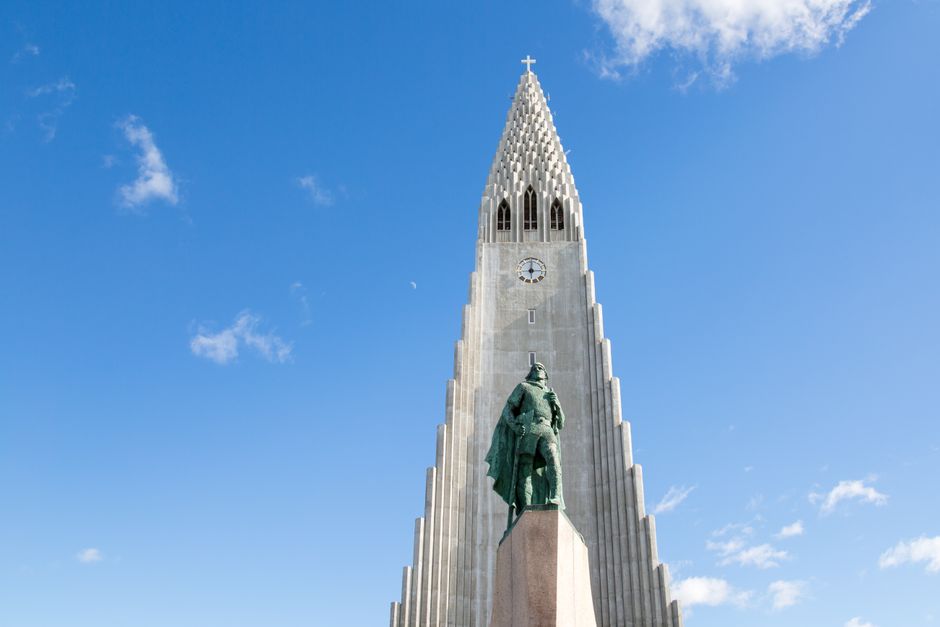
Iceland is a young volcanic island in the North Atlantic, just south of the Arctic Circle, where glaciers sit on top of volcanoes and hot water comes out of the ground. In a few days you can walk between two continental plates at Þingvellir, watch the Strokkur geyser erupt, stand behind a waterfall on the south coast, sail among icebergs on Jökulsárlón and soak in a geothermal lagoon under the Northern Lights. Reykjavík, the world’s northernmost capital, is small, creative and the base for most trips. Summer brings almost endless daylight, open highland roads, puffins and whales; winter brings short days, snow, ice caves and the aurora. Iceland is safe and easy to travel, but expensive, and the weather and the volcanoes both deserve respect. Give it four or five days for Reykjavík, the Golden Circle and the south coast, and ten days to two weeks to drive the whole Ring Road.
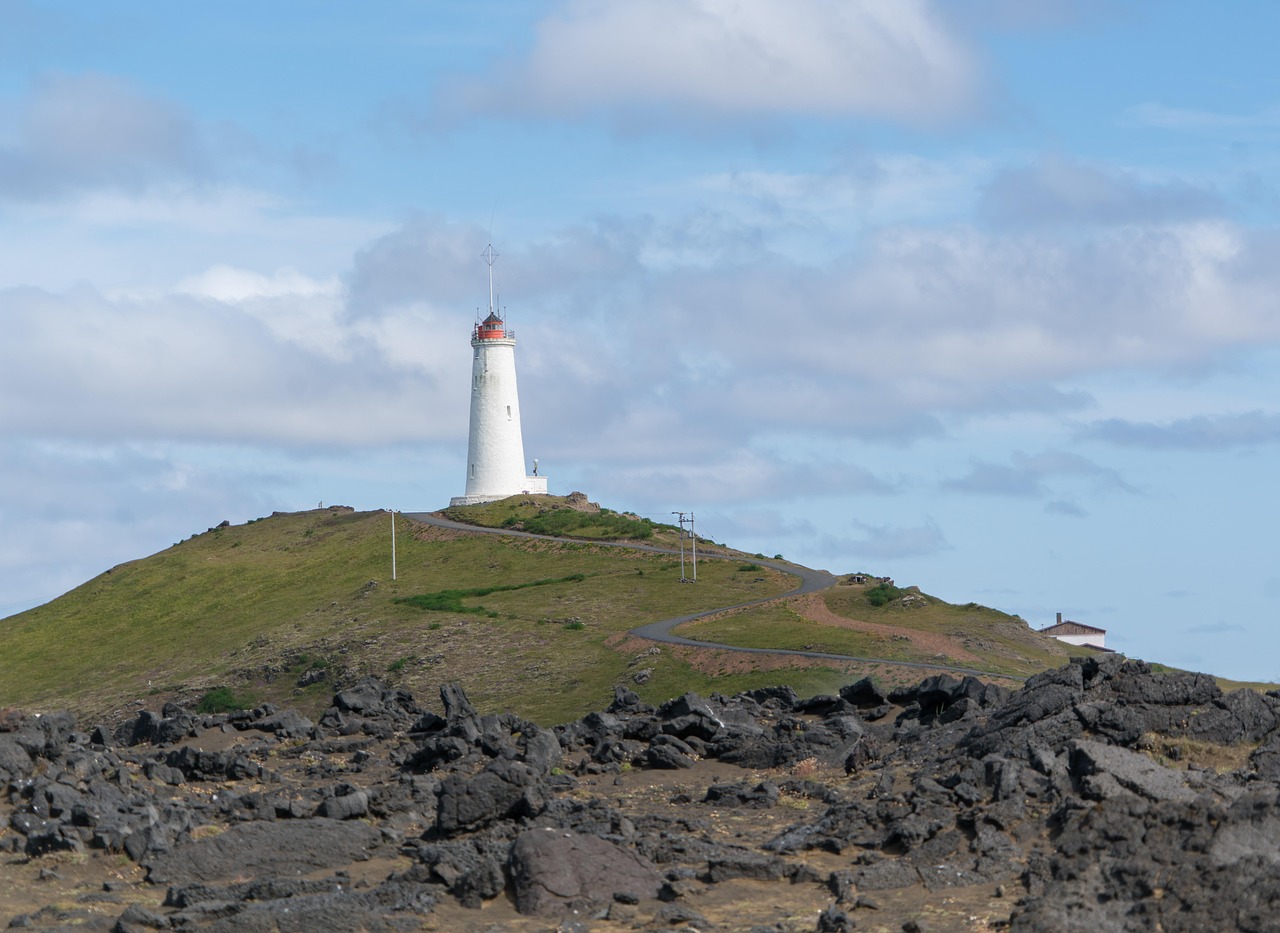
Right now in Iceland
- Wed -4–1°C 25–33°F Cloudy
- Thu -3–4°C 26–39°F 10 mm Sleet
- Fri -2–1°C 29–33°F 2 mm Cloudy
Weather: MET Norway (CC BY 4.0) · Rates: ECB
Key facts
| Currency | Icelandic króna (ISK, kr.), not the euro; cards almost everywhere, know your PINSource: visitreykjavik.is · Last reviewed 4 Oct 2026 |
|---|---|
| Languages | Icelandic; English is spoken almost everywhereSource: wikidata.org · Last reviewed 4 Oct 2026 |
| Plugs and voltage | Type C and F · 230 V, 50 HzSource: wikidata.org · Last reviewed 4 Oct 2026 |
| Emergency number | 112 (police, fire, ambulance, rescue); backup 599-0112 if 112 fails; 1700 health adviceSource: 112.is · Last reviewed 4 Oct 2026 |
| Driving side | On the right; headlights on at all times; 50 in towns, 80 on gravel, 90 on paved roads; off-road driving banned; F-roads only in summer and only by 4×4; alcohol limit 0.2 per milleSource: safetravel.is · Last reviewed 4 Oct 2026 |
| Tap water | Safe and excellent everywhere; drink the cold tap, not the hot (geothermal) waterSource: visitreykjavik.is · Last reviewed 4 Oct 2026 |
| Tipping | Not expected; service is includedSource: visitreykjavik.is · Last reviewed 4 Oct 2026 |
| Calling code | +354 (dial 00 for international calls)Source: wikidata.org · Last reviewed 4 Oct 2026 |
| Time zones | GMT (UTC+0) all year, no summer timeSource: data.iana.org · Last reviewed 4 Oct 2026 |
| Entry summary | Schengen but not EU. Most visitors from outside the EU/EEA stay visa-free for up to 90 days in 180 (Schengen-wide) and register in the EU Entry/Exit System at Keflavík; ETIAS is not yet in operation. No internal border checks.Source: home-affairs.ec.europa.eu · Last reviewed 4 Oct 2026 |
Multi-day tours of Iceland
Multi-day tours from local operators. You check dates and book on Viator, our partner; we may earn a commission at no extra cost to you. How we earn money
Iceland at a glance: fire, ice and a small capital
Iceland covers about 103,000 km², roughly the size of Portugal or the US state of Kentucky, but most of the interior is uninhabited highland of lava, sand and ice. About a tenth of the country lies under glaciers, the largest being Vatnajökull. According to Statistics Iceland, 394,324 people lived in Iceland on 1 January 2026, and 139,804 of them in the city of Reykjavík. With the neighbouring towns of the capital region, around two in three Icelanders live in and around Reykjavík, so the rest of the country feels very empty. Iceland is not a member of the European Union, but it is part of the European Economic Area (EEA) and the Schengen area.
Icelandic is the national language, close to the Old Norse of the sagas, with letters such as þ (th as in “thin”) and ð (th as in “this”). Almost everyone speaks good English, and signs, menus and tour bookings are usually in English too. Icelanders are known by their first names, and the phone book is sorted that way.
Time zone: Iceland stays on Greenwich Mean Time (UTC+0) all year, with no summer time. In winter it is the same time as London; from late March to late October it is one hour behind the UK and two hours behind most of Europe.
Iceland’s regions
- Reykjavík and the capital region: the capital and its neighbouring towns, with Hallgrímskirkja church, Harpa concert hall, the Old Harbour, museums, pools and whale-watching boats.
- Reykjanes Peninsula (Suðurnes): Keflavík International Airport, the Blue Lagoon, lava fields, geothermal areas and the fishing town of Grindavík. This is where the Sundhnúkur crater row has erupted repeatedly since late 2023 (see the safety section below).
- South Iceland (Suðurland): the Golden Circle (Þingvellir, Geysir and Gullfoss), the south coast waterfalls of Seljalandsfoss and Skógafoss, the black beaches around Vík, the Westman Islands, and further east Skaftafell and the Jökulsárlón glacier lagoon at the foot of Vatnajökull.
- West Iceland (Vesturland): the Snæfellsnes peninsula with Kirkjufell and the Snæfellsjökull glacier, the waterfalls and hot springs of Borgarfjörður, and the islands of Breiðafjörður.
- The Westfjords (Vestfirðir): a remote land of steep fjords, the Dynjandi waterfall, the bird cliffs of Látrabjarg and the Hornstrandir nature reserve, reached by long roads or the Baldur ferry from Snæfellsnes.
- North Iceland (Norðurland): Akureyri, the “capital of the north”; Lake Mývatn and its lava formations, craters and nature baths; Húsavík, Iceland’s whale-watching capital; and the north part of Vatnajökull National Park with Dettifoss and Ásbyrgi.
- East Iceland (Austurland): the quiet East Fjords, the arty town of Seyðisfjörður, where the car ferry from Denmark arrives, and Egilsstaðir by Lake Lagarfljót.
- The Highlands (Hálendið): the uninhabited interior, with the rhyolite mountains of Landmannalaugar, Þórsmörk, Askja and Kerlingarfjöll. It is reached only on summer mountain roads (F-roads), usually from late June to early September.
Regions
- Capital Region
- Eastern Region
- Golden Circle
- Northeastern Region
- Northwestern Region
- Southern Peninsula Region
- Southern Region
- Western Region
- Westfjords
Where to go: Reykjavík, the Golden Circle, the glaciers and the west
Most first trips start in Reykjavík and add the Golden Circle and the south coast as far as Vík or Jökulsárlón. With a week or more, drive the 1,300 km Ring Road (Route 1) around the whole island, or add Snæfellsnes and the north. In winter, stay closer to Reykjavík and the south, where roads are kept open and daylight is short.
Reykjavík
The capital is a small, colourful city of corrugated-iron houses by the sea, with mountains across the bay. Climb the tower of Hallgrímskirkja, walk the waterfront past the Sun Voyager sculpture to Harpa, eat fish by the Old Harbour and visit the National Museum and the Settlement Exhibition. Locals meet in the city’s geothermal swimming pools, the best-value thing to do in Iceland, and in the bars and cafés of Laugavegur. Reykjavík is the base for whale watching, puffin boats in summer, Northern Lights tours and day trips in every direction, and Sky Lagoon is within the city limits.
The Golden Circle
Iceland’s classic day trip is a loop of about 230–300 km east of Reykjavík. It links Þingvellir National Park, where the old Icelandic parliament met from 930 and the North American and Eurasian plates pull apart; the Geysir geothermal area, where Strokkur erupts every few minutes; and Gullfoss, a two-step waterfall dropping into a canyon. Add the Kerið crater lake, a geothermal bath at Laugarvatn or Flúðir, lunch in the tomato greenhouses of Friðheimar, and snorkelling in the clear glacial water of the Silfra fissure.
The south coast and Vík
Route 1 east of Reykjavík runs along a strip of farmland between the glaciers and the sea. You can walk behind Seljalandsfoss, stand in the spray of Skógafoss, walk on the Sólheimajökull glacier with a guide, and see the basalt columns and sea stacks of Reynisfjara beach near Vík. Reynisfjara is one of Iceland’s most dangerous places: sudden “sneaker waves” have swept people out to sea. Stay well back from the water, obey the warning lights and zones, and never turn your back on the waves.
Vatnajökull National Park: Skaftafell and Jökulsárlón
Vatnajökull is Europe’s largest national park, built around the great ice cap and listed by UNESCO for its “fire and ice”. In the south, Skaftafell has easy trails to the Svartifoss waterfall and to glacier tongues, and guided glacier hikes start here. About an hour further east, icebergs calve into the Jökulsárlón glacier lagoon and wash up on the black sand of Diamond Beach. From about November to March, licensed guides take visitors into blue ice caves. In the north, the park covers Dettifoss, Europe’s most powerful waterfall, and the horseshoe canyon of Ásbyrgi.
Snæfellsnes
The Snæfellsnes peninsula, about two and a half hours’ drive north-west of Reykjavík, packs much of Iceland into 90 km: the cone of Kirkjufell above its waterfall, the cliffs and sea arches of Arnarstapi and Hellnar, the black church at Búðir, the lava fields and beaches of Snæfellsjökull National Park, seals at Ytri Tunga and the harbour town of Stykkishólmur. It works well as a long day trip or, better, two days, and is a good alternative when the south coast is busy.
Akureyri, Mývatn and Húsavík
The north is drier and often sunnier than the south. Akureyri, at the head of the long Eyjafjörður fjord, has cafés, a botanic garden and a ski area, and is about five hours’ drive or a 45-minute flight from Reykjavík. Lake Mývatn, an hour east, is surrounded by pseudo-craters, the lava towers of Dimmuborgir, the Hverfjall crater, the bubbling mud pots of Hverir and the Mývatn Nature Baths. Húsavík, on the coast to the north, runs whale-watching boats from about April to November, with humpbacks seen on most summer trips. Goðafoss, the “waterfall of the gods”, is on the road between Akureyri and Mývatn.
The Westfjords, the east and the Highlands
For quieter travel, the Westfjords have Dynjandi, the bird cliffs of Látrabjarg (with puffins from May to August) and the town of Ísafjörður; many roads there are gravel and some passes close in winter. The East Fjords have fishing villages, Seyðisfjörður’s rainbow street and reindeer on the hills. In summer only, high-clearance four-wheel-drive vehicles and highland buses reach Landmannalaugar, the start of the Laugavegur trek to Þórsmörk, and the caldera of Askja.
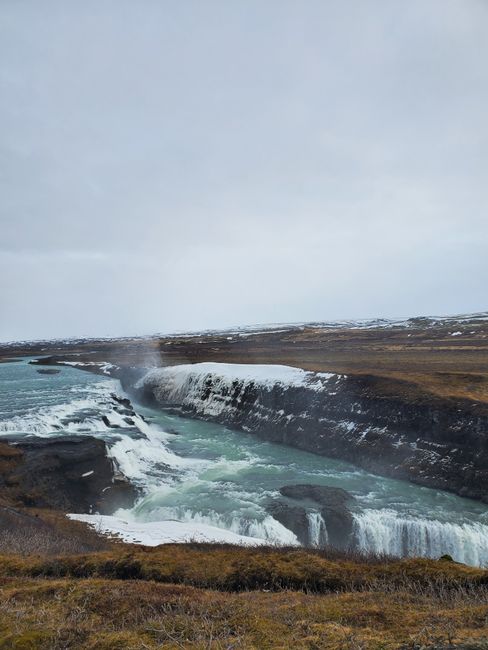
Golden Circle Travel Guide
Plan a Golden Circle day trip or overnight from Reykjavík: Þingvellir National Park and its 2026 parking fees, the Almannagjá gorge and the Law…
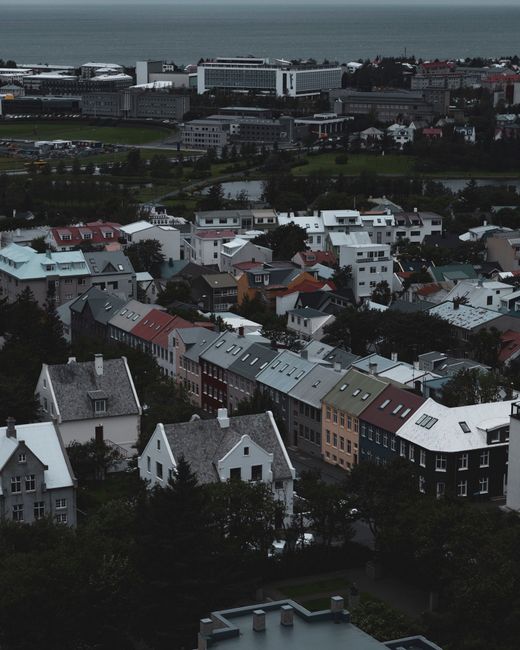
Reykjavík Travel Guide
Plan a trip to Reykjavík: Hallgrímskirkja tower prices and hours for 2026, Harpa and the Sun Voyager, the National Museum and the Settlement Exhibition,…
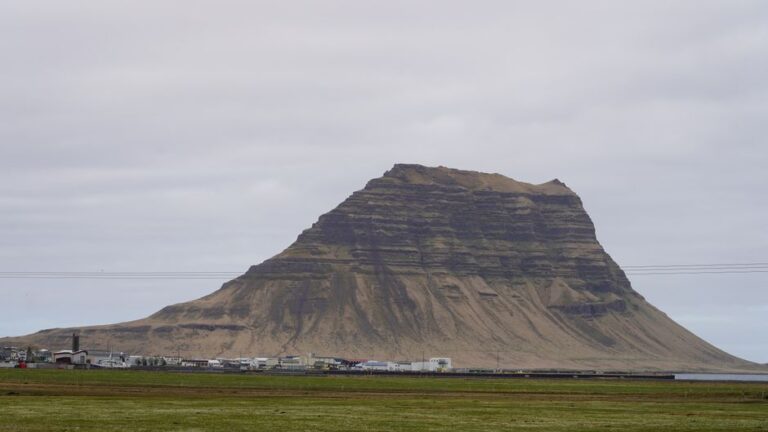
Snæfellsnes Travel Guide
Plan a trip to the Snæfellsnes peninsula: Kirkjufell and Kirkjufellsfoss parking, the Arnarstapi–Hellnar coastal walk, Snæfellsjökull National Park and its new 2026 service fee,…
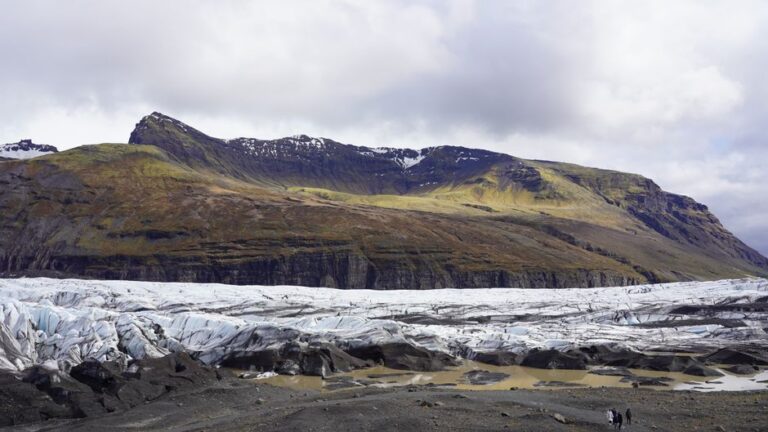
Vatnajökull National Park Travel Guide
Plan a trip to Vatnajökull National Park: Skaftafell and the Svartifoss hike, guided glacier hikes, Jökulsárlón glacier lagoon boat tours and 2026 prices, Diamond…
Best time to visit Iceland, region by region
Iceland’s climate is cool and changeable rather than extremely cold. The Gulf Stream keeps the south and west coasts mild in winter, around freezing, while summers rarely get warm: a sunny July day in Reykjavík reaches about 15 °C. The south is wetter and windier; the north and the inland north-east are drier, colder in winter and a little warmer on summer afternoons. Wind is often the main problem, and storms can close roads at any time of year. The table shows rounded average daily highs at one weather station per region, from the official 1991–2020 climate normals that the Icelandic Met Office (Veðurstofa Íslands) submitted to the World Meteorological Organization, plus the average rain or snow a year and the number of days with at least 1 mm.
| Region (Icelandic Met Office station) | Spring highs (Mar–May) | Summer highs (Jun–Aug) | Autumn highs (Sep–Nov) | Winter highs (Dec–Feb) | Rain a year (wet days) |
|---|---|---|---|---|---|
| Reykjavík and the capital region (Reykjavík) | 4–10 °C | 13–15 °C | 11 °C falling to 5 °C | 3 °C | about 880 mm (155) |
| Reykjanes Peninsula (Keflavík) | 4–10 °C | 13–14 °C | 11 °C falling to 5 °C | 3–4 °C | about 1,100 mm (169) |
| Golden Circle and the southern lowlands (Hjarðarland) | 3–11 °C | 15–17 °C | 12 °C falling to 3 °C | 2 °C | about 1,340 mm (161) |
| South coast near Vík (Vatnsskarðshólar) | 5–10 °C | 12–14 °C | 11 °C falling to 6 °C | 4–5 °C | about 1,730 mm (190) |
| West Iceland and Snæfellsnes (Stykkishólmur) | 3–9 °C | 12–14 °C | 11 °C falling to 4 °C | 3 °C | about 740 mm (135) |
| North Iceland (Akureyri) | 4–10 °C | 14–15 °C | 12 °C falling to 4 °C | 3 °C | about 570 mm (109) |
| Inland north-east near Mývatn (Grímsstaðir) | 0–7 °C | 12–14 °C | 9 °C falling to 1 °C | −1 °C | about 390 mm (100) |
| East Fjords (Dalatangi) | 4–7 °C | 9–11 °C | 10 °C falling to 5 °C | 4 °C | about 1,660 mm (161) |
Winter nights are colder than the highs suggest. Average January lows are about −2 °C in Reykjavík, −3.5 °C in Akureyri and nearly −8 °C at Grímsstaðir in the inland north-east, and the wind makes it feel much colder. Weather can change several times a day, so check the forecast on vedur.is, the Icelandic Met Office’s website, every morning, together with road conditions on umferdin.is.
Northern Lights, midnight sun and the dark days
- Northern Lights: Visit Iceland gives the season as September to April, when the nights are dark enough. November to March have the longest nights, activity is often highest around the equinoxes in September and March, and displays are most common between about 22:00 and 02:00. You need a clear sky as well as activity: the Icelandic Met Office publishes a free aurora forecast on vedur.is with a cloud-cover map and an activity scale from 0 to 9. You can see the aurora from Reykjavík on good nights, but darker places such as Þingvellir, Grótta lighthouse or the countryside are better. Give yourself several nights.
- Midnight sun: mainland Iceland lies just south of the Arctic Circle, so the sun dips below the horizon for a short time around midsummer, but it never gets dark. In Reykjavík, the sun rises just before 03:00 and sets just after midnight around 21 June, and from mid-May to late July the nights are bright twilight. Only the island of Grímsey, on the Arctic Circle off the north coast, has a true midnight sun.
- Short winter days: around the winter solstice, Reykjavík gets only about four hours of daylight, with sunrise after 11:00 and sunset around 15:30. The light is soft and low, and long blue twilights are good for photos. By early March, days are about as long as in the UK.
Crowds and prices through the year
- June to August: high season, with the long days, open highland roads, puffins, whale watching and hiking. The Golden Circle, the south coast and Jökulsárlón are busy, and hire cars, campervans and rooms sell out. Book months ahead.
- May and September: fewer people and lower prices, with most services open. In September the first Northern Lights appear and the highland roads begin to close. In May, snow still lies on the mountains and some F-roads are shut.
- October to April: Northern Lights, ice caves (about November to March), snowy landscapes and city breaks. Days are short and storms can close roads, including parts of the Ring Road, for a day or two. Christmas, New Year and February are popular, especially in Reykjavík.
Festivals and events through the year
- November and December: the Iceland Airwaves music festival in venues across Reykjavík from 4 to 8 November 2026; Christmas markets and lights; the 13 Yule Lads, Iceland’s mischievous Christmas figures, who come to town one by one from 12 December; and New Year’s Eve, with bonfires and enormous private firework displays over Reykjavík.
- January to March: bonfires on Þrettándinn (6 January); Þorrablót midwinter feasts with traditional foods such as fermented shark; and Reykjavík’s Winter Lights Festival (Vetrarhátíð) from 4 to 7 February 2027, with free light art, Museum Night and Pool Night across the capital region.
- April to June: the First Day of Summer (a public holiday on the Thursday between 19 and 25 April, 22 April in 2027), the return of the puffins in May, and National Day on 17 June, with parades and concerts in every town.
- July and August: the long Commerce Day weekend at the start of August (the Westman Islands festival, Þjóðhátíð, is the biggest party), Reykjavík Pride in August, and Culture Night (Menningarnótt) with the Reykjavík Marathon in late August.
Weather month by month
Averages from IMO normals 1991–2020, Reykjavík · Last reviewed 4 Oct 2026
How long to stay: sample itineraries
Iceland looks small on a map, but roads are mostly two lanes, often windy, and you will stop constantly. Plan on about 300 km a day at most, fewer in winter. Most travellers hire a car; without one, base yourself in Reykjavík and use day tours.
4 days: Reykjavík, the Golden Circle and the south coast
Day 1: Reykjavík, with Hallgrímskirkja, the harbour and a swim or a lagoon. Day 2: the Golden Circle, with Þingvellir, Geysir, Gullfoss and Kerið. Day 3: the south coast to Seljalandsfoss, Skógafoss, Reynisfjara and Vík, staying overnight nearby. Day 4: drive back, perhaps with a glacier walk at Sólheimajökull, and spend the evening at the Blue Lagoon or Sky Lagoon before your flight.
7 days: the south as far as Jökulsárlón, plus Snæfellsnes
Two days in and around Reykjavík, one day for the Golden Circle, then two or three nights along the south coast with Skaftafell, a guided glacier hike or ice cave, and Jökulsárlón and Diamond Beach. Drive back to Reykjavík and finish with a day or overnight trip to Snæfellsnes. In winter this is the best one-week plan, because the south coast road is kept open and well served.
10–14 days: the Ring Road
Drive Route 1 all the way round, usually anticlockwise: the Golden Circle and south coast, Skaftafell and Jökulsárlón, the East Fjords, Mývatn, Dettifoss and Húsavík, Akureyri, and back via Snæfellsnes or Borgarfjörður. Ten days is the minimum; two weeks lets you add the Westfjords or a highland day trip in summer. From November to March the Ring Road can be closed in the north and east by storms, so leave spare days and check umferdin.is daily. Iceland combines well with Norway: flights link Reykjavík with Oslo and Bergen, and the Arctic north of Norway, around Tromsø and the Lofoten Islands, has a similar mix of mountains, sea and Northern Lights. Finland, a short flight away via Helsinki, is the other classic aurora destination.
Entry, money and costs
Entry: Schengen, EES and ETIAS (last reviewed October 2026)
Iceland is part of the Schengen area, so the usual Schengen rules apply. EU, EEA and Swiss citizens only need a valid passport or national ID card. Many other nationalities, including UK, US, Canadian and Australian citizens, can visit without a visa for up to 90 days in any 180-day period, counted across all Schengen countries together.
- Entry/Exit System (EES): the EU’s digital border system has been fully running at all Schengen external borders, including Keflavík Airport and the Seyðisfjörður ferry port, since 10 April 2026. The first time you enter, non-EU visitors register fingerprints and a facial photo instead of getting a passport stamp; children under 12 are not fingerprinted. Registration is free. Allow extra time at passport control, especially on flights from outside Schengen, such as from the UK, the US or Canada.
- ETIAS: the EU’s planned online travel authorisation (fee €20), which Iceland will also use, is not in operation as of October 2026, and no start date has been officially announced. You don’t need one yet. Ignore websites selling “ETIAS applications”.
- Passport validity: non-EU passports must have been issued within the last 10 years and be valid for at least three months after the day you plan to leave the Schengen area.
- Customs: Iceland is outside the EU customs union, so there are duty-free limits on alcohol, tobacco and food. The duty-free shop in the arrivals hall at Keflavík is a popular place to buy alcohol, which is much cheaper there than in town.
Money: the Icelandic króna, cards and cash
The currency is the Icelandic króna (ISK, written kr.). In early October 2026, the Central Bank of Iceland’s official rates were about ISK 137 to €1, ISK 122 to US$1 and ISK 161 to £1. Iceland is almost cashless: contactless cards and mobile wallets are accepted everywhere, including for buses, parking, toilets and small farm stalls, and many visitors never see a banknote. Petrol pumps sometimes ask for a PIN, so know yours. Always choose to pay in ISK rather than your home currency.
Tipping, alcohol and tax-free shopping
Service is included in prices, so tipping is not expected; rounding up for very good service is fine but never required. Alcohol is expensive. You must be 20 to buy or be served alcohol. Supermarkets sell only low-alcohol beer; stronger beer, wine and spirits are sold in the state-run Vínbúðin shops, which have short opening hours and are closed on Sundays. Many bars have a happy hour in the late afternoon.
Iceland’s VAT is 24% on most goods and 11% on food, books and some services, according to the Icelandic tax authority (Skatturinn). Visitors who live outside Iceland can claim part of the VAT back on goods taken out of the country if a single receipt is for at least ISK 12,000. Ask the shop for a tax-free form, and get it stamped at Keflavík Airport before you check in your bags.
Tourist taxes and fees in 2026
- Accommodation tax (gistináttaskattur): since 1 January 2025, ISK 800 per room per night in hotels and guesthouses and ISK 400 per pitch or unit at campsites. It is charged per unit, not per person, and is often added on arrival.
- Kilometre fee (kílómetragjald): since 1 January 2026, all vehicles pay a road-use fee per kilometre, whatever fuel they use. For cars and SUVs up to 3.5 tonnes it is ISK 6.95 per km. Hire companies pass it on, usually as a separate charge based on how far you drive, so 1,500 km round the island adds about ISK 10,400.
- Parking and service fees: most busy natural sites now charge for parking by number-plate camera, paid by app, at a machine or online on the same day. As of October 2026, examples include Þingvellir (ISK 1,000 a day for a car), Skaftafell and Jökulsárlón (ISK 1,110), Snæfellsjökull National Park (ISK 1,100) and the private Kerið crater (ISK 700 a person). Unpaid fees end up on your hire-car bill with an admin charge.
- A proposed nature pass: in September 2026 the government put out for consultation a draft law for a “nature pass” that non-residents would need for Þingvellir, Geysir and Gullfoss, at ISK 4,500 a year (less in winter), from 1 May 2027, replacing parking fees at those sites. It is a draft, not law, as of October 2026.
Typical travel costs
Iceland is one of the most expensive countries in Europe, especially for eating out, alcohol, car hire and summer accommodation. Supermarkets (the discount chains Bónus and Krónan), hot dog stands, petrol-station grills, soup lunches and the free hot pools help keep costs down. These estimates per person per day are a planning guide as of October 2026:
| Style | Estimated cost per day | What that looks like |
|---|---|---|
| Budget | about ISK 15,000–22,000 (€110–160) | Hostel bed or campsite, supermarket food and a hot dog, Strætó buses or a shared hire car, free sights, a pool visit |
| Mid-range | about ISK 35,000–55,000 (€255–400) | Double room in a guesthouse or 3-star hotel shared by two, a café lunch and dinner out, a share of a small hire car, one paid lagoon or tour |
| High-end | about ISK 90,000+ (€650+) | Design hotels and country lodges, tasting menus, private glacier, ice cave and aurora tours, premium lagoon packages, a 4×4 |
Sample prices as of October 2026: the Flybus from Keflavík Airport to Reykjavík costs ISK 3,999 one way; a Strætó city bus ride ISK 690; a Reykjavík swimming pool ISK 1,500; the Hallgrímskirkja tower ISK 1,500; and the Blue Lagoon from ISK 11,990 for the basic Comfort entry (prices vary by time slot).
Getting there and getting around
Arriving by air or sea
- Keflavík International Airport (KEF): almost all international flights land here, on the Reykjanes Peninsula about 50 km south-west of Reykjavík. Icelandair connects Europe and North America through Keflavík, and many European airlines fly in. The Flybus runs to the BSÍ bus terminal in Reykjavík after every flight, in about 45 minutes, for ISK 3,999 one way (ISK 5,299 with a hotel transfer) as of October 2026. Strætó’s public bus 55 is cheaper, ISK 2,400 to Reykjavík, but less frequent. Taxis cost much more.
- By sea: the Smyril Line car ferry Norröna sails from Hirtshals in Denmark via the Faroe Islands to Seyðisfjörður in East Iceland, about once a week, taking two to three days. Cruise ships call at Reykjavík, Akureyri, Ísafjörður and other ports in summer; international cruise passengers pay an infrastructure fee of ISK 2,500 a day, usually included in the fare.
Driving: the Ring Road, gravel, F-roads and winter
A hire car gives you the most freedom, and the Ring Road (Route 1) is paved all the way round. The speed limit is generally 90 km/h on paved roads, 80 km/h on gravel and 50 km/h or less in towns, with speed cameras and high fines. Headlights must be on at all times. Many single-lane bridges remain, especially in the south-east: the car closest to the bridge goes first.
- Never drive off-road: driving off marked roads and tracks is illegal and fines are very high, because tyre tracks scar the moss and soil for decades.
- Don’t stop on the road: pull into a proper parking area for photos. Stopping on the Ring Road or on bridges causes serious accidents every year.
- F-roads (mountain roads): marked with an F, these highland tracks open only in summer, when the snow has gone and the ground is dry, usually from late June or July to early September; dates vary every year. They are legal only in four-wheel-drive vehicles, many cross unbridged rivers, and the Road and Coastal Administration (Vegagerðin) publishes a map showing which are open. Hire-car insurance does not cover river crossings.
- Winter driving: from about October to April, expect snow, ice, darkness and strong winds. Hire cars come with winter tyres, often studded. Check the weather on vedur.is and the road map on umferdin.is (or call 1777) every morning, and don’t drive when roads are closed: closures are real and rescue teams are volunteers.
- Insurance: wind can blow gravel, sand and even volcanic ash against the car and rip doors off their hinges if you open them into the wind. Read what your insurance covers, and hold the door with both hands.
- Tunnels and fuel: there are no tolls on most roads, but the Vaðlaheiði tunnel near Akureyri has a toll paid online. Fuel stations are few and far between in the east, north-east and Westfjords: fill up when you can.
Buses, tours and domestic flights
Iceland has no railways. Strætó runs city buses in the capital region and a network of long-distance buses (for example route 51 along the south coast and route 57 to Borgarnes and Akureyri), but services are infrequent, often once or twice a day, and fewer in winter. Most visitors without a car use day tours from Reykjavík, which reach the Golden Circle, the south coast, Snæfellsnes and Jökulsárlón, plus minibus aurora tours. Highland buses run to Landmannalaugar and Þórsmörk in summer. Icelandair’s domestic flights from Reykjavík City Airport, in the city itself, reach Akureyri, Egilsstaðir and Ísafjörður in under an hour, and small planes and the Herjólfur ferry serve the Westman Islands.
Ferries
The Herjólfur ferry crosses from Landeyjahöfn on the south coast to the Westman Islands in about 35–45 minutes (from Þorlákshöfn, much longer, when the harbour silts up or seas are rough). The Baldur car ferry links Stykkishólmur on Snæfellsnes with Brjánslækur in the Westfjords, via Flatey island, and saves a long drive. Small ferries also reach Grímsey and Hrísey in the north.
Volcanoes, weather and staying safe outdoors
Reykjanes volcanic activity, Grindavík and the Blue Lagoon (last reviewed October 2026)
Since November 2023, magma has been building up under Svartsengi on the Reykjanes Peninsula and repeatedly breaking out along the Sundhnúkur crater row just north of Grindavík. The ninth eruption in the series began on 16 July 2025 and ended on 5 August 2025, and there has been no eruption since. As of late September 2026, the Icelandic Met Office reports that land is still slowly rising at Svartsengi, that about 29 million cubic metres of magma have collected there since July 2025, and that the most likely outcome is another magma intrusion and possibly a new eruption, at short notice. Its hazard assessment of 30 September 2026 keeps Grindavík in the “considerable” hazard zone and Svartsengi, where the Blue Lagoon is, in the “moderate” zone.
- What this means for visitors: eruptions here have so far been fissure eruptions that threaten roads, pipelines and the town, not flights. Keflavík Airport has stayed open throughout. If an eruption starts, the Blue Lagoon is evacuated and roads into the area close, sometimes for days.
- The Blue Lagoon: the lagoon says it is open every day as of October 2026, with timed entry bookings from ISK 11,990 for the Comfort package and ISK 14,990 for Premium. It has closed several times during eruptions and reopened afterwards, so book a flexible ticket and check its website on the day.
- Grindavík: most residents moved away after the town was evacuated in November 2023; Statistics Iceland counted fewer than 1,000 inhabitants at the start of 2026. Parts of the town are open again, but the ground is cracked in places. Follow signs and closures, and don’t go where the authorities say no.
- If there is an eruption: follow the Met Office (vedur.is), Civil Protection (almannavarnir.is) and safetravel.is. When eruptions are safe to visit, the police open marked walking routes and car parks; never walk on new lava, which stays hot and unstable for months, and stay out of low ground where volcanic gases collect.
Safetravel, weather warnings and the 112 app
Iceland’s nature causes far more problems than its people. The national safety site safetravel.is, run by the volunteer search and rescue association ICE-SAR, shows current alerts, lets you leave a travel plan, and links to the free 112 Iceland app, which can send your location to rescuers. Respect yellow, orange and red weather warnings from the Met Office: in a red warning, stay indoors. As Iceland switches off its old 2G and 3G mobile networks, safetravel advises that if a call to 112 fails or is unclear, you can call the backup number 599-0112.
Glaciers, beaches, geothermal areas and hiking
- Glaciers and ice caves: never walk on a glacier or enter an ice cave without a certified guide. Glaciers have hidden crevasses, and ice caves can collapse; in Vatnajökull National Park, ice cave visits are only allowed with licensed operators in the cold season.
- Beaches: on the south coast, especially Reynisfjara and Diamond Beach, waves can surge far up the sand without warning. Stay at least 30 m from the waterline and never climb on icebergs.
- Geothermal areas: stay on paths. The ground can be a thin crust over boiling water, and every year people are scalded at hot springs.
- Hiking: carry warm, waterproof layers, food and water even on short walks, check the forecast, and tell someone your route. Many popular trails, including the Laugavegur trek, are only safe in summer.
- Camping: since 2015, tents and campervans must use campsites in most places; wild camping in a campervan or car on public land is not allowed. Campsites charge the ISK 400 accommodation tax per pitch on top of their own price.
Culture, food and everyday etiquette
Icelanders are relaxed, direct and proud of their small nation’s literature, music and outdoor life. The medieval sagas are still read at school, more books are published per person than almost anywhere, and musicians from Björk to Sigur Rós started in Reykjavík. Belief in elves (huldufólk) is a gentle joke for most people, but some roads have been rerouted around elf rocks. Shoes come off at the door in homes.
The swimming pool is the heart of social life. Every town has a geothermal pool with hot tubs, and the rules are strict: shower naked, without your swimsuit, and wash well with soap before you put your swimsuit on and get in. Attendants will remind you if you forget.
Icelandic food is built on fish and lamb: cod and haddock, Arctic char, langoustine (humar) from Höfn, lamb soup, skyr, rye bread baked in hot ground, and the famous Reykjavík hot dog with crispy onions and remoulade. Fermented shark (hákarl) and other Þorri foods appear in midwinter. Whale meat is still sold to tourists but rarely eaten by Icelanders; whale-watching groups ask visitors not to order it. Tap water is excellent: don’t buy bottled water. Hot tap water smells of sulphur but is safe.
Shops open later in the morning than in much of Europe, and many supermarkets stay open until late evening or around the clock in Reykjavík. Public holidays coming up include Christmas Eve from the afternoon, Christmas Day and Boxing Day, New Year’s Eve from the afternoon, New Year’s Day, Maundy Thursday to Easter Monday (25–29 March 2027), the First Day of Summer (22 April 2027), 1 May, Ascension Day (6 May 2027), Whit Monday (17 May 2027), National Day on 17 June and Commerce Day (2 August 2027).
Safety, health and connectivity
Safety
Iceland is one of the safest countries in the world, with very little violent crime; the police don’t usually carry guns. Petty theft is rare, but don’t leave valuables in hire cars at busy car parks. The real risks are weather, roads, waves, glaciers and volcanoes, covered above. The emergency number for police, ambulance, fire and rescue is 112.
Health
Healthcare is very good, but there are few hospitals outside Reykjavík, Akureyri and a handful of towns. EU and EEA citizens should carry their European Health Insurance Card (EHIC). UK visitors should check GOV.UK for which card or document to bring under the UK–Iceland arrangements. Everyone needs travel insurance that covers rescue and activities such as glacier hikes, snorkelling and snowmobiles. Search and rescue is free, but medical treatment and helicopter transfers can be very expensive. For non-urgent medical advice, call 1700.
Connectivity and power
Mobile coverage is good along the Ring Road and in towns but patchy in the highlands and some fjords. Because Iceland is in the EEA, many EU phone plans roam at home prices; others can buy a local SIM or eSIM. Wi-Fi is standard in hotels, cafés and many buses. Sockets are type C and F at 230 V and 50 Hz, so bring a travel adapter from the UK, North America or Australia. Useful sites and apps: vedur.is (weather and aurora), umferdin.is (roads), safetravel.is and the 112 Iceland app, Strætó’s Klappið app for buses, and a parking app for the many camera-controlled car parks.
Things to do: hiking, boat trips, snorkelling, sightseeing and hot springs
- Hiking: the four- to five-day Laugavegur trek from Landmannalaugar to Þórsmörk (usually late June to early September), the Fimmvörðuháls pass from Skógafoss, Svartifoss and the glacier trails at Skaftafell, Glymur waterfall in Hvalfjörður, the Reykjadalur hot river near Hveragerði, and the coastal path between Arnarstapi and Hellnar. Guided glacier hikes run all year.
- Boat trips: whale watching from Reykjavík, Húsavík and Akureyri; puffin boats from Reykjavík’s harbour from about May to mid-August; amphibian and Zodiac boats among the icebergs of Jökulsárlón (roughly May to October); and island hopping in Breiðafjörður from Stykkishólmur.
- Snorkelling and diving: the Silfra fissure in Þingvellir National Park, with glacial spring water at 2–4 °C and visibility of over 100 m, is one of the world’s best-known dive sites. You must go with a licensed operator, wear a dry suit, and meet age and health rules.
- City sightseeing: Reykjavík’s churches, museums, street art and harbour, and Akureyri’s old town and botanic garden.
- Hot springs and lagoons: the Blue Lagoon, Sky Lagoon, Laugarvatn Fontana, the Secret Lagoon at Flúðir, the Mývatn Nature Baths, Vök Baths in the east and Forest Lagoon near Akureyri, plus dozens of public pools.
- Winter activities: Northern Lights tours, ice caves in Vatnajökull, snowmobiling on Langjökull or Mýrdalsjökull, horse riding on Icelandic horses, and super-jeep trips.
- Cycling and surfing: cycling the Ring Road is a serious undertaking because of wind and gravel, but e-bike tours in Reykjavík and around Mývatn are easy. A small cold-water surf scene rides the reef breaks near Þorlákshöfn and on Reykjanes, in thick wetsuits.
What to pack
Pack for wind and rain in every season. In summer, bring a fully waterproof, windproof rain jacket and over-trousers, a warm fleece or light down jacket, a hat and gloves, sturdy waterproof hiking shoes or boots, an eye mask for the bright nights and a swimsuit for the pools. From October to April, add thermal base layers, a warm insulated coat, a hat, scarf and mittens, warm waterproof boots and slip-on ice grips for icy paths. For Silfra or hot rivers, water shoes can help on rough ground. Also bring a type C/F plug adapter, a refillable water bottle (tap water is excellent), a head torch for winter and a contactless card.
Iceland travel FAQ
When is the best time to visit Iceland?
June to August is best for road trips, hiking, the highlands, puffins and long days. September and May are quieter and cheaper. October to March is the time for the Northern Lights, ice caves and snowy landscapes, but days are short and storms can close roads.
When can I see the Northern Lights in Iceland?
From September to April, when the nights are dark. November to March have the longest nights, and activity is often highest around the equinoxes. Look between about 22:00 and 02:00 on clear nights, away from city lights, and check the Icelandic Met Office’s aurora forecast on vedur.is, which shows both cloud cover and activity.
Is it safe to visit Iceland with the volcanic activity on Reykjanes?
Yes, for nearly all travellers. The eruptions on the Sundhnúkur crater row near Grindavík have been local fissure eruptions, and Keflavík Airport has stayed open. The last one ended on 5 August 2025; as of late September 2026 magma is still building up and a new eruption is possible at short notice. Follow the Met Office and safetravel.is, keep out of closed areas, and book a flexible Blue Lagoon ticket.
Is the Blue Lagoon open?
As of October 2026, yes, every day, with timed bookings from ISK 11,990 (Comfort) and ISK 14,990 (Premium). It closes when an eruption starts nearby, so check the lagoon’s website on the day. Sky Lagoon in Kópavogur, on the edge of Reykjavík, is an alternative away from the volcanic area, from ISK 14,990.
How many days do you need in Iceland?
Four or five days covers Reykjavík, the Golden Circle and the south coast to Vík. A week takes you to Skaftafell and Jökulsárlón, or adds Snæfellsnes. Allow ten days to two weeks to drive the whole Ring Road, more in winter.
Do I need a 4×4 in Iceland?
Not for the Ring Road, the Golden Circle, the south coast or Snæfellsnes in summer. A 4×4 is legally required on F-roads, which are open only in summer, and is a sensible choice in winter for better grip and clearance. Whatever you drive, check umferdin.is and vedur.is before setting off.
What is the new kilometre fee for hire cars?
Since 1 January 2026, every vehicle in Iceland pays a road-use fee for each kilometre driven: ISK 6.95 per km for cars and SUVs up to 3.5 tonnes. Hire companies charge it on to you, usually as a separate line on your bill. A 1,500 km Ring Road trip adds about ISK 10,400.
Do I need a visa or ETIAS to visit Iceland?
Iceland is in the Schengen area. Many nationalities, including UK, US, Canadian and Australian citizens, can stay up to 90 days in any 180 days without a visa. Since April 2026 non-EU visitors register fingerprints and a photo in the EES border system on first entry. ETIAS is not yet running as of October 2026, so you don’t need it yet.
Do I need cash in Iceland?
Almost never. Cards and mobile wallets are accepted everywhere, including on buses and at car-park machines. Know your card’s PIN for unstaffed petrol pumps. A little cash is only useful as a backup.
How expensive is Iceland?
Very. As a rough guide for October 2026, budget travellers spend about ISK 15,000–22,000 (€110–160) a day and mid-range travellers about ISK 35,000–55,000 (€255–400). Add the accommodation tax of ISK 800 a room per night, parking fees at natural sites and the kilometre fee if you drive. Save with supermarkets, free sights and the public pools.
Can I wild camp in Iceland?
Not in a campervan or car: you must use campsites. Hikers with a tent can camp for a night on uncultivated land away from campsites in some areas, but not in national parks or protected areas outside their campsites, and never on farmland without permission. In practice, plan on campsites, most of which open from about May to September.
Sources
- Natural Earth · Public domain · fetched 4 Oct 2026
- © OpenStreetMap contributors · ODbL · fetched 4 Oct 2026
- Wikidata · CC0 · fetched 4 Oct 2026
Sources and last review
Researched and last reviewed on 4 October 2026. Population from Statistics Iceland; climate from the Icelandic Met Office’s official 1991–2020 station normals (WMO collection); volcanic activity and the hazard assessment from the Icelandic Met Office, with Civil Protection and safetravel.is; exchange rates from the Central Bank of Iceland; VAT, tax-free, the accommodation tax and the cruise fee from Skatturinn; the kilometre fee from island.is; parking and service fees from Þingvellir, Vatnajökull and Snæfellsjökull national parks and Kerið; the Northern Lights season from Visit Iceland; transport fares from Flybus and Strætó; mountain roads from Vegagerðin; festival dates from Iceland Airwaves and the City of Reykjavík. The Blue Lagoon status and prices and the Met Office’s late-September update were read from search results of the official sites. The proposed nature pass, Grindavík access, the Norröna ferry, Herjólfur crossing times, camping rules, daylight times and alcohol rules come partly from secondary sources or general knowledge and are flagged for checking. Daily costs are estimates. Check the official links before you travel.
Plan your trip
Partner links: TravelerCenter may earn a commission if you book, at no extra cost to you.
🇮🇸 Useful Icelandic phrases for Iceland
All 38 Icelandic phrases: restaurant, hotel, emergencies, romance (printable) →