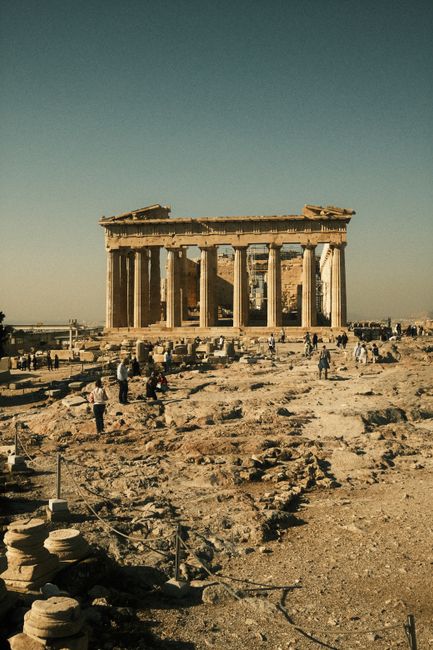
Greece is two countries in one: a rugged mainland of ancient ruins, mountain monasteries and lively cities, and a scatter of more than 200 inhabited islands in some of the clearest water in Europe. Start in Athens under the Acropolis, then pick your islands: the whitewashed Cyclades with Santorini, Mykonos and Naxos; green, Venetian-flavoured Corfu and the Ionian islands; big, mountainous Crete; medieval Rhodes and the Dodecanese. On the mainland, Thessaloniki has the country’s best food scene, the monasteries of Meteora sit on top of giant rock pillars, and Nafplio is the gateway to Mycenae and Epidaurus. Late May to June and September to early October suit almost everywhere. Give it 10 days for a first trip, two weeks or more if you want three islands.
Right now in Greece
- Wed 12–23°C 53–73°F Partly cloudy
- Thu 12–25°C 54–76°F Mostly clear
- Fri 15–26°C 59–79°F Clear
Weather: MET Norway (CC BY 4.0) · Rates: ECB
Key facts
| Currency | Euro (EUR, €)Source: visitgreece.gr · Last reviewed 4 Oct 2026 |
|---|---|
| Languages | Greek; English is widely spoken in tourism, and city street signs are usually in Greek and EnglishSource: visitgreece.gr · Last reviewed 4 Oct 2026 |
| Plugs and voltage | Type C and F · 230 V, 50 HzSource: visitgreece.gr · Last reviewed 4 Oct 2026 |
| Emergency number | 112 (all emergencies); 100 police, 166 ambulance, 199 fire; 1571 Tourist PoliceSource: visitgreece.gr · Last reviewed 4 Oct 2026 |
| Driving side | On the rightSource: visitgreece.gr · Last reviewed 4 Oct 2026 |
| Tap water | Safe to drink in Athens (EYDAP); on many islands water is desalinated, so ask locally or drink bottledSource: eydap.gr · Last reviewed 4 Oct 2026 |
| Tipping | Not required and no service charge is added; 5-15% in restaurants and cafés for good service; round up taxi faresSource: thisisathens.org · Last reviewed 4 Oct 2026 |
| Calling code | +30 (dial 00 for international calls)Source: visitgreece.gr · Last reviewed 4 Oct 2026 |
| Time zones | All of Greece (mainland and islands): EET (UTC+2), summer EEST (UTC+3)Source: visitgreece.gr · Last reviewed 4 Oct 2026 |
| Entry summary | Schengen area · EU member. See the entry section for rules by passport.Source: home-affairs.ec.europa.eu · Last reviewed 4 Oct 2026 |
Multi-day tours of Greece
Multi-day tours from local operators. You check dates and book on Viator, our partner; we may earn a commission at no extra cost to you. How we earn money
Greece at a glance: overview and geography
Greece sits at the south-eastern tip of the Balkans, with Albania, North Macedonia, Bulgaria and Turkey on its northern borders and the Ionian Sea, the Aegean Sea and the Sea of Crete on the other three sides. About four-fifths of the country is mountains, and no point on the mainland is more than about 100 km from the sea. The coastline, with all the islands, runs to roughly 13,000 km. The 2021 census by the Hellenic Statistical Authority (ELSTAT) counted about 10.4 million people, a third of them in greater Athens.
History is everywhere: Minoan palaces on Crete, the Mycenaean citadels of the Peloponnese, the classical temples of Athens, Delphi and Olympia, Byzantine churches in Thessaloniki, Venetian fortresses on the islands and Ottoman mosques in the north. Modern Greece only became independent in the 1820s and 1830s, and its first capital was Nafplio. Yet daily life is anything but a museum: long lunches, late dinners, the evening walk along the waterfront, and the village festival (panigyri) with music and dancing until dawn.
Time zone: Greece runs on Eastern European Time (UTC+2, UTC+3 in summer), one hour ahead of Italy, France and Spain.
Mainland and island groups
- Athens and Attica: the capital, its ancient sites and museums, the port of Piraeus for most island ferries, and the Temple of Poseidon at Cape Sounion at the tip of the peninsula.
- The Peloponnese: the big southern peninsula joined to the mainland by the Corinth Canal: Nafplio, Mycenae, Epidaurus, Olympia, the Byzantine ghost town of Mystras, the castle town of Monemvasia and the wild Mani peninsula.
- Central and northern Greece: Delphi on the slopes of Mount Parnassus, the Meteora monasteries in Thessaly, the Pelion peninsula near Volos, Mount Olympus, Thessaloniki and the three “fingers” of Halkidiki, and the mountain villages of Zagori in Epirus.
- The Cyclades: the classic Greek islands in the middle of the Aegean, with white cube houses and blue domes: Santorini, Mykonos, Naxos, Paros, Milos, Ios, Sifnos, Folegandros, Syros and Tinos. Dry, bare and windy in July and August.
- The Dodecanese: close to the Turkish coast in the south-east: Rhodes with its medieval Old Town, Kos, Patmos, Symi, Karpathos and Kalymnos, a rock-climbing favourite. Warmer and with a longer season than the Cyclades.
- Crete: Greece’s biggest island, a destination on its own, with Heraklion and the palace of Knossos, the Venetian harbour of Chania, the Samaria Gorge, pink-sand Elafonisi and Balos lagoon.
- The Ionian islands: off the west coast: Corfu, Paxos, Lefkada, Kefalonia, Ithaca and Zakynthos. Greener, with Venetian and British architecture, and famous beaches such as Navagio (Shipwreck Beach) and Myrtos.
- The North Aegean: large, less touristy islands such as Lesvos (ouzo and olive groves), Chios (mastic villages), Samos, Ikaria (a “blue zone” of long lives and all-night festivals) and Lemnos.
- The Saronic islands: an hour or two from Piraeus, ideal for a short break from Athens: car-free Hydra, Aegina with its pistachios and Temple of Aphaia, Poros and Spetses.
- The Sporades: pine-covered islands off the east coast, reached from Volos or Agios Konstantinos: Skiathos with its sandy beaches, Skopelos, Alonissos with its marine park, and Skyros.
Regions
- Attica Region
- Central Greece Region
- Central Macedonia Region
- Crete Region
- Eastern Macedonia and Thrace Region
- Epirus Region
- Ionian Islands Region
- Mount Athos
- North Aegean Region
- Peloponnese Region
- South Aegean Region
- Thessaly Region
- West Greece Region
- Western Macedonia Region
Where to go: cities, islands and the mainland
Most first trips combine two or three nights in Athens with two or three islands. Pick islands that share a ferry line (the Cyclades work well together), or fly to a big island such as Crete, Rhodes or Corfu and stay put. If you have more time, the mainland is the part most visitors miss, and it is wonderful.
Athens
The Parthenon on the Acropolis, the superb Acropolis Museum below it, the Ancient Agora where Socrates taught, the old lanes of Plaka and Anafiotika, rooftop bars facing the floodlit temple, and the National Archaeological Museum, one of the great museums of the world. Most island ferries leave from nearby Piraeus. Read our Athens guide for 2026 tickets, timed entry and airport transfers.
The Cyclades: Santorini, Mykonos and Naxos
Santorini is the flooded volcano with cliff-top villages, sunsets at Oia and black and red beaches. Mykonos is windmills, Little Venice, beach clubs and the sacred island of Delos a short boat ride away. Naxos, the biggest of the Cyclades, has long sandy beaches, mountain villages and real farmhouse food, and it is better value. Paros, Milos, Sifnos and Folegandros are easy to add by ferry.
Crete and Rhodes
Crete could fill two weeks: the Minoan palace of Knossos, the Venetian old towns of Chania and Rethymno, hiking through the Samaria Gorge, and beaches from Balos to Vai. Rhodes has one of the best-preserved medieval towns in Europe, built by the Knights of St John, and the white village of Lindos under its acropolis.
The Ionian islands: Corfu, Zakynthos and Kefalonia
Corfu mixes a Venetian old town (a UNESCO World Heritage Site) with olive-covered hills and coves in the north-west. Zakynthos is famous for Navagio beach and loggerhead turtles, and Kefalonia for Myrtos beach, Melissani cave lake and quiet harbour villages such as Assos and Fiskardo. All three have direct flights from much of Europe in summer.
Thessaloniki, Meteora and Nafplio
Thessaloniki, Greece’s second city, is young, foodie and full of Byzantine churches, with a brand-new metro and the beaches of Halkidiki close by. Meteora is one of the most astonishing sights in Europe: monasteries perched on sandstone pillars above the town of Kalambaka. Nafplio, two hours from Athens, is the prettiest town on the mainland, with a hilltop fortress and easy day trips to Mycenae and the theatre of Epidaurus.
A few more worth your time
Delphi, the “navel of the world”, in a mountain setting that is half the magic; Olympia, birthplace of the Olympic Games; Monemvasia, a walled town on a rock in the sea; the stone villages and gorges of Zagori; the Pelion peninsula’s mountain villages and beaches; Hydra, with donkeys instead of cars; and Halkidiki’s pine-fringed beaches south of Thessaloniki.
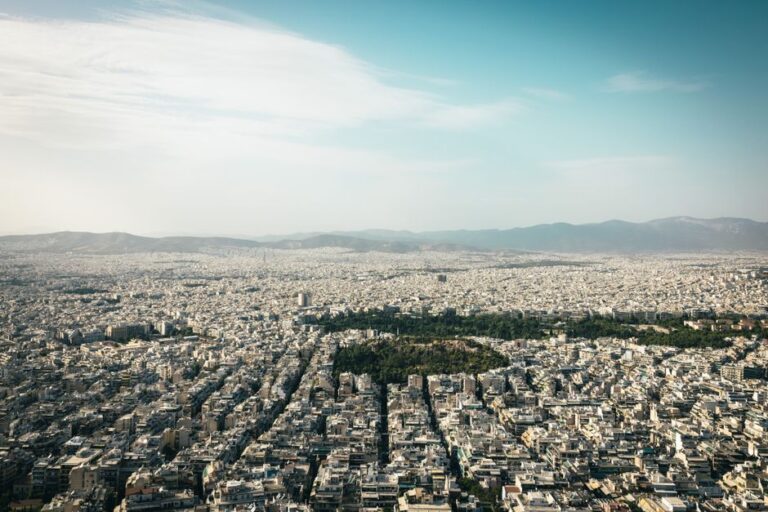
Athens Travel Guide
Plan a trip to Athens: Acropolis timed tickets (2026 price, hours, heatwave closures), the Acropolis Museum, the Ancient Agora, Plaka, Monastiraki and Anafiotika, the…
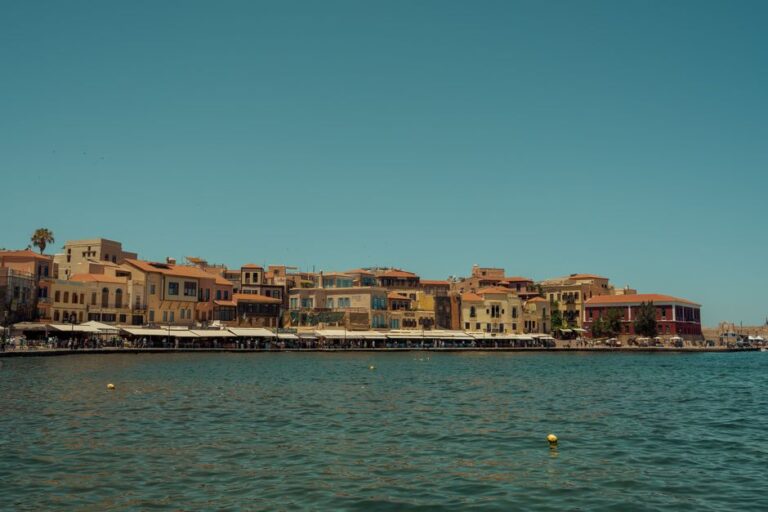
Chania Travel Guide
Plan a trip to Chania: the Venetian harbour and lighthouse, Firkas and the Maritime Museum, Splantzia, Evraiki and the Etz Hayyim synagogue, the Agora…
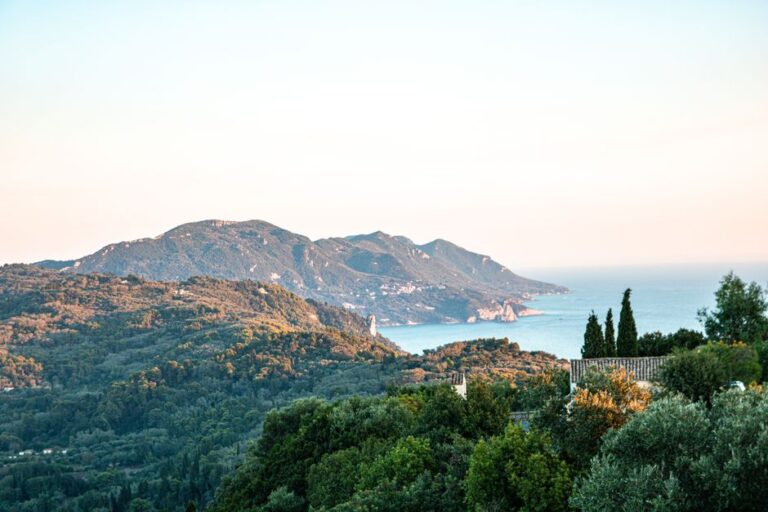
Corfu Travel Guide
Plan a trip to Corfu: the UNESCO old town of Corfu Town, the Old Fortress with 2026 prices, the Achilleion's gardens during restoration, Kanoni…
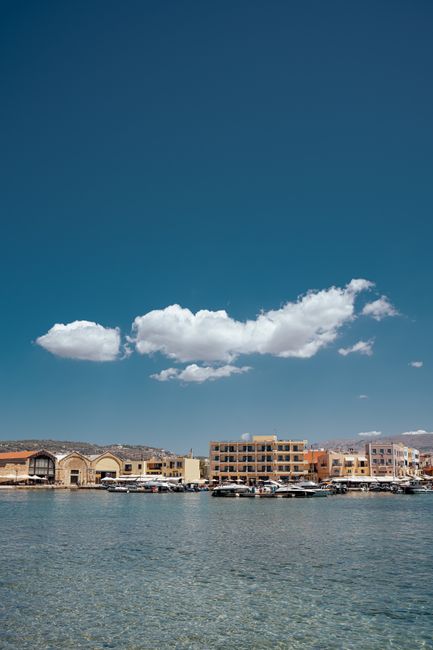
Crete Travel Guide
Plan a trip to Crete: Heraklion's museum and Knossos with 2026 prices, Chania and Rethymno old towns, the Samaria Gorge season, tickets and rules,…
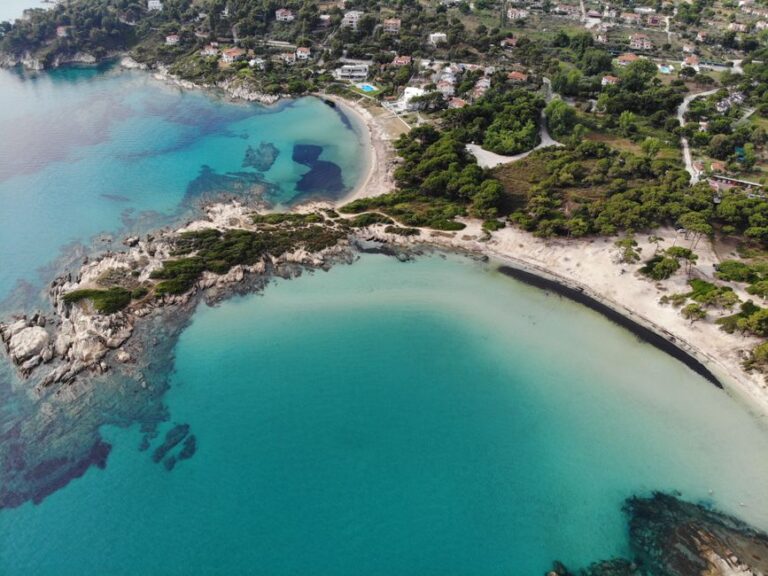
Halkidiki Travel Guide
Plan a trip to Halkidiki: Kassandra or Sithonia, Mount Athos permit rules and the Ouranoupoli boat cruises, ancient Stagira, Petralona Cave, Olynthus and the…
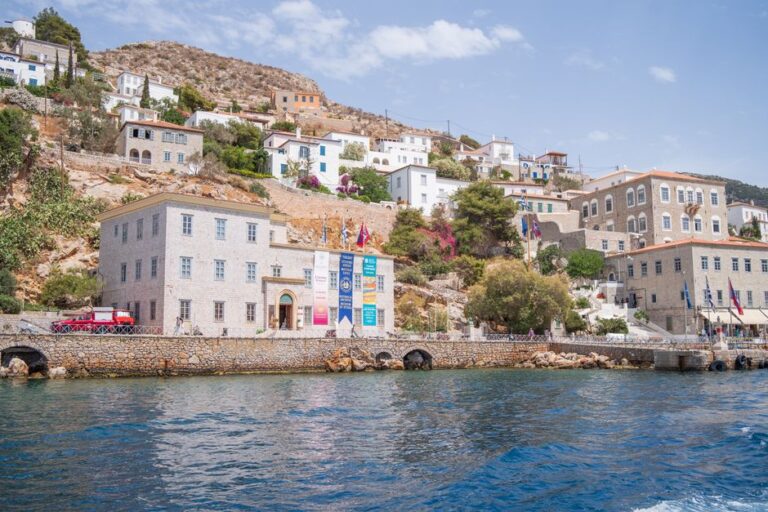
Hydra Travel Guide
Plan a trip to Hydra: the car-free harbour town and its captains' mansions, the Kountouriotis Mansion and Historical Archives with 2026 prices, Profitis Ilias…
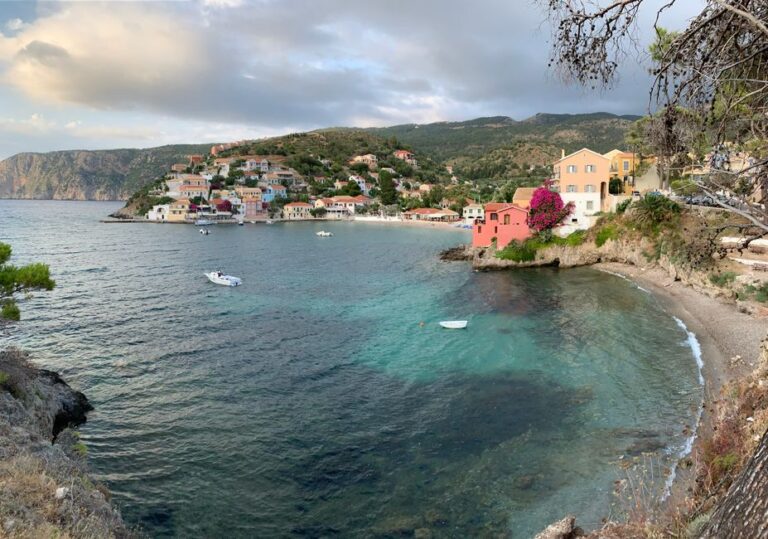
Kefalonia Travel Guide
Plan a trip to Kefalonia: Myrtos beach after the July 2026 rockfall, Melissani and Drogarati caves with 2026 prices and hours, Assos, Fiskardo and…
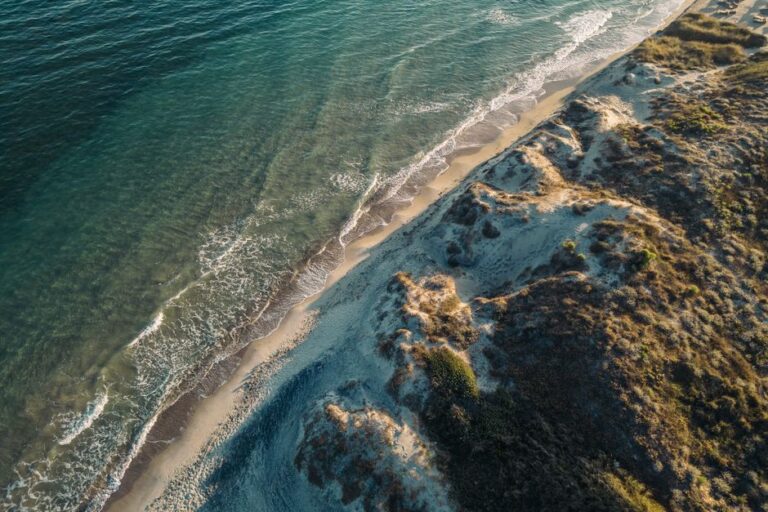
Kos Travel Guide
Plan a trip to Kos: Kos Town, Neratzia Castle and the plane tree of Hippocrates, the Asklepion, Casa Romana and the museum with 2026…
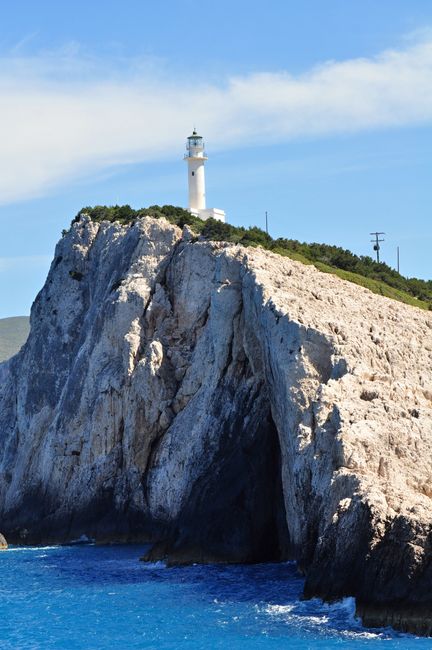
Lefkada Travel Guide
Plan a trip to Lefkada: the causeway and floating bridge, the Castle of Agia Mavra and Lefkada Town with 2026 prices, Porto Katsiki, Kathisma,…
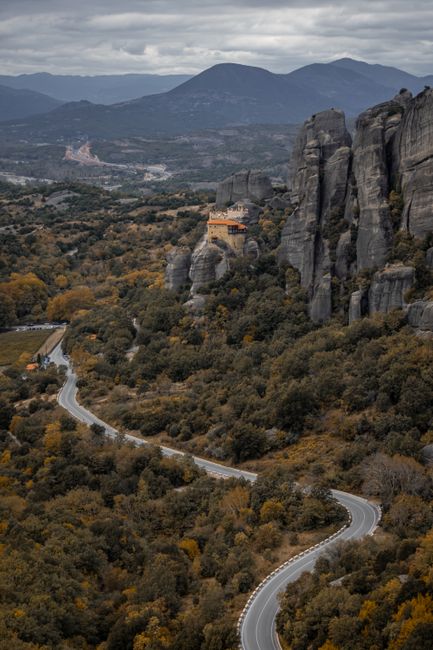
Meteora Travel Guide
Plan a trip to Meteora: the six monasteries that welcome visitors and which day each one closes, summer and winter hours, the €5 entrance…
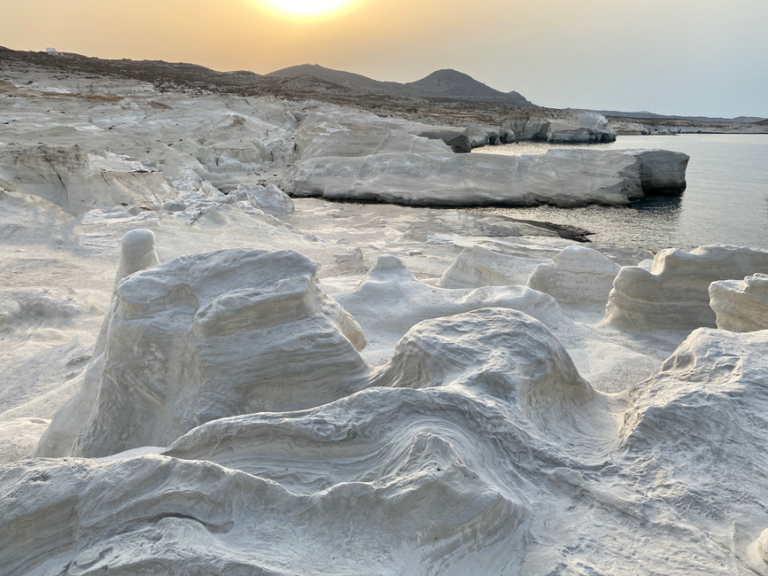
Milos Travel Guide
Plan a trip to Milos: Sarakiniko's white rocks, boat trips to Kleftiko, Plaka and the Kastro at sunset, the Catacombs, museum and Phylakopi with…
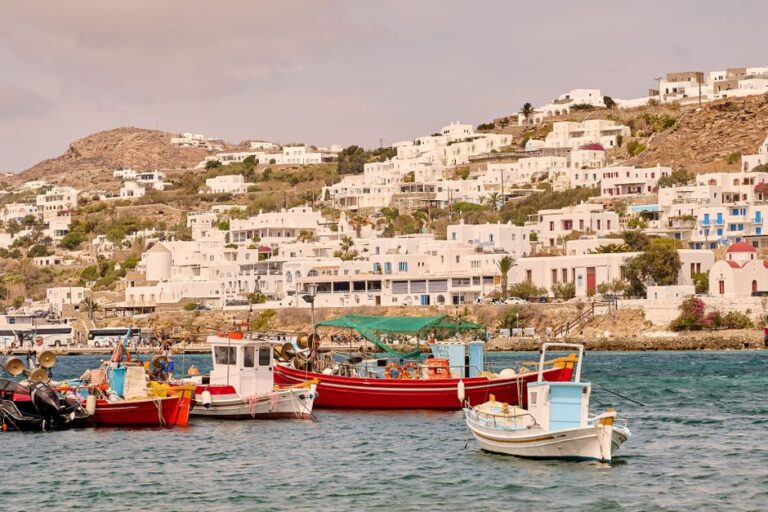
Mykonos Travel Guide
Plan a trip to Mykonos: Chora's lanes, Little Venice and the windmills, Delos with 2026 site prices and boat times, the best beaches and…
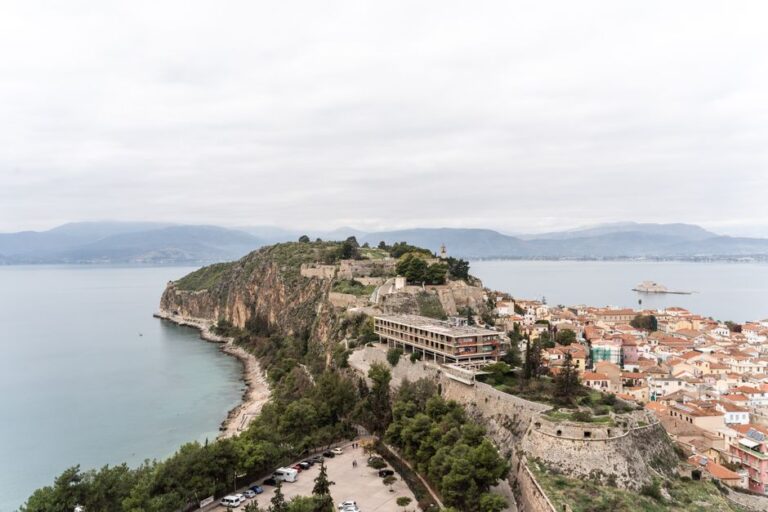
Nafplio Travel Guide
Plan a trip to Nafplio, Greece's first capital: climbing the Palamidi fortress (2026 ticket and hours), the Bourtzi island castle by boat, the old…
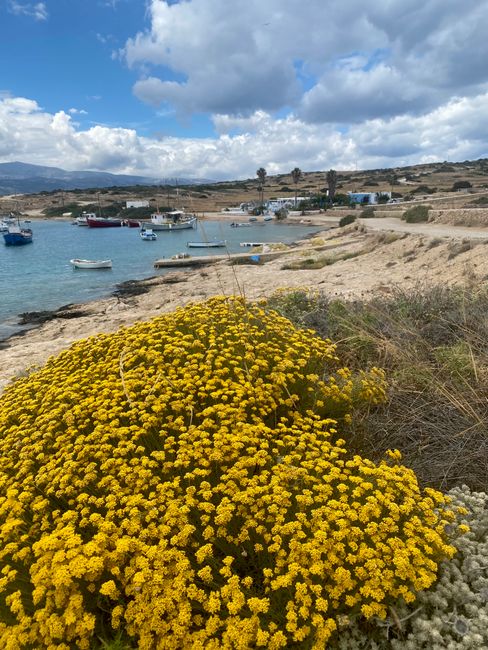
Naxos Travel Guide
Plan a trip to Naxos: the Portara and Chora's Venetian Kastro, Agios Prokopios, Agia Anna and Plaka beaches, the mountain villages of Halki, Filoti…
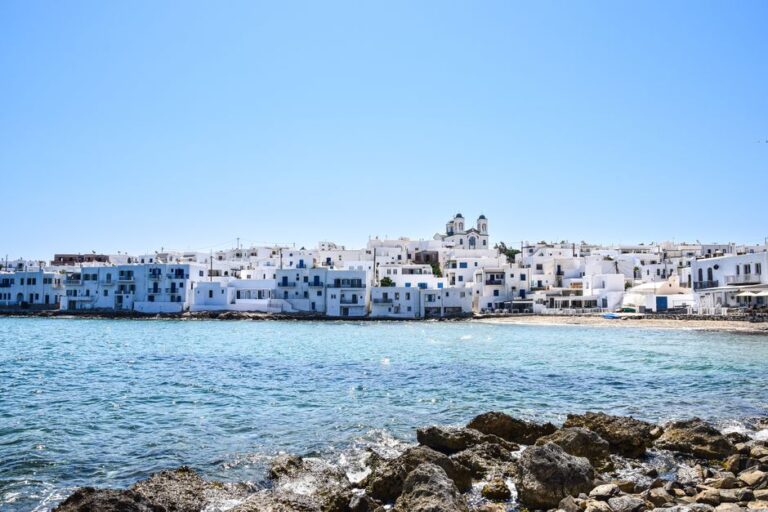
Paros Travel Guide
Plan a trip to Paros: Parikia and the Ekatontapyliani church, Naoussa's harbour, Lefkes and the Byzantine path, the museum with 2026 prices, Kolymbithres, Santa…
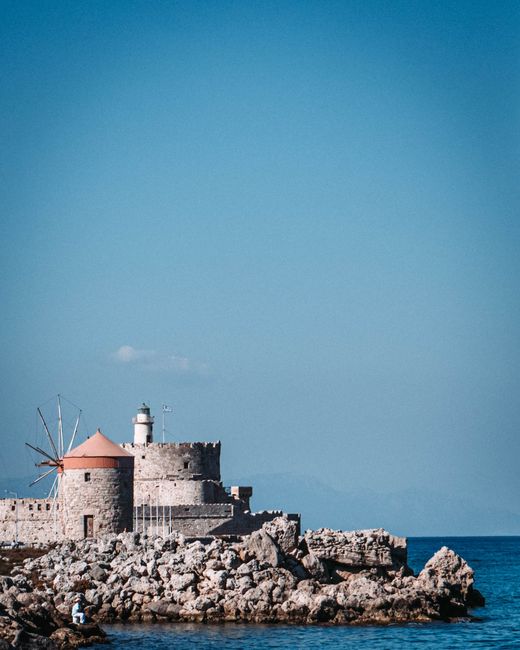
Rhodes Travel Guide
Plan a trip to Rhodes: the UNESCO medieval Old Town and the Palace of the Grand Master, the Lindos acropolis with 2026 prices and…
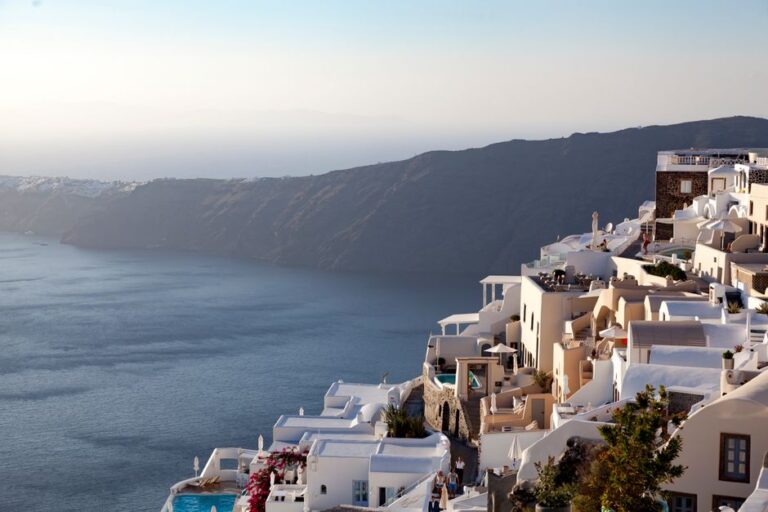
Santorini Travel Guide
Plan a trip to Santorini: Oia, Fira and Imerovigli on the caldera rim, the Fira–Oia walk, Akrotiri with 2026 prices, Red Beach status, Perissa…
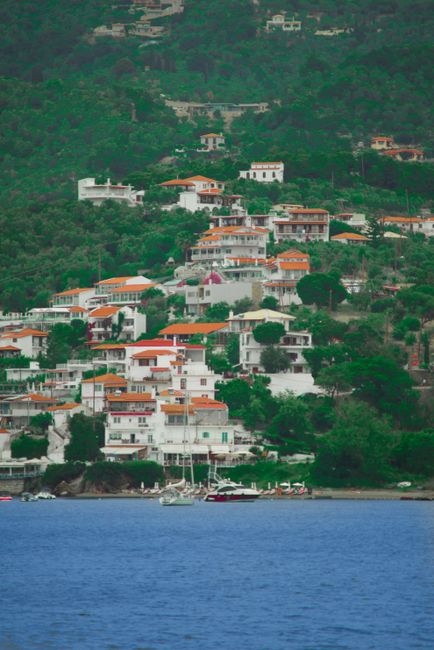
Skiathos Travel Guide
Plan a trip to Skiathos: the town, Bourtzi and Papadiamantis House, Koukounaries beach and the protected Strofylia lagoon, boat-only Lalaria, Banana beaches, Kastro and…
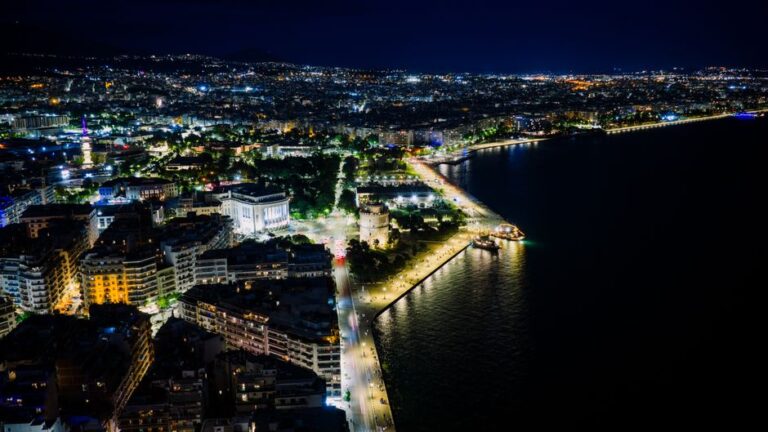
Thessaloniki Travel Guide
Plan a trip to Thessaloniki: the White Tower and the waterfront, the Rotunda and the Arch of Galerius, the UNESCO-listed Byzantine churches, Ano Poli…
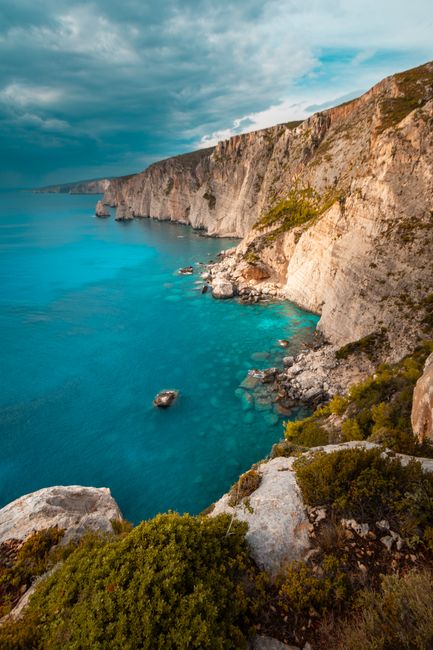
Zakynthos Travel Guide
Plan a trip to Zakynthos: the 2026 rules for Navagio (Shipwreck Beach), closed to landing and swimming until 31 October 2026, the viewpoint, Blue…
Best time to visit Greece
Greece has a Mediterranean climate: hot, dry, sunny summers and mild, wetter winters, with real cold and snow in the northern mountains. The south and the islands are warmest; Thessaloniki and the north have colder winters. The table shows rounded average daily highs from long-term climate normals at one station per area (sources and periods are listed at the end). Recent summers have often been hotter than these averages.
| Area (weather station) | Spring highs (Mar–May) | Summer highs (Jun–Aug) | Autumn highs (Sep–Nov) | Winter highs (Dec–Feb) | Best months |
|---|---|---|---|---|---|
| Athens (city centre) | 17–27 °C | 32–34 °C | 30 °C falling to 19 °C | 13–14 °C | April–June, September–October |
| Thessaloniki (city) | 16–25 °C | 30–32 °C | 28 °C falling to 17 °C | 11–12 °C | May–June, September–October |
| Cyclades (Naxos town) | 16–22 °C | 26–27 °C | 25 °C falling to 19 °C | 14–16 °C | June, September |
| Crete (Heraklion airport) | 17–24 °C | 29–30 °C | 28 °C falling to 20 °C | 15–17 °C | May–June, September–October |
| Dodecanese (Rhodes airport) | 17–24 °C | 28–31 °C | 28 °C falling to 21 °C | 15–17 °C | May–June, September–October |
| Ionian (Corfu) | 16–24 °C | 28–32 °C | 28 °C falling to 19 °C | 14–15 °C | May–June, September |
Rain falls mostly from November to March; in July and August it hardly rains at all on the islands (Naxos averages less than one rainy day a month). The west coast and Corfu are the wettest, and greenest, parts of the country. The sea is warm enough for most swimmers from about mid-June to mid-October, and warmest in August and September.
Meltemi winds, heatwaves and the shoulder seasons
- The meltemi: a strong, dry north wind that blows across the Aegean, mostly in July and August, sometimes for several days at a time. It keeps the Cyclades bearable in the heat, but makes north-facing beaches wild, turns ferry crossings rough and can cancel small high-speed boats and day cruises. On windy days, head for south-facing beaches, and keep a spare day before an international flight.
- Heatwaves: heatwaves of 40 °C or more now hit Athens and the mainland most summers. On the worst days the Ministry of Culture closes the Acropolis and other open-air sites in the middle of the day (typically 12:00 to 17:00), so plan sightseeing for early morning and evening.
- Shoulder seasons: late April to June and September to mid-October are the sweet spot: warm, sunny days, a warm sea from June, fewer crowds and lower prices. Orthodox Easter is a wonderful, busy time to be in Greece.
- Ferry timetables: the full summer timetable, with the most routes and high-speed boats, usually runs from about late May or June to September. From November to March many islands have only a few sailings a week, smaller islands may be linked only via Piraeus, and many island hotels and tavernas close. Athens, Thessaloniki, Crete and the mainland stay open all year.
Crowds and prices through the year
- July and August: peak season everywhere by the sea, with the highest prices, full ferries and the most cruise ships. Around 15 August (the Dormition of the Virgin Mary), Greeks head to the islands and their home villages en masse; book ferries and rooms well ahead.
- May, June, September and early October: the best balance of weather, sea and prices. September is many regulars’ favourite month.
- April and late October: good for Athens, the mainland, Crete and Rhodes; the sea is still cool in April, and some island businesses are just opening or closing.
- November to March: quiet, good value and often sunny in Athens, Thessaloniki and Crete, with ski resorts on Mount Parnassus and in the north. Most small-island tourism shuts down.
Orthodox Easter, festivals and public holidays
Easter (Pascha) is the biggest celebration of the Greek year, and it follows the Orthodox calendar, so it often falls on a different date from Western Easter. In 2027 Greek Easter Sunday is on 2 May (and Western Easter on 28 March). On Good Friday evening, flower-decked biers (epitaphioi) are carried through the streets; on Saturday night, churches fill for the midnight service, candles are lit from the “Holy Light” and fireworks go off at “Christos anesti” (“Christ is risen”); on Sunday, families roast lamb on spits. Corfu’s Easter, with brass bands and the throwing of clay pots from balconies on Holy Saturday morning, is especially famous. Many shops, sites and museums keep short hours on Good Friday and Holy Saturday and close on Easter Sunday.
- Carnival (Apokries): three weeks of parties before Lent, biggest in Patras; Clean Monday (Kathara Deftera, 15 March 2027) is a public holiday for kite-flying and picnics.
- Summer: the Athens Epidaurus Festival of theatre and music in the ancient theatres from about June to August; village panigyria on saints’ days all summer; and 15 August, the biggest summer holiday.
- Autumn and winter: the Thessaloniki International Film Festival in November; Ochi Day on 28 October, with parades; Christmas and the Epiphany blessing of the waters on 6 January, when young men dive for a cross thrown into the sea.
National public holidays: 1 January, 6 January, Clean Monday, 25 March (Independence Day), Good Friday, Easter Monday, 1 May, Whit Monday (Agiou Pnevmatos, 21 June 2027), 15 August, 28 October, and 25 and 26 December. State archaeological sites and museums close on 1 January, 25 March, Easter Sunday, 1 May and 25–26 December, and open short hours on Good Friday and Holy Saturday.
Weather month by month
Averages from HNMS normals 1991–2020, Athens Ellinikon (rain: 1955–2010 averages) · Last reviewed 4 Oct 2026
How long to stay: sample itineraries
Distances look short on the map, but ferries are slow and timetables shape everything. Two islands a week is a relaxed pace; three is the most most people enjoy. Fly into Athens and out of an island (or the other way round) to avoid backtracking.
5 days: Athens and one island
Two days in Athens for the Acropolis, the museums and Plaka, with a sunset trip to Cape Sounion, then three days on one island: Naxos or Paros for beaches, Santorini for the views, or Hydra or Aegina if you want a short ferry. In spring or autumn, swap the island for Nafplio and Mycenae.
7 days: Athens and the Cyclades
The classic first trip: two nights in Athens, then ferry to Mykonos or Naxos for two or three nights and on to Santorini for two nights, flying home from Santorini or back to Athens. Paros and Naxos are an easy pair if you prefer beaches and villages to big-name glamour.
10 days: add the mainland or Crete
Follow the seven-day route and add three days in Crete (ferries run from Santorini to Heraklion in summer), or start with a mainland loop: Athens, Delphi, Meteora and back, or Athens, Nafplio, Mycenae and Epidaurus, before the islands.
14 days: mainland and islands
Athens, then a road trip through the Peloponnese (Nafplio, Mycenae, Epidaurus, Monemvasia, Olympia), across to Delphi and up to Meteora, finishing in Thessaloniki; then fly to an island for the last four or five days. Or split two weeks between Athens, two Cyclades and Crete. Greece links well with Italy: overnight ferries cross the Adriatic from Patras and Igoumenitsa to Bari, Brindisi, Ancona and Venice, and cheap flights connect Athens with Italy, France, Spain and Portugal.
Entry, money, fees and costs
Entry and visas (last reviewed October 2026)
Greece is in the Schengen area. Citizens of EU and EEA countries and Switzerland can enter with a national ID card or passport. Visitors from many other countries, including the United States, Canada, the UK and Australia, can stay without a visa for up to 90 days in any 180-day period, counting time in all Schengen countries. Others need a Schengen visa from a Greek consulate.
- Entry/Exit System (EES): the EU’s digital border system has been fully running at all Schengen borders since 10 April 2026. Non-EU visitors on short stays have their passport details, a photo and fingerprints recorded on their first entry instead of getting passport stamps; children under 12 are not fingerprinted. Registration is free, and the record lasts three years. Allow extra time at passport control at Athens airport and at island airports with flights from outside Schengen, such as the UK.
- ETIAS: the EU’s planned online travel authorisation (fee €20) is not in operation as of October 2026. In April 2026 the European Commission said it was scheduled for the last quarter of 2026, with the exact date to be announced in advance; no date has been published, and press reports point to 2027. Until the EU confirms a date, you don’t need one. Ignore websites selling “ETIAS applications” before then.
- Passports: for non-EU visitors, your passport should have been issued less than 10 years before you arrive and be valid for at least 3 months after the day you plan to leave the Schengen area. Border officers may ask for a return ticket, proof of accommodation and proof of funds.
- Day trips to Turkey: ferries from Rhodes, Kos, Samos, Chios and Lesvos cross to the Turkish coast. Leaving and re-entering Schengen counts as a new border crossing, so carry your passport and check Turkey’s own entry rules for your nationality.
Rules change, so check the official pages before you travel: the European Commission’s EES and ETIAS pages, the Greek Ministry of Foreign Affairs and your own government’s travel information.
Greek basics: language and a few useful words
Greek is the official language, written in its own alphabet, but signs on main roads, at airports, ports and stations are also in Latin letters, and English is widely spoken in tourist areas and by younger Greeks. Place names have several spellings (Piraeus or Pireas, Kalambaka or Kalabaka, Nafplio or Nauplion), so search for both. A few words make people smile: kaliméra (good morning), kalispéra (good evening), yiá sas (hello, polite), efcharistó (thank you), parakaló (please, and also “you’re welcome”), signómi (sorry, excuse me), ne (yes, which sounds like “no”) and óchi (no), and to logariasmó, parakaló (the bill, please). A raised chin with a little click of the tongue also means “no”.
Currency, cash and tipping
Greece uses the euro (€). Cards and phone payments are accepted in most hotels, restaurants, shops and ferry ticket offices, and Athens taxis and public transport take contactless cards. Still, carry cash for small tavernas, kiosks (periptera), village cafés, beach loungers, bakeries and islands where card machines go down. When a cash machine or card terminal offers to charge you in your home currency, choose euros. Use cash machines attached to banks rather than the independent machines in tourist areas, which often charge high fees. Every receipt should come from a till or card machine; it is your right to ask for one.
Tipping is appreciated but not compulsory. In tavernas, round up or leave 5–10% in cash for good service; many Greeks just leave the coins. Round up taxi fares, and give hotel porters or boat crews a euro or two. You will often get free fruit, a sweet or a small shot of raki or tsipouro at the end of a meal: that is hospitality, not a sales trick. Bread is usually charged as a small cover item.
The climate resilience fee (overnight stays)
Greece charges a nightly “climate crisis resilience fee” (telos anthektikotitas) on every overnight stay. It is charged per room or rental per night, not per person, and is usually paid at the property, so it is often not included in booking-site prices. As of October 2026 the rates, unchanged since January 2025, are:
| Type of stay | April–October, per night | November–March, per night |
|---|---|---|
| 1–2-star hotels, rented rooms and apartments | €2 | €0.50 |
| 3-star hotels | €5 | €1.50 |
| 4-star hotels | €10 | €3 |
| 5-star hotels | €15 | €4 |
| Short-term rentals (Airbnb-type), up to 80 m² | €8 | €2 |
| Detached houses and villas over 80 m² | €15 | €4 |
Campsites and youth hostels are exempt. Unlike Italy’s city taxes, it is the same in Athens as on Mykonos.
Cruise passenger fees on Santorini and Mykonos
Since July 2025, cruise passengers pay a fee for each Greek port where they go ashore, usually added to the cruise bill. As of October 2026 it is €20 per passenger on Santorini and Mykonos from June to September, €12 in April, May and October and €4 from November to March. At other Greek ports it is €5 in summer, €3 in spring and October and €1 in winter. On Santorini, the cable car from the old port to Fira has long queues on busy ship days: if you are staying on the island, plan Fira and Oia around the cruise timetable.
Typical travel costs
Greece is good value by Western European standards, except on Santorini and Mykonos in summer, which are among the most expensive places in the Mediterranean. Food in ordinary tavernas is still reasonably priced, and many archaeological sites now cost €20–30. These estimates, per person per day, are a planning guide as of October 2026:
| Style | Estimated cost per day | What that looks like |
|---|---|---|
| Budget | about €60–90 | Hostel bed or simple rented room, gyros and bakery pies, one taverna meal, deck-class ferries and buses, beaches for free |
| Mid-range | about €130–200 | 3-star hotel or studio shared by two, taverna lunches and dinners, one paid site, a ferry or domestic flight every few days, a hired car on the islands |
| High-end | about €350+ | Boutique hotel with a caldera or sea view, fine dining, private boat trips and guides |
Add €50–100 a day for Santorini or Mykonos in July and August. The figures are our estimates, not official statistics. Ferries add up: a high-speed boat from Piraeus to Santorini can cost more than a budget flight, so compare both.
Getting there and getting around
Arrival airports
- Athens (ATH), Eleftherios Venizelos: the main hub, with flights from around the world and domestic flights to most islands. Metro line 3, express buses and taxis (fixed fares) run into the city; see our Athens guide.
- Thessaloniki (SKG): the north’s airport, with many European flights and a bus link to the city and the new metro.
- Island airports: Heraklion and Chania on Crete, Rhodes, Kos, Corfu, Zakynthos, Kefalonia, Santorini and Mykonos all have direct flights from much of Europe in summer, many of them charters and low-cost airlines. Flying into an island and out of Athens saves a ferry day.
- By sea: ferries cross from the Italian ports of Ancona, Bari, Brindisi and Venice to Igoumenitsa, Corfu and Patras, an overnight journey that can carry your car.
Ferries and how to book them
Ferries are the heart of a Greek trip. Big conventional ferries (Blue Star, Minoan, ANEK and others) are slower but steadier, cheaper and carry cars; high-speed catamarans (SeaJets, Fast Ferries, Golden Star and others) are faster and pricier, and roll more in the wind. Athens has three ferry ports: Piraeus, for most of the Cyclades, Crete, the Dodecanese, the Saronic islands and the North Aegean; Rafina, closer to the airport, for Andros, Tinos, Mykonos and the northern Cyclades; and Lavrio, for Kea and some smaller islands. The Ionian islands are reached from Patras, Kyllini and Igoumenitsa, and the Sporades from Volos and Agios Konstantinos.
- Book ahead in summer: for July and August, weekends, Easter and 15 August, buy tickets as soon as you know your dates, especially for cabins and cars. Outside those times you can usually buy a day or two before. Book on the ferry company’s own site or app, or on a booking platform that compares operators.
- Tickets and ID: most tickets are now e-tickets with a QR code on your phone. Your ticket is in your name, and crew check ID at boarding, so carry your passport or ID card.
- Arrive early: be at the port at least 30–60 minutes before departure; Piraeus is huge, with numbered gates (E1–E12) a long walk or a free shuttle bus apart, so check your gate.
- Delays and cancellations: in strong winds, the Coast Guard bans sailings for smaller boats or for everyone (apagorefsi). Ferries also stop during occasional seamen’s strikes. You are entitled to a refund or a later sailing; keep a buffer day before your flight home.
Planning an island-hopping route
Islands are connected in lines rather than as a network. Within one group, hops are short and frequent: Mykonos–Paros–Naxos–Ios–Santorini is a classic summer run. Moving between groups usually means going back through Piraeus or flying via Athens; there are few ferries between, say, the Cyclades and the Ionian islands. A good rule: pick one group per week, travel in one direction, and don’t book a ferry and a flight on the same day. Check the summer timetable before you book rooms, as it is often published only in spring.
Domestic flights
Aegean Airlines and its regional brand Olympic Air, and Sky Express, fly from Athens to most island airports and to Thessaloniki, usually in 35–60 minutes. Flying makes sense for far-flung islands such as Rhodes, Crete or Corfu, or to save a long ferry day. In summer there are also some island-to-island flights, mostly via Athens. Book early: small planes fill quickly.
Trains and KTEL buses
Greece’s rail network is small. Hellenic Train runs the main line from Athens to Thessaloniki, the branch to Kalambaka for Meteora, and suburban trains around Athens, Thessaloniki and Patras; major upgrade works since 2023 have meant replacement buses and longer journey times on parts of the network, so check live updates on the Hellenic Train site before booking. For most mainland trips, use the KTEL buses: a network of regional bus companies with comfortable coaches linking almost every town. In Athens, most KTEL buses leave from the Kifisos bus terminal (for the Peloponnese, Thessaloniki and the north) or Liosion terminal (for Delphi and central Greece); buses to Sounion and Attica leave from near Pedion tou Areos park. Buy tickets at the station or on the regional KTEL’s website.
Driving
A car is the best way to explore the Peloponnese, Crete, the bigger islands and the north. Greece drives on the right. Limits are 130 km/h on motorways, 110 km/h on main roads outside towns, 90 km/h on other rural roads and 50 km/h in towns, with some city streets limited to 30 km/h. The drink-drive limit is 0.5 g/l, and 0.2 g/l for drivers with less than two years’ experience. Drivers with a licence from outside the EU should carry an International Driving Permit with it; rental companies and police ask for it. Motorways have tolls, payable in cash or by card. Mountain roads are narrow and twisty, goats have right of way, and Greek driving can be assertive: overtaking on the hard shoulder is common. On islands, quad bikes and scooters are popular but involved in many accidents; wear a helmet, which is compulsory, and check that your insurance covers them.
Culture, food, monasteries and opening hours
Greek food is simple, seasonal and generous, built on olive oil, vegetables, cheese, bread, fish and grilled meat. Share a spread of meze (small plates): Greek salad (horiatiki), tzatziki, fava (yellow split-pea purée), grilled octopus, fried courgette, stuffed vine leaves and feta baked with tomato. Then grilled fish, souvlaki, moussaka, slow-baked lamb (kleftiko) or the islands’ own dishes, from Cretan dakos to Corfu’s pastitsada. For a cheap lunch, there is gyros wrapped in pita and flaky pies (spanakopita, tiropita) from the bakery. Coffee culture is serious: try a freddo espresso or freddo cappuccino over ice in summer, or a thick Greek coffee in a village café.
Meal times: Greeks eat late. Lunch runs from about 13:30 to 16:00, and dinner rarely starts before 21:00, especially in summer. Tavernas on the islands often stay open all afternoon. Tap water is safe in Athens, Thessaloniki and most of the mainland; on many small islands it is desalinated or hard, so locals drink bottled water.
Churches and monasteries: visitors are welcome in churches, but dress modestly: shoulders covered and no short shorts. Monasteries are stricter: men in long trousers, women in a long skirt (wrap-around skirts are often lent at the door), shoulders covered. At Meteora and other monasteries, opening days rotate, so check before you go. Mount Athos in Halkidiki is a monastic republic that only men can visit, with a special permit.
Archaeological sites and museums: since April 2025, state sites are priced in bands by popularity: the Acropolis costs €30, and sites such as Mycenae, Epidaurus, Sounion and the Ancient Agora €20 each. Entry is free for EU citizens under 25 and for children and teenagers under 18 from any country, with ID. State sites are also free on a few set days a year (6 March, 18 April, 18 May, the last weekend of September and 28 October) and, from November to March, on the first and third Sunday of the month. Summer hours are usually 8:00 to 20:00, shortening gradually in September and October; winter hours are shorter. Buy tickets for the busiest sites on the Ministry of Culture’s official e-ticket site, hhticket.gr, and check the Ministry’s official site, odysseus.culture.gr, for closures.
Siesta and quiet hours: outside the big cities, many shops close in the afternoon (roughly 14:30 to 17:30) and open late in the evening. Respect quiet hours in residential areas in the afternoon and after midnight.
Safety, heat and wildfires, health and connectivity
Safety
Greece is a safe country for travellers, and violent crime against visitors is rare. Pickpockets work on Athens metro line 1 (Piraeus–Kifisia) and line 3 to the airport, at Monastiraki and Omonia, and in crowds at the Acropolis and the ports, so keep phones and wallets zipped away. In nightlife areas, watch your drink, and agree taxi fares or insist on the meter. Demonstrations in central Athens (around Syntagma Square and Exarchia) are usually peaceful but best avoided. Transport strikes are announced a few days ahead and usually last 24 hours.
Emergency number: 112 works across Greece for police, ambulance and fire, and sends emergency alerts to all phones in an affected area. The tourist police answer on 1571, and the coast guard on 108.
Heat and wildfire rules
Summer wildfires are a real risk in Greece, especially from June to September. The Ministry of Climate Crisis and Civil Protection publishes a daily fire risk map for the next day, rating each area from 1 (low) to 5 (state of alert). On category 4 and 5 days, regional authorities often ban entry to forests, national parks, gorges and other protected areas, and lighting any fire outdoors, including barbecues, is forbidden; causing a fire, even by accident, brings heavy fines and prison. Never throw cigarettes on the ground, and don’t park on dry grass. If a fire breaks out near you, follow 112 alerts, leave immediately by the route they give, and head for the sea or a cleared area, not uphill.
In heatwaves, the Ministry of Culture closes the Acropolis and other open-air sites at midday, and the authorities may limit outdoor work and change school and office hours. Drink water constantly, rest in the shade from noon to 17:00, and never hike in the midday heat; walkers have died in recent summers after setting out in extreme heat.
Health
EU travellers can use public healthcare with a European Health Insurance Card (EHIC), UK travellers with a GHIC, but small islands have only basic health centres, and serious cases are flown to Athens or Crete, so take travel insurance that covers medical evacuation. Pharmacies (green cross) are everywhere and pharmacists give good advice. Use strong sunscreen; the Greek sun is fierce even in May and October. Watch for sea urchins on rocky shores (water shoes help) and the occasional jellyfish.
Accessibility
Athens has step-free metro stations and the Acropolis has a lift for visitors with disabilities (check before you go, as it is sometimes out of service), but many islands are all steps, slopes and cobbles: Santorini’s cliff villages, Hydra and the old towns of the Cyclades are hard with a wheelchair. Some beaches have the Seatrac system, a solar-powered seat that takes wheelchair users into the sea. Ask hotels and ferry companies about access before booking.
Connectivity and power
EU phone plans work in Greece at home prices under the EU’s “roam like at home” rules. Visitors from elsewhere can buy an eSIM or a prepaid SIM from Cosmote, Vodafone or Nova (you need a passport to buy one). Wi-Fi is standard in hotels, cafés and on most ferries, though it can be slow at sea. Greece uses 230 V and type C and F sockets, the standard two-pin European plugs.
Things to do: beaches, boats, hiking and wine
- Beaches: the long sands of Naxos and Paros, Milos’s lunar coves, Myrtos on Kefalonia, Navagio on Zakynthos, Elafonisi and Balos on Crete, Halkidiki’s pine-backed bays, and Lindos on Rhodes. Most beaches are public; organised stretches rent sunbeds and umbrellas, and the law protects free access to the shore.
- Boat trips: a day sailing around Milos, the Santorini caldera and hot springs, Mykonos to Delos, Corfu to Paxos and Antipaxos, or Zakynthos’s Blue Caves. Renting a small boat without a licence is possible in many places.
- Snorkeling and diving: clear, calm water off Milos, Paros, Crete and the Ionian islands, and the Alonissos marine park in the Sporades. Diving is allowed with licensed dive centres; many underwater archaeological areas are protected.
- Hiking: the Samaria Gorge on Crete (May to October), the trails between Meteora’s monasteries, the Vikos Gorge in Zagori, Mount Olympus, the old stone footpaths (kalderimia) of Naxos, Andros and Tinos, and the caldera path from Fira to Oia on Santorini. Spring and autumn are best.
- Wine tasting: Assyrtiko on Santorini’s volcanic soil, Agiorgitiko in Nemea near Nafplio, Xinomavro in Naoussa near Thessaloniki, and Crete’s revived local grapes. Many wineries offer tastings with a view.
- Cycling and city sightseeing: e-bike tours in Athens, flat island roads on Kos, mountain routes in the Peloponnese, and walking tours of Athens, Thessaloniki, Nafplio, Chania and Rhodes Old Town.
What to pack
In summer: light, breathable clothes, a wide-brimmed hat, sunglasses, high-factor sunscreen, a refillable water bottle, swimwear and a quick-dry towel, plus sandals with grip for marble lanes and water shoes for rocky beaches and sea urchins. Pack sturdy shoes for archaeological sites (the Acropolis marble is slippery) and for hiking, a light scarf and long trousers or a long skirt for monasteries, and a windproof layer for evenings and ferry decks when the meltemi blows. In spring, autumn and winter add a warm layer and a rain jacket, especially for the north and the mountains. A dry bag protects your phone on boat trips, and Greek sockets take standard two-pin European plugs.
Greece travel FAQ
When is the best time to visit Greece?
Late May, June and September to early October: warm sea, long sunny days, full ferry timetables and fewer crowds than in July and August. April and late October are good for Athens and the mainland. Winter suits city breaks but most small islands close.
How many days do you need in Greece?
A week covers Athens and two islands. Ten days lets you add Crete, Nafplio or Meteora, and two weeks gives you time for a mainland road trip and a few slow days on the islands.
Do I need a visa or ETIAS to visit Greece?
EU citizens don’t. Americans, Canadians, Britons, Australians and many others can visit visa-free for up to 90 days in any 180. As of October 2026, ETIAS is not running yet, so you don’t need one, but non-EU visitors are registered in the EU’s Entry/Exit System (fingerprints and photo) at the border.
What is the climate resilience fee in Greece?
It is a nightly charge per room or rental, paid at your accommodation. As of October 2026, from April to October it is €2 for 1–2-star hotels and rooms, €5 for 3-star, €10 for 4-star, €15 for 5-star hotels, €8 for short-term rentals and €15 for houses over 80 m²; lower rates apply from November to March.
How much is the cruise passenger fee for Santorini and Mykonos?
€20 per passenger from June to September, €12 in April, May and October and €4 from November to March, as of October 2026. Other Greek ports charge €5, €3 or €1. It is normally added by the cruise line.
How do I book ferries between Greek islands?
On the ferry company’s website or app, on a comparison platform, or at a port agency. In July and August and around Easter and 15 August, book as soon as you can; otherwise a few days ahead is usually fine. Carry ID, as tickets are in your name.
What is the meltemi and will it affect my trip?
The meltemi is a strong north wind over the Aegean, mostly in July and August. It cools the islands but can make ferries rough and cancel small boats and boat trips. Choose south-facing beaches on windy days and keep a buffer day before flying home.
Which Greek islands are best for a first trip?
Santorini for the views, Naxos and Paros for beaches, villages and value, Mykonos for nightlife, Crete for variety, and Corfu or Kefalonia for green landscapes. Pick islands in the same group so ferries are short.
Is Greece expensive to visit?
It is good value compared with Western Europe, except Santorini and Mykonos in summer. Plan on roughly €130–200 a day for a mid-range trip, plus ferries, site tickets and the climate resilience fee.
Should I tip in Greece?
It is appreciated but not required. Round up or leave 5–10% in tavernas for good service, round up taxi fares and give a euro or two to porters and boat crews.
Are archaeological sites closed in heatwaves?
Sometimes. On extreme-heat days the Ministry of Culture closes the Acropolis and other open-air sites in the middle of the day, usually from 12:00 to 17:00. Visit at opening time, around 8:00, and check odysseus.culture.gr for announcements.
What should I know about wildfires in Greece?
Check the daily fire risk map in summer. On very high-risk days, forests and gorges can be closed and all outdoor fires are banned. Never drop cigarettes, follow 112 alerts, and if told to leave, go immediately.
When is Greek Orthodox Easter in 2027?
Greek Easter Sunday falls on 2 May 2027, five weeks after Western Easter. Expect candlelit processions on Good Friday, the midnight service and fireworks on Saturday, lamb roasts on Sunday, and short opening hours at sites and museums.
Is Greece safe for tourists?
Yes. Watch for pickpockets on the Athens metro and in crowds, take care on scooters and quads, respect the sun and fire rules in summer, and call 112 in an emergency.
Can I combine Greece with Italy?
Yes. Overnight ferries link Patras and Igoumenitsa with Bari, Brindisi, Ancona and Venice, and flights from Athens reach every big Italian city in about two hours. See our Italy guide to plan the next leg.
Sources
- Natural Earth · Public domain · fetched 4 Oct 2026
- © OpenStreetMap contributors · ODbL · fetched 4 Oct 2026
- Wikidata · CC0 · fetched 4 Oct 2026
Sources and last review
Researched and last reviewed on 4 October 2026. Entry rules come from the European Commission; population from the Hellenic Statistical Authority (ELSTAT); site prices, hours and free days from the Ministry of Culture’s official site (odysseus.culture.gr); fire risk rules from the Ministry of Climate Crisis and Civil Protection; climate from the long-term normals of the National Observatory of Athens, Aristotle University of Thessaloniki and the Hellenic National Meteorological Service. The climate resilience fee rates and the cruise passenger fees come from Greek tax and travel-trade publications and are flagged for checking against AADE and the Government Gazette. Daily costs are estimates. Prices, timetables and entry rules change, so check the official links before you travel.
Plan your trip
Partner links: TravelerCenter may earn a commission if you book, at no extra cost to you.
🇬🇷 Useful Greek phrases for Greece
All 38 Greek phrases: restaurant, hotel, emergencies, romance (printable) →