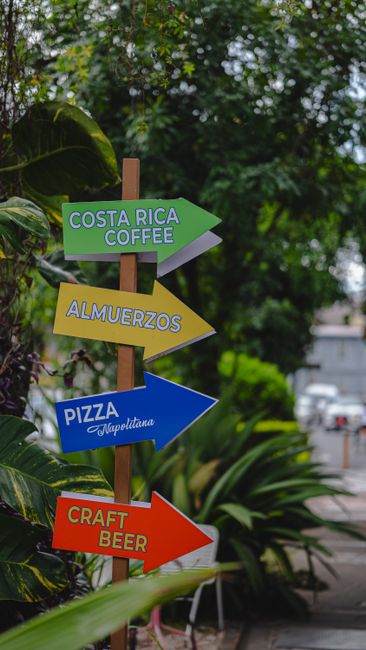
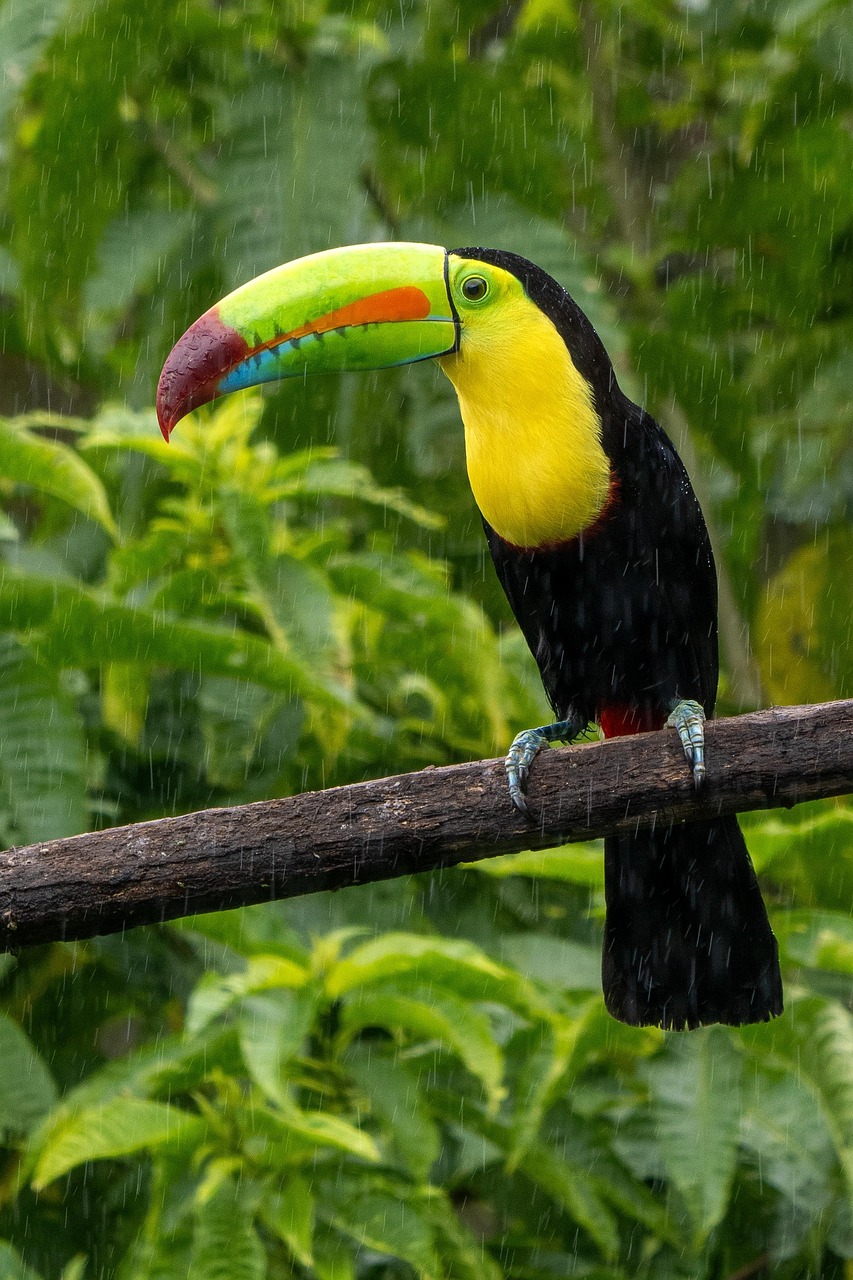
Costa Rica fits rainforest, volcanoes, cloud forest and two coastlines into a country smaller than West Virginia, and it is one of the easiest places in the tropics to see wildlife: sloths and monkeys in Manuel Antonio, nesting sea turtles in Tortuguero, quetzals in the misty forests of Monteverde, and toucans almost everywhere. Add the hot springs below Arenal Volcano, the surf and sunsets of Guanacaste’s Pacific beaches, the Afro-Caribbean food and reefs of Puerto Viejo, and a capital, San José, with good museums and a lively market. A quarter of the country is protected in parks and reserves, the tourism industry is well organized, and US dollars are widely accepted. Plan around the seasons (December to April is dry on the Pacific side, while the Caribbean has its own rhythm), around the park ticket system, which now works largely online, and around slow roads: a first trip needs 10 days to two weeks for three or four regions.
Right now in Costa Rica
- Tue 17–27°C 63–80°F 9 mm Heavy rain
- Wed 15–25°C 59–77°F 13 mm Heavy rain
- Thu 17–24°C 62–74°F 14 mm Heavy showers
Weather: MET Norway (CC BY 4.0) · Air quality: OpenAQ
Multi-day tours of Costa Rica
Multi-day tours from local operators. You check dates and book on Viator, our partner; we may earn a commission at no extra cost to you. How we earn money
Costa Rica at a glance: seven provinces, two coasts
Costa Rica is a democratic republic of seven provinces, San José, Alajuela, Heredia, Cartago, Guanacaste, Puntarenas and Limón, with about 5.3 million people. It lies between Nicaragua to the north and Panama to the south-east, with the Pacific Ocean on one side and the Caribbean Sea on the other; at its narrowest the two coasts are only about 120 km (75 miles) apart. Spanish is the official language; English is widely spoken in tourism and is the traditional language of many families on the Caribbean coast. The country abolished its army in 1948 and celebrates the date as a public holiday on December 1.
A chain of volcanic mountains runs down the middle. Most people live in the Central Valley, at about 900 to 1,500 m (3,000 to 5,000 ft), where San José, Alajuela, Heredia and Cartago enjoy springlike weather. The lowlands on both coasts and the northern plains are hot and humid all year. Costa Rica uses Central Standard Time (UTC−6) all year, with no daylight saving time, the same as Mexico City and one hour behind New York in winter.
Costa Rica’s regions
- The Central Valley: San José and the airport city of Alajuela, coffee farms, and the Poás and Irazú volcanoes within day-trip range.
- The Northern Plains (Zona Norte): La Fortuna and Arenal Volcano, hot springs, Lake Arenal, the Río Celeste and the wetlands of Caño Negro.
- Monteverde and the Tilarán mountains: cloud forest reserves, hanging bridges and zip lines along the continental divide.
- Guanacaste and the North Pacific: the driest region, with Tamarindo, the Papagayo Gulf, Nosara and the Nicoya Peninsula beaches, Rincón de la Vieja volcano and Liberia airport.
- The Central and South Pacific: Jacó, Manuel Antonio, Dominical, Uvita’s whale-tail sandbar, and the wild Osa Peninsula with Corcovado National Park.
- The Caribbean: the canals and turtle beaches of Tortuguero in the north, and Cahuita, Puerto Viejo and Manzanillo in the south, with Afro-Caribbean and Indigenous BriBri culture.
Where to go: volcanoes, cloud forest, beaches and turtles
The classic first loop runs from San José to Arenal, on to Monteverde, and down to a Pacific beach at Manuel Antonio or in Guanacaste. With more time, add the Caribbean side, which feels like a different country. Distances on the map are short, but mountain roads are slow, so allow three to four hours between most stops or use the small domestic airlines.
San José
The capital is the transport hub and the place for culture: the gilded National Theatre, the Pre-Columbian Gold Museum under the Plaza de la Cultura, the National Museum in an old army barracks, and the Central Market for a casado lunch. Most travelers spend a night or two here, or stay near the airport in Alajuela, and use it as a base for the Poás and Irazú volcanoes and coffee tours. See our San José travel guide.
La Fortuna and Arenal Volcano
The town of La Fortuna sits below the near-perfect cone of Arenal Volcano, whose national park has trails across the lava flows of 1992. Around it are thermal hot springs, the La Fortuna waterfall, hanging bridges through the canopy, rafting, Lake Arenal and day trips to the sky-blue Río Celeste. See our La Fortuna travel guide.
Monteverde
High on the continental divide, Monteverde and the village of Santa Elena are the base for walking through moss-draped cloud forest in private and community reserves, with resplendent quetzals in spring, night walks, coffee and chocolate tours, and some of the country’s longest zip lines. See our Monteverde travel guide.
Manuel Antonio
Costa Rica’s most visited national park, according to SINAC, packs white-sand coves, rainforest trails, sloths, white-faced capuchins and squirrel monkeys into a small headland south of Quepos. Tickets are sold only online and the park is closed on Tuesdays. See our Manuel Antonio National Park guide.
Tamarindo and Guanacaste
Guanacaste is the sunniest part of the country, with long dry-season stretches from December to April, a big choice of beach resorts and surf towns, and its own international airport at Liberia. Tamarindo is the liveliest beach town, good for learning to surf, with leatherback turtle beaches in the Las Baulas marine park next door. See our Tamarindo travel guide.
Tortuguero and Puerto Viejo
On the Caribbean side, roadless Tortuguero is reached only by boat or small plane, and its national park protects the most important green turtle nesting beach in the Western Hemisphere, according to SINAC; guided night tours run in the nesting season. Further south, Puerto Viejo de Talamanca has reggae bars, Caribbean cooking, reef snorkeling at Cahuita and the jungle beaches of Manzanillo. See our Tortuguero National Park guide and Puerto Viejo travel guide.
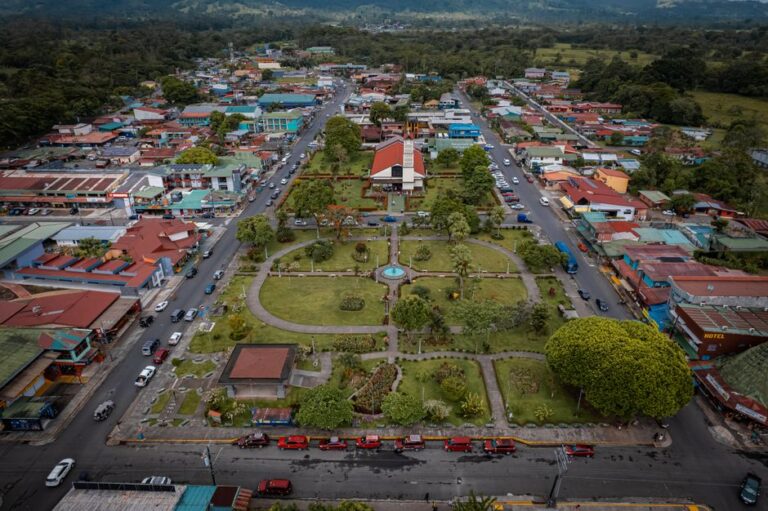
La Fortuna Travel Guide
Plan a trip to La Fortuna and Arenal Volcano in Costa Rica: Arenal Volcano National Park fees and hours from SINAC, the 1992 lava-flow…
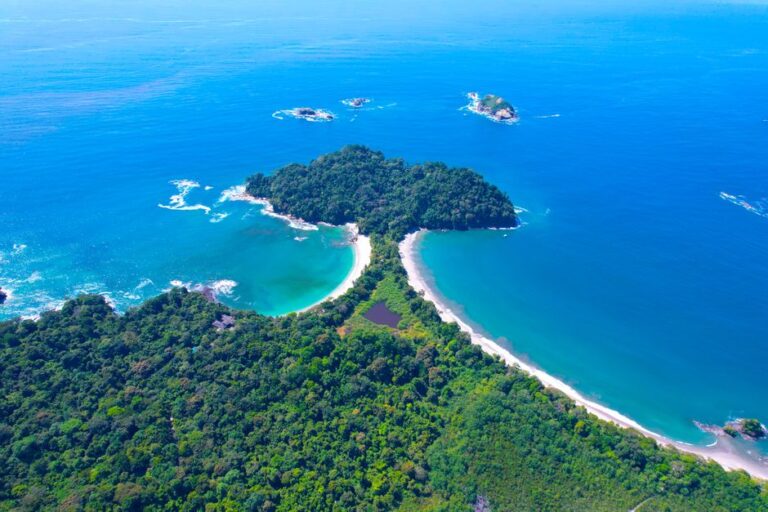
Manuel Antonio National Park Travel Guide
Plan a visit to Manuel Antonio National Park in Costa Rica: SINAC's 2026 entrance fee of US$18.08, online-only tickets and time slots, Tuesday closures…
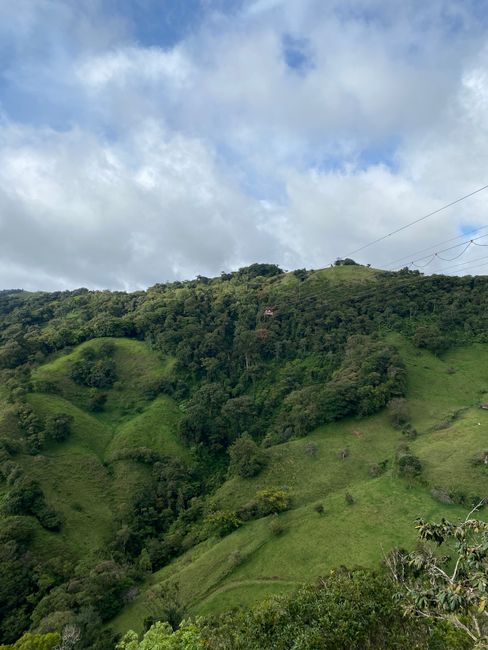
Monteverde Travel Guide
Plan a trip to Monteverde, Costa Rica: the Monteverde Cloud Forest Preserve's timed walks, guided natural history and night walks and visitor-center shuttle, the…
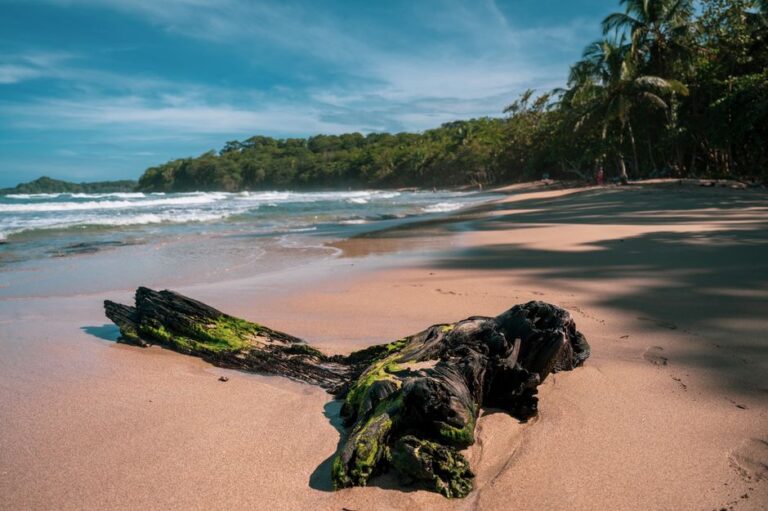
Puerto Viejo de Talamanca Travel Guide
Plan a trip to Puerto Viejo de Talamanca on Costa Rica's South Caribbean coast: Afro-Caribbean food and culture, Salsa Brava and the beaches of…
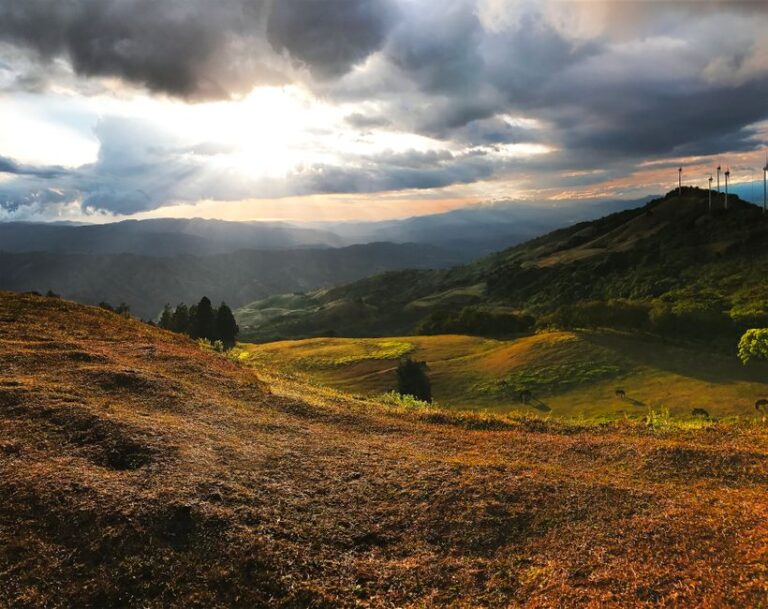
San José Travel Guide
Plan a stay in San José, Costa Rica: the National Theatre, the Pre-Columbian Gold Museum and National Museum with 2026 prices, the Central Market,…
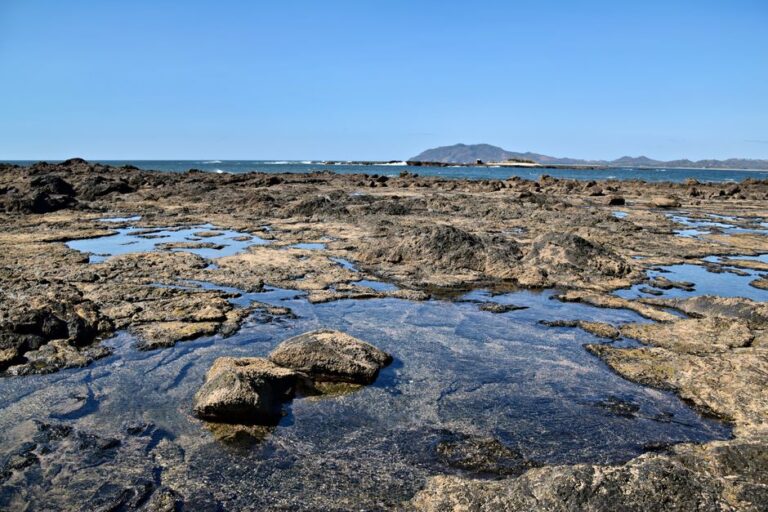
Tamarindo Travel Guide
Plan a trip to Tamarindo in Guanacaste, Costa Rica: the beach and surf schools, Playa Grande and Las Baulas Marine National Park with SINAC…
Tortuguero National Park Travel Guide
Plan a visit to Tortuguero National Park on Costa Rica's Caribbean coast: SINAC's 2026 fees and online tickets, park hours, the official turtle-watching program…
Best time to visit Costa Rica: dry and green seasons
Costa Rica has two seasons rather than four. According to the National Meteorological Institute (IMN), the Pacific slope and the Central Valley have a well-defined dry season from December to March, with April as a transition month and March the driest and hottest, and a rainy season from May to October, with November a transition. In July and August a short drier spell, the “veranillo”, often interrupts the rains, and September and October are the wettest months. Locals call the dry season “verano” (summer) and the rainy season “invierno” (winter); the tourism industry markets the rains as the “green season”, with lower prices and lush forests.
The Caribbean slope works differently: the IMN says it has no defined dry season, with even the driest months getting 100 to 200 mm of rain, but the coast has two relatively dry spells, February to March and September to October, just when the Pacific is wettest. The wettest period there runs from November to January, when cold fronts from the north bring heavy rain, with a second peak in July. The northern plains around Arenal are rainy most of the year, with a single wet season from May to December or January and a relative lull from February to April.
The table shows average daily highs and lows and yearly rain at the three stations Costa Rica’s weather service reports in the World Meteorological Organization’s 1991–2020 climate normals, plus regional averages from the IMN for areas without one.
| Region (station) | Dry season highs (Dec–Apr) | Rainy season highs (May–Nov) | Lows | Rain a year | Driest and wettest months |
|---|---|---|---|---|---|
| Central Valley (Juan Santamaría airport, Alajuela, 913 m) | 31–33 °C (87–92 °F) | 30–32 °C (87–89 °F) | 15–17 °C (59–63 °F) | about 1,840 mm (72 in) | January–March under 20 mm; September–October about 320 mm |
| Guanacaste (Liberia airport, 70 m) | 34–38 °C (92–100 °F) | 33–37 °C (92–99 °F) | 16–22 °C (61–71 °F) | about 1,740 mm (69 in) | December–March almost no rain; September–October about 370 mm |
| Caribbean coast (Puerto Limón, 5 m) | 31–32 °C (87–90 °F) | 31–33 °C (88–91 °F) | 19–22 °C (65–71 °F) | about 3,790 mm (149 in) | September (143 mm) and October; July and December wettest |
| Central Pacific, Quepos and Manuel Antonio (IMN regional average, 1961–1990) | average high 31 °C (88 °F) year-round | about 23 °C (73 °F) | about 3,500 mm (138 in) in the valleys | Short dry season; long, heavy rainy season | |
| Northern plains, Arenal (IMN regional average, 1961–1990) | hot and humid; one long rainy season | more than 3,200 mm (126 in) | February–April relatively drier | ||
Altitude matters more than latitude: Monteverde and the volcano summits are much cooler, windier and mistier, and Irazú’s crater, at 3,432 m (11,260 ft), averages only 5–9 °C (41–48 °F), according to SINAC. Rain in the Pacific and Central Valley usually falls in the afternoon and evening, so mornings are often clear even in the green season; on the Caribbean side it is more likely at night and in the morning.
Hurricanes: Costa Rica lies south of the usual hurricane tracks, but storms passing through the Caribbean from June 1 to November 30, the Atlantic hurricane season according to NOAA’s National Hurricane Center, can bring days of heavy rain, floods and landslides, especially in September to November. Follow the IMN and the national emergency commission (CNE) if a storm is forecast.
Crowds, prices and wildlife through the year
- Mid-December to early January: the busiest and most expensive weeks, with North American visitors and Costa Rican families on holiday; book hotels, cars and park tickets well ahead.
- January to April: dry high season on the Pacific side. Semana Santa (Holy Week; March 21–28 in 2027) is a national holiday week, and beaches, buses and hotels fill with Costa Ricans.
- May to August: the green season begins; prices fall, afternoons are rainy, and late June to August brings school holidays and a short mid-year peak. Green turtles start nesting in Tortuguero in June.
- September and October: the wettest months on the Pacific and the quietest for tourism, with some lodges closing, but the best months for the Caribbean coast and the peak of Tortuguero’s turtle season.
- November: rains ease on the Pacific; a good shoulder month before the holiday rush.
Public holidays
Costa Rica’s Labor Code sets 11 national holidays (feriados). Banks and government offices close, and buses, beaches and hotels are busy, especially in Holy Week, when many businesses close on Thursday and Friday and alcohol sales may be limited. The next ones, from October 2026:
| Holiday | Date | Good to know |
|---|---|---|
| Abolition of the Army Day | Tuesday, December 1, 2026 | Marks the abolition of the army in 1948 |
| Christmas Day | Friday, December 25, 2026 | Peak holiday season, December to early January |
| New Year’s Day | Friday, January 1, 2027 | Nationwide |
| Holy Thursday and Good Friday | March 25 and 26, 2027 | Holy Week; many shops and offices close |
| Juan Santamaría Day | Sunday, April 11, 2027 | Honors the hero of the 1856 Battle of Rivas |
| Labor Day | Saturday, May 1, 2027 | Nationwide |
| Annexation of Guanacaste | Sunday, July 25, 2027 | Rodeos, bull riding and folk dance in Liberia and Guanacaste |
| Virgin of the Angels | Monday, August 2, 2027 | Pilgrims walk to the basilica in Cartago |
| Mother’s Day | Sunday, August 15, 2027 | Nationwide |
| Day of Black People and Afro-Costa Rican Culture | Tuesday, August 31, 2027 | Celebrated with parades in Limón |
| Independence Day | Wednesday, September 15, 2027 | Lantern parades on the evening of the 14th |
Other dates worth knowing: the Palmares festival in January, the Limón Carnival around October 12, and Christmas-season fiestas in Zapote, east of San José, from late December into early January. Every August 24, National Parks Day, entry to all national parks is free.
How long to stay: sample itineraries
Pick three or four bases rather than moving every night: roads are winding, and wildlife is best seen early in the morning, which means sleeping close to it.
7 days: volcano, cloud forest and beach
Fly into San José, drive or shuttle to La Fortuna for two nights (Arenal Volcano National Park and hot springs), continue to Monteverde for two nights, then finish with two nights at Manuel Antonio, avoiding a Tuesday for the park. Return to San José on the last day.
10 days: Guanacaste and the north
Fly into Liberia, spend four nights at a Guanacaste beach such as Tamarindo, with a day at Rincón de la Vieja’s volcanic mud pots and hot springs, then head inland to Monteverde and La Fortuna for three nights each, and fly home from San José.
14 days: coast to coast
Two nights in Tortuguero for turtles and canal boat tours, four in Puerto Viejo for the Caribbean beaches and Cahuita, back through San José to La Fortuna for three nights, then Monteverde and Manuel Antonio. From Puerto Viejo, you can also cross into Panama at Sixaola for the Bocas del Toro islands.
Entry, money and costs
Entry requirements (last reviewed October 2026)
Costa Rica’s immigration rules sort countries into visa groups. Citizens of the first group, which includes the United States, Canada, the UK and the European Union countries, need no visa and can be admitted for up to 180 days, which cannot be extended; the immigration officer decides the exact number of days, so check the stamp. Citizens of other groups may need a visa or be limited to 30 days. According to Costa Rica’s tourism board (ICT), every foreign visitor must show:
- A valid passport in good condition that can be read electronically. For first-group nationals it must be valid at least until the day after you leave; other groups need three or six months, according to Guanacaste airport’s immigration page.
- A return or onward ticket out of Costa Rica, such as a flight, a bus ticket to Nicaragua or Panama, or proof of cruise passage. Airlines often check this at check-in.
- Proof of funds of at least US$100 per month (or part of a month) of your stay, for example a credit card or bank statement.
- The address where you will stay.
The Health Pass is gone: the COVID-era online Health Pass (Pase de Salud) and the insurance requirement that came with it are no longer part of Costa Rica’s entry rules; the ICT’s current list of requirements doesn’t include them, and the old Health Pass website no longer works. You don’t need any health form or COVID test to enter. The one health rule that remains is for yellow fever: if you arrive from certain countries in South America and Africa, including Colombia, Brazil, Peru, Ecuador, Bolivia and Venezuela, you need an international vaccination certificate, with the vaccine given at least 10 days before travel.
Overstaying is fined at US$100 for each month, according to the UK government, and can lead to being refused entry later. Visitors cannot work. Minors who are Costa Rican citizens or residents, including dual nationals, need an exit permit to leave.
The departure tax
Everyone leaving Costa Rica by air pays a departure tax of US$29 per person. Most airlines already include it in the ticket price; if yours doesn’t, pay it in dollars or colones at the Banco de Costa Rica counter in the airport lobby before you check in, according to Guanacaste Airport and the ICT. Check your ticket’s tax breakdown or ask your airline.
Customs
Declare cash or goods worth US$10,000 or more when you arrive. Don’t take wildlife, plants, seeds, shells or archaeological objects out of the country; even seashells can bring a fine. Fresh fruit, meat and dairy may be confiscated at the airport.
Money: colones and dollars
The currency is the Costa Rican colón (CRC, ₡). On 4 October 2026 the reference rate published by the Central Bank and the finance ministry was about ₡456 buying and ₡462 selling per US dollar, so ₡10,000 is a little over US$20. According to the ICT, US dollars and major credit cards are widely accepted: hotels, tours and national parks quote prices in dollars, and you can pay many restaurants and taxis in dollars too, but change is given in colones and small sodas (local diners), buses, markets and roadside stands prefer colones. ATMs are everywhere; some close from 11 p.m. to 5 a.m. Change money only at banks or approved offices, and bring your original passport, not a copy, for any bank transaction.
Taxes and tipping
Costa Rica’s value-added tax (IVA) is 13%, and it applies to hotel rooms, tours and restaurant meals as well as goods. According to the ICT, restaurant and hotel bills include the 13% tax and a 10% service charge (the tip) in the final price; check whether a quote is “con impuestos” (with taxes) or “más impuestos” (plus taxes), because many hotels and tour operators quote before tax. There is no separate tourist tax on rooms. Because the service charge is already on restaurant bills, extra tips are optional; for guides, drivers and hotel staff, a few dollars per day is common and appreciated.
Typical travel costs
Costa Rica is the most expensive country in Central America, with prices for hotels, tours and rental cars closer to those in the United States than to its neighbors. These per-person, per-day estimates are a planning guide as of October 2026:
| Style | Estimated cost per day | What that looks like |
|---|---|---|
| Budget | about ₡28,000–41,000 (US$60–90) | Hostel bed or simple cabina, sodas and casados, public buses, one park entry or free beach each day |
| Mid-range | about ₡70,000–115,000 (US$150–250) | Comfortable lodge or hotel room shared by two, restaurant meals, a guided tour or hot springs most days, shared shuttles or a rental car split between two |
| High-end | about ₡185,000+ (US$400+) | Eco-lodges and boutique resorts, private guides and drivers, domestic flights, fine dining |
Expect higher prices at Christmas, New Year and Holy Week. The figures are our estimates, not official statistics.
National parks: SINAC fees and online tickets
Costa Rica’s national parks are run by the National System of Conservation Areas (SINAC). The most popular ones now sell tickets only online, for a specific date and entry time, through SINAC’s booking system at serviciosenlinea.sinac.go.cr: Manuel Antonio, Poás Volcano, Irazú Volcano, Tortuguero, Chirripó, Carara, Rincón de la Vieja, Tenorio, Los Quetzales, Tapantí, Isla San Lucas and the Barva sector of Braulio Carrillo. You create an account, choose the park, date and time slot, enter each visitor’s name and passport number, and pay by card. Arrive in your time slot, and carry the passport you booked with.
- No refunds: SINAC doesn’t refund tickets if you can’t go or the weather is bad. If a park closes for an emergency, you can ask to change the date by email.
- Tickets are personal: names can’t be changed, and you can’t switch a ticket to another park.
- Limits: up to 10 tickets per purchase at most parks; at Manuel Antonio, 6 per purchase and one purchase per account per day.
- Free days: August 24, National Parks Day, is free for everyone; the third Wednesday of each month is free only for Costa Ricans and residents.
- No pets in any protected area, and your ticket covers entry only: guides, transport and food are extra.
| Park | Foreign adult (VAT included) | Hours and notes |
|---|---|---|
| Manuel Antonio | US$18.08 (children 2–12 US$5.65) | 7 a.m.–3 p.m., closed Tuesdays; online only |
| Arenal Volcano | US$16.95 | Daily 8 a.m.–4 p.m. |
| Poás Volcano | US$16.95 | Daily 8 a.m.–4 p.m., last entry 2 p.m.; online only |
| Irazú Volcano | US$16.95 | Daily 8 a.m.–4 p.m., including holidays |
| Rincón de la Vieja | US$16.95 | Pailas sector Tuesday–Sunday 8 a.m.–3 p.m.; Santa María sector Thursday–Monday |
| Tortuguero (Cuatro Esquinas and Jalova) | US$16.95 | Daily 6 a.m.–noon and 1–4 p.m.; Cerro Tortuguero trail US$2.26 |
| Cahuita (Puerto Vargas entrance) | US$5.65 | Daily 8 a.m.–4 p.m.; voluntary donation at the Playa Blanca entrance in town |
| Caño Negro wildlife refuge | US$5.65 | 8 a.m.–4 p.m. |
Fees above are SINAC’s, as listed on its park pages in October 2026. Many of the best-known reserves are private or community-run and set their own prices, including the Monteverde Cloud Forest and Santa Elena reserves, the La Fortuna waterfall and most hanging-bridge parks.
Getting there and getting around
Arrival airports
- San José, Juan Santamaría International (SJO): the main gateway, in Alajuela, about 20 km (12 miles) west of central San José, with flights from across the United States, Canada, Europe and Latin America. Best for the Central Valley, Arenal, Monteverde, Manuel Antonio and the Caribbean.
- Liberia, Guanacaste Airport (LIR): the second international airport, in the northwest, about an hour from Tamarindo and the Papagayo resorts, with many direct flights from US and Canadian cities in the dry season. Recent new routes announced by the ICT include Southwest from Austin and Nashville and Air Canada from Vancouver.
Many US travelers connect through Miami, Houston, Atlanta or Dallas; see our United States travel guide if you are combining the two.
Domestic flights
Small planes save hours of driving. SANSA, the main domestic airline, flies from San José to La Fortuna (FON), Tamarindo (TNO), Liberia, Quepos for Manuel Antonio (XQP), Tortuguero (TTQ), Puerto Limón, Puerto Jiménez and Drake Bay for the Osa Peninsula, Nosara, Golfito and Santa Teresa, and abroad to Bocas del Toro in Panama. Flights take 25 to 50 minutes in propeller aircraft with tight luggage limits: SANSA allows one personal item of up to 4.5 kg (10 lb), and the checked-bag allowance depends on the fare, so pack light. Smaller charter companies fly the same strips. Flights can be delayed or cancelled by afternoon weather in the rainy season, so don’t plan a same-day international connection.
Shuttles and buses
Tourist shuttles are the most popular way to get between destinations without a car. Shared minivans run on fixed routes and timetables between San José, the airports, La Fortuna, Monteverde, Manuel Antonio, Tamarindo, Puerto Viejo and the boat docks for Tortuguero, with hotel pick-up; private shuttles cost more but leave when you want. Book a day or more ahead in high season. Tourist transport companies must hold a permit from the ICT, so ask your hotel for a licensed operator. Some combine a boat across Lake Arenal with a van on either side (“jeep-boat-jeep”) between La Fortuna and Monteverde.
Public buses are cheap and reach almost every town, but San José has several separate bus terminals, one for each company and region, and journeys are slow. They are a good option for Puerto Viejo, Manuel Antonio and La Fortuna if you have time; buy tickets at the terminal, pay in colones, and keep your bags with you.
Driving
A rental car gives the most freedom, especially in Guanacaste and on the Caribbean coast. According to the ICT, you can drive with your valid home license for three months; carry your passport with the entry stamp. Rental quotes online often exclude Costa Rica’s compulsory liability insurance, which is added at the counter. Roads are mostly paved but narrow and winding, with landslides in the rainy season, one-lane bridges and unpaved stretches to many lodges, where a 4×4 helps. Avoid driving after dark, at about 6 p.m. all year. In central San José, private cars are banned on weekdays at peak times depending on the last digit of the license plate, and the rule applies to rental cars too. Never leave luggage in a parked car, and if someone flags you down or you get a “flat tire” right after a stop, drive on to a gas station before you check.
Taxis and ride-hailing
Official taxis are red with a yellow triangle on the door and should use the meter (“la maría”); at San José airport, official airport taxis are orange and sold at a counter. Ride-hailing apps work in the Central Valley and some beach towns. In the countryside, hotels can call trusted local drivers.
Culture, food and everyday etiquette
Costa Ricans call themselves “ticos” and greet, thank and say goodbye with “pura vida”, the national motto of easygoing contentment. Everyday food is simple and filling: gallo pinto (rice and beans) with eggs for breakfast, and the casado at lunch, a plate of rice, beans, salad, plantains and meat or fish, served in family-run sodas for a few thousand colones. On the Caribbean coast, try rice and beans cooked in coconut milk, rondón seafood stew and patí pastries. Costa Rican coffee is excellent; tour a farm in the Central Valley, Monteverde or Tarrazú.
Water: according to the ICT, tap water is drinkable in most of the country; drink bottled water in remote rural areas or if your hotel advises it. Etiquette: people are polite and indirect; a soft “con permiso” and “por favor” go a long way. Dress is casual, but cover up away from the beach. Don’t feed wild animals, including monkeys and coatis: it is prohibited in protected areas and harms them.
Laws to know
Carry your passport or a printed copy of its photo page and entry stamp; the police usually accept a copy. Drug possession and trafficking are treated severely, with minimum prison sentences of eight years for trafficking. Smoking is banned in enclosed public places and many outdoor areas. Removing wildlife, shells, coral or plants, and entering restricted conservation areas without permission, are fined. Drones need permission in national parks.
Safety, health, accessibility and connectivity
Safety
Most visits to Costa Rica are trouble-free, and tourist areas are friendly and well organized. Theft is the most common problem: bags snatched from cars, beaches and buses, and pickpocketing in San José. Gang-related violence has grown in some urban areas, but it rarely involves visitors. Practical precautions:
- Never leave anything in a parked car, even in the trunk, and don’t leave bags unattended on the beach.
- Use ATMs inside banks or malls, in daylight.
- Use official red taxis, airport taxis or app rides, and avoid walking alone in poorly lit areas at night.
- Watch your drink in bars, and buy spirits only from reputable shops: the UK government reports deaths from cheap spirits contaminated with methanol.
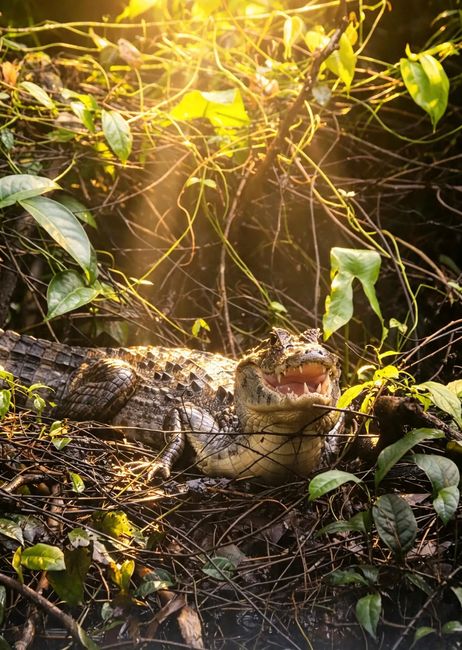
The ocean is the biggest danger. Rip currents are very common on both coasts, many beaches have no lifeguards, and drownings average 50 to 60 a year, a third of them tourists, according to the UK government. Swim only where locals swim, never alone or after drinking, and if a current pulls you out, swim parallel to the shore. Crocodiles live in rivers and estuaries on the Pacific coast and are sometimes seen near beaches; don’t swim in river mouths. Use established operators with safety equipment for rafting, zip lines and boat trips, and go into the rainforest with a guide. Costa Rica has earthquakes and several active volcanoes; parks close craters when activity rises. For emergencies, call 911, which works from any phone.
Health and insurance
Medical care is generally good, especially at private hospitals in San José, but visitors are charged after initial emergency treatment, so buy travel insurance with medical and evacuation cover, and check that it covers adventure activities such as zip-lining, rafting and surfing. Dengue is spread by mosquitoes in the lowlands, mostly in the rainy season; use repellent and cover up at dawn and dusk. Apart from the yellow fever certificate for travelers from certain countries, no vaccines are required; make sure routine vaccinations are up to date. Pharmacies are common in every town.
Accessibility
Newer hotels and some park trails are accessible, and Playa Espadilla at Manuel Antonio has been adapted as an accessible beach, according to the ICT. But many lodges are on hillsides with steps, sidewalks are uneven or missing, and buses rarely have ramps. Ask hotels and tour operators for specifics and book an adapted private transfer in advance.
Connectivity and power
Wi-Fi is free in nearly all hotels and many restaurants, though slow in remote lodges. Prepaid SIM cards from Kölbi (the state company, with the widest rural coverage), Claro and Movistar are sold at the airport and in shops; bring your passport. Many US plans include Costa Rica roaming. According to the ICT, outlets are 110 V with standard US two-prong plugs, so visitors from the United States and Canada need no adapter; bring one for three-prong plugs, and visitors from Europe, the UK and Australia need a plug adapter.
Things to do: wildlife, hiking, surfing, beaches and boat trips
- Hiking: lava-flow trails at Arenal, cloud forest in Monteverde, the Río Celeste waterfall in Tenorio, and the two-day climb of Chirripó, the highest peak at 3,821 m (12,536 ft), which needs a SINAC permit booked well ahead.
- Surfing: beginner waves in Tamarindo and Nosara, consistent breaks at Santa Teresa, Jacó and Dominical, and the powerful Salsa Brava reef in Puerto Viejo.
- Beaches: Manuel Antonio’s coves, Guanacaste’s long bays, the palm-lined Caribbean beaches of Cahuita and Manzanillo.
- Snorkeling and diving: the coral reefs of Cahuita and Manzanillo, Caño Island off the Osa Peninsula, and the Catalina and Bat islands off Guanacaste for rays and bull sharks; Cocos Island, far offshore, is for liveaboard divers.
- Boat trips: Tortuguero’s canals, mangroves in Tamarindo and Damas, whale watching off Uvita, and Caño Negro’s wetlands.
- Wildlife watching: sloths, monkeys and toucans across the country, quetzals in Monteverde and San Gerardo de Dota, and sea turtles on both coasts in season, always with a certified guide for night tours.
What to pack
Pack for heat, rain and cool mountain nights in the same trip. Bring light, quick-drying clothes, a real rain jacket (not just a poncho) in any season, a warm fleece for Monteverde, Poás and Irazú, and sturdy shoes or light hiking boots with grip for muddy trails; many lodges lend rubber boots. Add swimwear, a hat, sunglasses and reef-safe sunscreen, insect repellent, a small dry bag for boat trips and rain, binoculars for wildlife, a headlamp, a refillable water bottle, and a copy of your passport. Leave room for the domestic flights’ small luggage limits. Plugs are the same as in the US.
Costa Rica travel FAQ
When is the best time to visit Costa Rica?
December to April, the dry season, is best for the Pacific coast, Guanacaste and the Central Valley. September and October are the best months for the Caribbean coast, when the Pacific is at its wettest.
Do I need a visa for Costa Rica?
Not if you are from the US, Canada, the UK, the EU or other first-group countries, who can be admitted for up to 180 days. You need a valid passport, a return or onward ticket and proof of at least US$100 a month.
Do I still need the Costa Rica Health Pass?
No. The COVID-era Health Pass and its insurance requirement are no longer among Costa Rica’s entry requirements. Only travelers arriving from certain countries need a yellow fever vaccination certificate.
Do I need an onward ticket to enter Costa Rica?
Yes. All visitors must have a return ticket or a ticket out of the country, such as a flight or an international bus ticket, and airlines may ask for it at check-in.
How much is the Costa Rica departure tax?
US$29 per person when leaving by air. Most airlines include it in the ticket; if not, pay at the Banco de Costa Rica counter at the airport before check-in.
How do I buy national park tickets in Costa Rica?
For Manuel Antonio, Poás, Irazú, Tortuguero and other popular parks, buy online on SINAC’s booking site for a set date and time. Tickets are personal and non-refundable. Most foreign adults pay US$16.95, or US$18.08 at Manuel Antonio.
Can I use US dollars in Costa Rica?
Yes, widely, in hotels, tours, parks and many restaurants. Carry colones for buses, sodas, markets and small shops, and expect change in colones.
What taxes are added to hotel bills in Costa Rica?
13% value-added tax. Restaurants also add a 10% service charge. Many hotels and tour operators quote before tax, so check whether a price includes it.
How do I get around Costa Rica without a car?
Shared tourist shuttles link the main destinations with hotel pick-up, SANSA’s small planes save hours on long routes, and public buses are cheap but slow.
Is Manuel Antonio open every day?
No. Manuel Antonio National Park is closed on Tuesdays and opens from 7 a.m. to 3 p.m. the rest of the week, with tickets sold only online.
Can I drink the tap water in Costa Rica?
In most of the country, yes, according to the tourism board. In remote rural areas, drink bottled or filtered water.
Is Costa Rica safe for tourists?
Most visits are trouble-free. The main risks are theft from cars and beaches and strong rip currents; keep valuables with you, swim where locals swim, and use official taxis.
What plug adapter do I need for Costa Rica?
None if your devices have US two-prong plugs: Costa Rica uses 110 V and US-style outlets. Visitors from Europe, the UK and Australia need an adapter.
Sources and last review
Researched and last reviewed on 4 October 2026. Entry requirements, proof of funds, onward tickets, the departure tax, VAT and service charges, money, tap water, plugs and driving licenses: the Costa Rica Tourism Board (ICT) and Guanacaste Airport; the absence of the Health Pass: the ICT’s current requirements; overstay fines, customs, drug penalties, methanol and drowning figures, and plate restrictions: the UK government’s Costa Rica pages; exchange rates: the Central Bank of Costa Rica reference rate published through the Ministry of Finance; park fees, hours, the online ticket system and free days: SINAC; seasons: the National Meteorological Institute (IMN); climate normals: the WMO 1991–2020 normals for Juan Santamaría, Liberia and Puerto Limón (archived by NOAA NCEI); holidays: the Labor Ministry (MTSS) and the Labor Code; domestic flights and baggage: SANSA; new air routes: the ICT; hurricane season: NOAA’s National Hurricane Center. Population, festival dates, shuttle and bus practices, taxi colors, tipping customs, daily costs and some distances come from secondary sources or general knowledge and are flagged for checking; daily costs are our estimates. Prices and entry rules change, so check the official sites before you travel. If you are flying via the United States, see our United States travel guide, and for another nearby trip, our Mexico travel guide.
Plan your trip
Partner links: TravelerCenter may earn a commission if you book, at no extra cost to you.
🇪🇸 Useful Spanish phrases for Costa Rica
All 38 Spanish phrases: restaurant, hotel, emergencies, romance (printable) →