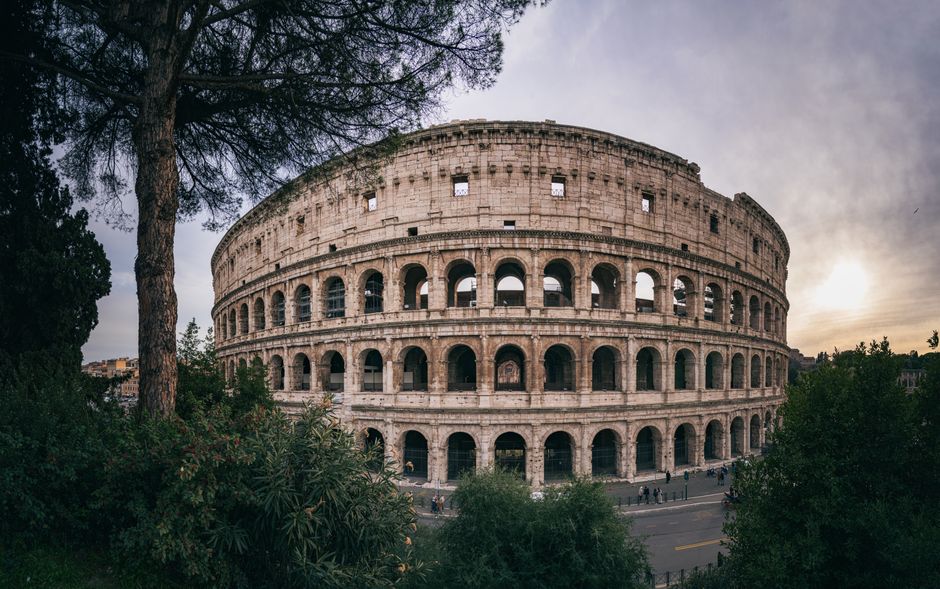
Italy packs more into one country than seems fair: the ruins and piazzas of Rome, Renaissance Florence and the hill towns of Tuscany, the canals of Venice, Milan’s style and the deep-blue lakes below the Alps, the pale peaks of the Dolomites, the cliffside villages of the Amalfi Coast and the Cinque Terre, the whitewashed towns of Puglia, and two big islands, Sicily and Sardinia, with some of the clearest water in the Mediterranean. Fast trains link the big cities in an hour or three, and every region eats differently. Spring and early autumn suit almost everywhere. Give it 10 days for a first trip, two weeks or more to add the south or the islands.
Right now in Italy
- Wed 14–24°C 57–75°F Partly cloudy
- Thu 16–21°C 60–69°F 20 mm Heavy rain
- Fri 14–20°C 57–69°F 4 mm Showers
Weather: MET Norway (CC BY 4.0) · Rates: ECB
Key facts
| Currency | Euro (EUR, €)Source: italia.it · Last reviewed 4 Oct 2026 |
|---|---|
| Languages | Italian; German is co-official in South Tyrol and French in the Aosta Valley, and Slovene, Ladin, Friulian, Sardinian and other minority languages are protected by lawSource: parlamento.it · Last reviewed 4 Oct 2026 |
| Plugs and voltage | Type C, F and L · 230 V, 50 HzSource: e-distribuzione.it · Last reviewed 4 Oct 2026 |
| Emergency number | 112 (all emergencies); 113 police, 115 fire, 118 medical and mountain rescue; 1530 sea rescueSource: italia.it · Last reviewed 4 Oct 2026 |
| Driving side | On the rightSource: italia.it · Last reviewed 4 Oct 2026 |
| Tap water | Safe to drink (99.1% of tests met the health limits in 2020-2022)Source: iss.it · Last reviewed 4 Oct 2026 |
| Tipping | Not required; about 10% for good service is customary. Restaurants may add a cover charge (coperto) if it is on the menu (banned in Lazio/Rome)Source: italia.it · Last reviewed 4 Oct 2026 |
| Calling code | +39 (dial 00 for international calls)Source: italia.it · Last reviewed 4 Oct 2026 |
| Time zones | All of Italy (including Sicily and Sardinia): CET (UTC+1), summer CEST (UTC+2)Source: italia.it · Last reviewed 4 Oct 2026 |
| Entry summary | Schengen area · EU member. See the entry section for rules by passport.Source: home-affairs.ec.europa.eu · Last reviewed 4 Oct 2026 |
Multi-day tours of Italy
Multi-day tours from local operators. You check dates and book on Viator, our partner; we may earn a commission at no extra cost to you. How we earn money
Italy at a glance: overview and geography
Italy is the long boot reaching into the Mediterranean from the Alps, about 1,200 km from the Swiss border to the tip of Calabria, plus Sicily and Sardinia and dozens of smaller islands. The Alps form a wall across the north, with France, Switzerland, Austria and Slovenia on the other side; the Apennine mountains run down the middle of the peninsula like a spine, so almost every region has both mountains and coast. Two tiny independent states sit inside Italy: Vatican City, in Rome, and San Marino, near Rimini. Italy’s national statistics office (ISTAT) puts the population at about 58.9 million on 1 January 2026 (provisional figure).
Italy was only unified in 1861, and it still feels like a federation of cities and regions, each with its own dialect, food, festivals and fierce local pride. That is the joy of travelling here: an hour on the train can take you from Florentine steak to Bolognese tortellini, from Renaissance palaces to medieval towers, from Alpine villages where people speak German to fishing ports that smell of lemons.
Time zone: Italy runs on Central European Time (UTC+1, UTC+2 in summer), the same as France, Spain and Germany.
The main regions
- The north and the lakes: Milan, Italy’s business and fashion capital, and the great lakes at the foot of the Alps: Como, Maggiore and Garda, with villas, gardens and ferries between pretty villages. Turin, Piedmont’s wine hills (Barolo, Barbaresco) and the Ligurian coast with the Cinque Terre and Portofino are close by.
- The Dolomites: jagged pink-grey limestone peaks in the north-east, a UNESCO World Heritage Site, shared by Trentino, South Tyrol (where German is widely spoken) and the Veneto. Hiking and via ferrata routes in summer, some of Europe’s best skiing in winter.
- Venice and the Veneto: Venice and its lagoon islands, Verona with its Roman arena and summer opera, Padua’s frescoes, the Prosecco hills and the eastern shore of Lake Garda.
- Tuscany and Umbria: Florence, Siena, Pisa and Lucca, the vineyards of Chianti and Montalcino, cypress-lined roads in the Val d’Orcia and hill towns such as San Gimignano and Montepulciano; next door, green Umbria with Assisi, Perugia and Orvieto.
- Rome and Lazio: the Eternal City and Vatican City, with day trips to Tivoli’s villas, the ruins of Ostia Antica and the beaches and lakes around the capital.
- Naples and the Amalfi Coast: loud, beautiful Naples and its pizza, Pompeii and Herculaneum in the shadow of Vesuvius, the islands of Capri, Ischia and Procida, and the cliff road of the Amalfi Coast through Positano, Amalfi and Ravello.
- Puglia: the “heel” of the boot: whitewashed towns such as Ostuni and Polignano a Mare, the cone-roofed trulli houses of Alberobello, baroque Lecce, olive groves and long sandy beaches on the Salento peninsula.
- Sicily: the Mediterranean’s largest island: Palermo’s markets and Arab-Norman churches, Greek temples at Agrigento and Segesta, baroque Noto and Ragusa, cliff-top Taormina, and Mount Etna, Europe’s most active volcano.
- Sardinia: an island of white-sand coves and Caribbean-coloured water, from the Costa Smeralda and the Maddalena archipelago in the north to the Gulf of Orosei in the east and the beaches near Cagliari in the south, with mountain villages and thousands of prehistoric stone towers (nuraghi) inland.
Regions
- Abruzzo
- Aeolian Islands
- Amalfi Coast
- Aosta Valley
- Apulia
- Basilicata
- Calabria
- Campania
- Cinque Terre
- Dolomites
- Emilia-Romagna
- Friuli Venezia Giulia
- Lake Como
- Lake Garda
- Lake Maggiore
- Lazio
- Liguria
- Lombardy
- Marche
- Molise
- Piedmont
- Trentino-South Tyrol
- Tuscany
- Umbria
- Veneto
Where to go: cities, regions and islands
Most first trips follow the classic triangle of Rome, Florence and Venice, joined by high-speed train. Add Milan and Lake Como in the north, or Naples and the Amalfi Coast in the south, and then the islands or the mountains on a second trip.
Rome
Three thousand years of history in one walkable centre: the Colosseum and the Roman Forum, the Pantheon, baroque squares and fountains, and the Vatican Museums and St. Peter’s Basilica just across the Tiber. Evenings are for trattorias in Trastevere and a gelato on the way home. Read our Rome guide for 2026 tickets (including the new Trevi Fountain fee), neighbourhoods and airport transfers.
Florence and Tuscany
Florence is the cradle of the Renaissance: the Uffizi, Michelangelo’s David, Brunelleschi’s dome and sunset from Piazzale Michelangelo, all within a short walk. Beyond the city, Tuscany is vineyards, olive groves and hill towns: Siena’s shell-shaped square, the towers of San Gimignano, the leaning tower of Pisa, Lucca’s walls and long lunches in Chianti.
Venice and Verona
Venice is a city without cars, built on more than a hundred small islands in a lagoon: St. Mark’s Basilica, the Doge’s Palace, the Grand Canal by vaporetto, and colourful Burano and glass-blowing Murano by boat. Stay overnight to see it after the day crowds leave. Verona, an hour away by train, has a Roman arena that still hosts opera every summer, and is a gateway to Lake Garda.
Milan and the lakes
Milan is modern Italy at its most stylish: the marble Duomo and its rooftop, Leonardo’s Last Supper, La Scala opera house, design shops and an aperitivo along the Navigli canals. Lake Como is about an hour away by train, with Bellagio, Varenna and villa gardens linked by ferries; Lake Maggiore and Lake Garda are just as easy.
The Dolomites and the Cinque Terre
The Dolomites are Italy’s most dramatic mountains, with cable cars, mountain huts serving dumplings and strudel, high trails around the Tre Cime di Lavaredo and Alpine lakes such as Braies. On the Ligurian coast, the five pastel villages of the Cinque Terre cling to cliffs above the sea, linked by a local train and by footpaths through terraced vineyards.
Naples, Pompeii and the Amalfi Coast
Naples is the birthplace of pizza and one of Europe’s most vivid cities, with a superb archaeological museum and underground passages beneath its old centre. Pompeii and Herculaneum, buried by Vesuvius in AD 79, are a short train ride away. South of Sorrento, the Amalfi Coast is the stuff of postcards: Positano’s pastel houses, Amalfi’s cathedral, Ravello’s gardens and boat trips to Capri.
Puglia, Sicily and Sardinia
For a slower, sunnier, more local Italy, head south. Puglia, best explored by car from Bari or Brindisi, mixes trulli villages, masserie (fortified farmhouses turned hotels) and beaches. Sicily could fill a trip on its own: Palermo, Etna, Taormina, the Greek temples and the baroque south-east, with street food at every turn. Sardinia is the beach lover’s choice, reached by ferry from Genoa, Livorno or Civitavecchia or by short flights.
A few more worth your time
Bologna, Italy’s food capital, with its arcades and markets; Parma and Modena for ham, Parmesan and balsamic vinegar; Turin’s cafés and Egyptian Museum; Assisi and Orvieto in Umbria; Matera’s cave dwellings in Basilicata; Portofino and Genoa on the Italian Riviera; and Lake Garda’s lemon-terraced villages.
Aeolian Islands Travel Guide
Plan a trip to the Aeolian Islands: Lipari, Vulcano, Salina, Panarea, Stromboli, Filicudi and Alicudi and who each suits, Stromboli's climbing rules and night…
Alberobello Travel Guide
Plan a trip to Alberobello: the UNESCO trulli of Rione Monti and Aia Piccola, the Trullo Sovrano with 2026 price and hours, the best…
Amalfi Coast Travel Guide
Plan a trip to the Amalfi Coast: Positano, Amalfi, Ravello's gardens and the quieter villages, the Path of the Gods, beaches and boat days,…
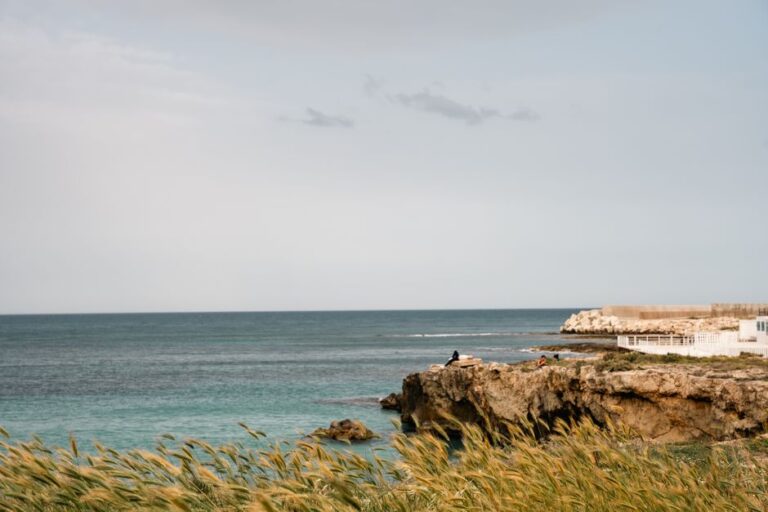
Apulia Travel Guide
Plan a trip to Apulia (Puglia): Alberobello's trulli, Polignano a Mare, Ostuni and the Valle d'Itria, baroque Lecce, Castel del Monte with 2026 prices,…
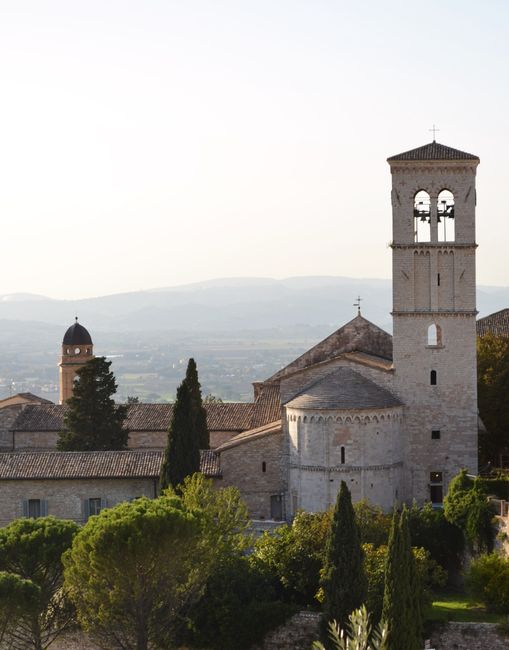
Assisi Travel Guide
Plan a trip to Assisi in the 800th anniversary year of St Francis: the Basilica of St Francis and its opening hours, Santa Chiara…
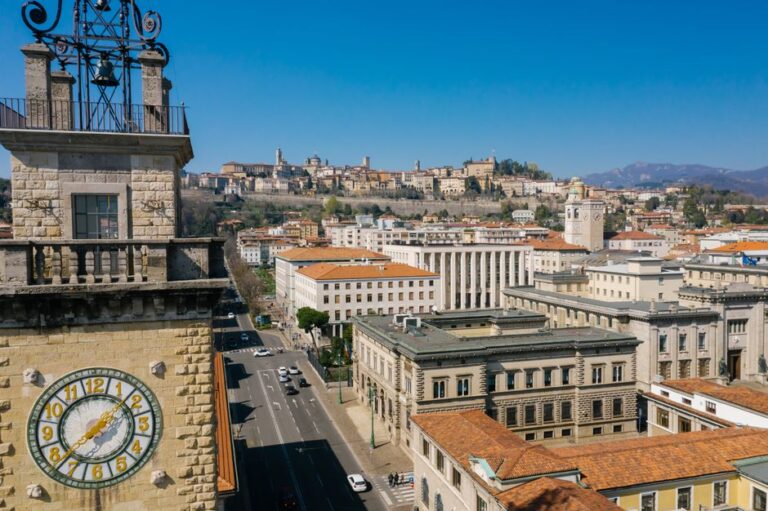
Bergamo Travel Guide
Plan a trip to Bergamo: the walled Città Alta and the funicular, Piazza Vecchia and the Campanone, the Colleoni Chapel and Santa Maria Maggiore,…
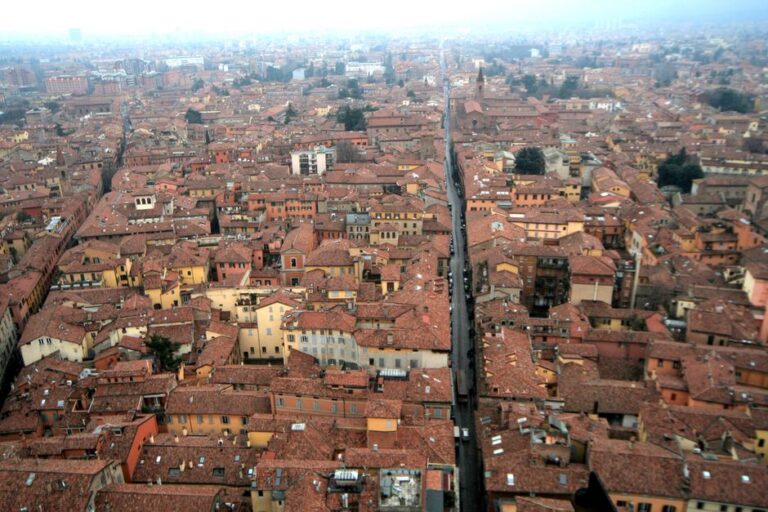
Bologna Travel Guide
Plan a trip to Bologna: Piazza Maggiore and San Petronio, the Two Towers and the Asinelli closure, the UNESCO porticoes and the walk to…
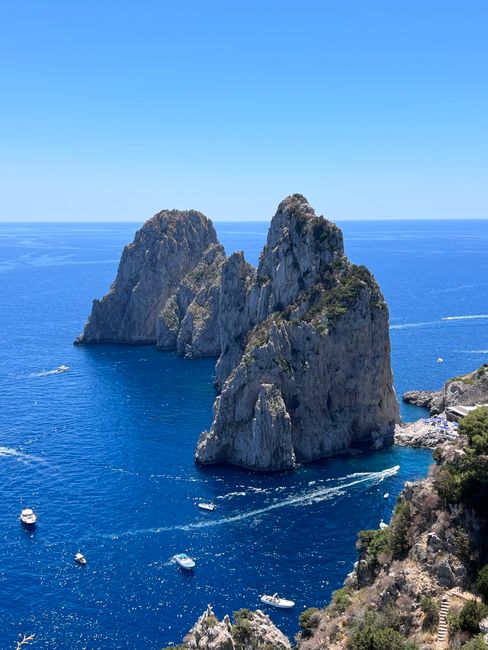
Capri Travel Guide
Plan a trip to Capri: Capri town, Anacapri and the Piazzetta, the Blue Grotto and when it closes, the Gardens of Augustus, Villa San…
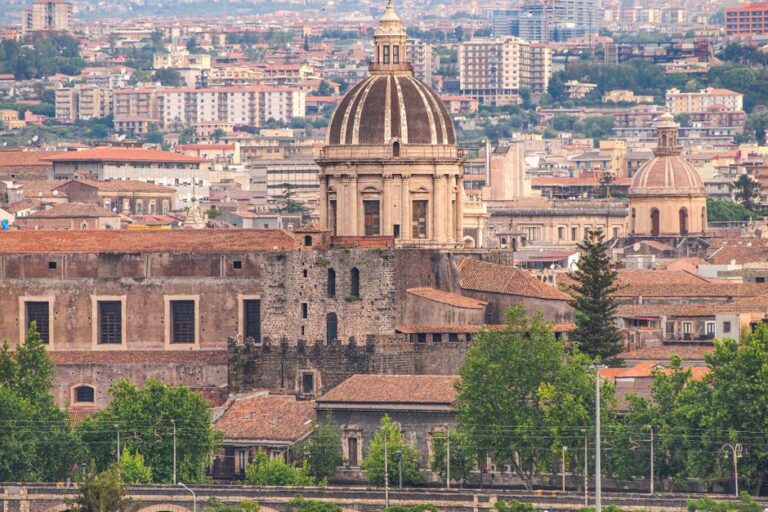
Catania Travel Guide
Plan a trip to Catania: Piazza Duomo and the elephant fountain, the Roman theatre and Benedictine monastery tours with 2026 prices and hours, the…
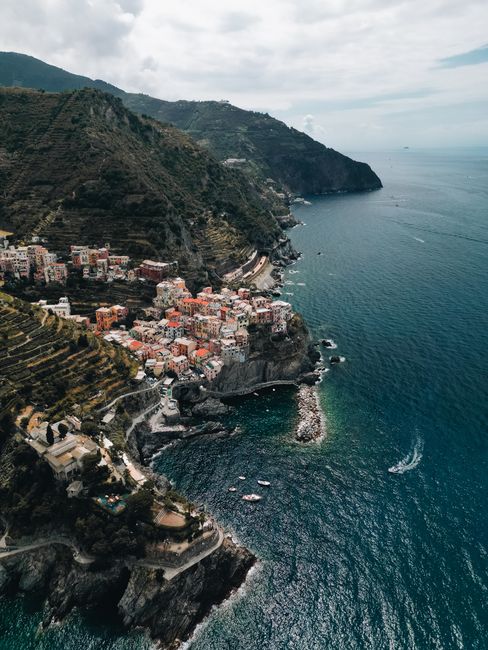
Cinque Terre Travel Guide
Plan a trip to the Cinque Terre: Monterosso, Vernazza, Corniglia, Manarola and Riomaggiore compared, the Sentiero Azzurro's current open and closed sections, the reopened…
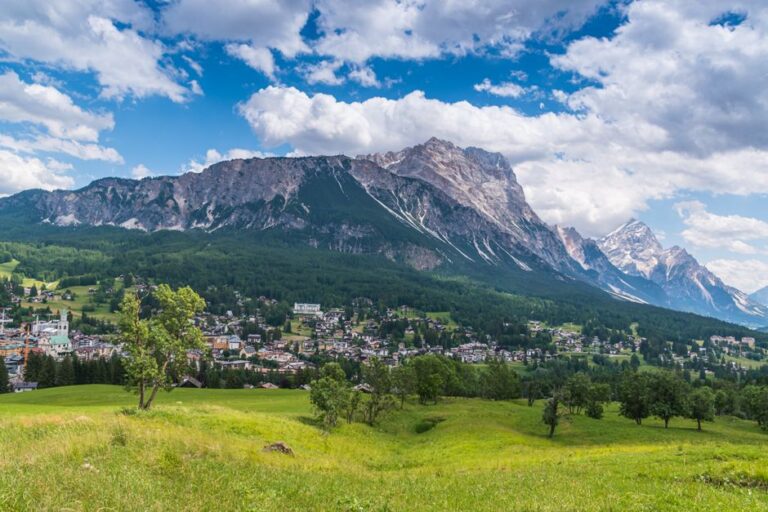
Cortina d’Ampezzo Travel Guide
Plan a trip to Cortina d'Ampezzo: the Tofana, Faloria and Lagazuoi lifts with 2026 prices and seasons, the Cinque Torri, the Tre Cime toll…
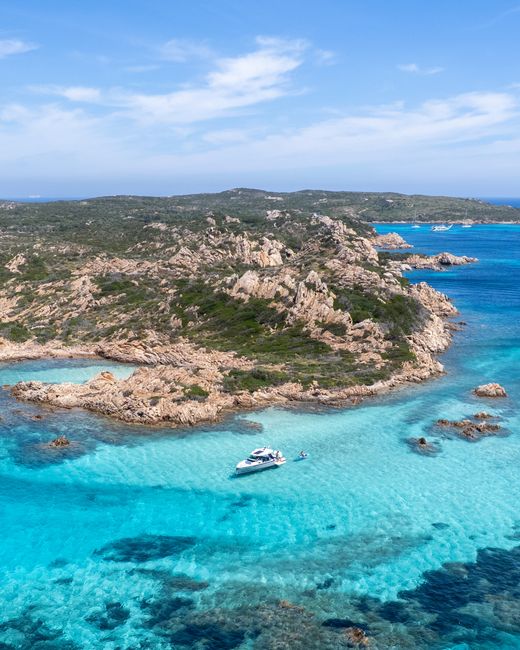
Costa Smeralda Travel Guide
Plan a trip to the Costa Smeralda in north-east Sardinia: Porto Cervo, Cala di Volpe, Baja Sardinia and Cannigione, the best beaches and the…
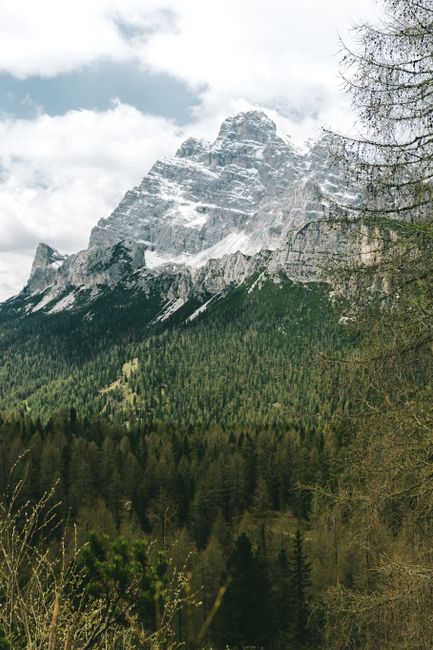
Dolomites Travel Guide
Plan a trip to the Dolomites: Val Gardena, Alta Badia, Cortina d'Ampezzo after the 2026 Olympics and Val Pusteria compared, the Tre Cime toll…
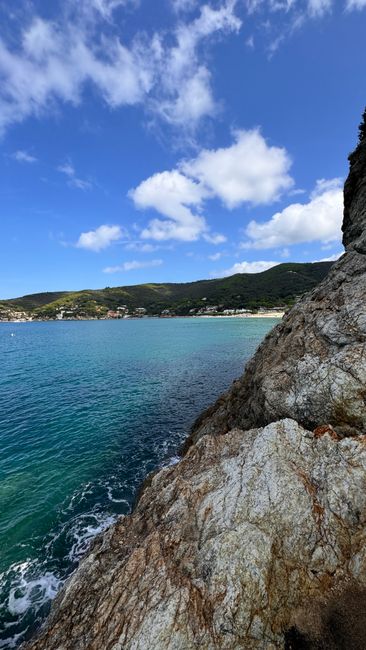
Elba Travel Guide
Plan a trip to Elba, Tuscany's biggest island: Portoferraio, Marina di Campo, Capoliveri and the west, the best beaches, Napoleon's residences with 2026 prices…
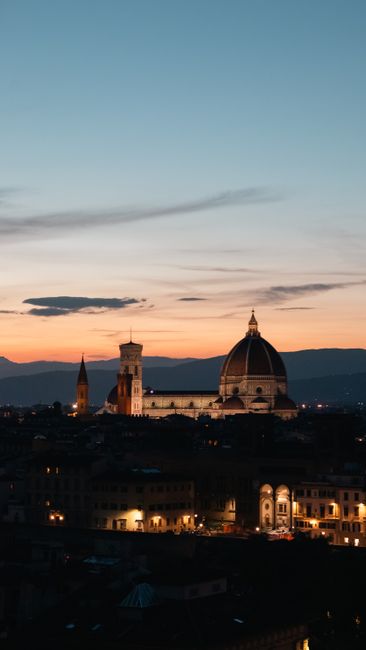
Florence Travel Guide
Plan a trip to Florence: the best neighbourhoods, Uffizi 2026 tickets and the new afternoon fare, the Accademia and Michelangelo's David, Brunelleschi's dome and…
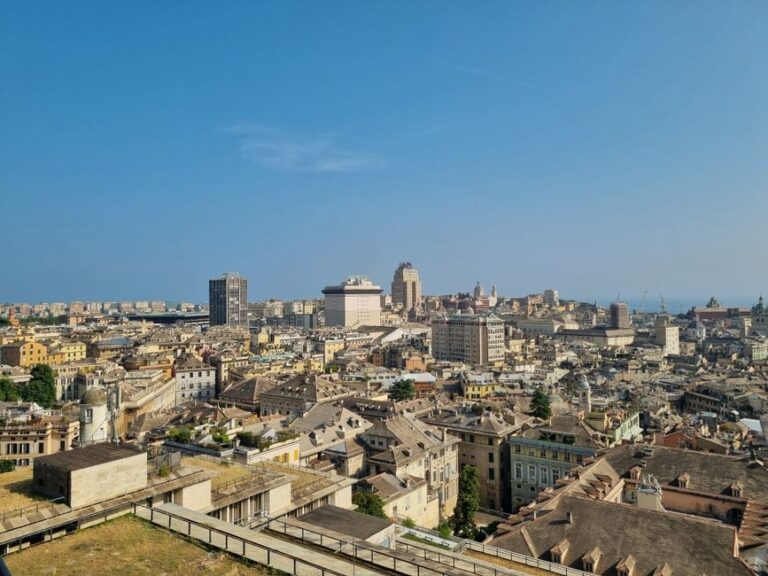
Genoa Travel Guide
Plan a trip to Genoa: the caruggi of the old town, the UNESCO Strada Nuova and Rolli palaces, Aquarium tickets for 2026, lifts and…
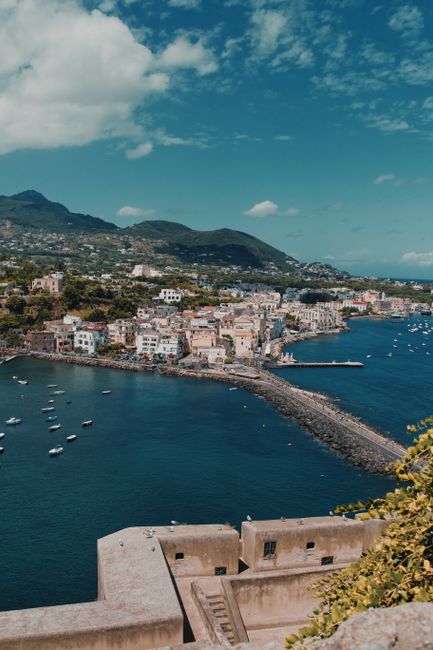
Ischia Travel Guide
Plan a trip to Ischia: Ischia Porto, Forio, Lacco Ameno and car-free Sant'Angelo, the Aragonese Castle, La Mortella gardens and the thermal parks with…
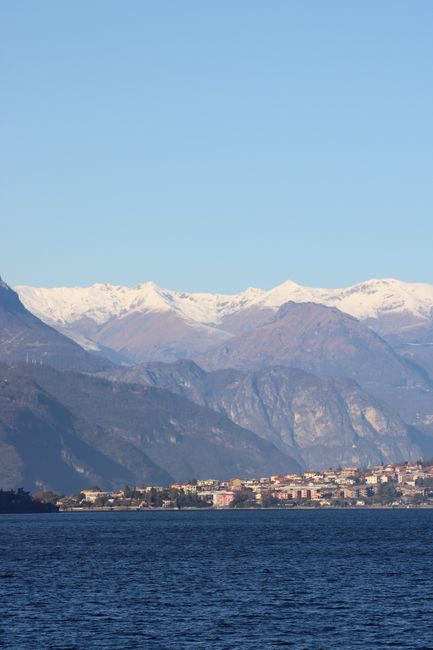
Lake Como Travel Guide
Plan a trip to Lake Como: Como, Bellagio, Varenna, Menaggio and Tremezzina compared, Villa del Balbianello and Villa Carlotta with 2026 prices and booking…
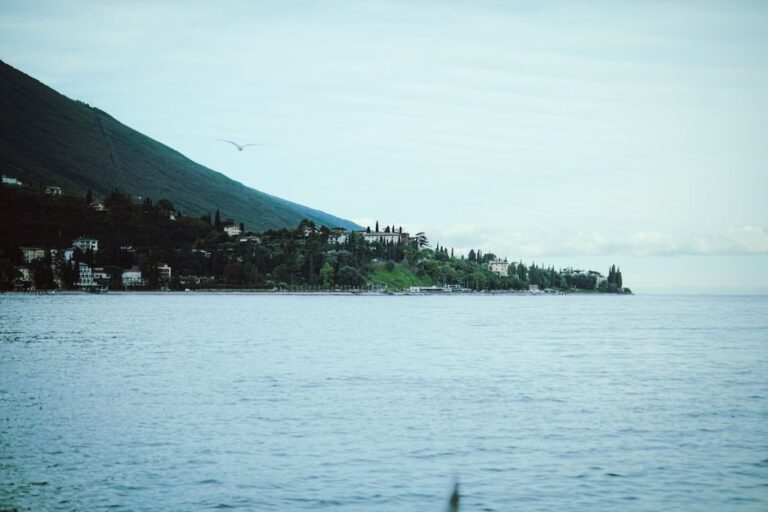
Lake Garda Travel Guide
Plan a trip to Lake Garda: the southern, eastern, northern and western shores compared, Sirmione's Scaliger Castle and Grottoes of Catullus with 2026 prices,…
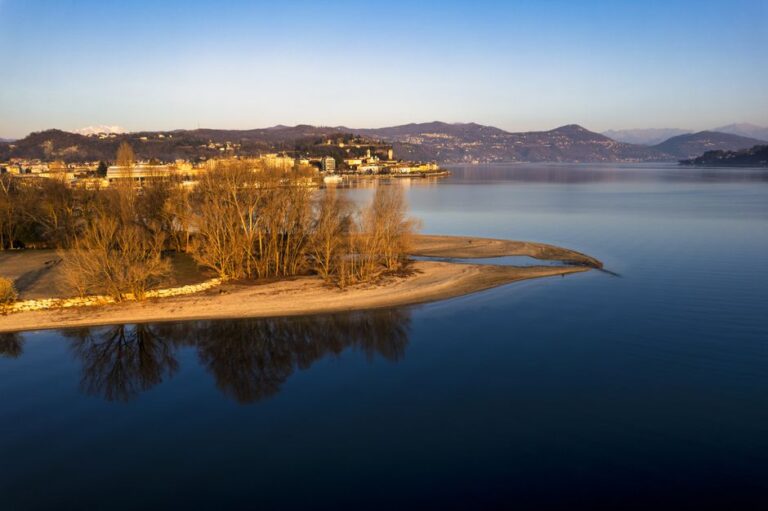
Lake Maggiore Travel Guide
Plan a trip to Lake Maggiore: Stresa, Baveno, Verbania, Cannobio and Arona compared, Isola Bella, Isola Madre and the Rocca di Angera with 2026…
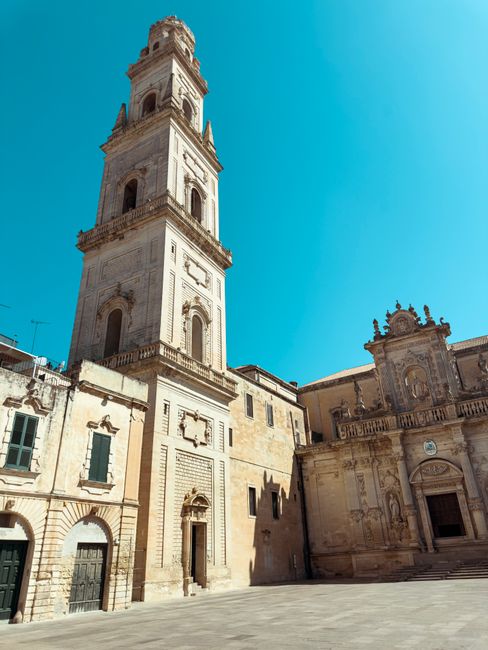
Lecce Travel Guide
Plan a trip to Lecce: Piazza Sant'Oronzo and the Roman amphitheatre, Santa Croce and the Duomo with the 2026 LeccEcclesiae ticket prices and hours,…
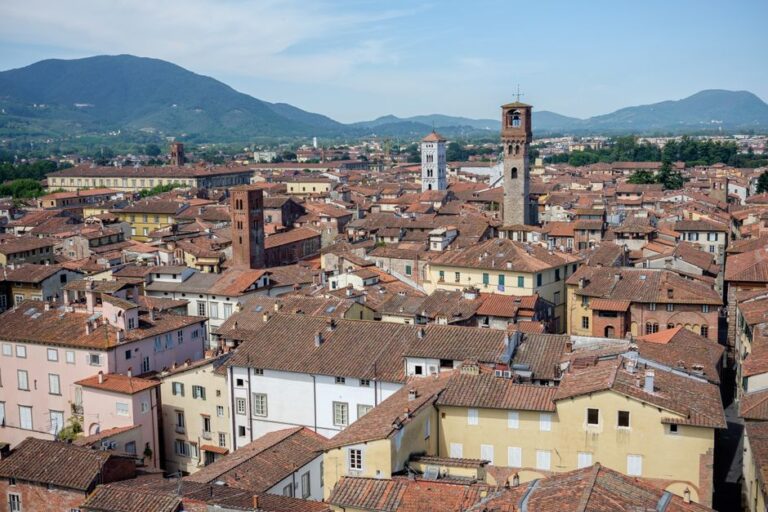
Lucca Travel Guide
Plan a trip to Lucca: cycling the 4.2 km Renaissance walls, San Martino cathedral and Ilaria del Carretto with 2026 prices, the Guinigi and…
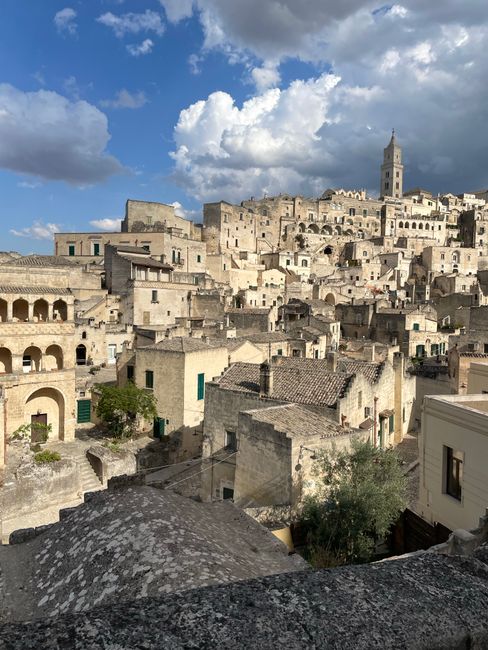
Matera Travel Guide
Plan a trip to Matera: the Sassi districts and best viewpoints, the rock churches circuit and its 2026 hours, the Casa Grotta cave house,…
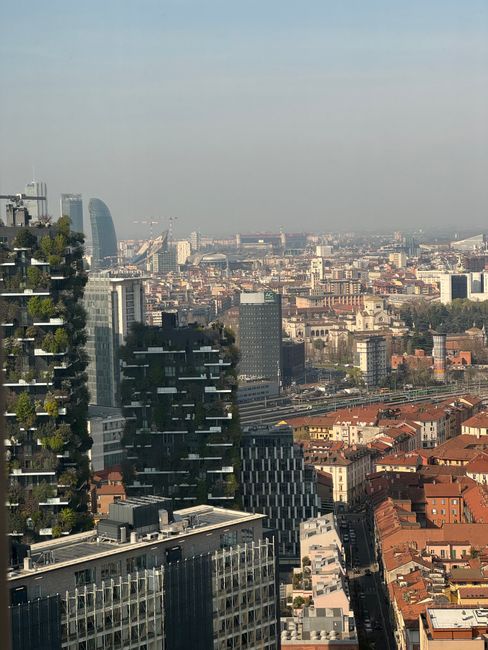
Milan Travel Guide
Plan a trip to Milan: the best neighbourhoods, the Duomo and its rooftop terraces, how to book The Last Supper (Cenacolo Vinciano) in its…
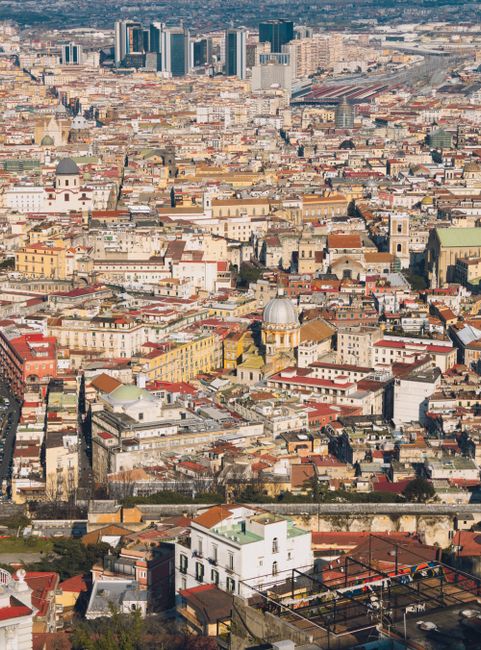
Naples Travel Guide
Plan a trip to Naples: the UNESCO old town and Spaccanapoli, the Veiled Christ, Naples Underground and the Archaeological Museum, real Neapolitan pizza, Pompeii's…
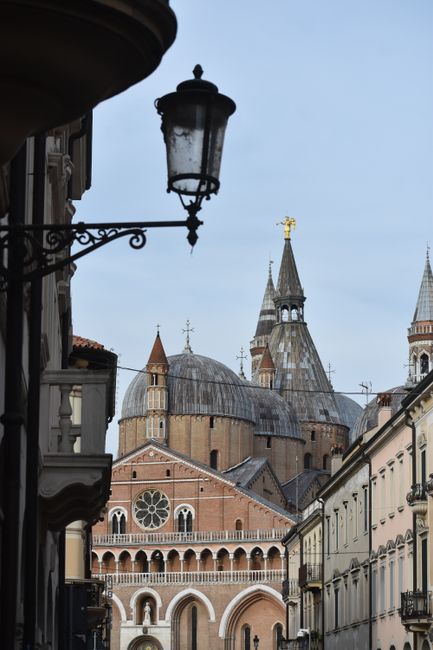
Padua Travel Guide
Plan a trip to Padua: how to book Giotto's Scrovegni Chapel and what it costs in 2026, the Basilica of St Anthony, the UNESCO…
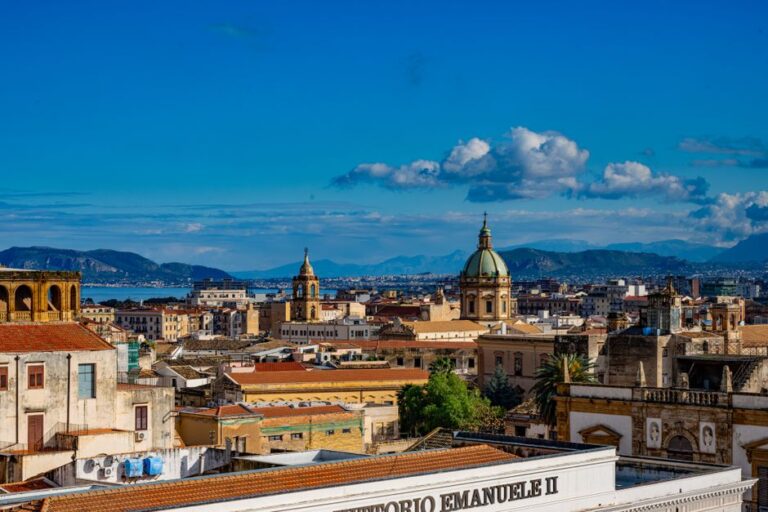
Palermo Travel Guide
Plan a trip to Palermo: the best neighbourhoods, the Royal Palace and Palatine Chapel with 2026 prices and weekday rules, the cathedral rooftops, the…
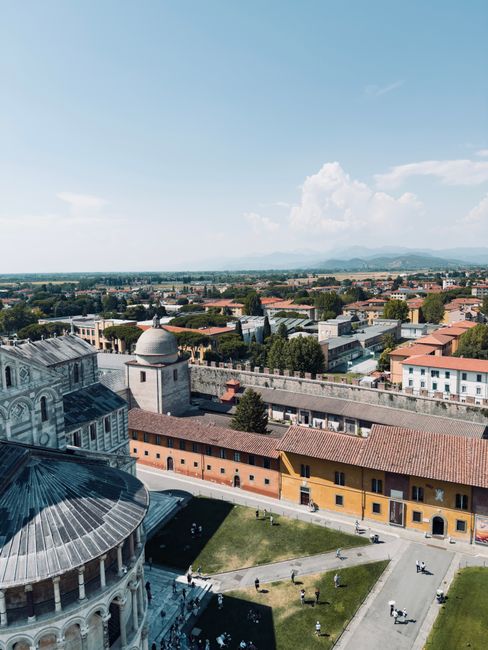
Pisa Travel Guide
Plan a trip to Pisa: Leaning Tower tickets and age rules for 2026, the free cathedral, the new Pisa Card, Palazzo Blu, the Lungarni…
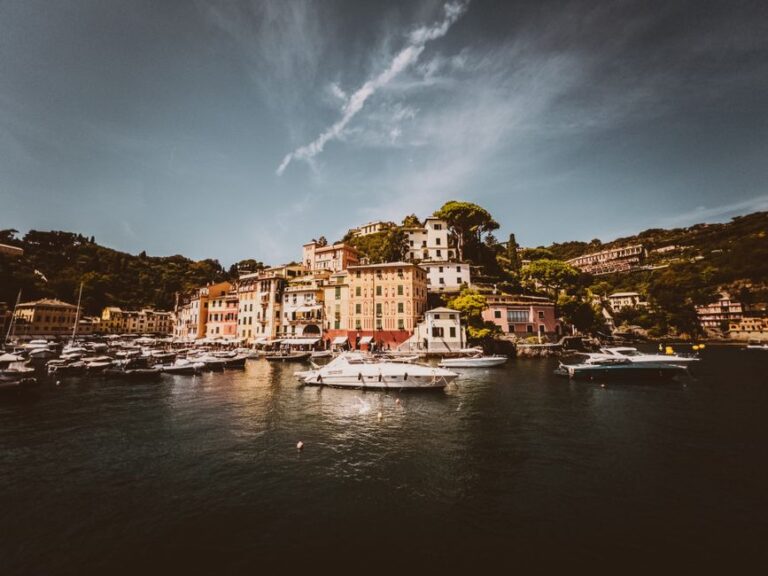
Portofino Travel Guide
Plan a trip to Portofino: the harbour and Piazzetta, Castello Brown and the lighthouse with 2026 prices and hours, San Fruttuoso abbey and the…
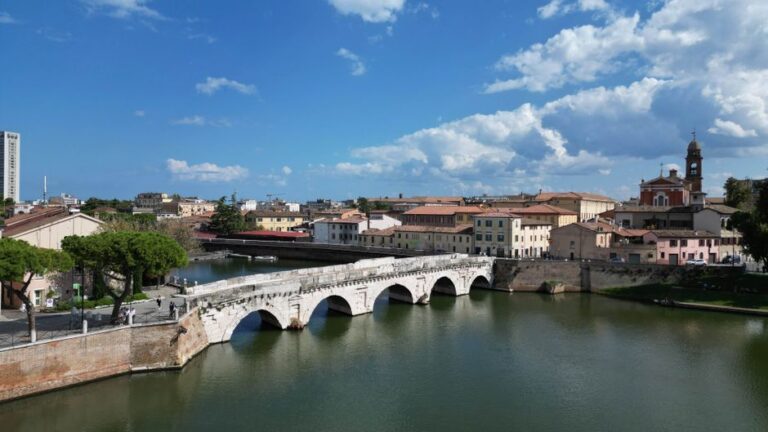
Rimini Travel Guide
Plan a trip to Rimini: the beaches and numbered beach clubs, the Tiberius Bridge, the Arch of Augustus, the Tempio Malatestiano, the Fellini Museum…
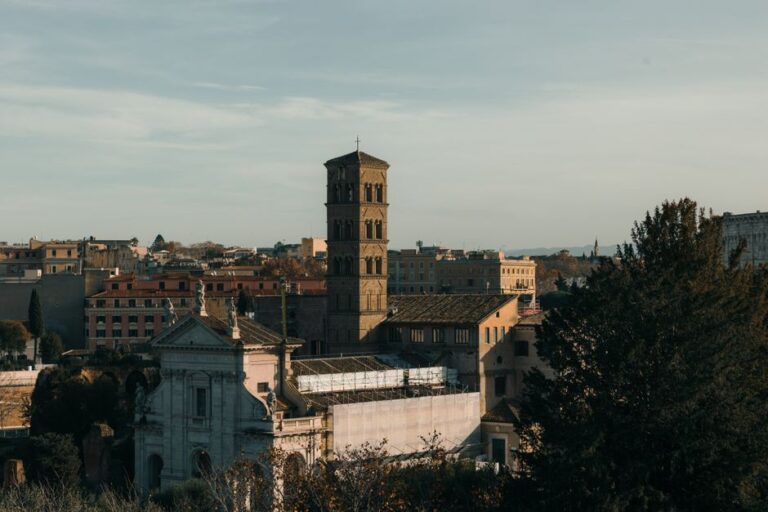
Rome Travel Guide
Plan a trip to Rome: the best neighbourhoods, Colosseum, Forum and Palatine named tickets, the Pantheon's €7 ticket, the new €2 Trevi Fountain fee,…
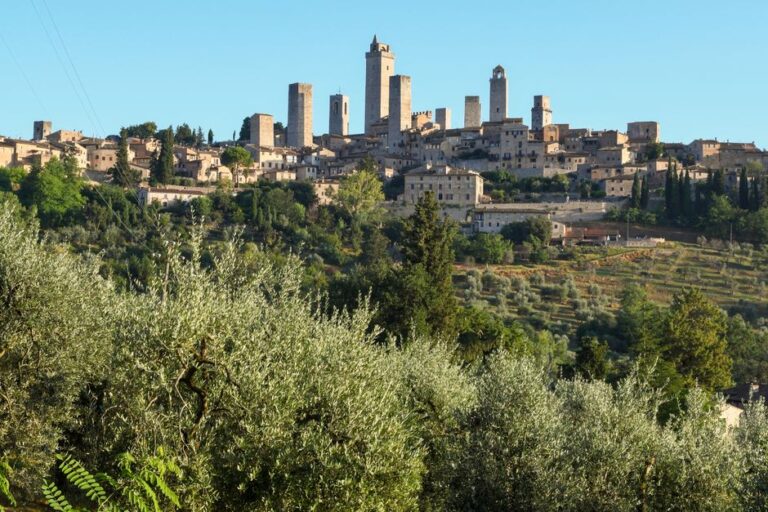
San Gimignano Travel Guide
Plan a trip to San Gimignano: the Torre Grossa and Civic Museums and the Collegiata's frescoes with 2026 prices and hours, Piazza della Cisterna,…
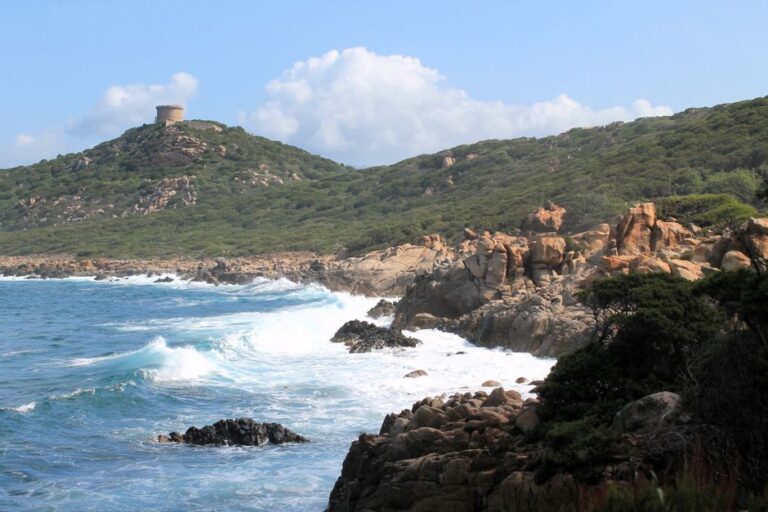
Sardinia Travel Guide
Plan a trip to Sardinia: the island's regions compared, La Maddalena park rules and the Pink Beach, Cala Goloritzè and La Pelosa booking and…
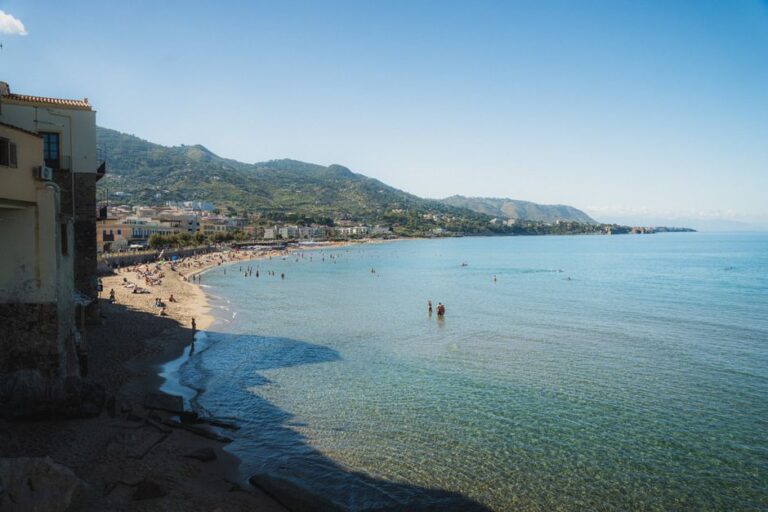
Sicily Travel Guide
Plan a trip to Sicily: Palermo's Arab-Norman monuments and street food, Cefalù, Taormina's Ancient Theatre, Syracuse and Ortigia, the Valley of the Temples with…
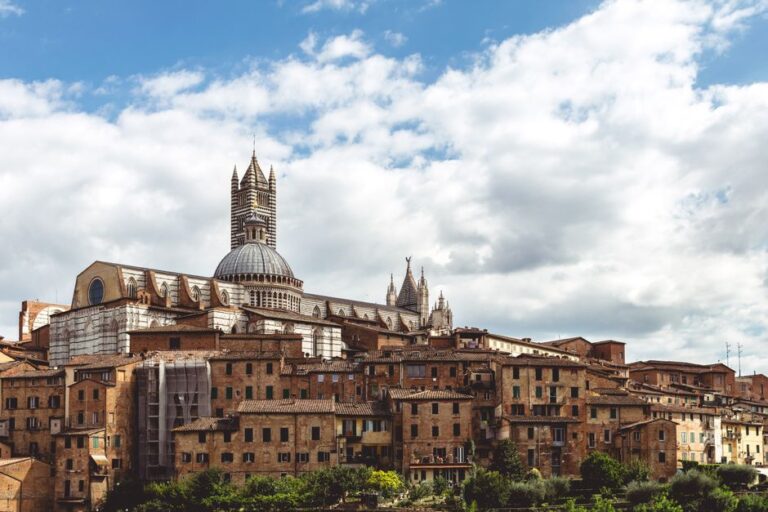
Siena Travel Guide
Plan a trip to Siena: the Piazza del Campo, Torre del Mangia and Museo Civico tickets, the cathedral's OPA SI Pass and the marble…
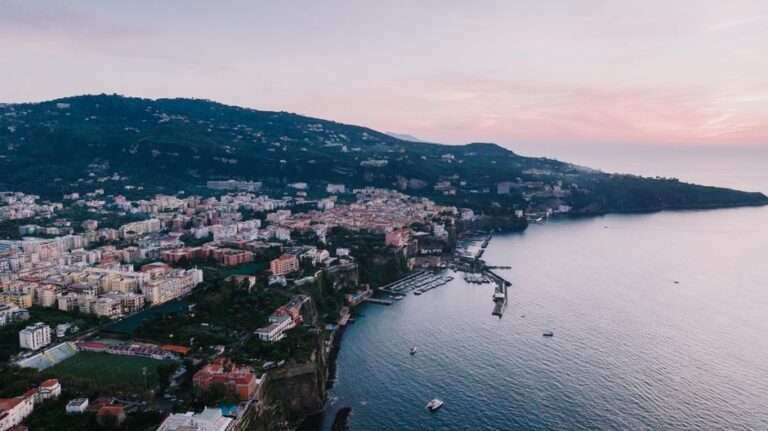
Sorrento Travel Guide
Plan a stay in Sorrento: the old town, Marina Grande and the cliff-top views, the Bagni della Regina Giovanna, swimming and boat trips, day…
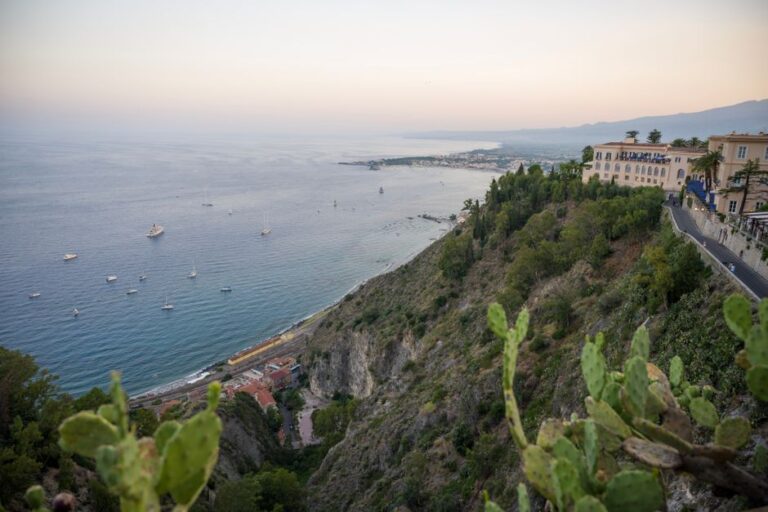
Taormina Travel Guide
Plan a trip to Taormina: the old town, Mazzarò, Giardini Naxos and Castelmola compared, the Ancient Theatre and Isola Bella with 2026 prices and…
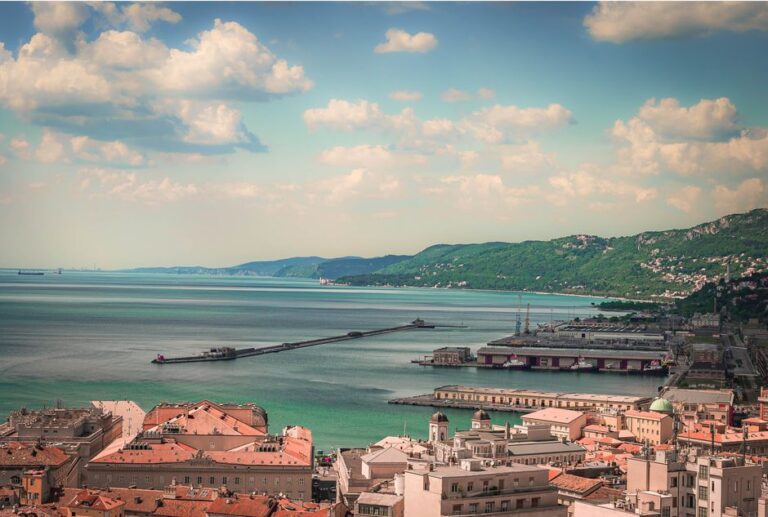
Trieste Travel Guide
Plan a trip to Trieste: Piazza Unità and the Molo Audace, Miramare Castle and San Giusto with 2026 prices and hours, Roman ruins, historic…
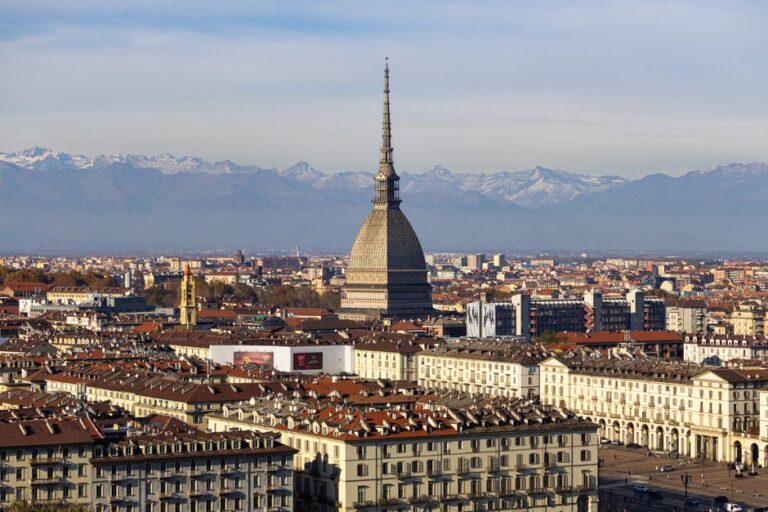
Turin Travel Guide
Plan a trip to Turin: Egyptian Museum tickets for 2026, the Mole Antonelliana and its panoramic lift, the Royal Museums, the Torino+Piemonte Card, historic…
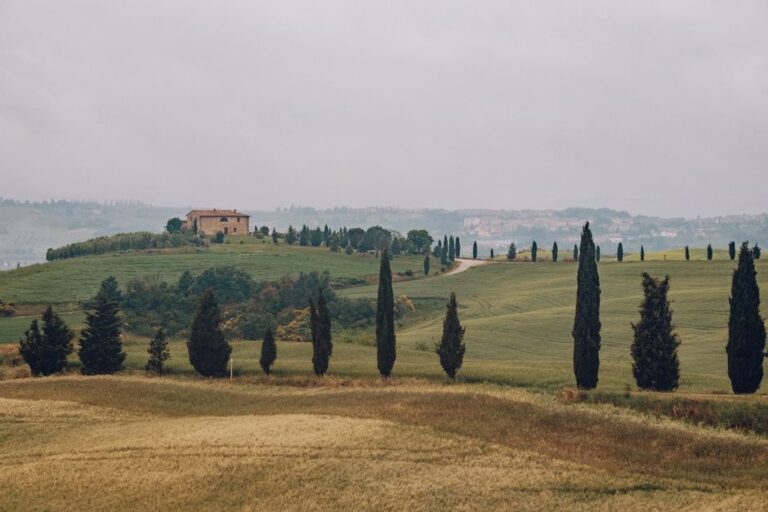
Tuscany Travel Guide
Plan a trip to Tuscany: Florence as a base, Siena and the Palio dates, booking the Leaning Tower of Pisa, San Gimignano, Lucca's walls,…
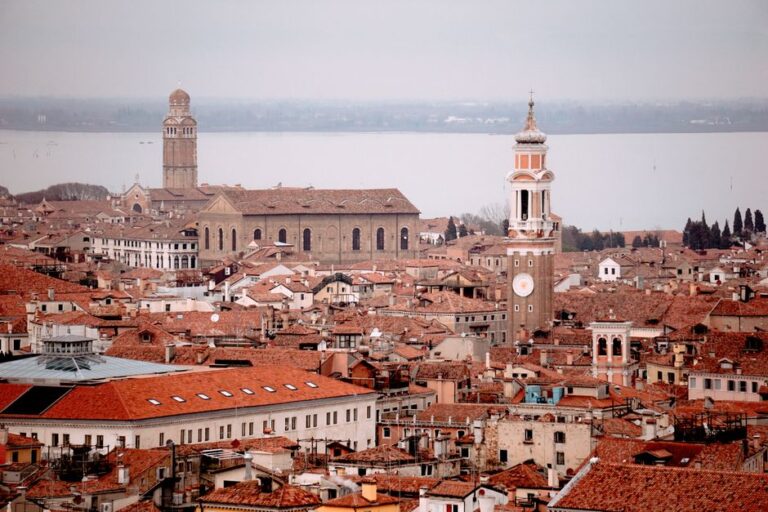
Venice Travel Guide
Plan a trip to Venice: the sestieri and where to stay, the day-tripper access fee (2026 calendar, €5/€10, now ended; 2027 not yet set),…
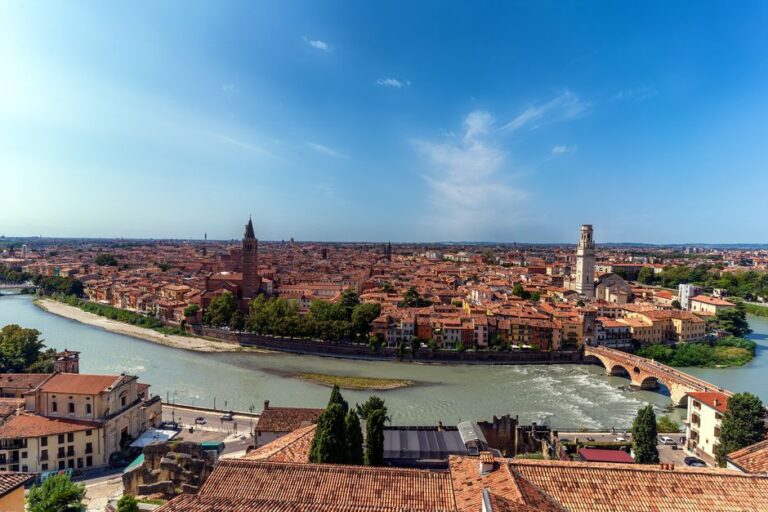
Verona Travel Guide
Plan a trip to Verona: the Roman Arena and the opera festival (2026 and 2027 dates), Juliet's House with the new booked-entry system from…
Best time to visit Italy, region by region
Italy’s climate changes a lot from north to south. The Po plain around Milan has cold, foggy winters and hot, humid summers; the Alps are cold in winter and fresh in summer; and the centre, south and islands are Mediterranean, with mild winters and long, dry, hot summers. The table shows rounded average daily highs from the long-term climate normals of the Italian Air Force Meteorological Service (Aeronautica Militare) at one airport station per region. These are long-term averages; recent summers have often been hotter.
| Region (weather station) | Spring highs (Mar–May) | Summer highs (Jun–Aug) | Autumn highs (Sep–Nov) | Winter highs (Dec–Feb) | Best months |
|---|---|---|---|---|---|
| Milan and the lakes (Milano Linate) | 13–22 °C | 26–29 °C | 24 °C falling to 10 °C | 5–8 °C, often foggy | April–June, September–October |
| Venice and the Veneto (Venezia Tessera) | 12–21 °C | 25–28 °C | 23 °C falling to 12 °C | 7–9 °C | April–June, September–October |
| Florence and Tuscany (Firenze Peretola) | 15–23 °C | 27–31 °C | 27 °C falling to 15 °C | 10–12 °C | April–June, September–October |
| Rome and Lazio (Roma Ciampino) | 15–23 °C | 27–31 °C | 27 °C falling to 16 °C | 12–13 °C | April–June, September–October |
| Naples and the Amalfi Coast (Napoli Capodichino) | 15–23 °C | 26–30 °C | 26 °C falling to 17 °C | 13–14 °C | May–June, September–October |
| Sicily (Palermo Punta Raisi) | 16–22 °C | 25–29 °C | 27 °C falling to 19 °C | 15–16 °C | April–June, September–October |
Rain is spread through the year in the north, while the centre and south are dry in summer: Rome averages only about two rainy days in July, but around ten in November. Autumn storms can be short and heavy anywhere, and November is usually the wettest month in Rome, Florence and Naples. The Dolomites follow their own calendar: valley towns such as Bolzano are warm in summer, but high trails are 10–15 °C cooler, huts and cable cars mostly open from mid-June to late September, and the ski season runs from December to early April. Puglia and Sardinia are among the sunniest, driest parts of the country, with the sea warm enough to swim from June to early October. Heatwaves now regularly bring 35–40 °C to cities such as Rome and Florence in July and August.
Crowds and prices through the year
- July and August: peak season on the coasts, the islands and the lakes, with the highest prices and the hottest cities. Around Ferragosto (15 August), Italians head to the sea and the mountains en masse; some city restaurants and shops close for a week or two.
- April to June: the best all-round season, with flowers in the countryside and long evenings. Easter week and the 25 April, 1 May and 2 June holidays bring big crowds to Rome, Florence and Venice.
- September and October: warm seas in the south, grape and olive harvests, truffle fairs and slightly thinner crowds; a favourite time for many regular visitors.
- November to March: quiet and good value in the cities, apart from Christmas, New Year and Venice’s Carnival. Many beach hotels, Amalfi Coast ferries and island resorts close from about November to Easter; it is ski season in the Dolomites.
Festivals and events through the year
- January and February: Epiphany (6 January), when the Befana witch brings sweets to children; the Carnival of Venice, with masks and costumes, up to Shrove Tuesday (9 February 2027), and the Viareggio Carnival in Tuscany.
- Easter: Holy Week processions, especially in Sicily and the south, and the Pope’s Mass in St. Peter’s Square; in Florence, the Scoppio del Carro, a cart of fireworks set off outside the cathedral on Easter Sunday (28 March 2027).
- April: Milan Design Week (Salone del Mobile), which fills every hotel in the city.
- June: Florence’s feast of San Giovanni on 24 June, with the Calcio Storico, a rough Renaissance football match, and fireworks; Rome’s patron saints, Peter and Paul, on 29 June.
- July and August: opera in Verona’s Roman arena; the Palio horse race in Siena’s Piazza del Campo on 2 July and 16 August; the Festa del Redentore fireworks in Venice on the third weekend of July; and Ferragosto on 15 August.
- Late August to September: the Venice Film Festival on the Lido and the Regata Storica boat parade on the Grand Canal on the first Sunday of September. The Venice Biennale alternates art (2026, until 22 November) and architecture (2027).
- October and November: wine harvest festivals, the white truffle fair in Alba (Piedmont) and chestnut festivals in the hills.
- December: Christmas markets in Bolzano, Merano and Trento, nativity scenes on Via San Gregorio Armeno in Naples, Milan’s Sant’Ambrogio fair and the opening night of La Scala’s opera season on 7 December.
National public holidays, when banks, offices and many shops close and transport runs a holiday timetable: 1 November, 8 December, 25 and 26 December, 1 and 6 January, Easter Monday (29 March 2027), 25 April, 1 May, 2 June, 15 August and, since 2026, 4 October again, the feast of St. Francis of Assisi, Italy’s patron saint. Each city also closes for its own patron saint, for example Rome on 29 June, Florence on 24 June and Milan on 7 December. Museums often stay open on public holidays except 25 December and 1 January.
Weather month by month
Averages from Aeronautica Militare normals 1991–2020, Rome Ciampino (airport) · Last reviewed 4 Oct 2026
How long to stay: sample itineraries
The high-speed line runs like a backbone from Turin and Milan through Bologna, Florence and Rome to Naples and Salerno, with a branch from Milan and Bologna to Venice. Plan along that line and add a rental car only for the countryside.
5 days: Rome and Florence
Three days in Rome for the Colosseum, the centre and a Vatican day, then the fast train to Florence (about 1½ hours) for two days of the Uffizi, the David and the Duomo. Or spend all five days in Rome with day trips to Ostia Antica, Tivoli or Orvieto.
7 days: Rome, Florence and Venice
The classic first trip: three days in Rome, two in Florence (with a half-day in Pisa, Siena or Chianti if you rush), and two in Venice, about two hours from Florence by train. Fly into Rome and out of Venice to avoid backtracking.
10 days: add the lakes or the south
Follow the seven-day route and add Milan and Lake Como at the end, or start in Naples with Pompeii and two nights on the Amalfi Coast before heading north to Rome, Florence and Venice. In summer, swap a city for the Cinque Terre or the Dolomites.
14 days: the grand tour
Venice, Verona, Milan and Lake Como in the north; Florence and a few days driving through Tuscany; Rome; then Naples and the Amalfi Coast. Or spend a whole second week in Sicily, Puglia or Sardinia. Italy links easily with its neighbours: direct trains run from Milan and Turin to Paris and Lyon, the coast road and railway continue from Liguria to Nice, and cheap flights connect Italian cities with Spain and Portugal.
Entry, money and costs
Entry and visas (last reviewed October 2026)
Italy is in the Schengen area. Citizens of EU and EEA countries and Switzerland can enter with a national ID card or passport. Visitors from many other countries, including the United States, Canada, the UK and Australia, can stay without a visa for up to 90 days in any 180-day period, counting time in all Schengen countries. Others need a Schengen visa from an Italian consulate. Vatican City and San Marino have no border controls with Italy.
- Entry/Exit System (EES): the EU’s digital border system has been fully running at all Schengen borders since 10 April 2026. Non-EU visitors on short stays have their passport details, a photo and fingerprints recorded on their first entry instead of getting passport stamps; children under 12 are not fingerprinted. Registration is free, and the record lasts three years. Allow extra time at airport passport control, especially on your first trip after April 2026.
- ETIAS: the EU’s planned online travel authorisation (fee €20) is not in operation as of October 2026. In April 2026 the European Commission said it was scheduled for the last quarter of 2026, with the exact date to be announced in advance; no date has been published, and press reports point to 2027. Until the EU confirms a date, you don’t need one. Ignore websites selling “ETIAS applications” before then.
- Passports: for non-EU visitors, your passport should have been issued less than 10 years before you arrive and be valid for at least 3 months after the day you plan to leave the Schengen area. Border officers may ask for a return ticket, proof of accommodation and proof that you have enough money for your stay.
- Registration: hotels and rentals must register every guest with the police, so you will be asked for your passport or ID card at check-in. This is normal.
Rules change, so check the official pages before you travel: the European Commission’s EES and ETIAS pages, the Italian Foreign Ministry’s visa site and your own government’s travel information.
Language
Italian is the official language. German is also official in South Tyrol (Alto Adige), French in the Aosta Valley, and you will hear strong dialects everywhere, from Neapolitan to Sicilian and Venetian. English is common in hotels, big museums and tourist areas, much less so in the countryside and the south. A few words go a long way: buongiorno (good morning, used until mid-afternoon), buonasera (good evening), per favore (please), grazie (thank you), scusi (excuse me), il conto, per favore (the bill, please) and permesso (excuse me, when squeezing past someone on a bus).
Currency, payments, the coperto and tipping
Italy uses the euro (€). Shops, restaurants and taxis are legally required to accept card payments, and contactless cards and phones work almost everywhere, including on Rome’s metro gates, Milan’s metro and many city buses. Still, carry some cash for small cafés, market stalls, rural bars, tips and the odd card machine that is “broken”. When a cash machine or card terminal offers to charge you in your home currency, choose euros; it is usually the better rate. Use cash machines (bancomat) attached to banks rather than independent machines in tourist areas, which often charge high fees.
The coperto: most sit-down restaurants add a coperto (cover charge) per person, usually €1.50–4 and sometimes more in tourist hotspots, for bread and table setting. It must be printed on the menu. Some restaurants add servizio (a service charge, often 10–15%) instead or as well, also shown on the menu. Neither is a scam, but read the menu before you sit down. In a bar, coffee drunk standing at the counter costs less than the same coffee brought to a table, especially on famous squares.
Tipping is not expected the way it is in North America. Italians leave nothing or round up the bill; if service was good and no service charge was added, leaving 5–10% or a few euros is a kind gesture. Leave small change for a coffee, and round up taxi fares.
Tourist taxes (imposta or contributo di soggiorno)
Most Italian cities and many resort towns charge a nightly tourist tax per person, paid at your hotel or rental, usually in cash or by card at check-out, and not always included in prices on booking sites. Children are often exempt (the age limit varies by town, typically 10 to 14), and most cities only charge for the first 5 to 10 nights. The big cities charge the most. As of October 2026, examples per person per night in a 4-star hotel are about €7.50 in Rome, €7 in Florence and €10 in Milan; Venice charges less per night but also ran a separate day-tripper access fee on 60 days in spring and summer 2026. Each city guide has the details.
Typical travel costs
Italy is mid-priced for Western Europe. Venice, the Amalfi Coast, Capri, Lake Como and Milan are expensive; the south, Sicily and the countryside are much better value. These estimates, per person per day, are a planning guide as of October 2026:
| Style | Estimated cost per day | What that looks like |
|---|---|---|
| Budget | about €70–100 | Hostel bed or simple guesthouse, coffee and pastry at the bar, pizza or street food, regional trains, free churches and squares |
| Mid-range | about €150–230 | 3- or 4-star hotel room shared by two, trattoria lunches and dinners, two paid sights, a high-speed train between cities |
| High-end | about €400+ | Boutique or luxury hotel, fine dining, private guides and boat trips, car hire |
Add about €30–50 a day for Venice, the Amalfi Coast or Lake Como in summer. Lunch is often the best-value meal: a menu del giorno at a trattoria, a slice of pizza al taglio or a sandwich from a deli. Book high-speed trains early for the cheapest fares. The figures are our estimates, not official statistics.
Getting there and getting around
Arrival airports
- Rome Fiumicino (FCO): Italy’s main long-haul hub, linked to Roma Termini by the non-stop Leonardo Express train in 32 minutes (€14). Rome Ciampino (CIA) handles low-cost flights. See our Rome guide.
- Milan Malpensa (MXP): the north’s main international airport, about 50 minutes from the city by the Malpensa Express train. Milan Linate (LIN) is close to the centre on metro line M4, and Bergamo (BGY) serves many budget airlines.
- Venice Marco Polo (VCE): on the mainland, with buses to Piazzale Roma and Alilaguna water buses into the lagoon. Treviso airport serves low-cost flights.
- Naples (NAP), Catania (CTA), Palermo (PMO), Bari (BRI), Bologna (BLQ), Pisa (PSA) and Florence (FLR): busy regional airports with many European flights. Pisa often has cheaper flights than Florence, and both are linked to Florence by train or tram. Sardinia has airports at Cagliari, Olbia and Alghero.
- By train: direct trains run from Paris, Lyon, Switzerland, Austria, Germany and Nice; overnight trains link Italy with Vienna and Munich.
High-speed trains: Frecciarossa and Italo
Two companies run high-speed trains on the same tracks: the state railway Trenitalia, with its red Frecciarossa trains (and slower Frecciargento and Frecciabianca), and the private operator Italo, with burgundy trains. Both are comfortable, have Wi-Fi and several classes, and often compete on price, so check both. Typical times: Rome–Florence about 1 hour 35, Rome–Naples about 1 hour 10, Florence–Bologna about 35 minutes, Florence–Milan about 1 hour 55, Rome–Milan about 3 hours, Florence–Venice about 2 hours 5 and Milan–Venice about 2 hours 25.
- Book ahead: high-speed seats are reserved and fares rise as trains fill; the cheapest tickets are non-refundable. Book on the Trenitalia or Italo website or app.
- Stations: in Rome most trains stop at Termini and some also at Tiburtina; in Florence, Santa Maria Novella; in Milan, Centrale (some also Porta Garibaldi and Rogoredo); in Venice, make sure your ticket is to Venezia Santa Lucia, on the island, not Venezia Mestre on the mainland; in Naples, Napoli Centrale.
- No need to validate: high-speed tickets are for a named train and seat, so you don’t stamp them; just show the QR code with ID if asked.
Regional trains and ticket validation
Slower Regionale trains (Trenitalia and regional companies such as Trenord in Lombardy) reach almost every town, including the Cinque Terre, Lake Como, Pisa, Lucca, Siena, Verona and Pompeii’s area. Fares are fixed and cheap, seats are not reserved, and the rules on tickets are strict:
- Paper tickets must be validated in the green or white machines on the platform or in the station before you board. Once stamped, you usually have 4 hours to finish your journey. Forgetting to validate can mean a fine, even if you paid.
- Digital tickets bought on the Trenitalia app or website are tied to a train or a time window and don’t need stamping; show the QR code with ID. Read what your ticket says: some are only valid on the train you chose.
- City buses, trams and metros work the same way: validate your ticket (or tap your contactless card) every time you board.
Driving, ZTL zones and autostrada tolls
A car is the best way to explore Tuscany’s hill towns, Puglia, Sicily, Sardinia and the Dolomites, but it is a liability in the big cities. Italy drives on the right. Limits are 130 km/h on motorways (110 km/h in rain), 110 km/h on dual carriageways, 90 km/h on other roads outside towns and 50 km/h in towns, where many streets are now 30 km/h. The drink-drive limit is 0.5 g/l of blood, and zero for drivers with less than three years’ experience. Dipped headlights are compulsory outside built-up areas, and you need a high-visibility vest and a warning triangle. Drivers with a licence from outside the EU should carry an International Driving Permit with it.
- ZTL (zona a traffico limitato): almost every historic town centre, from Rome, Florence and Milan to tiny Tuscan villages, is a restricted traffic zone, marked by a round white sign with a red border and the word “ZTL”, and watched by cameras. Driving past an active gate without a permit brings an automatic fine, usually from about €83 plus administrative fees, which can follow you home months later through your rental company (which adds its own fee). Each gate you pass can count as a separate fine. If your hotel is inside a ZTL, ask it to register your number plate before you arrive, and park outside the zone.
- Autostrada tolls: most motorways charge tolls. Take a ticket on entry and pay on exit by card or cash in the lanes marked with card or cash symbols; keep out of the yellow Telepass lanes, which are only for cars with an electronic tag. As a rough guide, Rome to Florence costs about €20 for a car.
- Parking: blue lines are paid parking, white lines are usually free (but check the signs, which may reserve them for residents), and yellow lines are for residents or disabled drivers only.
- Milan’s Area C is a congestion charge zone, and the city’s Area B low-emission zone bans older vehicles; see our Milan guide.
Ferries and boats
Ferries are part of the fun: car ferries to Sicily, Sardinia and the smaller islands, fast hydrofoils from Naples and Sorrento to Capri and Ischia, seasonal boats along the Amalfi Coast and the Cinque Terre, and public ferries on Lake Como, Lake Garda and Lake Maggiore. Coastal services run mainly from Easter to October and are cancelled in rough seas, so keep a spare day at the end of an island trip.
Strikes (scioperi) and how to check
Transport strikes (scioperi) are frequent in Italy, often on Fridays or Mondays, and affect trains, city transport, airports and ferries. They must be announced in advance and are listed on the Ministry of Infrastructure and Transport’s official strike calendar (scioperi.mit.gov.it). By law, some services keep running during strikes: on weekdays, regional and commuter trains are guaranteed between 6:00 and 9:00 and between 18:00 and 21:00, and Trenitalia and Italo publish lists of guaranteed long-distance trains. City transport has its own guaranteed hours, which vary by city. Before you travel, check the strike calendar, your train company’s app and your airline; tickets on cancelled trains can usually be changed or refunded.
Culture, food, churches and opening hours
Food is the heart of Italian life, and it is intensely regional: carbonara and cacio e pepe in Rome, bistecca alla fiorentina and ribollita in Tuscany, risotto and cotoletta in Milan, seafood risotto and cicchetti (small bar snacks) in Venice, pizza in Naples, orecchiette in Puglia, arancini and cannoli in Sicily, and dumplings and speck in the Dolomites. A proper meal can have several courses (antipasto, a pasta or rice primo, a meat or fish secondo with a side dish, then dessert), but nobody minds if you order just one or two. Cappuccino is a breakfast drink; after a meal, Italians order an espresso.
Meal times: breakfast is a quick coffee and pastry standing at the bar; lunch runs from about 12:30 to 14:30; dinner starts around 19:30 in the north and 20:30 or later in Rome and the south. Many restaurants close between services and one day a week. In the early evening, join the aperitivo: a spritz or a glass of wine with snacks, a ritual in Milan, Venice and beyond. Tap water is safe to drink, and Rome and many other cities have free public drinking fountains.
Church dress codes: to enter St. Peter’s Basilica, St. Mark’s in Venice, the cathedrals of Florence and Milan and most churches, cover your shoulders and knees: no sleeveless tops, shorts or short skirts. Guards turn people away at the big ones, so carry a light scarf or shawl in summer. Hats come off, voices stay low, and visits stop during Mass. Some churches sell paper cover-ups at the door.
Opening hours: in smaller towns, shops often close for a long lunch (roughly 13:00 to 16:00) and on Sunday and Monday mornings; city-centre shops stay open all day. Many state museums close on Mondays, and the big ones need a timed booking. Most state museums and archaeological sites, including the Colosseum and the Uffizi, are free on the first Sunday of the month, with long queues; the Vatican Museums are free on the last Sunday of the month.
Local rules: cities have cracked down on bad behaviour in their historic centres. Sitting or eating on monuments and steps (such as Rome’s Spanish Steps), wading or swimming in fountains, wandering around shirtless or in swimwear away from the beach, and drinking from glass bottles in the street at night can all bring fines.
Safety, health, accessibility and connectivity
Safety
Italy is a safe country to travel in, and violent crime against visitors is rare. The real problem is pickpockets, who work in teams in crowded places: Rome’s metro and bus 64 to the Vatican, around Termini station, the Colosseum and the Trevi Fountain; Venice’s vaporetti and the Rialto Bridge; Florence’s Duomo area; Milan’s metro and the Duomo square; and Naples’ central station and old town. Keep phones and wallets in front zipped pockets, wear your backpack on your front in crowds, and keep your phone off café tables. Be wary of distraction tricks: petitions, friendship bracelets, people “helping” at ticket machines, and fake ticket inspectors. Use only licensed white taxis (in Rome and Milan) from official ranks, and check restaurant bills.
Nature has its own risks: Etna and Stromboli are active volcanoes, so follow official access rules; mountain weather changes fast in the Dolomites; and summer brings heatwaves and wildfire risk in the south and on the islands. Swim where lifeguards are present, especially with children.
Emergency number: 112 works across Italy for police, ambulance and fire. You can also dial 113 (police) or 118 (medical emergencies) in some regions; 1530 is the coast guard at sea.
Health
Healthcare is good, especially in the north and the big cities. EU travellers can use the public system with a European Health Insurance Card (EHIC), and UK travellers with a GHIC, but take travel insurance as well. Pharmacies (green cross) are everywhere and take turns to stay open at night (farmacia di turno). Tap water is safe. In summer, drink plenty, avoid sightseeing in the midday heat and use sunscreen; mosquitoes can be a nuisance near Venice’s lagoon and in the Po plain.
Accessibility
Italy is a challenge for travellers with reduced mobility: cobbles, hills, steps and old buildings are everywhere, and Venice’s bridges mostly have stairs (the vaporetti are the step-free way around). Things are improving: high-speed trains have wheelchair spaces, Trenitalia’s Sala Blu and Italo’s assistance service help at stations if booked ahead, newer metro lines are step-free, and big museums such as the Vatican Museums, the Uffizi and the Colosseum have lifts and accessible routes. Ask hotels about lifts and steps before booking.
Connectivity and power
EU phone plans work in Italy at home prices under the EU’s “roam like at home” rules. Visitors from the UK, US and elsewhere should check roaming charges; an eSIM or a prepaid SIM from TIM, Vodafone, WindTre or Iliad is usually cheaper (you need a passport to buy a local SIM). Wi-Fi is standard in hotels and on high-speed trains. Italy uses 230 V and type F and L sockets; type C (two-pin European) plugs fit both.
Things to do: beaches, hiking, wine, cycling and the sea
- City sightseeing: Rome, Florence, Venice, Milan, Naples, Bologna, Verona and Palermo are some of the world’s great walking cities, packed with art, churches and food markets.
- Beaches: Sardinia’s turquoise coves, Sicily’s San Vito Lo Capo and the Egadi islands, the Salento’s sandy beaches in Puglia, the rocky coves of the Amalfi Coast and Capri, and Tuscany’s island of Elba. Many Italian beaches are lined with paid stabilimenti (beach clubs with loungers and umbrellas), with free public stretches in between.
- Hiking: the Dolomites’ hut-to-hut routes and the Tre Cime circuit, the Cinque Terre’s coastal paths, the Path of the Gods above Positano, Etna’s craters and the Gran Paradiso national park.
- Wine tasting: Chianti, Montalcino (Brunello) and Montepulciano in Tuscany, Barolo and Barbaresco in Piedmont, the Prosecco hills in the Veneto, Valpolicella near Verona, and Etna’s volcanic wines in Sicily.
- Cycling: Tuscany’s white gravel roads, flat paths around Lake Garda and along the Adige valley, Puglia’s quiet country lanes and legendary Giro d’Italia climbs in the Dolomites.
- Boat trips, snorkeling and diving: boat days around Capri and along the Amalfi Coast, the Maddalena archipelago in Sardinia, the Aeolian Islands and the marine reserves of Sicily, Portofino and the Egadi islands, and ferries on the northern lakes.
What to pack
Comfortable shoes with good grip come first: you will walk miles on cobbles, marble and steep lanes. Pack a light scarf or shawl and at least one pair of trousers or a long skirt to cover shoulders and knees in churches. In summer bring light, breathable clothes, a sun hat, sunglasses, sunscreen, a refillable water bottle and swimwear; in spring and autumn add layers and a compact umbrella; from November to March, a warm coat for the north and waterproof shoes for Venice’s high tides. For the Dolomites, pack a fleece and waterproof even in July, and proper boots for hiking. A cross-body bag that zips helps in crowds, and Italian sockets take two-pin (type C, F or L) plugs.
Italy travel FAQ
When is the best time to visit Italy?
April to June and September to October suit almost all of Italy: warm days, fewer crowds than in summer, and the sea warm enough to swim in the south from June. July and August are best for beaches, islands and the Dolomites but are hot and busy in the cities. Winter is quiet and good value in the cities and ski season in the Alps.
How many days do you need in Italy?
A week covers the classic Rome, Florence and Venice route. Ten days lets you add the Amalfi Coast or Lake Como, and two weeks gives you time for Tuscany by car, Naples, or a few days in Sicily or the Dolomites.
Do I need a visa or ETIAS to visit Italy?
EU citizens don’t. Americans, Canadians, Britons, Australians and many others can visit visa-free for up to 90 days in any 180. As of October 2026, ETIAS is not running yet, so you don’t need one, but non-EU visitors are registered in the EU’s Entry/Exit System (fingerprints and photo) at the border.
What is the coperto on an Italian restaurant bill?
It is a cover charge per person, usually €1.50–4, for bread and the table setting. It is legal as long as it is printed on the menu. Some restaurants charge a percentage servizio instead, also listed on the menu.
Should I tip in Italy?
Tipping is optional. Italians usually round up or leave a few euros. If service was good and no service charge was added, 5–10% is generous. In bars, leave small change; in taxis, round up.
Frecciarossa or Italo: which train should I take?
Both are fast, comfortable high-speed trains on the same lines, with similar journey times. Compare prices and times on both websites or apps and pick the one that suits you; Trenitalia also sells regional trains and covers more destinations.
Do I need to validate my train ticket in Italy?
Only paper regional tickets: stamp them in the machine at the station before boarding, or you risk a fine. High-speed tickets and digital tickets on your phone are tied to a train or a time and don’t need validating.
What is a ZTL and how do I avoid a fine?
A ZTL is a restricted traffic zone in a historic centre, enforced by cameras. Don’t drive past the “ZTL” signs when they say “attivo”; park outside and walk or take public transport. If your hotel is inside the zone, ask it to register your plate in advance. Fines start at about €83 plus fees and can arrive months later.
Is Italy expensive to visit?
It is mid-priced for Western Europe. Venice, the Amalfi Coast, Lake Como and Milan are expensive; the south and Sicily are good value. Plan on roughly €150–230 a day for a mid-range trip, plus tourist taxes and the occasional coperto.
Is Italy safe for tourists?
Yes. The main risk is pickpocketing on public transport and at busy sights in Rome, Florence, Venice, Milan and Naples. Keep valuables zipped away, use licensed taxis, check bills and call 112 in an emergency.
How do I check for train strikes in Italy?
Look at the official strike calendar on scioperi.mit.gov.it, the Trenitalia and Italo apps and your airline a few days before you travel. On weekdays, regional trains run between 6:00 and 9:00 and 18:00 and 21:00 even during a rail strike, and lists of guaranteed long-distance trains are published in advance.
What should I wear to visit churches in Italy?
Cover your shoulders and knees: no tank tops, shorts or short skirts. St. Peter’s, St. Mark’s and the cathedrals of Florence and Milan check at the door, so carry a scarf in summer.
Are museums free on the first Sunday of the month?
Most state museums and archaeological sites, including the Colosseum, the Uffizi and the Accademia, are free on the first Sunday of the month, with long queues and some areas closed. The Vatican Museums, which are not Italian, are free on the last Sunday of the month instead.
Is there a tourist tax in Italy?
Yes, in most cities and resorts: a nightly tax per person paid at your accommodation, usually for the first 5–10 nights, with children exempt. In 2026 a 4-star hotel charges about €7.50 per person per night in Rome, €7 in Florence and €10 in Milan.
Can I combine Italy with France or Spain?
Yes. Direct trains link Milan and Turin with Lyon and Paris, the Riviera runs straight from Liguria into Nice, and short flights connect Italy with Spain and Portugal. See our France guide to plan the next leg.
Sources
- Natural Earth · Public domain · fetched 4 Oct 2026
- © OpenStreetMap contributors · ODbL · fetched 4 Oct 2026
- Wikidata · CC0 · fetched 4 Oct 2026
Sources and last review
Researched and last reviewed on 3 October 2026. Entry rules come from the European Commission; population from ISTAT; climate from the long-term normals of the Italian Air Force Meteorological Service; regional ticket rules and the Leonardo Express from Trenitalia; strike rules from the Ministry of Infrastructure and Transport; the 4 October holiday from Law 151/2025; tourist taxes and city rules from the cities of Rome, Florence, Milan and Venice. Some figures, including several tourist tax rates, ZTL fine amounts, toll estimates and train journey times, come from press reports or our own estimates and are flagged for checking. Daily costs are estimates. Prices, timetables and entry rules change, so check the official links before you travel.
Plan your trip
Partner links: TravelerCenter may earn a commission if you book, at no extra cost to you.
🇮🇹 Useful Italian phrases for Italy
All 38 Italian phrases: restaurant, hotel, emergencies, romance (printable) →