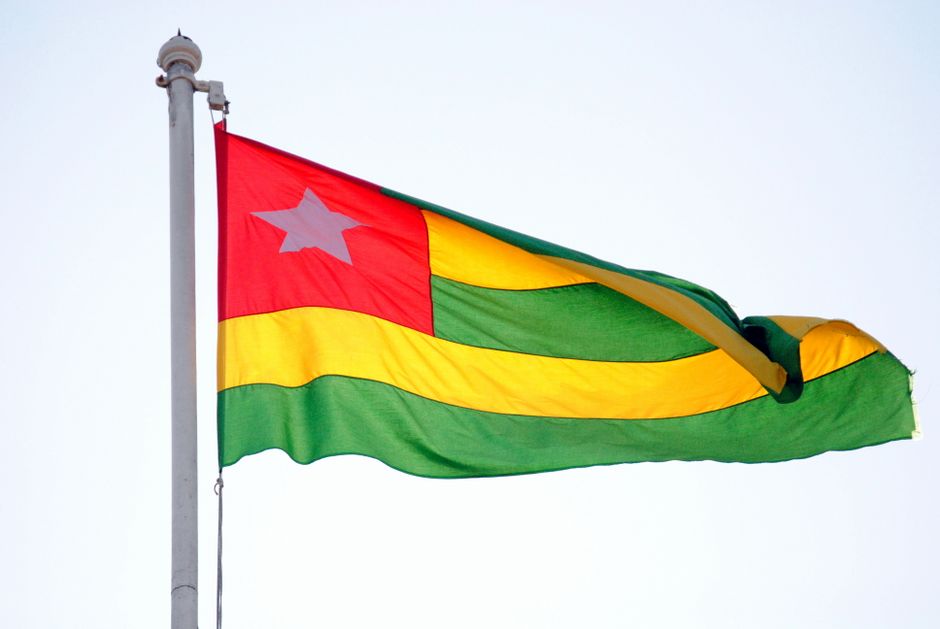
Lomé is Togo’s capital, largest city and main port, spread along the Gulf of Guinea right at the border with Ghana. It is one of the few West African capitals with a long sandy beach on its doorstep, and its seafront boulevard, lined with coconut palms, is where the city comes to stroll, jog and watch the fishing pirogues come in. Behind the beach, the old center packs in the sights: the Grand Marché, famous for the cloth traders known as the Nana Benz; the twin-towered Cathedral built by German missionaries in 1901–1902; the Palais de Lomé, the former governors’ palace, restored as an art and culture center with gardens by the sea; and the Independence Monument. The National Museum and its craft village, the fetish market at Akodésséwa and the bars of the Dékon district complete a visit. Lomé is also the base for day trips to Lake Togo, Togoville, Aného and the green hills of Kpalimé. Most visitors need a Togo e-visa approved before travel. The best months are November to March.
Right now in Lomé
- Sat25–33°C77–91°F3 mm rain
- Sun25–32°C77–90°F5 mm rain
- Mon25–33°C78–91°F5 mm rain
Lomé: quick answers
- Things to do in Lomé
- The Palais de Lomé, The Grand Marché, Lomé Cathedral, The National Museum and the craft village, The fetish market. More
- Best time to visit Lomé
- November to March, the dry season. June is the wettest month, and July and August are cooler and cloudier. More
- How many days in Lomé
- Two days for the city, and three or four with day trips to Lake Togo, Togoville, Aného or Kpalimé. More
- Where to stay in Lomé
- The center (Centre-ville), The seafront and Boulevard du Mono, Dékon and Nyékonakpoè, Tokoin and the north, East toward the port and Baguida. More
Lomé at a glance
- Best for: markets and cloth, colonial-era architecture, beach walks and seafood, nightlife, and day trips to lagoons and hills.
- How long: 2 days for the city, 3 to 4 as a base for day trips.
- Best time: November to March, in the dry season; June is the wettest month.
- Getting there: Gnassingbé Eyadéma International Airport (LFW), on the northern side of the city, or overland from Ghana and Benin.
- Getting around: by zémidjan (moto-taxi), taxi or a car with driver.
- Money: the West African CFA franc (XOF); carry cash in small notes.
- Before you go: visas, the yellow fever certificate, money and general practical advice are in our Togo travel guide.
Explore Lomé in videos
Hand-picked travel videos from YouTube creators to help you picture the trip. They play from YouTube; the facts in this guide come from our own research.
Lomé’s neighborhoods and where to stay
Lomé stretches along the coast between the Ghana border in the west and the port in the east, with a lagoon curving behind the old center.
The center (Centre-ville)
The historic heart of the city, between the beach and the lagoon, with the Grand Marché, the Cathedral, the main shopping streets, banks and older hotels. Busy and noisy by day, and the best place to feel the city’s energy.
The seafront and Boulevard du Mono
The palm-lined beach road runs east from the Palais de Lomé toward the port, with large hotels, restaurants and beach bars. Good for sea views and evening walks.
Dékon and Nyékonakpoè
Central districts known for nightlife, especially on weekends, when the terraces of Dékon’s bars turn into open-air dance floors, and grilled meat and fish are sold late into the night.
Tokoin and the north
Residential and business districts north of the lagoon, near the airport, the Palais des Congrès with the National Museum, the university and the Independence Monument area, with modern hotels and restaurants.
East toward the port and Baguida
East of the port, the coast road passes quieter beaches, seaside guesthouses and resort hotels on the way to Baguida and Lake Togo; a good choice for a more relaxed stay.
Top things to see in Lomé
The Palais de Lomé
Built in 1905 for the governors of German Togoland and later used by the French governors, this white colonial palace became the seat of the presidency at independence in 1960, then a residence for official guests. After years of neglect it was restored and reopened in 2019 as an art and culture center, with exhibitions of Togolese and African art, a design shop, a café and large landscaped gardens running down to the sea, about 500 m from the Ghana border. It is one of the most pleasant places in the city to spend a morning; check current exhibitions and opening days before you go.
The Grand Marché
Lomé’s great market, in the center near the Cathedral, is a maze of stalls selling everything from vegetables and spices to household goods, and it is especially famous for its pagnes, the bright wax-print cloth whose trade was built up by the market’s women traders, the Nana Benz, so called for the Mercedes-Benz cars their success bought them. It is open every day except Sunday, when it is much quieter. Go in the morning, keep your bag close and be ready to bargain.
Lomé Cathedral
The Sacred Heart Cathedral, with its tall Gothic towers, was built in 1901–1902 by German missionaries of the Society of the Divine Word and is richly decorated with stained-glass windows of the lives of the saints. Mass is said daily, and on Sundays you can attend services in Ewe, French or English. Dress respectfully.
The National Museum and the craft village
Housed in the Palais des Congrès and opened in 1974, the National Museum covers Togo’s history and peoples: archaeological finds, ethnographic objects, musical instruments and masks, photographs and documents of the first contacts with Europe, the colonial period and independence, and material on the slave trade on the Slave Coast. Togo’s tourism office lists its hours as Monday to Friday, 7 a.m. to noon and 2:30 to 5:30 p.m., and Saturday 8 a.m. to noon; check before you go. Beside it, the craft village (Village artisanal) is a training center where you can watch and buy weaving, dyeing, macramé, ceramics, wood carving, leatherwork, basketry, jewelry and tailoring.
The fetish market
In the Akodésséwa district in the east of the city, the fetish market displays the ingredients of traditional medicine and Vodun practice from across the region: dried animal skulls and skins, medicinal plants, feathers, statuettes and amulets. Healers offer consultations, and the stalls sell good-luck charms. It is a striking, sometimes confronting place; go with a guide, expect an entry and photography fee, and ask before taking pictures.
More classic sights
- Independence Monument: the tall white monument on Place de l’Indépendance, commemorating independence in 1960, a stop on Togo Tourisme’s city tour.
- The beach and fishermen: early in the morning, teams of fishermen haul long nets onto the sand by hand, singing as they pull.
- The Ghana border at Aflao: a busy crossing at the western end of the seafront, part of the official city tour.
- The Port of Lomé: one of the largest deep-water ports in West Africa, seen from the coast road to the east.
- Brother Home: a vocational school founded by missionaries, known for its woodwork and crafts.
Other things to do in Lomé
Eating in Lomé
Lomé’s best meals are often in its maquis, simple open-air restaurants serving grilled fish and chicken with fiery piment sauce, pâte (maize dough) with gboma, okra or peanut sauce, fufu with light soup, and fried plantains and yam. Street stalls sell beignets, grilled corn and fruit, and the seafront has restaurants for fresh seafood at sunset. The city also has French, Lebanese, Italian and Asian restaurants, especially in the center and along the coast. Try fresh pineapple, coconut water and the local beers, and in 2026 the FESMA food festival brought dishes from across Africa to the city.
Nightlife
Lomé is known for its lively evenings, especially on weekends. Togo’s tourism office singles out Dékon, in the center, where bar terraces become open-air dance floors, along with Nyékonakpoè and Agoè; evenings often end in the city’s nightclubs in the early hours. Live music, from highlife and Afrobeat to local styles, is easy to find.
Beaches
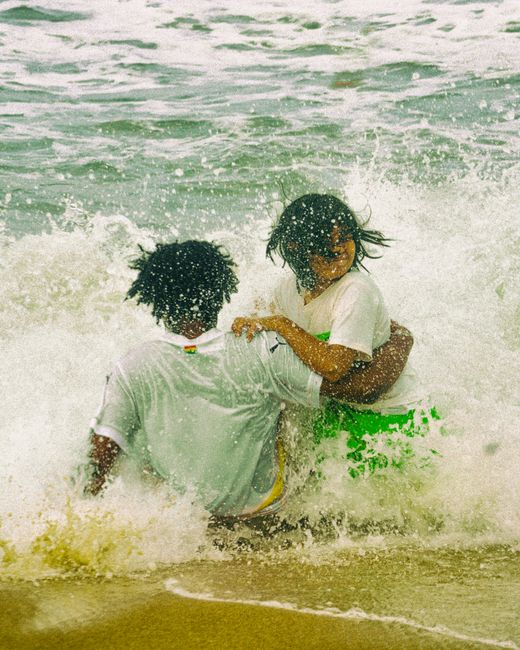
The city beach is long, sandy and lined with palms, but the Atlantic surf and currents are strong, so it is best for walking, sunsets and beach bars rather than swimming. Togo’s tourism office suggests heading to the beaches east of the port for relaxation; for calm water, go to a hotel pool or to Lake Togo. See our beaches guide.
Cloth and tailoring
Buy a few meters of wax print at the Grand Marché and have it made into a shirt or dress by one of the city’s many tailors, often within a day or two; it is one of the best souvenirs of Lomé.
Day trips from Lomé
- Lake Togo and Togoville: about 30 km (19 miles) east; cross the lake by pirogue to Togoville for its Marian sanctuary, community museum and Vodun shrines. Togo’s tourism office runs this as a half-day trip.
- Agbodrafo: on the coast road, the former slave house of Woold Homé and its underground cellar, often combined with Lake Togo.
- Aného: about an hour east, near the Benin border, with colonial merchant houses, the Ebenezer Methodist Temple, the German cemetery and the lagoon.
- Vogan market: inland, a big traditional market held on Tuesdays and Fridays.
- Kpalimé and Mount Agou: about 120 km (75 miles) northwest, a full day for the craft center, the cathedral, forest walks, waterfalls and the drive up Mount Agou, Togo’s highest point at 986 m (3,235 ft); better as an overnight trip.
- Ouidah and Ganvié in Benin: a long day across the border, offered by Togo’s tourism office as an inter-country excursion; check visa rules for Benin first.
Getting there and getting around
From the airport
Gnassingbé Eyadéma International Airport (LFW), renamed from Lomé–Tokoin in 2016, is the hub of ASKY Airlines and lies on the northern side of the city, usually 15 to 30 minutes by road from the center and the seafront hotels. Taxis wait outside the terminal; there are no meters, so agree on the fare before you leave, or book a hotel pickup in advance. Before you fly, complete your registration, and visa if you need one, on the official Togo Voyage platform; airlines check it at boarding.
Getting around the city
There is no metro or tram. The quickest way around is by zémidjan, a moto-taxi; tell the driver your destination, agree the fare, and ask for a helmet. Taxis can be shared along main routes or hired privately, and hotels can arrange a car with driver by the hour or day, the most comfortable option in the heat and for day trips. Walking is pleasant along the seafront and around the center in the cooler hours. Buses and bush taxis to other towns leave from stations around the city; the coast road east leads to Aného and the Benin border, and the Ghana border is at the western end of the seafront.
When to go and how long to stay
Lomé is hot all year, with highs of about 29 to 34 °C (84 to 93 °F). The dry season, from November to March, is the best time to visit, with sunny days and very little rain, though the harmattan wind can bring dusty haze between December and February. The first rainy season runs from about April to July, peaking in June, with heavy downpours that rarely last all day; July and August are cooler, cloudier and drier on the coast; and a second, shorter rainy season comes in September and October. The table shows averages for 1991–2020 at Lomé, from the climate normals Togo’s meteorological service submitted to the World Meteorological Organization (WMO).
| Month | High / low | Rain | What to expect |
|---|---|---|---|
| January | 33 / 24 °C (91 / 75 °F) | 13 mm (0.5 in) | Dry and sunny; some harmattan haze |
| February | 34 / 26 °C (92 / 78 °F) | 16 mm (0.6 in) | Hot and dry |
| March | 33 / 26 °C (92 / 79 °F) | 67 mm (2.6 in) | Hot and humid; first showers |
| April | 33 / 26 °C (92 / 78 °F) | 97 mm (3.8 in) | Rainy season begins |
| May | 32 / 25 °C (90 / 77 °F) | 149 mm (5.9 in) | Frequent storms |
| June | 31 / 24 °C (87 / 75 °F) | 181 mm (7.1 in) | The wettest month |
| July | 29 / 24 °C (85 / 75 °F) | 74 mm (2.9 in) | Cooler and cloudy |
| August | 29 / 23 °C (84 / 74 °F) | 30 mm (1.2 in) | The coolest month; mostly dry |
| September | 30 / 24 °C (86 / 75 °F) | 72 mm (2.8 in) | Showers return |
| October | 31 / 24 °C (89 / 75 °F) | 102 mm (4.0 in) | Second rainy peak |
| November | 33 / 25 °C (91 / 77 °F) | 20 mm (0.8 in) | Dry season returns |
| December | 33 / 24 °C (92 / 76 °F) | 8 mm (0.3 in) | Dry and festive |
2 days in Lomé
Day one, the Grand Marché and the Cathedral in the morning, lunch at a maquis, then the Palais de Lomé and its gardens, and a sunset walk along the seafront. Day two, the National Museum and the craft village, the Independence Monument, the fetish market at Akodésséwa with a guide, and an evening in Dékon.
3 to 4 days with day trips
Add a half day for Lake Togo, Agbodrafo and Togoville; a day along the coast to Aného; and, if you can, a night in Kpalimé for the hills, waterfalls and Mount Agou.
Where to stay in Lomé
- The seafront: large hotels with pools and sea views along the beach road, close to the Palais de Lomé.
- The center: older and budget hotels near the Grand Marché and the Cathedral, within walking distance of the main sights.
- Tokoin and the north: modern business hotels near the airport and the Palais des Congrès.
- East of the port: beach guesthouses and resorts on the road to Baguida and Lake Togo, for a quieter stay.
What a trip to Lomé costs
Prices are approximate, for November 2026, in West African CFA francs (XOF), with dollars at about XOF 585, based on the BCEAO’s rate on 10 November 2026. Hotel price levels, restaurant levels and the tourist tax are those published by Togo’s tourism office.
| Item | Typical cost |
|---|---|
| Zémidjan (moto-taxi) ride across the center | XOF 300–1,000 (under US$2) |
| Taxi from the airport to the center or seafront | XOF 3,000–6,000 (US$5–10) |
| Street snack or plate of rice | XOF 500–2,000 (US$1–3) |
| Togolese meal in a restaurant | about XOF 6,000 (about US$10) |
| Meal in an international restaurant | from XOF 12,000 (from about US$20) |
| Local beer in a maquis | XOF 500–1,000 (US$1–2) |
| Comfortable hotel double, per night | from XOF 30,000 (from about US$51) |
| Top hotel double, per night | from XOF 78,000 (from about US$133) |
| Tourist tax, per person per night | XOF 1,000 (about US$2) |
Practical tips for Lomé
- Carry small notes: zémidjan drivers, market traders and maquis rarely have change for large notes.
- Agree fares first: for zémidjans and taxis, before you set off.
- Go early: visit the market and sights in the morning, before the midday heat.
- Ask before photos: especially in markets, at the fetish market and at shrines, where a fee may be asked.
- Keep documents handy: carry a copy of your passport, visa and yellow fever certificate.
Safety
The practical risks in Lomé are mostly everyday city ones. Traffic is the biggest: motorbikes are everywhere, so cross roads carefully and wear a helmet on a zémidjan. Keep phones and bags close in the Grand Marché and other crowded places, carry only what you need on the beach, and Togo’s tourism office advises avoiding the beach at night. Do not swim in the open sea, where the currents are strong. Protect yourself against mosquitoes, drink bottled water and stay out of the midday sun. Lomé has two university hospitals and private clinics. For emergencies, call 117 for the police, 118 for the fire brigade and 8200 for an ambulance.
What to pack for Lomé
Light, loose cotton or linen clothing, a long-sleeved layer for evenings and mosquitoes, modest clothes for churches and villages, sandals and comfortable walking shoes, a hat, sunscreen, insect repellent, a light rain jacket from April to October, a copy of your yellow fever certificate, and an adapter for the European two-pin sockets at 220 V. See our rain jackets and travel adapters guides.
Lomé travel FAQ
How do I get from Lomé airport to the city?
By taxi from outside the terminal, agreeing the fare first, or by hotel pickup. The airport is on the northern side of the city, usually 15 to 30 minutes from the center and the seafront.
How many days do I need in Lomé?
Two days for the city, and three or four with day trips to Lake Togo, Togoville, Aného or Kpalimé.
What is the best area to stay in Lomé?
The seafront for sea views and pools, the center for walking to the market and the Cathedral, Tokoin for business hotels near the airport, and the coast east of the port for a quieter beach stay.
Can you swim at Lomé’s beach?
The Atlantic surf and currents are strong, so the city beach is better for walks and sunsets. Swim in hotel pools or in the calm waters of Lake Togo, about 30 km east.
What is Lomé famous for?
Its beach-front setting, the Grand Marché and the Nana Benz cloth traders, the fetish market, the German-era Cathedral and the Palais de Lomé, and its lively nightlife.
Can I go from Lomé to Ghana or Benin?
Yes. The Ghana border at Aflao is at the western edge of the city, and Accra is about 200 km away; Cotonou in Benin is about 150 km east along the coast road. Check visa rules for each country first. See our Accra travel guide.
What is the best time to visit Lomé?
November to March, the dry season. June is the wettest month, and July and August are cooler and cloudier.
Plan your trip
Partner links: TravelerCenter may earn a commission if you book, at no extra cost to you.
🇫🇷 Useful French phrases for Lomé
All 38 French phrases: restaurant, hotel, emergencies, romance (printable) →
Before you go: guidebooks and travel gear
Affiliate links: we may earn a commission at no extra cost to you. As an Amazon Associate we earn from qualifying purchases. We pick items for the place, not for the commission. How we earn money
Sources · last reviewed 10 November 2026
Researched and last reviewed on 10 November 2026. The Palais de Lomé’s history and 2019 reopening, the Grand Marché and its opening days, the Cathedral’s history and Sunday masses, the National Museum’s founding, collections and hours, the craft village, the fetish market, the city tour stops, nightlife districts, the beach, day-trip distances and circuits, the Vogan market days, Kpalimé and Mount Agou, hotel and restaurant price levels, the tourist tax and hospitals: Togo Tourisme, the official tourism site (togotourisme.tg); airport name and ASKY hub: Gnassingbé Eyadéma International Airport (aeroportdelome.com) and Togo Tourisme; entry registration and visas: Togo Voyage (voyage.gouv.tg); rainfall and temperatures, 1991–2020: Togo’s meteorological service via the World Meteorological Organization’s climate normals; emergency numbers: the UK government’s Togo page; exchange rate: the BCEAO; coordinates: Wikidata. Neighborhood descriptions, food, airport travel times and taxi fares, the fetish market’s location name, other prices and tips are general references or estimates, flagged for checking. Hours and fees change, so check the official sites before you go. For visas, money and general practical advice, see our Togo travel guide.
Data: Weather: MET Norway (CC BY 4.0) · Sea temperature: NOAA CoastWatch · Rates: ECB · Wikidata (CC0)