
Rio de Janeiro is one of the most spectacularly set cities on Earth: a ribbon of beaches and neighborhoods squeezed between granite peaks, rainforest and the Atlantic, watched over by Christ the Redeemer on Corcovado. Come for Copacabana and Ipanema, the cable car up Sugarloaf Mountain, the samba of Lapa and Carnival, soccer at the Maracanã and the street life of a city of 6.2 million, but also for the forest trails of Tijuca National Park, the botanical garden, Santa Teresa’s hilltop streets and the new museums of the old port. UNESCO lists its mountain-and-sea landscapes as a World Heritage Site. Rio is warm all year: summer, from December to March, is hot, humid and stormy, and winter, from June to August, is mild and drier, with beach weather on most days.
Right now in Rio de Janeiro
- Wed21–28°C70–83°F9 mm rain
- Thu21–27°C70–81°FClear
- Fri22–29°C71–85°FPartly cloudy
- Mon 12 Oct Our Lady of Aparecida (Nossa Senhora Aparecida)
Top tours in Rio de Janeiro
See all tours for Rio de Janeiro →
From local operators, with prices and reviews; you check availability and book on Viator, our partner. We may earn a commission at no extra cost to you. How we earn money
Rio de Janeiro at a glance
- Best for: beaches, iconic views, nightlife and samba, Carnival, city hikes, food and soccer.
- How long: 4–5 days for the main sights and a couple of beach days; a week to add Petrópolis, Búzios or Paraty.
- Best time: April to June and August to November, with warm days, fewer storms and lower prices than summer. Carnival 2027 runs from February 6 to 10.
- Getting there: Galeão International Airport (GIG) for international flights; Santos Dumont (SDU), next to downtown, for domestic ones.
- Getting around: the metro links downtown, Botafogo, Copacabana, Ipanema and Barra; ride-hailing apps are cheap; the VLT light rail serves downtown and the port.
- Fees to know: Christ the Redeemer by train costs R$134 (about US$26) for adults as of October 2026; the Sugarloaf cable car starts at R$205 (about US$39).
- Before you go: the e-visa, money and general safety are in our Brazil travel guide; for trips along the coast, see our Paraty and Búzios guides.
Rio’s neighborhoods: where things are
Rio sprawls along the shore of Guanabara Bay and the open Atlantic. Visitors spend most of their time in the South Zone (Zona Sul), between the mountains and the beaches, and in the historic center.
Copacabana and Leme
The famous 4-km (2.5-mile) curve of sand, with its wave-pattern promenade, kiosks, beach volleyball and big hotels. It is busy day and night, has hotels at every price and the metro, and hosts the city’s huge New Year’s Eve party.
Ipanema and Leblon
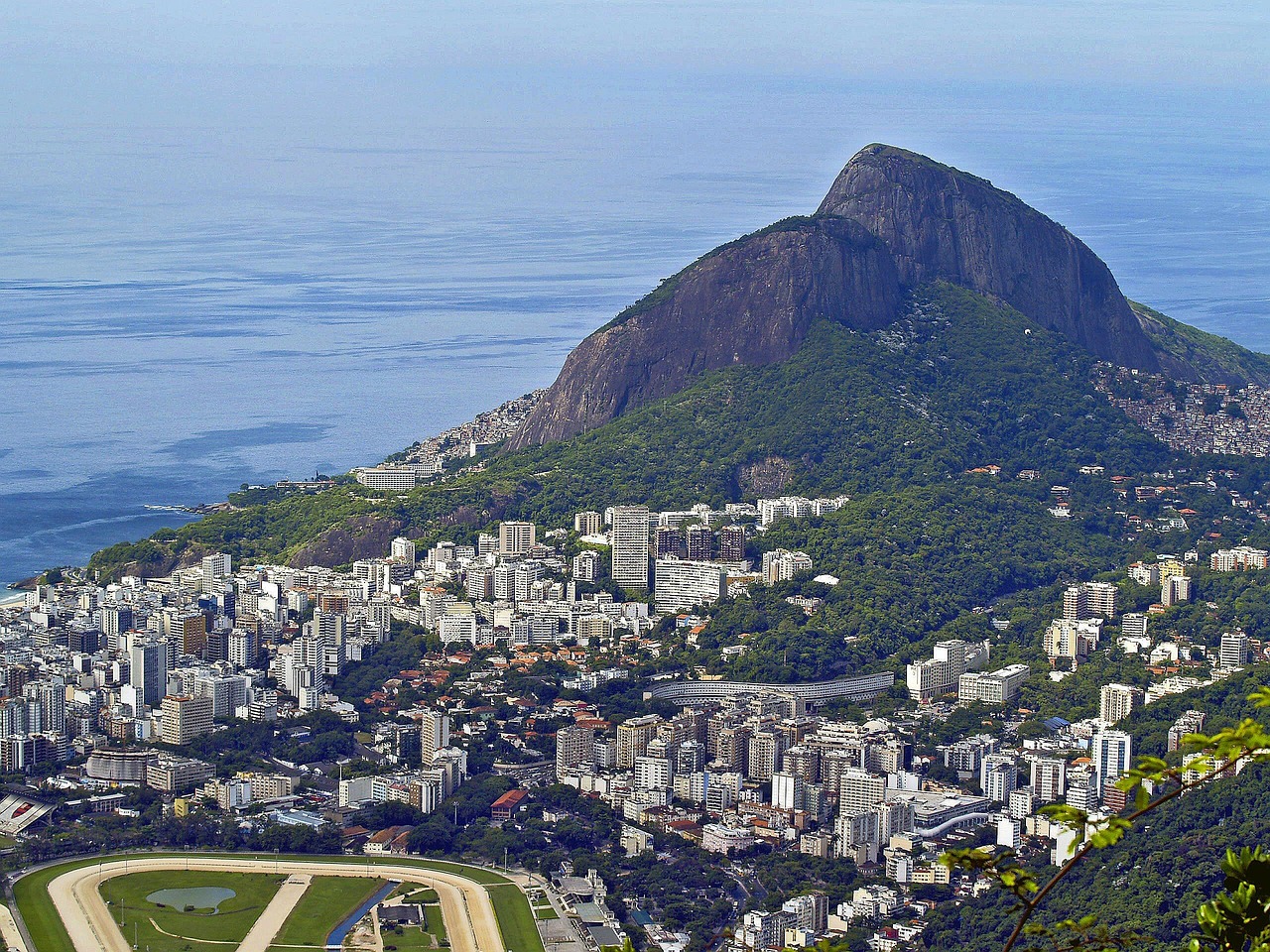
Rio’s most fashionable beaches and neighborhoods, with boutiques, restaurants and bars a block from the sand, and sunsets behind the Dois Irmãos peaks from the Arpoador rocks. Behind them lies the Rodrigo de Freitas Lagoon, ringed by a cycle path.
Botafogo, Flamengo, Urca and Laranjeiras
Residential neighborhoods along Guanabara Bay, with good-value hotels, a lively bar scene in Botafogo, the Flamengo Park waterfront and the cable car station for Sugarloaf at Urca. The Corcovado train leaves from Cosme Velho, just inland.
Centro, Lapa, Santa Teresa and the port
The historic center has colonial churches, the Municipal Theater and the Confeitaria Colombo; Lapa, under its white aqueduct arches, is the center of samba nightlife; Santa Teresa is a hilltop district of old mansions and artists’ studios; and the revitalized port area has the Museum of Tomorrow, the Rio Art Museum and the Valongo Wharf, a UNESCO site where hundreds of thousands of enslaved Africans landed.
Barra da Tijuca and the West Zone
A newer district of malls, condos and long, wild beaches west of the mountains, home to the 2016 Olympic Park and quieter beaches such as Prainha and Grumari beyond.
Top things to see in Rio de Janeiro
Christ the Redeemer and Corcovado
The 30-meter (98-ft) statue, inaugurated in 1931, stands on the 710-meter (2,330-ft) peak of Corcovado inside Tijuca National Park, with views over the whole city. There are two official ways up:
- The Corcovado train: the rack railway from Cosme Velho, running since 1884, climbs through the forest in about 20 minutes. As of October 2026 the adult fare, valid for any nationality, is R$134 (about US$26) round trip including entry to the monument, with a timed departure; children aged 7–11 pay R$107 and under-6s ride free on a guardian’s lap, according to the operator. Buy on its official site.
- The official vans: Paineiras-Corcovado, the park concessionaire, runs vans from Copacabana (Praça do Lido), Largo do Machado and the Paineiras visitor center; prices vary by day and boarding point, and children up to 6 ride free with a ticket from the box office. Paineiras opens from 7:30 a.m. to 6 p.m., with last access at 5 p.m.
Go early or, according to the van operator, after 2 p.m. to avoid the crowds, and on a clear day: the summit is often in cloud.
Sugarloaf Mountain
Brazil’s first cable car runs in two stages from Praia Vermelha to Urca Hill and then to the 396-meter (1,299-ft) summit of Sugarloaf (Pão de Açúcar), with views of Copacabana, the bay and Corcovado. The park opens daily from 8:30 a.m. to 9 p.m., with last boarding at 7:30 p.m., and tickets start at R$205 (about US$39) as of October 2026, with half price for children aged 3–12 and people over 60, and free entry for children up to 2, according to the operator. Sunset is the most popular time; book a time slot online. Fit walkers can hike up Urca Hill on the Morro da Urca trail and buy the ride to the top from there.
Copacabana and Ipanema beaches
The beaches are Rio’s living room: walk the promenade, rent a chair and umbrella from a beach stall (barraca), eat grilled cheese and drink coconut water, and watch the footvolley. Each lifeguard post (posto) gives its name to a stretch of beach with its own crowd. The sea can be rough, so swim near a lifeguard and follow the flags.
Tijuca National Park and the Botanical Garden
One of the largest urban forests in the world, replanted in the 19th century, covers the mountains in the middle of the city, with waterfalls, viewpoints such as Vista Chinesa and the Mesa do Imperador, and trails to the peaks of Pedra da Gávea and Pico da Tijuca. Below, the Botanical Garden (Jardim Botânico), founded in 1808, is famous for its avenue of royal palms.
Selarón Steps, Lapa and Santa Teresa
The 215 steps covered in colorful tiles by the artist Jorge Selarón link Lapa with Santa Teresa; go in the morning. Santa Teresa’s yellow tram (bondinho) runs from downtown up the hill.
Museum of Tomorrow and the port
The Museum of Tomorrow (Museu do Amanhã), a science museum in a striking white building on the bay, the Rio Art Museum (MAR) and the Olympic Boulevard murals anchor the revitalized port area, linked to downtown by the VLT.
More to see
- The Maracanã: Brazil’s most famous soccer stadium, with stadium tours and matches of Flamengo and Fluminense most weeks.
- The Municipal Theater and Confeitaria Colombo: belle-époque Rio downtown.
- The Metropolitan Cathedral: a cone-shaped modernist cathedral with huge stained-glass windows.
- Parque Lage: a mansion and art school in the forest below Corcovado, with a café in the courtyard.
- Ilha Fiscal and the Niterói Contemporary Art Museum: across the bay by ferry, Oscar Niemeyer’s flying-saucer museum looks back at Rio.
Beaches in Rio de Janeiro
- Copacabana and Leme: the classic, busy and easy to reach, with the widest sand.
- Ipanema and Leblon: the most popular with locals, with the Arpoador rocks for sunset and calmer water at the Leblon end.
- Praia Vermelha: a small, sheltered beach at the foot of Sugarloaf.
- São Conrado: where hang gliders land after flying off Pedra Bonita.
- Barra da Tijuca, Prainha and Grumari: long, cleaner Atlantic beaches with surf, best reached by car or app ride.
The state environment agency, INEA, publishes beach water-quality bulletins; beaches on Guanabara Bay, such as Botafogo and Flamengo, are often unsuitable for swimming, while the open-ocean beaches are usually fine, especially after a few dry days.
Other things to do in Rio de Janeiro
Hiking and hang gliding
Rio has hikes in the city: the Morro da Urca trail, Pedra da Gávea for experienced hikers with a guide, and the trails of Tijuca National Park. Tandem hang-gliding and paragliding flights leave from Pedra Bonita and land on São Conrado beach. Go with a guide on remote trails, start early to avoid the heat, and don’t hike alone.
Samba, nightlife and Carnival
Lapa’s samba bars and street parties, botecos (neighborhood bars) in Botafogo and Leblon, and samba school rehearsals from about September to Carnival, when you can watch and dance with the schools. In 2027 Rio’s top samba schools parade through the Sambódromo on the nights of February 7, 8 and 9, according to their league, LIESA, which sells grandstand seats on its official site; hundreds of street parties (blocos) take over the city for the weeks around Carnival.
Food
Order feijoada on Saturdays, grilled meat at a rodízio steakhouse, fresh juices at the corner juice bars, and petiscos (bar snacks) with an ice-cold chopp draft beer; beach vendors sell biscoito Globo crackers and mate tea.
Where to eat and drink
Each part of the city has its own food scene. Botafogo and Humaitá are full of new restaurants and craft-beer bars; Leblon has the most upscale dining and the busiest bars on Rua Dias Ferreira; Copacabana has old-school steakhouses and juice bars on every corner; Santa Teresa has restaurants with views and Bahian and Amazonian cooking; and downtown the Confeitaria Colombo, open since 1894, serves pastries under stained glass. Lapa and the area around the Pedra do Sal, where samba was born among the descendants of enslaved Africans in the old port, are the places for street samba on weekday evenings. Market lovers should visit the Saturday organic fairs and the Feira de São Cristóvão, a northeastern cultural center with forró and food stalls.
Typical Rio dishes include feijoada, served on Saturdays with collard greens, farofa and orange slices; bolinhos de bacalhau (salt-cod fritters) at the botecos; grilled picanha at the steakhouses; and, on the beach, grilled cheese (queijo coalho), corn on the cob and açaí, which Rio eats as a frozen pulp with granola.
Soccer and the Maracanã
The Maracanã, opened for the 1950 World Cup and rebuilt for 2014, hosts Flamengo and Fluminense, and big matches fill it with drums and flags. Stadium tours run on non-match days. Buy match tickets through the clubs’ official channels, sit in the sections recommended for visitors, and take the metro (Maracanã station) rather than driving.
Day trips from Rio de Janeiro
- Petrópolis: the imperial summer town in the mountains, about 1.5 hours away, with the Imperial Museum.
- Niterói: a 20-minute ferry across the bay for the Niemeyer museum and Itacoatiara beach.
- Ilha Grande and Angra dos Reis: car-free island trails and boat trips, about 2.5–3 hours by road plus a boat.
- Búzios and Paraty: better as an overnight trip, about 3 and 4 hours away.
Nearby destinations
- Armação dos Búzios137 km
- Paraty158 km
Getting there and getting around
Arriving by air
Galeão International Airport (GIG), about 20 km (12 miles) north of the center, handles international and many domestic flights. Take a taxi from the official desks, a ride-hailing car from the app pick-up area, or the airport buses to the center and the South Zone; the trip to Copacabana takes 40 minutes to more than an hour in traffic. Santos Dumont Airport (SDU), on the bay next to downtown, handles domestic flights and is linked to the VLT.
Metro, VLT and buses
Rio’s metro is clean and safe and the easiest way around: Line 1 runs from downtown through Flamengo and Botafogo to Copacabana and Ipanema, and Line 4 continues to Leblon and Barra da Tijuca. Buy a card at stations or pay at the gates. The VLT light rail runs through downtown, the port and to Santos Dumont. City buses go everywhere but are slower and can be crowded; the UK government reports phone thefts on buses.
Taxis, apps and driving
Ride-hailing apps (Uber and 99) are cheap and the easiest choice at night. Yellow taxis are metered. Driving in Rio is not worth it for visitors.
When to go and how long to stay
Rio has warm weather all year. According to INMET’s 1991–2020 normals for its Alto da Boa Vista station, a forest station at about 350 m (1,150 ft) that is a little cooler than the beaches, average highs reach 29–31 °C (84–87 °F) from December to March and fall to 24–25 °C (76–77 °F) from June to August, with nights of 15–16 °C (59–61 °F) in winter. Rain falls in every month, mostly as short, heavy summer storms that can cause flash floods. The best compromise is April to June or August to November; December to March is hot, humid, busy and expensive, especially at New Year and Carnival.
Rio’s weather month by month
The table shows INMET’s 1991–2020 averages for the Alto da Boa Vista station, in the forest at about 350 m (1,150 ft); the beachfront districts are usually a degree or two warmer and somewhat drier.
| Month | Average high | Average low | Rain (Alto da Boa Vista) |
|---|---|---|---|
| January | 30 °C (86 °F) | 21 °C (69 °F) | 229 mm (9.0 in) |
| February | 31 °C (87 °F) | 21 °C (70 °F) | 178 mm (7.0 in) |
| March | 29 °C (84 °F) | 20 °C (68 °F) | 252 mm (9.9 in) |
| April | 28 °C (82 °F) | 19 °C (66 °F) | 201 mm (7.9 in) |
| May | 25 °C (77 °F) | 16 °C (62 °F) | 181 mm (7.1 in) |
| June | 24 °C (76 °F) | 16 °C (60 °F) | 154 mm (6.1 in) |
| July | 24 °C (75 °F) | 15 °C (59 °F) | 180 mm (7.1 in) |
| August | 25 °C (76 °F) | 15 °C (60 °F) | 150 mm (5.9 in) |
| September | 25 °C (77 °F) | 16 °C (62 °F) | 220 mm (8.6 in) |
| October | 26 °C (79 °F) | 18 °C (64 °F) | 195 mm (7.7 in) |
| November | 27 °C (80 °F) | 18 °C (65 °F) | 239 mm (9.4 in) |
| December | 29 °C (84 °F) | 20 °C (68 °F) | 237 mm (9.3 in) |
- December to March: hot and humid, with heavy afternoon storms that can flood streets; peak season for beaches, New Year and Carnival, with the highest prices.
- April and May: warm, sunny and drier; excellent for hiking, views and the beaches, with fewer crowds.
- June to August: mild winter, with fresh mornings, clear days and comfortable hiking; the sea is cooler, and July brings Brazilian school holidays.
- September to November: warming up, with good visibility for viewpoints and samba schools rehearsing for Carnival; occasional rainy days return by November.
4 days in Rio de Janeiro
Day 1: Copacabana and Ipanema, with sunset at Arpoador. Day 2: Christ the Redeemer in the morning, the Botanical Garden and Parque Lage. Day 3: downtown, the Selarón Steps, Santa Teresa and samba in Lapa. Day 4: Sugarloaf, then the Museum of Tomorrow or a beach day.
A week in Rio and around
Add a Tijuca forest hike or hang-gliding flight, a Maracanã match or tour, a day trip to Petrópolis or Niterói, and two nights in Paraty or Búzios.
Where to stay in Rio de Janeiro
- Copacabana: hotels at every price, metro access and the beach on the doorstep.
- Ipanema and Leblon: the most upscale area, with the best restaurants; pricier.
- Botafogo and Flamengo: good-value hotels and hostels, lively bars and the metro.
- Santa Teresa: boutique guesthouses with views; quieter, hillier and best reached by app ride at night.
- Barra da Tijuca: resorts and apartments on long beaches; far from the sights.
Book months ahead for New Year and Carnival, when many hotels sell minimum-stay packages at high prices. Check whether quoted rates include the service charge and taxes.
What things cost in Rio de Janeiro
Rio is one of Brazil’s more expensive cities, especially in the South Zone. These are our estimates for planning, as of October 2026, apart from the official fares quoted above:
| Item | Typical price |
|---|---|
| Corcovado train with entry to Christ the Redeemer (adult) | R$134 (about US$26), official fare |
| Sugarloaf cable car | from R$205 (about US$39), official fare |
| Coconut water on the beach | about R$8–12 (US$1.50–2.50) |
| Beach chair and umbrella rental for the day | about R$20–40 (US$4–8) |
| Lunch buffet by weight (comida a quilo) | about R$45–80 (US$9–15) |
| Dinner for two at a mid-range restaurant, with drinks | about R$250–450 (US$50–85) |
| Ride-hailing from Copacabana to Centro | about R$25–45 (US$5–9), more at peak times |
| Double room, mid-range hotel in Copacabana | about R$450–900 (US$85–170) a night, much more at New Year and Carnival |
Many museums have a free day each week, and the beaches, parks, promenades and many viewpoints are free.
Practical tips for Rio de Janeiro
- Tickets: buy Corcovado and Sugarloaf tickets on the official sites only, and pick a clear day.
- Money: cards and contactless are accepted almost everywhere, including beach stalls; carry a little cash for vendors.
- Beach habits: take only a towel, cash and a cheap phone; rent a chair and umbrella from a stall, and leave nothing unattended.
- Safety: phone theft is the most common crime, especially in the afternoon and evening on busy streets, buses and beaches; groups of thieves sometimes run through crowded beaches. Keep phones out of sight, use ride-hailing apps at night, stay off the beaches after dark and check that GPS routes don’t take you into a favela. Hike popular trails in company and with a guide on remote ones.
- Water quality: check INEA’s bulletins before swimming in the bay.
- Emergencies: call 190 for police, 192 for an ambulance and 193 for the fire department.
What to pack for Rio de Janeiro
Pack swimwear, flip-flops (the local “havaianas” are easy to buy), light summer clothes, a hat, sunglasses and high-factor sunscreen, plus walking shoes or trail shoes for the hills and cobbled Santa Teresa, a light rain jacket for summer storms and a sweater for winter evenings. Bring insect repellent, a cross-body bag or money belt, and a plug adapter for Brazil’s type N sockets.
Rio de Janeiro travel FAQ
How much does it cost to visit Christ the Redeemer?
As of October 2026, the Corcovado train costs R$134 (about US$26) for adults, round trip with entry. Official van prices vary by day and boarding point.
How much is the Sugarloaf cable car?
Tickets start at R$205 (about US$39) as of October 2026, with half price for children aged 3–12 and people over 60. It runs daily from 8:30 a.m., with last boarding at 7:30 p.m.
When is Carnival in Rio in 2027?
From February 6 to 10, 2027. The top samba schools parade in the Sambódromo on February 7, 8 and 9.
Do I need a visa to visit Rio?
US, Canadian and Australian citizens need Brazil’s e-visa (US$80.90 as of October 2026). British and EU citizens don’t need a visa for tourist stays of up to 90 days.
Which is better, Copacabana or Ipanema?
Copacabana has more hotels at every price and a classic beach scene; Ipanema and Leblon are more upscale, with better restaurants. Both are on the metro.
Do I need a yellow fever vaccine for Rio?
It isn’t required, but the CDC recommends it for travel to the city of Rio de Janeiro and the state’s islands.
Is it safe to swim in Rio?
The ocean beaches are usually fine, but currents can be strong, so swim near a lifeguard post. Check INEA’s water-quality bulletins, especially for the bay beaches.
What is the best time to visit Rio de Janeiro?
April to June and August to November, for warm, drier weather and lower prices. December to March is hot, humid and busy.
How many days do I need in Rio de Janeiro?
Four or five days cover Christ the Redeemer, Sugarloaf, the beaches, Santa Teresa and downtown, with time for weather delays; a week lets you add a hike and a day trip.
How do I get from Galeão Airport to Copacabana?
By official taxi from the desks in arrivals, ride-hailing from the app pick-up area, or the airport bus to the South Zone; allow 40 minutes to more than an hour in traffic.
Plan your trip
Partner links: TravelerCenter may earn a commission if you book, at no extra cost to you.
🇵🇹 Useful Portuguese phrases for Rio de Janeiro
All 38 Portuguese phrases: restaurant, hotel, emergencies, romance (printable) →
Sources · last reviewed 4 October 2026
Researched and last reviewed on 4 October 2026. Corcovado train fares and history: Trem do Corcovado; official vans, boarding points, hours and the statue’s inauguration: Paineiras-Corcovado, the Tijuca National Park concessionaire; Sugarloaf hours and fares: Parque Bondinho Pão de Açúcar; Carnival parade nights: LIESA; climate: INMET’s 1991–2020 normals; Tijuca National Park: ICMBio; population: IBGE’s 2022 census; e-visa: Brazil’s consulates; yellow fever: the US CDC; crime patterns: the UK government’s Brazil pages; exchange rate: the Central Bank of Brazil. Neighborhood descriptions, distances, beach details, the metro lines, trail descriptions, water-quality bulletins and day-trip times come from secondary sources or general knowledge and are flagged for checking. Prices change, so check the official sites before you go. For entry rules and money, see our Brazil travel guide.
Data: Weather: MET Norway (CC BY 4.0) · Sea temperature: NOAA CoastWatch · Air quality: OpenAQ · Rates: ECB · Holidays: Nager.Date · Costs: World Bank ICP and price levels · Wikidata (CC0)