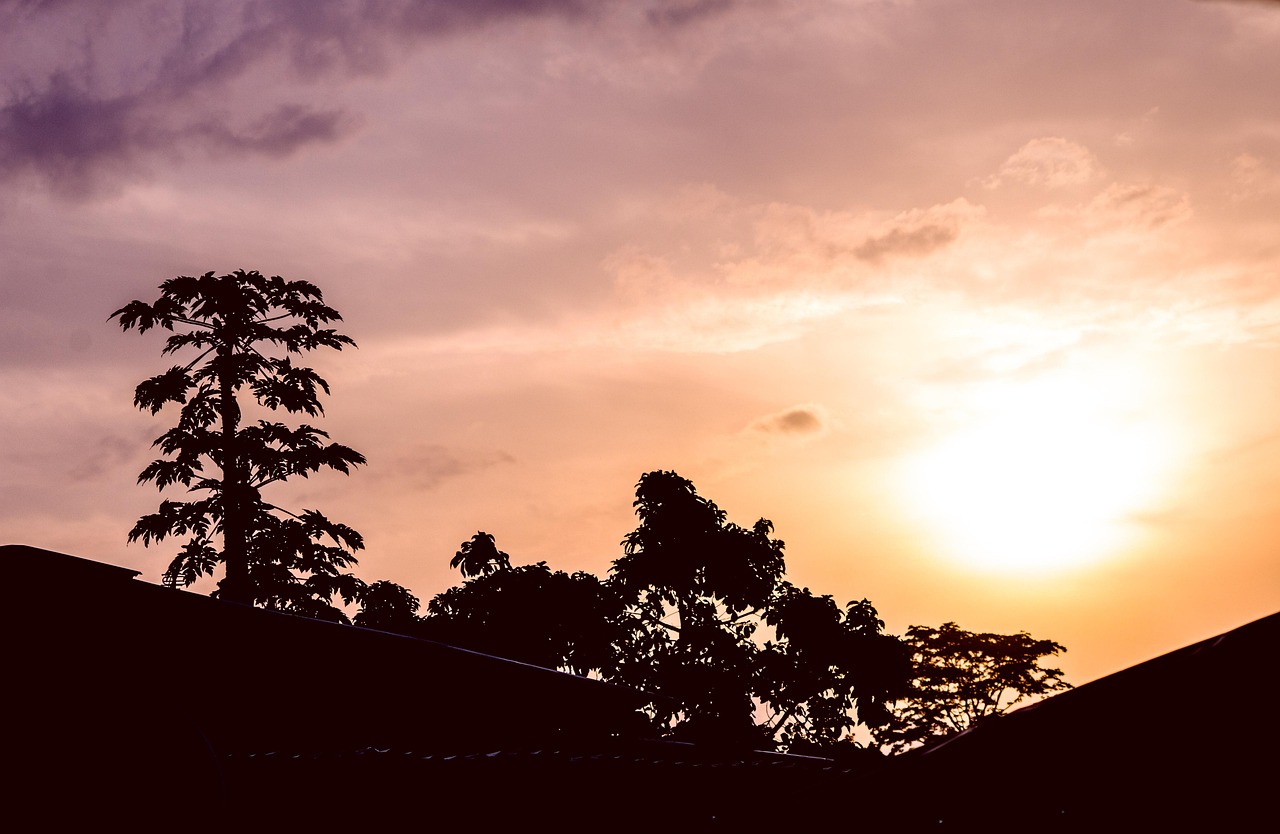
Libreville is Gabon’s capital and largest city, spread along the northern shore of the Komo estuary where it opens into the Atlantic, just north of the equator. Its name means “free town”: it was founded in 1849 as a settlement for people freed from a slave ship. Today it is a relaxed, green seaside city of wide boulevards, palm-lined beaches and busy markets, and the gateway to almost every trip in Gabon. Walk or drive along the Bord de Mer, the seafront boulevard; see the carved wooden columns of the Saint-Michel church of Nkembo; browse Fang and Punu masks in the National Museum of Arts and Traditions; and dive into the bustle of the Mont-Bouët market. Within easy reach by boat lie the beaches of Pointe Denis and the turtle beaches of Pongara National Park, and to the north the mangroves of Akanda National Park and the coast at Cap Estérias. The airport is only about 6 km (4 miles) north of the center. The long dry season, from June to September, is the most comfortable time to visit.
Right now in Libreville
- Sat25–29°C78–83°F14 mm rain
- Sun25–28°C77–82°F14 mm rain
- Mon26–28°C78–82°F5 mm rain
Libreville: quick answers
- Things to do in Libreville
- The Saint-Michel church of Nkembo, The Bord de Mer, The National Museum of Arts and Traditions, The Mont-Bouët market. More
- Best time to visit Libreville
- June to September, in the long dry season. November to February suits turtle watching at Pongara, though it is hotter and rainier. More
- How many days in Libreville
- Two days for the city’s sights, and four or five to add Pointe Denis, Pongara, Akanda and Cap Estérias. More
- Where to stay in Libreville
- The center and the Bord de Mer, Quartier Louis and Glass, Nkembo and Mont-Bouët, La Sablière and the north coast, Owendo. More
Libreville at a glance
- Best for: seafront strolls, markets and crafts, Gabonese food, beaches across the estuary, and trips to nearby national parks.
- How long: 2 nights for the city, 4 to 5 with Pointe Denis, Pongara and Akanda.
- Best time: June to September, in the long dry season; November to February for nesting turtles at Pongara.
- Getting there: Léon Mba International Airport (LBV), about 6 km (4 miles) north of the center.
- Getting around: by taxi, shared or private, agreeing the fare first; boats cross the estuary to Pointe Denis.
- Money: the Central African CFA franc (XAF), fixed at 655.957 to the euro; carry cash in francs.
- Before you go: visas, the yellow fever certificate, money and general practical advice are in our Gabon travel guide.
Explore Libreville in videos
Hand-picked travel videos from YouTube creators to help you picture the trip. They play from YouTube; the facts in this guide come from our own research.
Libreville’s neighborhoods and where to stay
Libreville stretches for many kilometers along the coast, from the port of Owendo in the south to the airport and the beaches of the north.
The center and the Bord de Mer
The heart of the city runs along the Boulevard du Bord de Mer, the seafront road along the estuary, with ministries, banks, hotels, restaurants and the large presidential palace complex. Behind it, the streets around the Avenue Colonel Parant and the Quartier Louis are the busiest for shops, cafés and nightlife.
Quartier Louis and Glass
Quartier Louis, near the seafront north of the center, is known for its bars, restaurants and nightclubs, and is lively in the evenings. To the south, Glass is one of the oldest parts of the city, where European traders first settled in the 19th century, with views over the estuary.
Nkembo and Mont-Bouët
Inland neighborhoods full of everyday Gabonese life, with the Saint-Michel church of Nkembo and the city’s biggest market at Mont-Bouët.
La Sablière and the north coast
North of the center, toward the airport, La Sablière is a smart residential area by the sea with some upscale hotels, embassies and beach restaurants. Further north, the coast road leads past the Raponda Walker Arboretum to Akanda National Park and the fishing village and beaches of Cap Estérias.
Owendo
The port district on the southern edge of the city, home to the railway station of the Transgabonais, the train to Lopé and Franceville.
Top things to see in Libreville
The Saint-Michel church of Nkembo
Libreville’s most unusual landmark is the Église Saint-Michel de Nkembo, a church whose interior and facade are supported by dozens of wooden columns carved with scenes from the Bible, the work of a Gabonese sculptor, with mosaics outside. It is still an active parish church, so dress modestly and visit outside service times.
The Bord de Mer
The seafront boulevard runs for several kilometers along the estuary, lined with palms, gardens, monuments and modern buildings, with views across the water toward Pointe Denis. It is the best place for an early morning or late afternoon walk, and in the evenings families gather along the shore and at the small beaches and food stalls.
The National Museum of Arts and Traditions
The Musée National des Arts et Traditions du Gabon holds a collection of Gabonese masks, reliquary figures, musical instruments and everyday objects, including the white-faced Punu masks and the Fang and Kota figures that are famous around the world. Check current opening hours and location before you go.
The Mont-Bouët market
Libreville’s largest market is a maze of stalls selling fish, cassava sticks, spices, fruit, printed fabric and household goods. It is the best place to see the city’s daily life; go in the morning, keep your belongings close, and ask before taking photos of people or stalls.
More classic sights
- The Raponda Walker Arboretum: a protected coastal forest on the northern edge of the city, named after the Gabonese botanist André Raponda Walker, with walking trails down to the beach.
- Sainte-Marie Cathedral: the Catholic cathedral of Libreville, on the site of the city’s first 19th-century mission.
- The Port-Môle and fishing port: where boats leave for Pointe Denis, and where fishermen land their catch.
- Craft stalls: masks, carvings, Mbigou soapstone and woven baskets, sold by vendors around the center and the hotels.
Other things to do in Libreville
Eating in Libreville
Libreville’s restaurants mix Gabonese, West African, French and Lebanese cooking. Look for poulet nyembwe, chicken in palm-nut sauce, the national dish; grilled fish, prawns and capitaine (Nile perch) with chili sauce and plantains; bâtons de manioc, fermented cassava sticks; and brochettes, grilled meat skewers sold at street stalls in the evening. French bakeries serve croissants and coffee in the morning, and seafront restaurants serve seafood with views of the estuary. The local beer is Régab.
Nightlife
Nights start late in Libreville, especially from Thursday to Saturday. Quartier Louis has the densest choice of bars and clubs, playing Gabonese and Congolese music, Afro-pop and coupé-décalé, and some seafront restaurants have live music.
Beaches
The city has beaches along the north coast at La Sablière and toward the airport, but for the best sand, take a boat across the estuary to Pointe Denis, a long peninsula of white beaches, simple resorts and forest at the edge of Pongara National Park, or drive about 30 km (19 miles) north to Cap Estérias, with rocky coves, beaches and a fishing village known for its seafood. Swim only where locals swim, as currents can be strong. See our beaches guide.
Day trips from Libreville
- Pointe Denis and Pongara National Park: a boat ride across the estuary to beaches, mangroves and forest, with guided night walks to watch leatherback and olive ridley turtles nesting from about November to February; stay overnight for the turtles.
- Akanda National Park: just north of the city, boat trips through vast mangroves and mudflats rich in birds, best timed with the tides.
- Cap Estérias: about 30 km (19 miles) north, beaches, rock pools and a seafood lunch in the fishing village.
- The Raponda Walker Arboretum: a short drive north, forest trails leading to the sea.
- Lopé National Park: too far for a day trip, but reached on the Transgabonais train from Owendo in several hours; plan at least two or three nights for mandrills and savanna walks.
- Lambaréné: about 230 km (145 miles) southeast by road, the Albert Schweitzer Hospital museum and pirogue trips on the Ogooué lakes; best as an overnight trip.
Getting there and getting around
From the airport
Léon Mba International Airport (LBV) is on the coast about 6 km (4 miles) north of the center in a straight line, usually 15 to 30 minutes by road depending on traffic. Taxis wait outside the terminal; there is no fixed published fare, so agree the price before you get in, or arrange a pickup through your hotel, which is the simplest option on a first visit. Have your passport, visa and yellow fever certificate ready on arrival.
Getting around the city
Libreville has no metro or tram, and most people get around by taxi. Shared taxis pick up several passengers along the main roads for a low fare: wave one down, say your destination, and the driver will nod if he is going your way. For a private ride, ask for a course or a dépôt, which costs more; agree the price first. Hotels can arrange taxis and drivers by the hour or the day. Walking is pleasant along the seafront in daylight. Boats to Pointe Denis leave from the jetties in the center, and the Transgabonais leaves from Owendo station in the south of the city.
When to go and how long to stay
Libreville is hot and humid all year, with highs of about 26–30 °C (79–86 °F). The long dry season, from June to September, is the most comfortable: cooler, often overcast and almost rainless, with whales passing offshore. Rain returns in late September, and October and November are the wettest months, with heavy tropical downpours. December to February is somewhat less rainy and is the turtle-nesting season at Pongara, and March to May is hot and wet again. Libreville receives about 2,840 mm (112 in) of rain a year. The table shows average daily highs and lows and monthly rainfall from the 1961–1990 climate normals published by Gabon’s meteorological service on the World Meteorological Organization’s (WMO) World Weather Information Service.
| Month | High / low | Rain | What to expect |
|---|---|---|---|
| January | 30 / 24 °C (85 / 75 °F) | 250 mm (9.9 in) | Hot; turtle nesting at Pongara |
| February | 30 / 24 °C (86 / 75 °F) | 243 mm (9.6 in) | Hot and showery; end of turtle season |
| March | 30 / 24 °C (86 / 75 °F) | 363 mm (14.3 in) | Hot and wet |
| April | 30 / 23 °C (86 / 74 °F) | 339 mm (13.3 in) | Heavy downpours |
| May | 29 / 24 °C (85 / 75 °F) | 247 mm (9.7 in) | Rains easing |
| June | 28 / 23 °C (82 / 74 °F) | 54 mm (2.1 in) | Dry season begins |
| July | 26 / 22 °C (80 / 72 °F) | 7 mm (0.3 in) | The driest and coolest month |
| August | 27 / 22 °C (80 / 71 °F) | 14 mm (0.5 in) | Dry; Independence Day on 17 August |
| September | 28 / 23 °C (82 / 74 °F) | 104 mm (4.1 in) | Rains return late in the month |
| October | 28 / 23 °C (82 / 74 °F) | 427 mm (16.8 in) | Very wet |
| November | 28 / 23 °C (83 / 74 °F) | 490 mm (19.3 in) | The wettest month |
| December | 29 / 23 °C (84 / 74 °F) | 303 mm (11.9 in) | Turtles arrive; festive season |
2 days in Libreville
Day one, the Saint-Michel church of Nkembo and the Mont-Bouët market in the morning, lunch of poulet nyembwe, the National Museum of Arts and Traditions in the afternoon, and a sunset walk along the Bord de Mer with dinner in Quartier Louis. Day two, a boat across the estuary to Pointe Denis for a beach day, or a morning boat trip into the mangroves of Akanda followed by lunch at Cap Estérias.
4 to 5 days with nearby parks
Add a night or two at Pointe Denis for Pongara’s beaches and, from about November to February, its nesting turtles; a morning in the Raponda Walker Arboretum; and, if you have time, take the train to Lopé for two or three nights.
Where to stay in Libreville
- The Bord de Mer and the center: large business hotels with estuary views, close to restaurants and the boats to Pointe Denis.
- Quartier Louis: mid-range hotels close to bars and nightlife; can be noisy on weekends.
- La Sablière and the north coast: upscale and beachfront hotels, close to the airport.
- Pointe Denis: simple beach resorts and lodges across the estuary, for a quieter stay near Pongara.
What a trip to Libreville costs
Libreville is one of the more expensive capitals in the region, especially for hotels. Prices are in Central African CFA francs, fixed at 655.957 to the euro. These are rough estimates for November 2026.
| Item | Typical cost |
|---|---|
| Taxi from the airport to the center | 3,000–10,000 FCFA (US$5–17) |
| Shared taxi ride in the city | 500–1,000 FCFA (about US$1–2) |
| Coffee and croissant in a bakery | 2,000–4,000 FCFA (US$3–7) |
| Brochettes from a street stall | 1,000–3,000 FCFA (US$2–5) |
| Dinner for two in a mid-range restaurant | 30,000–60,000 FCFA (US$50–100) |
| Beer in a bar | 1,000–2,000 FCFA (US$2–3) |
| Return boat to Pointe Denis | 10,000–20,000 FCFA (US$17–34) |
| Mid-range hotel double, per night | US$100–200 |
Practical tips for Libreville
- Bring euros in cash: they are the easiest currency to exchange, and cards are accepted only in larger hotels and shops.
- Agree taxi fares first: and say whether you want a shared ride or a private course.
- Book park trips ahead: Pongara, Akanda, Lopé and Loango visits are run by lodges and operators with limited places.
- Speak some French: English is not widely spoken, even in hotels.
- Ask before taking photos: of people, and do not photograph the presidential palace, government buildings, police, military sites or the airport.
Safety
The practical risks in Libreville are mostly ordinary city ones. Keep phones, cameras and bags out of sight in markets and crowded places, use hotel or pre-arranged taxis at night, and avoid walking alone on empty beaches after dark. Take care crossing busy roads. Drink bottled water, use insect repellent and follow your doctor’s advice on malaria prevention. For emergencies, call 177 for the police, 1300 for SOS Médecins and 18 for the fire service in Libreville; operators may speak only French.
What to pack for Libreville
Light, breathable clothes, long sleeves for the evenings and mosquitoes, a rain jacket or umbrella for sudden downpours, swimwear, water shoes for boat landings and rocky beaches, strong insect repellent, sunscreen and a hat, your yellow fever certificate, euros in cash, and an adapter for type C sockets at 220 V. See our travel adapters guide.
Libreville travel FAQ
How do I get from Libreville airport to the city?
By taxi from outside the terminal, agreeing the fare before you set off, or by hotel pickup. The airport is about 6 km (4 miles) north of the center, 15 to 30 minutes by road.
How many days do I need in Libreville?
Two days for the city’s sights, and four or five to add Pointe Denis, Pongara, Akanda and Cap Estérias.
What is the best area to stay in Libreville?
The Bord de Mer for central hotels with estuary views, Quartier Louis for nightlife, and La Sablière for beachfront hotels near the airport.
How do I get to Pointe Denis?
By boat from the jetties in central Libreville; the crossing of the estuary takes under an hour. Many resorts at Pointe Denis arrange boats for their guests.
When can I see turtles near Libreville?
Leatherback and olive ridley turtles nest on the beaches of Pongara National Park mainly from about November to February. Go with a guide on a night walk, and do not use white lights near nesting turtles.
Is Libreville on the equator?
Almost: the city lies just north of the equator, at about 0.4° N.
What is the best time to visit Libreville?
June to September, in the long dry season. November to February suits turtle watching at Pongara, though it is hotter and rainier.
Plan your trip
Partner links: TravelerCenter may earn a commission if you book, at no extra cost to you.
🇫🇷 Useful French phrases for Libreville
All 38 French phrases: restaurant, hotel, emergencies, romance (printable) →
Before you go: guidebooks and travel gear
Affiliate links: we may earn a commission at no extra cost to you. As an Amazon Associate we earn from qualifying purchases. We pick items for the place, not for the commission. How we earn money
Sources · last reviewed 10 November 2026
Researched and last reviewed on 10 November 2026. Temperatures and rainfall: Gabon’s meteorological service via the World Meteorological Organization’s World Weather Information Service (1961–1990 normals); emergency numbers: the UK and Canadian governments’ Gabon pages; currency: Bank of Central African States (BEAC); coordinates of the city and the airport: Wikidata. The founding history, sight descriptions, opening hours, neighborhoods, turtle and whale seasons, transport, distances, travel times and prices are general references or estimates, flagged for checking. Hours and fees change, so check locally before you go. For visas, the yellow fever certificate, money and general practical advice, see our Gabon travel guide.
Data: Weather: MET Norway (CC BY 4.0) · Sea temperature: NOAA CoastWatch · Rates: ECB · Wikidata (CC0)