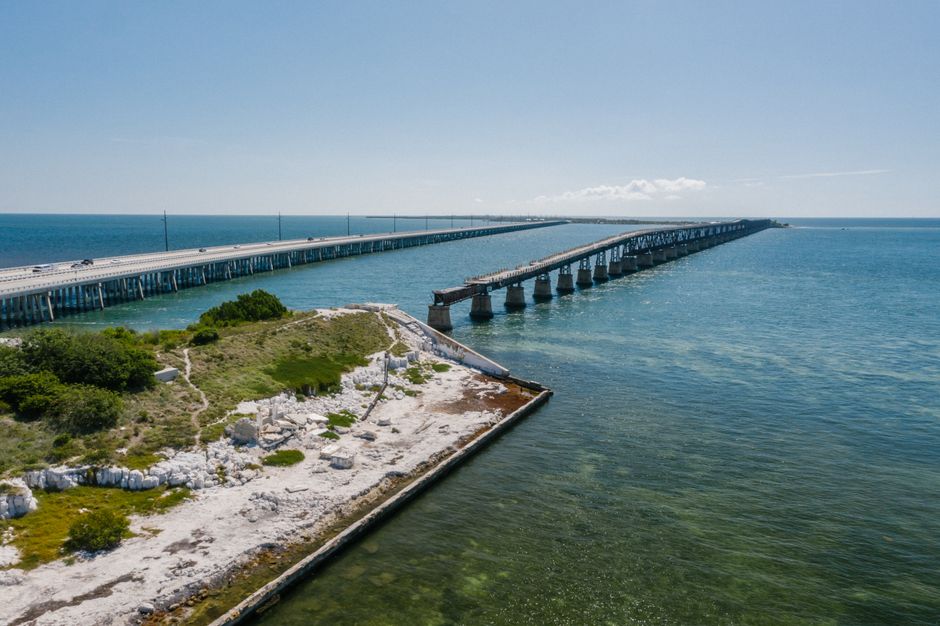
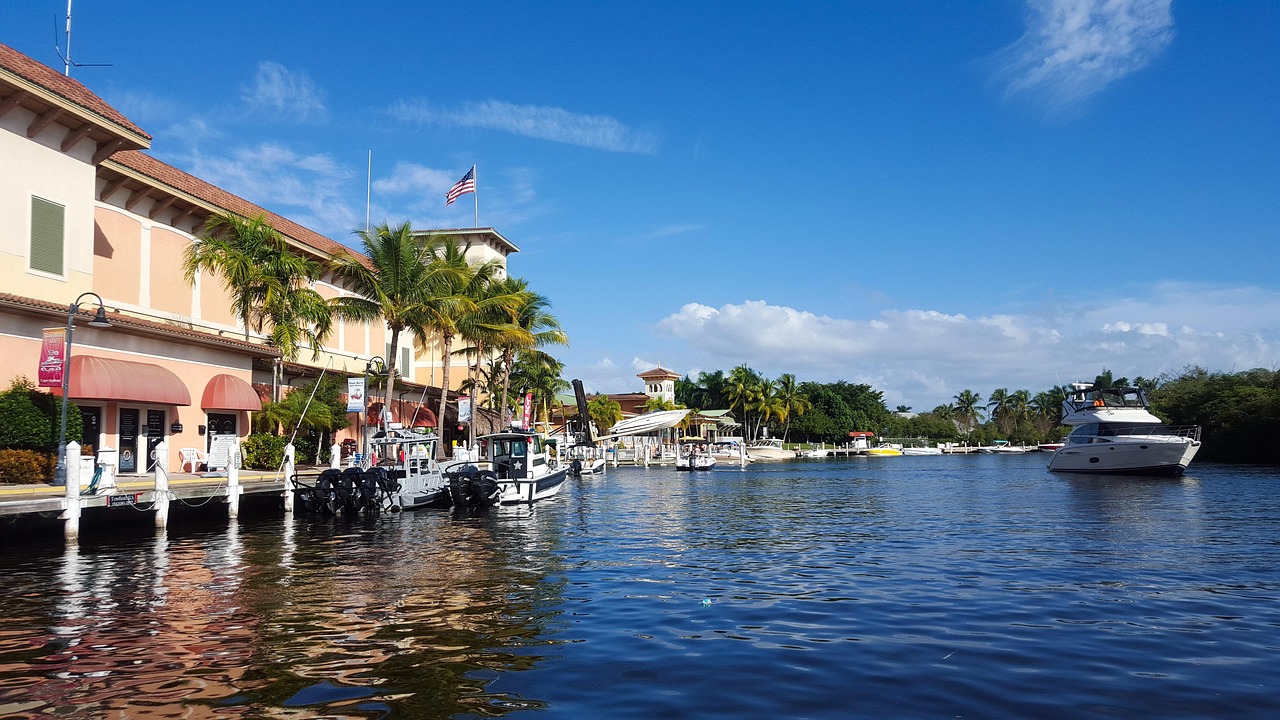
The Florida Keys are a 120-mile (190 km) chain of low coral and limestone islands curving south-west from the tip of mainland Florida, strung together by the Overseas Highway and its 42 bridges. On one side lies the Atlantic and the only living coral barrier reef in the continental United States; on the other, the shallow, glassy waters of Florida Bay and the Gulf. The Keys are about water: snorkelling and diving in John Pennekamp Coral Reef State Park, world-class fishing in Islamorada, the Seven Mile Bridge at Marathon, the white sand of Bahia Honda, tiny Key deer on Big Pine Key and, at the end of the road, Key West. The best time is December to May; summer and autumn are hot, calm and hurricane season.
Right now in Florida Keys (Marathon)
- Wed28–29°C82–84°F2 mm rain
- Thu27–29°C80–84°F4 mm rain
- Fri28–29°C82–84°F5 mm rain
- Mon 12 Oct Columbus Day
Top tours in Florida Keys
See all tours for Florida Keys →
From local operators, with prices and reviews; you check availability and book on Viator, our partner. We may earn a commission at no extra cost to you. How we earn money
The Florida Keys at a glance
- Best for: snorkelling and diving, sport fishing, island-hopping road trips, kayaking in the mangroves, sunsets and a slow, barefoot pace.
- How long: 4–5 days for a road trip with stops in Key Largo, Marathon and the Lower Keys; a week or more with Key West and Dry Tortugas.
- Best time: December to May, with highs of 76–88 °F (24–31 °C) and only 2–5 rainy days a month. June to November is hot and hurricane season, when visitors are evacuated first if a storm threatens.
- Getting there: drive US 1, the Overseas Highway, from Miami (Key Largo is about 1.5 hours from Miami airport), or fly to Key West (EYW).
- Getting around: a car is almost essential; addresses are given by mile marker (MM), counting up from MM 0 in Key West towards the mainland.
- Before you go: entry rules, money, driving and general safety are on our United States travel guide.
The Keys’ regions and who each one suits
All of the Keys are in Monroe County. Locals divide them into the Upper, Middle and Lower Keys, plus Key West at the end of the chain (see our separate Key West guide).
Key Largo (Upper Keys)
The first and longest island, about an hour and a half from Miami, and the diving capital of the Keys, with John Pennekamp Coral Reef State Park, dozens of dive shops and wrecks offshore. Resorts, motels and marinas line the highway, with Florida Bay sunsets on the west side. Good for divers, snorkellers and short trips from Miami.
Islamorada (Upper Keys)
A village of several islands that calls itself the sportfishing capital of the world, with charter fleets, waterfront restaurants, art galleries and upscale resorts. Calmer and more polished than Key Largo, it suits anglers, couples and families who want a resort pool and a sunset bar.
Marathon (Middle Keys)
The halfway point of the chain and its most practical base, with supermarkets, family resorts, a sea turtle hospital, Sombrero Beach and the Seven Mile Bridge on its doorstep. Good for families and longer stays, and for day trips both up and down the Keys.
Big Pine Key and the Lower Keys
The quietest, most natural stretch, from Bahia Honda to Stock Island: pine woods, mangroves, the National Key Deer Refuge and Looe Key reef offshore. Lodging is mostly small inns, cabins and holiday homes. Perfect for nature lovers and kayakers, and within an hour of Key West.
Top things to see in the Florida Keys
Prices and hours below were checked on the official sites in October 2026, unless we say otherwise; check again before you go.
John Pennekamp Coral Reef State Park, Key Largo
The first undersea park in the United States covers about 70 square nautical miles of reef, seagrass and mangroves. The reefs lie 3 to 8 miles (5 to 13 km) offshore. The park’s concessioner runs snorkelling tours of about 2.5 hours, with about 1.5 hours in the water over shallow reefs 5 to 15 feet (1.5 to 4.5 m) deep, sometimes to the bronze “Christ of the Deep” statue at Key Largo Dry Rocks, depending on the sea; glass-bottom boat tours on a 65-foot (20 m) catamaran to Molasses Reef, about 6.5 miles (10 km) out; scuba trips; and kayak and paddleboard rentals in the mangroves. On land there are short trails, small beaches and a visitor center with an aquarium. The park opens 8 a.m. to sunset every day. As of October 2026 entry costs $8 per vehicle with two to eight people, $4 for a single-occupant vehicle or motorcycle and $2 for pedestrians, cyclists and extra passengers, plus a Monroe County surcharge of 50 cents per person.
The Seven Mile Bridge and Pigeon Key, Marathon
Driving the modern Seven Mile Bridge, with nothing but turquoise water on both sides, is the highlight of the Overseas Highway. Beside it, the Old Seven Mile Bridge, part of Henry Flagler’s railroad to Key West, which opened in 1912, is now a path for walkers and cyclists out to Pigeon Key, a tiny island where the railroad workers lived. Pigeon Key’s guided tours leave from the visitor center at 1090 Overseas Highway in Marathon by tram-train at 10 a.m., 11:30 a.m., 1 p.m. and 2:30 p.m. (the two middle tours include a shark feeding). As of October 2026 the train tour costs $30 for adults, $28 for veterans and $25 for children; if you walk or cycle across the old bridge, entry to the island is $15 for adults, $13 for veterans and $12 for children. Bring water and sun protection: there is no shade on the bridge.
Bahia Honda State Park
Just south of the Seven Mile Bridge, Bahia Honda has some of the best natural sandy beaches in the Keys, with clear, shallow water, snorkelling and kayak rentals, and a walkway onto a span of the old railroad bridge for the view. Florida State Parks’ site is not accessible to our tools; according to secondary sources, entry is about $8 per vehicle plus the 50-cent-per-person Monroe County surcharge. Check the official park page before you go, and arrive early on winter weekends, when it gets busy.
National Key Deer Refuge, Big Pine Key
The Key deer, a dog-sized subspecies of the white-tailed deer, lives only in the Lower Keys. The US Fish and Wildlife Service refuge has a visitor center at 30587 Overseas Highway on Big Pine Key, open from 10 a.m. to 3 p.m., Wednesday to Saturday, and trails nearby, including the Blue Hole, an old quarry where alligators bask all year. Never feed the deer: the service says illegal feeding has taught many of them to approach people, which harms the herd. Drive slowly on Big Pine and the surrounding keys, especially at night, when deer are most active and collisions with cars are a major threat.
More to see
- History of Diving Museum, Islamorada: helmets, suits and the story of diving.
- The Turtle Hospital, Marathon: guided tours of a rescue center for injured sea turtles.
- Crane Point, Marathon: nature trails and a historic house among tropical hammock.
- Indian Key and Lignumvitae Key: island state parks off Islamorada, reached by kayak or boat.
- Looe Key: a spur-and-groove reef off the Lower Keys, one of the best snorkelling sites in Florida.
Protected areas
- Indian Key State Historic Site
- John Pennekamp Coral Reef State Park
- National Key Deer Refuge
Other sights
- Seven Mile Bridge
Nature
- Lignumvitae Key
The reef and the marine sanctuary rules
All the waters around the Keys form the Florida Keys National Marine Sanctuary, managed by NOAA with the State of Florida. According to NOAA, these rules apply everywhere in the sanctuary:
- Do not anchor on living coral, or let your boat strike coral or scar the seagrass.
- Do not remove, damage or possess coral or live rock.
- Dive or snorkel only under a dive flag; boats must go at idle speed within 300 feet (91 m) of a divers-down flag.
- Do not feed or attract fish, including sharks, from a boat or while diving.
- Do not discharge sewage or throw rubbish overboard, or release exotic species.
In the specially protected zones marked by yellow buoys around the most popular reefs, fishing and collecting anything, even shells, is banned, and so is touching or standing on coral, living or dead. NOAA’s updated rules add a ban on anchoring in many of these zones from 2027; use the free mooring buoys instead. Snorkel with a vest, use reef-friendly sunscreen, and keep your fins off the bottom.
Beaches in the Florida Keys
The reef blocks the big ocean waves, so most of the Keys’ shores are rocky, mangrove-lined or covered in seagrass rather than sandy, and the water is often shallow for a long way out. The best sandy beaches are at Bahia Honda State Park, Sombrero Beach in Marathon, Anne’s Beach in Islamorada and the small beaches in John Pennekamp park. Beaches use Florida’s statewide warning flags (green, yellow, red, red with a crossed-out swimmer for closed water, and purple for dangerous marine life such as jellyfish), and the Florida Department of Health tests the water through its Healthy Beaches program. Sargassum seaweed can wash up in spring and summer; check local conditions before you go.
Activities and best months
- SnorkelingJohn Pennekamp Coral Reef State Park, the first undersea park in the US, runs 2.5-hour snorkel tours to reefs 5-15 ft deep and glass-bottom boat trips to Molasses Reef; entry $8 a vehicle.
Other things to do in the Florida Keys
Fishing
Offshore charters chase sailfish, mahi-mahi and tuna in the Gulf Stream, while flats guides stalk bonefish, tarpon and permit in water a foot or two deep. Anglers need a Florida saltwater fishing licence unless they fish from a licensed charter boat, and size and bag limits apply; check the Florida Fish and Wildlife Conservation Commission’s rules.
Kayaking, paddleboarding and boat trips
Paddle through mangrove tunnels in Pennekamp or around the Lower Keys’ backcountry islands, where you may meet rays, nurse sharks, dolphins and manatees. Sunset cruises, sandbar trips and eco-tours run from most marinas.
Food and drink
Eat fresh-caught fish, conch fritters, stone crabs in season and key lime pie at waterfront shacks, and toast the sunset from a Gulf-side tiki bar. Many restaurants will cook the fish you catch.
Day trips and onward travel
Key West is the natural end of a Keys road trip, with Old Town, Mallory Square sunsets and boats and seaplanes to Dry Tortugas National Park, whose entrance fee is $15 per person aged 16 and over as of October 2026; see our Key West guide. On the way in or out, Everglades National Park‘s main entrance lies just west of Florida City, where the road to the Keys begins, with the Anhinga Trail and the road to Flamingo. As of October 2026 the National Park Service charges $35 per private vehicle, plus $100 per person for non-US residents aged 16 and over without an annual or America the Beautiful pass. Miami and Miami Beach are within easy reach of Key Largo; see our Everglades National Park, Miami and Miami Beach guides.
Nearby destinations
- Key West24 km
- Everglades National Park115 km
- Naples167 km
- Varadero173 km
- Miami186 km
- Havana188 km
- Miami Beach194 km
- Fort Lauderdale218 km
Getting there and getting around
The Overseas Highway (US 1)
According to the Monroe County Tourist Development Council, the Overseas Highway runs 113 miles (182 km) from Key Largo to Key West over 42 bridges, following the route of Henry Flagler’s railroad, which was wrecked by a hurricane in 1935; the highway opened three years later, and 37 bridges, including the Seven Mile Bridge, were rebuilt in 1982. Much of it has one lane each way, with low speed limits, and weekend and holiday traffic can be slow, so allow plenty of time. Addresses use green mile-marker posts, with “bayside” or “oceanside” telling you which side of the road. From Miami, take Florida’s Turnpike to its end at Florida City and follow US 1 south.
Card Sound Road and tolls
Card Sound Road is a quieter alternative route from Florida City to north Key Largo, with a toll at the Card Sound Bridge. According to Florida’s Turnpike Enterprise, the Card Sound Bridge and the Turnpike are cashless: tolls are charged to a SunPass or compatible transponder such as E-ZPass, or billed by TOLL-BY-PLATE with an administrative fee. TOLL-BY-PLATE is not available for rental cars, so check your rental company’s toll program or add the plate to your own SunPass account. US 1 through the Keys is toll-free.
By air and by bus
Miami International (MIA) and Fort Lauderdale-Hollywood (FLL) are the main gateways, with rental cars and the most flights. Key West International (EYW) has direct flights from several US cities and suits a visit to the Lower Keys. Without a car, Miami-Dade Transit’s express buses, including the Dade-Monroe Express (route 301), connect Florida City with the Upper Keys and Marathon, and local buses and shuttles cover parts of the chain, but services are infrequent; check timetables before relying on them.
When to go and how long to stay
The Keys have the warmest winters in the continental United States and are drier than mainland South Florida. The table uses NOAA’s 1991–2020 climate normals for the Marathon airport weather station, in the Middle Keys: average daily highs and lows, and days with at least 0.10 in (2.5 mm) of rain.
| Season | Average high / low | Rainy days per month | What it’s like | Good for |
|---|---|---|---|---|
| Winter (Dec–Feb) | 76–78 °F (24–26 °C) / 64–68 °F (18–20 °C) | 3 | Warm and dry; cold fronts bring wind and choppy seas | Road trips, fishing, Key deer, Dry Tortugas on calm days; peak prices |
| Spring (Mar–May) | 81–88 °F (27–31 °C) / 68–76 °F (20–24 °C) | 2–5 | Sunny and dry, with calmer seas by May | Snorkelling, diving, tarpon fishing |
| Summer (Jun–Aug) | 90–92 °F (32–33 °C) / 78–80 °F (26 °C) | 6–8 | Hot and humid, flat calm seas, brief storms | Diving and snorkelling, lower rates |
| Autumn (Sep–Nov) | 90 °F falling to 81 °F (32 to 27 °C) / 78 °F falling to 71 °F (26 to 22 °C) | 9 in September, 3 in November | Peak hurricane season, then pleasant and quiet by November | Deals, empty reefs (watch the forecast) |
Marathon averages only about 40 in (1,009 mm) of rain a year, with September the wettest month at about 6.4 in (162 mm).
Hurricane season and evacuations: according to NOAA’s National Hurricane Center (NHC), the Atlantic hurricane season runs from 1 June to 30 November, with most activity between mid-August and mid-October. The Keys have only one road out, so they evacuate early. According to the Monroe County Tourist Development Council, visitors are always asked to leave first, for a hurricane of any category, while residents evacuate for Category 3 storms or stronger. Once a visitor evacuation is ordered you will have to leave, hotels and attractions close, and state and county parks shut. The Lodging Association of the Florida Keys and Key West urges its members to refund unused nights when visitors are ordered out, and most follow this, but check your booking’s policy. Follow the National Hurricane Center, the National Weather Service in Key West and Monroe County Emergency Management, and consider travel insurance.
Weather month by month
4 days in the Florida Keys
Day one, drive from Miami to Key Largo and snorkel or take the glass-bottom boat at John Pennekamp. Day two, Islamorada: kayak, fish or visit the History of Diving Museum, then sunset on the bay side. Day three, Marathon: the Turtle Hospital, Pigeon Key over the Old Seven Mile Bridge and Sombrero Beach. Day four, drive the Seven Mile Bridge to Bahia Honda and Big Pine Key for the Key deer, then on to Key West.
A week in the Florida Keys
Slow the four-day plan down with two nights in the Upper Keys and two in Marathon or the Lower Keys, add a Looe Key snorkelling trip, then finish with two or three nights in Key West and a day at Dry Tortugas.
Where to stay in the Florida Keys and the hotel tax
- Key Largo: dive resorts and motels, closest to Miami.
- Islamorada: upscale resorts and fishing lodges.
- Marathon: family resorts and holiday homes, central for day trips.
- Big Pine and the Lower Keys: small inns, cabins and campgrounds, close to Key West.
Florida prices are shown before tax. As of October 2026, rooms anywhere in the Keys (Monroe County) carry Florida’s 6% sales tax, the county’s 1.5% surtax and a 5% tourist development tax: 12.5% in all. The Monroe County Tax Collector warns that platforms such as Airbnb and VRBO do not pay the 5% tax on owners’ behalf, so choose licensed rentals. Many resorts add a daily resort fee and charge for parking or boat slips; under the Federal Trade Commission’s fees rule in force since May 2025, mandatory fees must be included in the total advertised price. State parks in the Keys add a 50-cent-per-person Monroe County surcharge to their entry fees.
Practical tips for the Florida Keys
- Fill up and stock up: Florida City and Marathon have the most shops and petrol stations.
- Respect the speed limits: they drop suddenly in towns and Key deer areas, and are strictly enforced.
- Book reef trips early in the day: seas are usually calmer in the morning.
- Protect the reef: do not touch coral, and use mooring buoys, never anchors, on reefs.
- Watch the weather: in hurricane season, check the National Hurricane Center daily and leave promptly if visitors are ordered out.
- Emergencies: call 911.
What to pack for the Florida Keys
Swimwear, a rash vest, reef-friendly sunscreen, a wide-brimmed hat and polarised sunglasses are essential, along with water shoes for rocky, seagrass shores. Bring your own mask and snorkel if you like a good fit, and seasickness tablets for boat trips. Light, quick-drying clothes work all year; add a windproof layer for breezy winter evenings and boat rides, a compact umbrella from June to October, and insect repellent for sandflies and mosquitoes at dusk.
What to pack
- Reef-friendly sunscreenSnorkelers burn their backs fast; mineral sunscreen and a rash vest are kinder to marine life.
- Snorkel masks and finsYour own mask fits better than a rental and makes clear-water coves and lava pools more fun.
- Water shoesEntries are often over rock, so water shoes protect feet getting in and out.
- WetsuitsEven in summer, 30+ minutes in 19–23 °C water gets cold; a 2–3 mm suit extends sessions.
Florida Keys travel FAQ
How long is the Overseas Highway?
113 miles from Key Largo to Key West, crossing 42 bridges, according to the Monroe County Tourist Development Council. Allow at least three to four hours without stops.
How much is John Pennekamp Coral Reef State Park?
As of October 2026, $8 per vehicle with two to eight people, $4 for a single-occupant vehicle and $2 per pedestrian or cyclist, plus 50 cents per person for Monroe County. Snorkel and boat tours cost extra.
Can you walk the Old Seven Mile Bridge?
Yes. The old bridge from Marathon is open to walkers and cyclists out to Pigeon Key, where entry is $15 for adults as of October 2026. A tram-train tour from the visitor center costs $30.
Where are the best beaches in the Florida Keys?
Bahia Honda State Park, Sombrero Beach in Marathon and Anne’s Beach in Islamorada. Most other shores are rocky or covered in seagrass because the reef blocks the waves.
Can you touch the coral in the Florida Keys?
No. Touching or standing on coral is banned in the sanctuary’s protected zones, and damaging coral is illegal throughout the Florida Keys National Marine Sanctuary.
Where can I see Key deer?
On Big Pine Key and nearby islands, around the National Key Deer Refuge. Its visitor center opens Wednesday to Saturday, 10 a.m. to 3 p.m. Never feed the deer, and drive slowly.
Is there a toll to drive to the Florida Keys?
Not on US 1. Florida’s Turnpike to Florida City and the alternative Card Sound Road are tolled and cashless; rental cars need the rental company’s toll program or your own SunPass.
What is the hotel tax in the Florida Keys?
As of October 2026, 12.5% throughout Monroe County: 7.5% sales tax plus a 5% tourist development tax. Resort fees come on top.
What happens to visitors if a hurricane threatens the Keys?
Visitors are ordered to leave first, for any category of hurricane, before residents. Parks and most businesses close; check your hotel’s refund policy and consider travel insurance.
Which is the best base in the Florida Keys?
Key Largo for diving and quick trips from Miami, Islamorada for fishing and resorts, Marathon for families and central day trips, and the Lower Keys for nature and quiet.
When is the best time to visit the Florida Keys?
December to May for dry, sunny weather; April to June for calm seas and good visibility before the peak of hurricane season. Winter is busiest and most expensive.
Plan your trip
Partner links: TravelerCenter may earn a commission if you book, at no extra cost to you.
Sources · last reviewed 4 October 2026
Researched and last reviewed on 4 October 2026. Overseas Highway facts and hurricane evacuation policy: Monroe County Tourist Development Council; reef and sanctuary rules: NOAA’s Florida Keys National Marine Sanctuary; John Pennekamp hours, fees and tours: the park’s concessioner; Pigeon Key tours and prices: Pigeon Key Foundation; Key deer refuge: US Fish and Wildlife Service; hotel tax: Monroe County Tax Collector and the Florida Department of Revenue; tolls: Florida’s Turnpike Enterprise; bus routes: Miami-Dade County; Dry Tortugas and Everglades fees: National Park Service; hurricane season: NOAA’s National Hurricane Center; resort fees: Federal Trade Commission; climate: NOAA’s 1991–2020 normals for Marathon airport. The Bahia Honda fee comes from secondary sources, and drive times and the chain’s length are general references, flagged for checking. Prices, hours and timetables change, so check the official sites before you go. For entry rules, money and general safety, see our United States travel guide.
Also: pennekamppark.com · NOAA NCEI normals 1991–2020, Marathon Airport (climate)
Data: Weather: MET Norway (CC BY 4.0) · Sea temperature: NOAA CoastWatch · Rates: ECB · Holidays: Nager.Date · Costs: World Bank ICP and price levels · © OpenStreetMap contributors (ODBL) · Wikidata (CC0)