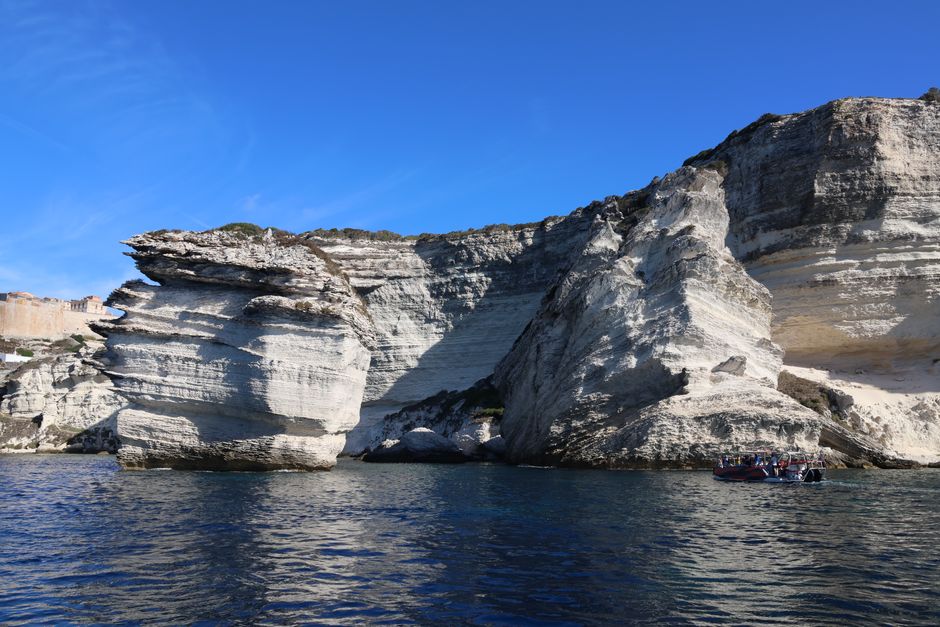
The best snorkelling in southern Europe is in the clear, warm Mediterranean from June to October: the marine reserves of the Cinque Terre and Ustica in Italy, the free underwater trails of Marseille, Corsica’s granite coves, the Balearic islands and the rocky coves of Zakynthos. On the Atlantic side, Madeira’s Garajau reserve has big friendly groupers, Gran Canaria’s Las Canteras has a reef a few metres from the promenade, and the Azores offer licensed dolphin swims. Cornwall has cold but rewarding rock-pool snorkelling at low tide. Snorkel on calm days, with a buddy, and never take anything from a marine reserve.
This page covers where and when to snorkel in the six countries TravelerCenter publishes, Portugal, Spain, France, Italy, Greece and the United Kingdom, the marine-reserve rules you need to know, and how to stay safe in the water.
Snorkelling at a glance
- Who it suits: anyone who swims confidently. Families do best from sheltered, lifeguarded coves and on guided trips.
- Best months: June to October on the Mediterranean; all year in Madeira and the Canary Islands; July to September in the Azores and Cornwall.
- Warmest water: about 26–27 °C in August around Sicily, the Amalfi Coast, Zakynthos and Crete. Coolest: Cornwall, at about 16–17 °C at best.
- Guided and free trails: Marseille’s buoyed underwater trails (free, June to September), the Cinque Terre national park’s guided snorkelling (€10, or free with the Cinque Terre Card), and Ustica’s marine reserve trails.
- Rules to know: in marine reserves, look but don’t take. No fishing or collecting at Garajau, Arrábida, the Cinque Terre or Ustica; no swimming in Benagil cave or Navagio bay; keep 15 m from turtles on Zakynthos.
What snorkelling involves
Snorkelling means floating face down at the surface with a mask, a breathing tube and usually fins, watching the sea bed below. In Europe that sea bed is mostly rock, boulders and seagrass meadows rather than coral. In the Mediterranean you’ll see bream, wrasse, damselfish, octopus, starfish and, in protected areas, groupers; the Posidonia seagrass meadows that make the water so clear are nurseries for young fish. The Atlantic islands add volcanic rock and bigger fish.
You can snorkel on your own from a beach, or join a boat or kayak trip that drops you at coves you can’t reach on foot. Some marine parks run guided snorkelling with a biologist, which is a great introduction for families. Rental masks are often available, but your own fits better.
Safety and rules
Staying safe
- Calm days only. Wind and swell spoil visibility and make rocks dangerous. On the Mediterranean the morning is usually calmest; in Provence the mistral and in the Aegean the summer meltemi can blow for days.
- Watch for boats. Many coves are boat routes. Stay inside buoyed bathing areas and tow a bright swim buoy so skippers can see you.
- Never alone. Snorkel with a buddy and tell someone on land where you are going.
- Read the flags and swim only where lifeguards allow it in season (see our beaches guide for each country’s flags).
- Emergencies: call 112 in the EU, or 999 and ask for the Coastguard in the UK.
Marine reserves and protected areas
- Portugal: fishing, collecting and motorboats are banned in Madeira’s Garajau reserve; spearfishing, collecting and jet skis are banned in the Arrábida marine park; landing on Berlenga island needs a BerlengasPass; and since 13 August 2024 nobody may swim into Benagil cave.
- Italy: the Cinque Terre marine protected area and the Ustica marine reserve allow snorkelling but not fishing or collecting; follow the zone buoys.
- France: the Calanques are a national park on land and sea; Scandola in Corsica is a strict reserve that you see from a boat, with no diving or fishing inside.
- Greece: in the National Marine Park of Zakynthos, keep at least 15 m from loggerhead turtles, never approach head-on, and leave after 15 minutes. Swimming is banned in the Navagio bay until at least 31 October 2026. Ancient objects on the sea bed are protected: never touch or remove them.
- Spain: in the Balearics, Posidonia seagrass is protected; boats must not anchor on it. In the Cabrera national park off Mallorca, boats need a park navigation permit.
Where to snorkel: the best spots by country
Portugal
- Madeira: the Garajau Partial Nature Reserve east of Funchal, created in 1986 as Portugal’s first purely marine reserve, has water clear enough to see more than 20 m down and dusky groupers that swim close to people. You get in from the Cais do Lazareto or the Praia do Garajau. See our Madeira travel guide.
- Azores: the Ilhéu de Vila Franca, a crater islet less than 500 m off São Miguel, reopened for the 2026 bathing season with a limit of 400 visitors a day, reached only by authorised boats. The Azores also allow swimming with some dolphin species on licensed trips, snorkel only; swimming with whales is banned. See our Azores guide.
- Lisbon region: the Professor Luiz Saldanha Marine Park, about 53 km² of sea between Arrábida and Cape Espichel, has sheltered coves such as Ribeira do Cavalo, often reached on kayak trips from Sesimbra. Off Peniche, the Berlengas islands are a UNESCO biosphere reserve; landing on Berlenga needs a BerlengasPass (€3 per adult per day as of October 2026). See our Lisbon travel guide.
- Algarve: on calm days you can see fish around the rocks at Praia da Marinha, and kayak trips around Ponta da Piedade reach coves you can’t walk to. See our Algarve travel guide.
Spain
- Gran Canaria: at Las Canteras, the city beach of Las Palmas, a natural rock reef calms the water, so you can snorkel among fish a few metres from the promenade. See our Gran Canaria travel guide.
- Ibiza: the island tourist board names many beaches as starting points for snorkelling and kayaking; the clear water owes a lot to the Posidonia meadows, part of the UNESCO World Heritage listing. See our Ibiza travel guide.
- Mallorca: rocky coves such as those around the Mondragó Natural Park, and boat trips from Colònia de Sant Jordi to the Cabrera national park. See our Mallorca travel guide.
France
- Marseille: two free, self-guided underwater trails, at the Plage des Catalans and at Saint-Estève cove on the Frioul islands, are marked with buoys from 1 June to 30 September and open to all levels; a guided snorkel trail in the Calanques leaves from Pointe Rouge from April to October. See our Marseille travel guide and Calanques guide.
- Nice: a dive centre at the port, listed by the tourist office, runs two-hour boat snorkelling trips to the bays of Villefranche and Saint-Jean-Cap-Ferrat; its 2026 season ran from 6 May to 9 October, for swimmers aged 10 and over. See our Nice travel guide.
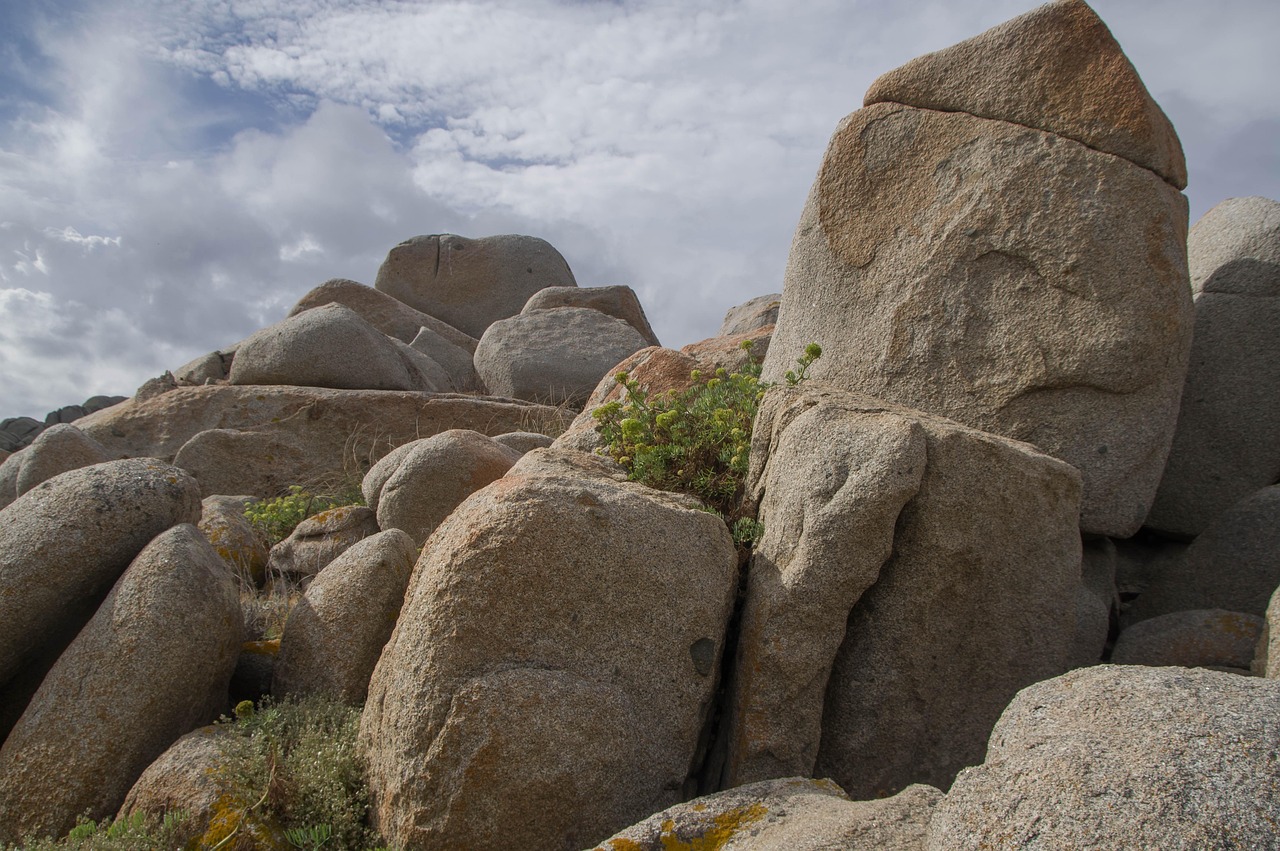
- Corsica: Visit Corsica highlights the Saint-Florent barrier reef, protected since 1998, and the beaches of Palombaggia, with seagrass meadows full of fish among pink granite boulders, which suit families. Boats from Bonifacio visit the Lavezzi islands reserve. See our Corsica travel guide.
Italy
- Cinque Terre: the national park runs guided snorkelling in the marine protected area at Punta Corone, Monterosso, in groups of up to 12 (€10, or free with the Cinque Terre Card), and has underwater trails at Riomaggiore and Vernazza. See our Cinque Terre guide.
- Sicily: the shallow part of the Punta Gavazzi trail in the Ustica marine reserve, the Plemmirio reserve near Syracuse, Panarea’s underwater volcanic vents in the Aeolian Islands, and San Vito Lo Capo. See our Sicily travel guide.
- Amalfi Coast: Positano’s Fornillo beach, a short walk from the centre, is an excellent snorkelling spot, and boat days reach clear coves and grottoes. See our Amalfi Coast travel guide.
- Tuscany: Sansone beach on Elba and Cala dell’Arenella on Giglio. See our Tuscany travel guide.
Greece
- Zakynthos: Porto Limnionas and Porto Roxa on the west coast are rocky inlets of deep, clear water with swimming from ladders and platforms; boat trips to the Blue Caves stop to swim outside the main caves. See our Zakynthos travel guide.
- Corfu: Paleokastritsa’s coves and sea caves, and the small coves of the north-east coast, reached by boat. See our Corfu travel guide.
- Crete: the shallow lagoons of Balos and Elafonisi are easy for children, though busy in summer. See our Crete travel guide.
United Kingdom
- Cornwall: the Lizard peninsula has a large, shallow reef off the Lizard car park, the Inner and Outer Cledges, that is safe to snorkel at low tide, and Gunwalloe Cove suits beginners. The water is cold, so wear a full wetsuit, and keep your distance from seals. See our Cornwall travel guide.
When to go: seasons and water temperature
Sea temperatures are 10-year monthly averages from satellite and in-situ data (seatemperature.info), except Madeira, where the figures are official 2024 readings at Funchal’s Pontinha pier (DREM, from IPMA data). All as of October 2026.
| Region | Best months | Sea temperature (coldest–warmest month) | Good to know |
|---|---|---|---|
| Madeira (Garajau) | All year; Jun–Oct warmest | 19.3 °C (Mar–Apr) to 23.6 °C (Aug) | No fishing or collecting |
| Azores (São Miguel) | Jul–Sep | 16.2 °C (Mar) to 23.3 °C (Aug) | Vila Franca islet in bathing season only |
| Arrábida and Sesimbra | Jul–Sep | 14.9 °C (Feb–Mar) to 18.9 °C (Sep) | Day car ban on beach roads in summer |
| Algarve (Portimão) | Jul–Oct | 15.5 °C (Mar) to 19.9 °C (Sep–Oct) | No swimming at Benagil cave |
| Gran Canaria (Las Palmas) | All year | 18.9 °C (Mar) to 23.4 °C (Sep) | Reef-sheltered city beach |
| Mallorca (Palma) | Jun–Oct | 14.3 °C (Feb) to 27.1 °C (Aug) | Don’t anchor on Posidonia |
| Marseille | Jun–Sep | 13.4 °C (Feb) to 23.1 °C (Aug) | Trails buoyed 1 Jun–30 Sep |
| Nice | May–Oct | 13.7 °C (Feb) to 25.4 °C (Aug) | Boat trips 6 May–9 Oct (2026) |
| Corsica (Ajaccio) | Jun–Oct | 13.7 °C (Feb) to 25.4 °C (Aug) | No diving inside Scandola |
| Cinque Terre (Monterosso) | Jun–Sep | 13.6 °C (Feb) to 25.8 °C (Aug) | Guided park snorkelling |
| Sicily (Palermo) | Jun–Aug | 14.5 °C (Feb) to 27.4 °C (Aug) | Ustica marine reserve |
| Zakynthos | Jun–Sep | 15.7 °C (Mar) to 26.7 °C (Aug) | Keep 15 m from turtles |
| Crete (Chania) | Jun–Oct | 15.8 °C (Feb) to 26.5 °C (Aug) | Shallow lagoons |
| Cornwall (Newquay) | Jul–Sep | 9.4 °C (Feb–Mar) to 16.6 °C (Aug) | Low tide, full wetsuit |
Late summer is the sweet spot: in September the sea is near its warmest everywhere and the beaches are quieter once school holidays end. On the Mediterranean, strong winds can bring cold water up from the depths for a few days, so check the temperature on the day as well as the average.
How to book trips, and what to pack
For the Cinque Terre, the national park’s guided snorkelling is booked through the park; in Marseille the buoyed trails are free and need no booking. Boat snorkelling trips in Nice, Corsica, the Amalfi Coast and Zakynthos sell out in August, so book a few days ahead and pick a morning slot, when the sea is calmest. In Portugal, companies selling activities must be on Turismo de Portugal’s register, which you can check in the free RNAAT public search; for the Berlengas, book your BerlengasPass before the boat. For dolphin swims in the Azores, book only licensed whale-watching operators. Want to go deeper? A try dive with a licensed centre is the next step: see our scuba diving guide.
What to pack
- Reef-friendly sunscreenSnorkelers burn their backs fast; mineral sunscreen and a rash vest are kinder to marine life.
- Snorkel masks and finsYour own mask fits better than a rental and makes clear-water coves and lava pools more fun.
- Water shoesEntries are often over rock, so water shoes protect feet getting in and out.
- WetsuitsEven in summer, 30+ minutes in 19–23 °C water gets cold; a 2–3 mm suit extends sessions.
Bring your own mask and snorkel if you can: a mask that seals on your face makes all the difference. Fins help in current and deep water. A rash vest protects your back from sunburn on long sessions, and a 2–3 mm shortie keeps you warm on the Atlantic and in Cornwall (a full suit there). Water shoes protect your feet on rock, lava and sea urchins, which are common on Mediterranean rocks. Add a bright swim buoy, a dry bag for boat days and mineral sunscreen.
Snorkelling in Europe: questions and answers
Where is the best snorkelling in southern Europe?
For marine life and clear water: Madeira’s Garajau reserve, the Cinque Terre and Ustica marine reserves in Italy, Corsica’s south coast and the Lavezzi islands, and the Balearic islands. For the easiest start, Marseille’s free buoyed trails and Las Canteras beach in Gran Canaria.
Can I snorkel in the Cinque Terre?
Yes. The national park runs guided snorkelling in the marine protected area at Punta Corone, Monterosso, for groups of up to 12, at €10 or free with the Cinque Terre Card, and there are underwater trails at Riomaggiore and Vernazza.
Are Marseille’s underwater trails free?
Yes. The trails at the Plage des Catalans and at Saint-Estève cove on the Frioul islands are free and self-guided, marked with buoys from 1 June to 30 September. Bring your own mask and snorkel.
Is the water warm enough to snorkel without a wetsuit?
On the Mediterranean from July to September, yes for most people: the sea reaches about 23–27 °C. On the Atlantic coasts of Portugal and in Cornwall, the sea rarely passes 19 °C, so a wetsuit makes a long session much more comfortable.
Can I swim with dolphins in Europe?
Only in the Azores, on licensed trips with certain dolphin species, with snorkel gear and never scuba. Swimming with whales is banned there, and in mainland Portugal and the Canary Islands you may not swim with whales or dolphins.
Can I snorkel with turtles on Zakynthos?
You may see loggerhead turtles in Laganas Bay, but the National Marine Park’s rules say stay at least 15 m away, never approach head-on or block their path, never touch or feed them, and leave after 15 minutes.
Can I snorkel at Navagio beach?
Not in 2026. Swimming in the Navagio bay is banned and boats may not come within 50 m of the shore until at least 31 October 2026. Snorkel instead at Porto Limnionas or on Blue Caves trips, outside the main caves.
Is snorkelling possible in the UK?
Yes, in summer and with a full wetsuit. In Cornwall, the shallow reefs off the Lizard are safe to snorkel at low tide on calm days, and Gunwalloe Cove suits beginners. Go with a buddy and check the tide times.
Can I snorkel inside Benagil cave?
No. Since 13 August 2024, nobody may swim in the cave or land on its beach. See it on a licensed boat trip or a guided kayak or paddleboard tour, and snorkel at calmer coves nearby such as Praia da Marinha.
More ideas for your trip: scuba diving, boat trips and the best beaches.
Sources and last review
Researched and last reviewed by TravelerCenter on 4 October 2026. Garajau rules come from IFCN, Madeira’s nature institute; the Arrábida marine park from the park’s information pages; the BerlengasPass from ICNF; the Vila Franca islet from the official Azores diving site and the regional government as reported by the press; Azores dolphin-swim rules from regional whale-watching law; Benagil from the Portimão harbour master; the Cinque Terre snorkelling from the Cinque Terre National Park; Ustica and Sicily from Italia.it; Amalfi and Tuscany spots from Italia.it and Visit Tuscany; Marseille’s trails from Provence’s tourist board; Nice’s trips from Explore Nice Côte d’Azur; Corsica from Visit Corsica; Zakynthos turtle rules from the National Marine Park of Zakynthos and Navagio’s closure from the 2026 ministerial decision; Ibiza from the island tourist board; Cabrera permits from the Balearic government; Cornwall snorkel spots from Visit Cornwall’s dive guide; sea temperatures from seatemperature.info’s 10-year averages and, for Madeira, DREM from IPMA data. Rules and seasons change, so check the official sites before you go.