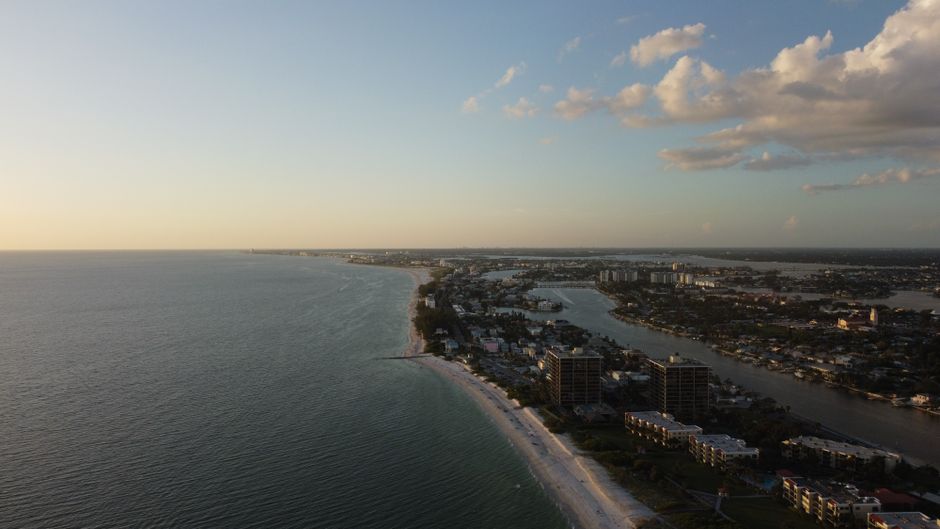
Naples is the elegant, unhurried beach town at the southern end of Florida’s Gulf coast. Its long, pale beaches face west for spectacular sunsets, and behind them lie palm-lined streets of grand homes, the boutiques and restaurants of Fifth Avenue South and Third Street South, and a much-loved botanical garden. The town’s historic pier, wrecked by Hurricane Ian in 2022, is being rebuilt and is closed throughout 2026. Naples is also the gateway to wild Florida: the ancient cypress swamp of Corkscrew, the mangrove islands of the Ten Thousand Islands and the edge of the Everglades are all within an hour’s drive. Winters are warm, dry and busy; summers are hot, wet and quiet.
Right now in Naples
- Wed25–29°C77–85°F3 mm rain
- Thu24–28°C76–82°F8 mm rain
- Fri24–29°C76–85°F6 mm rain
- Mon 12 Oct Columbus Day
Top tours in Naples
See all tours for Naples →
From local operators, with prices and reviews; you check availability and book on Viator, our partner. We may earn a commission at no extra cost to you. How we earn money
Naples at a glance
- Best for: quiet beaches and sunsets, dining and shopping, golf, gardens, and wildlife in the swamps and the Everglades.
- How long: 3 days for the beaches, the old town and the botanical garden; 4–5 days to add Corkscrew Swamp and a day trip towards the Everglades.
- Best time: November to April, when it is dry and warm (highs of 75–84 °F / 24–29 °C). June to September is hot and humid with frequent thunderstorms, and it is hurricane season.
- Getting there: fly to Southwest Florida International Airport (RSW) near Fort Myers, about 30 miles (48 km) north; or drive across the Everglades from Fort Lauderdale and Miami on Alligator Alley (Interstate 75).
- Getting around: a car is almost essential; the old town is walkable and good for cycling.
- Before you go: entry rules, money, driving and general safety are on our United States travel guide.
Naples’s areas and who each one suits
The City of Naples is the small, upmarket core by the Gulf; the wider area, in Collier County, spreads north and east with resorts, golf communities and shopping centers.
Old Naples: Fifth Avenue South and Third Street South
The historic heart of the city, a grid of shady streets between the beach and Naples Bay. Fifth Avenue South is a lively strip of restaurants, cafés and galleries; Third Street South is quieter and more exclusive, with boutiques, a farmers’ market and courtyard dining. The beach ends are a short walk away. Best for couples and anyone who wants to walk to dinner and the sunset.
The beachfront and Gulf Shore Boulevard
North of the old town, Gulf Shore Boulevard runs behind the beach past grand houses, condominiums and a few classic beachfront hotels. Lowdermilk Park, a city beach park with picnic areas, is here. Good for beach-focused stays within reach of the old town.
Vanderbilt Beach and North Naples
Further north, Vanderbilt Beach has large resorts on the sand and Delnor-Wiggins Pass State Park at its northern end. Inland, North Naples has shopping, restaurants and easy access to Interstate 75 and the airport. Good for families and resort holidays.
Marco Island
About 20 miles (32 km) south, Marco Island is a resort island with high-rise hotels, a wide beach and boat trips into the Ten Thousand Islands. A separate base for a beach-and-boating holiday.
Top things to see in Naples
Prices and hours below were checked on the official sites in October 2026, unless we say otherwise; check again before you go.
Naples beaches and the pier
The city’s beach runs for miles along the Gulf, with soft, pale sand, calm water and some of Florida’s best sunsets. Access is through dozens of small public beach ends at the end of the streets, plus larger parks such as Lowdermilk Park. The Naples Pier, the town’s landmark since the 19th century, is being completely rebuilt after Hurricane Ian. According to the City of Naples, the pier, its stairs, restrooms and showers, and 12th Avenue South west of Gulf Shore Boulevard South are closed for the project, which is expected to last about 18 months; demolition of the old pier was completed in April 2026 and more than half of the new concrete had been poured by mid-September 2026. Pedestrian beach access stays open at the Broad Avenue South and 13th Avenue South beach ends, both with restrooms.
Fifth Avenue South and Third Street South
Naples’s two main streets are the place for a long lunch, gallery browsing, people-watching and evening dining, with Spanish-style arcades, fountains and plenty of outdoor tables. From Third Street South, walk down to the beach for sunset; from Fifth Avenue, stroll east to the waterfront at Naples Bay, where boat tours and sunset cruises leave from the marinas.
Naples Botanical Garden
On the south side of the city, a large garden of tropical and subtropical plants from Florida, the Caribbean and Asia, with water features, orchids, a children’s garden and boardwalks through restored native habitat where birds and butterflies abound. As of October 2026 the garden opens daily 9:00 a.m.–5:00 p.m. (seasonal hours from 1 October), and admission costs $27 for adults and $12 for ages 4–17, free for children 3 and under.
Corkscrew Swamp Sanctuary
About 30 miles (48 km) north-east of Naples, Audubon’s sanctuary protects the largest old-growth bald cypress forest in North America, with trees more than 500 years old. A 2.25-mile (3.6 km) boardwalk winds through pine flatwoods, wet prairie and the cathedral-like cypress swamp, where you may see alligators, wading birds, otters and, in winter, rare wood storks. Audubon’s visitor page lists general admission at $17, $10 for full-time college students, $6 for ages 6–14 and free for under-6s, and hours from 8:00 a.m. with last admission early in the afternoon outside winter; hours are longer in the winter season. Check current times and prices before you go.
Delnor-Wiggins Pass State Park
At the northern end of Vanderbilt Beach, a natural beach park with sea oats, a lookout tower, picnic shelters and good shelling, beside a pass where the tide rushes in and out. According to search summaries of the Florida State Parks page, which we could not open, entry costs about $6 per vehicle and the park opens 8:00 a.m. to sundown; check before you go. Swimming near the pass itself is dangerous because of strong currents.
More to see
- The Baker Museum and Artis–Naples: the city’s art museum and concert hall.
- Naples Zoo at Caribbean Gardens: a zoo set in an old botanical garden.
- Rookery Bay National Estuarine Research Reserve: a mangrove reserve with a visitor center and paddling trails.
- Tin City: old waterfront fishing sheds turned into shops and seafood restaurants on Naples Bay.
Other things to do in Naples
Shelling, paddling and wildlife
The beaches are good for shells, especially after winter storms, and dolphins are often seen just offshore. Kayak and paddleboard through the mangroves of Naples Bay, Rookery Bay and the Ten Thousand Islands, where you may see manatees, dolphins and wading birds. Fishing charters, sunset cruises and dolphin tours leave from the city’s marinas.
Golf and the good life
Collier County has dozens of golf courses, and Naples is known for its fine dining, spas and art galleries. Winter is the high season for concerts, theater and events.
Beach safety and red tide
Florida uses uniform beach warning flags: green for low hazard, yellow for moderate surf or currents, red for high hazard, double red when the water is closed to the public, and purple for dangerous marine life such as jellyfish; no flag does not mean safe water. Naples is also on the stretch of the Gulf coast where red tide, a bloom of the algae Karenia brevis, can kill fish and cause coughing and eye irritation on the beach. It comes and goes, so before you go check the Florida Fish and Wildlife Conservation Commission (FWC) red tide status, NOAA’s Gulf Coast harmful algal bloom forecast, which gives a respiratory irritation forecast beach by beach, and the Florida Department of Health’s Healthy Beaches advisories.
Day trips and onward travel
Everglades City and Big Cypress
South-east of Naples, the Tamiami Trail (US 41) runs into the wilderness of the Big Cypress National Preserve and the small fishing town of Everglades City, the western gateway to Everglades National Park and the Ten Thousand Islands. Expect alligators along the canals, boat tours through the mangroves and stone crab in season. Everglades National Park has its own page on TravelerCenter.
Fort Myers, Sanibel and Sarasota
North of Naples, Fort Myers has historic winter estates, and Sanibel Island is famous for shelling (its causeway is a toll road). Sarasota, with The Ringling and Siesta Key, is about 115 miles (185 km) north on Interstate 75, and has its own page on TravelerCenter.
Across Alligator Alley
Interstate 75 crosses the Everglades between Naples and Fort Lauderdale as Alligator Alley, about 105 miles (169 km) of straight road through sawgrass and swamp. According to Florida’s Turnpike Enterprise, its toll is $3.18 for a car with SunPass and $3.75 otherwise. There are few services along the way, so fill up before you go.
Nearby destinations
- Everglades National Park145 km
- Sarasota151 km
- Fort Lauderdale165 km
- Miami166 km
- Florida Keys167 km
- Miami Beach171 km
- Key West177 km
- St. Petersburg199 km
Getting there and getting around
By air
Southwest Florida International Airport (RSW), between Fort Myers and Naples, is the main gateway, with flights from across the US and seasonal flights from Canada and Europe; the drive to Naples takes about 30–45 minutes on Interstate 75. Miami, Fort Lauderdale and Tampa airports are each two to three hours’ drive away. Florida’s Brightline high-speed trains do not serve the Gulf coast; the nearest station is at Orlando International Airport.
Getting around
Naples is built for cars, and you will need one to reach the nature reserves and day-trip destinations. In the old town, walking and cycling are pleasant, and many hotels lend bikes. Collier Area Transit (CAT) runs local buses, but services are limited for visitors.
Beach parking
City beach parking is metered at the visitor beach ends and lots, paid at pay stations; some beach ends are signed for residents only, and non-residents of Collier County cannot park there without a permit. No parking is allowed overnight. We could not open the City of Naples parking page, so check the hourly rate on the pay station when you arrive.
Tolls
Florida’s toll roads take no cash. Around Naples the main tolls are Alligator Alley on Interstate 75 and the causeway bridges further north at Sanibel, Cape Coral and Fort Myers. TOLL-BY-PLATE photographs your plate and mails an invoice with a $2.50 administrative fee, but it is not available in rental cars, which run their own toll programs; check your rental agreement or add the rental’s plate to your own SunPass account.
When to go and how long to stay
Naples has a tropical-edge climate, the warmest of the Gulf coast towns in winter. The table uses NOAA’s 1991–2020 U.S. Climate Normals for the Naples Municipal Airport weather station: average daily highs and lows, and days with at least 0.10 in (2.5 mm) of rain.
| Season | Average high / low | Rainy days per month | What it’s like | Good for |
|---|---|---|---|---|
| Winter (Dec–Feb) | 75–77 °F (24–25 °C) / 56–59 °F (13–15 °C) | 2–3 | Warm, sunny and dry; the busy season | Beaches, wildlife, golf, the arts season |
| Spring (Mar–May) | 80–88 °F (26–31 °C) / 61–70 °F (16–21 °C) | 2–5 | Hot by May, still dry | Beaches, boating, shelling |
| Summer (Jun–Aug) | 90–91 °F (32–33 °C) / 74–76 °F (24 °C) | 11–14 | Hot, humid and wet, with daily storms | Low prices, early-morning swims |
| Autumn (Sep–Nov) | 90 °F falling to 81 °F (32 to 27 °C) / 75 °F falling to 63 °F (24 to 17 °C) | 11 in September, 2 in November | Wet and stormy until mid-October, then dry | Quiet beaches, warm sea |
The airport averages about 49.6 in (1,259 mm) of rain a year, on about 72 days, with August the wettest month at 8.9 in (226 mm). From November to April it rains on only two or three days a month.
Hurricane season: according to NOAA’s National Hurricane Center (NHC), the Atlantic hurricane season runs from 1 June to 30 November, with most activity between mid-August and mid-October. Naples’s coast is low-lying and exposed to storm surge, as Hurricane Ian showed in 2022. Follow forecasts from the NHC and the National Weather Service, check your evacuation zone with Collier County emergency management, leave when ordered, and consider travel insurance.
Events worth planning around
- December to April: the high season for concerts, art fairs, golf and festivals; book early.
- Winter mornings: wading birds and wood storks at Corkscrew Swamp, and alligators along the Tamiami Trail.
- Every evening: sunset at the beach ends of Old Naples.
- May to October: sea turtle nesting season; keep away from marked nests and keep beachfront lights off.
How long to stay: 3, 4 and 5 days
3 days: day one, the beach and sunset, then dinner on Fifth Avenue South; day two, the Naples Botanical Garden and a boat trip on Naples Bay; day three, Corkscrew Swamp Sanctuary in the morning, Delnor-Wiggins Pass in the afternoon.
4 days: add a day trip to Everglades City and Big Cypress. 5 days: add Marco Island or a slow beach day and shopping on Third Street South.
Where to stay in Naples and hotel taxes
- Old Naples: boutique and historic hotels near Fifth Avenue and the beach.
- Gulf Shore Boulevard: beachfront hotels a short drive or bike ride from the old town.
- Vanderbilt Beach and North Naples: big resorts on the sand and practical chain hotels.
- Marco Island: beach resorts further south.
Prices peak from January to April. Naples is in Collier County, where, according to the Florida Department of Revenue, there is no county surtax, so sales tax is 6%, charged on restaurant meals and most purchases; US prices are shown before tax. According to the Collier County Tax Collector, stays of six months or less also carry a 5% tourist development tax, so a hotel bill currently carries about 11% in tax. This may change: according to the Collier County Clerk, voters will decide in a referendum whether to add a sixth cent, which, if approved, would raise the tourist tax to 6% from 1 January 2027. Many resorts add a mandatory resort fee and charge for parking; under the US Federal Trade Commission’s fee rule in force since May 2025, mandatory fees must be included in the advertised total price, while taxes may be shown separately.
Practical tips for Naples
- Use the beach bypasses: while the pier is rebuilt, reach the beach at Broad Avenue South or 13th Avenue South.
- Respect resident-only signs: park only at visitor beach ends and pay at the station.
- Go early to Corkscrew: wildlife is most active in the morning, and last entry is early in summer.
- Check red tide: look at FWC and NOAA’s forecast before a beach day.
- Fill up before Alligator Alley: services are few across the Everglades.
- Emergencies: call 911.
What to pack for Naples
Bring swimwear, a sun hat, sunglasses and high-factor, reef-friendly sunscreen, plus light, smart-casual clothes for dinners in the old town. Insect repellent is a must for Corkscrew Swamp, the Everglades and the mangroves, and long, light sleeves help against both sun and mosquitoes. Pack binoculars for birdwatching, water shoes for shelling and kayaking, a light rain jacket for summer storms, and a sweater for the occasional cool winter evening.
Naples travel FAQ
Is the Naples Pier open?
No. As of October 2026 the Naples Pier is closed while it is rebuilt after Hurricane Ian; the City of Naples expects the project to take about 18 months. The beach stays open, with access at the Broad Avenue South and 13th Avenue South beach ends.
Is beach parking free in Naples?
No, visitor beach parking is metered and paid at pay stations, and some beach ends are for residents with permits only. There is no overnight parking.
How much is the Naples Botanical Garden?
As of October 2026, $27 for adults and $12 for ages 4–17; children 3 and under go free. It opens daily 9:00 a.m.–5:00 p.m.
What is the hotel tax in Naples?
In Collier County, 6% sales tax plus a 5% tourist development tax: about 11% on top of the room rate. If voters approve a sixth cent, the tourist tax would rise to 6% from 1 January 2027.
Which airport is closest to Naples?
Southwest Florida International Airport (RSW), near Fort Myers, about 30 miles (48 km) north. Miami and Fort Lauderdale are about two to three hours away by car.
How much is the toll on Alligator Alley?
According to Florida’s Turnpike Enterprise, $3.18 for a car with SunPass and $3.75 otherwise. Cash is not accepted.
Is Corkscrew Swamp Sanctuary worth visiting?
Yes, if you like nature: its 2.25-mile (3.6 km) boardwalk through North America’s largest old-growth bald cypress forest is one of Florida’s best wildlife walks. Go early in the day.
Is there red tide in Naples?
Sometimes. Red tide blooms come and go on this coast. Check FWC’s red tide status and NOAA’s beach-by-beach forecast before you go.
When is hurricane season in Naples?
From 1 June to 30 November, with the peak from mid-August to mid-October, according to NOAA’s National Hurricane Center.
How far is Naples from the Everglades?
Everglades City, the western gateway to Everglades National Park, is about 35 miles (56 km) south-east along the Tamiami Trail, about 45 minutes by car.
Plan your trip
Partner links: TravelerCenter may earn a commission if you book, at no extra cost to you.
Sources · last reviewed 4 October 2026
Researched and last reviewed on 4 October 2026. Naples Pier rebuild and beach access: City of Naples; garden prices and hours: Naples Botanical Garden; Corkscrew Swamp Sanctuary: Audubon Florida; Delnor-Wiggins Pass fees: search summaries of Florida State Parks pages, flagged for checking; beach parking rules: City of Naples, via search summaries; sales tax: Florida Department of Revenue; tourist development tax: Collier County Tax Collector; tourist tax referendum: Collier County Clerk of Courts; Alligator Alley and other tolls: Florida’s Turnpike Enterprise; beach flags: Florida’s uniform beach warning flag program as published by Volusia County; red tide: NOAA and FWC; resort fees: the US Federal Trade Commission; hurricane season: NOAA’s National Hurricane Center; climate: NOAA’s 1991–2020 U.S. Climate Normals for Naples Municipal Airport. Distances and drive times are approximate. Prices, hours and timetables change, so check the official sites before you go. For entry rules, money and general safety, see our United States travel guide.
Data: Weather: MET Norway (CC BY 4.0) · Sea temperature: NOAA CoastWatch · Air quality: OpenAQ · Rates: ECB · Holidays: Nager.Date · Costs: World Bank ICP and price levels · Wikidata (CC0)