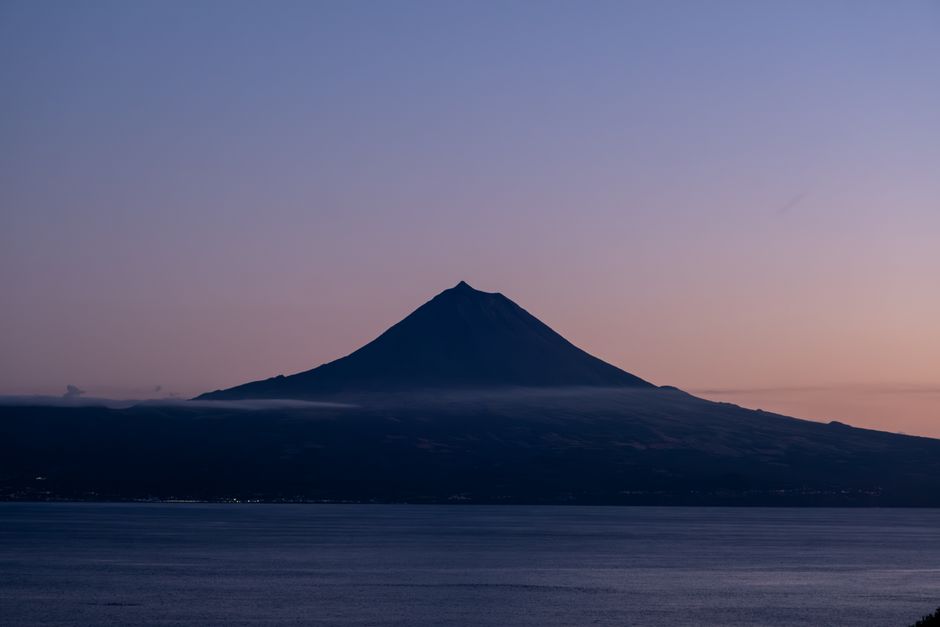
Mount Pico, on Pico island in the Azores, is Portugal’s highest mountain at 2,351 metres: a near-perfect volcanic cone you climb on one marked trail from the Casa da Montanha (Mountain House), at about 1,200 metres. Every climber must register there, carry a GPS tracker and pay a fee: €15 for the full climb on your own, plus €10 to go up the final summit cone (Piquinho), or €5 with a licensed guide. Expect 7 to 8 hours up and down. Book on the regional government’s platform, montanhapico.azores.gov.pt.
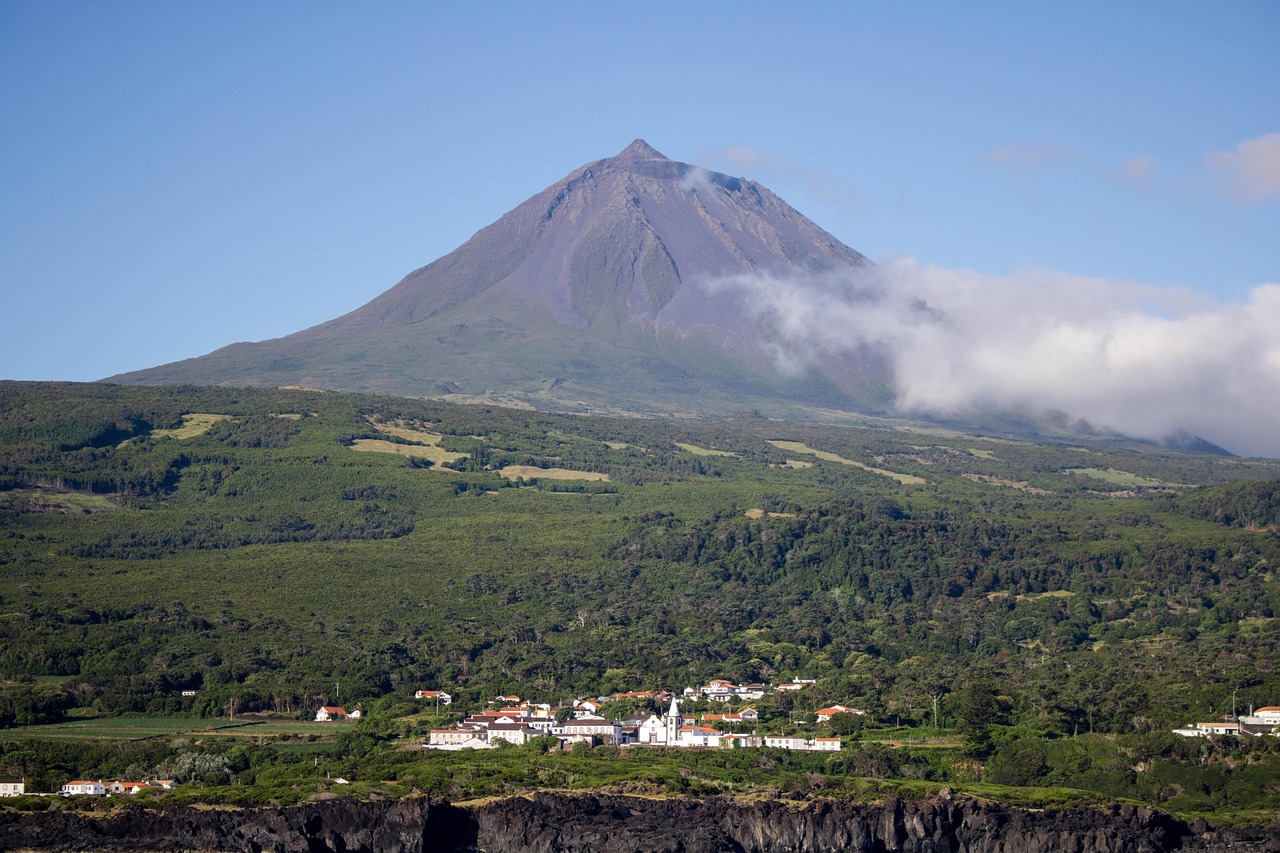
Right now in Mount Pico
- Wed6–11°C43–52°FCloudy
- Thu6–10°C43–51°FMostly clear
- Fri6–9°C42–49°FPartly cloudy
Tickets and tours for Mount Pico
See all tours for Mount Pico →
From local operators, with prices and reviews; you check availability and book on Viator, our partner. We may earn a commission at no extra cost to you. How we earn money
What it is and why it matters
Pico is a stratovolcano rising straight out of the Atlantic; from the summit you look down on the whole island and, on clear days, Faial and São Jorge. Its top is a crater about 500 metres wide, Pico Alto, and inside it rises a smaller cone, Piquinho (or Pico Pequeno), about 70 metres higher: the true summit. The volcano last erupted in 1720 and is dormant; on the Piquinho you may still feel warm vapour escaping from the rock.
The mountain has been a nature reserve since 1972 and is managed as part of the Pico Island Natural Park. Below it, the lava-field vineyards along the coast are a separate UNESCO World Heritage Site. For the islands as a whole, see our Azores travel guide.
The climb
The only permitted route is trail PRC4 PIC Montanha, about 3.8 km each way with roughly 1,150 metres of climbing, marked by numbered wooden posts. It is steep almost all the way, over loose volcanic rock and lava slabs, with no shade. Most people take 3 to 4 hours up to the crater rim and a little less coming down; the descent on loose stones is hard on the knees. From the crater, the last climb onto the Piquinho is a short, steep scramble using your hands.
You can also go only as far as the Furna Abrigo, a shelter part-way up the route, for a shorter outing with big views over the island.
Rules, fees and booking (as of October 2026)
The rules are set by the Azores government’s regulation for access to the Mount Pico Natural Reserve (Portaria 25/2020, as amended and republished by Portaria 64/2023). The fees below are the latest we found in force:
- Register and carry a tracker: every climber registers at the Casa da Montanha (or, when it is closed, at the Madalena volunteer fire station) and is given a GPS tracking device and a safety briefing. Return the tracker at the end; losing or damaging it costs €300, or you can pay a €30 waiver when you collect it.
- Fees for independent climbers: €5 to the Furna Abrigo; €15 for the full climb to the crater; plus €10 extra for the Piquinho; plus €10 extra to spend the night in the crater.
- Fees with a licensed guide or operator: €2 to the Furna Abrigo, €5 for the full climb, plus €5 for the Piquinho. Azores residents are exempt.
- Numbers are capped: 320 climbers a day, 160 on the trail at once (adjustable by up to 25% depending on conditions), 30 at a time on the Piquinho for a maximum of 20 minutes each (up to 60 minutes with a guide), and 32 overnight stays a day in the crater, booked at least 24 hours ahead.
- Booking: on the official platform, which offers up to 90% of daily places. Pay within 48 hours of booking (for bookings in the last 48 hours before the climb, only payment secures the place). You can change the date for free up to 2 hours before, and must collect your tracker within 2 hours of your booked start time or lose the place.
- Casa da Montanha hours: open around the clock from 1 May to 30 September; in April and October from 8:00 on Friday straight through to 20:00 on Sunday, and 8:00–20:00 on other days; from November to March daily 8:00–18:00. Outside these hours only climbers with a licensed guide (and Azores residents) may go up.
- Who can’t climb: children under 5 and pets are not allowed; children aged 5 to 16 need a parent or guardian, who signs a responsibility form. You must carry water and proper mountain clothing and footwear, a torch for night climbs, a tent and sleeping bag to stay overnight, and crampons if there is ice or snow.
- Weather: access is closed under IPMA orange or red warnings, and climbing is not recommended under a yellow warning. Fees paid in advance are refunded if the climb is closed or not recommended.
- Rescue: if you need rescuing after breaking the rules or climbing when it was not recommended, you are charged €1,200.
Regional media have reported that the government is preparing changes to the booking rules, after problems with unused reservations in high season. Check the official platform when you book.
When to go
The weather decides everything. Summer (June to September) is the main season and the busiest, so book ahead; winter brings strong winds, cold and sometimes snow and ice. Clouds often cap the summit, so keep two or three days flexible on the island. Climbers who sleep in the crater or start in the small hours see the sunrise above the clouds.
Getting there
Pico has its own airport, with flights from the other islands. Many visitors come by ferry: Atlânticoline’s boats cross from Horta on Faial to Madalena on Pico in about 30 minutes, several times a day. The Casa da Montanha is up a mountain road in the centre of the island, in the municipality of Madalena; we found no public transport to it, so drive, take a taxi, or climb with a guide who includes transport.
Safety
- This is a serious mountain walk. Wear hiking boots with ankle support, and bring layers, a waterproof jacket, hat, gloves, sun protection, water and food.
- Stay on the marked trail and keep the posts in sight. In fog it is easy to lose the route on the bare rock; that is what the trackers are for.
- Turn back if the weather turns or you are behind time, and consider a licensed guide for a night climb or your first big mountain.
Combine it with
Spend another day in Pico’s UNESCO-listed lava-field vineyards around Criação Velha and Madalena, then cross to Faial for Horta and the volcanic landscape of Capelinhos. On São Miguel, the crater lakes of Sete Cidades make a gentler volcanic day.
Mount Pico FAQ
How much does it cost to climb Mount Pico?
For independent climbers, €15 for the full climb to the crater, plus €10 for the Piquinho summit and €10 more to stay overnight. With a licensed guide the fees are lower (€5 plus €5 for the Piquinho), but you also pay the guide. Azores residents are exempt.
Do I need to book to climb Mount Pico?
You must register and collect a GPS tracker at the Casa da Montanha, and in summer it is wise to book online in advance on montanhapico.azores.gov.pt, as places are capped at 320 a day.
Do I need a guide to climb Mount Pico?
Not when the Casa da Montanha is open; you can climb on your own after registering. Outside its hours only guided climbs are allowed for visitors. A guide is recommended if you lack mountain experience.
Can children climb Mount Pico?
Children under 5 are not allowed. Children aged 5 to 16 may climb with a parent or guardian, who must sign a responsibility form.
Sources
Researched and last reviewed by TravelerCenter on 3 October 2026. Fees, capacity, hours, booking and access rules come from the Azores government’s regulation for the Mount Pico Natural Reserve (Portaria 64/2023, Jornal Oficial dos Açores, 27 July 2023), the latest version we found; the official booking site could not be read by our tools. Trail length and climb times come from the official site as quoted by guides and from visitor guides; the volcano’s facts from standard references; ferry times from Atlânticoline listings. Rules may change, so check montanhapico.azores.gov.pt before you go.
Data: Weather: MET Norway (CC BY 4.0) · Rates: ECB · Costs: World Bank ICP and price levels · © OpenStreetMap contributors (ODBL) · Wikidata (CC0)