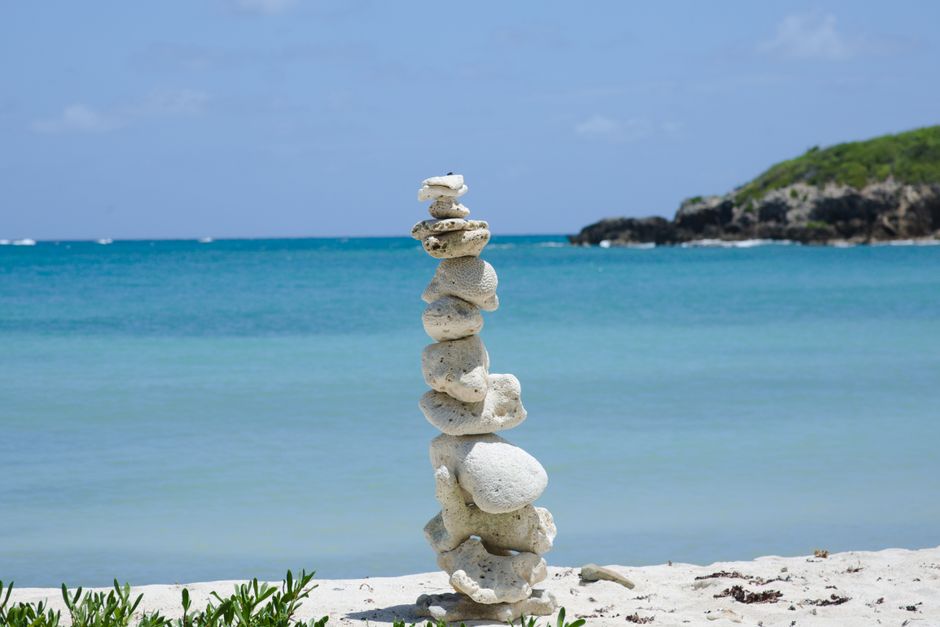
Vieques is the Puerto Rico of a slower age: a hilly island about 21 miles (34 km) long, off the east coast of the main island, with two small towns, wild horses wandering the roads and dozens of beaches with nobody on them. For more than 60 years the US Navy used much of the island for training; since it left in 2003, about half of Vieques has become a national wildlife refuge, which is why so much of the coast is still wild. At night, kayak tours glide across Mosquito Bay, recognized by Guinness World Records in 2006 as the brightest bioluminescent bay in the world. Getting here takes some planning, by a cheap but busy public ferry from Ceiba or a short flight, and once here you will want a jeep. Visit from December to April for the driest weather; summer has calm seas and fewer visitors, and fall is the wettest season and peak hurricane season.
Right now in Vieques (Isabel Segunda)
- Wed25–29°C78–84°F7 mm rain
- Thu27–29°C80–85°F4 mm rain
- Fri29–29°C84–85°F2 mm rain
- Mon 12 Oct Columbus Day (Día de la Raza / Descubrimiento de América)
Top tours in Vieques
See all tours for Vieques →
From local operators, with prices and reviews; you check availability and book on Viator, our partner. We may earn a commission at no extra cost to you. How we earn money
Vieques at a glance
- Best for: empty beaches, snorkeling, a kayak tour of Mosquito Bay, wild horses, and quiet days with no big resorts or cruise crowds.
- How long: 3 nights at least; 4–5 nights to see the beaches and allow for the bio bay on a dark night.
- Best time: December to April, with highs of 83–87 °F (28–31 °C) and the fewest rainy days. June to November is hotter, wetter and hurricane season.
- Getting there: the public ferry from Ceiba, about an hour, or a short flight from San Juan or Ceiba to Vieques Airport (VQS).
- Getting around: rent a jeep or scooter on the island; visitors can’t bring rental cars on the ferry. Island taxis meet the ferry and flights.
- Before you go: entry rules, money, taxes, power cuts and general safety for the whole island are in our Puerto Rico travel guide; for US entry rules, see our United States travel guide.
Vieques’ towns and areas
Vieques has about 8,000 inhabitants, two small towns on opposite coasts and a lot of open country in between. The island is part of the Spanish Virgin Islands, together with Culebra to the north.
Isabel Segunda
The main town, on the north coast, has the ferry terminal, the town hall, banks, supermarkets and gas stations, and the small Fortín Conde de Mirasol, the last fort built by Spain in the Americas, now a museum. It is the practical base, with guesthouses and restaurants, but most visitors move on to the south coast.
Esperanza
A fishing village turned easygoing beach town on the south coast, with a waterfront Malecón lined with bars, restaurants and tour shops. Most Mosquito Bay tours meet here, and Sun Bay, the island’s main public beach, is next door. Best for first-timers who want restaurants within walking distance.
The countryside and the refuge
Between the towns, guesthouses and vacation rentals are scattered across the green hills, often with sea views and pools. The Vieques National Wildlife Refuge covers much of the east and west ends of the island, with its beaches reached by dirt roads.
Top things to see on Vieques
Prices and hours below were checked on the official sites in October 2026, unless we say otherwise; check again before you go.
Mosquito Bay (Puerto Mosquito)
This shallow, mangrove-lined bay on the south coast glows blue-green at night when you move through the water, thanks to billions of tiny single-celled microorganisms called dinoflagellates. According to Discover Puerto Rico, Guinness World Records named it the brightest bioluminescent bay in the world in 2006. The bay is a nature reserve managed by Puerto Rico’s Department of Natural Resources and Environment (DRNA), and visits are by guided tour only: licensed operators take small groups out by kayak, including clear-bottomed kayaks, or electric boat, usually leaving Esperanza just after sunset and again later in the evening. Swimming in the bay is not allowed, and you should not wear insect repellent or sunscreen in the water, as chemicals harm the microorganisms. The glow is brightest on dark nights; many operators don’t run trips around the full moon, so check the moon calendar before you book, and book ahead in winter.
The wildlife refuge beaches
The Vieques National Wildlife Refuge, run by the US Fish and Wildlife Service, holds some of the island’s best beaches. In the east, a road leads past Caracas (Red Beach), Pata Prieta and La Chiva (Blue Beach), with clear water, reefs and shady gazebos for picnics. According to the Fish and Wildlife Service, visitors can swim, snorkel, dive, kayak, fish, hike, cycle and ride horses in the areas open to the public, but driving off road, flying drones, camping, open fires and removing plants or animals are prohibited. Bicycles and horses are not allowed on the beaches.
Much of the refuge is a former military range, and the US Environmental Protection Agency lists large parts of it and its surrounding waters as a Superfund site, still being cleaned up by the Navy. Areas closed to the public must not be entered by land or sea at any time; stay on the open roads, trails and beaches, and never touch metal objects you find, as unexploded munitions remain in closed zones.
Sun Bay and Esperanza
Sun Bay (Sombé) is a long, curving public beach with facilities, shaded by palms, a short walk or drive from Esperanza. Nearby Media Luna has calm, shallow water for small children, and Navío is good for bodysurfing. End the day on Esperanza’s Malecón with dinner and sunset.
More to see
- Playa Negra: a black-sand beach reached by a short walk along a stream bed on the south coast.
- The ceiba tree: a giant, centuries-old ceiba in the west of the island, a favorite stop on a drive around.
- Puerto Mosquito lookout: a refuge trail to an observation platform over Mosquito Bay and Puerto Ferro, worth seeing by day.
- Fortín Conde de Mirasol: the small fort and museum above Isabel Segunda.
- The wild horses: hundreds of horses roam freely; drive slowly, especially at night, and don’t feed them.
Other things to do on Vieques
Snorkeling, diving and kayaking
Reefs lie just off many south-coast beaches, and the refuge beaches have some of the clearest water. Dive shops in Esperanza run trips to offshore reefs and walls. Kayak and paddleboard tours explore the mangroves by day. Never touch or stand on coral, wear reef-friendly sunscreen, and keep away from sea turtles and manatees.
Hiking, cycling and wildlife
The refuge has trails through dry forest and mangroves; one connects with Caracas Beach. Birdwatching is good all year and best in winter, when migratory species arrive. Cycling is pleasant early in the morning on the quieter roads; carry plenty of water and lock your bike.
Beach safety and sargassum
Most Vieques beaches have no lifeguards, so check conditions before you swim, stay out of the water when waves are big, and never swim alone. North-coast beaches catch the winter swells; the south coast is usually calmer. Don’t leave anything in a parked jeep at the beach, as break-ins happen. Sargassum seaweed drifts in from the Atlantic, mostly from spring to late summer, and east- and south-facing beaches are often the most affected. According to the University of South Florida’s Sargassum Watch outlook for September 2026, 2026 is one of the largest sargassum years on record, but amounts were falling in September and were expected to keep falling until about November. If one beach is covered, another may be clear; ask locally.
Day trips and onward travel
Culebra
The smaller island of Culebra, north of Vieques, is famous for Flamenco Beach, a horseshoe of white sand often ranked among the best in the Caribbean, and for snorkeling at Tamarindo and Carlos Rosario. According to the operator Puerto Rico Ferry, ferries run between Vieques and Culebra with an adult fare of $2.00 as of October 2026, but sailings are less frequent than those to Ceiba, so check the timetable carefully; small planes are another option.
Fajardo and El Yunque
Back on the main island, Fajardo has marinas, catamaran trips and its own bioluminescent lagoon, and El Yunque National Forest is about 45 minutes from the Ceiba ferry terminal. See our El Yunque National Forest travel guide.
Nearby destinations
- El Yunque National Forest43 km
- San Juan82 km
- Rincón194 km
Getting there and getting around
By ferry from Ceiba
The public ferry leaves from the Ceiba terminal at the former Roosevelt Roads naval base on the east coast, about an hour’s drive from San Juan, and arrives in Isabel Segunda. According to the operator Puerto Rico Ferry, which runs the service for the Puerto Rico government’s Maritime Transport Authority (ATM), the crossing takes about an hour, and as of October 2026 a one-way ticket from Ceiba to Vieques costs:
- Adults (13–59): $2.00
- Children (4–12) and adults aged 60–74: $1.00
- Babies (0–3) and people aged 75 and over: free, with tickets sold only at the terminal ticket windows
- Extra items: one small carry-on is free; coolers cost $2, beach chairs and umbrellas $1, bicycles $2 and surfboards $6 each way
Visitors buy tickets online at puertoricoferry.com or in the City Experiences app, where a limited number of seats are held for advance sale, or at the terminal on the day of travel. Arrive at least an hour before departure, as boarding closes 10 minutes before the ferry leaves; bring photo ID; and remember that all sales are final, though tickets can be transferred to another sailing at least an hour before departure, up to twice. Vehicles are carried only if they belong to residents of Vieques or Culebra, so leave your rental car in Ceiba’s parking lot and rent a jeep on the island. Ferries fill up on weekends, holidays and summer days, and sailings are sometimes changed or cancelled because of the weather or vessel problems: check the operator’s service alerts the day before, and leave a spare day before an onward flight.
By air
Small planes fly to Vieques Airport (VQS), the Antonio Rivera Rodríguez Airport on the island’s north coast, from San Juan’s main airport (SJU), from Isla Grande Airport (SIG) near Old San Juan and from José Aponte de la Torre Airport (NRR) in Ceiba. According to Discover Puerto Rico, the flight from Isla Grande takes about 25 minutes. Baggage limits are strict on these small aircraft, so pack light. Flying avoids the drive to Ceiba and the ferry lines, and it is the most reliable option when sea conditions are rough.
On the island
Rent a jeep or SUV in advance, especially in winter, as the island’s fleet is small and many beach roads are rough dirt tracks. Taxis and shared vans (públicos) meet the ferry and planes and run between Isabel Segunda and Esperanza, but service is limited at night. Gas stations are only in and around Isabel Segunda. Drive slowly: there are horses, potholes and few streetlights.
When to go and how long to stay
Vieques is warm all year and drier than San Juan, with a breezy winter and a hot, humid summer. There is no NOAA climate normals station on Vieques, so the table uses NOAA’s 1991–2020 normals for the Roosevelt Roads station in Ceiba, about 12 miles (19 km) away across the sound at the ferry terminal: average daily highs and lows, and days with at least 0.10 in (2.5 mm) of rain.
| Season | Average high / low | Rainy days per month | What it’s like | Good for |
|---|---|---|---|---|
| Winter (Dec–Feb) | 83–84 °F (28–29 °C) / 71–73 °F (22–23 °C) | 4–8 | Warm, breezy and fairly dry; north-coast swells | Beaches, bio bay tours, hiking; peak prices |
| Spring (Mar–May) | 84–87 °F (29–30 °C) / 72–75 °F (22–24 °C) | 6–8 | March is the driest month; showers return in May | Snorkeling, kayaking, quieter beaches after Easter |
| Summer (Jun–Aug) | 88–89 °F (31–32 °C) / 77–78 °F (25 °C) | 7–10 | Hot and humid, calm seas, short showers; sargassum most likely | Diving and snorkeling, family trips |
| Fall (Sep–Nov) | 89 °F falling to 86 °F (32 to 30 °C) / 76 °F falling to 75 °F (25 to 24 °C) | 10–11 | Wettest season and peak hurricane season | Low prices and empty beaches; flexible plans |
Roosevelt Roads averages about 51 in (1,290 mm) of rain a year, from about 1.8 in (47 mm) in March to about 6.7 in (170 mm) in May.
Hurricane season: according to NOAA’s National Hurricane Center (NHC), the Atlantic hurricane season runs from 1 June to 30 November, with most activity from mid-August to mid-October. Hurricanes Irma and Maria hit Vieques and Culebra in September 2017, and recovery on the islands took years. As of 4 October 2026, the 2026 season had produced eight tropical storms and no hurricanes, according to the NHC. Ferries and flights stop when a storm approaches and the islands have limited medical services, so if one threatens, leave early or follow local emergency orders, and buy travel insurance for trips in season.
How long to stay: 3, 4 and 5 nights
3 nights: day one, arrive by ferry or plane, pick up a jeep and spend the afternoon at Sun Bay, with dinner on the Malecón and a Mosquito Bay tour; day two, the refuge beaches of the east, from Caracas to La Chiva, with snorkeling and a picnic; day three, Playa Negra, the ceiba tree and the west coast before an evening flight or ferry.
4 nights: add a day trip to Culebra and Flamenco Beach. 5 nights: add a dive trip or a lazy day, and keep a spare evening for the bio bay if the first night is cloudy or bright.
Where to stay on Vieques and the hotel tax
- Esperanza: guesthouses, small hotels and apartments within walking distance of the Malecón and Sun Bay.
- Isabel Segunda: simple guesthouses near the ferry, handy for early departures.
- The hills: vacation rentals and small boutique inns with views and pools; you will need a car.
Vieques has no big all-inclusive resorts, and most rooms are in guesthouses and vacation rentals, so book early for winter and holidays. As of October 2026, under Puerto Rico’s Room Occupancy Rate Tax Act, the room tax is 9% at hotels and 7% at certified bed and breakfasts and short-term rentals such as Airbnb and Vrbo. Some properties add cleaning or service fees; under the Federal Trade Commission’s fees rule, in force since May 2025, mandatory fees must be included in the total price advertised. Ask whether your accommodation has a generator and water tank, as power and water cuts happen on the island.
Practical tips for Vieques
- Book the jeep first: rental cars run out in winter and on holidays.
- Carry cash: there are only a few ATMs, and card machines fail when the power or internet goes down.
- Stock up: supermarkets are small; buy water, snacks and sunscreen in Isabel Segunda.
- Check the moon: plan your Mosquito Bay tour for a dark night.
- Respect closed areas: never enter closed refuge zones, by land or sea.
- Emergencies: call 911; serious medical cases are flown to the main island.
What to pack for Vieques
Pack swimwear, a rash guard, reef-friendly sunscreen, a hat, polarized sunglasses and water shoes for rocky entries. Bring your own mask and snorkel, a dry bag for the ferry and kayak, and a small cooler bag for beach days, remembering that coolers cost extra on the ferry. Add insect repellent for the sandflies and mosquitoes at dusk (but not in the bio bay), a flashlight and a power bank for outages, and enough of any medicines you need.
Vieques travel FAQ
How much is the ferry to Vieques?
As of October 2026, $2.00 one way for adults aged 13–59 and $1.00 for children aged 4–12 and adults aged 60–74; babies and people aged 75 and over travel free. Extra items such as coolers and surfboards cost extra.
How long is the ferry from Ceiba to Vieques?
About an hour, according to the operator. Arrive at the Ceiba terminal at least an hour before departure, as boarding closes 10 minutes before the ferry leaves.
Can I take a rental car to Vieques?
No. As of October 2026, only vehicles owned by residents of Vieques and Culebra are carried. Leave your car in Ceiba and rent a jeep on the island.
Can I fly to Vieques?
Yes. Small planes fly to Vieques Airport (VQS) from San Juan’s main airport, from Isla Grande Airport near Old San Juan and from Ceiba. The flight from Isla Grande takes about 25 minutes.
Can you swim in Mosquito Bay?
No. Visits are by guided kayak or boat tour with a licensed operator, and swimming is not allowed, to protect the microorganisms that make the water glow.
When is the best time to see the Vieques bio bay?
On a dark night, around the new moon and away from the full moon, after sunset. It glows all year, but rain and moonlight make it look dimmer.
Is Vieques safe to visit?
Yes, for most visitors. Use common sense with your belongings, don’t swim alone on unguarded beaches, drive slowly because of horses, and never enter closed areas of the former Navy range.
How many days do you need on Vieques?
At least three nights, to see the refuge beaches, Esperanza and Mosquito Bay. Four or five nights let you add Culebra and allow for a bright or cloudy night.
What is the hotel tax on Vieques?
As of October 2026, 9% at hotels and 7% at bed and breakfasts and short-term rentals, under Puerto Rico’s room tax law. Some rentals add cleaning fees.
Do I need a passport to visit Vieques?
Not if you are a US citizen: Vieques is part of Puerto Rico, a US territory. International visitors follow US entry rules, with an ESTA or a US visa.
Plan your trip
Partner links: TravelerCenter may earn a commission if you book, at no extra cost to you.
🇪🇸 Useful Spanish phrases for Vieques
All 38 Spanish phrases: restaurant, hotel, emergencies, romance (printable) →
Sources · last reviewed 4 October 2026
Researched and last reviewed on 4 October 2026. Ferry fares, rules and crossing time: Puerto Rico Ferry; airports: Puerto Rico Ports Authority; flight time and Mosquito Bay’s Guinness recognition: Discover Puerto Rico; refuge rules, history and the Superfund cleanup: US Fish and Wildlife Service (Vieques National Wildlife Refuge); hotel room tax: Puerto Rico’s Room Occupancy Rate Tax Act; hurricanes: NOAA’s National Hurricane Center; sargassum: University of South Florida’s Sargassum Watch; resort and rental fees: Federal Trade Commission; climate: NOAA’s 1991–2020 normals for Roosevelt Roads, Ceiba. Bio bay tour rules (no swimming, full-moon closures), island population, beach descriptions and driving tips come partly from secondary sources and are flagged for checking. Prices and timetables change, so check the official sites before you go. For US entry rules, see our United States travel guide.
Data: Weather: MET Norway (CC BY 4.0) · Sea temperature: NOAA CoastWatch · Rates: ECB · Holidays: Nager.Date · Costs: World Bank ICP and price levels · Wikidata (CC0)