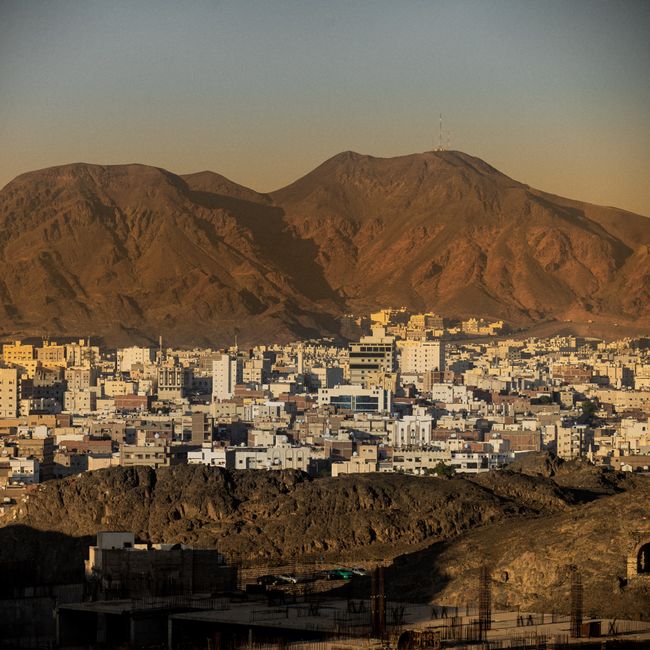
Abha, the capital of the Asir region in southwest Saudi Arabia, sits at about 2,100–2,200 m (6,900–7,200 feet) in the Sarawat Mountains, where fog rolls over green, terraced slopes and summer temperatures stay around 30 °C (86 °F) while the lowlands bake. For Saudis and Gulf visitors, it is the kingdom’s favorite summer escape, with parks among juniper forests, cable cars and walkways along cliff edges, evening events in the Aseer Summer season and the painted interiors of Asiri houses. West of the city, the road drops through the Soudah highlands, home to some of the highest peaks in Saudi Arabia, to Rijal Almaa, a village of stone tower houses up to eight stories high, decorated with the colorful patterns of Al-Qatt Al-Asiri art. Honey, coffee and fruit grow on the terraces, and in August rains bring waterfalls to the escarpment. About 330,000 people live in Abha, which forms a twin city with Khamis Mushait. Abha has a mild highland climate: summer highs are about 29–31 °C (84–89 °F), winter days are about 20–22 °C (68–71 °F), and nights are cool all year.
Right now in Abha
- Wed16–25°C61–76°F1 mm rain
- Thu16–25°C60–77°F1 mm rain
- Fri15–21°C59–70°F1 mm rain
Top tours in Abha
See all tours for Abha →
From local operators, with prices and reviews; you check availability and book on Viator, our partner. We may earn a commission at no extra cost to you. How we earn money
Abha at a glance
- Best months: June to September for cool summer days, events and green landscapes; October to March for clear, crisp weather and fewer crowds.
- Time needed: two days for the city, Soudah and Rijal Almaa; four days with the Al-Habla cliffs and the mountain roads; a week with Al-Namas and Tanomah to the north.
- Getting there: Abha International Airport (AHB) has domestic flights from Riyadh, Jeddah and Dammam; check your flight status before you travel, as southern airports can close temporarily.
- Costs (as of October 2026): Saudi tourist e-visa SAR 535 including health insurance; summer hotel rates rise sharply.
- Before you go: visas, the dress code, alcohol prohibition and medicine rules are covered in our Saudi Arabia travel guide.
Abha areas and who each one suits
Central Abha and Al-Muftaha
The old center around the Abha Dam lake and the Al-Muftaha arts village, with restored Asiri houses, galleries, markets and Art Street, the city’s lively summer promenade. Good for a first stay without a car.
Abha Sky and the western ridge
The ridge above the city has viewpoints, the Dakah Abha summer venue, hotels and restaurants with views of the sunset over the escarpment.
Al-Soudah
About 20–30 km (12–19 miles) west, among juniper forests and cloud-capped peaks, with mountain resorts, chalets and parks. Cooler and greener; best with a car.
Khamis Mushait
The larger neighboring city, about 25 km (16 miles) east, with malls, more hotels and Abha’s airport nearby. Practical rather than scenic.
Top things to see in Abha
Al-Soudah and the highlands
The Soudah highlands, west of Abha, include some of the highest mountains in Saudi Arabia, around 3,000 m (9,800 feet). Juniper forests, terraced fields and stone villages cling to the edge of the escarpment, and fog often fills the valleys in the afternoon. Al-Soudah Park is one of the most visited summer destinations in Asir, with picnic areas and viewpoints, and new mountain resorts are being developed in the area. Temperatures in summer can drop below 20 °C (68 °F) in the highlands after rain.
Rijal Almaa
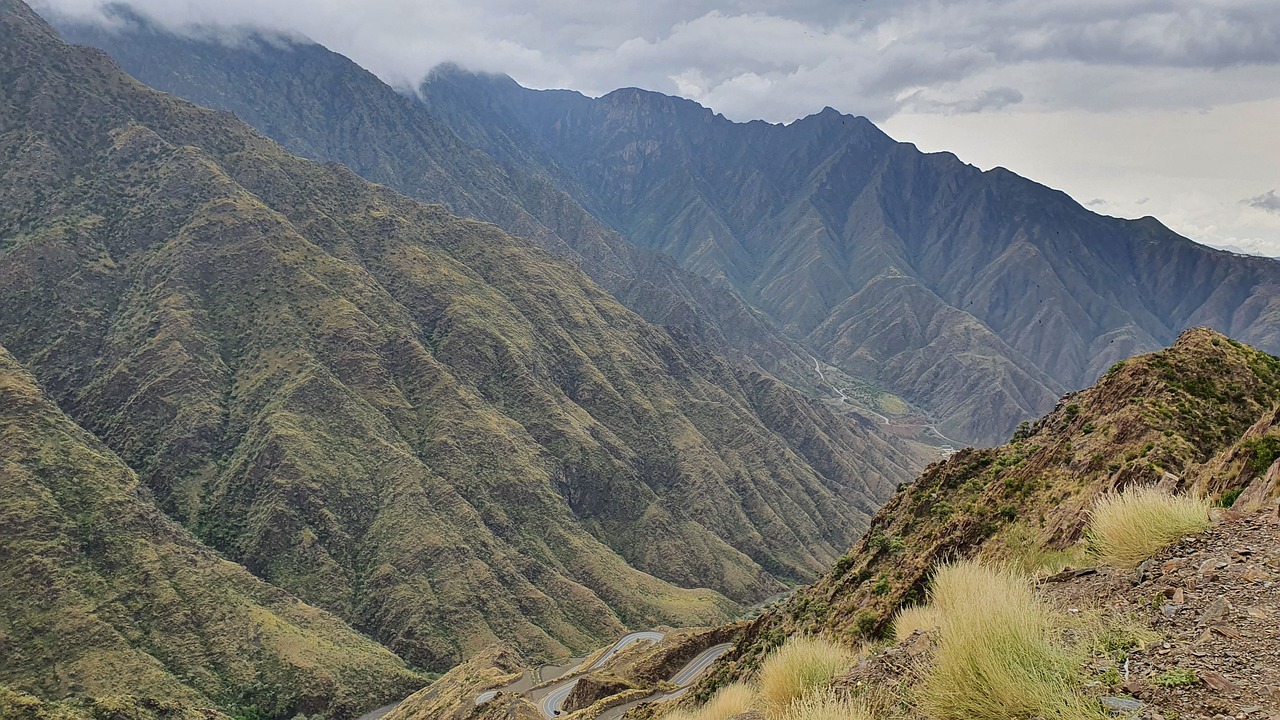
About 45 km (28 miles) west of Abha, reached by a dramatic road through Al-Soudah and down the Aqabat Sama pass, Rijal Almaa is a heritage village of stone, mud and wood buildings dating back more than three centuries, some up to eight stories tall. Their facades and interiors are decorated with Al-Qatt Al-Asiri art, the geometric wall painting traditionally done by Asiri women. A heritage museum founded in 1985 displays local crafts, weapons, jewelry and manuscripts. The area is famous for honey, with the Honey Cottage explaining local varieties and beekeeping, and in August the rains turn the mountains green, with waterfalls flowing for weeks.
Al-Habla
A village once reached only by ropes down the cliff face (habla means rope), Al-Habla sits on a ledge of the escarpment south of Abha. A cable car takes visitors down from the cliff-top park for views of the sheer drops and the restored village; check operating hours locally, as they change by season.
Art Street and Al-Muftaha
Art Street, a promenade of cafes, restaurants, light installations and open-air spaces, is the center of Abha’s summer evenings, busy until late. Nearby, the Al-Muftaha village has studios and galleries showcasing Asiri art.
Dakah Abha and the Abha Sky area
In the Aseer Summer season, the Dakah Abha venue on the ridge combines sunset views, shopping, restaurants, cafes and food trucks, with elevated seating overlooking the city.
Al-Dabab Walkway and Sama Abha Gardens
The walkway along the mountain ridge and the city’s gardens are popular for evening strolls in summer, with views across the valleys.
Abha Dam lake and the old center
Near the center, the lake behind the Abha Dam is ringed by parks and walking paths that fill with families on summer evenings. The surrounding old quarters still have traditional Asiri houses of stone and mud with narrow windows framed in white, and small museums and restored palaces present the region’s history; ask at your hotel about current opening times, as many heritage buildings are being restored.
Asiri villages and architecture
Across Asir, villages of stone towers stand on ridges and above terraced fields, built for defense and to store grain. Their walls are layered with flat stones that jut out to shed rain from the mud-brick, and their interiors are often painted with Al-Qatt Al-Asiri patterns, a tradition passed down by women and recognized as part of the region’s intangible heritage. Driving the back roads between Abha, Al-Soudah and Rijal Almaa, you’ll pass many abandoned and restored villages; stop at viewpoints and respect private property, asking before entering any house or photographing residents.
Other things to do in Abha
- Mountain drives: the roads north to Al-Namas and Tanomah pass forests, terraces and stone towers, best in the morning before the fog.
- Honey and coffee: buy local Sidr and Talh honey in Rijal Almaa and the Abha markets, and taste Asiri coffee.
- Markets: the Tuesday market (Souq Al-Thulatha) sells local produce, crafts and incense.
- Hiking: walk the trails of Al-Soudah and the escarpment edges with care, and only in clear weather.
- Aseer Summer events: family entertainment, concerts and festivals across the region from June to August.
Food and drink
Asir has its own cuisine. Try areeka (bread kneaded with butter and honey), haneeth (slow-cooked lamb), masabeeb (pancakes with honey or ghee), and flat breads baked in clay ovens, all washed down with local coffee. The region’s honey is among the most prized in the country. Cafes and restaurants line Art Street and the ridge above the city, and many restaurants have outdoor seating with views in summer. Alcohol is prohibited in Saudi Arabia.
Day trips from Abha
Rijal Almaa
About 45 km (28 miles) west through Al-Soudah and the Aqabat Sama pass; allow a full day with stops at viewpoints and the museum.
Al-Namas and Tanomah
About 150 km (93 miles) north along the mountain road, with forests, stone villages and summer parks; a long but scenic day.
Khamis Mushait
The neighboring city for markets and shopping, about 30 minutes east.
Getting there and getting around
Abha International Airport (AHB)
The airport, between Abha and Khamis Mushait, has domestic flights from Riyadh, Jeddah, Dammam and other cities, and some international flights. The authorities can close airports near the southern border temporarily at short notice, and Abha’s airport is among them. Since early 2026, regional tensions have also led to periodic airspace closures across the Gulf, so flights can be delayed, rerouted or canceled; check your flight with the airline and the airport’s status before you travel.
Getting around
There is little public transport for visitors, so most people rent a car or use taxis and ride-hailing apps. The mountain roads are steep and winding, with hairpin bends on the passes to Rijal Almaa; drive slowly, use low gears on descents and avoid driving in thick fog or after dark. In summer, roads to Abha and the parks are busy, and traffic police manage access to popular sites.
Driving from other cities
Abha is about 900 km (560 miles) from Riyadh and about 600 km (370 miles) from Jeddah by road, long drives that most visitors replace with a flight.
When to go and how long to stay
June to September is the high season, when Abha’s highs of about 29–31 °C (84–89 °F) make it much cooler than the lowlands, and rain, fog and green landscapes add to the appeal; July and August bring summer storms. October to February is dry, sunny and quieter, with days of about 20–26 °C (68–80 °F) and cold nights around 8 °C (46 °F) in midwinter. March to May is the wettest period, with afternoon thunderstorms and the risk of hail. Asir gets more rain than most of Saudi Arabia, about 200 mm (8 inches) a year in Abha.
| Month | Average high | Average low | Rain | Highest recorded |
|---|---|---|---|---|
| Jan | 20 °C (68 °F) | 8 °C (47 °F) | 13 mm (0.5 in) | 27 °C (81 °F) |
| Feb | 22 °C (71 °F) | 10 °C (49 °F) | 12 mm (0.5 in) | 28 °C (83 °F) |
| Mar | 24 °C (74 °F) | 12 °C (53 °F) | 35 mm (1.4 in) | 30 °C (86 °F) |
| Apr | 26 °C (79 °F) | 14 °C (56 °F) | 39 mm (1.5 in) | 31 °C (88 °F) |
| May | 29 °C (84 °F) | 15 °C (60 °F) | 26 mm (1.0 in) | 34 °C (92 °F) |
| Jun | 31 °C (89 °F) | 17 °C (63 °F) | 8 mm (0.3 in) | 35 °C (95 °F) |
| Jul | 31 °C (88 °F) | 18 °C (64 °F) | 22 mm (0.9 in) | 35 °C (96 °F) |
| Aug | 31 °C (87 °F) | 17 °C (63 °F) | 26 mm (1.0 in) | 36 °C (96 °F) |
| Sep | 30 °C (86 °F) | 16 °C (60 °F) | 6 mm (0.2 in) | 34 °C (93 °F) |
| Oct | 26 °C (80 °F) | 12 °C (54 °F) | 4 mm (0.2 in) | 30 °C (87 °F) |
| Nov | 23 °C (74 °F) | 10 °C (49 °F) | 7 mm (0.3 in) | 28 °C (82 °F) |
| Dec | 21 °C (70 °F) | 8 °C (46 °F) | 2 mm (0.1 in) | 27 °C (80 °F) |
| Year | 26 °C (79 °F) | 13 °C (55 °F) | 201 mm (7.9 in) | 36 °C (96 °F) |
Figures are the 1991–2020 climate normals for the Abha station (2,093 m, or 6,867 feet, above sea level) that Saudi Arabia’s National Center for Meteorology submitted to the World Meteorological Organization; “highest recorded” is the hottest day in each month over those 30 years. Al-Soudah and the higher peaks are several degrees cooler.
Events worth planning around
- Aseer Summer season (late June to August): concerts, family events, Art Street’s light installations and the Dakah Abha venue; in 2026 some events ran from 25 June to 31 August.
- August rains: waterfalls and green slopes around Rijal Almaa.
- Eid holidays: Abha fills with domestic visitors; book hotels early.
- Ramadan: in 2027 expected from about 8 February to 9 March, a quiet, cool time to visit.
Dates change each year; check with the organizers.
How long to stay: 2, 4 and 7 days
- Two days: Art Street and Al-Muftaha; Al-Soudah and Rijal Almaa.
- Four days: add Al-Habla, the Abha Sky ridge at sunset, the Tuesday market and a mountain hike.
- Seven days: add the drive north to Al-Namas and Tanomah, staying in mountain chalets.
Where to stay in Abha
- Central Abha: mid-range hotels near Art Street and the dam lake.
- The ridge and Abha Sky: hotels with views over the city and the escarpment.
- Al-Soudah: mountain resorts and chalets among the forests.
- Khamis Mushait: business hotels near the airport, with lower prices.
Summer is peak season, and prices rise sharply during the Eid holidays; book ahead and compare total prices with VAT and fees.
Typical costs in Abha
| Item (as of October 2026) | Saudi riyals | About US dollars |
|---|---|---|
| Tourist e-visa, including health insurance | SAR 535 | $143 |
| Taxi from the airport to central Abha | about SAR 50–80 | about $13–21 |
| Car rental, per day | about SAR 150–300 | about $40–80 |
| Jar of local honey (500 g) | about SAR 100–400 | about $27–107 |
| Casual restaurant meal | about SAR 25–60 | about $7–16 |
| Mid-range hotel room, per night in summer | about SAR 350–900 | about $93–240 |
The visa price is official; the other items are typical ranges, and summer and Eid prices are higher. The riyal is pegged at about SAR 3.75 to US$1.
Safety in Abha
Abha itself is a calm city with low crime. The main risks are mountain roads, weather and regional restrictions.
- Mountain roads and fog: fog can cut visibility to a few meters in minutes; slow down, use lights and avoid driving the passes after dark.
- Storms, hail and flash floods: spring and summer thunderstorms can bring hail and sudden floods in wadis; never cross flowing water and follow Civil Defense alerts.
- Altitude and sun: at over 2,000 m (6,600 feet), the sun is strong and some visitors feel short of breath on climbs; take it easy on your first day.
- Cliff edges: stay behind barriers at viewpoints and on walkways.
- Dress codes, alcohol and medicines: cover elbows and knees in public, remember that alcohol is prohibited in Saudi Arabia, and get an SFDA clearance permit for controlled medicines before you travel.
- Restricted areas: the Saudi tourism authorities have banned tourist trips to military zones and border posts, and photographing military or government sites is illegal.
- Flight and airport disruptions: the authorities can close airports near the southern border temporarily, including at short notice, and periodic airspace closures have affected the Gulf since early 2026. Check your flight with the airline before you travel, follow instructions from the local authorities and heed the Saudi Civil Defense early-warning alerts sent to phones.
- Emergencies: call 911 for police, ambulance and fire, or 112 from a phone without a Saudi SIM card.
Practical tips for Abha
- Time zone: Arabia Standard Time (UTC+3) all year.
- Weekend: Friday and Saturday; summer weekends and Eid holidays are very busy.
- Money and plugs: cards work almost everywhere; carry some cash for markets and village stalls. Sockets are mostly type G (British three-pin) at 230 V.
What to pack for Abha
Pack layers: a light jacket or fleece for cool evenings and fog, a rain jacket for summer storms, and warmer clothes from November to February. Bring comfortable walking shoes with good grip, sunglasses and sunscreen for the strong mountain sun, and loose clothes that cover elbows and knees. Carry medicines in their original packaging with a prescription.
Abha travel FAQ
When is the best time to visit Abha?
June to September for cool summer weather and events; October to February for clear skies and fewer visitors.
How cool is Abha in summer?
Average highs are about 29–31 °C (84–89 °F), far cooler than Riyadh or Jeddah, and the Soudah highlands are cooler still.
How do I get to Rijal Almaa from Abha?
By car or tour, about 45 km (28 miles) west through Al-Soudah and down the Aqabat Sama pass.
Is Abha’s airport open?
It operates domestic and some international flights, but the authorities can close airports near the southern border temporarily at short notice. Check your flight with the airline before you travel.
Do I need a car in Abha?
It’s the easiest way to reach Al-Soudah, Rijal Almaa and Al-Habla; taxis and ride-hailing apps work in the city.
What is Al-Qatt Al-Asiri?
The traditional geometric wall painting of Asir, done in bright colors in homes and seen in Rijal Almaa and the Al-Muftaha village.
Does it rain in Abha?
Yes, more than in most of Saudi Arabia: about 200 mm (8 inches) a year, mostly in spring and summer thunderstorms.
What should I eat in Abha?
Areeka with honey and butter, haneeth, masabeeb and the region’s prized local honey.
How far is Abha from Jeddah?
About 600 km (370 miles) by road; flights take about 1.5 hours.
Are there restricted areas near Abha?
Yes. The Saudi tourism authorities have banned tourist trips to military zones and border posts, so tours stay within the main visitor areas of Asir.
Plan your trip
Partner links: TravelerCenter may earn a commission if you book, at no extra cost to you.
🇪🇬 Useful Arabic phrases for Abha
All 38 Arabic phrases: restaurant, hotel, emergencies, romance (printable) →
Sources · last reviewed 5 October 2026
Researched and last reviewed on 5 October 2026. Rijal Almaa’s heritage village, museum, honey and August waterfalls, Aseer Summer 2026 events, Art Street, Dakah Abha, Al-Soudah Park, Al-Habla, Al-Dabab Walkway and Sama Abha Gardens, and summer temperatures in the highlands come from the Saudi Press Agency; airport closures near the southern border, the ban on tourist trips to military zones and border posts, laws, flooding and emergency numbers from GOV.UK’s Saudi Arabia travel information (updated 20 September 2026); airspace disruption from the European Union Aviation Safety Agency; climate from the 1991–2020 normals Saudi Arabia submitted to the World Meteorological Organization; population and coordinates from Wikidata. Altitudes, peak heights, the Al-Habla cable car, the Tuesday market, cuisine, road distances and flight times, Al-Namas and Tanomah, Ramadan 2027 dates and typical prices are general references and flagged for checking. For entry rules and money, see our Saudi Arabia travel guide.
Data: Weather: MET Norway (CC BY 4.0) · Rates: ECB · Costs: World Bank ICP and price levels · Wikidata (CC0)