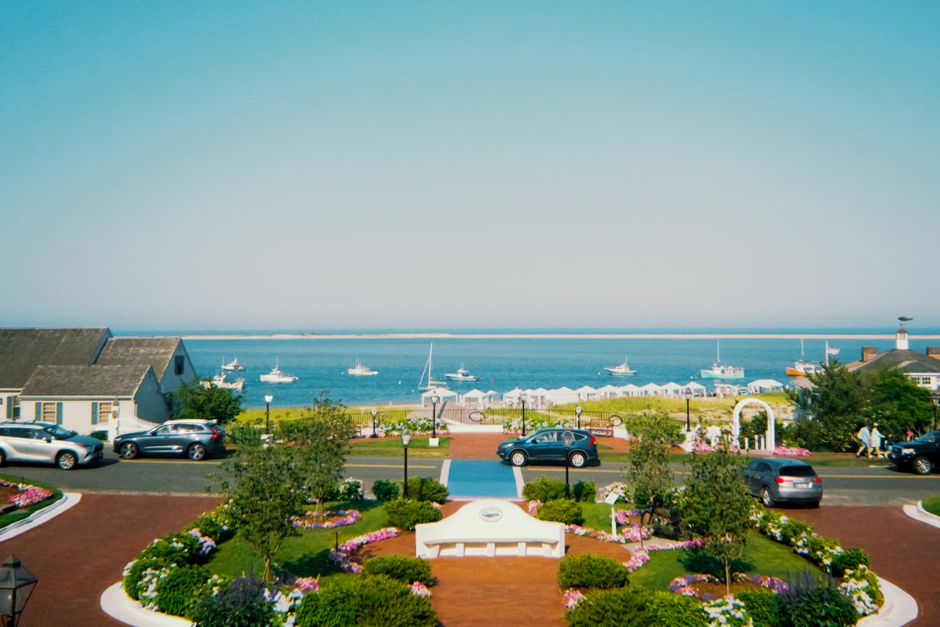
Cape Cod is the sandy, hook-shaped peninsula that curls about 65 miles (105 km) into the Atlantic from southeastern Massachusetts, a 1½- to 2-hour drive from Boston without traffic. It is New England’s classic summer coast: long ocean beaches and dunes protected by the Cape Cod National Seashore, lighthouses on eroding cliffs, salt marshes, cranberry bogs, shingled cottages and clam shacks, and fifteen towns with their own character, from historic Sandwich to busy Hyannis, elegant Chatham and lively, artistic Provincetown at the very tip. Ferries cross to the islands of Martha’s Vineyard and Nantucket, and humpback whales feed offshore from spring to fall. July and August are busy and booked up well ahead; June and September are often the best months, and many shops, restaurants and inns close from November to April.
Right now in Cape Cod (Hyannis)
- Tue 8–15°C 47–60°F Clear
- Wed 7–16°C 44–61°F Clear
- Thu 15–21°C 58–69°F Partly cloudy
- Mon 12 Oct Columbus Day · regional holiday in Massachusetts
Weather: MET Norway (CC BY 4.0) · Sea temperature: NOAA CoastWatch · Air quality: OpenAQ · Holidays: Nager.Date
Top tours in Cape Cod
See all tours for Cape Cod →
From local operators, with prices and reviews; you check availability and book on Viator, our partner. We may earn a commission at no extra cost to you. How we earn money
Cape Cod at a glance
- Best for: beaches and dunes, lighthouses, bike trails, whale watching, seafood, small-town New England and island hopping.
- How long: a long weekend for one area; a week to see the Outer Cape and Provincetown and add a day on Martha’s Vineyard or Nantucket.
- Best time: June and September; July and August for warm beach days (highs near 80 °F, 27 °C) and crowds. Many places close from November to April.
- Getting there: drive from Boston over the Sagamore or Bourne Bridge; in season, fast ferries from Boston to Provincetown and the weekend CapeFLYER train to Hyannis; buses all year.
- Getting around: a car is easiest; bikes are great on the rail trail and Seashore paths; ferries for the islands.
- Before you go: entry rules and ESTA, money, tipping and driving are in our United States travel guide.
Cape Cod’s towns and who each one suits
Locals divide the Cape into four parts. The Upper Cape (Bourne, Sandwich, Falmouth and Mashpee) lies nearest the Cape Cod Canal and the mainland. The Mid Cape (Barnstable, which includes Hyannis, Yarmouth and Dennis) is the most built-up, with the airport, ferries and the most hotels. The Lower Cape (Harwich, Chatham, Brewster and Orleans) is the “elbow”, and the Outer Cape (Eastham, Wellfleet, Truro and Provincetown) runs north along the National Seashore.
Sandwich, Falmouth and Woods Hole
Sandwich, founded in 1637, is the oldest town on the Cape, with a pretty village center, a mill pond, a glass museum and the Heritage Museums and Gardens. Falmouth has a classic town green, warm-water beaches on Vineyard Sound and the Shining Sea Bikeway to Woods Hole, a small harbor village famous for its ocean science institutions and the ferries to Martha’s Vineyard. Good for families, cyclists and anyone heading to the Vineyard, with the shortest drive from Boston.
Hyannis and the Mid Cape
Hyannis is the Cape’s commercial hub and transport center, with ferries to Nantucket and Martha’s Vineyard, the bus and train station, Main Street’s shops and restaurants, and the John F. Kennedy Hyannis Museum near the family’s summer home. The beaches of Yarmouth and Dennis on Nantucket Sound have gentle, warmer water. It is practical and has the widest choice of hotels and motels, though it is less picturesque than the villages further east.
Chatham and the Lower Cape
Chatham, on the Cape’s elbow, is the archetypal upscale seaside town: a handsome Main Street, a working fish pier where you can watch the boats unload, Chatham Light and hundreds of gray seals on the sandbars of Monomoy. Brewster, on Cape Cod Bay, has tidal flats that stretch for a mile at low tide and Nickerson State Park; Orleans is the gateway to Nauset Beach. Ideal for couples and families who want charm and quieter evenings.
Eastham, Wellfleet and Truro
The Outer Cape is the wildest stretch: the National Seashore’s high dunes and cliffs on the Atlantic side, kettle ponds, pine woods and quiet bay beaches on the other. Wellfleet is known for its oysters, art galleries and a drive-in movie theater; Truro for Highland Light and huge, empty beaches. Lodging is mostly cottages, inns and rentals. Best for beach lovers, walkers and anyone who wants space.
Provincetown
At the tip of the Cape, Provincetown (P-town) is where the Pilgrims first landed in 1620, and today a long-established art colony, a fishing port and one of America’s best-known LGBTQ+ resorts. Commercial Street is packed with galleries, shops, restaurants and nightlife; whale watches leave from MacMillan Pier; and the Province Lands dunes and beaches surround the town. Lively and fun in summer, very quiet in winter; you can arrive without a car on the fast ferry from Boston.
Top things to see on Cape Cod
Prices and hours below were checked on the official sites in October 2026, unless we say otherwise; check again before you go. Many sights are seasonal.
Cape Cod National Seashore
Created in 1961, the National Seashore protects about 40 miles (64 km) of Atlantic coastline from Chatham to Provincetown: beaches below sand cliffs, rolling dunes, marshes, ponds and historic buildings. It is open year-round and most of it is free, but the National Park Service (NPS) charges entrance fees at its six beaches, Coast Guard and Nauset Light in Eastham, Marconi in Wellfleet, Head of the Meadow in Truro, and Race Point and Herring Cove in Provincetown, in spring, summer and fall. As of October 2026 the fees are $25 per private vehicle, $20 per motorcycle and $15 per person aged 16 and over arriving on foot or by bike; a Seashore season pass costs $60, and America the Beautiful passes are accepted. The park is cashless, and passes are sold only at the beach entrances, not at visitor centers. For the 2026 season, fee collection had ended by early October.
Lifeguards are usually on duty at the six beaches from late June through Labor Day; outside those weeks, swim with great care, or not at all. Start at the Salt Pond Visitor Center in Eastham, open year-round (9 a.m.–5 p.m. in October 2026), for maps, films and ranger advice; the Province Lands Visitor Center near Provincetown, with a rooftop dune view, closed for the 2026 season on October 3. The park has eleven walking trails and three bike trails; Coast Guard Beach, Marconi Beach and the Province Lands dunes are highlights. See our beaches guide.
The lighthouses
Highland Light in Truro, the oldest and tallest on the Cape, stands on a cliff above the Atlantic; in the 1990s it was moved 450 feet (137 m) inland to save it from erosion. Its operator lists tours daily from May 1 to October 25, 2026, 9 a.m.–5 p.m. (last tour 4:30 p.m.), for $10 for adults, $8 for seniors and $6 for students; a tour takes about 20 minutes. The red-and-white Nauset Light in Eastham, familiar from potato chip bags, is open on Sundays in May and September and on Sundays and Wednesdays from June to August, according to the NPS; nearby, the Three Sisters lights have ranger tours on summer Monday mornings. Chatham Light overlooks the harbor mouth and the sandbars where seals haul out.
Provincetown and the Pilgrim Monument
The granite Pilgrim Monument, 252 feet (77 m) tall, commemorates the Mayflower Pilgrims’ first landing here in 1620 and the signing of the Mayflower Compact in the harbor. A climb of 116 steps and 60 ramps takes about 10 minutes and rewards you with views over the whole tip of the Cape. As of October 2026 the monument and the Provincetown Museum open daily 10 a.m.–4 p.m., and admission is $23 for adults, $18 for teens (13–17), seniors (65+) and veterans, and $10 for children aged 4–12; under-4s are free. Then stroll Commercial Street, the galleries of the East End, and the breakwater walk across the harbor to Long Point, timed for low tide.
Chatham’s seals and the Shark Center
Gray seals, once hunted almost to extinction, have returned in their thousands, and boat tours from Chatham and Harwich run out to see them lounging on the sandbars of Monomoy. Their return has also brought great white sharks, which feed on seals close to shore. The Atlantic White Shark Conservancy, a non-profit research group, runs the Shark Center in North Chatham, an engaging small exhibit on the sharks and the research tracking them.
More to see
- Heritage Museums and Gardens, Sandwich: antique cars, an old carousel and rhododendron gardens.
- Marconi Station Site, Wellfleet: where the first transatlantic radio message from the US was sent in 1903, with the Atlantic White Cedar Swamp Trail nearby.
- Fort Hill, Eastham: sweeping views over the Nauset Marsh.
- The Cape Cod Canal: paved paths on both banks for walking, cycling and watching ships.
Other things to do on Cape Cod
Cycle the Cape Cod Rail Trail
The Cape Cod Rail Trail follows an old railroad bed for about 25 miles (40 km) from Dennis through Harwich, Brewster, Orleans and Eastham to Wellfleet, flat and paved, past ponds, cranberry bogs and village centers, with bike rentals near several access points. Other favorites are the Shining Sea Bikeway from Falmouth to Woods Hole, the Cape Cod Canal paths, and the hilly, dune-top Province Lands trail near Provincetown. See our cycling guide.
Whale watching from Provincetown
Provincetown is only a few miles from Stellwagen Bank National Marine Sanctuary, a rich underwater plateau at the mouth of Massachusetts Bay where humpback, fin and minke whales come to feed. The Dolphin Fleet, a long-established operator with naturalists from the local research center, sails from MacMillan Pier from April to October, several times a day. Its trips usually last 3–4 hours, go out rain or shine (but not in rough seas), and come with a sighting guarantee: if you see no whales, you get a pass for another trip. Bring a warm layer even in summer and take seasickness tablets beforehand if you need them. See our boat trips guide.
Beaches, seals and shark safety
Bay beaches on Cape Cod Bay and Nantucket Sound are calmer and warmer; ocean beaches on the Atlantic side have bigger surf, colder water and stronger currents. Town beaches charge their own daily parking fees in summer, and some are for residents only, so check each town’s website. On the Outer Cape, white sharks hunt seals in shallow water from summer into fall, and the NPS says sharks were active in park waters through October 2026. According to the NPS, sharks have bitten people three times off Truro and Wellfleet since 2012, once fatally in 2018. The NPS and the Atlantic White Shark Conservancy advise: swim close to shore, in groups and where lifeguards are on duty; avoid seals, schools of fish and murky water; limit splashing; and obey all flags, signs and lifeguards. A purple flag with a white shark reminds beachgoers that sharks frequent the area, and the water is closed for a time after a confirmed sighting.
Seafood and clam shacks
Eat lobster rolls, fried clams, clam chowder and Wellfleet oysters at seasonal clam shacks and harbor restaurants, and buy fish straight from the market at Chatham Fish Pier.
Day trips and onward travel
Martha’s Vineyard and Nantucket
The public Steamship Authority runs ferries all year. From Woods Hole to Martha’s Vineyard the crossing takes 45 minutes, and as of October 2026 an adult ticket costs $11 one way ($22 round trip), $5.75 for children aged 5–12; foot passengers don’t need a reservation but should arrive 30 minutes early on busy days. Taking a car is expensive and must be booked ahead: a car under 17 feet costs $127 one way between September 15 and October 31, 2026, and $168 on summer weekends. From Hyannis to Nantucket, the high-speed passenger ferry takes about an hour and costs $48.50 one way ($93 round trip) for adults; the slower traditional ferry takes 2 hours 15 minutes for $21.50 one way. Private Hy-Line Cruises fast ferries also sail from Hyannis, and in summer seasonal boats run from Falmouth to the Vineyard.
Boston and Plymouth
Boston, with the Freedom Trail, its museums and seafood, is about 60 miles (97 km) from the Sagamore Bridge and makes a natural start or end to a Cape Cod trip; see our Boston travel guide. On the way, Plymouth has Plymouth Rock and the reconstructed Mayflower II.
Nearby destinations
- Boston75 km
- Portland (Maine)177 km
Getting there and getting around
By fast ferry from Boston to Provincetown
In season, high-speed catamarans link Boston with Provincetown’s MacMillan Wharf in about 90 minutes. Boston Harbor City Cruises sails from Long Wharf from mid-May to mid-October, and Bay State Cruise Company runs a similar summer service; book ahead for summer weekends. Provincetown is very walkable, and local shuttle buses reach the beaches in summer.
By train, bus and air
The CapeFLYER train, run with the Cape Cod Regional Transit Authority, operates on Friday evenings, Saturdays and Sundays from Memorial Day weekend to Labor Day, from Boston’s South Station to Hyannis via Braintree, Brockton, Wareham, Buzzards Bay and Bourne. Its 2026 fare table shows about $22 one way and $40 round trip from Boston to Hyannis; bikes ride free and children under 11 travel free. Buy tickets at South Station or on the MBTA mTicket app. All year, Peter Pan buses run from Boston (South Station and Logan Airport) to Bourne, Falmouth, Woods Hole and Hyannis, and Plymouth & Brockton buses serve Hyannis and the Outer Cape. Small airports at Hyannis and Provincetown have limited, mostly seasonal flights; most visitors fly into Boston Logan.
Driving, the canal bridges and summer traffic
All road traffic enters the Cape over two 1930s bridges across the Cape Cod Canal: the Sagamore Bridge on Route 3/Route 6 from Boston and the Bourne Bridge on Route 28 towards Falmouth. Both are due to be replaced. As of October 2026, MassDOT was in the procurement stage for a new Sagamore Bridge, the first phase, with main construction expected to begin no earlier than the winter of 2027–28 according to public reports; until then the existing bridges stay in use, with occasional lane restrictions for maintenance. Check MassDOT’s road and travel alerts before you go. On summer Fridays and Saturdays, and especially on holiday weekends, traffic backs up for miles at the bridges in both directions; travel early in the morning or midweek. On the Cape, Route 6 is the main highway; Route 6A, the Old King’s Highway along the bay side, is slower and far prettier.
When to go and how long to stay
Surrounded by water, Cape Cod has milder winters and cooler summers than inland New England, with sea breezes, fog at times and changeable weather in spring. The table uses NOAA’s 1991–2020 climate normals for the weather station at Barnstable Municipal Airport in Hyannis: average daily highs and lows, and days with at least 0.1 inch (2.5 mm) of rain or melted snow. The Outer Cape is usually a degree or two cooler in summer.
| Season | Average high / low | Wet days per month | What it’s like | Good for |
|---|---|---|---|---|
| Winter (Dec–Feb) | 40–45 °F (4–7 °C) / 24–29 °F (−4 to −2 °C) | 6–8 | Cold, windy and very quiet, with some snow; many businesses closed | Empty beaches, seal watching, low prices |
| Spring (Mar–May) | 46–65 °F (8–18 °C) / 30–48 °F (−1 to 9 °C) | 7 | Slow to warm, often damp; towns reopen from April and May | Walking, birding, the first whale watches |
| Summer (Jun–Aug) | 74–81 °F (23–27 °C) / 58–65 °F (14–18 °C) | 5–5.5 | Warm and sunny, sometimes foggy or humid; very busy | Beaches, swimming, islands, cycling |
| Fall (Sep–Nov) | 73 °F falling to 54 °F (23–12 °C) / 56 °F falling to 37 °F (13–3 °C) | 5–7 | Warm September, crisp October; storms possible | Cycling, walking, whale watching, quieter towns |
Hyannis averages about 45 inches (1,135 mm) of precipitation a year, spread through the seasons. The ocean is warmest in August, when bay beaches are pleasant for swimming; the Atlantic side stays colder.
Events worth planning around
- Memorial Day to Labor Day: peak season, with the CapeFLYER running, lifeguarded beaches and full ferry schedules; book rooms and car ferries early.
- August: Carnival Week in Provincetown, one of the town’s biggest celebrations.
- October: the Wellfleet OysterFest, and quiet weeks for walking and cycling before many places close.
How long to stay: 3, 5 and 7 days
3 days: base yourself in Chatham or Orleans; day one, Chatham, the fish pier and a seal cruise; day two, the National Seashore from Coast Guard Beach to Nauset Light and Marconi; day three, Provincetown, the Pilgrim Monument and a whale watch. 5 days: add a ride on the Cape Cod Rail Trail and Highland Light, or split your stay with a night in Provincetown. 7 days: add Sandwich and Falmouth on the way in or out, and a day trip by ferry to Martha’s Vineyard or Nantucket.
Where to stay on Cape Cod and the room taxes
- Falmouth and Sandwich: nearest the bridges and the Vineyard ferries; good for short trips.
- Hyannis and the Mid Cape: the most hotels and motels, Nantucket ferries and transport links.
- Chatham, Brewster and Orleans: central for both the Lower and Outer Cape, with classic inns.
- Wellfleet, Truro and Provincetown: beaches and dunes on the doorstep; P-town for nightlife and car-free stays.
Summer weeks book up months ahead, many rentals run Saturday to Saturday with minimum stays, and prices drop sharply after Labor Day. Room rates are usually quoted before tax. According to the Commonwealth of Massachusetts, hotel, motel, inn and short-term rental stays pay the state room occupancy excise of 5.7%, plus a local excise of up to 6% set by each town, plus 2.75% for the Cape Cod and Islands Water Protection Fund in member towns: up to 14.45% in total as of October 2026. Short-term rentals of 31 days or less are taxed the same way, and towns may add a community impact fee of up to 3% on some of them. Some resorts also add a nightly resort or amenity fee; check the full price before booking.
Practical tips for Cape Cod
- Beat the bridge traffic: avoid arriving on summer Friday afternoons and leaving on Sunday afternoons.
- Bring a card: Seashore beach fee booths are cashless.
- Check opening dates: outside June to September, call or check websites before driving to a restaurant or attraction.
- Ticks: check yourself after walks in grass and woods; ticks carrying Lyme disease are common.
- Tipping: 18–22% is usual at sit-down restaurants; more in our United States travel guide. Shop prices exclude Massachusetts sales tax (6.25%).
- Emergencies: call 911.
What to pack for Cape Cod
Pack for sun, wind and sudden cool spells: swimwear, a hat, high-factor sunscreen and sunglasses for the beach, but also a fleece or sweater and a windproof rain jacket, even in July, for evenings, foggy days and whale-watch boats. Sandals and comfortable walking shoes cover most days; bring shoes you don’t mind getting sandy for dune trails. Insect repellent helps against mosquitoes and ticks, and a reusable water bottle is useful, since some beaches have only seasonal facilities.
Cape Cod travel FAQ
How much does it cost to go to a Cape Cod National Seashore beach?
In the fee season (spring to fall), $25 per private vehicle, $20 per motorcycle or $15 per person aged 16+ on foot or by bike, as of October 2026. A Seashore season pass costs $60. Payment is by card only, at the beach entrances.
Is it safe to swim on Cape Cod because of sharks?
Bites are rare, but white sharks hunt seals close to shore on the Outer Cape from summer into fall. Swim near the shore, in groups and at lifeguarded beaches, keep away from seals, and obey all flags and signs.
When is the best time to visit Cape Cod?
June and September combine warm weather, open businesses and fewer crowds. July and August are best for swimming but busiest and priciest. From November to April many places close.
Can I visit Cape Cod without a car?
Yes, with planning: take the fast ferry from Boston to Provincetown (mid-May to mid-October) or the CapeFLYER train to Hyannis on summer weekends, then use bikes, local buses and island ferries. Buses run from Boston all year.
How much is the ferry to Martha’s Vineyard?
The Steamship Authority charges adults $11 one way or $22 round trip from Woods Hole, as of October 2026; the crossing takes 45 minutes. Foot passengers don’t need a reservation, but cars do.
How do I get from Hyannis to Nantucket?
By Steamship Authority high-speed ferry in about an hour ($48.50 one way for adults) or the traditional ferry in 2 hours 15 minutes ($21.50), as of October 2026. Hy-Line Cruises also runs fast ferries.
Where can I go whale watching on Cape Cod?
From Provincetown’s MacMillan Pier, close to Stellwagen Bank. The Dolphin Fleet sails from April to October on trips of 3–4 hours, with a sighting guarantee.
Are the Sagamore and Bourne bridges closed?
No, both remain open as of October 2026. Replacement of the Sagamore Bridge is being prepared, with main construction expected to start no earlier than winter 2027–28. Check MassDOT for lane restrictions.
What taxes are added to Cape Cod hotel bills?
The state’s 5.7% room excise, a local excise of up to 6% and the 2.75% Cape Cod and Islands Water Protection Fund charge: up to 14.45%. Short-term rentals pay the same and may add a community impact fee.
How long does it take to drive from Boston to Provincetown?
About 2½ hours for some 115 miles (185 km) without traffic, and much longer on summer weekends. The fast ferry takes about 90 minutes.
Sources and last review
Researched and last reviewed on 4 October 2026. National Seashore fees, lifeguards, visitor centers, lighthouses and shark safety: the National Park Service; Highland Light: its operator, America’s National Parks; Pilgrim Monument: the Pilgrim Monument and Provincetown Museum; shark advice: the Atlantic White Shark Conservancy and the NPS; whale watching: the Dolphin Fleet; island ferries: the Steamship Authority; Boston–Provincetown ferry: Boston Harbor City Cruises; CapeFLYER: the Cape Cod Regional Transit Authority; room taxes: the Commonwealth of Massachusetts; climate: NOAA’s 1991–2020 normals for Hyannis (Barnstable Municipal Airport). The bridge replacement timetable, the rail trail length, driving distances, bus services and event dates are general or press references, flagged for checking. Prices and seasons change, so check the official sites before you go. For entry rules, ESTA, tipping and driving, see our United States travel guide.
Plan your trip
Partner links: TravelerCenter may earn a commission if you book, at no extra cost to you.