The best boat trips in southern Europe and the UK range from whale watching in the Azores, Madeira and Tenerife to sea caves in the Algarve and on Zakynthos, Santorini’s volcanic caldera, Marseille’s Calanques, Corsica’s Scandola reserve, the Amalfi Coast and Capri. On rivers and lakes, cruise the Seine in Paris, the Douro from Porto, Lake Como and Windermere, punt in Oxford and Cambridge or sail Loch Ness. Sea trips run best from May to October; most river and city cruises run all year. Choose licensed operators that follow the wildlife and cave rules.
This page covers boat trips, including whale and dolphin watching, in the six countries TravelerCenter publishes, Portugal, Spain, France, Italy, Greece and the United Kingdom: where to go, the best months, the rules boats must follow, and how to choose a trip.
Boat trips at a glance
- Whale and dolphin watching: the Azores (more than 24 species) and Madeira, all year; Tenerife’s south-west coast, with resident pilot whales; dolphin trips from the Algarve, Gran Canaria and Cornwall.
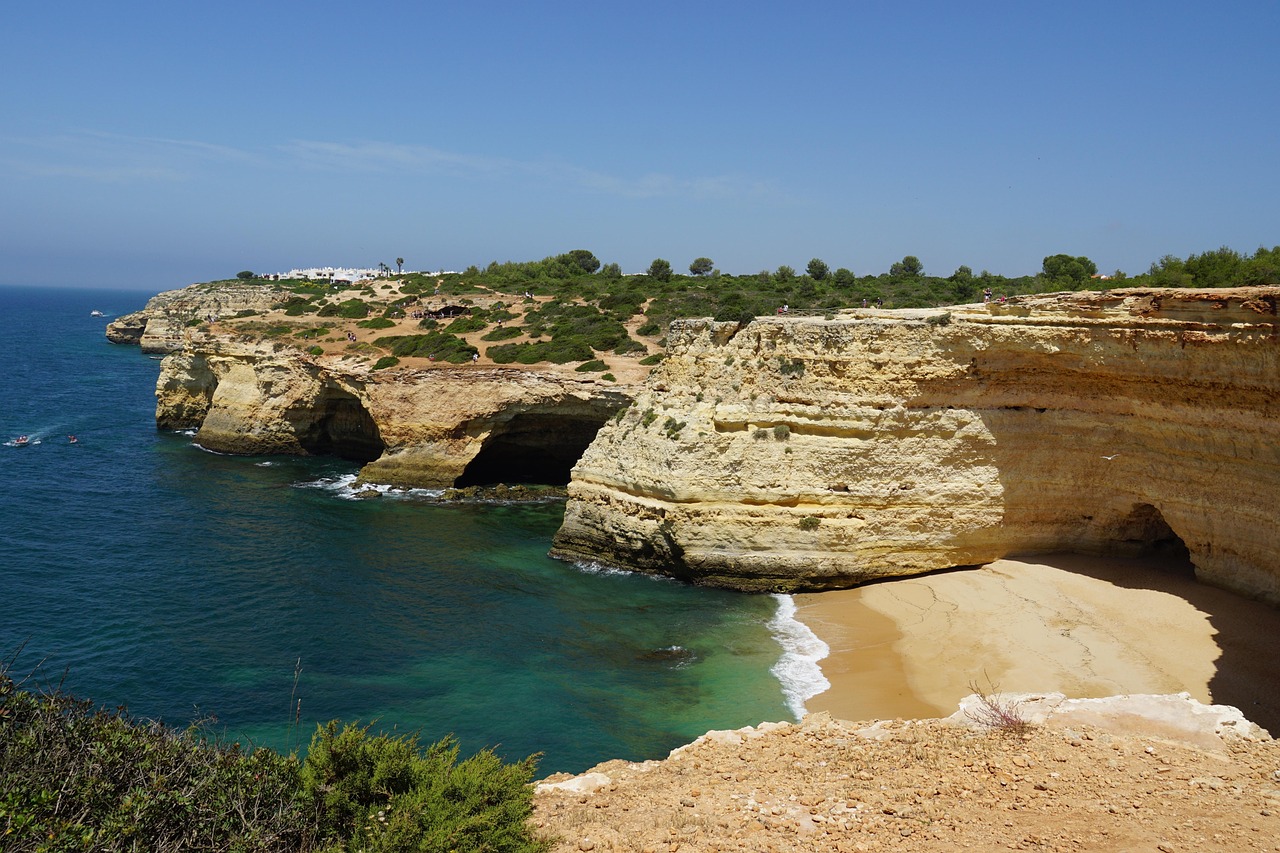
- Sea caves and cliffs: Benagil and Ponta da Piedade in the Algarve, the Blue Caves and Navagio on Zakynthos, the Calanques near Marseille, Bonifacio and Scandola in Corsica, and the grottoes of Capri and the Amalfi Coast.
- Island hops: Delos from Mykonos, the Santorini caldera, Capri, Ischia and Procida from Naples, the Frioul islands from Marseille, Balos from Kissamos on Crete.
- Rivers and lakes: the Seine, Douro, Tagus, Garonne, Saône and Rhône, Ill and Thames; Lake Como, Windermere, Ullswater and Loch Ness; punting in Oxford and Cambridge.
- Level: anyone. Fast boats and open-sea trips can be bumpy; if you are pregnant, have back problems or get seasick, ask which boat suits you.
What a boat trip involves
Trips range from a 45-minute punt to a full day at sea. Whale and dolphin trips use either rigid-hull inflatable boats (fast, close to the water, often wet) or larger catamarans and motor boats (steadier, with shade and toilets). Cave and coastal tours use small boats, Greek caiques, Italian gozzi, kayaks or paddleboards. River and lake cruises use sightseeing boats, some with restaurants, and public ferries that double as cheap scenic trips: Lake Como’s ferries, Venice’s vaporetti and Lisbon’s Cacilhas ferry are all part of the local transport network.
Safety and rules
Staying safe on board
- Use a licensed operator. In Portugal, sea and river tourism companies must be registered with Turismo de Portugal; look them up in the free RNAAT public search. In Tenerife, licensed whale-watching boats fly the “Blue Boat” (Barco Azul) flag.
- Follow the crew: wear a life jacket when told to, stay seated in fast boats, and keep hands inside near rocks and in caves.
- Weather: trips are cancelled when the sea is rough. The Aegean’s summer meltemi wind cancels small boats on windy days, and Provence’s mistral can stop trips from Marseille. Book early in your stay so you have a spare day.
- Seasickness: take tablets before you board, sit at the back and look at the horizon; choose a bigger boat or a river cruise if you are prone to it.
Rules for whale, dolphin and turtle watching
- Mainland Portugal: Decree-Law 9/2006 bans active approaches closer than 30 m to dolphins and whales, limits time with each group to 30 minutes, allows at most three boats within 100 m, and forbids chasing, feeding, touching and swimming with them.
- Azores and Madeira: regional laws license a limited number of whale-watching boats. In the Azores, swimming with whales is forbidden; swimming with some dolphin species is allowed only on licensed trips.
- Tenerife and the Canaries: boats must stay at least 60 m from the animals, spend no more than 30 minutes with them and go slowly; nobody may swim with, feed or touch them.
- Zakynthos: in the National Marine Park, boats may not go faster than 6 knots and may anchor only in the outer zone; turtle-spotting boats must stay at least 15 m away and leave after 15 minutes (10 minutes if the turtle is at the surface).
Caves, coves and protected coasts
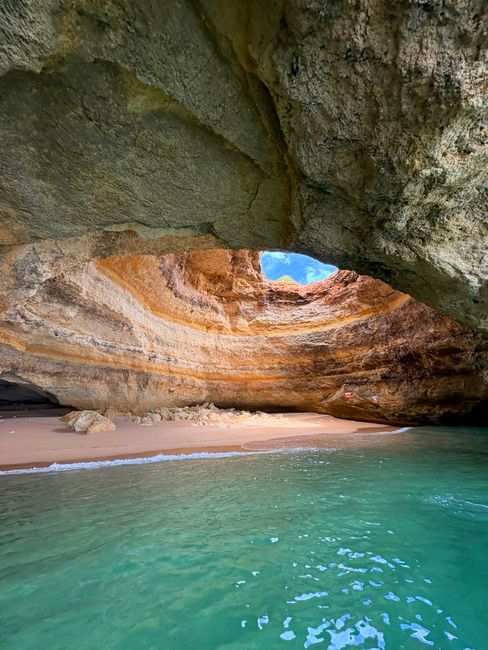
- Benagil cave, Algarve: under the harbour master’s rules in force since 13 August 2024, nobody may land on the cave’s beach or reach it by swimming; kayaks and paddleboards in the caves area must be guided (one guide kayak per six), there is no navigation from sunset to sunrise, and fines run from €300 to €216,000. See our Benagil cave guide.
- Navagio (Shipwreck) beach, Zakynthos: closed until at least 31 October 2026; boats may not land, anchor or come within 50 m of the shore, and swimming in the bay is banned, but boat trips still view the cove from beyond that line. See our Navagio guide.
- Calanques, Marseille: on high fire-risk days, boat visits continue but all landing is strictly forbidden.
- Scandola, Corsica: reached only by sea; no landing, fishing or diving inside the reserve.
- Balearics: boats must not anchor on the protected Posidonia seagrass, and party boats may not pick up or drop off passengers in the designated tourist zones of Mallorca and Ibiza, nor come within one nautical mile of them.
Where to take boat trips: the best by country
Portugal
- Azores: one of the world’s great whale-watching places, with more than 24 cetacean species. Trips run all year; sperm whales and spotted dolphins are more frequent in summer, blue whales in late winter and spring, and from Pico the season runs from April to October. See our Azores guide.
- Madeira: whale and dolphin trips all year from Funchal, Machico, Calheta and Caniçal, with common, spotted and bottlenose dolphins, sperm whales and Bryde’s whales; some go to the Desertas Islands. See our Madeira travel guide.
- Algarve: small boats and kayaks explore the arches of Ponta da Piedade from Lagos and the Benagil cave, and dolphin trips leave Portimão and other harbours; ferries cross to the Ria Formosa islands. See our Algarve travel guide.
- Porto and the Douro: the Six Bridges cruise takes about 50 minutes on a rabelo-style boat, all year, from €18 (as of October 2026); day cruises sail up the Douro to Régua or Pinhão. See our Porto and Douro Valley guides.
- Lisbon: sightseeing and sunset cruises on the Tagus pass the 25 de Abril Bridge and Belém Tower; the commuter ferry to Cacilhas costs €2.00. See our Lisbon travel guide.
Spain
- Tenerife: the strait between Tenerife and La Gomera has resident short-finned pilot whales and frequent bottlenose dolphins; Turismo de Tenerife counts up to 21 species. Boats leave Los Cristianos, Puerto Colón and Los Gigantes. See our Tenerife travel guide.
- Gran Canaria: dolphin trips, catamaran cruises and glass-bottom boats leave Puerto Rico, Arguineguín and Puerto de Mogán, and small coastal ferries hop between them. See our Gran Canaria travel guide.
- Mallorca and Ibiza: boats run along the Tramuntana cliffs from Port de Sóller to Sa Calobra, around Formentor and to the Cabrera national park; in the Coves del Drach you can take a short boat ride on an underground lake. On Ibiza, water taxis cross from Sant Antoni to Cala Bassa and Cala Conta. See our Mallorca travel guide.
- San Sebastián: the tourist office sells boat trips across the bay to Santa Clara island and along the Zumaia flysch cliffs. See our San Sebastián guide.
- Valencia: flat-bottomed boats glide across the Albufera lagoon in about 40 minutes; sunset trips are the most popular, and a boat trip with paella was sold from €26 as of October 2026. See our Valencia travel guide.
France
- Marseille: boats leave the Vieux-Port for the Calanques on trips of about 1.5 to 3.5 hours, and a shuttle serves the Frioul islands (about 30 minutes) and the Château d’If (about 20 minutes); a return to one island was €17.70, or €26 for both, as of October 2026. See our Marseille travel guide.
- Corsica: boats combining Scandola with Girolata and the Calanche de Piana leave Calvi, Ajaccio, Porto and other ports from April to November; trips to the Lavezzi islands from Bonifacio run all year, to the Sanguinaires islands from April to October. See our Corsica travel guide.
- Nice: coastal cruises run along the Riviera to Villefranche-sur-Mer and Monaco in summer. See our Nice travel guide.
- Rivers: one-hour Seine cruises and the Batobus in Paris; daily Saône and Rhône cruises in Lyon; 1.5–3-hour Garonne cruises in Bordeaux; and Batorama’s 70-minute tours of the Ill in Strasbourg, all year, with commentary in 12 languages.
Italy
- Amalfi Coast and Capri: small boats from Amalfi reach sea-only beaches and the Emerald Grotto, gozzo boats from Positano visit the Li Galli islands, and Travelmar ferries run along the coast to Salerno all year. Capri’s Blue Grotto is visited by rowing boat when the sea is calm, and a landing fee for day visitors is added to the ferry ticket. See our Amalfi Coast travel guide.
- Naples: Caremar, the regional public ferry company, runs hydrofoils from Molo Beverello and ferries from Porta di Massa to Capri, Ischia and Procida. See our Naples travel guide.
- Cinque Terre: from late March to early November, Golfo dei Poeti boats link Levanto, Monterosso, Vernazza, Manarola, Riomaggiore and Portovenere (Corniglia has no landing); they don’t run in rough seas. See our Cinque Terre guide.
- Venice: vaporetti cross the lagoon to Murano, Burano and Torcello. See our Venice travel guide.
- Lake Como: Navigazione Laghi runs ships, hydrofoils and car ferries to more than 30 towns, including the central Bellagio–Varenna–Menaggio crossing; its autumn timetable runs from 5 October to 1 November 2026. See our Lake Como guide.
- Sicily: boats circle Panarea’s islets in the Aeolian Islands. See our Sicily travel guide.
Greece
- Santorini: caiques leave Fira’s old port and Athinios for the caldera: a 20–30-minute walk up the crater of Nea Kameni, then a swim in the warm springs of Palea Kameni. See our Santorini travel guide.
- Mykonos: boats from the Old Port cross to the archaeological site of Delos. See our Mykonos travel guide.
- Zakynthos: boats from Agios Nikolaos and Cape Skinari visit the Blue Caves on one- to two-hour trips, and longer trips continue to Navagio (viewing only); turtle-spotting boats go out in Laganas Bay. See our Zakynthos travel guide.
- Crete: Balos lagoon is reached by boat from Kissamos, which also stops at Gramvousa island and its Venetian castle. See our Crete travel guide.
- Kefalonia and Corfu: on Kefalonia, small boats cross the underground lake of Melissani Cave (€10, reduced €5); on Corfu, boat trips reach the small coves of the north-east coast. See our Kefalonia and Corfu guides.
United Kingdom
- London: Uber Boat by Thames Clippers sails from the main piers every 10–20 minutes, all year except Christmas and Boxing Day, with hop-on hop-off day passes. See our London travel guide.
- Scottish Highlands and Skye: Cruise Loch Ness sails from Fort Augustus all year, with speedboat trips from April to October; on Skye, boats sail from Elgol to Loch Coruisk until the end of October, and from Portree on sea-eagle cruises. See our Scottish Highlands and Isle of Skye guides.
- Lake District: Windermere Lake Cruises sails daily between Bowness, Ambleside and Lakeside (the Red Cruise takes 75 minutes), and the Ullswater ‘Steamers’ run 363 days a year. See our Lake District travel guide.
- Oxford, Cambridge and York: hire a punt at Magdalen Bridge in Oxford (1 February to 30 November); take a 45-minute chauffeured punt along the Backs in Cambridge; or cruise the Ouse daily in York.
- Cornwall: wildlife cruises from Falmouth (dolphins, seals and basking sharks), Padstow trips to Cornwall’s only puffin colony, St Ives boats to Seal Island, and the short boat to St Michael’s Mount when the tide covers the causeway (£3.20 adult; last boats 31 October 2026). See our Cornwall travel guide.
When to go: seasons by region
| Region | Main trips | Best months | Notes |
|---|---|---|---|
| Azores | Whales and dolphins | Apr–Oct; spring for blue whales | Trips possible all year |
| Madeira | Whales, dolphins, Desertas | All year | Sea 19–24 °C |
| Algarve | Caves, dolphins | May–Oct | Calm mornings for kayaks |
| Porto, Douro, Lisbon | River cruises | All year; Douro May–Oct | Harvest views Sep–early Oct |
| Tenerife and Gran Canaria | Whales, dolphins | All year | Blue Boat flag in Tenerife |
| Mallorca and Ibiza | Coves, Cabrera, water taxis | May–Oct | Don’t anchor on Posidonia |
| Marseille | Calanques, Frioul, If | Apr–Oct | No landing on red fire days |
| Corsica | Scandola, Lavezzi | Apr–Nov (Scandola) | Lavezzi trips all year |
| Paris, Lyon, Bordeaux, Strasbourg | River cruises | All year | Sunset cruises best in summer |
| Amalfi Coast, Capri, Naples | Grottoes, island ferries | Apr–Oct | Blue Grotto only in calm seas |
| Cinque Terre | Village-hopping boats | Late Mar–early Nov | Not in rough seas |
| Lake Como and Venice | Ferries, vaporetti | All year | Fewer lake sailings in winter |
| Greek islands | Caldera, Delos, caves, Balos | May–Oct | Meltemi cancels small boats Jul–Aug |
| UK lakes and rivers | Cruises, punting | All year; Oxford punts Feb–Nov | Heated saloons in winter |
| Cornwall and Skye | Wildlife cruises | Apr–Oct | Puffins and basking sharks in summer |
May, June and September are the sweet spot for sea trips: calmer seas than in winter, fewer crowds than in August, and in the Mediterranean warm enough to swim from the boat.
How to book, and what to pack
Book ahead in July and August for Benagil, Navagio and the Blue Caves, Capri, Scandola, Delos and Balos, and for whale watching in the Azores; river cruises and city ferries rarely need booking. Before you pay, ask what happens if the sea is too rough or no animals are seen (rebooking, refund or nothing). Pick the boat that suits you: a catamaran is steadier and better for children and older travellers, a fast inflatable is quicker but bumpier and wetter. A good whale-watching operator will explain the distance and time limits and won’t promise close encounters; if a boat chases animals or crowds them, choose another next time. In the Algarve caves, book a guided kayak tour rather than renting on your own.
What to pack
- Dry bags and phone pouchesSpray soaks phones and cameras on open boats to the Algarve caves and on whale-watching trips.
- Fleeces and warm layersIt is cooler at sea than on land, especially on morning whale-watching trips.
- Rain jacketsA windproof, waterproof shell keeps you warm on open boats, where wind and spray cool you quickly.
- Reef-friendly sunscreenSun reflects off the water on cruises and cave tours.
- Water shoesKayak and small-boat trips to the Algarve grottoes land on rock and wet sand.
Bring a windproof layer even on hot days, because it is always cooler and windier at sea. Add sunscreen, a hat, sunglasses with a strap, water and seasickness tablets if you need them. On fast boats, kayaks and caiques everything can get wet, so carry a small dry bag for your phone and keys, and a swimsuit and towel for Mediterranean swim stops. Binoculars make whale, dolphin and puffin trips much better.
Boat trips in Europe: questions and answers
Where is the best whale watching in Europe?
The Azores, with more than 24 cetacean species and trips all year, followed by Madeira and Tenerife, where short-finned pilot whales live year-round in the strait between Tenerife and La Gomera. Madeira and Tenerife have trips all year; the Azores’ main season runs from April to October.
Can I still visit Navagio beach by boat?
Yes, but only to look. Until at least 31 October 2026, boats may not land, anchor or come within 50 m of the shore, and swimming in the bay is banned. Trips from Agios Nikolaos and Porto Vromi pass the cove, often combined with the Blue Caves.
Can I go inside Benagil cave?
You can see it from inside on a licensed boat or a guided kayak or paddleboard tour when the sea allows, but nobody may land on its beach, swim there or rent a kayak to go alone. These rules have applied since 13 August 2024.
How do I get to Capri’s Blue Grotto?
Take a ferry to Capri from Naples, Sorrento or the Amalfi Coast, then a boat to the grotto entrance, where you transfer to a small rowing boat. It only opens when the sea is calm; go early to beat the queues.
Do boats to the Calanques run in summer when the park is closed?
Yes. On red fire-risk days, land access to the Calanques is forbidden, but boat trips from Marseille and Cassis still run; they just may not land anywhere in the park.
Can I swim with dolphins in Europe?
Only in the Azores, on licensed trips with certain dolphin species and a few swimmers at a time. Swimming with whales is forbidden there, and in mainland Portugal and the Canary Islands you may not swim with whales or dolphins at all.
What is the best boat trip from Santorini?
The caldera trip: a caique from Fira’s old port or Athinios to Nea Kameni, where you walk up the crater in 20–30 minutes, then a swim in the warm springs of Palea Kameni. Sunset cruises around the caldera are also popular.
Can I go punting in Oxford or Cambridge?
Yes. In Oxford, Magdalen Bridge Boathouse hires punts and offers chauffeured trips daily from 1 February to 30 November, weather permitting. In Cambridge, chauffeured 45-minute tours run along the Backs past King’s College Chapel.
What if I get seasick?
Choose a larger catamaran over a fast inflatable, take seasickness tablets before you board, sit at the back in the fresh air and keep your eyes on the horizon. River, canal and lake cruises are smooth.
More ideas for your trip: snorkelling, scuba diving and the best beaches.
Sources and last review
Researched and last reviewed by TravelerCenter on 4 October 2026. Cetacean rules come from Portugal’s Decree-Law 9/2006 as summarised by AIMM, Azores and Madeira regional law, and Turismo de Tenerife; Zakynthos rules from the National Marine Park of Zakynthos; Navagio’s closure from the 2026 joint ministerial decision as reported by the Greek press; Benagil from the Portimão harbour master’s notices; the Calanques from the City of Marseille and the national park; the Balearic party-boat rules from Decree-law 1/2020; operator registration from Turismo de Portugal; trips, seasons and prices from Visit Azores, Visit Madeira, Visit Portugal, Visit Lisboa, Visit Porto, Turismo de Tenerife, the Gran Canaria tourist board, San Sebastián Turismoa, Visit València, Marseille’s tourist office and its island boat operator, Visit Corsica, the Paris, Lyon, Bordeaux and Alsace tourist offices, Italia.it, Caremar, Navigazione Laghi, Visit Sicily, Visit Greece, Thames Clippers, Cruise Loch Ness, Windermere Lake Cruises, Oxford and Cambridge punting companies, Visit York, Skye boat operators, Visit Cornwall and St Michael’s Mount. Prices and timetables change, so check before you go.