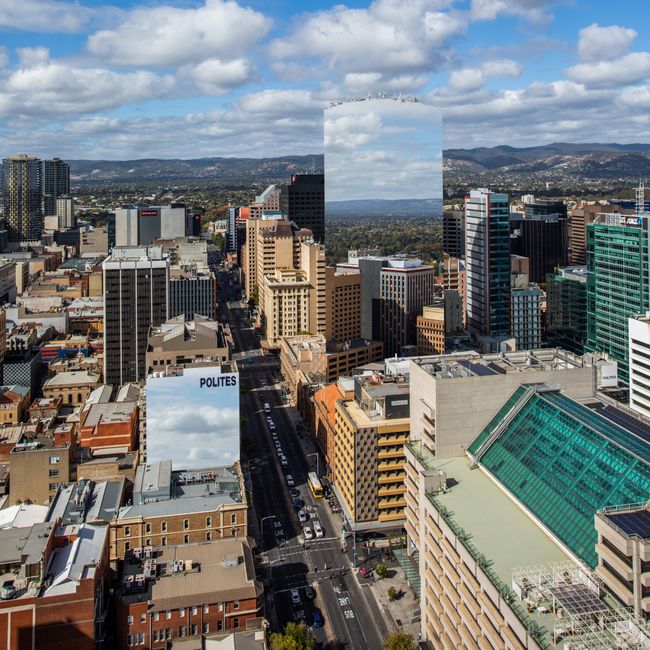
Adelaide, the capital of South Australia, is a gracious, easy-going city of wide streets, stone churches and parkland, with a reputation as Australia’s capital of food, wine and festivals. Founded in 1836 as a planned free settlement rather than a convict colony, its city center is a neat grid laid out by Colonel William Light, completely surrounded by a broad ring of green Park Lands. About 1.4 million people live in the metropolitan area, on the lands of the Kaurna people. Within an hour’s drive are some of the world’s best-known wine regions, the Barossa Valley, McLaren Vale, the Adelaide Hills and, a little farther, the Clare Valley, while a beachside tram runs to Glenelg on the gulf. Adelaide is also the gateway to Kangaroo Island’s wildlife and the ancient ranges of the Flinders. Every February and March, “Mad March” fills the city with the Adelaide Fringe, the Adelaide Festival and WOMADelaide. The climate is Mediterranean: in the southern hemisphere, summer (December to February) is hot and dry, with occasional heat waves, and winter (June to August) cool and damp.
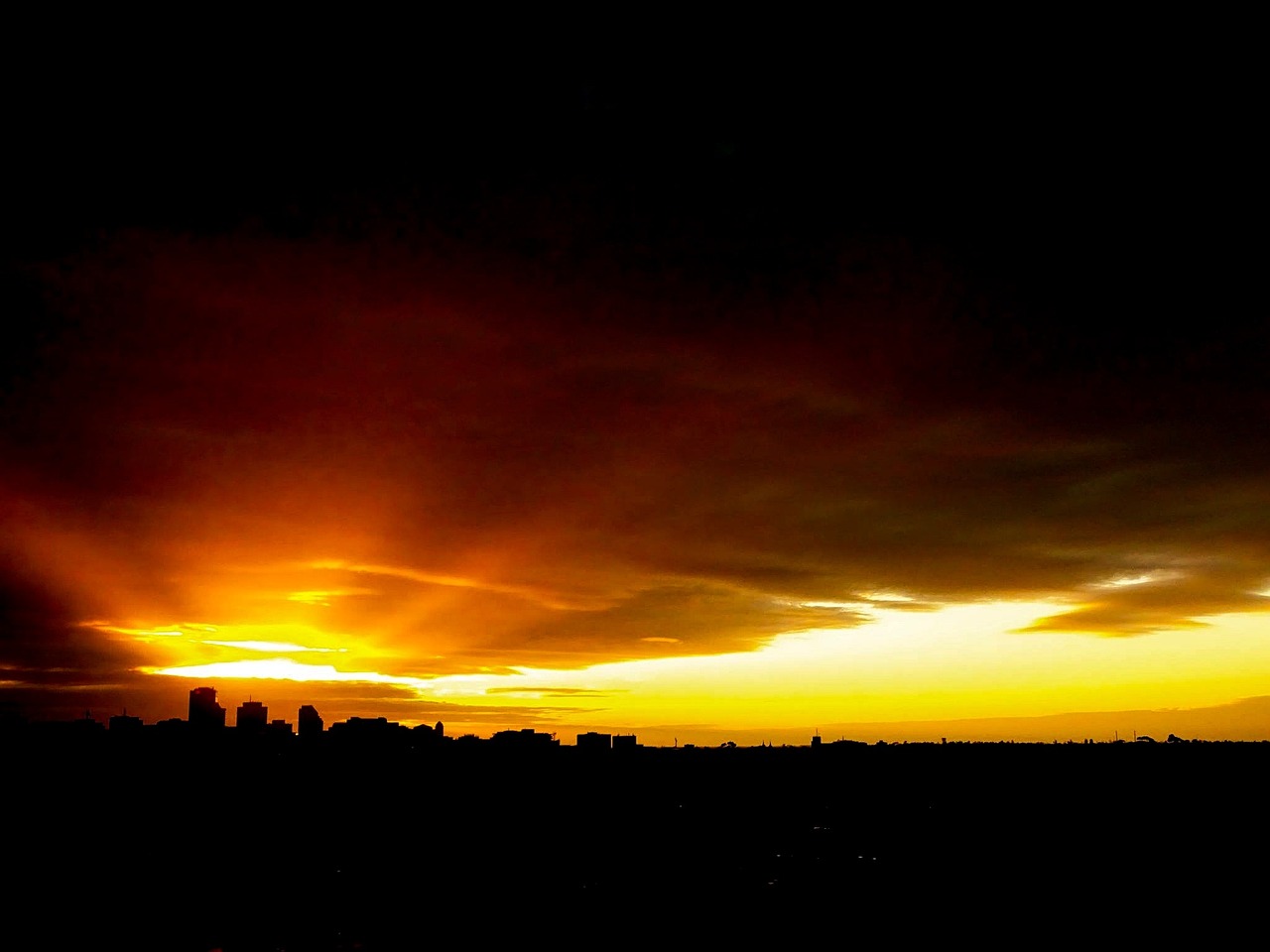
Right now in Adelaide
- Wed 9–21°C 48–69°F Clear
- Thu 13–25°C 56–78°F Mostly clear
- Fri 14–20°C 57–68°F 25 mm Heavy rain
Weather: MET Norway (CC BY 4.0) · Sea temperature: NOAA CoastWatch
Top tours in Adelaide
See all tours for Adelaide →
From local operators, with prices and reviews; you check availability and book on Viator, our partner. We may earn a commission at no extra cost to you. How we earn money
Adelaide at a glance
- Best months: March to May (autumn, the wine harvest and settled weather) and September to November (spring). February and March bring the festival season; December to February can bring heat waves above 40 °C (104 °F).
- Time needed: two or three days for the city, Glenelg and the Central Market; five days with the Barossa and McLaren Vale; a week or more with Kangaroo Island or the Flinders Ranges.
- Getting there: Adelaide Airport (ADL) is only about 7 km (4 miles) west of the city center, 15 to 20 minutes by bus or taxi.
- Costs (as of October 2026): the city’s City Connector buses and the tram between the city’s northern edge and South Terrace are free; prices include the 10% GST.
- Before you go: entry rules (ETA, eVisitor or visa), biosecurity and money are covered in our Australia travel guide.
Adelaide areas and who each one suits
The city center (CBD)
Light’s grid, bounded by North, South, East and West terraces, holds most hotels, the Rundle Mall shopping street, Victoria Square and the Central Market, and North Terrace, a boulevard of museums, galleries, the State Library, the University of Adelaide and the Botanic Garden. The East End, around Rundle Street, has cafes, bars and the festival hub. The CBD is compact, flat and easy to walk, the best base for a first visit.
North Adelaide
Across the River Torrens and its Park Lands, North Adelaide is a leafy, historic suburb of stone villas, with the restaurants and pubs of O’Connell and Melbourne streets, close to Adelaide Oval. A quiet alternative to the CBD, a pleasant walk away.
Glenelg and the beaches
Glenelg, on Holdfast Bay, is Adelaide’s beach town, linked to the city by tram in about 30 minutes. It has a long jetty, a sandy beach, the Jetty Road shopping strip and seaside hotels. Farther along the coast, Brighton, Henley Beach and Semaphore are quieter. Ideal for families and travelers who want the beach on the doorstep.
Port Adelaide
The historic port, about 25 minutes northwest, has maritime museums, the South Australian Aviation Museum, the National Railway Museum, street art and dolphin cruises on the Port River.
Top things to see in Adelaide
Adelaide Central Market
Open since 1869, the Central Market, between Victoria Square and Grote Street, is one of the largest undercover fresh-produce markets in the southern hemisphere, with around 70 traders selling South Australian cheese, smallgoods, fruit, seafood, coffee and baked goods, next to Chinatown. It’s open from Tuesday to Saturday; come hungry in the morning.
North Terrace: galleries, museums and the Botanic Garden
North Terrace is Adelaide’s cultural spine. The Art Gallery of South Australia has a major collection of Australian and Aboriginal art; the South Australian Museum holds one of the world’s largest collections of Aboriginal cultural material; both are free to enter. At the eastern end, the Adelaide Botanic Garden has a Victorian Palm House, the glass Bicentennial Conservatory and the Museum of Economic Botany; entry is free.
Adelaide Oval
Overlooking the Park Lands and the River Torrens, Adelaide Oval is one of the world’s most beautiful cricket grounds, hosting cricket in summer and Australian rules football in winter. Guided tours run on non-event days, and RoofClimb takes visitors up and over the stadium’s roof for views of the city and hills. A footbridge links it to the riverbank and the city.
Glenelg by tram
The tram from the city to Glenelg is a simple, cheap outing: ride to Moseley Square, walk the jetty, swim at the patrolled beach in summer and watch the sunset over Gulf St Vincent. Dolphin-watching and swim-with-dolphin cruises leave from Holdfast Shores marina.
Haigh’s Chocolates and the East End
Haigh’s, founded in Adelaide in 1915, runs free visitor-center tours at its Parkside factory (bookings required). In the evening, Rundle Street, Peel Street and Leigh Street have the city’s best small bars and restaurants.
Mount Lofty and Cleland Wildlife Park
About 25 minutes’ drive into the Adelaide Hills, Mount Lofty Summit has views over the city and the coast, and Cleland Wildlife Park, nearby, lets you see koalas, kangaroos and other native animals in bushland. The steep Waterfall Gully hiking trail climbs from the suburbs to the summit.
Other things to do in Adelaide
- Cycling: follow the River Torrens Linear Park trail from the hills to the sea, or the coast path between Glenelg and Brighton.
- Festivals: see “Events” below; the city hosts something almost every month.
- Port River dolphins: a resident population of bottlenose dolphins lives in the Port Adelaide estuary, viewable from kayaks and cruises.
- Sport: AFL football and cricket at Adelaide Oval, and the Tour Down Under cycle race in January.
Food and wine
Adelaide is a serious food city. Try South Australian seafood (King George whiting, Spencer Gulf prawns, Coffin Bay oysters, Port Lincoln tuna), a pie floater (a meat pie floating in pea soup) from a late-night pie cart, Fruchocs, and Farmers Union Iced Coffee. The Barossa makes powerful shiraz, the Clare Valley riesling, McLaren Vale shiraz and grenache, and the Adelaide Hills cool-climate whites and pinot noir. Many cellar doors charge a small tasting fee, often refunded if you buy wine. Tipping is optional.
Day trips from Adelaide
Barossa Valley
About an hour northeast, the Barossa was settled by German and English immigrants in the 1840s; its villages, such as Tanunda, Angaston and Nuriootpa, have more than 150 wineries, from historic family estates to boutique producers, plus bakeries, butchers and the Barossa Farmers Market on Saturday mornings. Join a tour or appoint a designated driver: South Australia enforces strict drink-driving limits.
McLaren Vale and the Fleurieu Peninsula
About 45 minutes south, McLaren Vale’s wineries sit between the hills and the sea, including the d’Arenberg Cube, a Rubik’s Cube–inspired cellar door. Continue to the beaches of the Fleurieu Peninsula, the surf at Middleton and the historic river port of Goolwa.
Adelaide Hills and Hahndorf
About 25 minutes east, Hahndorf, Australia’s oldest surviving German settlement (1839), has a main street of old stone buildings, bakeries and pubs. The surrounding hills have cool-climate wineries, orchards, cideries and gardens.
Kangaroo Island
Australia’s third-largest island lies off the tip of the Fleurieu Peninsula. Ferries cross from Cape Jervis, about two hours’ drive from Adelaide, to Penneshaw in about 45 minutes, and short flights run from Adelaide Airport. The island’s sea lion colony at Seal Bay, the Remarkable Rocks and Admirals Arch in Flinders Chase National Park, wild kangaroos, koalas and pristine beaches deserve at least two nights. Much of the island’s west burned in the 2019–2020 bushfires and has been regenerating.
The Flinders Ranges
About five hours north, Ikara-Flinders Ranges National Park has the vast natural amphitheater of Wilpena Pound, rugged gorges, Aboriginal rock art and abundant wildlife. It is an outback trip that needs at least two or three nights.
Getting there and getting around
Adelaide Airport (ADL)
Adelaide Airport has one terminal for domestic and international flights, with direct services to Asia, the Middle East and New Zealand and to all Australian capitals and major regional towns. Adelaide Metro buses link the airport with the city and Glenelg, and the trip into the CBD takes about 20 minutes by bus or 15 minutes by taxi or rideshare. Long-distance coaches and Journey Beyond’s long-distance trains (the Indian Pacific to Perth and Sydney and The Ghan to Darwin) use Adelaide Parklands Terminal. By road, Melbourne is about eight hours away (longer via the Great Ocean Road), and Perth is a flight of about three and a half hours or two days on the Indian Pacific.
Adelaide Metro: metroCARD, free buses and the tram
Adelaide Metro runs the city’s buses, trains and trams. Pay with a metroCARD, a reloadable smart card sold at stations, newsagents and shops, or buy a single-trip ticket. Fares are cheaper outside peak times (“interpeak”), and a day pass is available. Check Adelaide Metro for current fares and whether contactless bank cards are accepted on your route.
- Free City Connector buses loop around the CBD and North Adelaide.
- Free tram travel applies on the city section of the tram, roughly between the Adelaide Entertainment Centre, the Botanic Garden and South Terrace.
- The Glenelg tram runs from the city to Moseley Square in about 30 minutes.
- Trains run to the northern, southern and outer suburbs, including the coast and Port Adelaide.
Driving
A car is the easiest way to reach the wine regions, the Hills, Kangaroo Island and the Flinders Ranges. City parking is easier and cheaper than in Sydney or Melbourne. Drive on the left; on country roads watch for kangaroos at dawn and dusk.
When to go and how long to stay
Adelaide is Australia’s driest state capital. Summer (December to February) is hot and dry, averaging 26–29 °C (80–83 °F), with heat waves of several days above 40 °C (104 °F). Autumn (March to May) is warm and settled, with harvest in the vineyards and the leaves turning in the Hills. Winter (June to August) is cool and damp, with highs of about 15–16 °C (59–61 °F), cold nights and most of the year’s rain. Spring (September to November) is mild and green.
| Month | Average high | Average low | Rain | Rain days (≥1 mm) |
|---|---|---|---|---|
| Jan | 29 °C (83 °F) | 17 °C (62 °F) | 18 mm (0.7 in) | 3 |
| Feb | 28 °C (83 °F) | 17 °C (62 °F) | 18 mm (0.7 in) | 2 |
| Mar | 26 °C (78 °F) | 15 °C (59 °F) | 20 mm (0.8 in) | 3 |
| Apr | 22 °C (72 °F) | 12 °C (54 °F) | 31 mm (1.2 in) | 5 |
| May | 19 °C (66 °F) | 10 °C (50 °F) | 47 mm (1.8 in) | 8 |
| Jun | 16 °C (61 °F) | 8 °C (46 °F) | 60 mm (2.4 in) | 10 |
| Jul | 15 °C (59 °F) | 7 °C (45 °F) | 52 mm (2.1 in) | 10 |
| Aug | 16 °C (61 °F) | 8 °C (46 °F) | 51 mm (2.0 in) | 10 |
| Sep | 19 °C (66 °F) | 9 °C (49 °F) | 47 mm (1.9 in) | 8 |
| Oct | 22 °C (71 °F) | 11 °C (52 °F) | 34 mm (1.3 in) | 6 |
| Nov | 24 °C (76 °F) | 14 °C (56 °F) | 24 mm (1.0 in) | 4 |
| Dec | 26 °C (80 °F) | 15 °C (59 °F) | 25 mm (1.0 in) | 4 |
| Year | 22 °C (71 °F) | 12 °C (53 °F) | 428 mm (17 in) | 74 |
Figures are the Bureau of Meteorology’s 1991–2020 statistics for Adelaide Airport, near the coast. The city center is a little warmer in summer, and the Adelaide Hills cooler and wetter.
Events worth planning around
- Tour Down Under (January): professional cycling through the city and the wine regions.
- Adelaide Fringe (mid-February to mid-March): one of the world’s largest open-access arts festivals, with thousands of shows in pop-up venues.
- Adelaide Festival and Adelaide Writers’ Week (March).
- WOMADelaide (March): world music in the Botanic Park.
- Gather Round (April): a full round of AFL football matches played in South Australia.
- Vintage festivals: harvest celebrations in the Barossa and McLaren Vale in autumn.
Dates change every year; hotels fill up during “Mad March.”
How long to stay: 2, 4 and 7 days
- Two days: the Central Market, North Terrace and the Botanic Garden, Adelaide Oval, and the tram to Glenelg for sunset.
- Four days: add a day in the Barossa and a day in McLaren Vale or the Adelaide Hills.
- Seven days: add three nights on Kangaroo Island, or head north to the Flinders Ranges.
Where to stay in Adelaide
- CBD: the widest choice of hotels, walking distance to the market, galleries and festivals.
- North Adelaide: quiet, historic and close to Adelaide Oval.
- Glenelg: beachfront hotels and apartments, linked to the city by tram.
- Barossa and McLaren Vale: country B&Bs and vineyard retreats.
South Australia has no hotel tax, and the 10% GST is included in prices. Rates rise during Mad March and big sporting events.
Typical costs in Adelaide
| Item (as of October 2026) | Australian dollars | About US dollars |
|---|---|---|
| City Connector bus and city tram section | Free | Free |
| Art Gallery of South Australia and SA Museum, general entry | Free | Free |
| Wine tasting at a cellar door | about $10–25 | about $7–17 |
| Barossa day tour with tastings | about $150–250 | about $105–175 |
| Kangaroo Island ferry return, foot passenger | about $100–130 | about $70–90 |
| Casual restaurant main | about $25–40 | about $17–28 |
| Mid-range hotel room, per night | about $170–280 | about $120–195 |
Free transport and gallery entry are as published by the operators; other prices are typical ranges, not official prices. Conversions use about US$0.69 to A$1.
Safety in Adelaide
Adelaide is a safe and friendly city; take normal care at night around Hindley Street.
- Heat waves: summer can bring several days above 40 °C (104 °F). Drink plenty of water, stay in the shade during the hottest part of the day and look out for older travelers and children.
- Sun and UV: UV is very high from September to April; use SPF 50+ sunscreen, a hat and sunglasses.
- Bushfire season: roughly November to April. The Adelaide Hills and Kangaroo Island are high-risk areas; check fire danger ratings and the CFS (Country Fire Service) warnings, follow total fire ban rules and don’t travel into fire-prone areas on catastrophic days.
- Beaches: the gulf beaches are generally calm, but swim between the red and yellow flags at patrolled beaches; ocean beaches on the Fleurieu Peninsula and Kangaroo Island have strong rips.
- Driving: on the way to Kangaroo Island and the Flinders Ranges, distances are long, fuel stops are far apart and wildlife wanders onto roads at dusk and at night.
- Emergencies: call 000 (112 also works from mobile phones).
Practical tips for Adelaide
- Time zone: Australian Central Time, half an hour behind Sydney: ACST (UTC+9:30) in winter and ACDT (UTC+10:30) during daylight saving, from 4 October 2026 to 4 April 2027.
- Plugs and money: type I plugs at 230 V; cards accepted almost everywhere.
- Shopping refunds: claim GST back on purchases of $300 or more from one business through the Tourist Refund Scheme when you leave Australia.
What to pack for Adelaide
For summer, pack light clothes, a hat, sunglasses and SPF 50+ sunscreen; for winter, a warm jacket, layers and an umbrella. Comfortable shoes are useful for the city’s flat streets and the vineyards, and a light sweater helps in the Hills, which are cooler than the city.
Adelaide travel FAQ
How do I get from Adelaide Airport to the city?
Take an Adelaide Metro bus, about 20 minutes, or a taxi or rideshare, about 15 minutes. The airport is only about 7 km from the CBD.
Is public transport free in Adelaide?
Partly. The City Connector buses around the CBD and North Adelaide and the city section of the tram are free. Other buses, trains and trams need a metroCARD or ticket.
How do I get to Glenelg from Adelaide?
Take the tram from the city to Moseley Square in Glenelg, about 30 minutes.
When is the best time to visit Adelaide?
March to May for warm, settled weather and the grape harvest, or February and March for the festival season. Summer can be very hot.
How far is the Barossa Valley from Adelaide?
About an hour’s drive northeast. Join a tour if you plan to taste wine, as drink-driving limits are strict.
How do I get to Kangaroo Island?
Drive about two hours to Cape Jervis and take the ferry to Penneshaw, about 45 minutes, or fly from Adelaide Airport. Stay at least two nights.
What is Mad March in Adelaide?
The festival season from February to March, when the Adelaide Fringe, the Adelaide Festival and WOMADelaide overlap, along with other events.
What time zone is Adelaide in?
Australian Central Time, half an hour behind Sydney and Melbourne. South Australia uses daylight saving from early October to early April.
Is the Adelaide Central Market open every day?
No. It is open Tuesday to Saturday, with the best atmosphere in the morning.
What food is Adelaide famous for?
Seafood such as King George whiting and Coffin Bay oysters, the pie floater, Haigh’s chocolates and the wines of the Barossa, Clare Valley, McLaren Vale and Adelaide Hills.
Sources and last review
Researched and last reviewed on 5 October 2026. Climate comes from the Bureau of Meteorology’s 1991–2020 statistics for Adelaide Airport; daylight saving dates from the NSW Government (South Australia changes on the same dates); the Tourist Refund Scheme from the Australian Border Force; population from Wikidata. Adelaide Metro and the South Australian Government’s transport pages blocked access from this environment, so the free City Connector and city tram, metroCARD, fares and contactless status, airport bus details and journey times are general references and flagged for checking, as are market hours, gallery entry, Haigh’s tours, the Kangaroo Island ferry, festival dates, the 2019–2020 bushfires, drive times and typical prices. For entry rules, biosecurity and money, see our Australia travel guide.
Plan your trip
Partner links: TravelerCenter may earn a commission if you book, at no extra cost to you.