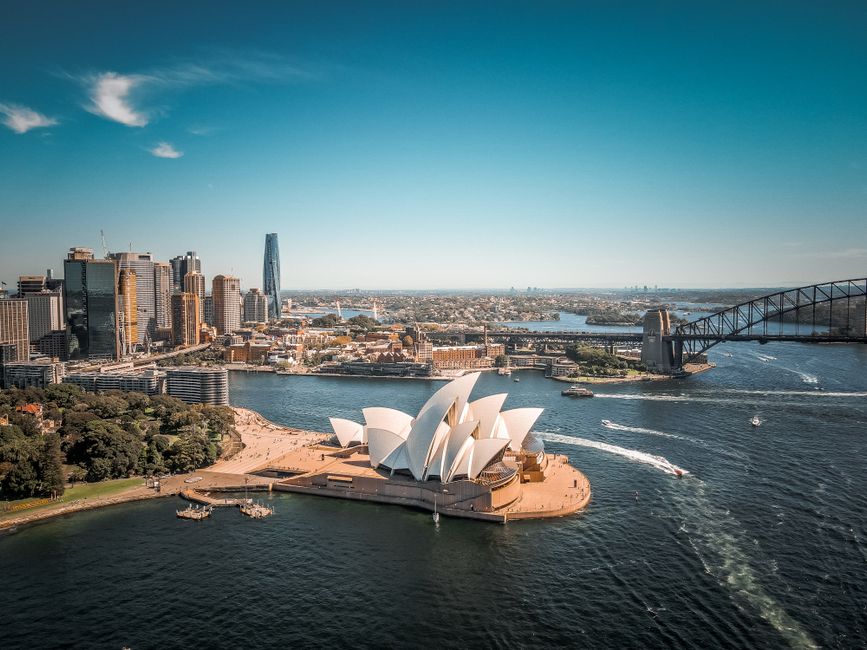
Australia is a continent-sized country of red deserts, tropical reefs, rainforests and surf beaches, with most of its people living in a handful of easy-going coastal cities. Visitors come for the Sydney Opera House and Harbour Bridge, Melbourne’s laneways and food, the Great Barrier Reef and the Whitsunday Islands, Uluṟu in the Red Centre, the beaches of the Gold Coast and Perth, the wineries around Adelaide, and Tasmania’s wilderness and convict history, as well as for wildlife found nowhere else, from kangaroos and koalas to quokkas and platypuses. Distances are huge: the mainland is about 4,000 km (2,500 miles) from east to west, so most trips combine domestic flights with a few days in each region. Before you go, almost every visitor needs an ETA, eVisitor or visa arranged before departure, and Australia’s strict biosecurity rules mean you must declare food, plant and animal products on arrival. Remember that Australia is in the southern hemisphere: summer runs from December to February and winter from June to August, while the tropical north has a wet season and a dry season instead. Spring and autumn suit most of the country; the north is best from May to October.
Right now in Australia
- Wed 5–17°C 41–63°F Clear
- Thu 3–18°C 38–64°F Clear
- Fri 8–20°C 46–69°F 4 mm Clear
Weather: MET Norway (CC BY 4.0)
Multi-day tours of Australia
Multi-day tours from local operators. You check dates and book on Viator, our partner; we may earn a commission at no extra cost to you. How we earn money
Australia at a glance: six states and two territories
Australia covers about 7.69 million km² (2.97 million square miles), roughly the size of the contiguous United States, yet it had only 27,921,150 people at 31 March 2026, according to the Australian Bureau of Statistics, most of them in the southeast and along the coasts. It is a federal parliamentary democracy and constitutional monarchy with six states, New South Wales, Victoria, Queensland, Western Australia, South Australia and Tasmania, and two mainland territories, the Northern Territory and the Australian Capital Territory, home to the capital, Canberra. States set many of the rules visitors notice, such as public transport systems, driving rules and some public holidays.
Aboriginal and Torres Strait Islander peoples have lived on the continent for at least 65,000 years, with hundreds of distinct nations and languages; many places now carry dual names, such as Uluṟu and kunanyi/Mount Wellington. English is the national language, and the big cities are among the most multicultural in the world.
Time zones: the mainland has three standard time zones: Eastern (UTC+10: Queensland, New South Wales, Victoria, the ACT and Tasmania), Central (UTC+9:30: South Australia and the Northern Territory) and Western (UTC+8: Western Australia). New South Wales, Victoria, the ACT, Tasmania and South Australia use daylight saving from the first Sunday in October to the first Sunday in April, 4 October 2026 to 4 April 2027; Queensland, the Northern Territory and Western Australia do not. So in summer, Sydney is one hour ahead of Brisbane and three hours ahead of Perth.
Australia’s regions
- New South Wales: Sydney, the Blue Mountains, the Hunter Valley wine region, Byron Bay and the north coast.
- Victoria: Melbourne, the Great Ocean Road, Phillip Island, the Yarra Valley and the Victorian Alps.
- Queensland: Brisbane, the Gold Coast and Sunshine Coast, K’gari, the Whitsundays, Cairns, the Great Barrier Reef and the Daintree.
- Northern Territory: Uluṟu-Kata Tjuṯa, Alice Springs and the Red Centre, Darwin, Kakadu and the tropical Top End.
- Western Australia: Perth, Rottnest Island, Margaret River, the Pinnacles, Ningaloo Reef and the Kimberley.
- South Australia: Adelaide, the Barossa and McLaren Vale wine regions, Kangaroo Island and the Flinders Ranges.
- Tasmania: Hobart, MONA, Port Arthur, Freycinet and Cradle Mountain.
- Australian Capital Territory: Canberra, the national capital, with Parliament House and national museums.
Where to go: cities, reef, outback and islands
For a first trip of two to three weeks, most visitors combine Sydney with one or two of the reef, Uluṟu and Melbourne, linked by domestic flights. With more time, add Tasmania, Perth and the west, or a road trip.
Sydney and New South Wales
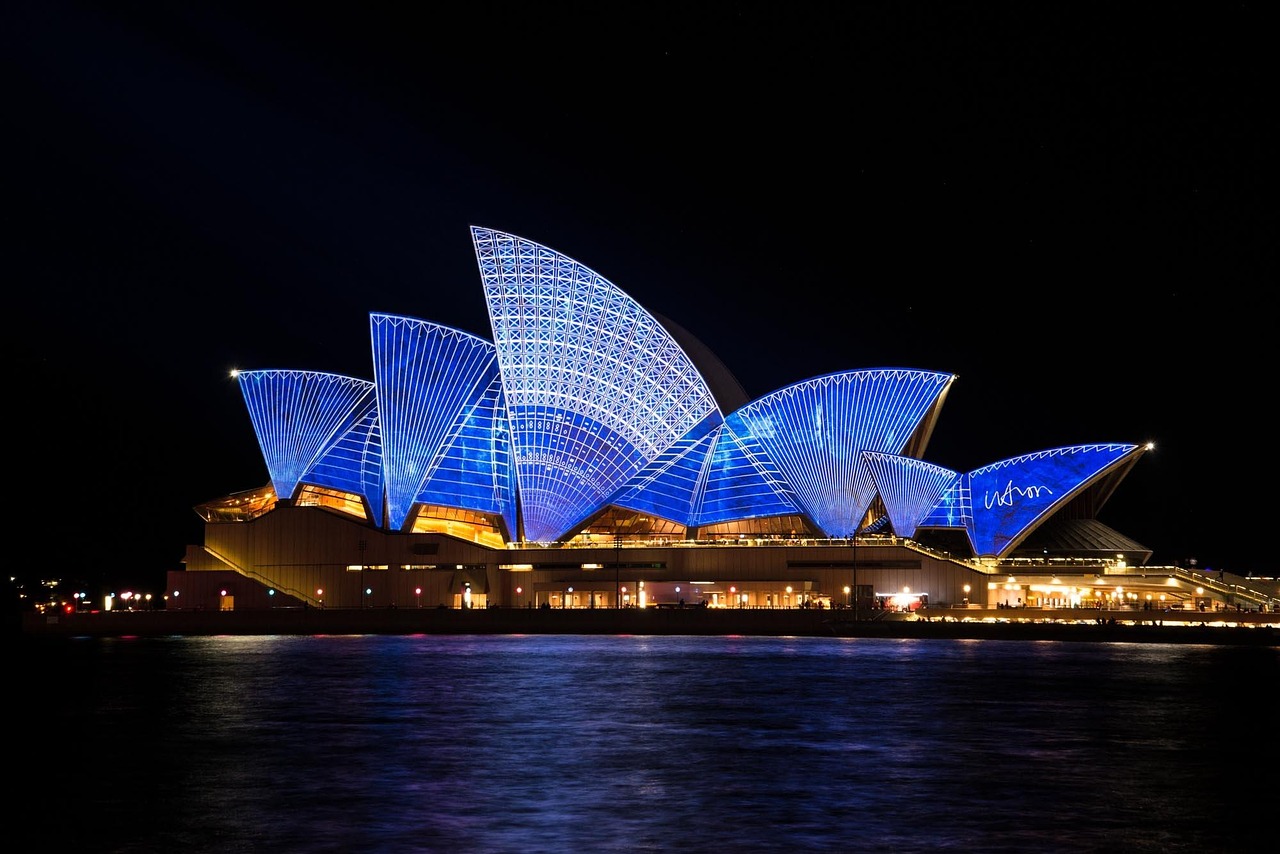
Sydney has the harbor, the Opera House, the Harbour Bridge, the Bondi to Coogee coastal walk, ferries to Manly and Taronga Zoo, and day trips to the Blue Mountains. Opal public transport accepts contactless cards with daily caps. See our Sydney guide.
Melbourne and Victoria
Melbourne is about laneway cafes, free galleries, trams (free in the city center), sport and food, with the Great Ocean Road’s Twelve Apostles, Phillip Island’s penguins and the Yarra Valley’s wineries nearby. See our Melbourne guide.
Brisbane and the Gold Coast
Queensland’s capital has South Bank, koalas at Lone Pine and CityCat ferries; the Gold Coast, an hour south, has surf beaches, theme parks and hinterland rainforest. All Translink public transport in Queensland costs a flat 50 cents. See our Brisbane and Gold Coast guides.
Cairns, the Great Barrier Reef and the Whitsundays
The reef stretches about 2,300 km (1,400 miles) along the Queensland coast. Cairns and Port Douglas combine it with the Daintree rainforest; the Whitsunday Islands add Whitehaven Beach and sailing. Every reef tour adds the Reef Authority’s environmental management charge. See our Cairns, Great Barrier Reef and Whitsunday Islands guides.
Uluṟu and the Red Centre
Uluṟu and Kata Tjuṯa rise from the desert in the Northern Territory, sacred to their Aṉangu owners; the climb closed permanently in 2019, and a 3-day park pass costs $38. Fly to Ayers Rock Airport or drive from Alice Springs, and add Kings Canyon. See our Uluṟu-Kata Tjuṯa National Park guide.
Perth and Western Australia
Perth has city beaches, Kings Park, Fremantle and the quokkas of Rottnest Island, with Margaret River and the Pinnacles within a few hours’ drive. See our Perth guide.
Adelaide and South Australia
Adelaide is a festival and food city, within an hour of the Barossa, McLaren Vale and the Adelaide Hills, and the gateway to Kangaroo Island and the Flinders Ranges. See our Adelaide guide.
Hobart and Tasmania
Hobart combines a historic harbor, MONA and Salamanca Market with day trips to Port Arthur and Bruny Island; Freycinet and Cradle Mountain are farther afield. Buses are free statewide until 30 June 2027. See our Hobart guide.
Darwin, Kakadu and Canberra
Darwin, the tropical capital of the Northern Territory, is the gateway to Kakadu and Litchfield national parks, best in the dry season (May to October). Canberra, the planned national capital, has Parliament House, the Australian War Memorial and the National Gallery of Australia.
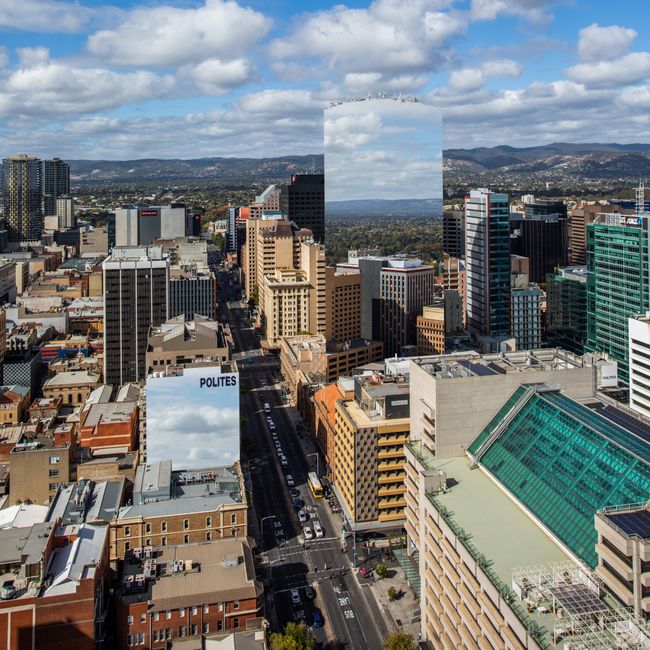
Adelaide Travel Guide
Plan a trip to Adelaide, South Australia: the Central Market, North Terrace's free galleries and museums, the Botanic Garden, Adelaide Oval, the tram to…
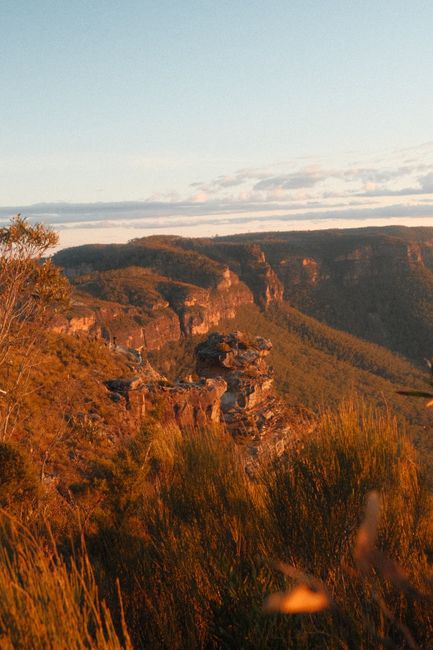
Blue Mountains Travel Guide
Plan a trip to the Blue Mountains from Sydney: Echo Point and the Three Sisters walk, the Giant Stairway, Scenic World's railway, Skyway and…
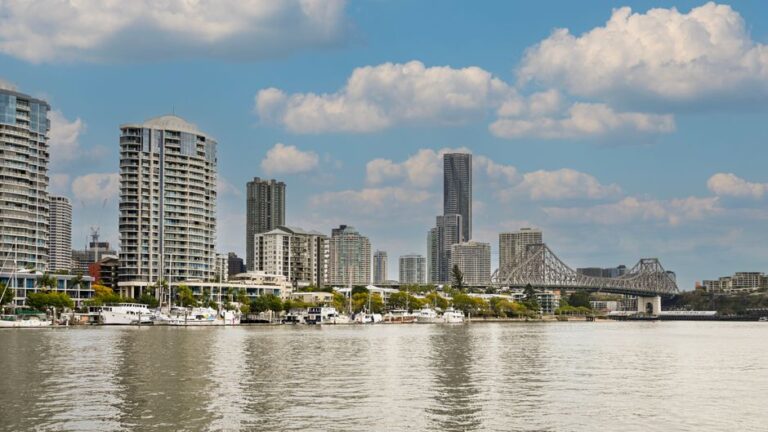
Brisbane Travel Guide
Plan a trip to Brisbane, Queensland: South Bank and Streets Beach, QAGOMA and the Queensland Museum, Lone Pine Koala Sanctuary, CityCat ferries, the Story…
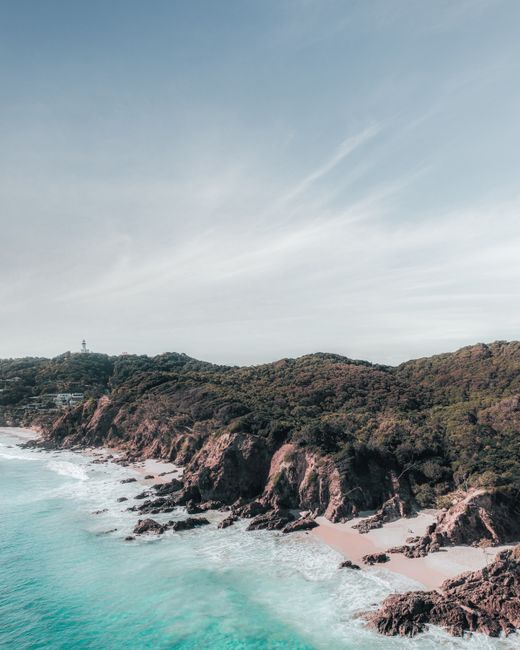
Byron Bay Travel Guide
Plan a trip to Byron Bay, New South Wales: the Cape Byron Lighthouse and the Walgun Cape Byron walking track, lighthouse and beach parking…
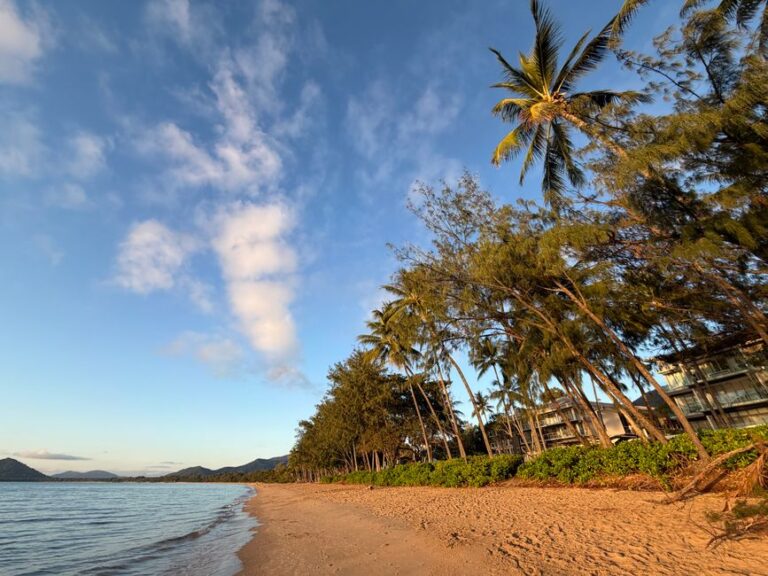
Cairns Travel Guide
Plan a trip to Cairns, Tropical North Queensland: Great Barrier Reef day trips and the environmental management charge, Green and Fitzroy islands, the Esplanade…
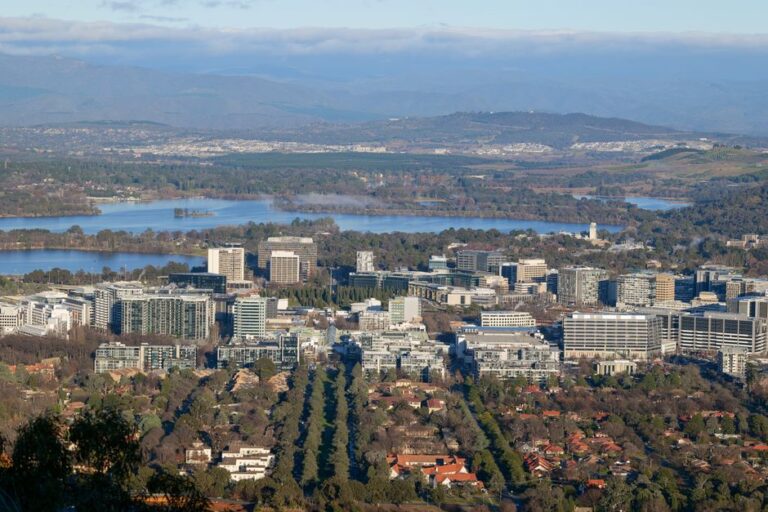
Canberra Travel Guide
Plan a trip to Canberra, Australia's capital: free entry to Parliament House, the Australian War Memorial and its daily Last Post Ceremony, the National…
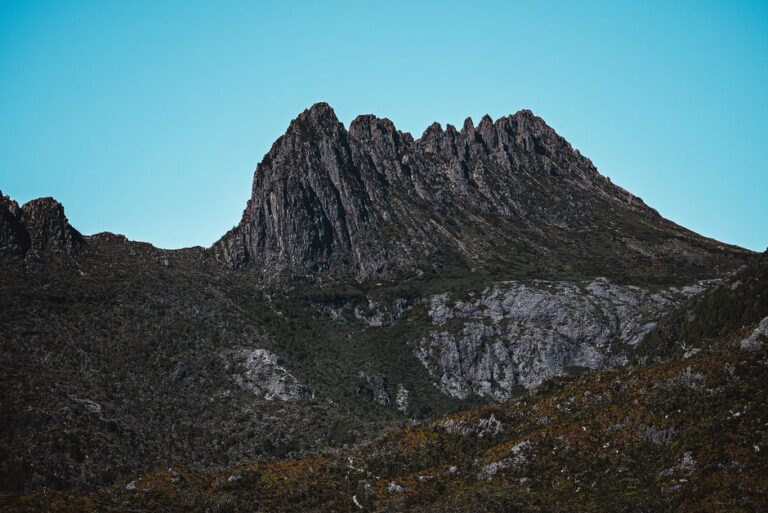
Cradle Mountain-Lake St Clair National Park Travel Guide
Plan a visit to Cradle Mountain-Lake St Clair National Park, Tasmania: the Icon Daily Pass and other parks passes, the shuttle bus from the…
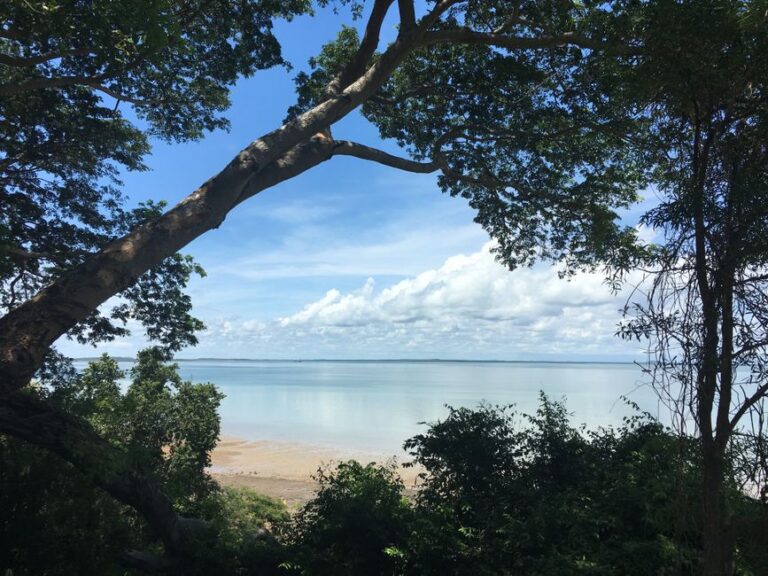
Darwin Travel Guide
Plan a trip to Darwin, Northern Territory: the Mindil Beach Sunset Market season (Thursdays and Sundays, late April to late October), MAGNT and its…
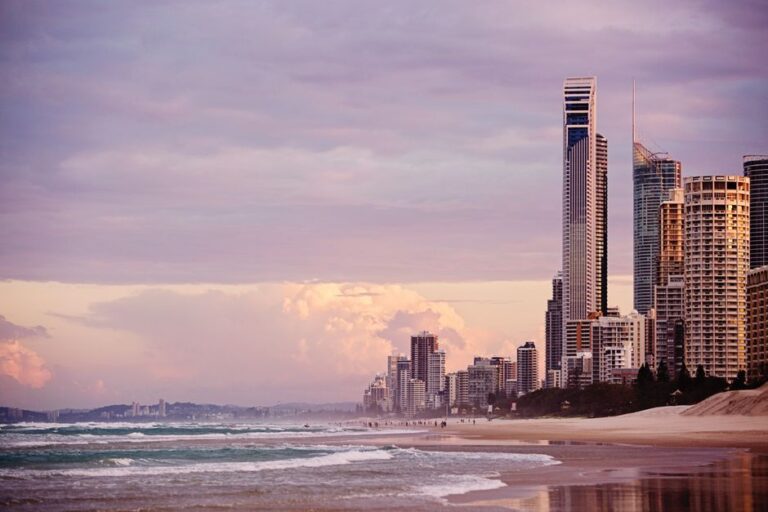
Gold Coast Travel Guide
Plan a trip to the Gold Coast, Queensland: Surfers Paradise, Broadbeach, Burleigh Heads and Coolangatta's surf points, theme parks and wildlife sanctuaries, Springbrook, Lamington…
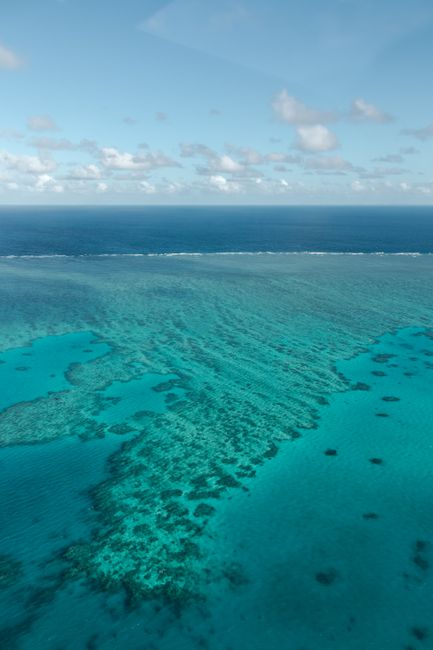
Great Barrier Reef Travel Guide
Plan a visit to the Great Barrier Reef, Queensland: the Reef Authority's environmental management charge and its April 2027 rise, zoning and reef etiquette,…
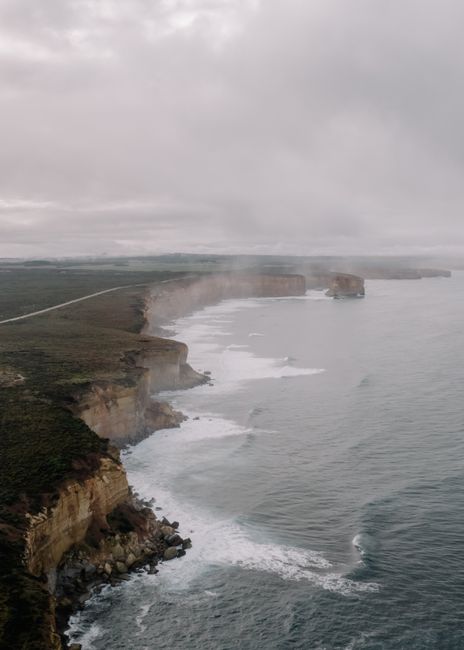
Great Ocean Road Travel Guide
Plan a Great Ocean Road trip in Victoria: the Twelve Apostles and their free lookouts, the Loch Ard Gorge beach steps closure, Gibson Steps…
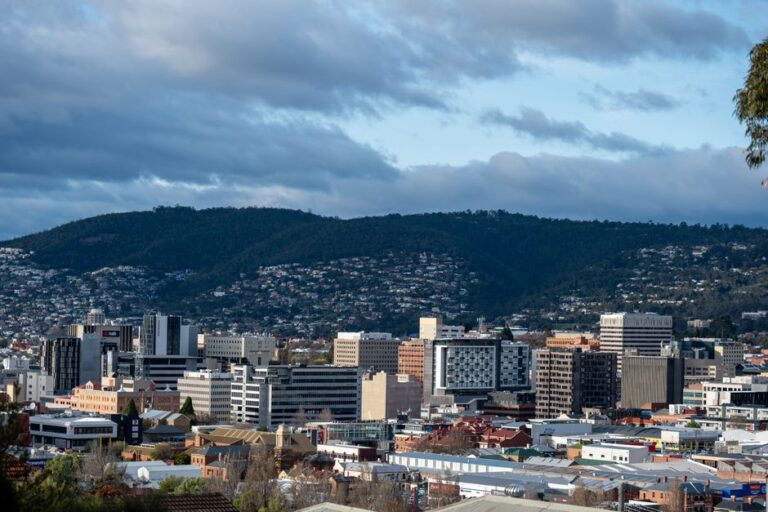
Hobart Travel Guide
Plan a trip to Hobart, Tasmania: MONA by ferry and its opening days, Salamanca Market and Battery Point, kunanyi/Mount Wellington, TMAG and the Cascades…
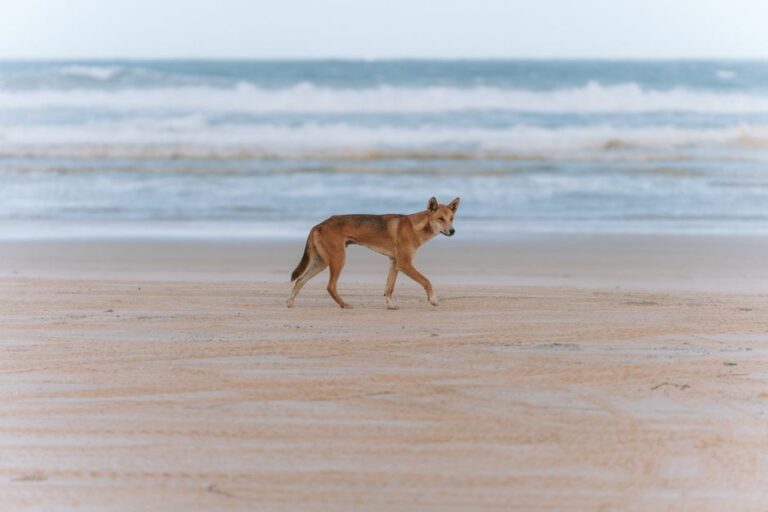
K’gari Travel Guide
Plan a trip to K'gari (Fraser Island), Queensland: vehicle access and camping permits, 4WD-only sand tracks and beach driving, barges from Inskip Point and…
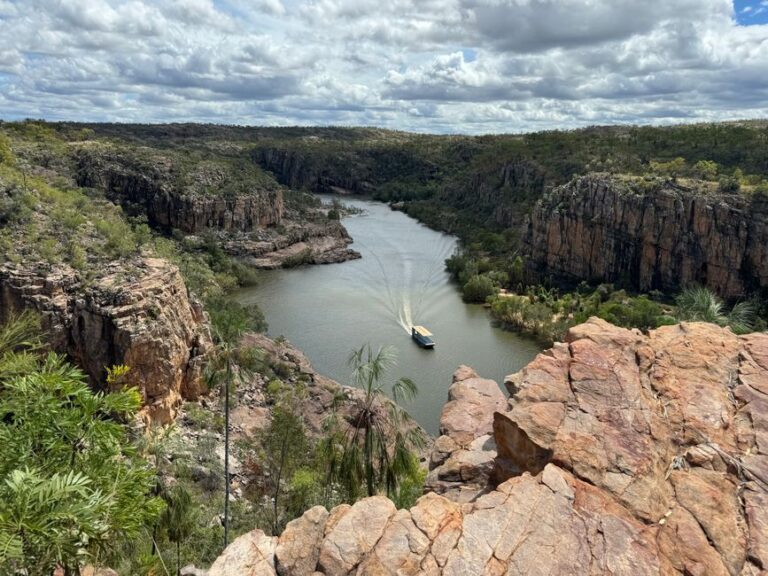
Kakadu National Park Travel Guide
Plan a visit to Kakadu National Park in the Northern Territory: the 7-day park pass and its wet-season rates to 31 October 2026, the…
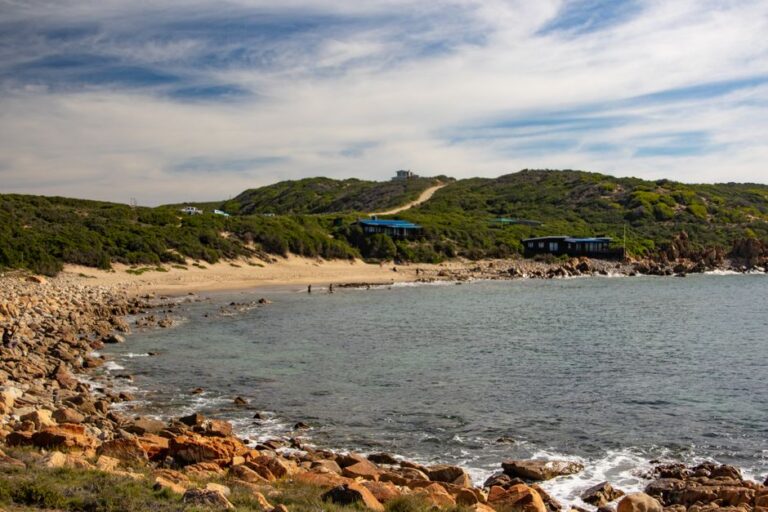
Margaret River Travel Guide
Plan a trip to Margaret River, Western Australia: the region's caves (Jewel, Lake, Mammoth, Ngilgi, Calgardup and Giants), Cape Leeuwin and Cape Naturaliste lighthouses,…
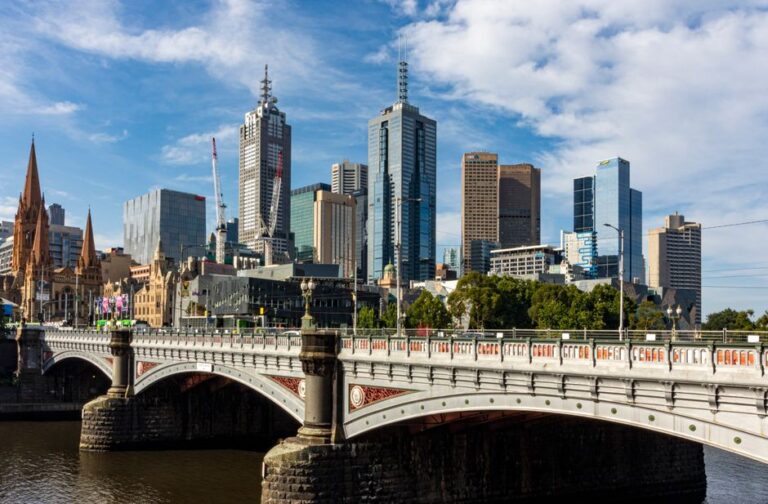
Melbourne Travel Guide
Plan a trip to Melbourne, Victoria: the laneways and street art, Federation Square and the free NGV, Queen Victoria Market, the Royal Botanic Gardens,…
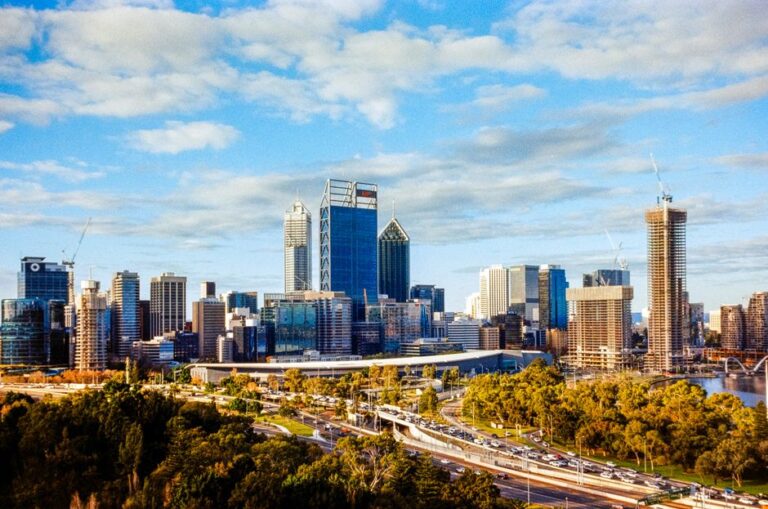
Perth Travel Guide
Plan a trip to Perth, Western Australia: Kings Park, Elizabeth Quay and the Swan River, Fremantle Prison and markets, Cottesloe and Scarborough beaches, Rottnest…
Port Douglas Travel Guide
Plan a trip to Port Douglas, Tropical North Queensland: outer Great Barrier Reef and Low Isles trips and the reef charge, Mossman Gorge shuttle…
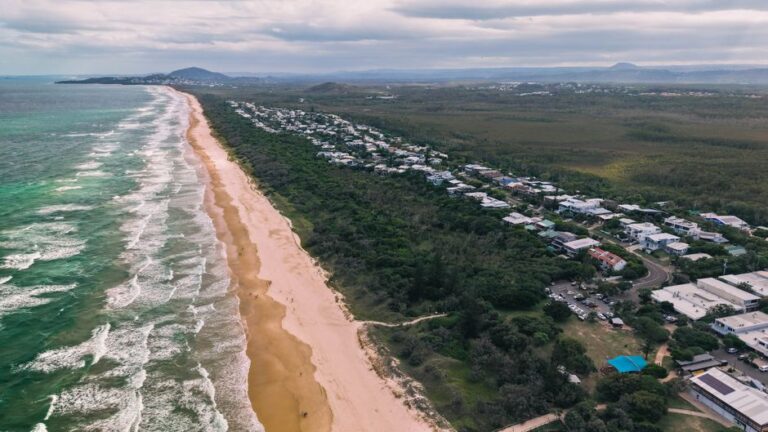
Sunshine Coast Travel Guide
Plan a trip to Queensland's Sunshine Coast: Noosa National Park and Hastings Street, Mooloolaba and whale watching, Australia Zoo's hours and adult price, the…
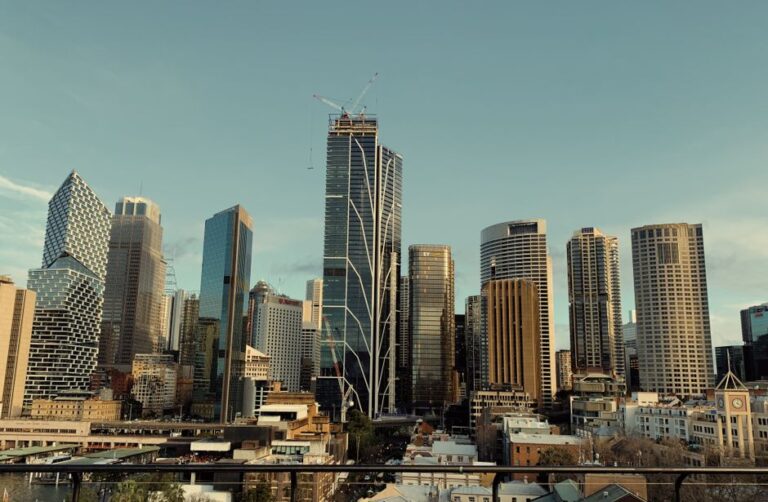
Sydney Travel Guide
Plan a trip to Sydney, New South Wales: the Opera House and Harbour Bridge, The Rocks and the Royal Botanic Garden, the Bondi to…
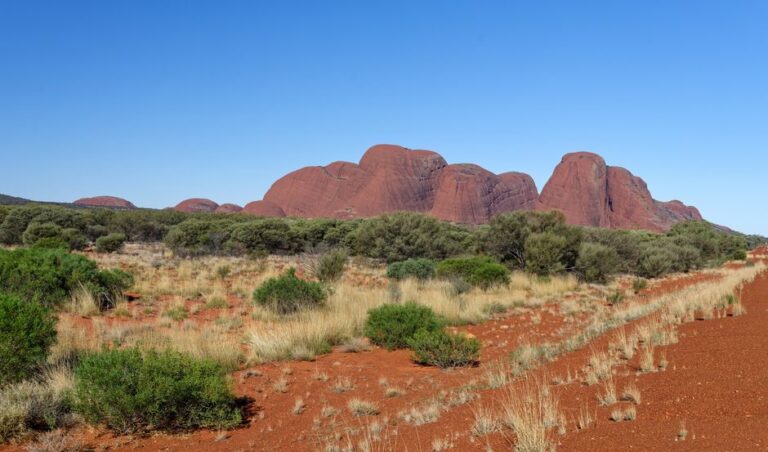
Uluru-Kata Tjuta National Park Travel Guide
Plan a visit to Uluṟu-Kata Tjuṯa National Park in the Northern Territory: the $38 three-day park pass, opening hours by month, the permanent climb…
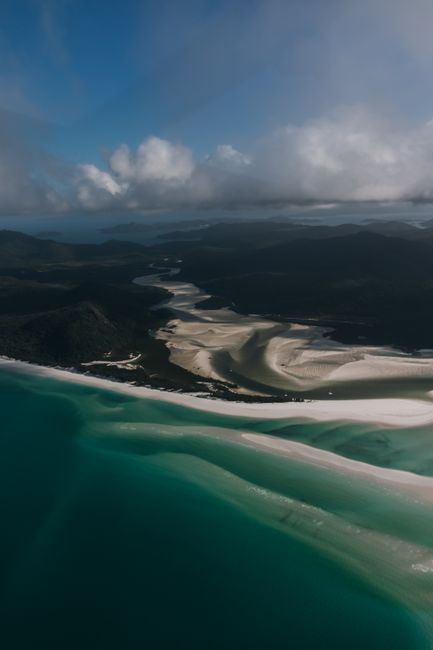
Whitsunday Islands Travel Guide
Plan a trip to the Whitsunday Islands, Queensland: Whitehaven Beach and the Hill Inlet lookout, Airlie Beach or Hamilton Island as a base, flights…
Best time to visit Australia, region by region
Australia’s seasons are the reverse of those in Europe and North America: spring is September to November, summer December to February, autumn March to May and winter June to August. The south (Sydney, Melbourne, Adelaide, Perth and Hobart) has four seasons, with warm to hot summers and mild or cool winters. The tropical north (Cairns, the reef, the Whitsundays, Darwin and Kakadu) has a dry season from about May to October, the best time to visit, and a wet season from about November or December to April, with heat, humidity, monsoon rain, the risk of cyclones and marine stingers. The Red Centre is a desert, extremely hot from about October to March and mild by day but cold at night from May to September.
| Average daily high, °C (°F) | Sydney | Melbourne | Brisbane | Cairns | Darwin | Uluṟu (Yulara) | Perth | Adelaide | Hobart |
|---|---|---|---|---|---|---|---|---|---|
| Jan | 27 (81) | 27 (81) | 30 (87) | 32 (89) | 32 (90) | 38 (101) | 32 (90) | 29 (83) | 23 (73) |
| Feb | 27 (80) | 27 (80) | 30 (86) | 32 (89) | 32 (89) | 37 (99) | 32 (90) | 28 (83) | 22 (72) |
| Mar | 26 (78) | 24 (76) | 29 (84) | 31 (88) | 32 (90) | 34 (94) | 30 (86) | 26 (78) | 21 (69) |
| Apr | 24 (74) | 21 (69) | 27 (81) | 30 (85) | 33 (91) | 30 (86) | 26 (80) | 22 (72) | 18 (64) |
| May | 21 (70) | 17 (62) | 24 (76) | 28 (82) | 32 (90) | 24 (76) | 22 (72) | 19 (66) | 15 (60) |
| Jun | 18 (65) | 14 (57) | 22 (72) | 27 (80) | 31 (88) | 20 (69) | 20 (67) | 16 (61) | 13 (55) |
| Jul | 18 (64) | 13 (56) | 22 (72) | 26 (79) | 31 (88) | 21 (69) | 18 (65) | 15 (59) | 13 (55) |
| Aug | 19 (67) | 15 (58) | 23 (74) | 27 (81) | 32 (89) | 24 (75) | 19 (66) | 16 (61) | 14 (57) |
| Sep | 22 (71) | 17 (63) | 26 (78) | 29 (84) | 33 (92) | 29 (84) | 21 (69) | 19 (66) | 16 (60) |
| Oct | 23 (74) | 20 (68) | 27 (81) | 30 (86) | 34 (93) | 32 (90) | 24 (75) | 22 (71) | 18 (64) |
| Nov | 24 (76) | 23 (73) | 28 (83) | 31 (88) | 34 (93) | 35 (95) | 27 (81) | 24 (76) | 19 (67) |
| Dec | 26 (78) | 25 (77) | 30 (85) | 32 (89) | 33 (91) | 36 (98) | 30 (86) | 26 (80) | 21 (70) |
| Rain a year | 1,150 mm (45 in) | 516 mm (20 in) | 973 mm (38 in) | 1,961 mm (77 in) | 1,832 mm (72 in) | 278 mm (11 in) | 699 mm (28 in) | 428 mm (17 in) | 565 mm (22 in) |
The table shows the Bureau of Meteorology’s 1991–2020 averages for one station per destination: Sydney (Observatory Hill), Melbourne Airport, Brisbane (city, records from 1999), Cairns Aero, Darwin Airport, Yulara Airport, Perth Airport, Adelaide Airport and Hobart (Ellerslie Road). Darwin’s rain falls almost entirely between November and April; Perth’s and Adelaide’s mostly in winter.
Crowds and prices through the year
- Summer and Christmas (mid-December to late January): Australian school summer holidays; beaches, the coast and Tasmania are busiest and priciest, and the north is in its wet season.
- Autumn (March to May): often the best all-round season in the south, with settled weather, and the start of the dry season in the north from May. Easter is busy.
- Winter (June to August): peak season in the tropical north and the Red Centre; ski season in the Alps; quieter, cheaper cities in the south, except during July school holidays.
- Spring (September to November): wildflowers in Western Australia, warm days in the south and the end of the dry season in the north; late September and early October school holidays are busy.
Nature seasons for 2026/27
- Whales: humpbacks migrate along the east and west coasts from about May to November and calve in the Whitsundays from about July to September.
- Marine stingers: box jellyfish and Irukandji are most common in tropical Queensland and Northern Territory waters from about November to May.
- Turtles: nesting from about November to January and hatchlings from about January to March on the southern Great Barrier Reef.
- Wildflowers: Western Australia from about August to November.
- Snow: the ski season in the New South Wales and Victorian Alps usually runs from June to early October.
- Bushfire season: mainly spring and summer in the south, and the dry season in the north.
Festivals and events
- October to December 2026: the Melbourne Cup on 3 November (a public holiday in Melbourne), the Sydney to Hobart Yacht Race from 26 December and New Year’s Eve fireworks over Sydney Harbour.
- January to March 2027: the Australian Open in Melbourne, Sydney Festival, Australia Day (26 January), the Sydney Gay and Lesbian Mardi Gras, and “Mad March” festivals in Adelaide, including the Adelaide Fringe and WOMADelaide.
- May to June 2027: Vivid Sydney’s light festival and winter festivals in Hobart.
- Spring 2027: the AFL and NRL grand finals in September and October, and the Brisbane Festival.
Public holidays
National holidays include New Year’s Day, Australia Day (26 January), Good Friday (26 March 2027), Easter Monday (29 March 2027), Anzac Day (25 April), Christmas Day and Boxing Day. Most states also observe the King’s Birthday in June and a Labour Day, on different dates, plus local holidays such as Melbourne Cup Day. Many businesses close on Christmas Day and Good Friday, and restaurants often add a public-holiday surcharge.
How long to stay: sample itineraries
10 days: Sydney, the reef and Uluṟu
Four days in Sydney with a Blue Mountains day trip, three days in Cairns for the outer reef and Kuranda, then fly to Ayers Rock for two nights at Uluṟu and Kata Tjuṯa. Best from May to October.
14 days: the east coast
Sydney (four days), Melbourne (three days) with the Great Ocean Road, then fly to Brisbane and the Gold Coast (three days) and on to Cairns or the Whitsundays (four days) for the reef.
3 weeks: the classic circuit
Sydney, Melbourne and the Great Ocean Road, Uluṟu, Cairns and the reef, the Whitsundays, and either Hobart and Tasmania or Perth and Rottnest Island, flying between regions.
Road trips
Popular drives include Sydney to Melbourne along the coast (about a week), Melbourne to Adelaide via the Great Ocean Road (four to six days), Brisbane to Cairns along the Queensland coast (about two weeks), the Red Centre Way from Alice Springs to Uluṟu and Kings Canyon (four to six days), and a loop around Tasmania (one to two weeks).
Entry, money and costs
Entry: ETA, eVisitor and visitor visas (last reviewed October 2026)
Everyone except Australian and New Zealand citizens needs a visa or electronic authority before traveling to Australia; New Zealand citizens with a valid passport usually receive a visa on arrival. All visas are linked electronically to your passport, with no label.
- Electronic Travel Authority (ETA, subclass 601): for passport holders of Andorra, Austria, Belgium, Brunei, Canada, Denmark, Finland, France, Germany, Greece, Hong Kong (SAR), Iceland, Ireland, Italy, Japan, Liechtenstein, Luxembourg, Malaysia, Malta, Monaco, the Netherlands, Norway, Portugal, San Marino, Singapore, South Korea, Spain, Sweden, Switzerland, Taiwan, the United Kingdom (British citizens and British Nationals Overseas), the United States and Vatican City. Apply only through the Australian ETA app (free to download from the Apple App Store or Google Play), which scans your passport and takes a live photo of your face. There is no visa fee, but the app charges a service charge of AUD20 (about US$14). Most applications are decided immediately. The ETA is valid for 12 months or until your passport expires, for multiple visits of up to 3 months each. You must apply from outside Australia, and each family member needs a separate application. If you have a criminal conviction, apply for a Visitor visa instead.
- eVisitor (subclass 651): free, applied for online, for citizens of the European Union countries, plus Andorra, Iceland, Liechtenstein, Monaco, Norway, San Marino, Switzerland, the United Kingdom (British citizens) and Vatican City. It is valid for 12 months from the grant date, with stays of up to 3 months per visit.
- Visitor visa (subclass 600): for everyone else, or for longer stays; the cost and processing time depend on your situation, and the Department of Home Affairs’ Visa Pricing Estimator shows the fee.
Apply only through the Department of Home Affairs’ official channels; unofficial websites charge extra. Holding an ETA, eVisitor or visa does not guarantee entry.
Arriving: passenger card, SmartGates and biosecurity
- Incoming Passenger Card: most arriving passengers still complete a paper Incoming Passenger Card, handed out on the plane or ship or in the arrival hall, in English. It asks about your address in Australia, health and character, and includes your customs and biosecurity declaration. The COVID-era Digital Passenger Declaration is no longer used. In a pilot, the Australian Border Force and the Department of Agriculture, Fisheries and Forestry have been piloting a digital Australia Travel Declaration with Qantas: invited passengers can complete it in the Qantas app up to 72 hours before departure instead of the paper card, if they can use the kiosks and SmartGates. Everyone else uses the paper card.
- SmartGates: many ePassport holders can use these automated gates, which use facial recognition, at major airports.
- Biosecurity: Australia has some of the world’s strictest biosecurity rules to keep out pests and diseases. Declare all food, plant material and animal products, including small amounts, cooking ingredients, seeds, wooden items, and soil on shoes or camping gear, or throw them in the amnesty bins before biosecurity screening. Officers use X-ray machines and detector dogs. If you declare an item, you won’t be penalized even if it isn’t allowed in; if you don’t declare it or give false information, you can be issued an infringement notice, face civil penalties, or have your visa canceled and be refused entry.
- Duty-free allowances: travelers 18 and over can bring AUD900 of general goods and 2.25 liters of alcohol duty-free; under-18s get AUD450 and no alcohol or tobacco allowance. Tobacco limits are strict; check before you pack.
- Cash: declare AUD10,000 or more (or the equivalent in foreign currency) when you arrive or leave.
A Passenger Movement Charge of AUD70 is included in the price of your ticket when you leave Australia.
Money and cards
The currency is the Australian dollar (AUD, A$), with colorful polymer notes from $5 to $100 and coins down to 5 cents; cash totals are rounded to the nearest 5 cents. At the European Central Bank’s reference rates on 2 October 2026, A$1 was worth about US$0.69. Cards, phone wallets and tap-to-pay are accepted almost everywhere, even for small amounts, and some businesses are cashless. Many add a card surcharge of about 1–2%, and restaurants may add a surcharge of around 10–15% on Sundays and public holidays; both must be shown. ATMs are widespread; carry some cash for remote areas and markets.
Tipping
Tipping is not expected, because service staff earn award wages. Rounding up a taxi fare or leaving about 10% for very good service in a restaurant is appreciated but optional.
GST and the Tourist Refund Scheme
A 10% Goods and Services Tax (GST) is included in displayed prices. Visitors can claim a refund of GST and the Wine Equalisation Tax (WET) through the Tourist Refund Scheme (TRS) when they leave by air or sea, if they:
- spend at least AUD300, including GST, with one business (the same ABN), on one or more paper tax invoices;
- buy the goods within 60 days before leaving Australia;
- carry the goods as hand luggage (or have oversized or restricted goods checked by the Australian Border Force before check-in) and show them, the original invoices, your passport and boarding pass at the TRS facility;
- claim at least 30 minutes before departure at an airport (1 to 4 hours before at a seaport).
Invoices of AUD1,000 or more must show your name. You can enter your details in advance in the My TRS app. Refunds are not paid in cash.
Typical travel costs
| Item (as of October 2026) | Australian dollars | About US dollars |
|---|---|---|
| ETA service charge (Australian ETA app) | $20 | $14 |
| eVisitor | Free | Free |
| Sydney train ride, 0–10 km at peak / daily cap Mon–Thu | $4.33 / $19.30 | $3.00 / $13.40 |
| Any Translink bus, train or ferry in Queensland | $0.50 | $0.35 |
| Perth Go Anywhere fare (contactless) | $3.15 | $2.20 |
| Uluṟu-Kata Tjuṯa park pass, adult, 3 days | $38 | $26 |
| Great Barrier Reef charge, full day | $8.50 | $5.90 |
| Flat white coffee | about $5–6 | about $3.50–4 |
| Casual restaurant main | about $25–40 | about $17–28 |
| Mid-range city hotel room, per night | about $180–350 | about $125–240 |
Fares, fees and charges are official; coffee, meals and hotels are typical ranges, not official prices.
Getting there and getting around
Arrival airports
The main international gateways are Sydney (SYD), Melbourne (MEL), Brisbane (BNE) and Perth (PER), with direct flights from Asia, the Middle East, North America, New Zealand, the Pacific and, from Perth, Europe and Africa. Adelaide (ADL), Cairns (CNS), the Gold Coast (OOL), Darwin (DRW) and Hobart (HBA) have some international routes, mostly to Asia, New Zealand and the Pacific. Many travelers stop over in Singapore or Bali on the way; see our Singapore and Bali guides.
Domestic flights
Flying is the only practical way to cover the big distances: Sydney to Perth takes about five hours, Sydney to Cairns about three, and Melbourne to Hobart about an hour and a quarter. Qantas, Virgin Australia and the low-cost Jetstar fly between all major cities, with smaller airlines on regional routes. Book early for school holidays, and check baggage allowances on the cheapest fares.
Long-distance trains, coaches and ferries
Trains are scenic rather than fast. Journey Beyond runs the Indian Pacific between Sydney, Adelaide and Perth and The Ghan between Adelaide, Alice Springs and Darwin, as multi-day experiences with cabins and excursions. NSW TrainLink runs daily trains from Sydney to Melbourne, Brisbane and Canberra, and Queensland Rail runs trains up the coast from Brisbane to Cairns. Long-distance coaches fill the gaps. The Spirit of Tasmania car ferries sail between Geelong, near Melbourne, and Devonport in Tasmania.
City transport: contactless cards and local passes
| City | System | How to pay (October 2026) |
|---|---|---|
| Sydney | Opal: metro, trains, buses, ferries, light rail | Contactless card or phone, same fares as Opal; daily cap $19.30 Mon–Thu, $9.65 Fri–Sun; airport stations add $18.61 |
| Melbourne | myki: trams, trains, buses | myki card; contactless being introduced for full fares; trams free in the Free Tram Zone |
| Brisbane, Gold Coast, Cairns | Translink (go card in South East Queensland) | Flat 50-cent fare; contactless on all South East Queensland services; Airtrain charges its own fares |
| Perth | Transperth (SmartRider) | Contactless at the standard rate; free travel on Sundays; Free Transit Zone in the city |
| Adelaide | Adelaide Metro (metroCARD) | metroCARD or ticket; free City Connector buses and city tram section |
| Hobart and Tasmania | Metro Tasmania | Buses free statewide until 30 June 2027 |
Driving: rules, rentals and the outback
Australians drive on the left, distances and speed limits are in kilometers (typically 50 km/h, about 31 mph, in towns and 100–110 km/h, about 62–68 mph, on highways), and fuel is sold by the liter. Visitors can usually drive on a valid overseas license for up to three months; if it isn’t in English, carry an International Driving Permit or an official translation. Seat belts are compulsory, using a hand-held phone while driving is illegal, and random breath tests are common; drink-driving limits are strict. Speed and red-light cameras are everywhere, and many city motorways are tolled electronically through your rental company.
Outback driving needs planning: distances between fuel stops can exceed 200 km (124 miles), many rental agreements ban unsealed roads or driving at night, and kangaroos, cattle and camels wander onto roads at dawn, dusk and night. Watch for road trains (trucks with up to four trailers) and overtake only with a long, clear view. Carry plenty of water, tell someone your route, check road conditions after rain, and stay with your vehicle if it breaks down.
National parks and reef charges
National parks are run by the states and territories, plus Parks Australia for Commonwealth parks such as Uluṟu-Kata Tjuṯa and Kakadu, so fees and passes differ. Uluṟu-Kata Tjuṯa charges $38 per adult for 3 days (under-18s free); Kakadu needs a separate pass. Tasmania requires a Parks Pass for all national parks; some New South Wales parks charge a vehicle fee; most Queensland parks are free to enter but need permits for camping. On the Great Barrier Reef, tour operators collect the environmental management charge, $8.50 per person for a full day ($4.25 for trips under three hours), rising to $9.00 and $4.50 on 1 April 2027.
Culture, food and everyday etiquette
First Nations Australia
Many events open with a Welcome to Country by local Traditional Owners or an Acknowledgement of Country. Aboriginal-owned tours, art centers and cultural centers, such as those at Uluṟu, Kakadu and in the cities, offer some of the most rewarding experiences in Australia. Respect closures of sacred sites, follow signs about photography, and ask before photographing people. Australia Day (26 January) marks the arrival of the British First Fleet in 1788 and is a day of mourning and protest for many First Nations people.
Food and drink
Australian food mixes British roots with migrant cuisines from Italy, Greece, Lebanon, Vietnam, China, Thailand and India. Try barramundi, prawns, Moreton Bay bugs, Sydney rock oysters and Tasmanian salmon; meat pies, sausage sizzles and barbecues; avocado on toast with a flat white; pavlova, lamingtons and Tim Tams; and wines from the Barossa, Margaret River, Yarra Valley, Hunter Valley and Tasmania. Coffee culture is serious, and many cafes close by mid-afternoon. Some restaurants are BYO (bring your own wine), sometimes with a corkage fee.
Everyday etiquette and laws
Australians are informal and direct; first names are used quickly. The legal drinking age is 18, alcohol is sold in licensed shops (“bottle shops”), and drinking in public places is often banned. Smoking and vaping are banned in most enclosed public places and on many beaches and outdoor dining areas. Recreational drug use is illegal.
Safety, health, accessibility and connectivity
Safety
Australia has low crime by international standards; the main risks are natural, and they are well managed if you follow local signs and the instructions of lifeguards, rangers and emergency services.
- Sun and UV: UV levels are among the highest in the world and can burn skin in 15 minutes on a summer day, even when it’s cloudy. Use SPF 50+ sunscreen, a hat, sunglasses and shade.
- Swimming between the flags: swim only at patrolled beaches, between the red and yellow flags, where lifeguards watch the water. Rip currents are the biggest hazard on ocean beaches; if caught, stay calm, float and raise an arm, or swim parallel to the shore.
- Marine stingers: in tropical waters, box jellyfish and Irukandji are most common from about November to May. Wear a stinger suit, swim inside stinger nets at patrolled beaches and use vinegar for first aid; call 000 for serious stings.
- Crocodiles: estuarine (saltwater) crocodiles live in rivers, estuaries, beaches and coastal waters of Far North Queensland, the Northern Territory and northern Western Australia; in Queensland, from around Gladstone north. Obey warning signs and never swim in rivers, creeks or estuaries in these areas.
- Bushfire season: mainly spring and summer in the south. Australia uses fire danger ratings (Moderate, High, Extreme and Catastrophic); check them, follow park closures and total fire bans, and leave fire-risk areas early on Extreme or Catastrophic days.
- Heat and outback travel: carry and drink plenty of water, walk early in the day, and plan fuel and rest stops; see “Driving” above.
- Wildlife: snakes and spiders rarely bite if left alone; wear closed shoes in the bush and never feed wild animals, including dingoes and quokkas.
- Emergencies: call 000 for police, fire or ambulance; 112 also works from mobile phones.
Health insurance
Visitors are not covered by Medicare, Australia’s public health system, unless their country has a reciprocal health care agreement with Australia (including the United Kingdom, Ireland, New Zealand, the Netherlands, Belgium, Sweden, Finland, Norway, Italy, Malta and Slovenia), and even then cover is limited to essential treatment. Buy travel insurance that covers medical evacuation; an air ambulance from the outback or a reef island is very expensive. Pharmacies are everywhere, and tap water is safe to drink in cities and towns.
Accessibility
Most city transport, museums and newer hotels are accessible, and many national parks have wheelchair-accessible walks, such as parts of the Uluṟu base walk. Older buildings, small island resorts and boats may have limited access; ask when booking.
Connectivity and power
Mobile coverage is good in cities and towns, patchy on highways and absent across much of the outback and on many islands; download offline maps. Prepaid SIM cards and eSIMs from Australian carriers are sold at airports and shops. Power is 230 V, 50 Hz, with type I sockets (two flat angled pins, sometimes with an earth pin); bring an adapter.
Things to do: reef, beaches, wildlife, wine and cities
Australia’s best experiences are outdoors: snorkeling or diving on the Great Barrier Reef, sailing the Whitsundays, walking around Uluṟu at sunrise, surfing or learning to surf on the east coast, meeting koalas, kangaroos and quokkas, driving the Great Ocean Road, wine-tasting in the Barossa or Margaret River, and bushwalking in Tasmania. In the cities, highlights include Sydney’s harbor ferries and coastal walks, Melbourne’s galleries and sport, and food markets everywhere.
What to pack
Pack for the sun: a wide-brimmed hat, sunglasses, SPF 50+ sunscreen, a rash vest or swim shirt and light, breathable clothes. Add a light rain jacket, comfortable walking shoes, a warm layer for desert nights and southern winters, insect repellent for the tropics, and a type I plug adapter. Bring your passport (linked to your ETA, eVisitor or visa), proof of travel insurance, and don’t pack fresh food, which must be declared or thrown away on arrival.
Australia travel FAQ
Do I need a visa for Australia?
Yes, unless you are an Australian or New Zealand citizen. Citizens of the US, Canada, Japan, Singapore, Malaysia, South Korea, the UK and some European countries can use the ETA; most Europeans can apply for a free eVisitor; others need a Visitor visa.
How much does the Australian ETA cost?
There is no visa fee, but the Australian ETA app charges a service charge of AUD20. Apply in the app, which scans your passport and takes a live photo.
How long can I stay with an ETA or eVisitor?
Up to 3 months on each visit, with multiple visits allowed for 12 months (or until your passport expires, for the ETA).
Is the eVisitor free?
Yes. The eVisitor (subclass 651), for citizens of EU countries and some other European countries, has no charge.
Do I still need to fill in an Incoming Passenger Card?
Yes, most passengers complete a paper Incoming Passenger Card on arrival. Some Qantas passengers are invited to use the digital Australia Travel Declaration in the Qantas app instead, as part of a pilot.
What food can I bring into Australia?
You must declare all food, plant material and animal products, or put them in the amnesty bins before biosecurity screening. Declared items are checked; you won’t be penalized for declaring, but undeclared items can lead to fines or visa cancellation.
When is the best time to visit Australia?
Spring (September to November) and autumn (March to May) suit most of the south; May to October is best for the tropical north, the reef and Uluṟu. Summer is peak beach season in the south.
How many days do you need in Australia?
At least 10 to 14 days for Sydney plus one or two of the reef, Uluṟu or Melbourne; three weeks or more to add Tasmania, Perth or a road trip.
Can I get a GST refund when leaving Australia?
Yes, through the Tourist Refund Scheme, if you spend at least AUD300 with one business within 60 days of departure and show the goods, original invoices, passport and boarding pass at the airport at least 30 minutes before your flight.
Do I need to tip in Australia?
No. Tipping is optional; about 10% for excellent restaurant service is appreciated.
Can you climb Uluṟu?
No. The climb closed permanently on 26 October 2019 at the request of the Aṉangu Traditional Owners.
What is stinger season in Australia?
In the tropical north, box jellyfish and Irukandji are most common from about November to May. Wear a stinger suit and swim in stinger nets at patrolled beaches.
What plug adapter do I need for Australia?
Type I, with two flat angled pins, at 230 V and 50 Hz. Check that your devices accept 230 V.
Sources and last review
Researched and last reviewed on 5 October 2026. ETA and eVisitor eligibility, costs, validity and application rules come from the Department of Home Affairs; the Incoming Passenger Card, the Australia Travel Declaration pilot, SmartGates, biosecurity declarations and penalties, duty-free allowances, the Passenger Movement Charge and the Tourist Refund Scheme from the Australian Border Force; population from the Australian Bureau of Statistics; daylight saving dates from the NSW Government; exchange rates from the European Central Bank; the Uluṟu park pass and climb closure from Parks Australia; the reef charge from the Great Barrier Reef Marine Park Authority (as captured by the Internet Archive on 6 September 2026); city transport from Transport for NSW, Transport Victoria, Translink, Transperth and Metro Tasmania; crocodile habitat from the Queensland Government; climate from the Bureau of Meteorology’s 1991–2020 statistics; area, capital and coordinates from Wikidata. The Department of Agriculture’s biosecurity pages, Services Australia, state park agencies and Adelaide Metro could not be read from this environment, so reciprocal health care countries, the cash-declaration threshold, New Zealanders’ entry, driving-license rules, park fees outside Uluṟu, fire danger rating levels, stinger and wildlife seasons, festival dates, public holidays, flight times and typical prices are general references and flagged for checking.
Plan your trip
Partner links: TravelerCenter may earn a commission if you book, at no extra cost to you.