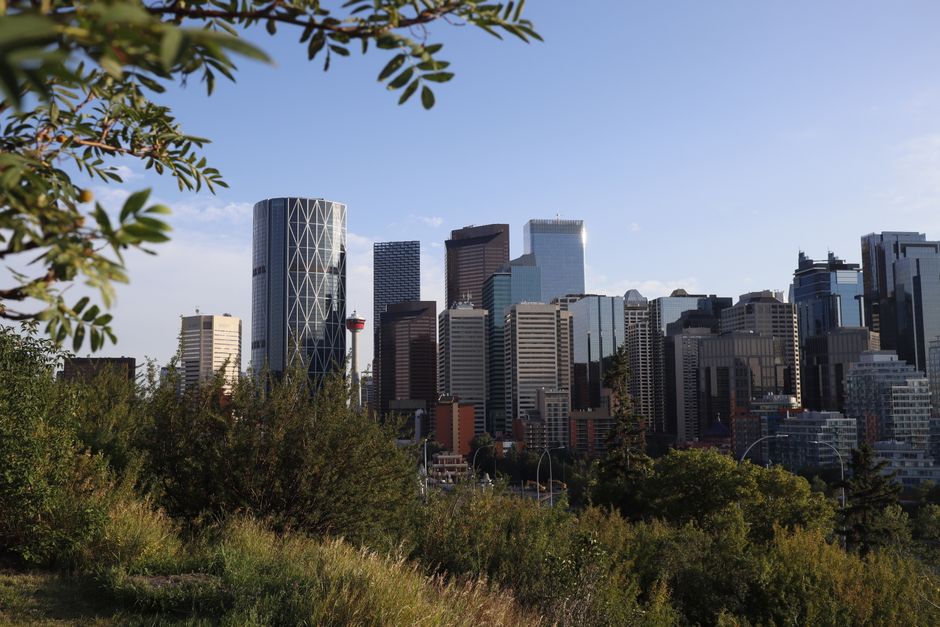
Calgary is where the prairie meets the Rocky Mountains. Alberta’s largest city, home to about 1.3 million people, spreads over rolling grassland where the Bow and Elbow rivers meet, with the snowy peaks of the Rockies on the western horizon. It grew up as a cattle town and an oil capital, and every July the whole city pulls on cowboy boots for the Calgary Stampede. The rest of the year it is a sunny, outdoorsy city with riverside paths, a lively food scene, the National Music Centre and a living-history village, and the main gateway to Banff, Lake Louise, Canmore and the dinosaur badlands of Drumheller. Winters are long and cold, but warm chinook winds can melt the snow in a day.
Right now in Calgary
- Tue 8–21°C 46–70°F Partly cloudy
- Wed 5–15°C 41–58°F Partly cloudy
- Thu 5–15°C 42–59°F Cloudy
- Mon 12 Oct Thanksgiving
Weather: MET Norway (CC BY 4.0) · Air quality: OpenAQ · Rates: ECB · Holidays: Nager.Date
Top tours in Calgary
See all tours for Calgary →
From local operators, with prices and reviews; you check availability and book on Viator, our partner. We may earn a commission at no extra cost to you. How we earn money
Calgary at a glance
- Best months: June to September for warm days and mountain trips; July for the Stampede (July 9 to 18, 2027); December to March for skiing in the Rockies.
- Time needed: two days for the city; four to six with Banff, Lake Louise and Drumheller.
- Getting there: Calgary International Airport (YYC) is linked to downtown by the Route 500 Airport Express bus; there is no airport train.
- Costs (as of October 2026): prices are in Canadian dollars; a transit ride is $4.00 (about US$2.90). Alberta has no provincial sales tax, so shops add only 5% GST; hotels add GST and a 6% tourism levy.
- Before you go: entry rules (eTA or visa), money and driving are covered in our Canada travel guide.
Where to stay in Calgary: the best areas
Downtown and Eau Claire
The widest choice of hotels, the Calgary Tower, Stephen Avenue (a pedestrian street of restaurants in old sandstone buildings) and the CTrain’s free fare zone. Office towers are linked by the Plus 15 network of enclosed walkways above the street, handy in winter. Eau Claire, on the north edge, sits on the Bow River beside Prince’s Island Park. The easiest base without a car, though the core is quiet on weekends.
Beltline, 17th Avenue and Mission
Just south of downtown, the Beltline is the busiest dining and nightlife district, with 17th Avenue SW lined by restaurants, bars and boutiques; Mission, along 4 Street SW, is leafier. The Stampede grounds are next door, so book early for July.
East Village, Inglewood and Kensington
East Village, where the rivers meet, has been rebuilt around Studio Bell, the Central Library and the RiverWalk. Inglewood, the oldest neighborhood, has brick storefronts, record shops, breweries and some of the best restaurants. Across the Peace Bridge, Kensington is a village-like area of cafes and independent shops. Hotels near the airport are cheaper and handy for an evening arrival before driving to Banff, but you need a car there.
Top things to see in Calgary
The Calgary Stampede (July 9 to 18, 2027)
For ten days every July, “the Greatest Outdoor Show on Earth” takes over the city. The 2027 Stampede runs from July 9 to 18, opening with the Stampede Parade through downtown on Friday, July 9, a tradition since 1912. On Stampede Park, beside the Elbow River, the rodeo starts daily at 1:30 p.m., with bull riding, bronc riding and barrel racing, and the chuckwagon races and Evening Show start nightly at 7:15 p.m. Around them are a midway, livestock shows, concerts and the Elbow River Camp, where First Nations share their culture. Rodeo and Evening Show tickets for 2027 are already on sale; hotels fill months ahead. Future dates: July 7 to 16, 2028, and July 6 to 15, 2029.
Calgary Tower
Opened in 1968 as the Husky Tower, the Calgary Tower (101 9 Avenue SW) rises 191 meters (627 feet) above downtown. The observation deck has 360-degree views to the Rockies and a glass floor added in 2005; the cauldron on top was the Olympic flame for the 1988 Winter Games. From September to May it is open daily from 10 a.m. to 9 p.m. (last ride up 8:30 p.m.). Adults (13–64) pay $23 online (about US$16.50) or $24.99 at the door, seniors $21 online and children 4–12 $10, plus GST; children 3 and under are free. Prices vary by date, online orders add a $1.50 fee, and the tower is cashless.
Studio Bell, home of the National Music Centre
This curving tiled building in East Village (850 4 Street SE) holds the Canadian Music Halls of Fame, rare instruments and hands-on rooms where you can play guitars, drums and synthesizers. It is open from 10 a.m. to 5 p.m. (hours can vary; last entry 90 minutes before closing). Admission: adults $24.50 (about US$17.60), students and seniors $19.50, youth 4–12 $16.50, under 4 free. Seniors are free on Wednesdays, and anyone can choose pay-what-you-can.
Heritage Park Historical Village
On the shore of the Glenmore Reservoir (1900 Heritage Drive SW), this living-history museum covers 65 acres (26 hectares) with more than 180 exhibits: a prairie town with a working bakery and saloon, a steam train and the S.S. Moyie paddlewheeler. The Historical Village opens daily in summer; in autumn 2026 it opens weekends and holidays, 10 a.m. to 5 p.m., until October 12, at $39.95 for adults (about US$28.75), $31.95 for seniors and $27.95 for children 3–15, plus GST. The Gasoline Alley Museum of vintage cars is open daily all year (adults $14.95).
The Bow River, Prince’s Island Park and the pathways
The fast, glacial-green Bow flows right past downtown. Prince’s Island Park, a 20-hectare (50-acre) island reached by footbridges, is open 5 a.m. to 11 p.m. and hosts summer festivals; just west, the red Peace Bridge crosses to Kensington. The City maintains about 1,000 km (620 miles) of regional pathways, which it calls the most extensive urban pathway and bikeway network in North America; rent a bike and follow the river through East Village to St. Patrick’s Island.
Floating the Bow by raft is a summer tradition. City bylaw requires everyone on the rivers to wear a life jacket (fines up to $500), motorized craft are banned in the city, and the City warns the river is very cold and fast and generally not suitable for swimming; bridge piers and the Harvie Passage rapids can flip rafts. A guided float is the easy option.
Other things to do in Calgary
- Olympic legacy: Canada Olympic Park, built for 1988, has ski jumps, a small ski hill in winter and mountain biking in summer.
- Calgary Zoo: on St. George’s Island, with a Canadian Wilds area and life-size dinosaurs; Zoo station is on the Blue Line.
- Fish Creek Provincial Park: a long wooded valley across south Calgary with walking and cycling trails.
- Sports: the Calgary Flames play NHL hockey from October to April.
Food and drink in Calgary
Alberta beef is the city’s signature, from classic steakhouses to grills that name the ranch, and bison and Saskatoon-berry desserts turn up too. Calgary claims its own Chinese-Canadian dish, ginger beef (crispy beef in a sweet, sticky sauce), best tried in Chinatown on Centre Street, and the Caesar cocktail is said to have been invented here in 1969. Eat on Stephen Avenue downtown, 17th Avenue SW for choice, and Inglewood and Bridgeland for chef-owned places; dozens of craft-brewery taprooms dot the southeast. During the Stampede, free pancake breakfasts pop up all over the city. Tip 15–20% before tax.
Day trips from Calgary
Banff and Lake Louise
The town of Banff is about 1.5 hours west on the Trans-Canada Highway (Highway 1), and Lake Louise 58 km (36 miles) farther, roughly two hours from the city. A day trip works, but Banff deserves two nights. Everyone who stops in the park needs a Parks Canada pass: $12.25 per adult a day (about US$8.80) or $24.50 for a family or group in one vehicle; youth 17 and under are free. Moraine Lake is reached only by Parks Canada shuttle or licensed tour, and the 2026 shuttle season ends October 12. See our Banff National Park travel guide for shuttles and parking, and continue up the Icefields Parkway to Jasper National Park.
Canmore and Kananaskis Country
Canmore, just outside the park gates, about 1 hour 15 minutes from Calgary, has a relaxed main street under the Three Sisters peaks and often cheaper hotels than Banff; no park pass is needed in town. South of the highway, quieter Kananaskis Country has lakes and trails; vehicles stopping there need a Kananaskis Conservation Pass, $15 a day (about US$10.80) or $90 a year, but not in Canmore or to drive through on Highway 1.
Drumheller and the Royal Tyrrell Museum
About 1.5 hours northeast, the prairie drops into the striped badlands of the Red Deer River valley, one of the world’s richest dinosaur fossil areas. The Royal Tyrrell Museum, 6 km (4 miles) northwest of Drumheller in Midland Provincial Park, displays dozens of dinosaur skeletons. From September 1 to May 14 it opens Tuesday to Sunday, 10 a.m. to 5 p.m. (open holiday Mondays; last ticket 3:30 p.m.); from May 15 to August 31, daily 9 a.m. to 9 p.m. Timed tickets: adults $25 (about US$18), seniors $16, youth $12, children 6 and under free, families $55, tax included. Add the Hoodoos and Horseshoe Canyon.
Nearby destinations
- Banff National Park105 km
- Glacier National Park256 km
Getting there and getting around
From Calgary International Airport (YYC)
YYC, on the northeast side of the city, has flights across Canada, to many US cities and to Europe. Calgary Transit’s Route 500 Airport Express (renamed from Route 300 on August 31, 2026) runs along Centre Street to downtown for the regular $4.00 fare. Stops: domestic terminal Door 2 (Bays 7 and 8) and international terminal Arrivals level, Door 15 (Bay 32). Buy tickets at the machines (cards or cash) or in the My Fare app. A taxi takes about 25 to 30 minutes. Most visitors heading to the mountains rent a car at the airport; shuttles also run to Banff and Lake Louise.
The CTrain, buses and the downtown free fare zone
The CTrain light rail has two lines, Red and Blue, sharing tracks downtown along 7 Avenue. The stretch between Downtown West–Kerby and City Hall/Bow Valley College stations is a Free Fare Zone: no ticket is needed if your whole trip stays in it, a rule in place since 1981. On May 26, 2026, City Council deferred a decision on its future until a fare strategy is finished in early 2027. Elsewhere, an adult fare is valid for 90 minutes of transfers.
| Calgary Transit fare (2026) | Adult (18+) | Youth (13–17) |
|---|---|---|
| Single fare, valid 90 minutes | $4.00 (about US$2.90) | $2.65 |
| Book of 10 tickets | $40.00 | $26.50 |
| Day pass, until end of service | $12.65 (about US$9.10) | $9.25 |
| Weekend group day pass (max. 2 adults, 5 people) | $18.00 | |
| Children 12 and under | Free | |
The easiest option is the My Fare app: pay by card, Apple Pay or Google Pay, activate the ticket and scan it at the platform or bus validator. CTrain station machines take cash and cards. Addresses carry a quadrant (NW, NE, SW, SE), which makes the grid easy to navigate.
Driving and trains
A car is the best way to reach Banff, Kananaskis and the badlands. In winter, mountain highways often have snow; Parks Canada requires snow tires or chains on the Icefields Parkway from November 1 to March 31, so ask for winter tires on rentals. No VIA Rail passenger trains serve Calgary; the nearest stops on the Canadian are Edmonton and Jasper.
When to go: Calgary weather month by month
At more than 1,000 meters (3,400 feet), Calgary is dry, sunny and changeable. Summers are warm with cool nights; June is the wettest month, with thunderstorms and sometimes hail. Winters are cold, with snow possible from September to May, but chinooks, warm, dry winds from the Rockies, can lift temperatures by 15 °C (27 °F) or more within hours. In 1991–2020, January ranged from 17.6 °C (64 °F) to −39.7 °C (−39 °F).
| Month | Average high / low | Precipitation (days with 1 mm or more) | Snowfall | What to expect |
|---|---|---|---|---|
| January | −2 °C (29 °F) / −14 °C (8 °F) | 10 mm (0.4 in), 4 days | 17 cm (6.5 in) | Coldest; cold snaps and chinook thaws |
| February | 0 °C (32 °F) / −12 °C (11 °F) | 12 mm (0.5 in), 4 days | 17 cm (6.7 in) | Cold and sunny; ski season |
| March | 4 °C (39 °F) / −8 °C (17 °F) | 18 mm (0.7 in), 4 days | 24 cm (9.4 in) | Snowiest month; spring skiing |
| April | 11 °C (51 °F) / −2 °C (29 °F) | 30 mm (1.2 in), 6 days | 23 cm (9.0 in) | Snow and sun in the same week |
| May | 16 °C (62 °F) / 3 °C (38 °F) | 61 mm (2.4 in), 8 days | 10 cm (3.8 in) | Green-up; late snow possible |
| June | 20 °C (67 °F) / 8 °C (46 °F) | 113 mm (4.4 in), 11 days | Rare | Wettest; thunderstorms |
| July | 24 °C (74 °F) / 10 °C (50 °F) | 66 mm (2.6 in), 9 days | None | Warmest; Stampede; busiest |
| August | 23 °C (74 °F) / 9 °C (49 °F) | 54 mm (2.1 in), 7 days | None | Warm; possible wildfire smoke |
| September | 18 °C (65 °F) / 5 °C (40 °F) | 37 mm (1.5 in), 6 days | 2 cm (0.9 in) | Crisp; golden larches in the Rockies |
| October | 11 °C (52 °F) / −1 °C (30 °F) | 17 mm (0.7 in), 5 days | 12 cm (4.5 in) | Cool; first snows; lower prices |
| November | 4 °C (39 °F) / −8 °C (18 °F) | 16 mm (0.6 in), 4 days | 19 cm (7.4 in) | Winter arrives; ski areas open |
| December | 0 °C (31 °F) / −12 °C (10 °F) | 12 mm (0.5 in), 3 days | 16 cm (6.4 in) | Cold, dry, short days |
Figures are Environment and Climate Change Canada’s 1991–2020 climate normals for Calgary International Airport: about 445 mm (17.5 in) of precipitation a year, including 139 cm (55 in) of snow. The mountains are colder and snowier.
Events worth planning around
- Calgary Stampede (July 9 to 18, 2027), with the parade on July 9.
- Canada Day (July 1) and summer festivals on Prince’s Island Park.
- Winter: holiday lights and the Lake Louise ski season, November 6, 2026 to May 2, 2027.
How long to stay: 2, 4 and 6 days
- Two days: downtown and the Calgary Tower; Studio Bell and East Village; the Bow River and Kensington; Heritage Park in season.
- Four days: add Drumheller and a day in Banff or Canmore.
- Six days: spend two or three nights in Banff, or continue to Jasper.
What things cost in Calgary and the taxes on your bill
| Item (as of October 2026) | Price in CAD | About in USD |
|---|---|---|
| Transit single fare / day pass | $4.00 / $12.65 | US$2.90 / US$9.10 |
| Calgary Tower, adult online (at the door) | $23 ($24.99) + GST | US$16.50 (US$18) |
| Studio Bell, adult | $24.50 | US$17.60 |
| Heritage Park Historical Village, adult (fall 2026) | $39.95 + GST | US$28.75 |
| Royal Tyrrell Museum, adult / family | $25 / $55, tax included | US$18 / US$40 |
| Banff park daily pass, adult / family vehicle | $12.25 / $24.50 | US$8.80 / US$17.60 |
| Kananaskis Conservation Pass, vehicle per day | $15 | US$10.80 |
| Mid-range hotel room per night before taxes (estimate) | $170–$300 | US$120–$215 |
| Casual restaurant main course (estimate) | $20–$35 | US$14–$25 |
Conversions use about US$0.72 to CA$1. Taxes: Alberta has no provincial sales tax, so most purchases carry only the 5% GST. Hotels and short-term rentals also pay Alberta’s tourism levy, which rose from 4% to 6% for stays booked after March 31, 2026, including booking and cleaning fees. Some hotels add a destination marketing fee, and Stampede rates can be double the usual price.
Practical tips for Calgary
- Time zone: Mountain Time, like Banff and Denver; clocks go back on November 1, 2026.
- Winter cold: cold snaps can drop below −20 °C (−4 °F), and wind chill makes it feel colder. Cover your head, hands and face, and carry a blanket, water and a charger in the car.
- Chinooks: a mild day can be followed by a quick refreeze that leaves roads and sidewalks icy; wear shoes with good grip.
- Wildlife on day trips: in Banff, Canmore and Kananaskis you may meet elk, bighorn sheep, bears and cougars near roads and towns. Never feed animals (fines in national parks reach $25,000), stay 30 meters (100 feet) from elk and 100 meters (330 feet) from bears, and carry bear spray on trails.
- Emergencies: call 911.
What to pack for Calgary
In summer, bring a warm layer for cool evenings and mountain viewpoints, a rain shell, sunscreen and sunglasses. In winter you need an insulated parka, hat, gloves and waterproof boots with good grip. For the Stampede, jeans, boots and a cowboy hat, all sold in town.
Calgary travel FAQ
When is the Calgary Stampede in 2027?
From July 9 to 18, 2027, starting with the parade through downtown on Friday, July 9. The 2028 Stampede runs July 7 to 16. Rodeo and Evening Show tickets for 2027 are on sale now.
How do I get from Calgary airport to downtown?
Take the Route 500 Airport Express bus (formerly Route 300) from either terminal for the regular $4.00 adult fare. A taxi takes about 25 to 30 minutes. There is no train to the airport.
Is the CTrain free in downtown Calgary?
Yes, within the Free Fare Zone on 7 Avenue, between Downtown West–Kerby and City Hall/Bow Valley College stations, if your whole trip stays inside it. Council will decide its future after a fare strategy due in early 2027.
How much is a bus or CTrain ticket in Calgary?
An adult fare is $4.00, valid for 90 minutes, and a day pass is $12.65. Children 12 and under ride free. Buy in the My Fare app or at CTrain station machines.
How far is Banff from Calgary?
About 1.5 hours west by car, and Lake Louise about two hours. A Parks Canada pass is required to stop in the park: $12.25 per adult a day, or $24.50 per family vehicle.
Is Drumheller worth a day trip from Calgary?
Yes, for dinosaurs and badlands scenery. The Royal Tyrrell Museum is about 1.5 hours away; adults pay $25, and from September to mid-May it is closed on Mondays except holiday Mondays.
How much does the Calgary Tower cost?
Adults pay $23 online or $24.99 at the door, seniors $21 online and children 4–12 $10, plus GST; children 3 and under are free. Prices can vary by date.
What is a chinook?
A warm, dry winter wind from the Rockies that raises temperatures sharply within hours and melts snow, often marked by an arch of clear sky over the mountains.
What taxes are added to hotel bills in Calgary?
5% GST and Alberta’s 6% tourism levy for stays booked after March 31, 2026, about 11% in total. Some hotels add a destination marketing fee.
When is the best time to visit Calgary?
June to September for warm weather and mountain trips, with July for the Stampede if you book early. September brings golden larches and lower prices.
Sources and last review
Researched and last reviewed on 5 October 2026. Stampede dates and show times come from the Calgary Stampede; fares, the Free Fare Zone, My Fare and Route 500 from Calgary Transit; airport stops from YYC Calgary International Airport; river rules, Prince’s Island Park and pathways from the City of Calgary; attraction hours and prices from the Calgary Tower, Studio Bell, Heritage Park and the Royal Tyrrell Museum; the tourism levy and Kananaskis pass from the Government of Alberta; park passes, shuttles, tire rules and wildlife guidance from Parks Canada; climate from Environment and Climate Change Canada’s 1991–2020 normals; population from Wikidata. Drive and taxi times, hotel and meal estimates, food history and some attraction details are general references flagged for checking. For entry rules and money, see our Canada travel guide.
Plan your trip
Partner links: TravelerCenter may earn a commission if you book, at no extra cost to you.