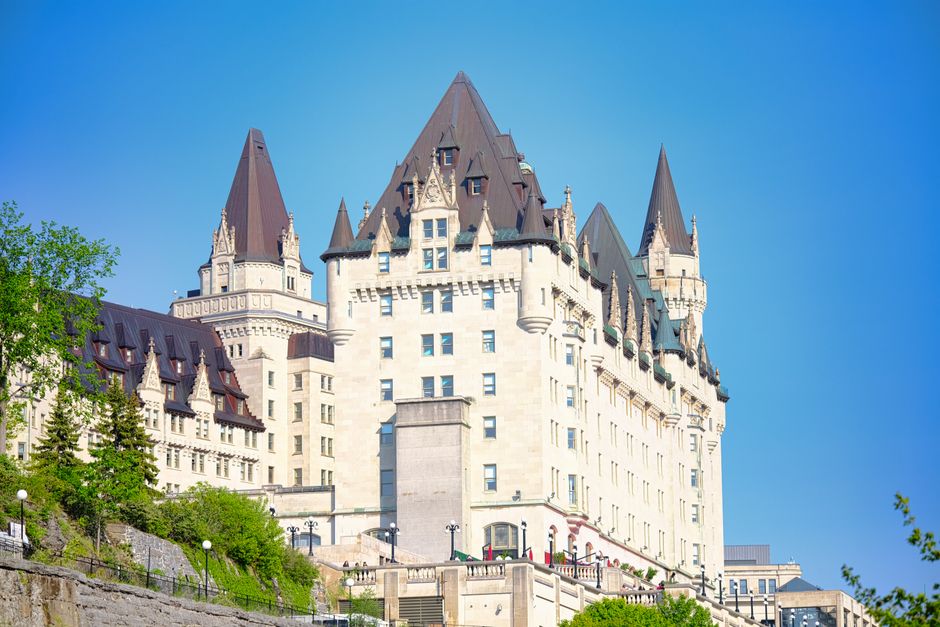
Canada is the second-largest country on earth, and most visitors come for its wide-open nature and its easy-going cities: the turquoise lakes and glaciers of Banff and Jasper, the rainforest coast and whales of British Columbia, the roar of Niagara Falls, the French-speaking streets of Montreal and Quebec City, multicultural Toronto, the parliament and canals of Ottawa, and the lighthouses, lobster and fiddle music of Atlantic Canada. Distances are vast, about 5,500 km (3,400 miles) from coast to coast, so most first trips focus on one or two regions, linked by flights, VIA Rail trains or a road trip. Before you go, check whether you need an eTA (CA$7, for visa-exempt travellers flying in) or a visa, budget for sales taxes and tips, which are added to listed prices, and buy travel health insurance, because visitors are not covered by Canada’s public health care. Summer and early autumn are the easiest seasons almost everywhere, winter brings world-class skiing and the northern lights, and a first trip of 10 days to two weeks lets you see one region well.
Right now in Canada
- Tue 8–14°C 47–57°F Clear
- Wed 7–13°C 44–56°F Clear
- Thu 6–10°C 43–50°F 1 mm Cloudy
- Mon 12 Oct Thanksgiving
Weather: MET Norway (CC BY 4.0) · Rates: ECB · Holidays: Nager.Date
Key facts
| Currency | Canadian dollar (CAD, CA$); cash totals rounded to 5 centsSource: bankofcanada.ca · Last reviewed 4 Oct 2026 |
|---|---|
| Languages | English and French (both official); Quebec is mainly French-speakingSource: laws-lois.justice.gc.ca · Last reviewed 4 Oct 2026 |
| Plugs and voltage | Type A and B · 120 V, 60 HzSource: wikidata.org · Last reviewed 4 Oct 2026 |
| Emergency number | 911 (police, fire, ambulance)Source: crtc.gc.ca · Last reviewed 4 Oct 2026 |
| Driving side | On the right; right on red allowed except on Montreal island; winter tires required on mountain roads in seasonSource: parks.canada.ca · Last reviewed 4 Oct 2026 |
| Tap water | Safe to drink (treat backcountry water)Source: canada.ca · Last reviewed 4 Oct 2026 |
| Tipping | Expected: 15-20% of the pre-tax bill in restaurants; 10-15% for taxisSource: canada.ca · Last reviewed 4 Oct 2026 |
| Payments | Cards and tap-to-pay almost everywhere; sales tax is added at the till, not included in listed pricesSource: canada.ca · Last reviewed 4 Oct 2026 |
| Calling code | +1 (dial 011 for international calls)Source: wikidata.org · Last reviewed 4 Oct 2026 |
| Time zones | Six zones from Pacific (UTC−8) to Newfoundland (UTC−3:30); summer time from the 2nd Sunday in March to the 1st Sunday in NovemberSource: data.iana.org · Last reviewed 4 Oct 2026 |
| Entry summary | eTA (CA$7) for visa-exempt visitors flying in; US citizens need none; others need a visitor visaSource: canada.ca · Last reviewed 4 Oct 2026 |
| SIM and eSIM | Canadian eSIMs and prepaid SIMs widely available; no coverage on many mountain and northern roadsSource: parks.canada.ca · Last reviewed 4 Oct 2026 |
Multi-day tours of Canada
Multi-day tours from local operators. You check dates and book on Viator, our partner; we may earn a commission at no extra cost to you. How we earn money
Canada at a glance: 10 provinces and 3 territories
Canada covers 9,984,670 km² (3.86 million square miles), from the Great Lakes to the Arctic islands, with the world’s longest coastline. Yet it has only about 41.8 million people (Statistics Canada’s estimate for 1 July 2026), most of them living within a few hundred kilometres of the US border. It is a federal parliamentary democracy and constitutional monarchy, with ten provinces and three northern territories; the capital is Ottawa. The provinces matter to visitors: each one sets its own sales tax, driving rules, drinking and cannabis ages and some public holidays.
English and French are both official languages. Quebec is mainly French-speaking, and so are parts of New Brunswick, Ontario and Manitoba; elsewhere, English dominates, and big cities such as Toronto and Vancouver are among the most diverse on the planet. First Nations, Inuit and Métis peoples have lived here for thousands of years, and Indigenous place names, cultural centres and tourism businesses are increasingly part of a visit.
Time zones: Canada spans six: Pacific (Vancouver, Whistler), Mountain (Calgary, Banff, Jasper), Central (Winnipeg; most of Saskatchewan stays on Central Standard Time all year), Eastern (Toronto, Ottawa, Montreal, Quebec City), Atlantic (Halifax, PEI, Cape Breton) and Newfoundland, half an hour ahead of Atlantic. Toronto is five hours behind London and three hours ahead of Vancouver. Daylight saving time ends on Sunday, 1 November 2026 and starts again on Sunday, 14 March 2027; Yukon stays on permanent Mountain Standard Time.
Canada’s regions
- British Columbia: Vancouver between mountains and sea, Victoria on Vancouver Island, the surf and rainforest of Tofino, the ski resort of Whistler, and the lakes and vineyards of the Okanagan.
- Alberta and the Rockies: Banff and Jasper national parks joined by the Icefields Parkway, the cowboy city of Calgary and its July Stampede, and the dinosaur badlands of Drumheller.
- The Prairies: Saskatchewan and Manitoba’s wheat fields and big skies, Winnipeg’s museums, and the polar bears and beluga whales of Churchill on Hudson Bay.
- Ontario: Toronto, Niagara Falls and its wine country, the capital Ottawa, and the lakes of Muskoka and Algonquin Provincial Park.
- Quebec: Montreal, walled Quebec City, the Laurentian mountains and Mont-Tremblant, and whale watching where the Saguenay fjord meets the St. Lawrence.
- Atlantic Canada: Halifax and Nova Scotia’s coast, Cape Breton Island’s Cabot Trail, Prince Edward Island, the Bay of Fundy’s tides in New Brunswick, and Newfoundland’s icebergs and fjords.
- The North: Yukon, the Northwest Territories and Nunavut, with the northern lights, the midnight sun and Inuit culture.
Regions
- Alberta
- British Columbia
- Manitoba
- Muskoka District Municipality
- New Brunswick
- Newfoundland and Labrador
- Northwest Territories
- Nova Scotia
- Nunavut
- Okanagan
- Ontario
- Quebec
- Saskatchewan
- Yukon
Where to go: cities, mountains and coasts
For a first visit, choose between the east and the west. In the east, Toronto, Niagara Falls, Ottawa, Montreal and Quebec City sit along one rail corridor, with frequent VIA Rail trains of three to five hours between them, so you can travel without a car. In the west, fly into Calgary or Vancouver and combine the Rockies with the Pacific coast, ideally by car. Atlantic Canada is a slower, summer road trip on its own.
Toronto and Niagara Falls
Canada’s largest city has the CN Tower, the Royal Ontario Museum and the Art Gallery of Ontario, St. Lawrence Market, the Distillery District, a short ferry ride to the Toronto Islands, and neighbourhoods where you can eat your way around the world. Niagara Falls is about 1.5 hours away by car or GO train: the Horseshoe Falls is best seen from the Canadian side, with boat trips into the spray, and Niagara-on-the-Lake’s wineries are nearby. Our Toronto and Niagara Falls guides cover transit fares, hotel taxes and the attractions.
Montreal and Quebec City
Montreal mixes French and North American culture: Old Montreal’s cobbled streets and Notre-Dame Basilica, Mount Royal park, bagels and smoked meat, a summer full of festivals and a winter of outdoor events. Quebec City, three and a half hours east by train, is the only walled city north of Mexico, a UNESCO World Heritage Site crowned by the Château Frontenac, magical at Christmas and during its February Winter Carnival. Speaking a few words of French is appreciated. See our Montreal and Quebec City guides.
Ottawa
The capital, on the Ottawa River opposite Quebec, has Parliament Hill, the Rideau Canal (a UNESCO site that becomes a skating rink in winter), national museums and galleries, and the ByWard Market. It is an easy stop between Toronto and Montreal; see our Ottawa guide.
Banff, Jasper and the Canadian Rockies
Canada’s most famous scenery: Lake Louise, Moraine Lake and Peyto Lake, glaciers on the Icefields Parkway, elk and bears, hot springs and three ski resorts. Fly into Calgary, 1.5 hours from Banff. Moraine Lake can only be reached by shuttle or tour, and Jasper is rebuilding after a 2024 wildfire but is open and welcoming visitors. Our Banff National Park, Jasper National Park and Calgary guides have fees, shuttles and road conditions.
Vancouver, Victoria and British Columbia
Vancouver combines a lively downtown with Stanley Park’s seawall, beaches and ski hills 30 minutes away. Ferries and floatplanes cross to Victoria, the gardened capital on Vancouver Island, and on to Tofino’s surf beaches and old-growth rainforest. The Sea-to-Sky Highway climbs to Whistler, and the sunny Okanagan Valley, inland, has lakes, orchards and wineries. Our Vancouver, Victoria, Tofino, Whistler and Okanagan guides cover them.
Atlantic Canada
Halifax’s waterfront and the Peggy’s Cove lighthouse, the Cabot Trail around Cape Breton Island, Prince Edward Island’s beaches and Anne of Green Gables, and the world’s highest tides in the Bay of Fundy make a superb summer and autumn road trip. Newfoundland, reached by ferry or plane, adds icebergs in spring, puffins and humpback whales in summer. See our Halifax, Cape Breton Island and Prince Edward Island guides.
Lakes and mountain resorts: Muskoka and Mont-Tremblant
Canadians escape to “cottage country” in summer: Muskoka’s granite-shored lakes and historic steamships, two hours north of Toronto, and Algonquin Provincial Park’s canoe routes and autumn colours. In Quebec, Mont-Tremblant’s pedestrian village and ski hill sit in the Laurentians, 1.5 to 2 hours from Montreal. See our Muskoka and Mont-Tremblant guides.
The North and the northern lights
Yellowknife in the Northwest Territories and Whitehorse in Yukon are among the best places on earth to see the aurora borealis, with tour operators, heated viewing cabins and long, clear nights. The Northwest Territories’ tourism board lists two aurora seasons: mid-August to the end of September, and mid-November to early April. Expect winter temperatures of −20 to −30 °C (−4 to −22 °F) and book well-equipped tours.
Banff National Park Travel Guide
Plan a visit to Banff National Park in Alberta: 2026 park fees and the Discovery Pass, Moraine Lake's bus-only road and Parks Canada shuttle…
Calgary Travel Guide
Plan a trip to Calgary, Alberta: the Calgary Stampede (July 9 to 18, 2027), the Calgary Tower, Studio Bell, Heritage Park, the Bow River…
Cape Breton Island Travel Guide
Plan a trip to Cape Breton Island, Nova Scotia: driving the Cabot Trail, Cape Breton Highlands National Park fees and the new 2026 Skyline…
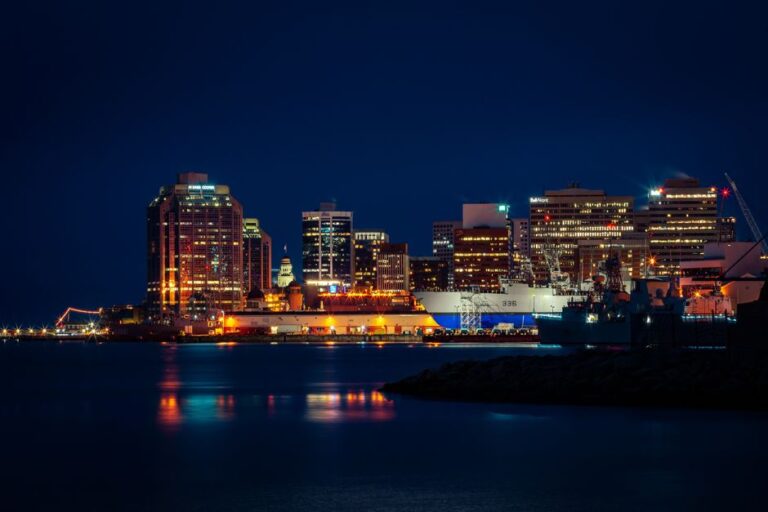
Halifax Travel Guide
Plan a trip to Halifax, Nova Scotia: the waterfront boardwalk, the Halifax Citadel and its 2026 season and fees, Pier 21, the Maritime Museum's…
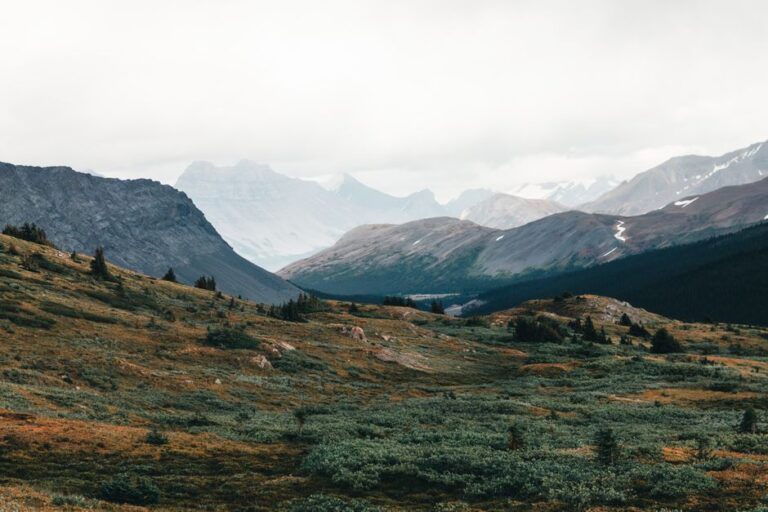
Jasper National Park Travel Guide
Plan a visit to Jasper National Park in Alberta: what is open and closed in autumn 2026 after the 2024 wildfire (Maligne Canyon and…
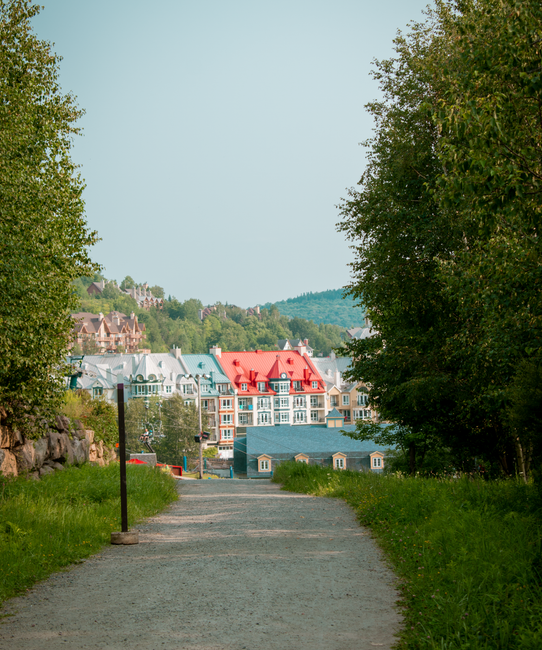
Mont-Tremblant Travel Guide
Plan a trip to Mont-Tremblant in Quebec's Laurentians: skiing at Tremblant and lift ticket tips, the pedestrian village and panoramic gondola, Parc national du…
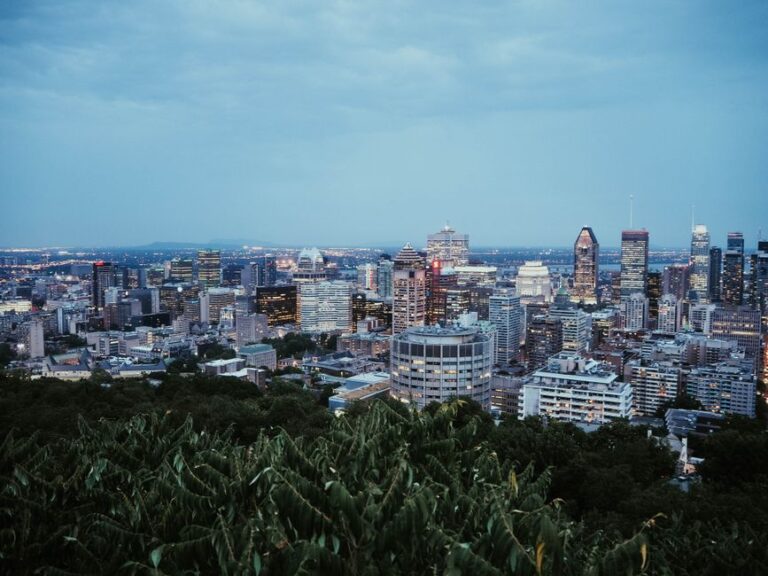
Montreal Travel Guide
Plan a trip to Montreal, Canada's French-speaking metropolis: Old Montreal and Notre-Dame Basilica tickets, Mount Royal, the Plateau and Mile End, Jean-Talon Market, the…
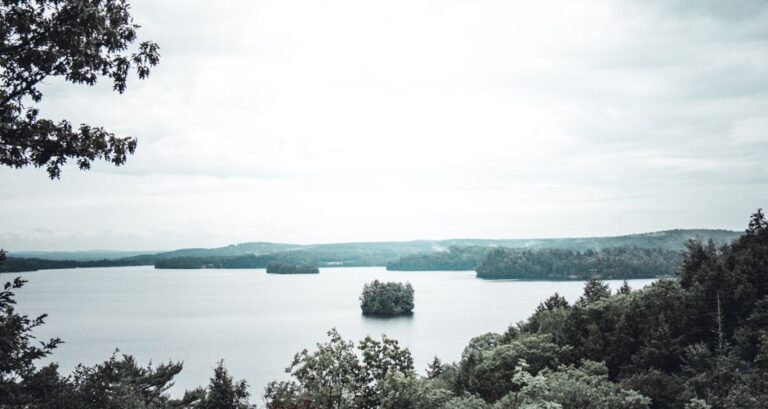
Muskoka Travel Guide
Plan a trip to Muskoka, Ontario's cottage country: Lakes Muskoka, Rosseau and Joseph, the towns of Gravenhurst, Bracebridge, Port Carling and Huntsville, Muskoka Steamships…
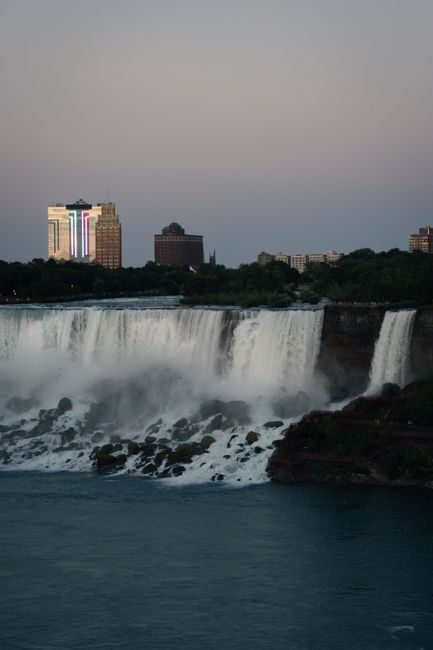
Niagara Falls Travel Guide
Plan a trip to Niagara Falls, Ontario: the Horseshoe Falls from Table Rock, Niagara City Cruises into the mist, Journey Behind the Falls and…
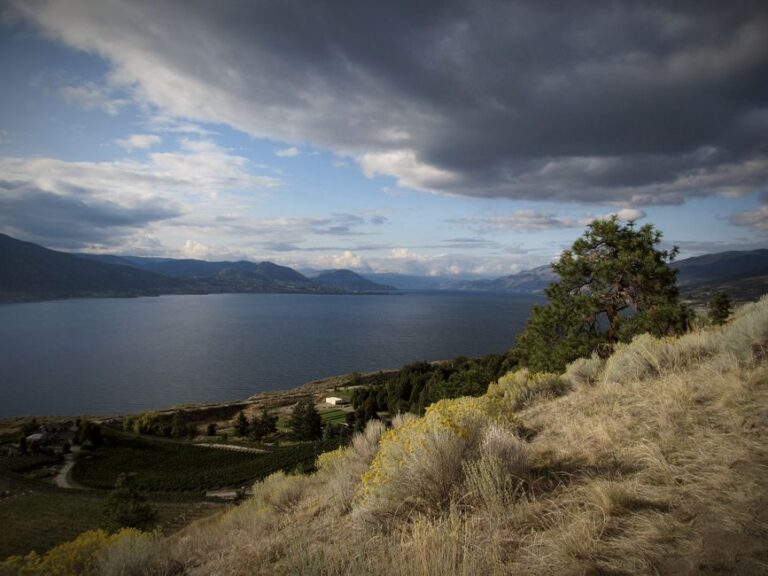
Okanagan Travel Guide
Plan a trip to the Okanagan Valley, British Columbia: Kelowna, Vernon, Penticton, Naramata, Oliver and Osoyoos, wineries and tasting fees, Okanagan Lake beaches, the…
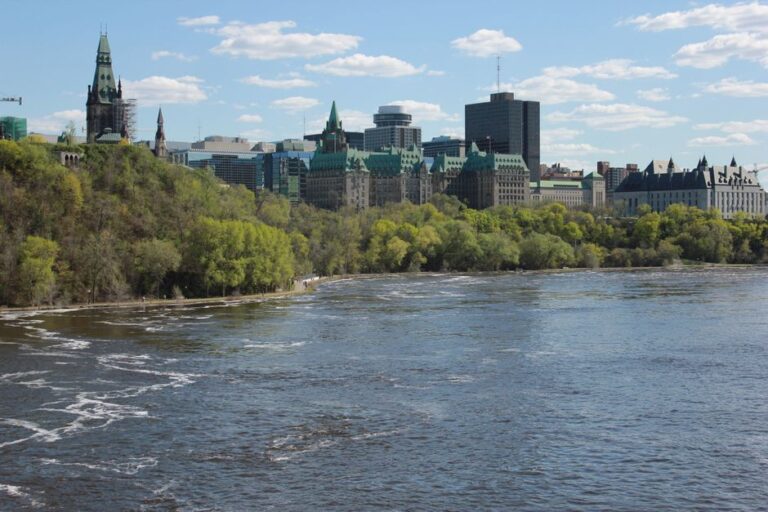
Ottawa Travel Guide
Plan a trip to Ottawa, Canada's capital: Parliament Hill and the 2026 tours while Centre Block is closed, the Rideau Canal locks and the…
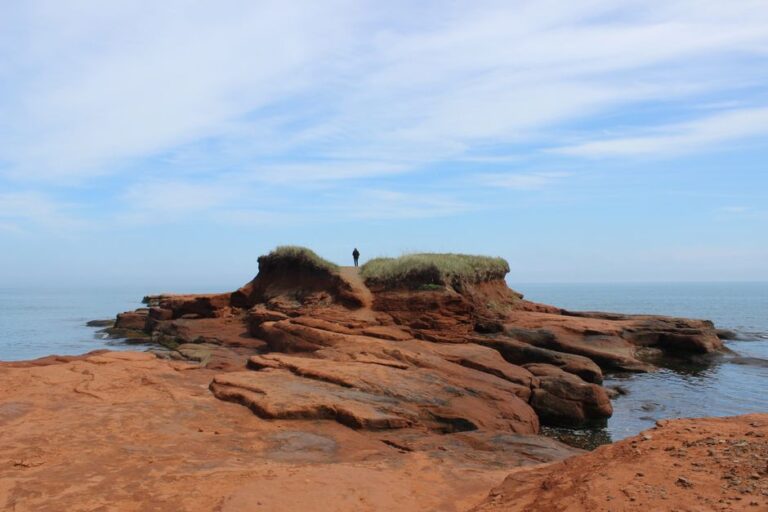
Prince Edward Island Travel Guide
Plan a trip to Prince Edward Island: the Confederation Bridge toll and the Wood Islands ferry with 2026 fares and winter schedule, Charlottetown, Cavendish…
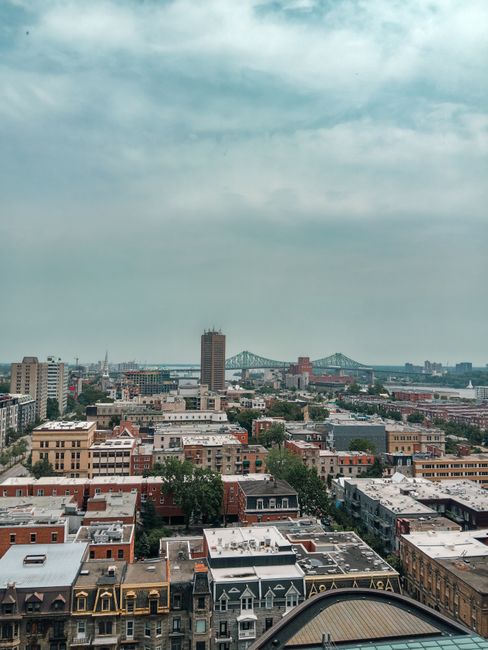
Quebec City Travel Guide
Plan a trip to Quebec City: UNESCO-listed Old Québec, the Château Frontenac and Dufferin Terrace, the walls and Citadelle prices, the Plains of Abraham,…
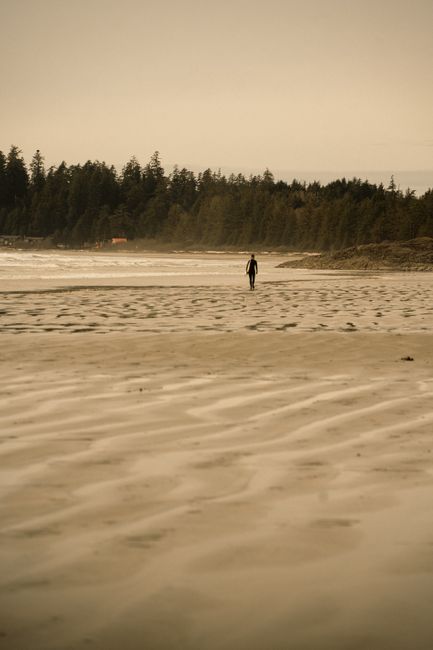
Tofino Travel Guide
Plan a trip to Tofino on Vancouver Island's west coast: Pacific Rim National Park Reserve fees and the Long Beach Unit, surfing and wetsuits,…
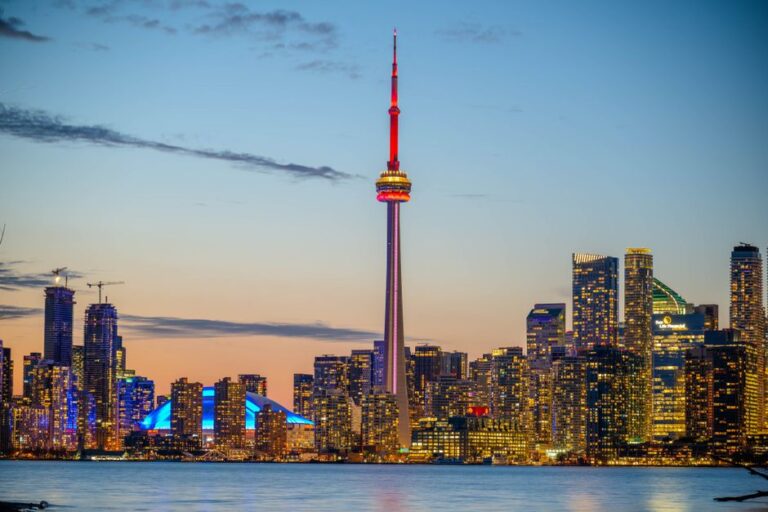
Toronto Travel Guide
Plan a trip to Toronto: neighbourhoods from the Old Town and the Distillery District to Kensington Market and Yorkville, CN Tower tickets, the ROM…
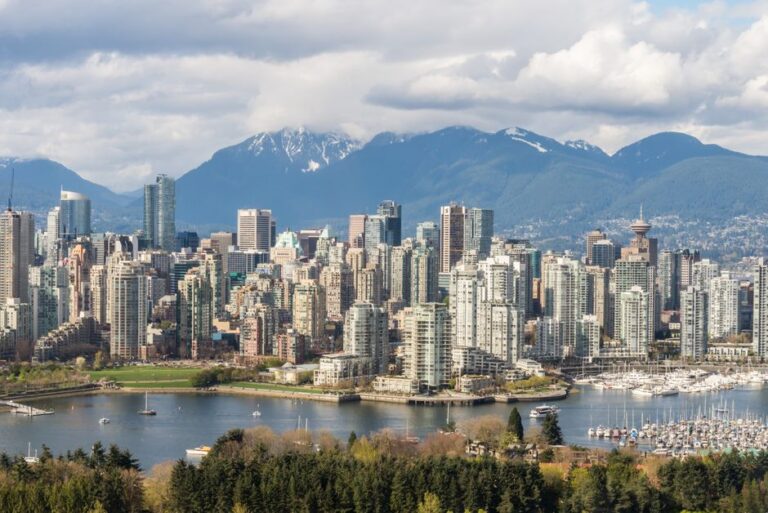
Vancouver Travel Guide
Plan a trip to Vancouver, British Columbia: Stanley Park and the seawall, Granville Island, Gastown and Chinatown, the Museum of Anthropology, Capilano and Lynn…
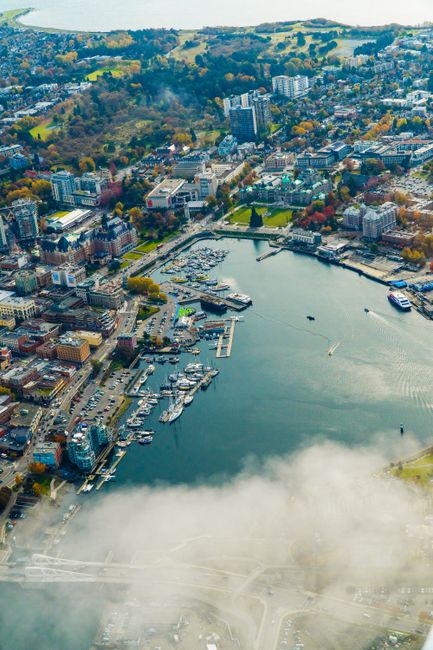
Victoria Travel Guide
Plan a trip to Victoria, British Columbia: the Inner Harbour, free BC Parliament tours, the Royal BC Museum's galleries and 2026 exhibition, Butchart Gardens…
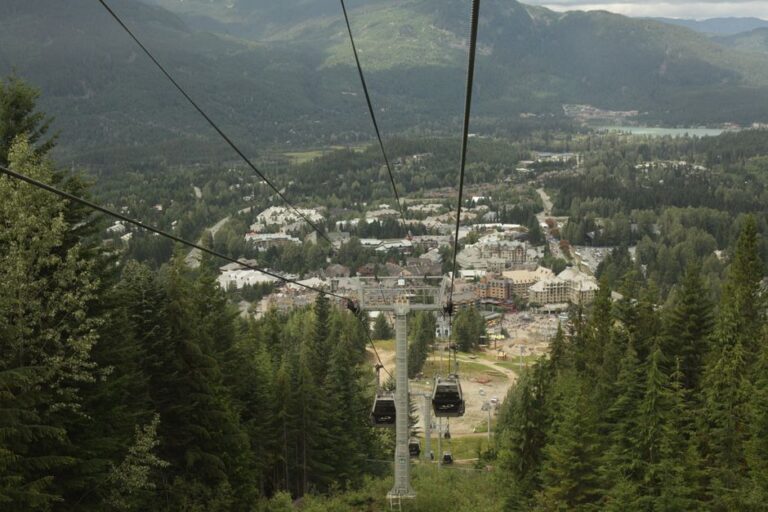
Whistler Travel Guide
Plan a trip to Whistler, British Columbia: Whistler Blackcomb's 2026/27 opening date, the Peak 2 Peak Gondola, Whistler Village, Upper Village and Creekside, the…
Best time to visit Canada, region by region
Canada’s climate ranges from the mild, rainy Pacific coast to hot, humid summers and snowy winters in Ontario and Quebec, dry sunshine and sudden Chinook thaws in Alberta, and Arctic cold in the North. The table shows rounded average daily highs at one weather station per region, from Environment and Climate Change Canada’s 1981–2010 climate normals, plus the average rain and snow (as water) a year.
| Region (station) | Spring highs (Mar–May) | Summer highs (Jun–Aug) | Autumn highs (Sep–Nov) | Winter highs (Dec–Feb) | Rain a year |
|---|---|---|---|---|---|
| Vancouver (airport) | 10–17 °C (50–63 °F) | 20–22 °C (68–72 °F) | 19 falling to 9 °C (66 to 48 °F) | 6–8 °C (43–46 °F) | about 1,190 mm (47 in) |
| Calgary and the Rockies (Calgary airport) | 4–16 °C (39–61 °F) | 20–23 °C (68–73 °F) | 18 falling to 3 °C (64 to 37 °F) | −1 to 1 °C (30–34 °F) | about 420 mm (16 in) |
| Toronto (city) | 5–18 °C (41–64 °F) | 24–27 °C (75–81 °F) | 21 falling to 8 °C (70 to 46 °F) | −1 to 2 °C (30–36 °F) | about 830 mm (33 in) |
| Ottawa (airport) | 2–19 °C (36–66 °F) | 24–27 °C (75–81 °F) | 20 falling to 5 °C (68 to 41 °F) | −6 to −2 °C (21–28 °F) | about 940 mm (37 in) |
| Montreal (Trudeau airport) | 3–19 °C (37–66 °F) | 24–26 °C (75–79 °F) | 21 falling to 6 °C (70 to 43 °F) | −5 to −1 °C (23–30 °F) | about 1,000 mm (39 in) |
| Halifax (Citadel) | 4–14 °C (39–57 °F) | 20–23 °C (68–73 °F) | 19 falling to 8 °C (66 to 46 °F) | 0–3 °C (32–37 °F) | about 1,470 mm (58 in) |
| Winnipeg and the Prairies (airport) | −1 to 19 °C (30–66 °F) | 23–26 °C (73–79 °F) | 19 falling to 0 °C (66 to 32 °F) | −11 to −8 °C (12–18 °F) | about 520 mm (20 in) |
| Yellowknife and the North (airport) | −11 to 10 °C (12–50 °F) | 18–21 °C (64–70 °F) | 10 falling to −10 °C (50 to 14 °F) | −22 to −18 °C (−8 to 0 °F) | about 290 mm (11 in) |
Mountain towns are much colder than these city figures: Banff’s average winter high is about −4 °C (25 °F). Wind chill makes winter in Ottawa, Montreal and the Prairies feel far colder than the thermometer suggests.
Crowds and prices through the year
- Peak (late June to early September): warm and busy everywhere; book Rockies hotels, ferries, park shuttles and trail reservations months ahead. Canada Day (1 July) and the August long weekend are especially busy.
- Autumn (mid-September to mid-October): often the best value: golden larches and aspens in the Rockies, maples in Ontario, Quebec and the Maritimes, and fewer people. Many seasonal businesses close after Canadian Thanksgiving (12 October in 2026; 11 October in 2027).
- Winter (December to March): ski season, winter festivals and the northern lights; cities are quiet and cheaper except at Christmas and during festivals. Some mountain roads and park facilities close or need winter tires.
- Spring (April to mid-June): the quietest season; mountain trails are still snowy, but cities bloom, and it is good value outside Easter and the Victoria Day weekend.
Nature seasons for 2026/27: whales, northern lights, skiing and autumn colours
- Whale watching: in Quebec’s Saguenay–St. Lawrence Marine Park (Tadoussac), boats run from about May to October, with minke, fin, humpback and beluga whales, and blue whales later in the season; in British Columbia, orcas and humpbacks are seen from Victoria and Vancouver from about April to October, and grey whales pass Tofino in March and April; in Nova Scotia’s Bay of Fundy and around Cape Breton, from about June to early October; in Newfoundland, humpbacks peak in June and July.
- Northern lights: best in the North: the Northwest Territories’ two seasons are mid-August to the end of September and mid-November to early April. In the south, at Jasper (a dark-sky preserve) or Banff, auroras appear only on some clear nights.
- Skiing in 2026/27: Lake Louise Ski Resort is open from 6 November 2026 to 2 May 2027, and Banff’s Mt Norquay until 18 April 2027. Whistler Blackcomb, Mont-Tremblant, Big White and the other big resorts usually open between late November and mid-December and run until April; check each resort for exact dates.
- Autumn colours: larches turn gold in the Rockies in the second half of September; maples peak from late September in Algonquin and Muskoka to early or mid-October in Quebec, Cape Breton and the Maritimes.
- Wildfire season: mostly July and August in the West, when smoke can haze the views for days. It rarely stops a trip, but check park bulletins and air quality, and keep plans flexible.
Festivals and events through the year
- October 2026: Celtic Colours on Cape Breton Island (9–17 October); Jasper’s Dark Sky Festival; autumn food festivals.
- November 2026 to January 2027: the Winter Festival of Lights at Niagara Falls (14 November 2026 to 10 January 2027) and Christmas markets in Toronto, Montreal and Quebec City.
- February 2027: Winterlude in Ottawa (29 January to 15 February), the Quebec Winter Carnival (5 to 14 February) and Montréal en Lumière (18 to 28 February).
- Summer 2027: the Montreal International Jazz Festival (25 June to 4 July), Canada Day on 1 July, the Calgary Stampede in early July, and summer festivals everywhere.
Public holidays
National and most provincial holidays: Thanksgiving (12 October 2026), Remembrance Day (11 November, not a day off in every province), Christmas and Boxing Day (25–26 December), New Year’s Day, Family Day in several provinces (15 February 2027), Good Friday (26 March 2027), Victoria Day (24 May 2027), Saint-Jean-Baptiste Day in Quebec (24 June), Canada Day (1 July), the Civic Holiday in many provinces (2 August 2027), Labour Day (6 September 2027) and the National Day for Truth and Reconciliation (30 September, a federal holiday). Banks, offices and many shops close; transit runs a reduced service, and long weekends are very busy on the roads and at parks.
How long to stay: sample itineraries
7 days: Toronto, Niagara Falls, Ottawa and Montreal by train
Two days in Toronto with a day trip to Niagara Falls; the VIA Rail train to Ottawa (about 4.5 hours) for a day and a half; then to Montreal (about 2 hours) for two days, finishing with a day trip or overnight in Quebec City (about 3.5 hours by train from Montreal). No car needed.
7–10 days: Calgary and the Rockies
Fly into Calgary and drive to Banff (three or four nights) for Lake Louise, Moraine Lake by shuttle and Johnston Canyon; drive the Icefields Parkway to Jasper (two or three nights) for Maligne Lake and the Columbia Icefield; return via Yoho National Park or continue west to Vancouver.
10 days: Vancouver, Vancouver Island and Whistler
Three days in Vancouver, the ferry to Victoria for two days, across the island to Tofino for two or three days of beaches and whale watching, then back to the mainland and up the Sea-to-Sky Highway to Whistler. Add the Okanagan in late summer for wineries and lakes.
10–14 days: the Maritimes road trip
Halifax and Peggy’s Cove (two or three days), Lunenburg, the Cabot Trail on Cape Breton Island (three days), the ferry to Prince Edward Island (two or three days), then out over the Confederation Bridge to New Brunswick’s Bay of Fundy and back to Halifax.
2–3 weeks: coast to coast
Combine the Toronto–Montreal corridor with the Rockies and Vancouver, flying between them, or take VIA Rail’s Canadian across the prairies and through the Rockies: four nights from Toronto to Vancouver, twice a week, with stops in Winnipeg, Edmonton and Jasper.
Entry, money and costs
Entry: the eTA (last reviewed October 2026)
Citizens of visa-exempt countries, such as the UK, Ireland, most of the EU, Australia, New Zealand, Japan and South Korea, need an Electronic Travel Authorization (eTA) to fly to or transit through a Canadian airport. It costs CA$7 (about US$5), is applied for online with a valid passport, a card and an email address, and is linked electronically to your passport. Most applications are approved within minutes, but some take several days or ask for documents within 72 hours, so apply before you book your flight. An eTA is valid for up to five years or until your passport expires, whichever comes first, and you must travel with the passport you used to apply. It does not guarantee entry: a border officer decides when you arrive.
- Apply only on the Government of Canada’s official eTA site. Unofficial websites charge far more for the same CA$7 application.
- By land or sea (car, bus, train or boat, including cruise ships), visa-exempt travellers do not need an eTA, only a valid passport; the exception is arriving by sea from Saint-Pierre-et-Miquelon.
- Some visa-required nationals (including citizens of Mexico, Brazil and Argentina, and since 26 May 2026 eligible citizens of Indonesia and Malaysia) can apply for an eTA instead of a visa when flying, if they meet extra conditions; check the official eligibility tool.
- Dual Canadian citizens need a valid Canadian passport to fly to Canada, not an eTA.
Visitor visas
Citizens of other countries need a visitor visa (temporary resident visa), whatever way they arrive. Apply online through the IRCC portal: the fee is CA$100 per person (CA$500 maximum for a family of five or more), plus CA$85 for biometrics (fingerprints and a photo; CA$170 maximum for a family applying together). Processing times vary by country and season, from weeks to months, so apply early.
US citizens, green-card holders and land-border documents
- US citizens need no eTA or visa. The Canada Border Services Agency recommends a valid passport, the only universally accepted travel document, and airlines may require one. At the land border you can also show documents proving your name, date of birth and citizenship, such as a US passport card, a NEXUS card, a US enhanced driver’s licence, or a birth or naturalization certificate with photo ID. To return to the US by land or sea, US rules require a passport, passport card, NEXUS or enhanced driver’s licence; by air, a passport or NEXUS.
- US lawful permanent residents (green-card holders) don’t need an eTA. By air, carry your passport and green card; by land or water directly from the US, a valid green card is enough to enter Canada.
- Children: carry ID for each child and, if a child travels with only one parent or with other adults, a consent letter from the absent parent(s) and any custody papers.
- Criminal records: even a past impaired-driving (DUI) conviction can make you inadmissible; get advice before travelling.
Arriving: the CBSA and customs
At airports you complete your customs declaration at a kiosk or eGate, or in advance with the free Advance Declaration in ArriveCAN or the CBSA app, which can save time but is optional. Declare CA$10,000 or more in cash or monetary instruments, all food, plants and animal products, and any firearms or weapons, which are tightly controlled; pepper spray and many knives are prohibited. Cannabis is legal in Canada but it is illegal to carry it into or out of the country, even from US states where it is legal. Visitors may bring personal amounts of alcohol and tobacco duty-free, within limits set by the CBSA.
Money and cards
The currency is the Canadian dollar (CAD, CA$ or C$), with $5 to $100 polymer notes and $1 (“loonie”) and $2 (“toonie”) coins; there is no one-cent coin, so cash totals are rounded to five cents. Cards, including tap-to-pay and phone wallets, are accepted almost everywhere, even for small amounts; Interac is the local debit network, and Visa and Mastercard are the most widely accepted credit cards. Some US businesses near the border accept US dollars, but at poor rates, so pay in Canadian dollars. ATMs are common; carry a little cash for small rural shops, markets and tips.
Tipping
Tipping is expected, much as in the US: about 15–20% of the pre-tax bill at sit-down restaurants and bars, $1–2 a drink at a bar, 10–15% for taxis and hairdressers, a few dollars a night for housekeeping, and 10–20% for tour guides. Card machines often suggest 18–25%; you can choose a custom amount. Fast-food counters and shops don’t expect tips.
Sales taxes and hotel taxes: prices aren’t final
Listed prices almost never include tax; it is added at the till. Canada charges a federal 5% Goods and Services Tax (GST) everywhere. Five provinces combine it with their own tax into a Harmonized Sales Tax (HST), and three others add a separate provincial sales tax. Visitors cannot claim these taxes back.
| Province or territory | Sales tax on most goods and services | Accommodation extras (examples) |
|---|---|---|
| Alberta | 5% GST only | 6% provincial tourism levy (stays booked from 1 April 2026) |
| British Columbia | 5% GST + 7% PST | Provincial tax on rooms plus a municipal and regional district tax (MRDT) in many places |
| Saskatchewan | 5% GST + 6% PST | — |
| Manitoba | 5% GST + 7% retail sales tax | — |
| Ontario | 13% HST | Municipal accommodation tax in many cities (6% in Toronto) |
| Quebec | 5% GST + 9.975% QST | 3.5% lodging tax |
| New Brunswick, Newfoundland and Labrador, Prince Edward Island | 15% HST | Some city levies (e.g. Charlottetown) |
| Nova Scotia | 14% HST (since 1 April 2025) | 3% marketing levy in Halifax |
| Yukon, Northwest Territories, Nunavut | 5% GST only | — |
So taxes add roughly 19–20% to a hotel bill in Toronto or Montreal and about 11% in Banff, before any resort or parking fees. Each destination guide gives the exact local rates.
Typical travel costs
Some real prices from autumn 2026, before tax where tax applies: a Toronto subway or bus ride is $3.30 by tapped card; Toronto’s UP Express from Pearson airport to downtown is $12; Montreal’s 747 airport bus is $11.25 for a 24-hour transit pass; a Halifax bus or harbour ferry ride is $3; a day in Banff or Jasper national park is $12.25 per adult; the Halifax Citadel is $22 for adults in season. Hotels in Vancouver, Toronto, Banff and Whistler are among the most expensive in North America in summer; autumn, spring and smaller towns are much cheaper. At current exchange rates CA$1 is worth roughly US$0.72, so Canada often feels good value for American visitors.
Getting there and getting around
Arrival airports
The main international gateways are Toronto Pearson (YYZ), Vancouver (YVR), Montréal-Trudeau (YUL) and Calgary (YYC), with direct flights from Europe, Asia, Latin America and dozens of US cities. Halifax (YHZ), Ottawa (YOW), Edmonton (YEG) and Quebec City (YQB) have more limited international service. Several Canadian airports have US preclearance, so when you fly from Canada to the US you clear US immigration before departure.
Domestic flights
Flying is the only practical way to cover the long distances between regions: Toronto to Vancouver is about five hours, Toronto to Halifax about two. Air Canada and WestJet are the main airlines, with low-cost Porter and Flair on many routes. Book early for summer and holiday weekends, and check baggage fees on basic fares.
VIA Rail trains
VIA Rail is Canada’s national passenger railway. Its busiest routes are in the Quebec City–Windsor corridor, with comfortable, frequent trains, free Wi-Fi and city-centre stations. The long-distance trains are scenic journeys in their own right, with sleeper cabins and dome cars; book them well in advance.
| VIA Rail route | Average journey time | Distance | Departures |
|---|---|---|---|
| Toronto–Ottawa | 4 h 32 min | 444 km (276 miles) | 54 a week |
| Toronto–Montreal | 5 h 13 min | 538 km (334 miles) | 40 a week |
| Montreal–Quebec City | 3 h 26 min | 270 km (168 miles) | 34 a week |
| The Canadian, Toronto–Vancouver via Jasper | 4 nights | 4,406 km (2,738 miles) | 2 a week |
| The Ocean, Montreal–Halifax | 1 night | 1,352 km (840 miles) | A few a week |
| Jasper–Prince Rupert | About 1 day and 10 hours (overnight stop in Prince George) | 1,177 km (731 miles) | 3 a week |
Classes are Economy and Business in the corridor, and Economy, Sleeper Plus and, on The Canadian, Prestige on long-distance trains. Fares vary with demand, so booking early is cheaper. Amtrak trains link Toronto with New York (the Maple Leaf), Montreal with New York (the Adirondack), and Vancouver with Seattle (Cascades). The private Rocky Mountaineer runs luxury daytime trains between Vancouver, Banff, Lake Louise and Jasper in summer.
Buses, city transit and rideshare
Intercity buses (FlixBus, Ontario Northland, Maritime Bus, Rider Express and others) fill gaps between cities, but service in rural areas is thin. Every big city has good public transport, and Toronto, Vancouver and Ottawa accept tap-to-pay bank cards on transit; in Calgary you pay with the My Fare app or at station ticket machines. Uber and Lyft operate in most cities. Each destination guide gives local fares and airport links.
Ferries: BC Ferries, PEI and Newfoundland
- BC Ferries link Vancouver with Vancouver Island (Tsawwassen–Swartz Bay for Victoria, Horseshoe Bay–Departure Bay and Tsawwassen–Duke Point for Nanaimo), the Sunshine Coast and the Gulf Islands, and run long routes up the Inside Passage. Reservations are strongly recommended for vehicles in summer and on long weekends; since 15 October 2025, all vehicles travelling from Horseshoe Bay to Nanaimo must book and pay in advance. A $5 change fee applies to changes. See our Vancouver and Victoria guides for fares.
- Prince Edward Island: Northumberland Ferries sail Caribou (Nova Scotia)–Wood Islands in 75 minutes until 20 December 2026; a reserved car with all passengers costs $43 plus fuel surcharge. The Confederation Bridge from New Brunswick is open all year; its $20 toll is paid when you leave the island.
- Newfoundland: Marine Atlantic sails from North Sydney, Nova Scotia, to Port aux Basques all year and to Argentia in summer.
- To and from the US: The CAT links Yarmouth, Nova Scotia, with Bar Harbor, Maine (its 2026 season ends on 14 October), and ferries cross from Victoria to Port Angeles and Seattle.
Driving: rules, rentals and winter roads
Canadians drive on the right, distances and speed limits are in kilometres (100 km/h ≈ 62 mph is typical on highways; 50 km/h in towns), and fuel is sold by the litre. A valid licence from your home country is accepted for visits (usually for three to six months depending on the province); an International Driving Permit helps if yours isn’t in English or French. Right turns on red are allowed except on the island of Montreal and where signs forbid them. Seat belts are compulsory, using a hand-held phone while driving is illegal, and drink-driving limits are strict. Most rentals come with unlimited kilometres, but check one-way fees between provinces.
Winter driving needs preparation. British Columbia requires winter tires or chains on most highways, including the Sea-to-Sky and Coquihalla, from 1 October to 30 April (to 31 March on some routes). In Banff and Jasper, snow tires or chains are mandatory on the Icefields Parkway from 1 November to 31 March. Quebec requires winter tires on all passenger vehicles from 1 December to 15 March. Rental companies usually supply suitable tires in these provinces, but confirm when you book. Check road conditions on each province’s 511 service, carry warm clothes, water and snacks, and watch for moose, deer and elk, especially at dusk.
National parks: the Parks Canada Discovery Pass and 2026 fees
Parks Canada runs Canada’s national parks, national historic sites and marine conservation areas, from Banff and Jasper to the Fortress of Louisbourg and the Halifax Citadel. Admission is charged per day at most of them, and youth 17 and under always enter free. Free admission with the Canada Strong Pass, offered in summer 2026, ended on 7 September; regular fees apply again.
| Pass (as of October 2026) | Adult (18–64) | Senior (65+) | Family/group (up to 7 in one vehicle) |
|---|---|---|---|
| Parks Canada Discovery Pass (12 months, 80+ places) | $83.50 | $71.50 | $167.50 |
| Daily admission, Banff, Jasper, Yoho, Kootenay | $12.25 | $10.75 | $24.50 |
| Daily admission, Cape Breton Highlands, PEI National Park | $10.00 | $8.75 | $19.50 |
The Discovery Pass is worth it if you will spend about seven days or more in parks, or visit several historic sites; buy it online or at park gates. Some places add reservations or extra fees: in Banff, Moraine Lake Road is closed to private vehicles all year, and you reach it by the Parks Canada shuttle (adults $12.75, booking required; the 2026 season ends on 12 October); Cape Breton Highlands’ Skyline Trail needs a paid parking reservation from late June to late October. Jasper National Park is open after its 2024 wildfire, but Maligne Canyon and the Edith Cavell area stay closed in 2026. Provincial parks (such as Algonquin in Ontario, Sépaq parks in Quebec, and BC Parks) charge their own fees and sometimes require day-use passes.
Culture, food and everyday etiquette
French in Quebec
In Quebec, French is the language of signs, menus and daily life. Staff in Montreal and tourist areas of Quebec City usually switch to English easily, but a “bonjour” and “merci” go a long way, and outside the cities English is less common. Road signs are in French only (“Arrêt” means stop).
Indigenous Canada
Many events open with a land acknowledgement naming the First Nations on whose territory they take place. Indigenous-owned tours, cultural centres and restaurants, such as the Squamish Lil’wat Cultural Centre in Whistler or Wendake near Quebec City, offer some of the most rewarding experiences in the country. Ask before photographing people or ceremonies, and respect closures of sacred or culturally important sites.
Laws that differ by province
- Drinking age: 18 in Alberta, Manitoba and Quebec; 19 everywhere else. Drinking in public places is generally illegal unless signs allow it, and some provinces sell alcohol only in government or licensed stores.
- Cannabis: legal for adults (19 in most provinces, 18 in Alberta, 21 in Quebec), bought only from licensed stores; where you can use it varies, and it is never allowed across the border or in national park campgrounds at night.
- Smoking and vaping are banned indoors in public places and on patios in most provinces.
Food and everyday etiquette
Try poutine (fries, cheese curds and gravy) and maple syrup in Quebec, Montreal bagels and smoked meat, Nanaimo bars and Pacific salmon in BC, Alberta beef, butter tarts in Ontario, and lobster, mussels and oysters in the Maritimes. Canadians are polite and orderly: queue patiently, hold doors, and say “sorry” freely. Restaurant dinners start earlier than in southern Europe, and many places close early outside big cities.
Safety, health, accessibility and connectivity
Safety
Canada has low violent crime by international standards, and its cities are generally safe to explore, though car break-ins and petty theft happen in busy areas; don’t leave valuables in vehicles. Nature is the bigger risk. Wildlife: bears, moose, elk and cougars live in and near many parks; keep at least 100 m from bears and 30 m from elk and other large animals, carry bear spray in the mountains, store food properly, and drive slowly at dawn and dusk. Cold: winter temperatures below −20 °C (−4 °F) are common in much of the country; dress in layers, cover exposed skin and check wind-chill warnings. Wildfire smoke: in summer, smoke from forest fires can affect air quality for days, especially in the West; follow local air-quality alerts and park bulletins, and obey fire bans and evacuation orders. Water and coast: lakes and the sea are cold even in summer, rip currents form on Atlantic and Pacific beaches, and coastal BC has tsunami warning signs and routes. In an emergency, call 911.
Health insurance: don’t travel without it
Canada’s public health care covers residents, not visitors. A hospital visit, an ambulance or an air evacuation from a remote park can cost thousands of dollars, so buy travel health insurance before you leave, including cover for winter sports or hiking if you plan them. Pharmacies are everywhere, and pharmacists can advise on minor problems. Tap water is safe to drink.
Accessibility
Federal law requires accessible transport on airlines, VIA Rail and ferries, and most city transit, museums and hotels are accessible. Parks Canada lists accessible trails and facilities for each park, and many lookouts and boardwalks are step-free. Older buildings and small inns may not have lifts; ask before booking.
Connectivity and power
Mobile coverage is good in cities and along main highways, but there is none on long stretches of mountain and northern roads, including most of the Icefields Parkway; download offline maps. eSIMs and prepaid SIM cards from Canadian carriers are widely available, and free Wi-Fi is common. Power is 120 V, 60 Hz, with North American type A and B sockets, the same as the US.
Things to do: hiking, skiing, whale watching, city sightseeing and boat trips
Canada’s best experiences are outdoors: hiking to glacier lakes in the Rockies, paddling a canoe in Algonquin, watching whales from Tadoussac to Tofino, skiing at Whistler, Lake Louise or Mont-Tremblant, chasing the northern lights in Yellowknife, and driving the Cabot Trail or the Icefields Parkway. Its cities offer world-class museums, food and festivals.
What to pack
Pack layers whatever the season: even in summer, mountain and coastal evenings are cool, and the weather changes fast. Bring a waterproof jacket, comfortable walking shoes or light hiking boots, sunscreen, insect repellent for June and July in the woods, and a reusable water bottle. For winter visits, you need a proper insulated parka, a warm hat, gloves, a scarf or neck warmer, thermal layers and waterproof boots with good grip. Bring your passport (and eTA or visa), a North American plug adapter if you come from outside the US, and proof of travel insurance.
Canada travel FAQ
When is the best time to visit Canada?
Late June to early October for most regions, with mid-September to mid-October best for autumn colours and fewer crowds. Come from December to March for skiing, winter festivals and the northern lights.
How many days do you need in Canada?
A week covers Toronto, Niagara Falls, Ottawa and Montreal by train, or the Rockies from Calgary. Allow 10 days to two weeks for one region in depth, and three weeks to cross the country.
How much does an eTA cost?
CA$7, paid online on the Government of Canada’s official site. It is valid for up to five years or until your passport expires, whichever comes first.
Who needs an eTA for Canada?
Citizens of visa-exempt countries (such as the UK, most of the EU and Australia) flying to or through Canada. You don’t need one when arriving by land or sea, and US citizens and US green-card holders are exempt. Other nationalities need a visitor visa, except some who qualify for an eTA when flying.
Do US citizens need a passport to visit Canada?
A passport is recommended and is needed to fly back to the US. At the land border, a US passport card, NEXUS card or enhanced driver’s licence also works for entering Canada and returning home.
How much is a visitor visa for Canada?
CA$100 per person plus CA$85 for biometrics, with family maximums of CA$500 and CA$170.
Are taxes included in Canadian prices?
No. Sales tax of 5% to 15% is added at the till depending on the province (13% HST in Ontario, about 15% in Quebec, 12% in BC, 5% in Alberta), and hotels may add accommodation taxes.
How much should I tip in Canada?
15–20% of the pre-tax bill in restaurants and bars, 10–15% for taxis, and a few dollars a night for hotel housekeeping.
How much is the Parks Canada Discovery Pass?
$83.50 for an adult, $71.50 for a senior and $167.50 for a family or group of up to seven in one vehicle, valid for 12 months at more than 80 national parks and historic sites. Youth 17 and under enter free.
Can I drive in Canada with a foreign licence?
Yes, for a visit, usually for three to six months depending on the province. Carry an International Driving Permit if your licence is not in English or French, and use winter tires where required.
Is it worth travelling by train in Canada?
Yes, between Toronto, Ottawa, Montreal and Quebec City, where VIA Rail trains are frequent and city-centre to city-centre. The long-distance Canadian and Ocean are scenic experiences rather than fast transport.
Where can I see the northern lights in Canada?
Best in Yellowknife and Whitehorse, from mid-August to late September and mid-November to early April. In the south, Jasper’s dark skies give occasional sightings.
Is Canada safe for tourists?
Yes. Crime is low; the main risks are natural: wildlife, extreme cold, wildfire smoke in summer, cold water and remote roads. Follow park rules and check weather and road reports.
What plug adapter do I need for Canada?
Type A and B sockets at 120 V, the same as in the US. Visitors from Europe, the UK and Australia need an adapter and should check that their devices accept 120 V.
Sources
- Natural Earth · Public domain · fetched 4 Oct 2026
- © OpenStreetMap contributors · ODbL · fetched 4 Oct 2026
- Wikidata · CC0 · fetched 4 Oct 2026
Sources and last review
Researched and last reviewed on 4 October 2026. eTA, visitor visa and entry rules come from Immigration, Refugees and Citizenship Canada; border documents, declarations and the currency threshold from the Canada Border Services Agency; sales tax rates from the Canada Revenue Agency; Alberta’s tourism levy from the Government of Alberta; Halifax’s marketing levy from the Halifax Regional Municipality; population from Statistics Canada; park fees, passes, the Canada Strong Pass dates, Moraine Lake and Jasper information and Icefields Parkway tire rules from Parks Canada; train times, distances and frequencies from VIA Rail; ferry rules and fares from BC Ferries, Northumberland Ferries and Bay Ferries; aurora seasons from Northwest Territories Tourism; ski dates from Lake Louise Ski Resort and Mt Norquay; festival dates from the organizers; climate from Environment and Climate Change Canada’s 1981–2010 climate normals. Tipping customs, drinking and cannabis ages, driving-licence rules, Quebec’s winter-tire dates, whale and autumn-colour seasons, US re-entry documents and some other details are general references and flagged for checking. For the US side of the border, see our United States travel guide.
Plan your trip
Partner links: TravelerCenter may earn a commission if you book, at no extra cost to you.