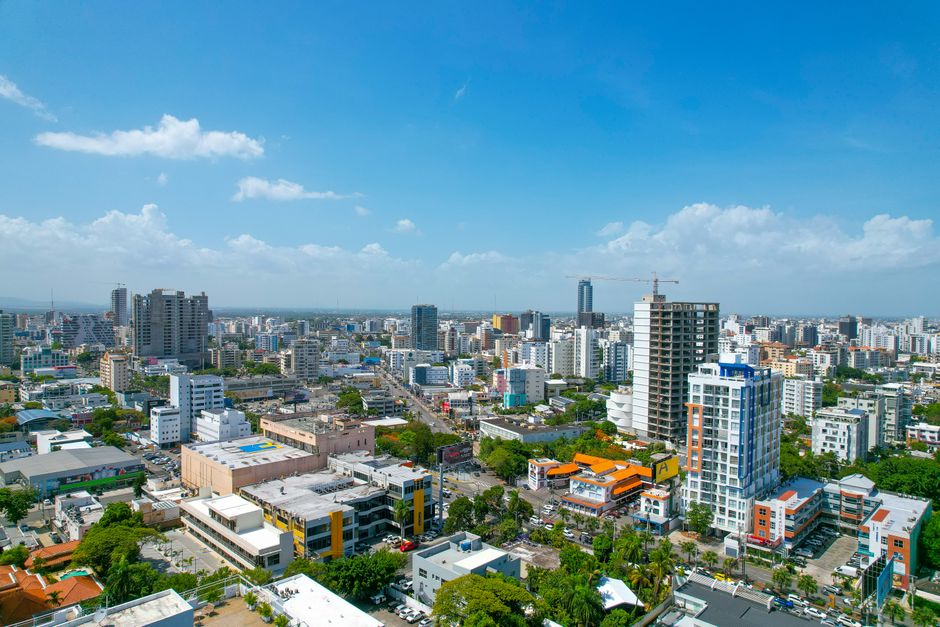
Santo Domingo, the capital of the Dominican Republic, is where the European story of the Americas began. Founded by the Spanish at the end of the 15th century on the banks of the Ozama River, its walled Zona Colonial (Ciudad Colonial) holds the first cathedral, the first hospital, the first university and the first paved street built by Europeans in the New World, and it has been a UNESCO World Heritage Site since 1990. Today it is a lively, noisy Caribbean capital: cobbled streets of coral-stone churches and pastel mansions turned into boutique hotels, rooftop bars and merengue on the plazas, a long seafront Malecón, museums, caves with underground lakes, winter baseball and a metro and cable car. Most visitors come for two or three days, often combined with a beach week in Punta Cana or La Romana. The best months are December to April, which are drier and a little less humid; summer and fall are hot, wetter and hurricane season.
Right now in Santo Domingo
- Wed24–30°C75–86°F8 mm rain
- Thu24–29°C74–84°F2 mm rain
- Fri24–29°C76–84°F3 mm rain
Top tours in Santo Domingo
See all tours for Santo Domingo →
From local operators, with prices and reviews; you check availability and book on Viator, our partner. We may earn a commission at no extra cost to you. How we earn money
Santo Domingo at a glance
- Best for: colonial history and architecture, museums, food and nightlife, Dominican music and baseball, and city life.
- How long: 2 to 3 days; 4 with day trips to Boca Chica or the national parks.
- Best time: December to April, with highs of 86–88 °F (30–31 °C) and the least rain. June to November is wetter and hurricane season.
- Getting there: fly to Las Américas International Airport (SDQ), about 19 miles (30 km) east; cruise ships dock at the Don Diego and Sans Souci terminals next to the old city.
- Getting around: on foot in the Zona Colonial; Uber, taxis, the metro and the cable car beyond it.
- Before you go: fill in the free e-ticket for arrival and departure, and read our Dominican Republic travel guide for entry rules, money and safety.
Santo Domingo’s neighborhoods and who each one suits
Greater Santo Domingo is a sprawling metropolis of several million people, split by the Ozama River into the National District on the west bank and Santo Domingo Este on the east. Visitors spend most of their time in a few areas.
The Zona Colonial
The old walled city on the west bank of the Ozama, about a mile (1.5 km) across, is the heart of any visit. Calle El Conde, a pedestrian street, runs from Parque Colón and the cathedral to Independence Park, and Calle Las Damas leads past the fortress and the Alcázar de Colón. Colonial mansions now hold boutique hotels, restaurants, cigar shops, galleries and bars, and the plazas fill with music in the evening. Best for first-timers, who can walk to everything.
Gazcue and the Malecón
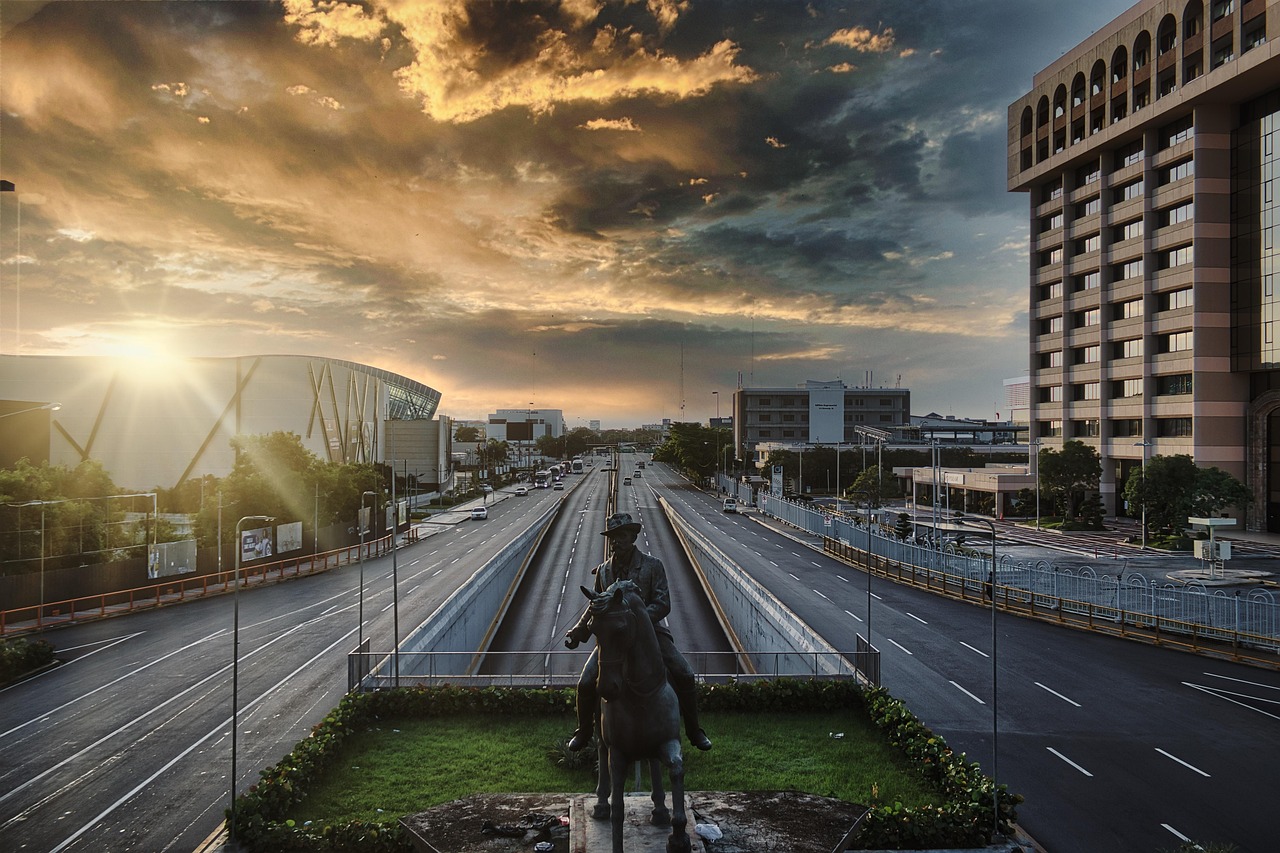
Just west of the Zona Colonial, Gazcue is a leafy residential district of early 20th-century houses, small hotels and local restaurants, close to the Plaza de la Cultura museums. Along the sea, the Malecón (Avenida George Washington) has big hotels, casinos and a seaside promenade busy at sunset and on weekends.
Piantini, Naco and the Polígono Central
The modern business and shopping district, with high-rise hotels, malls, international restaurants, cafés and nightlife. Good for business travelers and anyone who prefers a modern hotel; the Zona Colonial is 15 to 30 minutes away by Uber, depending on traffic.
Santo Domingo Este
Across the river, the east side has the Columbus Lighthouse, the Los Tres Ojos caves, the Sans Souci cruise terminal and the road to the airport and the beaches of Boca Chica.
Top things to see in Santo Domingo
Opening hours and prices change often; check with each site before you go. Many museums close on Mondays.
Catedral Primada de América
The Cathedral of Santa María la Menor, on Parque Colón, is the oldest cathedral in the Americas, built in the early 16th century in a mix of late Gothic, Renaissance and Plateresque styles from honey-colored coral stone. Inside are side chapels, a carved mahogany choir and centuries of tombs. Visitors pay a small entrance fee outside service times; cover shoulders and knees.
Alcázar de Colón and Plaza de España
The fortified palace of Diego Columbus, Christopher Columbus’s son and governor of the colony, stands at the top of Plaza de España overlooking the river. Restored as a museum, it shows furniture, tapestries and art from the period. The plaza around it is lined with restaurants and makes a fine spot for an evening drink.
Fortaleza Ozama and Calle Las Damas
The Ozama Fortress, begun in the early 1500s at the mouth of the river, is one of the oldest European military buildings in the Americas; climb the Torre del Homenaje for views over the port. Calle Las Damas, outside its gate, is said to be the first paved street of the New World and leads past the National Pantheon, where national heroes are buried, and the Museum of the Royal Houses (Museo de las Casas Reales), the colony’s old seat of government.
Calle El Conde and Parque Colón
Calle El Conde is the old city’s main pedestrian street, with shops, cafés and street music, running from Parque Colón, with its statue of Columbus in front of the cathedral, to the Puerta del Conde and Independence Park, where the country declared independence in 1844. Walk it in the late afternoon, when the light softens and the cafés fill.
More to see
- Ruins of the Monastery of San Francisco: the evocative shell of the first monastery in the Americas, used for concerts.
- Los Tres Ojos National Park: limestone caves with clear underground lakes, reached by steps and a small rope-pulled raft.
- Faro a Colón (Columbus Lighthouse): a huge cross-shaped monument and museum that, its custodians say, holds Columbus’s remains.
- National Botanical Garden: one of the largest in the Caribbean, with a Japanese garden and a little tourist train.
- Plaza de la Cultura: the Museum of the Dominican Man, the Museum of Modern Art and the National Theater.
Other things to do in Santo Domingo
Food, music and nightlife
Santo Domingo is the best place in the country to eat: try la bandera (rice, beans and meat), mangú for breakfast, sancocho stew and fresh fish, and chicharrón in Villa Mella. In the Zona Colonial, rooftop bars and colonial courtyards serve cocktails with Dominican rum, and on Sunday evenings live son and merengue bands play outdoors in the ruins of San Francisco, with locals of all ages dancing. Bachata and merengue clubs fill late on weekends.
Baseball
From October to January, the professional winter league plays at Estadio Quisqueya, home of the Tigres del Licey and the Leones del Escogido. A night at the ballpark, with music, food and passionate fans, is one of the best experiences in the country. Buy tickets at the stadium or through the teams.
Cycling and walking tours
The Zona Colonial is best explored on foot, with or without a guide. Guided bike tours and electric scooters and bikes are also popular, and the Malecón is good for a seaside ride early in the morning before the heat.
Beaches near Santo Domingo
The city’s own seafront is rocky, so locals head to Boca Chica, about 30 minutes east, where a reef shelters a shallow, calm lagoon, and to Juan Dolio, a little further, with hotels and quieter sand. Divers can explore La Caleta Underwater National Park near the airport, with a scuttled wreck and reefs.
Water and weather safety
The Malecón’s waters are rough and not for swimming. At Boca Chica and Juan Dolio, swim inside the reef, follow flags and avoid busy boat lanes. Sargassum washes up on the south coast in some years, though usually less than on the east coast; check conditions locally. In heavy rain, streets in low-lying parts of the city can flood quickly: during Hurricane Melissa in October 2025, according to NOAA’s National Hurricane Center, a weather station at Centro de los Héroes recorded nearly 20 in (507 mm) of rain over several days.
Day trips and onward travel
Boca Chica and Juan Dolio
The closest beaches to the capital, 30 to 45 minutes east, busy with Dominican families on weekends.
La Romana, Altos de Chavón and Saona
About 1.5 hours east, La Romana has the stone village of Altos de Chavón above the Chavón River, and Bayahibe, a little further, is the gateway to Saona and Catalina islands. See our La Romana travel guide.
Punta Cana
The main resort coast is 2.5 to 3 hours east by road. Many visitors combine a few nights in the capital with a beach week; see our Punta Cana travel guide.
Samaná and the mountains
The Autopista del Nordeste reaches the Samaná Peninsula in about 2.5 hours, and Jarabacoa, in the cool Cordillera Central, is about 2.5 hours north. Both are better as overnight trips; see our Samaná travel guide.
Nearby destinations
- La Romana102 km
- Samaná103 km
- Punta Cana166 km
- Puerto Plata168 km
- Rincón284 km
Getting there and getting around
By air
Las Américas International Airport (SDQ), run by Aerodom, is about 19 miles (30 km) east of the Zona Colonial, roughly 30 to 45 minutes by taxi or Uber depending on traffic. It has nonstop flights from many US cities, including about 2 hours from Miami and Fort Lauderdale and under 4 hours from New York, plus Europe and Latin America. Before you fly, every passenger must complete the free e-ticket at eticket.migracion.gob.do, one for arrival and one for departure. The US$10 tourist card and the US$20 departure tax are included in airline tickets issued abroad. Aerodom has announced a new terminal for Las Américas planned for 2028.
By sea
Cruise ships dock at the port of Santo Domingo, run by the Dominican Port Authority, at two terminals on either bank of the Ozama River’s mouth: Don Diego, on the west bank right below the Zona Colonial, from where you can walk into the old city, and Sans Souci, on the east bank, a short taxi ride across the river. The port is about half a mile (under 1 km) from the city center.
Getting around
The Zona Colonial is compact and best on foot; wear comfortable shoes for the cobbles and uneven sidewalks. For longer trips, Uber is widely used and cheap, and avoids haggling with taxis. The Santo Domingo Metro has two lines, linking the north and west of the city with the center, and the Santo Domingo Cable Car (Teleférico) carries commuters over the Ozama to the northern districts. Traffic is heavy at rush hours and driving is chaotic, so most visitors don’t rent a car until they leave the city.
When to go and how long to stay
Santo Domingo is hot all year and a little more humid than the east coast. The table uses the 1991–2020 climate normals the Dominican weather service submitted to the World Meteorological Organization: highs and rain from the Santo Domingo station, and lows from the nearby Las Américas airport station.
| Season | Average high / low | Rain per month | What it’s like | Good for |
|---|---|---|---|---|
| Winter (Dec–Feb) | 86–87 °F (30–31 °C) / 68–69 °F (20–21 °C) | 2.3–3.0 in (59–77 mm) | The driest and most comfortable time, with fresher evenings | Walking the Zona Colonial, baseball season, Carnival in February |
| Spring (Mar–May) | 87–88 °F (30–31 °C) / 68–72 °F (20–22 °C) | 2.1 in in March rising to 6.0 in in May (54–151 mm) | Dry and sunny until the rains return in May | Sightseeing, Easter (busy roads and beaches) |
| Summer (Jun–Aug) | 89–90 °F (32 °C) / 74 °F (23–24 °C) | 4.7–7.7 in (119–195 mm) | Hot and humid, with heavy afternoon storms | Museums and evenings out; summer deals |
| Fall (Sep–Nov) | 90 °F falling to 88 °F (32 to 31 °C) / 74 °F falling to 71 °F (24 to 22 °C) | 7.5 in in September falling to 5.8 in in November (192–148 mm) | The wettest season and the peak of hurricane season | Lower prices; baseball from October |
The Santo Domingo station averages about 58 in (1,480 mm) of rain a year, with August and September the wettest months.
Hurricane season: according to NOAA’s National Hurricane Center (NHC), the Atlantic hurricane season runs from 1 June to 30 November, with most activity from mid-August to mid-October. Storms passing south of Hispaniola can bring days of rain to the capital: Hurricane Melissa in October 2025 caused flooding across southern provinces and Greater Santo Domingo, though government officials reported no deaths, and around 1 September 2026 rain linked to the remnants of Tropical Storm Dolly flooded a dozen homes in Los Alcarrizos. As of 4 October 2026 the 2026 season had brought eight tropical storms and no hurricanes. Follow the NHC, the Dominican weather service (INDOMET) and the Emergency Operations Center (COE) if you travel in season.
How long to stay: 2, 3 and 4 days
2 days: day one, the cathedral, Parque Colón, Calle Las Damas, the Ozama Fortress, the Royal Houses and the Alcázar de Colón, then dinner on Plaza de España; day two, Calle El Conde, the San Francisco ruins and a sunset walk on the Malecón.
3 days: add Los Tres Ojos and the Columbus Lighthouse on the east bank, and a baseball game or live music in the evening.
4 days: add the Botanical Garden and Plaza de la Cultura museums, or a beach day at Boca Chica.
Where to stay in Santo Domingo and the hotel tax
- Zona Colonial: boutique hotels in restored colonial mansions, guesthouses and a few larger hotels, all walkable to the sights.
- The Malecón: big international hotels with sea views and pools, a short ride from the old city.
- Gazcue: small, good-value hotels in a quiet residential area.
- Piantini and Naco: modern business hotels near malls and restaurants.
Santo Domingo is cheaper than the resort coasts, and city hotels often quote rates before tax. As of October 2026, Dominican hotels add the 18% ITBIS (the national value-added tax) and a 10% legal service charge, 28% in all, to listed room prices, so compare totals when you book. Restaurant bills carry the same 18% and 10%.
Practical tips for Santo Domingo
- Use Uber or hotel taxis: especially at night and from the airport, rather than hailing cars on the street.
- Watch your phone: bag and phone snatching, sometimes by thieves on motorbikes, is the main risk; don’t use your phone at the curb.
- Money: the Dominican peso is used everywhere in the city; US$1 was about RD$60 in October 2026. Use ATMs inside banks or malls.
- Tipping: restaurant bills include a 10% service charge; an extra 10% in cash is customary for good service.
- Dress: cover shoulders and knees for churches, and avoid beachwear in town.
- Water: drink bottled water, never tap water.
- Emergencies: call 911; the CESTUR tourist police patrols the Zona Colonial.
What to pack for Santo Domingo
Pack light, breathable clothes and comfortable walking shoes with good grip for the cobbles. Bring one outfit that covers shoulders and knees for the cathedral and churches, and something smarter for rooftop bars and restaurants. A hat, sunscreen, sunglasses and a refillable water bottle help on long walking days, and a compact umbrella is essential from May to November, when storms come in the afternoon. Add insect repellent for the evenings and, if you come from outside North America, a type A/B plug adapter.
Santo Domingo travel FAQ
Is Santo Domingo worth visiting?
Yes, for anyone interested in history: the Zona Colonial, a UNESCO World Heritage Site, has the oldest cathedral, fortress and paved street built by Europeans in the Americas, along with great food and music.
How many days do you need in Santo Domingo?
Two days cover the Zona Colonial’s main sights; three or four let you add the caves of Los Tres Ojos, a baseball game, museums or a beach day at Boca Chica.
How far is Las Américas airport from the Zona Colonial?
About 19 miles (30 km), roughly 30 to 45 minutes by taxi or Uber, depending on traffic.
Where do cruise ships dock in Santo Domingo?
At the Don Diego terminal, right below the Zona Colonial, or the Sans Souci terminal across the Ozama River. From Don Diego you can walk into the old city.
Is there a beach in Santo Domingo?
Not in the city center, where the shore is rocky. The nearest good beach is Boca Chica, about 30 minutes east, with a calm lagoon protected by a reef.
What is the hotel tax in Santo Domingo?
As of October 2026, 18% ITBIS plus a 10% service charge, 28% in total, when rates are quoted before tax.
How do I get from Santo Domingo to Punta Cana?
By road, about 2.5 to 3 hours on the Autovía del Este and the Coral Highway, by bus, private transfer or rental car.
When is baseball season in Santo Domingo?
The professional winter league plays from October to January, with Licey and Escogido at Estadio Quisqueya.
Is Santo Domingo safe for tourists?
Most visits are trouble-free, and the Zona Colonial is patrolled by the CESTUR tourist police. Watch for phone and bag snatching, use Uber or hotel taxis at night, and call 911 in an emergency.
Do I need a car in Santo Domingo?
No. Walk in the Zona Colonial and use Uber, taxis or the metro elsewhere; traffic is heavy and driving is stressful. Rent a car only when you leave the city.
Plan your trip
Partner links: TravelerCenter may earn a commission if you book, at no extra cost to you.
🇪🇸 Useful Spanish phrases for Santo Domingo
All 38 Spanish phrases: restaurant, hotel, emergencies, romance (printable) →
Sources · last reviewed 4 October 2026
Researched and last reviewed on 4 October 2026. Cruise terminals and port distance: the Dominican Port Authority; airport operator and the planned new terminal: Aerodom; e-ticket rules: the Dominican Presidency and the Ministry of Tourism; tourist card: the tax authority (DGII); departure tax, tipping and tap water: the Ministry of Tourism; ITBIS: the DGII; exchange rate: the Central Bank; climate: the WMO 1991–2020 normals for the Santo Domingo and Las Américas stations; hurricane season and Hurricane Melissa rainfall: NOAA’s National Hurricane Center; Tropical Storm Dolly flooding: the Pan American Health Organization’s hazard monitoring. The UNESCO listing (1990), the history and descriptions of the monuments, the metro and cable car, baseball season, airport distance and driving times come from general references because the UNESCO and metro sites could not be read, and are flagged for checking. Hours, prices and timetables change, so check the official sites before you go.
Data: Weather: MET Norway (CC BY 4.0) · Sea temperature: NOAA CoastWatch · Rates: ECB · Costs: World Bank ICP and price levels · Wikidata (CC0)