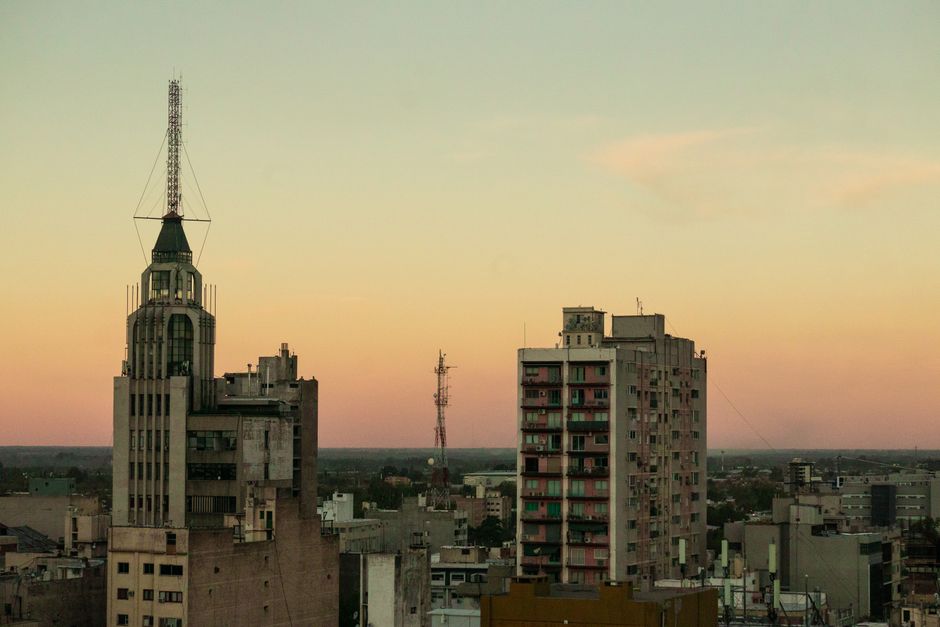
Mendoza is Argentina’s wine capital, a leafy, sunny city in the dry foothills of the Andes where about two-thirds of the country’s wine is made, most famously Malbec. The city itself is a pleasant grid of tree-shaded streets, irrigation channels and plazas rebuilt after an earthquake in 1861; around it, hundreds of bodegas (wineries) in Luján de Cuyo, Maipú and the high Uco Valley open for tastings and long lunches among the vines. A road climbs west into the high Andes past Puente del Inca to the foot of Aconcagua, at 6,961 m (22,838 ft) the highest mountain outside Asia, and on to Chile. Come in March for the grape harvest and the Fiesta Nacional de la Vendimia, or in spring and fall for perfect touring weather.
Right now in Mendoza
- Tue 12–23°C 53–74°F 1 mm Partly cloudy
- Wed 14–19°C 56–67°F 4 mm Partly cloudy
- Thu 12–17°C 54–63°F 4 mm Light rain
- Mon 12 Oct Day of Respect for Cultural Diversity (Día del Respeto a la Diversidad Cultural)
Weather: MET Norway (CC BY 4.0) · Holidays: Nager.Date
Top tours in Mendoza
See all tours for Mendoza →
From local operators, with prices and reviews; you check availability and book on Viator, our partner. We may earn a commission at no extra cost to you. How we earn money
Mendoza at a glance
- Best for: wine tasting, food, cycling among vineyards, mountain scenery, rafting and Aconcagua.
- How long: 3 days for the city and two wine regions; 5–6 days to add the high Andes and the Uco Valley overnight.
- Best time: March and April for the harvest and fall colors; October and November for spring. Summer highs average 31–33 °C (88–91 °F); winter is cool and very dry.
- Getting there: Mendoza’s El Plumerillo airport (MDZ), about 1 hour 50 minutes by air from Buenos Aires; long-distance buses from across Argentina and from Santiago, Chile.
- Before you go: entry rules, money and general safety are in our Argentina travel guide.
Mendoza’s areas: where things are
Greater Mendoza has about a million people. The center is compact and walkable; the wine regions spread south and east of the city.
The city center
Plaza Independencia, the main square, sits at the center of four smaller plazas (España, Chile, Italia and San Martín), each with its own style. Pedestrian Paseo Sarmiento and Avenida Arístides Villanueva are lined with cafés, bars and restaurants. Streets are bordered by deep open acequias, irrigation channels that water the city’s trees: watch your step at night.
Parque General San Martín
A huge park on the west side of the city, with a lake, rose garden, football stadium and the Cerro de la Gloria, a hill topped by a monument to General San Martín’s crossing of the Andes, with views over the city.
Chacras de Coria and Luján de Cuyo
About 20–30 minutes south, the village of Chacras de Coria has boutique hotels and restaurants, and the Luján de Cuyo wine district starts right beyond it.
Wine regions and wineries
Mendoza’s vineyards sit at about 700 to 1,500 m (2,300 to 4,900 ft) above sea level, where sunny days, cold nights and Andean irrigation water produce rich reds. Most wineries require a booking for visits and tastings, and many offer multi-course lunches with wine pairings. See our guide to wine tasting.
Luján de Cuyo
The “first zone” of Malbec, closest to the city, with historic family bodegas and big international names in Agrelo, Perdriel and Vistalba; easy for half-day visits.
Maipú
East of the city, with older wineries, olive oil producers and the most popular bike-and-wine route: rent a bicycle near the wineries and pedal between tastings on flat roads. Don’t overdo the wine before cycling on busy roads.
The Uco Valley
About 1 to 1.5 hours south by car, in Tupungato, Tunuyán and San Carlos, at around 1,000 to 1,500 m, with spectacular modern wineries, snowy peaks behind the vines and some of Argentina’s best restaurants and wine lodges. Hire a driver or join a tour rather than drive after tastings.
The Vendimia: Mendoza’s harvest festival
The Fiesta Nacional de la Vendimia, the national grape harvest festival, has been held in Mendoza since 1936. Events build up through February with harvest festivals in each department and the blessing of the fruits, and the main celebrations take place in the city in late February or early March: the Vía Blanca, a night parade of floats and harvest queens, the Carrusel, a daytime parade the next morning, and the Acto Central, a huge outdoor show of music, dance and light at the Frank Romero Day Greek Theater in Parque San Martín, where the national harvest queen is crowned. The Acto Central is traditionally held on the first Saturday of March, with repeat shows on the following nights; in 2025 it was on Saturday, March 8. The Mendoza government announces each year’s program and ticket sales; as of October 2026, the dates for 2027 had not yet been published, and Acto Central tickets sell out quickly. Hotels fill up and raise prices for the festival weekend, so book early.
Other things to do in Mendoza
The high Andes road
National Route 7 climbs west from Mendoza along the Mendoza River valley toward Chile, a classic day trip:
- Potrerillos: a reservoir about an hour from the city, with rafting on the Mendoza River below it.
- Uspallata: a green valley town ringed by colored mountains.
- Puente del Inca: a natural rock bridge stained orange by mineral springs, beside the ruins of an old spa, at about 2,700 m (8,900 ft).
- Aconcagua Provincial Park: a short trail from the Horcones ranger station leads to a lagoon with a view of Aconcagua’s south face. Climbing or trekking deeper into the park requires a permit from the provincial park authority, with fees that vary by season.
- Cristo Redentor: the statue on the old border pass, at about 3,850 m, reachable by gravel road in summer only.
The Los Libertadores border pass and tunnel to Chile can close for days after winter snowstorms; check its status before setting off, and carry your passport.
Outdoor adventures
Rafting and kayaking at Potrerillos, horseback rides in the foothills, hiking in the Cordón del Plata, and hot springs at Cacheuta. See our guide to hiking.
Food and drink
Mendoza’s restaurants pair local wines with Argentine steak, slow-cooked goat (chivito), empanadas and olive oil; many of the best kitchens are at wineries in the Uco Valley and Luján de Cuyo. Lunch is the main winery meal, so book ahead.
Day trips from Mendoza
- The Uco Valley: a full day of two or three winery visits and lunch, or an overnight in a wine lodge.
- Aconcagua and Puente del Inca: a long day trip by tour or car up Route 7, 180–200 km (110–125 miles) each way.
- San Rafael: about three hours south, another wine region with the Atuel Canyon.
- Santiago, Chile: about seven hours by bus over the Andes when the pass is open, one of the world’s most scenic bus rides.
More day trips
- Cacheuta hot springs: thermal pools in a river gorge about an hour from the city, with a day spa and a public pool complex.
- Villavicencio: a nature reserve with a grand old spa hotel and a winding mountain road (the “Caracoles”) with views over the plain.
- Tupungato and the Manzano Histórico: in the Uco Valley’s north, a historic site linked to San Martín’s crossing of the Andes, with mountain views.
- The Cañón del Atuel: red rock formations and reservoirs near San Rafael, best on an overnight trip.
Nearby destinations
- Santiago179 km
- Valparaíso259 km
Getting there and getting around
By air
Governor Francisco Gabrielli International Airport (MDZ), known as El Plumerillo, is about 8 km (5 miles) north-east of the center, with flights from Buenos Aires (about 1 hour 50 minutes), other Argentine cities and Santiago de Chile. Taxis, remises and app rides run to the center.
By bus
Mendoza’s big bus terminal, east of the center, has services to Buenos Aires (about 13–15 hours), Bariloche, Salta and Santiago de Chile.
Getting around
The center is walkable, and city buses and the Metrotranvía light rail cover the suburbs, including Maipú, paid with a SUBE card. For wineries, join a tour, hire a driver or use bikes in Maipú; if you rent a car, choose a designated driver, as police run breath tests and Argentina’s legal limit for drivers is low.
Getting around: practical details
Mendoza’s center is a flat grid that is easy to walk; the plazas are good landmarks. The Metrotranvía light rail runs from the center south through Godoy Cruz and Luján and east toward Maipú, and city buses use the SUBE card; a few wineries in Maipú are reachable this way with a bike rental at the end of the line. For Luján de Cuyo and the Uco Valley, the practical options are tours with transport, a hired driver (remis) for the day, or a rental car with one person staying sober. Taxis and ride-hailing apps work in the city. Tours to the high Andes usually leave around 7 a.m. and return after dark.
When to go and how long to stay
Mendoza has a sunny, dry desert climate: hot summers, mild springs and falls, and cool, dry winters with frosty nights. Most of its little rain falls in summer thunderstorms. The table uses the National Meteorological Service’s 1991–2020 normals for the Mendoza airport station (704 m), as published by the World Meteorological Organization.
| Season | Average high / low | Rainy days per month | What it’s like | Good for |
|---|---|---|---|---|
| Summer (Dec–Feb) | 31–33 °C (88–91 °F) / 18–19 °C (64–67 °F) | 3–5 | Hot and sunny, with occasional storms and hail | Mountain trips, rafting, the Vendimia buildup |
| Fall (Mar–May) | 28 °C falling to 19 °C (83 to 66 °F) / 16 °C falling to 7 °C (60 to 44 °F) | 2–3 | Harvest in March and April, golden vines and poplars | Wineries, the Vendimia, cycling |
| Winter (Jun–Aug) | 15–19 °C (60–65 °F) / 2–4 °C (36–40 °F) | 1 | Sunny days, frosty nights, snow in the mountains | Wine lunches, skiing at Penitentes and Las Leñas |
| Spring (Sep–Nov) | 22 °C rising to 29 °C (71 to 85 °F) / 8 °C rising to 15 °C (46 to 60 °F) | 2–3 | Warm and bright; the Zonda wind can blow hot and dusty | Wineries, hiking, outdoor dining |
The airport station records only about 240 mm (9 in) of rain a year. In late winter and spring, the Zonda, a hot, dry wind from the Andes, can raise temperatures and dust for a day or two.
Mendoza month by month
Average daily highs and lows at the Mendoza airport station (SMN 1991–2020 normals, via the WMO).
| Month | High / low | What to expect |
|---|---|---|
| January | 33 °C (91 °F) / 19 °C (67 °F) | Hottest month; mountain trips and rafting |
| February | 31 °C (88 °F) / 18 °C (64 °F) | Harvest starts; departmental Vendimia festivals |
| March | 28 °C (83 °F) / 16 °C (60 °F) | Harvest and the Vendimia’s main events in early March |
| April | 23 °C (74 °F) / 11 °C (51 °F) | Golden vines, perfect touring weather |
| May | 19 °C (66 °F) / 7 °C (44 °F) | Quiet, crisp and sunny |
| June | 16 °C (61 °F) / 3 °C (37 °F) | Cold nights; snow in the Andes, passes may close |
| July | 15 °C (60 °F) / 2 °C (36 °F) | Coldest month; ski trips to Penitentes and Las Leñas |
| August | 19 °C (65 °F) / 4 °C (40 °F) | Sunny days; the Zonda wind can blow |
| September | 22 °C (71 °F) / 8 °C (46 °F) | Spring, budburst in the vineyards |
| October | 26 °C (78 °F) / 12 °C (53 °F) | Warm, flowering; great for wineries |
| November | 29 °C (85 °F) / 15 °C (60 °F) | Aconcagua climbing season starts |
| December | 32 °C (90 °F) / 18 °C (65 °F) | Hot; summer storms possible |
Crowds: busiest during the Vendimia weekend in early March, at Easter and on long weekends. Aconcagua’s climbing season runs in the southern summer, roughly from mid-November to March.
3 days in Mendoza
Day one, the center, Plaza Independencia and Parque San Martín with the Cerro de la Gloria, and dinner on Arístides. Day two, wineries in Luján de Cuyo with a winery lunch. Day three, bike-and-wine in Maipú, or the Andes road to Puente del Inca and Aconcagua.
5–6 days in Mendoza
Add an overnight in the Uco Valley, a rafting morning at Potrerillos, a day in the high Andes, and a relaxed day at the Cacheuta hot springs.
Where to stay in Mendoza
- The center: hotels and hostels near plazas, restaurants and bars, convenient for tours.
- Chacras de Coria: boutique hotels in a village setting close to Luján de Cuyo’s wineries.
- Wine lodges: in Luján de Cuyo, Maipú and especially the Uco Valley, with vineyard views and restaurants.
Foreign tourists who pay for accommodation with a card issued abroad don’t pay Argentina’s 21% VAT (IVA) on the room; give the hotel your passport details.
Choosing where to stay
The center suits travelers without a car who want to join tours, walk to restaurants and use public transport; Avenida Arístides Villanueva and the streets near Plaza Independencia are the liveliest. Chacras de Coria, in Luján de Cuyo, is a quieter village base with boutique hotels about 30 minutes from the center, convenient for wineries. For a splurge, wine lodges in the Uco Valley offer vineyard views, spas and restaurants, but you will need transport. Prices rise sharply on the Vendimia weekend.
Food and drink in Mendoza
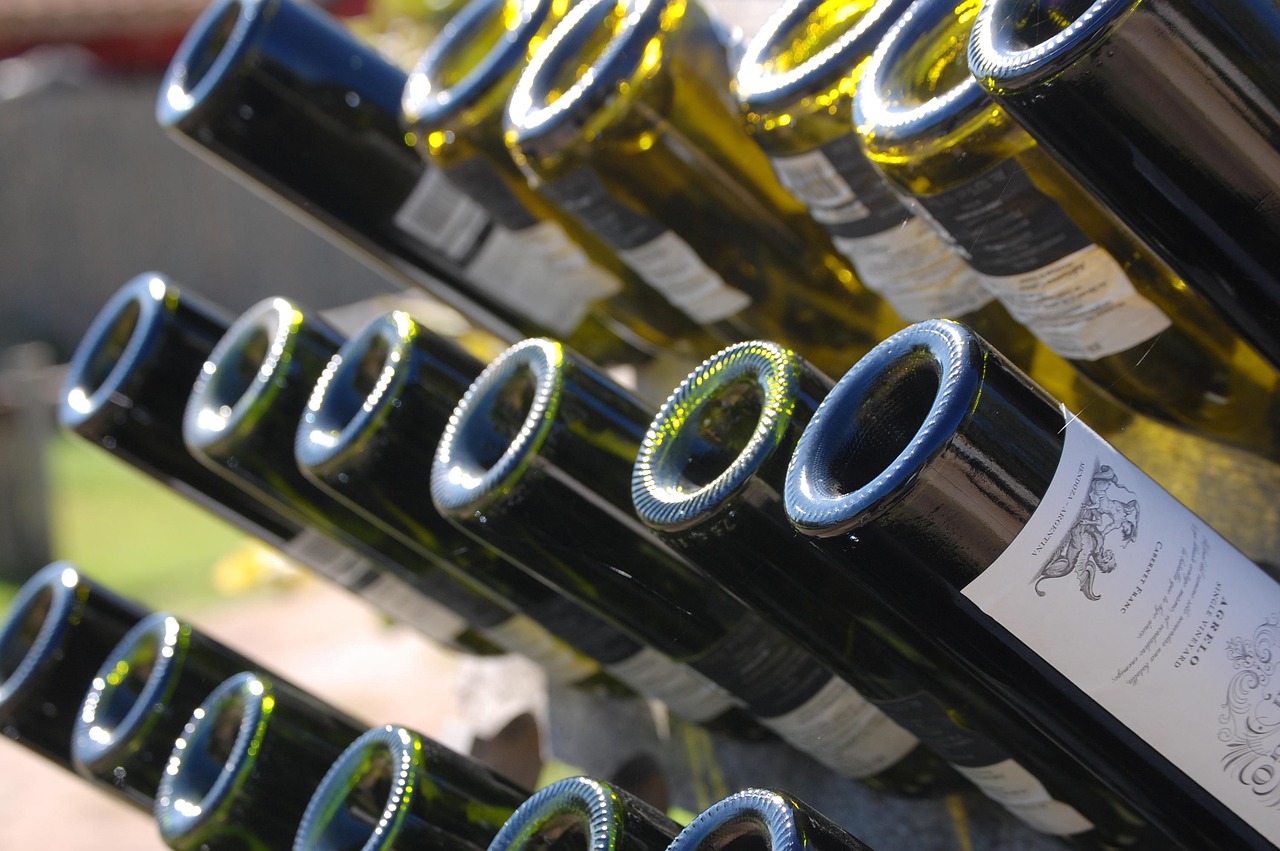
Mendoza’s tables revolve around wine. Besides Malbec, look for Cabernet Franc, Bonarda, Torrontés and sparkling wines; many bodegas sell bottles not found abroad. Winery lunches are long tasting menus with paired wines, typically from about 1 p.m. In the city, try a parrilla with locally raised beef, chivito (young goat) cooked over embers, empanadas mendocinas with olives and egg, and olive oil from local presses. Wine bars and wine shops let you taste by the glass. Most restaurants open for dinner around 8:30 p.m.; lunch is served from about 1 to 3:30 p.m.
What a trip to Mendoza costs
These are our estimates for October 2026 at about ARS 1,520 per US dollar.
| Item | Typical price |
|---|---|
| Hostel bed | ARS 20,000–35,000 (US$13–23) |
| Mid-range double room in the center | ARS 90,000–160,000 (US$60–105) |
| Winery tasting | ARS 25,000–75,000 (US$16–50) |
| Winery lunch with paired wines | ARS 90,000–220,000 (US$60–145) |
| Bike rental in Maipú, a day | ARS 15,000–30,000 (US$10–20) |
| High Andes day tour | ARS 75,000–120,000 (US$50–80) |
| Dinner at a city restaurant with wine | ARS 30,000–55,000 (US$20–36) |
| Light-rail or bus ride with SUBE | under ARS 1,500 (under US$1) |
Practical tips for Mendoza
- Book wineries: most visits and lunches need a reservation, and many wineries close on Sundays or Mondays.
- Siesta: many shops close from about 1 to 5 p.m.; restaurants open for dinner from about 8:30 p.m.
- Money: cards are widely accepted; foreign cards are settled at the financial dollar rate. On October 2, 2026, the Central Bank’s reference rate was about ARS 1,520 per US dollar.
- Sun and water: the air is very dry and the sun strong; drink plenty of water and use sunscreen.
- Altitude: the high Andes road climbs above 3,000 m (10,000 ft); take it slowly and drink water.
- Safety: Mendoza is generally calm; watch bags in crowded places and at the bus terminal, use registered taxis or apps at night, and mind the acequia channels on dark sidewalks. Don’t drink and drive or cycle. Mendoza lies in an earthquake zone; learn your hotel’s evacuation route. For emergencies, call 911.
What to pack for Mendoza
Light clothes, a sun hat, sunglasses and strong sunscreen for summer; layers for cool evenings; a warm jacket for the mountains in any season; comfortable shoes for vineyard walks; and smart-casual clothes for winery restaurants. Argentina uses 220 V and type I plugs.
Mendoza travel FAQ
When is the Vendimia festival in Mendoza?
The main celebrations are in late February and early March, with the Acto Central traditionally on the first Saturday of March. The 2027 program had not been published as of October 2026.
What is the best time to visit Mendoza for wine?
March and April, during the harvest, or spring (October and November). Wineries open all year, but book visits and lunches ahead.
Which wine region should I visit in Mendoza?
Luján de Cuyo for classic Malbec close to the city, Maipú for bike-and-wine days, and the Uco Valley for high-altitude vineyards and scenery.
Can I see Aconcagua on a day trip from Mendoza?
Yes. A day trip along Route 7 reaches the Horcones lagoon viewpoint in Aconcagua Provincial Park, with Puente del Inca on the way.
How do I get from Mendoza to Chile?
By bus or car over the Los Libertadores pass to Santiago, about seven hours. The pass can close after winter snowstorms.
Is Mendoza expensive?
It is mid-priced by Argentine standards; winery lunches and Uco Valley lodges are the big expenses.
Do wineries in Mendoza accept credit cards?
Most do, and foreign cards are settled at the financial dollar rate; small producers may prefer cash.
Where should I stay in Mendoza?
In the center for convenience and nightlife, in Chacras de Coria for wineries and quiet, or at a Uco Valley wine lodge for a splurge.
How much does a winery lunch cost in Mendoza?
By our October 2026 estimates, about ARS 90,000–220,000 (US$60–145) per person with paired wines; book ahead.
Can I visit Mendoza wineries without a car?
Yes: join a tour, hire a driver, or take the light rail to Maipú and rent a bike between wineries.
Sources and last review
Researched and last reviewed on 4 October 2026. Vendimia history, events and the 2025 Acto Central date: the Mendoza provincial government’s press office; exchange rate and card rules: the Central Bank of Argentina; VAT refund on hotels: the tax agency (ARCA); climate: the National Meteorological Service’s 1991–2020 normals for Mendoza airport, as published by the World Meteorological Organization. Wine regions, winery practices, the Andes road and its sights, Aconcagua’s height and permits, distances and travel times, and the share of Argentina’s wine made in Mendoza come from general references and are flagged for checking. Dates and prices change, so check the official sites before you go. For entry rules and money, see our Argentina travel guide.
Plan your trip
Partner links: TravelerCenter may earn a commission if you book, at no extra cost to you.
🇪🇸 Useful Spanish phrases for Mendoza
All 38 Spanish phrases: restaurant, hotel, emergencies, romance (printable) →