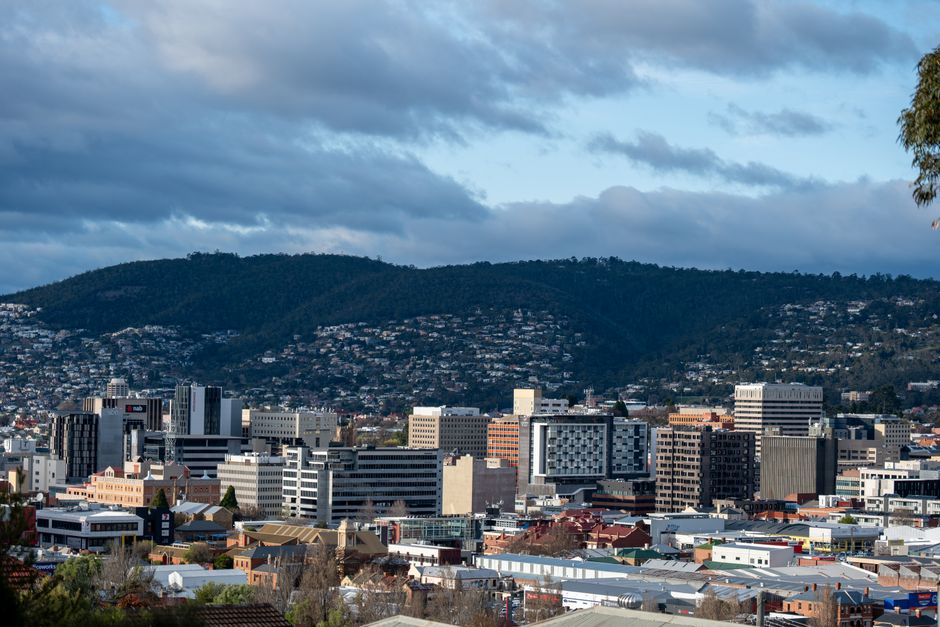
Hobart, the capital of Tasmania, is Australia’s second-oldest city and one of its most beautiful: a harbor town of sandstone warehouses, Georgian cottages and fishing boats on the Derwent River estuary, crowned by the often snow-dusted summit of kunanyi/Mount Wellington. Founded by the British in 1804 on the land of the muwinina people, and called nipaluna in palawa kani, the language of Tasmania’s Aboriginal people, it is small enough to walk around, with about 200,000 people, yet it has become a destination in its own right thanks to MONA, the provocative Museum of Old and New Art, its winter and summer festivals and Tasmania’s remarkable food and drink. From Hobart, day trips reach the convict ruins of Port Arthur, the cliffs of the Tasman Peninsula, Bruny Island’s wildlife and oysters, and the waterfalls of Mount Field National Park. Tasmania is the southernmost state, so it is cooler than the mainland. In the southern hemisphere, its summer (December to February) is mild and long-lit, and its winter (June to August) cool, crisp and sometimes snowy on the mountain.
Right now in Hobart
- Wed 5–13°C 41–55°F Mostly clear
- Thu 4–19°C 39–66°F Clear
- Fri 8–22°C 46–71°F 1 mm Mostly clear
Weather: MET Norway (CC BY 4.0) · Sea temperature: NOAA CoastWatch
Top tours in Hobart
See all tours for Hobart →
From local operators, with prices and reviews; you check availability and book on Viator, our partner. We may earn a commission at no extra cost to you. How we earn money
Hobart at a glance
- Best months: December to March for the warmest weather, long evenings and summer festivals; March to May for autumn colors and calm days. Winter (June to August) is cold but clear, with winter festivals and the best chance of seeing the southern lights.
- Time needed: three days for the city, MONA, Salamanca Market and kunanyi/Mount Wellington; five to seven days with Port Arthur, Bruny Island and Mount Field.
- Getting there: Hobart Airport (HBA) is about 17 km (11 miles) east of the city, 20 to 25 minutes by road; flights connect to Melbourne, Sydney, Brisbane and other mainland cities.
- Costs (as of October 2026): Metro Tasmania buses are free across the state until 30 June 2027; MONA asks non-Tasmanian adults to buy a timed entry ticket.
- Before you go: entry rules (ETA, eVisitor or visa), biosecurity and money are covered in our Australia travel guide. Tasmania also has its own biosecurity rules for fruit, vegetables and plants arriving from the mainland.
Hobart areas and who each one suits
Salamanca Place and the waterfront
The heart of Hobart for visitors. Salamanca Place’s row of 1830s sandstone warehouses now holds galleries, restaurants and bars, and on Saturdays it hosts the famous Salamanca Market. Around the corner, Constitution Dock and Franklin Wharf have fish punts selling fish and chips, the ferry terminal at Brooke Street Pier (for MONA and Bruny Island cruises) and waterfront hotels. Stay here for atmosphere and walking distance to everything.
Battery Point
Up the hill from Salamanca, Battery Point is a historic village of colonial cottages, Georgian houses and narrow lanes around Arthur Circus, with cafes and B&Bs. It is quiet, characterful and five minutes’ walk from the waterfront.
The CBD and North Hobart
The compact city center has heritage buildings, shops and the Tasmanian Museum and Art Gallery. North Hobart’s Elizabeth Street is a strip of good restaurants, pubs, a cinema and live-music venues, popular with locals.
Sandy Bay and the eastern shore
Sandy Bay, south of Battery Point along the river, has the university, the casino and riverside walks. Across the Derwent, Bellerive, reached by ferry, has a waterfront village and views back to the city and mountain.
Top things to see in Hobart
MONA (Museum of Old and New Art)
Built into a sandstone cliff on a peninsula about 11 km (7 miles) north of the city, MONA is a private museum founded by the gambler and collector David Walsh, showing ancient artifacts beside provocative contemporary art. It is open Thursday to Monday, 10 a.m. to 5 p.m. (closed Tuesday and Wednesday). Booking a timed entry ticket is recommended; non-Tasmanian adults pay for entry, while Tasmanians get in free but still need a ticket. A $3.50 transaction fee applies to most advance bookings. The best way to get there is the museum’s high-speed ferry from Brooke Street Pier, about 30 minutes each way; the site also has a winery, a brewery, restaurants and a bar.
Salamanca Market
Every Saturday, about 300 stalls fill Salamanca Place with Tasmanian produce, crafts, woodwork, clothing, plants and street food. Arrive early, from about 8:30 a.m., for the best choice; it winds down in mid-afternoon.
kunanyi/Mount Wellington
Hobart’s mountain rises to 1,271 meters (4,170 feet) directly behind the city. A sealed road winds about 22 km (14 miles) to the summit, where boardwalks and a glassed-in shelter look over the city, the Derwent estuary, Bruny Island and the wilderness to the west. On a clear day it’s spectacular; the weather can change quickly, and the summit is often well below freezing in winter, when the road may close for snow and ice. Without a car, take a shuttle or tour, or hike up from the foothills on tracks such as the Organ Pipes walk.
Battery Point and the historic waterfront
Walk from Salamanca up Kelly’s Steps into Battery Point, past Arthur Circus and St George’s Church, then back down to Princes Park and the waterfront. Constitution Dock is the finish line of the Sydney to Hobart Yacht Race around New Year.
Tasmanian Museum and Art Gallery and the Botanical Gardens
The Tasmanian Museum and Art Gallery (TMAG), on the waterfront, covers Tasmanian Aboriginal culture, natural history (including the extinct thylacine, or Tasmanian tiger), colonial history and Antarctic exploration; general admission is free. The Royal Tasmanian Botanical Gardens, on the Queens Domain north of the center, are free and include a subantarctic plant house.
Cascade Brewery and the Cascades Female Factory
At the foot of the mountain, the Cascade Brewery, operating since 1824, is Australia’s oldest working brewery, with tours and a garden bar. Nearby, the Cascades Female Factory, part of the UNESCO-listed Australian Convict Sites, tells the stories of the thousands of convict women sent to Van Diemen’s Land.
Other things to do in Hobart
- Kayaking and cruises: paddle the Derwent from the waterfront, or take a wilderness cruise along the cliffs of the Tasman Peninsula or Bruny Island.
- Whisky and gin: Tasmania’s single malt whiskies have won world awards; several distilleries have cellar doors near Hobart.
- Southern lights: the aurora australis can sometimes be seen from dark spots around Hobart on clear winter nights when solar activity is high.
- Mountain biking and hiking: kunanyi/Mount Wellington’s trails and the North South Track.
Food and drink
Tasmania is a food island: try oysters and salmon, rock lobster, scallop pies, Bruny Island cheese, berries and apples, cool-climate pinot noir and sparkling wine, cider and whisky. Eat fish and chips from the floating punts at Constitution Dock, and book ahead for Hobart’s best restaurants. Tipping is optional.
Day trips from Hobart
Port Arthur and the Tasman Peninsula
About 1.5 hours southeast, the Port Arthur Historic Site is the best-preserved convict settlement in Australia and part of the UNESCO-listed Australian Convict Sites, with the ruined penitentiary, a church, houses and a short harbor cruise, plus evening ghost tours. On the way, the Tasman Peninsula has the Tessellated Pavement, the Tasman Arch and Devils Kitchen, and the sea cliffs of Tasman National Park, among the highest in the southern hemisphere, best seen on a boat cruise or the Three Capes Track. Allow a full day.
Bruny Island
Drive about 35 minutes south to Kettering and take the vehicle ferry, about 20 minutes, to Bruny Island. Climb the stairs at The Neck lookout for the view over the island’s narrow isthmus (and little penguins at dusk in season), sample oysters, cheese and whisky, and visit the Cape Bruny Lighthouse. Wilderness cruises from Adventure Bay show sea caves, seals and dolphins.
Mount Field National Park and the Huon Valley
About 1 hour 15 minutes northwest, Mount Field, one of Australia’s oldest national parks, has the tiered Russell Falls, reached by a short, easy walk, and giant swamp gums, among the world’s tallest flowering plants. A Tasmanian Parks Pass is required. The Huon Valley, southwest of the city, is apple and cider country, with the Tahune Airwalk through the forest canopy.
Richmond and the Coal River Valley
About 25 minutes northeast, the Georgian village of Richmond has the 1823 Richmond Bridge, Australia’s oldest stone bridge still in use, and the old Richmond Gaol. The surrounding Coal River Valley has wineries and a wildlife sanctuary. Many visitors continue up the east coast to Freycinet National Park and Wineglass Bay, about 2.5 to 3 hours away, best as an overnight trip.
Nearby destinations
Getting there and getting around
Hobart Airport (HBA)
Hobart Airport handles flights from Melbourne (about 1 hour 15 minutes), Sydney (about 1 hour 45 minutes), Brisbane and other cities, with occasional international services. A shuttle bus meets most flights and runs to city hotels; taxis and rideshares take 20 to 25 minutes. Rental cars are the best way to explore beyond the city.
Spirit of Tasmania ferry
Car ferries run between Geelong, near Melbourne, and Devonport on Tasmania’s north coast, a crossing of about 10 to 11 hours by day or overnight, with cabins, recliner seats and space for cars and campervans; adult fares start from $49. Devonport is about 3.5 to 4 hours’ drive from Hobart. Fruit, vegetables and plant material are checked on arrival in Tasmania.
Buses, ferries and driving
Metro Tasmania buses are free across the state until 30 June 2027, under a Tasmanian Government cost-of-living initiative; you don’t need a fare or a Greencard. Buses cover the city and suburbs, including Sandy Bay, North Hobart and the eastern shore. A commuter ferry crosses the Derwent between the city and Bellerive. Hobart is compact enough to walk around the waterfront, Salamanca and Battery Point, but it is hilly. For day trips, rent a car: roads are good but often winding, and many rural roads are narrow or unsealed. Drive on the left and slow down at dusk, when wallabies, wombats, possums and Tasmanian devils are on the move.
When to go and how long to stay
Hobart has a cool, temperate maritime climate and is one of Australia’s driest capitals after Adelaide. Summer (December to February) is mild, around 21–23 °C (70–73 °F), with occasional hot days above 30 °C (86 °F) and long evenings; it is light until after 8:30 p.m. Autumn (March to May) brings calm, sunny days and the golden leaves of the deciduous beech on the mountains. Winter (June to August) is cold, with highs of about 13 °C (55 °F), frosty mornings and snow on kunanyi/Mount Wellington. Spring (September to November) is changeable and windy. Rain is spread through the year.
| Month | Average high | Average low | Rain | Rain days (≥1 mm) |
|---|---|---|---|---|
| Jan | 23 °C (73 °F) | 13 °C (55 °F) | 44 mm (1.7 in) | 6 |
| Feb | 22 °C (72 °F) | 13 °C (55 °F) | 38 mm (1.5 in) | 5 |
| Mar | 21 °C (69 °F) | 12 °C (53 °F) | 37 mm (1.5 in) | 7 |
| Apr | 18 °C (64 °F) | 9 °C (49 °F) | 43 mm (1.7 in) | 7 |
| May | 15 °C (60 °F) | 8 °C (46 °F) | 39 mm (1.5 in) | 6 |
| Jun | 13 °C (55 °F) | 6 °C (42 °F) | 46 mm (1.8 in) | 7 |
| Jul | 13 °C (55 °F) | 5 °C (41 °F) | 44 mm (1.8 in) | 8 |
| Aug | 14 °C (57 °F) | 6 °C (42 °F) | 63 mm (2.5 in) | 10 |
| Sep | 16 °C (60 °F) | 7 °C (44 °F) | 56 mm (2.2 in) | 10 |
| Oct | 18 °C (64 °F) | 8 °C (47 °F) | 53 mm (2.1 in) | 9 |
| Nov | 19 °C (67 °F) | 10 °C (50 °F) | 49 mm (1.9 in) | 8 |
| Dec | 21 °C (70 °F) | 12 °C (53 °F) | 54 mm (2.1 in) | 7 |
| Year | 18 °C (64 °F) | 9 °C (48 °F) | 565 mm (22 in) | 91 |
Figures are the Bureau of Meteorology’s 1991–2020 statistics for Hobart (Ellerslie Road), in the city. The summit of kunanyi/Mount Wellington is much colder and windier.
Events worth planning around
- Sydney to Hobart Yacht Race finish (late December): boats arrive at Constitution Dock from about 27 December.
- Taste of Summer (late December to early January): a waterfront food and drink festival.
- MONA FOMA (January) and, in winter, MONA’s Dark Mofo festival (June, in years when it is held), with art, music and the midwinter Winter Feast.
- Australian Wooden Boat Festival (February, held every two years).
- Festival of Voices (July) and the southern lights on clear winter nights.
Dates vary; check the organizers’ websites.
How long to stay: 3, 5 and 7 days
- Three days: Salamanca Place and Battery Point, MONA by ferry, kunanyi/Mount Wellington and, on a Saturday, Salamanca Market.
- Five days: add Port Arthur and the Tasman Peninsula, and Bruny Island.
- Seven days: add Mount Field and the Huon Valley, or continue to Freycinet and Wineglass Bay.
Where to stay in Hobart
- Waterfront and Salamanca: hotels in converted warehouses and modern waterfront hotels, close to the ferries and restaurants.
- Battery Point: heritage B&Bs and cottages.
- CBD: chain hotels and apartments, often cheaper.
- North Hobart and Sandy Bay: guesthouses and motels near restaurants and the river.
Tasmania has no hotel tax; the 10% GST is included. Book ahead for late December, January and big festivals.
Typical costs in Hobart
| Item (as of October 2026) | Australian dollars | About US dollars |
|---|---|---|
| Metro Tasmania bus (until 30 June 2027) | Free | Free |
| MONA advance booking fee | $3.50 | $2.40 |
| Spirit of Tasmania adult fare, Geelong to Devonport | from $49 | from $34 |
| TMAG and Royal Tasmanian Botanical Gardens | Free | Free |
| Port Arthur Historic Site, adult day ticket | about $50–60 | about $35–40 |
| Bruny Island ferry, car return | about $40–50 | about $28–35 |
| Mid-range hotel room, per night | about $200–320 | about $140–220 |
Free buses, MONA’s booking fee and the Spirit of Tasmania starting fare are official; other prices are typical ranges, not official prices. Conversions use about US$0.69 to A$1.
Safety in Hobart
Hobart is one of Australia’s safest cities. The main risks are outdoors.
- Mountain weather: conditions on kunanyi/Mount Wellington and in the national parks can change from sunshine to snow, wind and fog within hours, even in summer. Carry warm, waterproof layers, food and water, tell someone your plans and turn back in bad weather.
- Sun and UV: despite the cool air, UV levels in Tasmania are high in summer; use sunscreen and a hat.
- Bushfire season: roughly December to March. Check fire danger ratings and Tasmania Fire Service warnings before bushwalking or driving into forested areas, and obey total fire bans.
- Water: the sea is cold, around 12–18 °C (54–64 °F); swim at patrolled beaches between the red and yellow flags in summer and beware of rips on ocean beaches.
- Snakes: tiger snakes and other venomous snakes are active in warmer months; stay on tracks and wear closed shoes.
- Driving: slow down at dusk and at night for wildlife, take care on narrow, winding and gravel roads, and watch for ice in winter.
- Emergencies: call 000 (112 also works from mobile phones).
Practical tips for Hobart
- Time zone: Australian Eastern Time, the same as Sydney and Melbourne; daylight saving runs from 4 October 2026 to 4 April 2027.
- National parks: a Tasmanian Parks Pass is required for all national parks, including Mount Field and Freycinet; a holiday pass covering several weeks is good value for road trips.
- Biosecurity: you can’t bring fresh fruit, vegetables or plants into Tasmania from the mainland; use the bins at airports and the ferry terminal.
- Plugs and money: type I plugs at 230 V; cards accepted almost everywhere.
What to pack for Hobart
Pack layers in every season: a warm fleece or down jacket, a waterproof shell, a hat and gloves for the mountain, sturdy walking shoes and sunscreen. In winter, bring a proper coat, thermal layers and waterproof boots. Smart-casual clothes suit Hobart’s restaurants and MONA.
Hobart travel FAQ
How do I get to MONA from Hobart?
Take MONA’s high-speed ferry from Brooke Street Pier, about 30 minutes each way, or drive or take a bus about 20 minutes north. MONA is open Thursday to Monday, 10 a.m. to 5 p.m.
Are buses free in Hobart?
Yes. Metro Tasmania buses are free statewide until 30 June 2027 under a Tasmanian Government initiative; you don’t need a fare or a Greencard.
When is Salamanca Market?
Every Saturday, from about 8:30 a.m. to mid-afternoon, at Salamanca Place on the waterfront.
Can you drive to the top of Mount Wellington?
Yes, on a sealed road about 22 km from the city to the 1,271-meter summit, unless it is closed for snow or ice. Shuttles and tours also run.
How far is Port Arthur from Hobart?
About 1.5 hours’ drive southeast. Allow a full day to combine the historic site with the Tasman Peninsula’s coastal landmarks.
How do I get to Bruny Island?
Drive about 35 minutes to Kettering and take the vehicle ferry, about 20 minutes, to the island. Tours from Hobart also run.
What is the best time to visit Hobart?
December to March for warm, long days and festivals, or March to May for calm autumn weather. Winter is cold but good for festivals and the southern lights.
How do I get from the mainland to Tasmania?
Fly to Hobart or Launceston, or take the Spirit of Tasmania car ferry from Geelong to Devonport, about 10 to 11 hours, with fares from $49 for adults.
Do I need a pass for Tasmania’s national parks?
Yes. A Tasmanian Parks Pass is required in all national parks; buy a daily or holiday pass online or at visitor centers.
Can you see the southern lights from Hobart?
Sometimes, on clear, dark winter nights when solar activity is strong. Head away from city lights, for example to the Tasman Peninsula or Bruny Island.
Sources and last review
Researched and last reviewed on 5 October 2026. Free Metro Tasmania travel until 30 June 2027 comes from Metro Tasmania’s notice of 21 May 2026; MONA’s opening days and hours, ticketing, booking fee, distance and ferry from MONA; Spirit of Tasmania routes and starting fare from Spirit of Tasmania; daylight saving dates from the NSW Government (Tasmania changes on the same dates); climate from the Bureau of Meteorology’s 1991–2020 statistics for Hobart (Ellerslie Road); population from Wikidata. Parks and Wildlife Service Tasmania pages could not be read from this environment, so park-pass details, mountain height and road, market hours, attraction details, flight times, ferry crossing times, festival dates, aurora visibility, drive times and typical prices are general references and flagged for checking. For entry rules, biosecurity and money, see our Australia travel guide.
Plan your trip
Partner links: TravelerCenter may earn a commission if you book, at no extra cost to you.