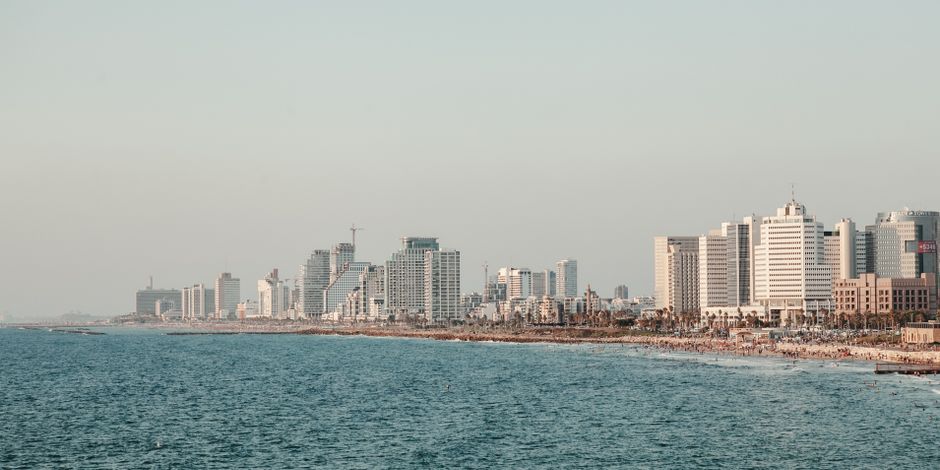
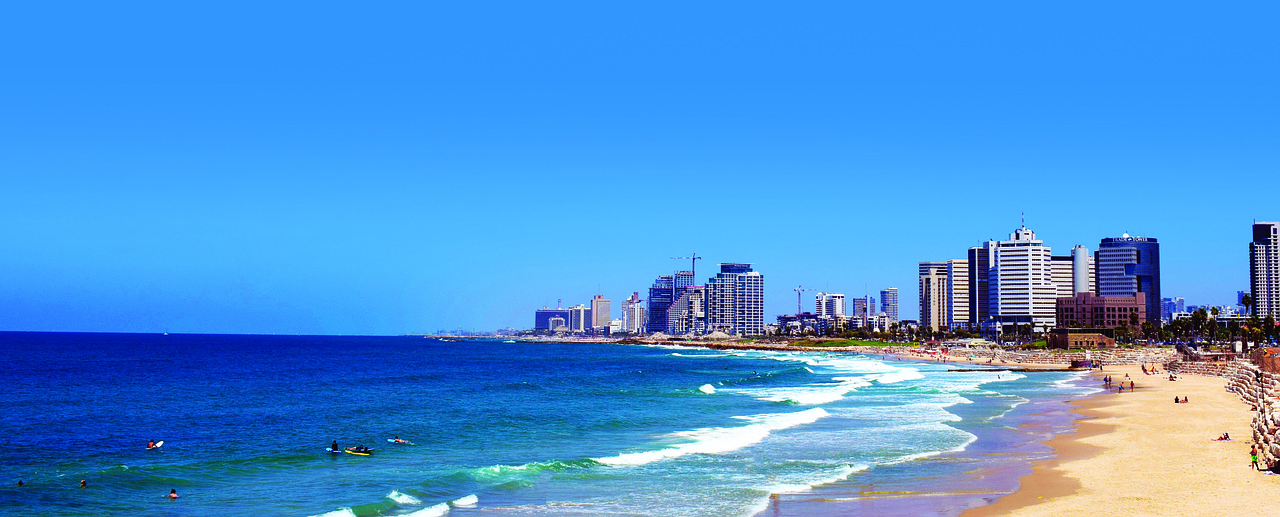
Tel Aviv, on Israel’s Mediterranean coast, is the country’s liveliest city: a place of long sandy beaches, a seafront promenade busy with runners, cyclists and beach-volleyball players, tree-lined boulevards, cafes on every corner and a nightlife that keeps going until dawn. Founded in 1909 on the dunes north of the ancient port of Jaffa, it grew in the 1930s into a city of white, flat-roofed buildings in the International Style, and more than 4,000 of them earned the “White City” a place on UNESCO’s World Heritage List in 2003. Today the city is joined to Jaffa, whose old town of stone alleys, galleries and a fishing harbor sits on a hill at the southern end of the beach. Tel Aviv has a renowned food scene, from the stalls of the Carmel Market to inventive chef restaurants, world-class museums, a large LGBT+ community and a relaxed, secular atmosphere, with much more open on Shabbat than in Jerusalem. About 450,000 people live in the city itself, at the center of Israel’s largest metropolitan area. Ben Gurion Airport is about 20 minutes away by train, and Jerusalem about half an hour on the high-speed line. Tel Aviv has a Mediterranean climate: long, hot and humid summers with average highs of about 29–30 °C (84–86 °F), and mild, rainy winters with average highs of about 18 °C (64 °F).
Right now in Tel Aviv
- Wed 20–27°C 67–81°F Clear
- Thu 20–29°C 67–83°F Clear
- Fri 23–28°C 73–83°F Clear
Weather: MET Norway (CC BY 4.0) · Sea temperature: NOAA CoastWatch
Top tours in Tel Aviv
See all tours for Tel Aviv →
From local operators, with prices and reviews; you check availability and book on Viator, our partner. We may earn a commission at no extra cost to you. How we earn money
Tel Aviv at a glance
- Best months: April to June and September to November, with warm weather and a warm sea; July and August are hot and humid but best for the beach.
- Time needed: two days for the beaches, the White City and Jaffa; three or four days with museums, markets and nightlife; add day trips to Jerusalem and the north.
- Getting there: Ben Gurion Airport (TLV) is about 20 km (12 miles) southeast, with trains to the city for ILS 11.50. Visitors from visa-exempt countries need an ETA-IL before traveling.
- Costs (as of October 2026): a bus or light rail ride costs ILS 8 (about US$2.60), and city beaches are free; Tel Aviv is one of the most expensive cities in the region for hotels and meals.
- Before you go: the ETA-IL, money and transport are covered in our Israel travel guide.
Tel Aviv areas and who each one suits
The beachfront
A row of hotels faces the promenade and about 14 km (9 miles) of sand along the whole coast, from Tel Aviv Port to Jaffa, with named beaches such as Gordon, Frishman, Bograshov and Banana. The obvious base for beach lovers and families.
The White City: Rothschild, Dizengoff and Bauhaus Tel Aviv
The heart of the city, with Rothschild Boulevard’s shady central walkway and its kiosks, Dizengoff Square and the curving facades of the International Style buildings. Boutique hotels here suit couples and architecture fans.
Neve Tzedek and Florentin
Neve Tzedek, the first neighborhood built outside Jaffa in the late 19th century, has restored low houses, boutiques and the Suzanne Dellal dance center. Florentin, to the south, is gritty and creative, with street art, bars and young crowds.
Jaffa
The ancient port on a hill at the southern end of the beach, with a restored old town, the flea market, the clock tower, St. Peter’s Church and a harbor with fish restaurants. Atmospheric boutique hotels make it a good base, with a beach walk to the center.
Tel Aviv Port and the north
The old port in the north has been turned into a wooden boardwalk with restaurants, bars and markets, next to Yarkon Park, the city’s largest green space. Quieter, with good beaches.
Sarona
A restored 19th-century settlement of stone houses among the business towers, with a large indoor food market and restaurants.
Where to stay in Tel Aviv
- Beachfront: big hotels with sea views and the promenade at your door.
- White City: boutique hotels in renovated Bauhaus buildings.
- Neve Tzedek and Jaffa: small luxury and design hotels with character.
- Florentin: hostels and budget stays near nightlife.
- North and the port: quieter hotels near Yarkon Park.
Hotels are expensive, especially in summer and on Jewish holidays; compare total prices.
Top things to see in Tel Aviv
The beaches and the promenade
Tel Aviv’s city beaches are free, with lifeguards in season, showers, sunbeds and cafes. The promenade (tayelet) runs from Tel Aviv Port to Jaffa and is busy from early morning to late night. Frishman and Gordon are the most popular, Hilton Beach is known as a gay-friendly beach, and the Religious Beach has separate days for men and women. Swim only where lifeguards are on duty.
The White City
Walk Rothschild Boulevard, Dizengoff Street and the streets around them to see the white, rounded, balconied buildings of the 1930s, many restored; the UNESCO listing recognizes them as an outstanding ensemble of the Modern Movement in architecture. The Bauhaus Center on Dizengoff runs walking tours and has a small exhibition.
Old Jaffa
Climb from the clock tower through the stone lanes of the old town to the hilltop park for views back along the beach to the Tel Aviv skyline, then wander down to the port. The Jaffa Flea Market (Shuk HaPishpeshim) sells antiques and bric-a-brac by day and becomes a restaurant and bar quarter at night.
The Carmel Market
The city’s biggest market, Shuk HaCarmel, sells fruit, spices, sweets, street food and clothes, and next to it, the Nahalat Binyamin pedestrian street hosts an arts and crafts fair on Tuesdays and Fridays. Go hungry.
Tel Aviv Museum of Art
One of Israel’s leading art museums, with Israeli and international modern art, Impressionist works and striking modern architecture.
ANU – Museum of the Jewish People
On the Tel Aviv University campus, this large museum tells the story of Jewish communities around the world through interactive exhibits.
Neve Tzedek and the Hatachana complex
Wander the narrow lanes of Neve Tzedek, then visit Hatachana, the restored Ottoman-era railway station between Neve Tzedek and the beach, with shops and cafes.
Rabin Square and the City Hall
The large square in front of City Hall is the city’s main gathering place for concerts and public events.
Other things to do in Tel Aviv
- Cycling: cycle paths run along the beach and Rothschild Boulevard, with Tel-O-Fun city bikes and e-scooters for hire.
- Yarkon Park: lawns, lakes, a rowing area and bike paths along the Yarkon River.
- Sarona Market: a large indoor food hall with stalls and restaurants.
- Nightlife: bars and clubs in Florentin, along Rothschild and at the port; Thursday and Friday nights are the busiest.
- Water sports: surfing, stand-up paddleboarding and sailing from the beaches and marina.
- Tel Aviv Pride: usually in June, one of the largest Pride events in the region.
Food and drink
Tel Aviv is one of the Mediterranean’s great food cities. Try hummus, sabich (pita with fried eggplant, egg and tahini), falafel and shawarma at street stalls; shakshuka for brunch; fresh fish in Jaffa; and modern Israeli cooking in chef restaurants that use local vegetables, herbs and spices. Many restaurants aren’t kosher and stay open on Shabbat, and the cafe culture is strong all day. Israeli wines and craft beers are widely served, and the bar scene is lively.
Tel Aviv on Shabbat
Shabbat feels different in Tel Aviv than elsewhere in Israel. On Friday mornings, the Carmel Market, Nahalat Binyamin’s crafts fair and the cafes are packed as people shop and meet before the weekend; by late afternoon, offices and many shops close, and trains and most buses stop. On Saturday, the city slows down but doesn’t stop: the beaches and promenade are crowded, many non-kosher cafes and restaurants open for brunch, and museums such as the Tel Aviv Museum of Art keep weekend hours. Use taxis, shared taxis on main routes, bikes or your feet to get around until transport restarts after nightfall on Saturday.
Markets and shopping
Beyond the Carmel Market, the Levinsky Market in Florentin is known for spices, dried fruit and Balkan pastries; the Jaffa Flea Market sells vintage furniture, lamps and curios; and the Tel Aviv Port hosts a farmers’ market. Dizengoff Street and Neve Tzedek have independent fashion and design boutiques, while Sarona and the Dizengoff Center are the main malls.
Day trips from Tel Aviv
Jerusalem
About half an hour by high-speed train, Jerusalem’s Old City, holy sites and museums make an easy day trip, though they deserve a night or two. See our Jerusalem guide.
Caesarea
About 45 minutes north along the coast, the national park at Caesarea has a Roman theatre, a hippodrome, the remains of Herod’s harbor and a Crusader city by the sea.
Haifa and Acre
About an hour north by train, Haifa’s Bahá’í Gardens step down Mount Carmel, and the walled port city of Acre has Crusader halls and a harbor; both are UNESCO World Heritage Sites.
The Dead Sea and Masada
About two hours southeast by road, a long day trip covers Masada, a float in the Dead Sea and Ein Gedi; tours run from Tel Aviv.
Nearby destinations
Getting there and getting around
Ben Gurion Airport (TLV)
The airport is about 20 km (12 miles) southeast of the center, with a railway station inside the terminal. A train ticket to Tel Aviv costs ILS 11.50 on a Rav-Kav card, and the ride takes about 20 minutes to the city’s main stations. Taxis use the meter. On Shabbat, trains don’t run, so take a taxi or shuttle. Since early 2026, regional tensions have led to periodic airspace closures, and flights can be delayed or canceled at short notice; check your flight with the airline and the airport’s status before you travel.
Trains
Israel Railways’ main stations in the city, Savidor Center, HaShalom, HaHagana and Tel Aviv University, link with the airport, Jerusalem (ILS 27), Haifa (ILS 30.50) and the coast. Trains don’t run on Shabbat or Jewish holidays.
Light rail and buses
The Red Line light rail runs under the city from Petah Tikva through central Tel Aviv to Jaffa and Bat Yam, and buses cover the rest. Pay with a Rav-Kav card: a ride costs ILS 8, transfers within 90 minutes are free, and a daily city pass costs ILS 17.50, or ILS 23 including trains. Most public transport stops on Shabbat, but shared taxis (sheruts) run on some main routes.
Taxis, bikes and walking
Taxis should use the meter, and the Gett app is widely used. The center is flat and easy to walk or cycle, with bike lanes and shared bikes and scooters; the beach promenade is the most pleasant route between the city and Jaffa.
When to go and how long to stay
Spring (April to June) and autumn (September to November) are the best times, with warm, sunny days and a pleasant sea. Summer (July and August) is hot and humid, with average highs of about 29–30 °C (84–86 °F) and warm nights; the beaches are at their liveliest. Winter (December to February) is mild but rainy, with average highs of about 18–20 °C (64–68 °F) and most of the city’s rain falling in short heavy bursts, with sunny days in between.
| Month | Average high / low | Rain (days with 1 mm or more) | What to expect |
|---|---|---|---|
| January | 18 °C (64 °F) / 11 °C (51 °F) | 154 mm (6.1 in), 10 days | Mild, wettest month |
| February | 18 °C (65 °F) / 11 °C (52 °F) | 86 mm (3.4 in), 8 days | Mild, showers |
| March | 20 °C (68 °F) / 13 °C (56 °F) | 49 mm (1.9 in), 5 days | Mild; spring |
| April | 22 °C (72 °F) / 16 °C (60 °F) | 12 mm (0.5 in), 2 days | Warm; very good |
| May | 25 °C (77 °F) / 19 °C (66 °F) | 3 mm (0.1 in), 0 days | Warm; beach season starts |
| June | 27 °C (81 °F) / 22 °C (72 °F) | 1 mm (under 0.1 in), 0 days | Hot, humid |
| July | 29 °C (84 °F) / 24 °C (76 °F) | under 1 mm, 0 days | Hot, humid; beach |
| August | 30 °C (86 °F) / 25 °C (77 °F) | under 1 mm, 0 days | Hottest, humid |
| September | 29 °C (84 °F) / 24 °C (75 °F) | 1 mm (under 0.1 in), 0 days | Hot; sea warm |
| October | 27 °C (81 °F) / 21 °C (69 °F) | 27 mm (1.1 in), 2 days | Warm; excellent |
| November | 24 °C (75 °F) / 16 °C (61 °F) | 76 mm (3.0 in), 5 days | Mild; rains return |
| December | 20 °C (67 °F) / 12 °C (54 °F) | 123 mm (4.8 in), 9 days | Mild, wet |
Temperatures are the 1991–2020 climate normals the Israel Meteorological Service submitted to the World Meteorological Organization for its Tel Aviv Coast station; rainfall and rain days are from the nearby Mikve Israel station, as the coastal station doesn’t report rain.
Events worth planning around
- Tel Aviv Pride: usually in June, with a parade and beach parties.
- White Night (Laila Lavan): an all-night arts and culture event held in some years in early summer.
- Jewish holidays: hotels fill and prices rise; on Yom Kippur the city falls silent, with no traffic.
- Shabbat: every week from Friday afternoon to Saturday evening; many cafes and the beaches stay busy, but most transport stops.
Dates change each year; check with the organizers.
How long to stay: 2, 3 and 5 days
- Two days: the beaches and promenade, the White City and Rothschild Boulevard, the Carmel Market and an evening in Jaffa.
- Three days: add the Tel Aviv Museum of Art or ANU, Neve Tzedek and the port.
- Five days: add day trips to Jerusalem and to Caesarea or Haifa and Acre.
Typical costs in Tel Aviv
| Item (as of October 2026) | Israeli shekels | About US dollars |
|---|---|---|
| Train, Ben Gurion Airport–Tel Aviv | ILS 11.50 | $3.80 |
| Train, Tel Aviv–Jerusalem | ILS 27 | $8.80 |
| Bus or light rail ride | ILS 8 | $2.60 |
| Daily city pass (with trains) | ILS 17.50 (23) | $5.70 ($7.50) |
| City beaches | free | free |
| Falafel or sabich in pita | about ILS 20–35 | about $7–11 |
| Dinner in a mid-range restaurant | about ILS 120–250 | about $40–80 |
| Mid-range hotel room, per night | about ILS 800–1,500 | about $260–490 |
Transport fares are from Rav-Kav Online, the authorized Rav-Kav loading service; meals and hotels are typical ranges. The shekel is worth about US$0.33.
Safety in Tel Aviv
Tel Aviv has low violent crime and a relaxed atmosphere. The main issues for visitors are the sea, petty theft and the regional situation.
- Sea safety: rip currents are common along the Mediterranean coast. Swim only at beaches with lifeguards, obey the flags, and never swim when the lifeguard stations are closed.
- Beach theft: theft of phones, wallets and passports from beaches is common; don’t leave belongings unattended.
- Heat and sun: summer is hot and humid; drink water, use sunscreen and seek shade at midday.
- Shabbat closures: trains and most buses stop from Friday afternoon to Saturday evening and on Jewish holidays; plan airport transfers accordingly.
- Cycling and scooters: e-bikes and scooters are everywhere on sidewalks and bike lanes; look both ways.
- Official alerts: follow instructions from the local authorities, including official alerts sent to phones.
- Demonstrations: avoid large gatherings; roads to the airport can be affected.
- Flight disruptions: airspace can close at short notice; check your flight with the airline before you travel.
- Emergencies: police 100, ambulance 101, fire 102.
Practical tips for Tel Aviv
- Time zone: UTC+2, with daylight saving time (UTC+3) from late March to late October.
- Weekend: Friday and Saturday; Friday mornings are busy with markets and brunch.
- Payment: cards and phone payments are accepted almost everywhere.
- Power: 230 V, with type H sockets that also take two-pin European plugs.
What to pack for Tel Aviv
Pack beachwear and sandals, light summer clothes, sunglasses, a hat and high-SPF sunscreen, plus one outfit that covers shoulders and knees for day trips to Jerusalem’s holy sites. Add a light jacket and umbrella from November to March, comfortable walking shoes and a plug adapter.
Tel Aviv travel FAQ
How do I get from Ben Gurion Airport to Tel Aviv?
By train from the station inside the terminal, for ILS 11.50, in about 20 minutes, or by taxi. Trains don’t run on Shabbat.
What is the White City of Tel Aviv?
A collection of more than 4,000 buildings in the International (Bauhaus) Style built mainly in the 1930s, listed by UNESCO as a World Heritage Site in 2003.
Are Tel Aviv’s beaches free?
Yes. City beaches are free, with lifeguards in season; you pay only for sunbeds and umbrellas.
Is it safe to swim in Tel Aviv?
Yes, at beaches with lifeguards on duty. Rip currents are common, so don’t swim when the lifeguard stations are closed.
Does Tel Aviv shut down on Shabbat?
Less than Jerusalem: many cafes, restaurants and the beaches stay busy, but trains and most buses stop from Friday afternoon to Saturday evening.
How do I pay for buses in Tel Aviv?
With a Rav-Kav card; a ride costs ILS 8, and transfers within 90 minutes are free.
How far is Jerusalem from Tel Aviv?
About half an hour by high-speed train, for ILS 27.
What is the best time to visit Tel Aviv?
April to June and September to November; July and August are best for the beach but hot and humid.
Where should I stay in Tel Aviv?
Near the beach for sea views, in the White City for boutique hotels, or in Jaffa and Neve Tzedek for character.
Do I need a visa for Tel Aviv?
Visitors from visa-exempt countries need an ETA-IL, which costs ILS 25, before traveling. See our Israel guide.
Sources and last review
Researched and last reviewed on 5 October 2026. The White City’s World Heritage listing comes from UNESCO; train fares to the airport, Jerusalem and Haifa, bus and light rail fares, daily passes and transfers from Rav-Kav Online, the authorized Rav-Kav loading service; the ETA-IL from the Population and Immigration Authority; beach theft, demonstrations near the airport, emergency numbers and the factual background on local rules from GOV.UK’s Israel travel information (updated 22 July 2026), used for practical facts only; airspace disruption from the European Union Aviation Safety Agency; climate normals from the Israel Meteorological Service via the World Meteorological Organization; population from Wikidata. The founding date, number of Bauhaus buildings, beach length, neighborhoods, museums, the light rail route, station names, journey times, events, rip currents and typical meal and hotel prices are general references and flagged for checking. For entry rules and money, see our Israel travel guide.
Plan your trip
Partner links: TravelerCenter may earn a commission if you book, at no extra cost to you.
🇮🇱 Useful Hebrew phrases for Tel Aviv
All 38 Hebrew phrases: restaurant, hotel, emergencies, romance (printable) →