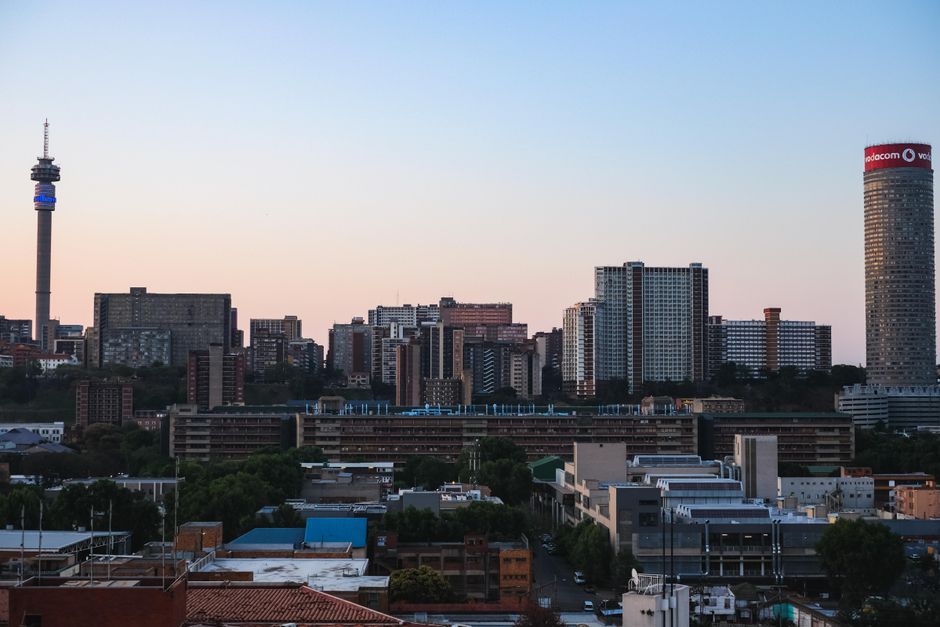
Johannesburg, “Joburg” or “Jozi” to locals, is South Africa’s largest city and its economic powerhouse, a sprawling metropolis of almost five million people built on the gold reefs discovered here in 1886. It sits high on the Highveld, about 1,750 m (5,740 ft) above sea level, which gives it sunny days, cool nights and dramatic summer thunderstorms. For most travelers it is the first stop in Africa, thanks to OR Tambo International Airport, the continent’s busiest. Many head straight on to Kruger or Cape Town, but Johannesburg rewards a few days of your time: it is the best place in the country to understand South Africa’s history, at the Apartheid Museum, Constitution Hill and in Soweto, where Nelson Mandela and Desmond Tutu once lived on the same street. It also has a creative, fast-changing arts and food scene in neighborhoods such as Maboneng, Braamfontein and Rosebank, leafy suburbs with one of the world’s largest urban forests, and the Cradle of Humankind, a World Heritage Site where some of the oldest hominin fossils have been found, less than an hour away. The Gautrain rapid rail line makes it easy to reach Sandton, Rosebank and Pretoria from the airport. Seasons are reversed from the northern hemisphere: summer (November to March) is warm and stormy; winter (May to August) is dry and sunny, with cold nights.
Right now in Johannesburg
- Wed 12–24°C 54–74°F Partly cloudy
- Thu 12–23°C 54–73°F 1 mm Light showers
- Fri 16–26°C 60–79°F 1 mm Partly cloudy
Weather: MET Norway (CC BY 4.0)
Top tours in Johannesburg
See all tours for Johannesburg →
From local operators, with prices and reviews; you check availability and book on Viator, our partner. We may earn a commission at no extra cost to you. How we earn money
Johannesburg at a glance
- Best months: March to May (warm, dry and clear) and September to November (spring, jacaranda blossom in October). Summer is warm with afternoon storms; winter is dry and sunny with frosty mornings.
- Time needed: two days for the museums and Soweto; three or four with the Cradle of Humankind and Pretoria.
- Getting there: OR Tambo International Airport (JNB) is about 25 km (16 miles) east of the city center and connected by the Gautrain.
- Costs (as of October 2026): the Gautrain from the airport to Sandton costs R228 (about US$14) on the fare table in force since June 2025.
- Before you go: visas, the Electronic Travel Authorisation, money and safety basics are covered in our South Africa travel guide.
Johannesburg areas and who each one suits
Sandton
The “richest square mile in Africa” is a business district of glass towers, malls and international hotels, with Nelson Mandela Square and its giant statue. It has its own Gautrain station, two stops from the airport. Sandton suits business travelers and first-time visitors who want a secure, convenient base with good restaurants.
Rosebank and Parkhurst
Rosebank combines a Gautrain station, hotels, galleries and the Rosebank Sunday Market on the rooftop of a mall. Nearby Parkhurst has a strip of cafés and restaurants along 4th Avenue under jacaranda trees. Both are walkable by day and popular with visitors who like a neighborhood feel.
Melville and the northern suburbs
Melville, near the University of Johannesburg, is a bohemian suburb with bars, bookshops and guesthouses on 7th Street; the leafy northern suburbs such as Saxonwold, Parktown and Houghton have boutique hotels and B&Bs in old mansions, close to the zoo and Zoo Lake.
Braamfontein, Newtown and Maboneng
The inner-city precincts have been revived with art, design and food. Braamfontein, next to the University of the Witwatersrand, has a Saturday market and rooftop bars; Newtown has museums and the Market Theatre; Maboneng, on the east side of the CBD, is an arts district of galleries, studios and street food. Visit by day, ideally with a local guide, and take a ride-hail between precincts.
Soweto
The South Western Townships, home to more than a million people, are full of history and life: Vilakazi Street, the Hector Pieterson Memorial, shebeens, the Orlando Towers and the Soweto Theatre. A few guesthouses and backpackers let you stay overnight with local hosts. Visit with a local guide or on a tour.
Top things to see in Johannesburg
Apartheid Museum
Next to Gold Reef City in the south of the city, the Apartheid Museum tells the story of the rise and fall of apartheid through film, photographs, personal stories and architecture; your ticket randomly assigns you a “white” or “non-white” entrance, as under the old pass laws. Allow at least two to three hours; it is not recommended for young children.
Constitution Hill
The former prison complex in Braamfontein, where Mahatma Gandhi and Nelson Mandela were both held, now houses South Africa’s Constitutional Court, built partly with bricks from the demolished awaiting-trial block. Guided tours of the Old Fort, the Women’s Gaol and Number Four explain how the country moved from oppression to one of the world’s most progressive constitutions.
Soweto: Vilakazi Street and the Hector Pieterson Memorial
On Vilakazi Street, the Mandela House museum preserves the small brick home where Nelson Mandela lived before his imprisonment; Archbishop Desmond Tutu’s house is a few doors away. The nearby Hector Pieterson Memorial and Museum remembers the June 16, 1976, student uprising, now commemorated as Youth Day. Guided tours, often by bicycle or tuk-tuk, include lunch at a local restaurant and a visit to the Regina Mundi Church.
The Cradle of Humankind
About 50 km (31 miles) northwest of the city, the Cradle of Humankind World Heritage Site contains limestone caves rich in hominin fossils, including “Mrs Ples” and “Little Foot.” The Maropeng visitor center explains human evolution, and guided tours go underground into the Sterkfontein Caves. Combine it with the Magaliesberg hills or Hartbeespoort Dam.
Gold Reef City and mining history
A theme park built on an old gold mine, Gold Reef City has rides, a casino and a tour down a historic mine shaft; it is next to the Apartheid Museum. In the CBD, the Standard Bank Gallery and the Johannesburg Art Gallery show South African art.
Maboneng, street art and the inner city
Guided walking tours of the inner city explore street art, the bustling markets of the CBD, the Carlton Centre’s Top of Africa viewing deck (when open), and the Nelson Mandela Bridge. Go with a reputable local guide, who will also explain the city’s history and present-day life.
Other things to do in Johannesburg
- Lilliesleaf Farm: the secret hideout in Rivonia where the ANC’s underground leadership was arrested in 1963.
- Johannesburg Botanical Garden and Emmarentia Dam: rose gardens and lakeside walks.
- Johannesburg Zoo and Zoo Lake: in leafy Parkview and Saxonwold.
- Sport: soccer at FNB Stadium (Soccer City), venue of the 2010 World Cup final, cricket at the Wanderers and rugby at Ellis Park.
- Markets: the Rosebank Sunday Market and weekend food markets in Braamfontein and Maboneng.
- Live music and comedy: jazz clubs, the Market Theatre and the Joburg Theatre.
Food and drink
Johannesburg’s restaurants reflect the whole continent and beyond: Ethiopian, Congolese, Nigerian and Portuguese-Mozambican places sit alongside steakhouses, Indian curry houses and fine-dining tasting menus. In Soweto, try a kota (a quarter loaf filled with chips, polony and atchar) or a shisa nyama, where you choose your meat and it is grilled on the spot. Rooftop bars in Braamfontein and Rosebank are popular at sunset. Tip 10–15% in restaurants.
Day trips from Johannesburg
Pretoria
The capital, Pretoria, is about 40 minutes away on the Gautrain. Visit the Union Buildings, Freedom Park and the Voortrekker Monument, and come in October for the purple jacaranda trees.
Pilanesberg National Park
Pilanesberg, a malaria-free Big Five park in an ancient volcanic crater next to Sun City, is about 2.5 hours away by road: possible as a long day trip, better with a night.
Magaliesberg and Hartbeespoort
About an hour northwest, the Magaliesberg mountains offer hiking, hot-air ballooning, cable car rides at Hartbeespoort Dam, and country restaurants.
Kruger National Park
Kruger is five to seven hours by road, or an hour’s flight, too far for a day trip but the classic next stop after Johannesburg.
Nearby destinations
- Pretoria53 km
- Pilanesberg National Park141 km
Getting there and getting around
OR Tambo International Airport (JNB)
South Africa’s main hub has flights from across Africa, Europe, the Middle East, Asia, the Americas and Australia, and to every South African city. Lanseria International (HLA), northwest of the city, handles some domestic flights.
The Gautrain
The Gautrain is a fast, safe and clean rapid rail system. The airport line runs from OR Tambo to Rhodesfield and Sandton, where you can change to the north-south line serving Park station (central Johannesburg), Rosebank, Sandton, Marlboro, Midrand, Centurion, Pretoria and Hatfield. You pay with a Gautrain card (R21) loaded with pay-as-you-go value, or tap a contactless bank card for pay-as-you-go trips. Gautrain also runs feeder buses from its stations.
| Gautrain single fare (fare table effective June 1, 2025) | Rand | About US dollars |
|---|---|---|
| — | — | — |
| OR Tambo to Sandton or Marlboro | R228 | $14 |
| OR Tambo to Rosebank or Park | R240 | $14 |
| OR Tambo to Pretoria or Hatfield | R258 | $16 |
| Sandton to Rosebank, peak | R38 | $2.30 |
| Sandton to Pretoria, peak / off-peak | R91 / R73 | $5.50 / $4.40 |
| Gautrain card (once) | R21 | $1.30 |
Peak fares apply on weekdays from 06:00 to 08:30 and 15:00 to 18:30, and all day on weekends and public holidays; off-peak fares are about 20% cheaper. The minimum card balance is R38. Gautrain usually adjusts fares in the middle of the year, so check the current table.
Ride-hailing, taxis and buses
Uber and Bolt are the easiest way to get around the city and are inexpensive. Metered taxis should be booked by phone or through your hotel. The Rea Vaya bus rapid transit system links Soweto with the CBD and Braamfontein. Hop-on, hop-off sightseeing buses cover the main museums and Soweto. Minibus taxis are the main local transport for residents but are confusing for visitors.
Driving
Johannesburg is a car city with freeways and heavy traffic at rush hour. If you drive, keep doors locked and windows up in traffic, keep valuables out of sight, and be alert at intersections at night. Traffic lights are called “robots” and are sometimes out of order; treat them as four-way stops.
When to go and how long to stay
Johannesburg has a pleasant highland climate. Summer (November to March) is warm, around 25–26 °C (77–79 °F), with short, powerful afternoon thunderstorms and hail. Autumn (April and May) is clear and mild. Winter (June to August) is dry and sunny, around 16–19 °C (61–66 °F) by day, but nights can drop near freezing. Spring (September to October) is warm and dry, with jacaranda blossom.
| Month | Average high | Average low | Rain | Rain days |
|---|---|---|---|---|
| Jan | 26 °C (78 °F) | 15 °C (58 °F) | 125 mm (4.9 in) | 16 |
| Feb | 25 °C (77 °F) | 14 °C (57 °F) | 90 mm (3.5 in) | 11 |
| Mar | 24 °C (75 °F) | 13 °C (56 °F) | 91 mm (3.6 in) | 12 |
| Apr | 21 °C (70 °F) | 10 °C (51 °F) | 54 mm (2.1 in) | 9 |
| May | 19 °C (66 °F) | 7 °C (45 °F) | 13 mm (0.5 in) | 3 |
| Jun | 16 °C (61 °F) | 4 °C (39 °F) | 9 mm (0.4 in) | 2 |
| Jul | 17 °C (62 °F) | 4 °C (39 °F) | 4 mm (0.2 in) | 1 |
| Aug | 19 °C (67 °F) | 6 °C (43 °F) | 6 mm (0.2 in) | 2 |
| Sep | 23 °C (73 °F) | 9 °C (49 °F) | 27 mm (1.1 in) | 4 |
| Oct | 24 °C (75 °F) | 11 °C (52 °F) | 72 mm (2.8 in) | 10 |
| Nov | 24 °C (76 °F) | 13 °C (55 °F) | 117 mm (4.6 in) | 15 |
| Dec | 25 °C (77 °F) | 14 °C (57 °F) | 105 mm (4.1 in) | 15 |
| Year | 22 °C (71 °F) | 10 °C (50 °F) | 713 mm (28 in) | 99 |
Figures are the South African Weather Service’s 1961–1990 normals for Johannesburg, the latest official monthly table for the city in the WMO’s World Weather Information Service; recent decades have been slightly warmer.
Events worth planning around
- Youth Day (June 16): commemorations in Soweto.
- Joburg Art Fair (usually September): contemporary African art.
- Jacaranda season (October): purple trees across the northern suburbs and Pretoria.
- Soweto Wine and Lifestyle Festival and Soweto Marathon: check dates with organizers.
Dates change each year; check with the organizers.
How long to stay: 1, 2 and 4 days
- One day: the Apartheid Museum and a guided Soweto tour.
- Two days: add Constitution Hill, Braamfontein and Maboneng.
- Four days: add the Cradle of Humankind and a day in Pretoria.
Where to stay in Johannesburg
- Sandton: international hotels next to the Gautrain; safe and convenient.
- Rosebank: hotels near the Gautrain, galleries and markets.
- Melville, Parkhurst and Parkview: guesthouses and B&Bs in leafy residential streets.
- Near the airport (Kempton Park): airport hotels for early flights and onward travel to Kruger.
- Soweto: guesthouses and backpackers for a local experience.
Typical costs in Johannesburg
| Item (as of October 2026) | Rand | About US dollars |
|---|---|---|
| — | — | — |
| Gautrain, OR Tambo to Sandton | R228 | $14 |
| Gautrain, Sandton to Pretoria (peak) | R91 | $5.50 |
| Ride-hailing, Sandton to Rosebank | about R60–100 | about $4–6 |
| Apartheid Museum adult ticket | about R150–200 | about $9–12 |
| Half-day guided Soweto tour | about R700–1,200 | about $42–72 |
| Main course in a mid-range restaurant | about R140–260 | about $8–16 |
| Mid-range hotel room, per night | about R1,400–2,800 | about $85–170 |
Gautrain fares are official (fare table effective June 2025); museum tickets, tours, meals and hotels are typical ranges. Conversions use about R16.60 to US$1.
Safety in Johannesburg
Johannesburg has high crime rates, but visitors who follow local habits rarely have problems. The main museums, Sandton, Rosebank, the malls and the Gautrain are well secured.
- Getting around: use the Gautrain, ride-hailing apps or hotel transport rather than walking between areas, and don’t walk at night, even short distances. In the CBD, Hillbrow and parts of Braamfontein and Joubert Park, take extra care and visit by day, ideally with a local guide.
- Valuables: keep phones, cameras and jewelry out of sight on the street and in the car; carry a copy of your passport rather than the original.
- Airport: use official taxis, Gautrain or pre-booked transfers, and keep an eye on your luggage.
- ATMs: use machines inside banks and malls by day and refuse offers of help.
- Water: the City of Johannesburg’s Level 1 water restrictions apply from 1 September 2026 to 31 March 2027, limiting garden watering and pool filling; parts of the city can also have water outages, so hotels may ask guests to save water.
- Power: national load-shedding has been suspended, but local outages still happen in some areas.
- Emergencies: call 10111 for the police and 10177 for an ambulance, or 112 from a mobile.
Practical tips for Johannesburg
- Altitude: at about 1,750 m, you may feel short of breath at first; the sun is strong, so use sunscreen.
- Storms: summer storms arrive quickly in the afternoon; plan outdoor sightseeing for the morning.
- Plugs and money: type M and N sockets at 230 V; cards accepted almost everywhere.
- Malaria: Johannesburg is malaria-free.
What to pack for Johannesburg
Bring layers: light clothes for warm afternoons, a warm jacket and sweater for winter nights and early mornings from May to August, a compact umbrella or rain jacket for summer storms, comfortable walking shoes, sunglasses and sunscreen. See our rain jackets guide.
Johannesburg travel FAQ
How do I get from OR Tambo airport to Sandton?
Take the Gautrain from the airport station to Sandton, about 15 minutes, for R228 on the fare table in force since June 2025. You can pay with a Gautrain card or tap a contactless bank card.
Can I take the Gautrain from Johannesburg airport to Pretoria?
Yes. Change at Sandton for the north-south line to Pretoria or Hatfield. The fare from OR Tambo to Pretoria is R258.
Is Johannesburg safe for tourists?
Most visits are trouble-free if you use the Gautrain, ride-hailing apps or tours to get around, avoid walking at night, keep valuables hidden, and visit the inner city by day with a guide.
How much time do I need in Johannesburg?
Two days covers the Apartheid Museum, Constitution Hill and Soweto; add a day for the Cradle of Humankind and one for Pretoria.
Can I visit Soweto on my own?
You can, but a local guide makes it easier and more rewarding, and adds context to Vilakazi Street, the Hector Pieterson Memorial and the townships’ history.
What is the weather like in Johannesburg?
Mild and sunny. Summer days reach about 25–26 °C (77–79 °F) with afternoon storms; winter days are dry and around 16–19 °C (61–66 °F), with cold nights.
Is Johannesburg malaria-free?
Yes. Johannesburg, Pretoria and the rest of Gauteng are free of malaria.
Are there water restrictions in Johannesburg?
Level 1 restrictions apply from September 1, 2026, to March 31, 2027, mainly limiting garden watering and pool filling by residents. Local water outages can happen.
How far is the Cradle of Humankind from Johannesburg?
About 50 km (31 miles), roughly an hour’s drive northwest of the city.
Can I do a safari from Johannesburg?
Yes. Pilanesberg National Park is about 2.5 hours away, and Kruger is five to seven hours by road or an hour by plane.
Sources and last review
Researched and last reviewed on 5 October 2026. Gautrain stations, fares, peak times, card cost and contactless payment: the Gautrain Management Agency’s fare guide (effective June 1, 2025); water restrictions: Johannesburg Water (City of Johannesburg); load-shedding status: Eskom; exchange rate: the European Central Bank; climate: the South African Weather Service’s 1961–1990 normals for Johannesburg via the World Meteorological Organization’s World Weather Information Service; population: Wikidata. Museum details and prices, tours, the Cradle of Humankind, distances, events, airport details and typical prices are general references and flagged for checking. For entry rules and money, see our South Africa travel guide.
Plan your trip
Partner links: TravelerCenter may earn a commission if you book, at no extra cost to you.