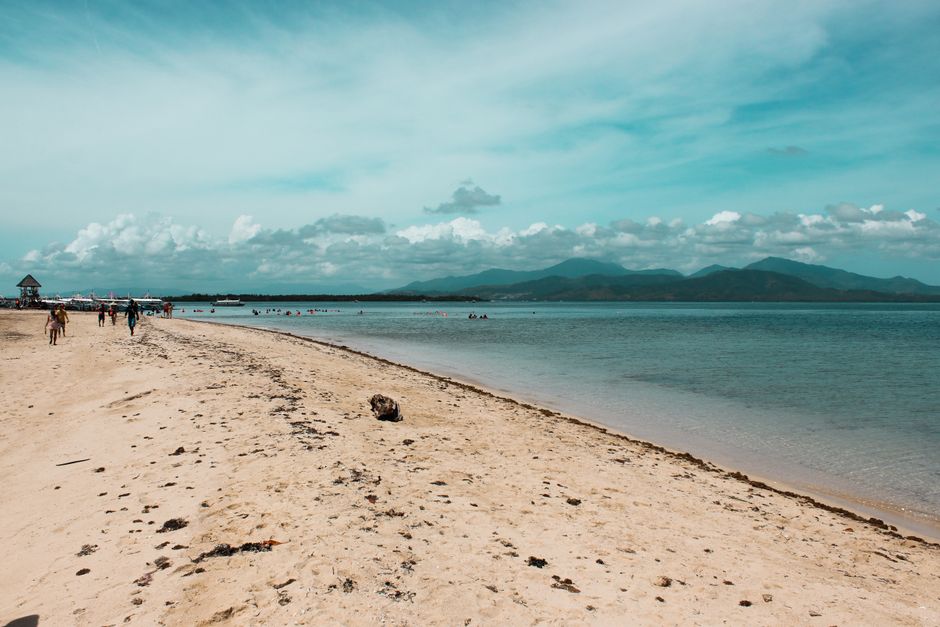
Puerto Princesa, the capital of Palawan, is a green, easygoing city on the island’s east coast and the main gateway to the province’s beaches, lagoons and reefs. It is best known for the Puerto Princesa Subterranean River National Park, a UNESCO World Heritage Site, where paddle boats glide into a vast limestone cave along a river that flows straight into the sea; to protect it, the park admits no more than 900 visitors a day, and every visitor needs a permit booked in advance. The city itself covers a huge territory of forests, mangroves and coastline, stretching across the island to Sabang on the west coast, and offers island-hopping in Honda Bay, firefly cruises on mangrove rivers, a wildlife rescue center, a crocodile conservation farm and good seafood. It is also the starting point for road trips north to Port Barton and El Nido and for liveaboard dive cruises to the remote Tubbataha Reefs. Puerto Princesa is drier than much of the country: February to April is the driest stretch, and rain peaks from about October to December.
Right now in Puerto Princesa
- Wed 24–29°C 75–84°F 21 mm Heavy showers
- Thu 24–29°C 75–84°F 11 mm Heavy showers
- Fri 24–29°C 76–85°F 19 mm Heavy rain
Weather: MET Norway (CC BY 4.0) · Sea temperature: NOAA CoastWatch
Top tours in Puerto Princesa
See all tours for Puerto Princesa →
From local operators, with prices and reviews; you check availability and book on Viator, our partner. We may earn a commission at no extra cost to you. How we earn money
Puerto Princesa at a glance
- Best for: the Underground River, island-hopping, mangrove and wildlife tours, and a starting point for El Nido and the rest of Palawan.
- How long: 2 to 3 days for the Underground River, Honda Bay and the city; a week or more with Port Barton and El Nido.
- Best time: December to May, with February to April the driest; highs are about 31–33 °C (88–91 °F) all year.
- Getting there: Puerto Princesa International Airport is in the city, with flights from Manila, Cebu, Clark and other cities.
- Getting around: tricycles in the city, vans and tours to Sabang and Honda Bay, and buses and vans north to El Nido.
- Fees to know: the Underground River’s visitor entry permit and boat fees, plus environmental fees in Honda Bay and at other sites.
- Before you go: eTravel registration, visa-free stays, money and general safety are in our Philippines travel guide.
Puerto Princesa’s areas and where to stay
The city center
The compact center along Rizal Avenue, near the airport, has most of the hotels, restaurants, cafés and the Underground River booking office. It is a convenient base for day trips, with the cathedral, Plaza Cuartel and the bayfront nearby.
The bayfront and outskirts
Resorts on the bay and in the green outskirts offer pools and quiet gardens, a short drive from the center.
Sabang
On the west coast, about 2 hours by road, the village of Sabang has the wharf for boats to the Underground River, a long beach, and a few resorts and guesthouses. Staying overnight lets you visit the river early, but it does not guarantee a permit.
Honda Bay and the north
North of the city, Honda Bay’s islands and the beaches around Nagtabon and beyond are quieter alternatives with a handful of resorts.
Top things to see in Puerto Princesa
Puerto Princesa was founded by the Spanish in the 1870s as a naval outpost on a deep, sheltered bay, and it grew slowly as a frontier town for settlers from across the Philippines; during World War II, the Japanese held American prisoners of war here, a story remembered at Plaza Cuartel. In recent decades, the city has built a reputation for environmental programs, from mangrove replanting to strict rules on litter and tricycles, which is why it feels greener and tidier than most Philippine cities. Its single biggest attraction, though, lies far from downtown, on the west coast.
The Underground River
According to the park’s management, the Puerto Princesa Underground River is navigable for about 4.3 km (2.7 miles), and park-operated paddle boats take visitors on a one-hour tour of the cave to see its rock formations and the thousands of bats and swiftlets living inside. The park was inscribed on the list of natural World Heritage Sites on December 4, 1999, and it is also a Ramsar wetland, a biosphere reserve and an Important Bird Area. Tours run during the day, roughly from 8 a.m. to 4 p.m., so as not to disturb the bats and swiftlets as they leave and return to the cave. Boats leave from the Sabang wharf for a short ride along the coast to the cave mouth, where you switch to a paddle boat with a guide and an audio guide. Long-tailed macaques around the landing grab food and plastic bags, so the park asks visitors not to bring food, not to feed the monkeys and not to tease them.
Permits for the Underground River
The park enforces a “no permit, no entry” policy and a carrying capacity of 900 visitors a day. Every visitor needs a Visitor Entry Permit (VEP), booked in advance at the Underground River Booking Office in the city, about 10 minutes from the airport, which also takes bookings and inquiries by phone; visitors must present valid identification and register individually before the tour. The park warns that going directly to Sabang or staying overnight there does not guarantee a permit, despite claims online. Most visitors book a day tour through their hotel or an accredited agency, which arranges the permit, transport, boat and lunch. In February 2026, the park began a new guest-handling process at Sabang Wharf. Book several days ahead in the dry season and around holidays.
Honda Bay
Just north of the city, Honda Bay is popular for island-hopping, with stops such as Cowrie Island, Starfish Island and Luli Island, according to the Department of Tourism, for swimming, snorkeling and beach lunches. Boats leave from the Sta. Lourdes wharf. See our boat trips and snorkeling guides.
Firefly watching on the Iwahig River
After dark, paddle boats glide along mangrove-lined rivers outside the city, where thousands of fireflies light up the trees. Go on a moonless night and avoid using flash.
The Palawan Wildlife Rescue and Conservation Center
Formerly known as the crocodile farm, the center breeds and rehabilitates endangered crocodiles and cares for other Palawan wildlife, with a small nature park.
More classic sights
- Immaculate Conception Cathedral and Plaza Cuartel: the city’s twin-spired cathedral and the site of a World War II prison camp tragedy, with a memorial garden.
- Iwahig Prison and Penal Farm: an open prison farm where inmates live and work, with a souvenir shop and a small heritage area.
- Baker’s Hill and Mitra’s Ranch: a hilltop bakery garden and a ranch with views over Honda Bay.
- Ugong Rock: a limestone formation with a cave climb and zip line on the way to Sabang.
- Nagtabon Beach: a quiet, sandy cove on the west coast, about an hour from the city.
Other things to do in Puerto Princesa
Food and drink
Puerto Princesa has excellent seafood restaurants, from casual grills by the bay to well-known places serving crab, prawns and lobster. Try chao long, a Vietnamese-influenced noodle soup brought by refugees who once lived in the city; tamilok, the woodworm from mangroves, eaten raw with vinegar by the adventurous; kinilaw; and Palawan cashews. The bayfront promenade is pleasant for an evening walk and food stalls.
Festivals
According to the Department of Tourism, the Balayong Festival in March celebrates the founding anniversary of Puerto Princesa with street dancing, a float parade and the planting of balayong, the Palawan cherry blossom, which flowers in the city in the dry season.
Diving and Tubbataha
The city’s bay has easy dives, but its real draw for divers is Tubbataha Reefs Natural Park, a UNESCO World Heritage Site in the middle of the Sulu Sea, reached only by liveaboard cruises that leave from Puerto Princesa during a short season, roughly from March to June, when the sea is calm. Book months ahead. See our diving guide.
Day trips from Puerto Princesa
- The Underground River and Sabang: a full-day trip, often combined with Ugong Rock on the way.
- Honda Bay: island-hopping for a half or full day.
- Port Barton: a laid-back beach village about 3 hours north, better for a night or two.
- San Vicente: home to Long Beach, one of the longest white-sand beaches in the country, about 4 hours north.
- El Nido: about 5 to 6 hours north by van, best for several days. See our El Nido guide.
Getting there and getting around
By air
Puerto Princesa International Airport (PPS), right next to the city center, has frequent Philippine Airlines and Cebu Pacific flights from Manila (about 1 hour 20 minutes), plus flights from Cebu, Clark, Iloilo and other cities, and some international flights from elsewhere in Asia. Tricycles and hotel shuttles take a few minutes to downtown.
By road to El Nido and Sabang
Air-conditioned vans and buses run north to Port Barton, San Vicente and El Nido from the city’s San Jose terminal and from the airport, with door-to-door pickups available; El Nido is about 5 to 6 hours away. Sabang, for the Underground River, is about 2 hours by road, usually visited on organized tours or by van.
Around the city
Puerto Princesa is known for its orderly tricycles, the main way to get around downtown; agree on the fare or ask your hotel what is fair. Multicabs and jeepneys run fixed routes. Grab does not operate in Puerto Princesa. For day trips, join a tour or hire a van with driver.
When to go and how long to stay
Puerto Princesa has a relatively short wet season by Philippine standards and is sheltered from much of the southwest monsoon. According to PAGASA, the national weather agency, the country’s rainy season runs from June to November; here, rain is spread from May to December, with October the wettest month, and the dry season from January to April is reliably sunny. The table uses PAGASA’s 1991–2020 normals for its Puerto Princesa station, as submitted to the World Meteorological Organization (WMO).
| Month | Average high / low | Rain (days with 1 mm or more) | What to expect |
|---|---|---|---|
| January | 31 °C (88 °F) / 24 °C (75 °F) | 56 mm (2.2 in), 4 days | Dry season; calm seas |
| February | 31 °C (88 °F) / 24 °C (75 °F) | 31 mm (1.2 in), 2 days | The driest month |
| March | 32 °C (89 °F) / 24 °C (76 °F) | 37 mm (1.5 in), 3 days | Dry; Balayong Festival; Tubbataha season opens |
| April | 33 °C (91 °F) / 25 °C (77 °F) | 49 mm (1.9 in), 5 days | Hot; Holy Week crowds |
| May | 33 °C (91 °F) / 25 °C (78 °F) | 126 mm (5.0 in), 10 days | Hot; first storms |
| June | 32 °C (90 °F) / 25 °C (77 °F) | 157 mm (6.2 in), 14 days | Rainy season begins; Tubbataha season ends |
| July | 32 °C (89 °F) / 24 °C (76 °F) | 173 mm (6.8 in), 15 days | Showers; Underground River usually open |
| August | 32 °C (89 °F) / 24 °C (76 °F) | 173 mm (6.8 in), 14 days | Showers; rough seas at times at Sabang |
| September | 32 °C (89 °F) / 24 °C (76 °F) | 172 mm (6.8 in), 14 days | Showers; typhoons possible |
| October | 32 °C (89 °F) / 24 °C (76 °F) | 213 mm (8.4 in), 15 days | The wettest month |
| November | 31 °C (89 °F) / 24 °C (76 °F) | 196 mm (7.7 in), 12 days | Wet; typhoons possible |
| December | 31 °C (88 °F) / 24 °C (76 °F) | 175 mm (6.9 in), 9 days | Showers easing; Christmas busy |
Puerto Princesa gets about 1,560 mm (61 in) of rain a year, less than Manila. The Underground River tours can be suspended when the sea at Sabang is too rough for boats. PAGASA said in September 2026 that a strong El Niño was expected to bring below-normal rainfall to most of the country into early 2027.
2 days in Puerto Princesa
Day one, the Underground River with a stop at Ugong Rock, and a firefly cruise in the evening. Day two, Honda Bay island-hopping and an evening at the bayfront with seafood.
4 days
Add the city sights, the wildlife center and Baker’s Hill, then continue north to Port Barton for a night on the way to El Nido.
Where to stay in Puerto Princesa
- City center: hotels and guesthouses near restaurants, the booking office and the airport.
- Bayfront and outskirts: resorts with pools and gardens.
- Sabang: beach resorts close to the Underground River.
- Honda Bay and the north: quiet island and beach resorts.
What a trip to Puerto Princesa costs
Prices are approximate, for October 2026, converted at about ₱62.6 to the US dollar.
| Item | Typical cost |
|---|---|
| Underground River day tour with permit, transport, boat and lunch | ₱2,200–3,000 (about US$35–48) per person |
| Honda Bay island-hopping tour with lunch | ₱1,500–2,200 (about US$24–35) per person |
| Firefly watching tour | ₱600–1,200 (about US$10–19) |
| Tricycle ride in the city | ₱20–100 (about US$0.30–1.60) |
| Van to El Nido | ₱600–900 (about US$10–14) |
| Chao long bowl | ₱80–150 (about US$1.30–2.40) |
| Seafood dinner in a popular restaurant | ₱700–1,500 (about US$11–24) per person |
| Mid-range hotel double, per night | ₱2,500–5,000 (about US$40–80) |
Practical tips for Puerto Princesa
- Book the Underground River early: the 900-a-day cap fills in peak season; arrange your permit before you travel to Sabang.
- Bring your ID: visitors must present valid identification and register individually for the Underground River.
- Leave food in the van: macaques at the river landing grab food and plastic bags.
- Carry cash: Sabang, Port Barton and many tours prefer pesos.
- Plan the onward trip: vans to El Nido leave throughout the morning; book a pickup the day before.
Safety
Puerto Princesa is one of the safest and cleanest cities in the Philippines. The main risks are on the water and the roads: wear life jackets on boats, and be aware that tours to the Underground River and Honda Bay stop when the sea is rough or the Coast Guard suspends sea travel, especially when PAGASA raises Tropical Cyclone Wind Signals for Palawan. The roads north are winding and dark at night, so travel by day. Keep away from the macaques at Sabang. Malaria has historically occurred in parts of rural southern Palawan, and dengue occurs across the province, so use insect repellent and ask a travel clinic about precautions if you go off the beaten track. In an emergency, call 911.
What to pack for Puerto Princesa
Light clothes, swimwear and a rash guard, reef-safe sunscreen and a hat, insect repellent, sandals or water shoes for boat landings, a dry bag, a light rain jacket in the wet season, and your passport or ID for the Underground River. The Philippines uses 220 V and mostly flat two-pin US-style plugs. See our water shoes and travel adapters guides.
Puerto Princesa travel FAQ
Do I need a permit for the Puerto Princesa Underground River?
Yes. The park enforces a “no permit, no entry” policy; every visitor needs a Visitor Entry Permit, booked in advance at the Underground River Booking Office in the city or through an accredited tour.
How many people can visit the Underground River each day?
The park’s carrying capacity is 900 visitors a day, according to its management.
Can I get a permit at Sabang?
The park warns that going directly to Sabang or staying there overnight does not guarantee a permit; book in the city first.
How long is the Underground River tour?
The paddle-boat tour inside the cave lasts about an hour, but the full day trip from the city, including the 2-hour drive each way and the boat to the cave, takes most of the day.
How long is the Underground River?
The river is navigable for about 4.3 km (2.7 miles), according to the park, and boat tours cover the first part of it.
When is the Underground River open?
Tours run during the day, roughly from 8 a.m. to 4 p.m., and can be suspended in rough seas or bad weather.
What else is there to do in Puerto Princesa?
Island-hopping in Honda Bay, firefly watching, the wildlife rescue center, Baker’s Hill, Iwahig and seafood restaurants; Tubbataha liveaboards leave from here in season.
How do I get from Puerto Princesa to El Nido?
By van or bus in about 5 to 6 hours from the city terminal or the airport; many travelers stop for a night in Port Barton.
Is there Grab in Puerto Princesa?
No. Use tricycles in the city and vans or tours for day trips.
What is the best time to visit Puerto Princesa?
December to May, with February the driest month; October is the wettest.
Sources and last review
Researched and last reviewed on 4 October 2026. The Underground River’s 900-visitor cap, the no-permit-no-entry policy, the booking office, identification rules, tour hours, the 4.3 km (2.7-mile) navigable length, the one-hour tour, the World Heritage inscription date, the Sabang Wharf process and the macaque rules: the Puerto Princesa Subterranean River National Park; Honda Bay islands, the Balayong Festival and park access: the Department of Tourism; Tubbataha’s listing: UNESCO; climate normals and the El Niño outlook: PAGASA, via the World Meteorological Organization; Grab coverage: Grab Philippines; exchange rate: the European Central Bank. Permit and tour prices, flight times, city sights, Tubbataha’s season, malaria information and typical prices are general references or estimates, flagged for checking. Fees and schedules change, so check the official sites before you go. For entry rules, money and general safety, see our Philippines travel guide.
Plan your trip
Partner links: TravelerCenter may earn a commission if you book, at no extra cost to you.
🇵🇭 Useful Filipino phrases for Puerto Princesa
All 38 Filipino phrases: restaurant, hotel, emergencies, romance (printable) →