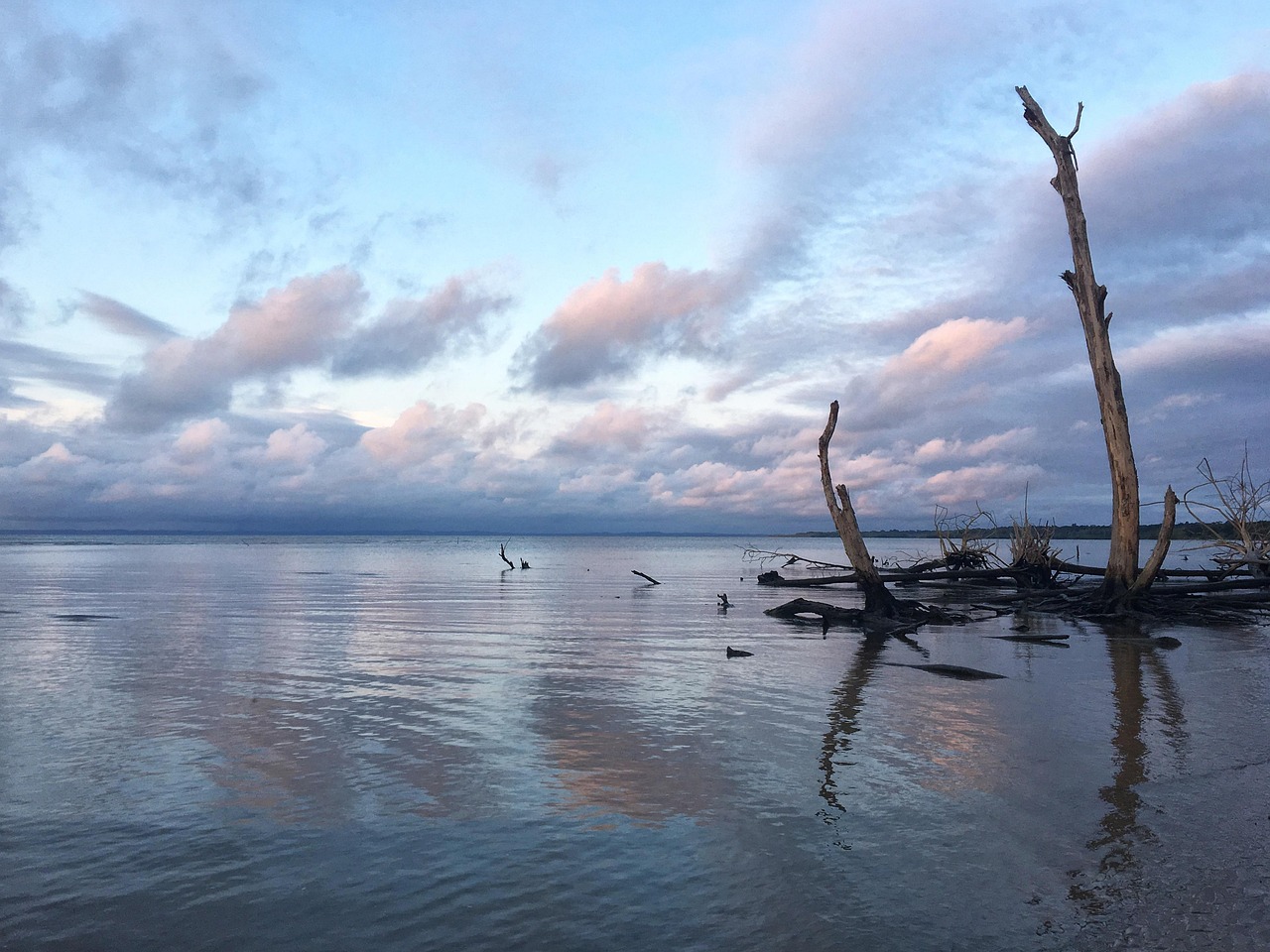
Gabon sits right on the equator on Africa’s Atlantic coast, and most of it is still covered in dense rainforest. That makes it one of the continent’s great nature destinations: a country where forest elephants walk along empty beaches, western lowland gorillas and huge troops of mandrills live in the forest, leatherback turtles nest on the sand, and humpback whales pass close to shore. It has thirteen national parks, two of them UNESCO World Heritage sites. Most trips begin in Libreville, the capital, a relaxed seaside city on the Komo estuary with a long seafront boulevard, lively markets, the carved wooden church of Saint-Michel and boat trips to the beaches of Pointe Denis and the turtle beaches of Pongara National Park. From there, travelers fly or take the train inland to the savannas and forests of Lopé, the waterfalls of Ivindo, or head down the coast to Loango National Park, famous for its wildlife on the beach. French is the official language. Most visitors need a visa arranged before travel, and a yellow fever vaccination certificate is required on arrival. The long dry season from June to September is the best all-round time to visit. Allow ten days to two weeks to combine Libreville with one or two national parks.
Right now in Gabon
- Sat25–29°C78–83°F14 mm rain
- Sun25–28°C77–82°F14 mm rain
- Mon26–28°C78–82°F5 mm rain
Weather, sun and air quality here are for one point near the centre of Gabon, not the whole country; conditions elsewhere can differ. Readings refresh through the day.
Gabon: quick answers
- Best time to visit Gabon
- Gabon has an equatorial climate: hot and humid all year, with daytime highs of about 26–30 °C (79–86 °F). What changes is the rain. More
- Things to do in Gabon
- Forest, wildlife, beaches and rivers. More
- Entry rules for Gabon
- Most visitors need a visa to enter Gabon, arranged before they travel. More
Gabon at a glance
Gabon covers about 267,700 km² (103,300 sq miles), a little larger than the state of Colorado, and borders Equatorial Guinea and Cameroon to the north and the Republic of the Congo to the east and south. Its coast runs for about 800 km (500 miles), with lagoons, mangroves, river mouths and long sandy beaches. Inland, the land rises to forested hills and plateaus, crossed by the great Ogooué River, which drains most of the country and reaches the sea through a huge delta near Port-Gentil. The equator passes just south of Libreville. Rainforest covers most of the country, and only a small part of it is farmed, which is why wildlife is so abundant.
French is the official language and is spoken everywhere, alongside many Bantu languages such as Fang, Myènè, Punu and Nzebi. English is limited outside a few hotels and tour operators, so a little French helps a great deal. Gabon became independent from France on 17 August 1960, its national day. It uses West Africa Time (UTC+1) all year, with no daylight saving time. Driving is on the right.
Gabon’s regions
- Estuaire: Libreville and the Komo estuary, with Akanda National Park’s mangroves to the north, Cap Estérias, and Pointe Denis and Pongara National Park across the water.
- Moyen-Ogooué and the lakes: the river town of Lambaréné, home of the Albert Schweitzer Hospital, and the lakes and waterways of the Ogooué.
- Ogooué-Maritime: the oil town of Port-Gentil, the Ogooué delta and the lagoons, beaches and forests of Loango National Park.
- Ogooué-Ivindo and the center: Lopé National Park, reached by the Transgabonais railway, and the waterfalls of Ivindo National Park near Makokou.
- Nyanga and the south: the coastal town of Mayumba and its national park, known for nesting turtles.
- Haut-Ogooué and the southeast: Franceville, the end of the railway, and the Batéké Plateau’s grasslands.
Videos of Gabon
Hand-picked travel videos from YouTube creators to help you picture the trip. They play from YouTube; the facts in this guide come from our own research.
Where to go: the capital, the coast and the forest parks
Gabon’s road network is limited and the parks are remote, so most trips combine a few days in Libreville with a flight, train ride or boat trip to one or two parks, usually as a package arranged with a lodge or tour operator. See our guide:
- Libreville: the seafront Bord de Mer, the Saint-Michel church of Nkembo with its carved wooden columns, the National Museum of Arts and Traditions, the Mont-Bouët market, the Raponda Walker Arboretum, beach days at Pointe Denis and Cap Estérias, and trips to Akanda and Pongara national parks.
Other highlights include Loango National Park, where forest, savanna, lagoons and beach meet; Lopé National Park, with its mandrills and rolling savanna; the waterfalls and forest of Ivindo National Park; the mangroves and birds of Akanda; the turtle beaches of Pongara and Mayumba; and Lambaréné on the Ogooué River.
Libreville Travel Guide
Plan a trip to Libreville: the Bord de Mer seafront, the Saint-Michel church of Nkembo, the National Museum of Arts and Traditions, the Mont-Bouët…
Gabon’s national parks
Gabon created a network of thirteen national parks in 2002, covering roughly a tenth of the country, and it is the heart of any visit. The parks are managed by the national parks agency (ANPN). Visits are usually arranged through a lodge or licensed operator, which handles permits, guides, boats and transport, so book well ahead.
World Heritage sites
UNESCO lists two World Heritage sites in Gabon: the Ecosystem and Relict Cultural Landscape of Lopé-Okanda (2007), which protects rainforest, savanna and rock engravings left by ancient peoples along the Ogooué valley, and Ivindo National Park (2021), a forest of rivers, rapids and waterfalls in the northeast.
Loango National Park
On the coast south of Port-Gentil, Loango is Gabon’s most famous park, a mosaic of beaches, lagoons, mangroves, savanna and forest where wildlife comes right down to the sea. Forest elephants, buffalo and red river hogs wander the beaches, hippos swim in the lagoons and even in the surf, and humpback whales and dolphins pass offshore from about July to September. Visitors explore by boat on the Iguéla lagoon, on foot and by vehicle, and gorilla habituation projects offer the chance to see western lowland gorillas. Access is by small plane or by road and boat via Omboué, usually as part of a lodge package.
Lopé National Park
In the center of the country, Lopé is a striking landscape of grassy savanna hills and gallery forest along the Ogooué River, and one of the best places in Africa to see mandrills, the brightly colored primates that gather in troops of hundreds. Forest elephants, buffalo, chimpanzees and gorillas also live here, along with ancient rock engravings. Lopé is reached on the Transgabonais railway from Libreville, which stops at the village of Lopé by the park, a journey of several hours.
Ivindo National Park
In the northeast, near Makokou, Ivindo protects pristine rainforest crossed by the Ivindo River and its spectacular rapids and waterfalls, including the Kongou Falls. Deep in the forest, the Langoué Bai, a natural clearing, attracts forest elephants, gorillas and sitatunga antelopes. It is one of Gabon’s most remote parks, best visited with a specialist operator.
Pongara and Akanda, near Libreville
Two parks lie right next to the capital. Across the Komo estuary, Pongara National Park combines mangroves, forest and long beaches where leatherback and olive ridley turtles come ashore to nest, mainly from about November to February; boats from Libreville reach Pointe Denis, on the park’s edge, in under an hour. North of the city, Akanda National Park protects vast mangroves and mudflats that attract large numbers of migratory birds, explored by boat at high tide.
Lambaréné and the Ogooué
About 230 km (145 miles) southeast of Libreville by road, Lambaréné straddles the Ogooué River, where the doctor and Nobel Peace Prize winner Albert Schweitzer founded his hospital in 1913. The historic hospital buildings are now a museum, next to the modern hospital that still carries his name. Pirogue trips explore the lakes and villages around the town.
Best time to visit Gabon
Gabon has an equatorial climate: hot and humid all year, with daytime highs of about 26–30 °C (79–86 °F). What changes is the rain. The long dry season, from June to September, is cooler, cloudier and almost rainless on the coast, with the easiest travel, good wildlife viewing and whales offshore in Loango. A shorter, less rainy spell usually comes around December to February, which is also the main turtle-nesting season. The heaviest rains fall from about March to May and October to November, when downpours are frequent and some roads and tracks become difficult. Libreville receives about 2,840 mm (112 in) of rain a year.
The table shows average daily highs and lows and monthly rainfall in Libreville from the 1961–1990 climate normals published by Gabon’s meteorological service on the World Meteorological Organization’s (WMO) World Weather Information Service.
Gabon month by month
| Month | Libreville high / low | Rain | Highlights |
|---|---|---|---|
| January | 30 / 24 °C (85 / 75 °F) | 250 mm (9.9 in) | Turtle nesting at Pongara and Mayumba |
| February | 30 / 24 °C (86 / 75 °F) | 243 mm (9.6 in) | Last of the turtle season |
| March | 30 / 24 °C (86 / 75 °F) | 363 mm (14.3 in) | Hot and wet; lush forest |
| April | 30 / 23 °C (86 / 74 °F) | 339 mm (13.3 in) | Heavy rain |
| May | 29 / 24 °C (85 / 75 °F) | 247 mm (9.7 in) | Rains easing late in the month |
| June | 28 / 23 °C (82 / 74 °F) | 54 mm (2.1 in) | Dry season begins; good for parks |
| July | 26 / 22 °C (80 / 72 °F) | 7 mm (0.3 in) | Driest month; whales off Loango |
| August | 27 / 22 °C (80 / 71 °F) | 14 mm (0.5 in) | Whales; Independence Day on 17 August |
| September | 28 / 23 °C (82 / 74 °F) | 104 mm (4.1 in) | Rains return late in the month |
| October | 28 / 23 °C (82 / 74 °F) | 427 mm (16.8 in) | Very wet |
| November | 28 / 23 °C (83 / 74 °F) | 490 mm (19.3 in) | The wettest month; turtles begin to arrive |
| December | 29 / 23 °C (84 / 74 °F) | 303 mm (11.9 in) | Turtle nesting; festive season |
How long to stay: sample itineraries
- 4–5 days: Libreville (2 nights), then two or three nights at Pointe Denis and Pongara, or a boat trip into Akanda’s mangroves.
- One week: Libreville (2 nights), the Transgabonais train to Lopé (3 nights) for mandrills and savanna walks, and back to Libreville (1 night), with a day at Pointe Denis.
- 10 days: Libreville (2 nights), Loango National Park (4 nights) by air or via Port-Gentil and Omboué, and Lopé (3 nights).
- Two weeks or more: add Lambaréné and the Ogooué lakes, Ivindo’s waterfalls with a specialist operator, or the turtle beaches of Mayumba in season.
Entry, money and costs
Visas (last reviewed November 2026)
Most visitors need a visa to enter Gabon, arranged before they travel. The UK government says British citizens must apply before traveling, that a Gabonese embassy or high commission is the most reliable way to get one, and that tourists must show a hotel booking or a letter from their hotel; the Canadian government lists tourist visas as required for Canadians. Gabon’s Directorate General of Documentation and Immigration (DGDI) also runs an official online visa portal at evisa.dgdi.ga. Your passport must be valid for at least six months after the date you arrive. Fees, processing times and eligible entry points change, so check the DGDI portal or your nearest Gabonese embassy well before you travel.
Yellow fever and health papers
According to the US Centers for Disease Control and Prevention (CDC), Gabon requires a yellow fever vaccination certificate from all arriving travelers aged 9 months or older, and the CDC recommends the vaccine for all travelers of that age. The CDC also recommends prescription medicine to prevent malaria for travelers to Gabon, so see a travel health clinic several weeks before your trip.
Money and cards
The currency is the Central African CFA franc (XAF, FCFA), issued by the Bank of Central African States (BEAC) and shared with Cameroon, the Republic of the Congo, Equatorial Guinea, Chad and the Central African Republic. It has a fixed rate of 655.957 francs to the euro; on 10 November 2026, BEAC’s indicative rate was about 583–588 francs to the US dollar. Euros are the easiest currency to exchange. Visa cards work at some ATMs, larger hotels and supermarkets in Libreville and Port-Gentil, but cash is essential elsewhere, including at markets, in taxis and in most villages, and lodges in the parks often expect payment in advance. Note that the West African CFA franc (XOF), used in Senegal and Côte d’Ivoire, is a different currency and is not accepted in Gabon.
Tipping
Tipping is not compulsory but is appreciated: about 5–10% in restaurants if service is not included, rounding up taxi fares, and a tip for guides, boat crews and trackers at the end of a park visit.
What a trip costs
Gabon is an expensive destination, mainly because park trips depend on lodges, boats and small planes. These are rough planning estimates in CFA francs and US dollars, for November 2026.
| Item | Typical cost |
|---|---|
| Street food or a simple local meal | 2,000–5,000 FCFA (US$3–9) |
| Dinner for two in a mid-range Libreville restaurant | 30,000–60,000 FCFA (US$50–100) |
| Beer in a bar | 1,000–2,000 FCFA (US$2–3) |
| Shared taxi ride in Libreville | 500–1,000 FCFA (about US$1–2) |
| Mid-range hotel double in Libreville, per night | US$100–200 |
| All-inclusive park lodge with activities, per person per night | US$250–600 |
A trip combining Libreville with a national park package typically costs several hundred US dollars per person per day while in the parks. The figures are our estimates, not official statistics.
Getting there and getting around
Airport and flights
Almost all visitors arrive at Libreville’s Léon Mba International Airport (LBV), on the coast about 6 km (4 miles) north of the city center. It has flights from Paris and from African and Middle Eastern hubs such as Casablanca, Addis Ababa and Istanbul, as well as regional connections. Taxis wait outside the terminal; agree on the fare before you set off, or arrange a hotel pickup. Domestic flights and small charter planes link Libreville with Port-Gentil, Franceville and park airstrips, and lodges in Loango usually arrange flights for their guests.
Getting around
- The Transgabonais railway: Gabon’s only railway, run by SETRAG, links Owendo, on the southern edge of Libreville, with Franceville in the southeast, about 650 km (400 miles) away, stopping at Ndjolé, Lopé and Booué. It is the easiest way to reach Lopé National Park. Check the current timetable and book ahead.
- Boats: ferries and speedboats cross the estuary from Libreville to Pointe Denis, and boats are the main way around the Ogooué delta, the lakes and Loango’s lagoons.
- Domestic flights and charters: the quickest way to Port-Gentil, Franceville and the remote parks.
- Roads: the main paved road runs inland from Libreville toward Lambaréné and the south, and to the north; many other roads are unpaved and slow in the rainy season. Hire a four-wheel drive with an experienced local driver rather than driving yourself.
- In towns: shared and private taxis are plentiful in Libreville; say your destination, agree the fare, and expect to share unless you ask for a private ride (a course).
Wildlife, beaches and the outdoors
Gabon is above all a wildlife destination. Look for forest elephants, gorillas, chimpanzees and mandrills in Loango, Lopé and Ivindo; hippos and crocodiles in the lagoons; leatherback and olive ridley turtles nesting on the beaches of Pongara and Mayumba from about November to February; and humpback whales off the coast from about July to September. Birdwatchers come for the forest species and the waders of Akanda’s mudflats. On the coast, Pointe Denis and Cap Estérias, close to Libreville, have long sandy beaches; swim only where locals do, as currents can be strong. Sport fishing for tarpon is popular in Loango and the river mouths. See our beaches, boat trips and hiking guides.
Culture, food and everyday etiquette
Food
Gabonese cooking is built on cassava, plantains, fish and forest produce, with a strong French influence in the cities. Try poulet nyembwe, the national dish of chicken cooked in a rich sauce made from palm nuts, served with rice or plantain; bâtons de manioc, sticks of fermented cassava wrapped in leaves; grilled fish and prawns with chili sauce; and feuilles de manioc, cassava leaves stewed with fish or meat. Libreville has French bakeries, cafés and good seafood restaurants, and street stalls sell grilled brochettes in the evenings. The local beer, Régab, is everywhere.
Culture and traditions
Gabon is famous for its carved wooden masks, especially the pale-faced Punu masks and the elongated Fang masks, and for the reliquary figures of the Kota and Fang peoples, which influenced European artists in the early 20th century. The Bwiti tradition, with its music, dance and ceremonies, remains important in many communities. Music is everywhere, from traditional harps and drums to modern Afro-pop.
Etiquette
Greet people before asking for anything: a handshake and bonjour go a long way. Dress neatly in towns; beachwear is for the beach. Ask before photographing people, and do not photograph government buildings, the presidential palace, police or military sites, or the airport. Useful French: merci (thank you), s’il vous plaît (please), oui and non (yes and no), and c’est combien ? (how much is it?).
Shopping and crafts
Look for carved masks and statues, objects in soapstone from Mbigou in the south, woven baskets, printed cloth and wooden bowls. Libreville’s craft stalls and the Mont-Bouët market are good places to browse; bargaining is normal.
Health, safety and connectivity
Practical points for a smooth trip:
- Vaccinations and malaria: a yellow fever certificate is required on arrival, and the CDC recommends malaria prevention medicine; use repellent, cover up at dusk, and sleep under a net where provided.
- Water: drink bottled or filtered water.
- Health care: Libreville has private clinics, but facilities in the interior and parks are basic or far away; have travel insurance that covers medical treatment and evacuation.
- Wildlife: always follow your guide’s instructions around elephants, hippos and gorillas, and keep your distance.
- Everyday care: as in any city, keep valuables out of sight, use hotel or pre-arranged taxis at night, and carry a copy of your passport.
- Emergencies: call 177 for the police; for medical help, call SOS Médecins on 1300; in Libreville, the fire service is on 18. Operators may speak only French, so ask your hotel for help if needed.
The main mobile networks, Airtel and Moov Africa, sell prepaid SIM cards with your passport; coverage is good in towns but limited or absent in many parks. Hotels in Libreville usually have Wi-Fi. Sockets are the European two-pin type C, at 220 V; see our travel adapters guide.
Things to do: forest, wildlife, beaches and rivers
Watch forest elephants on the beach and hippos in the lagoons of Loango; follow a troop of mandrills in Lopé; ride the Transgabonais railway through the forest; stand by the roaring Kongou Falls in Ivindo; watch leatherback turtles come ashore at Pongara at night; spot humpback whales from the shore in the dry season; take a pirogue on the lakes of Lambaréné and visit the Albert Schweitzer museum; spend a lazy day at Pointe Denis; and eat poulet nyembwe by the sea in Libreville. See our boat trips, hiking and beaches guides.
What to pack
Light, quick-drying clothes in neutral colors for the forest, long sleeves and trousers against insects, a good rain jacket in any season, sturdy hiking shoes and water shoes for boats and muddy trails, binoculars, strong insect repellent, sunscreen and a hat, a dry bag for boat trips, your yellow fever certificate, euros in cash, a headlamp, and a power bank, as electricity at remote lodges may be limited.
Gabon travel FAQ
Do I need a visa for Gabon?
Most visitors do, and it should be arranged before you travel, either through a Gabonese embassy or through the official online portal of Gabon’s immigration directorate (DGDI) at evisa.dgdi.ga. Your passport must be valid for at least six months after arrival.
Do I need a yellow fever vaccination for Gabon?
Yes. According to the CDC, Gabon requires a yellow fever vaccination certificate from all arriving travelers aged 9 months or older.
What currency is used in Gabon?
The Central African CFA franc (XAF), fixed at 655.957 francs to the euro. Bring euros in cash, as cards are accepted only in larger hotels and shops in Libreville and Port-Gentil.
What is the best time to visit Gabon?
June to September, in the long dry season, for easier travel, wildlife viewing and whales off Loango. November to February is the turtle-nesting season, with a shorter, less rainy spell around December to February.
How many days do I need in Gabon?
Four or five days for Libreville and the nearby parks; a week to add Lopé; ten days to two weeks to include Loango as well.
How do I get to Loango National Park?
By small plane from Libreville or Port-Gentil, or by road and boat via Omboué, usually arranged as part of a lodge package that includes transfers and activities.
Can I see gorillas in Gabon?
Western lowland gorillas live in several parks, including Loango, Lopé and Ivindo, and some lodges offer visits with research and habituation projects. Sightings are never guaranteed, and places are limited, so book well ahead.
What language is spoken in Gabon?
French is the official language and is spoken everywhere, alongside Fang, Myènè, Punu and other national languages. English is limited.
What are the emergency numbers in Gabon?
Police 177, SOS Médecins 1300 for medical help, and the fire service on 18 in Libreville.
What plugs are used in Gabon?
The European two-pin type C, at 220 V and 50 Hz.
What is the time difference in Gabon?
Gabon uses West Africa Time, UTC+1, all year, with no daylight saving time.
Plugs and power in Gabon
Gabon uses 220 V, 50 Hz and these plugs (left) and wall sockets (right):
All plug types and voltages by country → · Check what you need to pack →
Plan your trip
Partner links: TravelerCenter may earn a commission if you book, at no extra cost to you.
🇫🇷 Useful French phrases for Gabon
All 38 French phrases: restaurant, hotel, emergencies, romance (printable) →
Before you go: guidebooks and travel gear
Affiliate links: we may earn a commission at no extra cost to you. As an Amazon Associate we earn from qualifying purchases. We pick items for the place, not for the commission. How we earn money
Sources · last reviewed 10 November 2026
Researched and last reviewed on 10 November 2026. Visa requirement, applying before travel, hotel booking and passport validity: UK government (GOV.UK) entry requirements for Gabon and the Government of Canada’s Gabon page; online visa portal: Gabon’s Directorate General of Documentation and Immigration (evisa.dgdi.ga); yellow fever and malaria: US Centers for Disease Control and Prevention; emergency numbers: the UK and Canadian governments; currency and exchange rates: Bank of Central African States (BEAC); Libreville temperatures and rainfall: Gabon’s meteorological service via the World Meteorological Organization’s World Weather Information Service (1961–1990 normals); World Heritage sites, area and coordinates: Wikidata; country outline: OpenStreetMap. Park descriptions, wildlife seasons, the railway, flights, mobile networks, plugs, tipping, travel times and prices are general references or estimates, flagged for checking. Rules, fees and timetables change, so check the official sites before you travel.
Data: Weather: MET Norway (CC BY 4.0) · Rates: ECB · Wikidata (CC0)