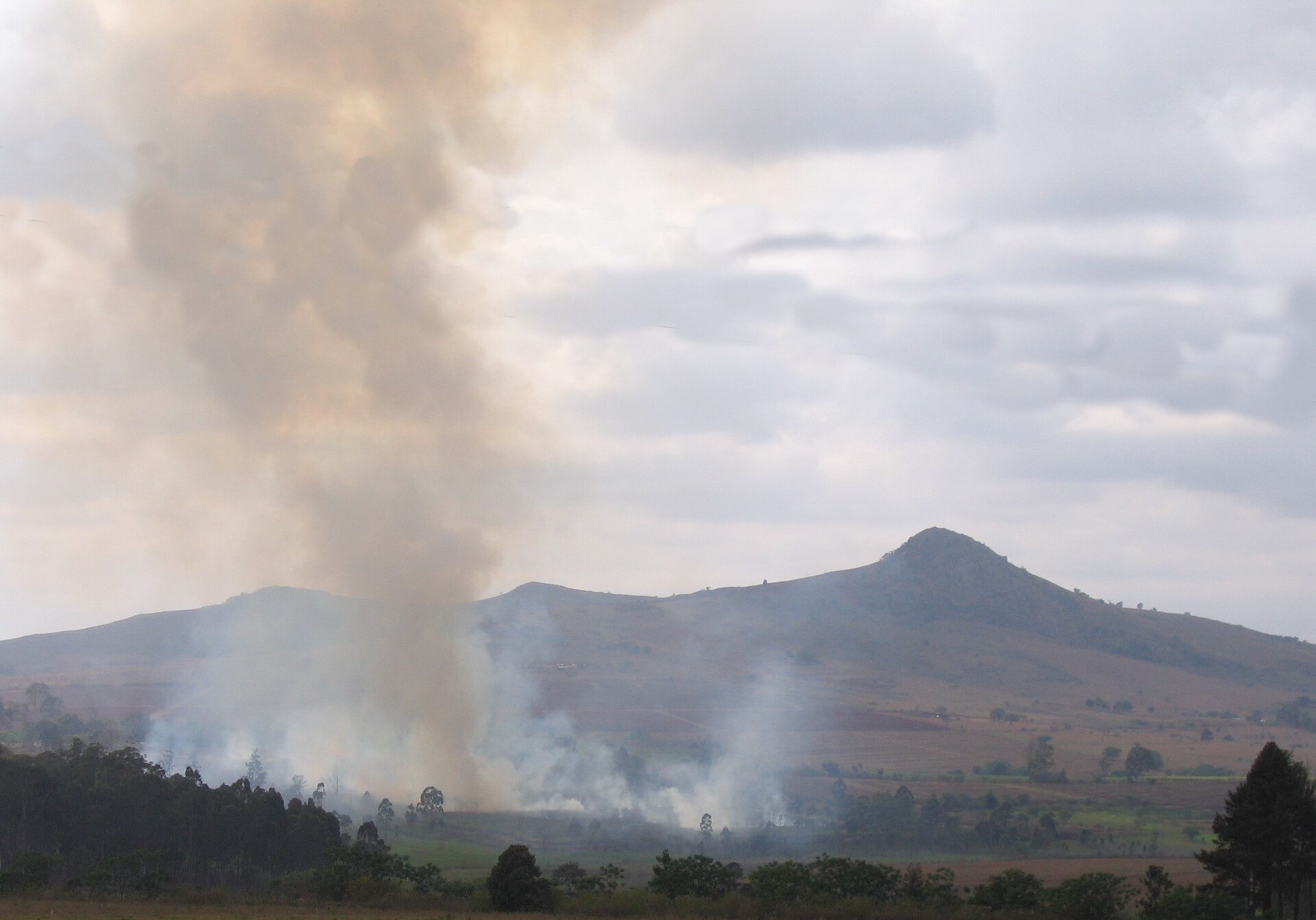
The Ezulwini Valley is the heart of travel in Eswatini. Its name means “place of heaven,” and this broad, green valley below the Highveld escarpment, between the capital, Mbabane, and the commercial city of Manzini, is where the country’s tourism began and where most visitors still stay, according to the Eswatini Tourism Authority. In a few kilometers you’ll find Mlilwane Wildlife Sanctuary, where you can walk, cycle or ride a horse among zebra and antelope; Mantenga Nature Reserve, with its waterfall and a cultural village that recreates a 19th-century Swazi homestead; and, at the eastern end, Lobamba, the royal and spiritual center of the kingdom, with the National Museum, Parliament, the King Sobhuza II Memorial Park and the royal residence at Ludzidzini, where the great Umhlanga (Reed Dance) and Incwala ceremonies take place. Craft centers, lodges, restaurants, a golf course and hot springs line the main road, and the arts venues and candle makers of the Malkerns Valley are just beyond. The valley is an easy hour or so from the Oshoek border with South Africa, and it makes an ideal base for day trips across this small country. Spend two or three nights.
Right now in Ezulwini Valley
- Sat20–29°C69–84°F8 mm rain
- Sun19–31°C66–89°F3 mm rain
- Mon20–25°C68–77°F11 mm rain
Ezulwini Valley: quick answers
- Things to do in Ezulwini Valley
- Mlilwane Wildlife Sanctuary, Mantenga Nature Reserve and Cultural Village, Lobamba, Umhlanga and Incwala, Sheba’s Breasts and Execution Rock, Crafts, markets and the Mantenga Lifestyle Centre. More
- Best time to visit Ezulwini Valley
- Summers are warm and humid, with heavy afternoon storms; winters are dry and sunny, with cool nights. Mbabane gets about 1,440 mm (57 in) of rain a year and Manzini about 925 mm (36 in), almost all of it from October to March. More
- How many days in Ezulwini Valley
- Two days for Mlilwane, Mantenga, Lobamba and Malkerns; three or four with day trips to Sibebe Rock, Ngwenya or Malolotja. More
- Where to stay in Ezulwini Valley
- Upper Ezulwini (toward Mbabane), Central Ezulwini and Mantenga, Mlilwane Wildlife Sanctuary, Lobamba and the lower valley. More
Ezulwini Valley at a glance
- Best for: first-time visitors, walking and cycling safaris, Swazi culture and ceremonies, crafts and a central base.
- How long: two or three nights; longer if you use it as a base for day trips.
- Best time: May to September for dry, sunny weather; late August or early September for the Umhlanga Reed Dance; summer is green, with afternoon storms.
- Getting there: by road from Johannesburg via the Oshoek/Ngwenya crossing (open 24 hours) and Mbabane; or fly to King Mswati III International Airport, where Eswatini Air’s free shuttle serves Ezulwini for its passengers.
- Getting around: a car is easiest; lodges arrange tours and taxis, and the Leap Taxi app works here.
- Before you go: visas, money, border hours and practical tips for the whole country are in our Eswatini travel guide.
Explore Ezulwini Valley in videos
Hand-picked travel videos from YouTube creators to help you picture the trip. They play from YouTube; the facts in this guide come from our own research.
The valley’s areas and where to stay
The Ezulwini Valley follows the main road (MR103) and the parallel highway between Mbabane and Manzini, with the Mdzimba mountains to the north and the peaks of Nyonyane and Sheba’s Breasts to the south.
Upper Ezulwini (toward Mbabane)
The western end of the valley, nearest the capital, has hotels, guesthouses and restaurants on the slopes, with views down the valley and quick access to Mbabane and Sibebe Rock.
Central Ezulwini and Mantenga
The middle of the valley holds the main cluster of lodges, the Mantenga Lifestyle and Craft Centre, Mantenga Nature Reserve and the turn-off to Mlilwane. This is the most convenient area for a first visit, with everything close by.
Mlilwane Wildlife Sanctuary
Staying inside the sanctuary, at the Rest Camp’s thatched beehive huts or the Sondzela backpackers’ lodge, puts you among the animals, with warthogs on the lawns and hippos in the dam, and trails starting at your door.
Lobamba and the lower valley
At the eastern end of the valley, near Lobamba, you’re close to the National Museum, Parliament and the ceremonial grounds, and a short drive from the Malkerns Valley and Manzini.
Top things to see and do in the Ezulwini Valley
Prices are in South African rand (R), which are worth the same as Eswatini’s emalangeni (E), at about R16.40 to the US dollar on November 10, 2026.
Mlilwane Wildlife Sanctuary
Mlilwane is the country’s best-known nature reserve and, in the Eswatini Tourism Authority’s words, Eswatini’s birthplace of conservation. It has no big predators, so you can explore on foot, by mountain bike or on horseback among zebra, wildebeest, impala, warthog and many antelope, with hippos and crocodiles in the dams. Big Game Parks, which runs it, lists these prices:
| Mlilwane (Big Game Parks) | Price |
|---|---|
| Conservation fee, per person per day (day visitors 06:00–18:00) | R95 |
| Sunrise or sunset game drive (2 hours) | R515 per person, minimum 2 |
| Horse ride, 1 hour | R430 per person |
| Horse ride on the Rock of Execution trail | R1,550 per person, minimum 2 |
| Guided game or birding walk (2.5 hours) | R310 per person, minimum 2 |
| Esitjeni village walk | R295 per person, minimum 4 |
| Mountain biking, guided / self-guided, per hour | R260 / R185 |
| Guided cave trail hike, catered | R1,900 per person, minimum 2 |
Children under 13 pay half price and babies under 3 are free. Big Game Parks has been cashless since July 1, 2026: pay by Visa, Mastercard or MTN MoMo. The rates apply from December 1 to November 30 each year, so check for updates after December 1. Wild Card holders from South Africa’s park scheme are accepted.
Mantenga Nature Reserve and Cultural Village
Mantenga, a property of the Eswatini National Trust Commission, centers on the Mantenga Falls and woodland walks along the Lusushwana River. Its cultural village is, according to the Eswatini Tourism Authority, a working reconstruction of a traditional homestead from around the 1850s, with beehive huts, cattle kraals and guides who explain Swazi customs, followed by a dance display by a group that has toured the world. Ask at the gate for current fees and show times.
Lobamba: the National Museum, Parliament and the Memorial Park
Lobamba, at the eastern end of the valley, has hosted Eswatini’s royalty for more than 200 years, according to the Eswatini Tourism Authority. North of the main road stand Parliament, the National Museum, with displays on Swazi history, culture and wildlife, the National Stadium, and the King Sobhuza II Memorial Park, honoring the king who led the country to independence in 1968. To the south lies Ludzidzini, the royal residence of the Queen Mother, where the national ceremonies are held. The royal residences aren’t open to visitors, and photographing them isn’t allowed.
Umhlanga and Incwala
The Umhlanga (Reed Dance), usually in late August or early September, brings tens of thousands of young women and girls in beadwork and bright sashes to Ludzidzini, where they present reeds to the Queen Mother and dance before the King. The sacred Incwala ceremony, the most important ritual of the Swazi year, takes place over several weeks around December and January. Exact dates are set by the royal household and announced shortly before each year. Visitors can watch the main public days; dress respectfully and follow officials’ instructions about photography.
Sheba’s Breasts and Execution Rock
Two peaks overlook the valley, and the Eswatini Tourism Authority notes that both have trails to their summits: Sheba’s Breasts, the twin peaks that inspired a famous line in an H. Rider Haggard novel, and Execution Rock on Nyonyane Mountain, inside Mlilwane, with sweeping views. Mlilwane runs guided hikes and horse rides up Execution Rock.
Crafts, markets and the Mantenga Lifestyle Centre
The Mantenga Lifestyle and Craft Centre is a good stop for lunch and shopping, with craft and food outlets. The Ezulwini Farmer’s Market at Legends SHARED is held every second Saturday of the month except December, from 9:00 to 15:00, according to the Eswatini Tourism Authority; its Christmas edition is on December 12, 2026, from 9:00 to 16:00. Roadside stalls along the valley sell soapstone carvings, wooden bowls, beadwork and grass mats.
Other things to do
Malkerns Valley
Just south of Lobamba, the Malkerns Valley is pineapple country and Eswatini’s crafts heartland. Swazi Candles is a cluster of craft shops where you can watch candle makers at work; the Malandela’s complex combines restaurants, crafts and live music; and House on Fire, a striking arts venue, hosts the MTN Bushfire festival every May and the Luju Food and Lifestyle Festival in August.
Hot springs, spa and golf
The valley has natural hot springs, spa hotels and a golf course, and its casinos date from the era when gambling was banned in South Africa. Check opening before you go, as some hotels in the valley were listed as closed in late 2026.
Food and drink
Eat Swazi staples such as pap with beef or chicken stew, roasted mealies (corn) and fresh pineapple from Malkerns, and look out for marula products in late summer. Lodges, the craft centers and Malandela’s serve international menus. Retail shops don’t sell alcohol on Sundays, according to the Eswatini Tourism Authority, though restaurants and bars do.
Day trips from the Ezulwini Valley
- Mbabane and Sibebe Rock: 20–30 minutes west, the capital’s markets and the giant granite dome of Sibebe, with guided hikes to the top.
- Ngwenya Mine and Ngwenya Glass: about 40 minutes northwest, near the Oshoek border, the ancient ochre mine in Malolotja Nature Reserve and the recycled-glass workshop.
- Malolotja Nature Reserve: about an hour north, for highland hiking, waterfalls and the canopy tour.
- Manzini: about 30 minutes east, for the country’s biggest market.
- Hlane Royal National Park: about 1.5 hours east, for lion, elephant and rhino on guided game drives (conservation fee R95 per person per day, day visitors 06:00–18:00, according to Big Game Parks); better as an overnight stay.
- Great Usutu River: white-water rafting trips run from the Ezulwini and Malkerns area.
For more ideas, see our hiking guide and our cycling guide.
Getting there and getting around
By road
From Johannesburg, it’s about three and a half hours to the Oshoek/Ngwenya border, open 24 hours, and then about 40 minutes on the highway past Mbabane into the valley. From Kruger National Park, cross at Matsamo/Jeppe’s Reef (07:00–20:00) and drive south via Pigg’s Peak and Mbabane. Cars not registered in Eswatini pay a road toll of E150 at the border, payable in rand. See our Johannesburg and Kruger National Park guides.
By air
King Mswati III International Airport (SHO) has flights from Johannesburg with Airlink and Eswatini Air, and from Cape Town and Harare with Eswatini Air, according to the Eswatini Tourism Authority. Eswatini Air runs a free shuttle bus for its passengers between the airport and Manzini, Matsapha, Ezulwini and Mbabane. The drive from the airport to the valley takes about an hour.
By minibus transfer
Scheduled minibus transfers between Johannesburg (OR Tambo airport and Sandton) and Eswatini take about five hours, from about R750 one way, and stop in Mbabane and the Ezulwini area, according to the tourism authority.
Getting around the valley
A car is the easiest way to get around. Taxis are available through the Leap Taxi app, and lodges arrange transfers and tours. Kombi (minibus) taxis run along the main road between Mbabane and Manzini. Within Mlilwane, you can drive the gravel roads in an ordinary car, or explore on foot, by bike or on horseback.
When to go and how long to stay
The valley lies between the cool, wet Highveld around Mbabane and the warmer Middleveld around Manzini. Summers are warm and humid, with heavy afternoon storms; winters are dry and sunny, with cool nights.
| Season | Mbabane, high / low | Manzini, high / low | What it’s like |
|---|---|---|---|
| Summer (Dec–Feb) | 24–25 °C (75–77 °F) / 14–15 °C (57–59 °F) | 28–29 °C (82–83 °F) / 18–19 °C (64–65 °F) | Warm, green and wet; storms most afternoons |
| Autumn (Mar–May) | 21–24 °C (71–75 °F) / 8–13 °C (46–56 °F) | 24–27 °C (76–81 °F) / 12–18 °C (54–64 °F) | Drying out; clear, pleasant days |
| Winter (Jun–Aug) | 19–21 °C (67–70 °F) / 5–7 °C (40–44 °F) | 22–24 °C (72–75 °F) / 9–11 °C (48–51 °F) | Dry and sunny; chilly nights; best for walking safaris |
| Spring (Sep–Nov) | 23 °C (72–74 °F) / 10–13 °C (49–55 °F) | 26–27 °C (78–80 °F) / 13–16 °C (56–61 °F) | Warming; rains return in October |
Figures are the official 1961–1990 averages for Mbabane and Manzini from the Eswatini Meteorological Service, published by the World Meteorological Organization. Mbabane gets about 1,440 mm (57 in) of rain a year and Manzini about 925 mm (36 in), almost all of it from October to March.
2 days in the Ezulwini Valley
Day 1: Mlilwane on foot, by bike or on horseback in the morning, then lunch at the Mantenga Lifestyle Centre and the afternoon dance display at Mantenga Cultural Village. Day 2: the National Museum and Memorial Park at Lobamba, then Swazi Candles, Malandela’s and House on Fire in Malkerns.
3–4 days with day trips
Add a morning on Sibebe Rock or at Ngwenya and Malolotja, and continue east to Hlane or Mkhaya for a night or two of safari.
Where to stay in the Ezulwini Valley
- Among the animals: Mlilwane’s Rest Camp, with beehive huts from R705 per person sharing (room only), or camping from R180 per person, according to Big Game Parks.
- Budget and backpackers: Sondzela inside Mlilwane, and backpackers’ lodges in central Ezulwini.
- Mid-range and boutique: guesthouses and lodges in central Ezulwini and near Mantenga.
- Hotels and spas: the larger hotels in the upper valley and near the golf course.
What a visit costs
Official fees come from Big Game Parks; other prices are our estimates for November 2026.
| Item | Typical cost |
|---|---|
| Mlilwane conservation fee, per person per day | R95 (about US$6) |
| Mlilwane horse ride, 1 hour | R430 (about US$26) |
| Mlilwane Rest Camp beehive hut, per person sharing, room only | R705 (about US$43) |
| Lunch at a craft-center café | E100–200 (about US$6–12) |
| Dinner at a mid-range restaurant | E180–350 (about US$11–21) |
| Mid-range lodge, double, per night | E1,200–2,500 (about US$75–150) |
Practical tips for the Ezulwini Valley
- Cashless parks: bring a card or MTN MoMo for Mlilwane and the other Big Game Parks reserves, which no longer take cash.
- Fuel and shopping: the valley has fuel stations and shops; for larger supermarkets, go to Mbabane or Manzini.
- Ceremonies: if your trip coincides with Umhlanga or Incwala, book accommodation early, as the valley fills up.
- Photos: ask before photographing people, and don’t photograph royal residences, police or soldiers.
- Driving: watch for pedestrians, livestock and minibus taxis on the main road, and avoid driving at night.
- Emergencies: police 999, ambulance 977.
What to pack for the Ezulwini Valley
Pack light layers for warm days and a fleece for cool evenings, especially from May to September; a rain jacket for summer storms; hiking shoes for Mlilwane’s trails and Execution Rock; long trousers for horse riding; binoculars, a hat, sunscreen and insect repellent; a bank card for park payments; and a travel adapter for the South African three-round-pin type M sockets.
Ezulwini Valley travel FAQ
Where is the Ezulwini Valley?
In central Eswatini, between the capital, Mbabane, and the city of Manzini, with the royal town of Lobamba at its eastern end. It is the country’s main tourism area.
How much is the entry fee for Mlilwane Wildlife Sanctuary?
R95 per person per day, according to Big Game Parks. Children under 13 pay half price, and payment is by card or MTN MoMo only.
Can you walk or cycle in Mlilwane?
Yes. Mlilwane has no big predators, so you can walk, mountain bike and ride horses on its trails, on your own or with a guide.
What is Mantenga Cultural Village?
A reconstruction of a traditional Swazi homestead from around the 1850s in Mantenga Nature Reserve, with guided tours and a dance display, near the Mantenga Falls.
When is the Umhlanga Reed Dance?
Usually in late August or early September, at Ludzidzini in Lobamba, at the eastern end of the valley. Dates are announced by the royal household each year.
How far is the Ezulwini Valley from Johannesburg?
About four and a half hours by car, via the Oshoek/Ngwenya border, which is open 24 hours.
How do I get from King Mswati III airport to Ezulwini?
By car or taxi in about an hour, or on Eswatini Air’s free shuttle bus if you fly with that airline.
How many days do I need in the Ezulwini Valley?
Two days for Mlilwane, Mantenga, Lobamba and Malkerns; three or four with day trips to Sibebe Rock, Ngwenya or Malolotja.
Is there malaria in the Ezulwini Valley?
The Eswatini Tourism Authority says anti-malarial tablets are needed only for the eastern Lowveld and Lubombo Mountains, not for the Ezulwini Valley. Ask a travel-health professional if you’re continuing east to Hlane or Mkhaya.
Plan your trip
Partner links: TravelerCenter may earn a commission if you book, at no extra cost to you.
Before you go: guidebooks and travel gear
Affiliate links: we may earn a commission at no extra cost to you. As an Amazon Associate we earn from qualifying purchases. We pick items for the place, not for the commission. How we earn money
Sources
Researched and last reviewed on November 10, 2026. The valley, Mantenga, Lobamba, Sheba’s Breasts and Execution Rock, Malkerns, the farmer’s market, the Eswatini Air shuttle, flights, minibus transfers, border hours, the road toll, Sunday liquor rules and malaria: Eswatini Tourism Authority (thekingdomofeswatini.com); Mlilwane and Hlane fees, prices, hours, payment rules and age discounts: Big Game Parks (biggameparks.org); emergency numbers: GOV.UK; exchange rate: European Central Bank; climate: Eswatini Meteorological Service, via the World Meteorological Organization; coordinates: Wikidata. Animal species, the Haggard novel, independence year, distances, driving times, hotel closures, restaurant prices and lodge rates other than Big Game Parks’ are general references or our estimates, flagged for checking. Fees and ceremony dates change, so check the official sites before you visit.
Data: Weather: MET Norway (CC BY 4.0) · Rates: ECB · Wikidata (CC0)