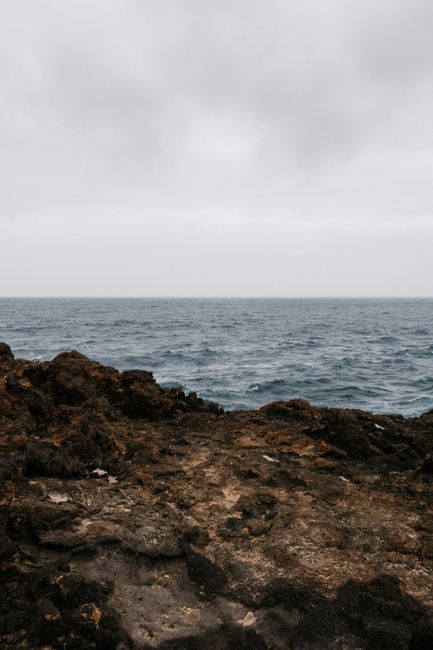
Lanzarote is the Canary Island that looks like nowhere else: a land of black lava fields, red and ochre volcanoes, white cube houses with green shutters and vines growing in pits of volcanic ash. Eruptions between 1730 and 1736 buried a quarter of the island and created what is now Timanfaya National Park, and in the 20th century the artist César Manrique turned caves, lava tubes and old quarries into some of the most original visitor sites in Europe. Add warm sun all year, golden coves at Papagayo, Atlantic surf at Famara, a wine route through La Geria and a quick boat to the tiny island of La Graciosa, and you have an island that rewards a week of exploring. Most people stay in Puerto del Carmen, Costa Teguise or Playa Blanca, hire a car for a few days and book the two big sights, Timanfaya and the Cueva de los Verdes, online before they go.
Right now in Lanzarote (Arrecife)
- Wed 21–25°C 70–77°F Partly cloudy
- Thu 20–25°C 69–78°F 2 mm Showers
- Fri 21–24°C 69–76°F 1 mm Clear
- Mon 12 Oct National Day of Spain (Fiesta Nacional de España)
Weather: MET Norway (CC BY 4.0) · Sea temperature: NOAA CoastWatch · Rates: ECB · Holidays: Nager.Date
Top tours in Lanzarote
See all tours for Lanzarote →
From local operators, with prices and reviews; you check availability and book on Viator, our partner. We may earn a commission at no extra cost to you. How we earn money
Lanzarote at a glance
- Best for: volcanic landscapes, César Manrique’s art and architecture, easy beaches, winter sun, surfing and windsurfing, cycling, and wine tasting among lava vineyards.
- How long: 4–5 days covers Timanfaya, the Manrique sites, La Geria and Papagayo; a week adds La Graciosa, Famara and a day trip to Fuerteventura.
- Best time: any month. March–June and September–November are the sweet spot; July and August are hot, windy and busy; winter is mild, around 22 °C by day.
- Getting there: flights to César Manrique-Lanzarote Airport (ACE), just outside Arrecife; ferries from Fuerteventura, Gran Canaria and Tenerife.
- Getting around: a hire car is easiest; public buses (guaguas) link Arrecife, the airport and the resorts. Timanfaya’s volcano route is only by the park’s own coaches.
- Before you go: entry rules, money, trains and general safety are on our Spain travel guide. The Canaries are one hour behind mainland Spain, on the same time as the UK and Portugal.
Lanzarote’s towns and resorts, and who each one suits
The island is about 60 km long and 20 km wide, so nowhere is more than an hour’s drive from anywhere else. The tourist resorts are on the sunny south and east coasts; the wild north and west have cliffs, surf and small villages.
Puerto del Carmen
The island’s biggest and liveliest resort, ten minutes from the airport. A long promenade runs above golden beaches such as Playa Grande and Los Pocillos, lined with restaurants, bars and shops, and the old harbour at the western end is the base for diving and fishing trips. It suits first-timers, families and anyone who wants plenty of choice without a car.
Playa Blanca
A quieter, more spread-out resort on the southern tip, with the Marina Rubicón yacht harbour, a seafront walk and the ferry port for Fuerteventura. The Papagayo coves are a short drive or a long walk east. Good for couples and families who want calm water and a relaxed pace, and the sunniest corner of the island.
Costa Teguise
North of Arrecife, built partly to Manrique’s guidelines, with sheltered beaches, golf, a water park and steady wind for windsurfing at Las Cucharas. It is handy for the Manrique sights in the north and for the Sunday market in Teguise.
Arrecife
The capital is a working town rather than a resort, which is its charm: a lagoon called El Charco de San Ginés ringed with fishing boats and tapas bars, a city beach at El Reducto, and the Castillo de San José, an 18th-century fort that houses the International Museum of Contemporary Art (MIAC). It is the hub for buses and the cheapest place to eat well.
The north and the villages
Teguise, the old capital, has cobbled streets and a big Sunday market. Haría sits in a valley of palm trees, and Caleta de Famara is a sandy-street surf village below towering cliffs. Órzola, at the northern tip, is where the boats leave for La Graciosa. Rural houses and small hotels here suit walkers, surfers and anyone who wants peace.
Top things to see in Lanzarote
Prices and hours below were checked on the official sites in October 2026, unless we say otherwise; check again before you go. Most of the big sights are run by the Cabildo de Lanzarote’s Centros de Arte, Cultura y Turismo (CACT), which are open every day of the year, let children up to 6 in free and have lower rates for Canary residents.
Timanfaya National Park and the Montañas del Fuego
Timanfaya protects more than 5,100 hectares of lava fields and over 25 craters left by the six years of eruptions that began in 1730. The visitor centre at the Montañas del Fuego, on the Islote de Hilario, is the only way most visitors see its heart. You park there, watch rangers pour water into a hole so it bursts out as steam, see the grill of the El Diablo restaurant cooking with the earth’s heat, and then board one of the park’s coaches for the Ruta de los Volcanes, a route of about 14 km on a road you cannot drive yourself, with a recorded commentary in Spanish, English and German. You must stay in your car between the El Taro entrance and the car park, and on the coach. As of October 2026 the ticket costs €30 (free for children up to 6), opening hours are 9:30–15:45 every day and the whole visit takes about 75–90 minutes. Tickets are sold only online, for a set date and time, and you should be at the ticket office 15 minutes early. Bring a layer: it is windy up there, especially from October to April.
To walk in the park, book the free guided Tremesana route run by the national park: about 3.5 km and three hours from Yaiza, five days a week, for over-16s only, in very small groups. Places are booked on the national parks’ reservation website and go fast; the park advises booking 25–30 days ahead. The camel rides at the edge of the park and the Mancha Blanca visitor centre near Tinajo are other ways to get a feel for the landscape.
Jameos del Agua
Manrique’s first creation, finished in the 1960s, turns a collapsed section of a lava tube near the north-east coast into a sequence of spaces: a cave restaurant, a dark saltwater lake home to tiny blind white crabs found almost nowhere else, a white swimming pool among palms that only staff may enter, and an auditorium inside the rock. As of October 2026 tickets start at €17 and it is open 10:00–18:00 daily; it also hosts evening events, the Noches de Jameos, on some dates.
Cueva de los Verdes
A little inland from the Jameos, this is another section of the same 6 km-long tube created by the eruption of the La Corona volcano. Guided tours of about 50 minutes lead through galleries, low passages and coloured mineral formations, ending with a surprise we will not spoil. As of October 2026 entry is €17, it is open 9:30–16:45 daily, and, like Timanfaya, it is sold only online for a set time slot. Expect stooping and uneven floors.
Mirador del Río
A viewpoint hidden inside the cliffs at the northern tip of the island, 475 m above the strait of El Río. Two huge windows frame La Graciosa and the smaller islets of the Chinijo Archipelago below, and there is a terrace and café. As of October 2026 entry costs €9 and it opens 10:00–17:00 daily. Go on a clear morning.
Jardín de Cactus
In Guatiza, among fields where farmers still raise cochineal insects on prickly pears, Manrique turned an old quarry into an amphitheatre of terraces planted with cacti from five continents, guarded by a giant metal cactus and a restored windmill. As of October 2026 entry is €9, 10:00–17:00 daily; allow about an hour.
Fundación César Manrique and the house in Haría
The artist’s own home at Taro de Tahíche, built on a lava flow in 1968, is now the César Manrique Foundation: the upper floor is a white villa with his art collection, and below it five volcanic bubbles have been turned into rooms, linked by tunnels, with a pool and a garden in the lava. His last home, in the palm grove at Haría, is kept as he left it, with his studio. These are run by the foundation, not the CACT. As of October 2026 each costs €10 (€3 for children aged 7–12), or €17 for both; Tahíche opens 10:00–17:30 and Haría 10:30–17:30 every day except 1 January, with the ticket desks closing at 17:00.
More to see
- Castillo de San José and MIAC, Arrecife: an 18th-century fort above the harbour with a contemporary art museum and a glass-walled restaurant; €5.40, 11:00–18:00 daily, as of October 2026.
- Casa Museo del Campesino: Manrique’s tribute to the island’s farmers, in the centre of the island, with his white Fecundidad monument; free entry, 10:00–18:00.
- El Golfo and the green lagoon: a half-crater on the west coast with an emerald-green pool, black sand and red cliffs, next to fish restaurants.
- Los Hervideros: lava cliffs and caves just south of El Golfo where the Atlantic boils and sprays on rough days.
- Salinas de Janubio: salt pans laid out in a lagoon below the volcanoes, best seen in late-afternoon light.
- Teguise: the old capital, with churches, a convent and a hilltop castle, and the island’s largest market every Sunday morning.
Other things to do in Lanzarote
The Papagayo beaches
East of Playa Blanca, a string of golden coves with clear, calm water sits inside the Los Ajaches natural monument: Playa Mujeres, Playa del Pozo, Caleta del Congrio, Puerto Muelas and Playa de Papagayo itself, below a small restaurant on the cliff. There is little shade and no lifeguard on most of them. Cars reach them on a dirt track; the town of Yaiza charges non-residents a fee per vehicle at the entrance, reported as €3 in 2026 by the local press (walkers and cyclists enter free). You can also walk in along the coast path from Playa Blanca, about an hour, or arrive by boat. See our beaches guide.
Surfing at Famara and La Santa
Famara’s 6 km beach below the cliffs is the island’s classic surf spot, with schools and board hire in Caleta de Famara and waves for beginners on the right days. The reefs around La Santa, on the north-west coast, are for experienced surfers only. Currents at Famara are strong: swim only where it is calm and lifeguarded. See our surfing guide.
Wine in La Geria
Between Uga and Masdache, vines grow one by one in hollows dug through the volcanic ash, each protected from the wind by a semicircular stone wall. The result is one of the strangest wine landscapes in the world. Several bodegas along the LZ-30 road offer tastings of the local Malvasía volcánica white and other wines; some, such as El Grifo, have a small museum. Have a designated driver or join a tour. See our wine tasting guide.
Diving, boat trips and cycling
Puerto del Carmen has easy shore dives, and local dive centres take boats out to the Museo Atlántico, an underwater sculpture museum off Playa Blanca; see our diving guide. Catamaran trips sail from Playa Blanca and Puerto Calero to Papagayo and Lobos; see our boat trips guide. With quiet roads and steady climbs, the island is popular with road cyclists, especially in winter; see our cycling guide.
Food
Try papas arrugadas (wrinkled salt potatoes) with red and green mojo sauces, grilled local fish such as vieja, goat’s cheese, and sweet potato. The fish restaurants of El Golfo and Arrieta are good at sunset.
Day trips and onward travel
La Graciosa
The eighth inhabited Canary Island is a sandy-streeted fishing village, Caleta de Sebo, and empty beaches, with no asphalt roads. Boats leave Órzola for the 25–30 minute crossing several times a day. As of October 2026 Biosfera Express charges €29 return or €16 one way for non-resident adults, with departures from Órzola between 8:00 and 19:30; Líneas Romero also sails the route. Hire a bike in the village to ride to Playa de las Conchas, or take a 4×4 taxi, and bring water and sun cream.
Fuerteventura
From Playa Blanca, ferries cross to Corralejo in about 25–35 minutes, with fares from €8 one way with Fred. Olsen Express as of October 2026; Líneas Romero and Armas also run the route. Corralejo’s sand dunes and the boat to the islet of Lobos make an easy, rewarding day trip.
Gran Canaria and Tenerife
Baleària Canarias (formerly Naviera Armas) sails between Arrecife and Las Palmas, and on to Tenerife, but the crossings are long; most people fly with the inter-island airline Binter. Combine Lanzarote with the beaches and mountains of Gran Canaria or Mount Teide on Tenerife.
Nearby destinations
- Fuerteventura79 km
- Gran Canaria226 km
Getting there and getting around
Flights and ferries
César Manrique-Lanzarote Airport (ACE) is about 5 km from Arrecife and 10 minutes from Puerto del Carmen, with direct flights from much of Europe and from mainland Spain and the other islands. Ferries arrive at Playa Blanca (from Corralejo on Fuerteventura) and at Arrecife (from Gran Canaria, Tenerife and mainland Spain). Book ahead if you take a car.
Car hire, buses and taxis
A hire car gives you the most freedom, and roads are good and quiet away from Arrecife. Public buses run by Intercity Lanzarote link Arrecife, the airport, Puerto del Carmen, Costa Teguise and Playa Blanca often, and the villages less often. No public bus enters Timanfaya: lines 16 (Arrecife–La Santa, via Mancha Blanca) and 6 (Arrecife–Puerto del Carmen–Playa Blanca, via Yaiza) pass nearby, and you take a taxi or drive from there. Taxis wait at the airport and in the resorts; agree the fare for long trips.
Booking the sights
Buy tickets for Timanfaya and the Cueva de los Verdes on the CACT website as soon as you know your dates, with a fixed time slot; the other CACT centres sell at the door too, but online is quicker. Keep the QR code downloaded, as mobile coverage is weak in places. Plan the north (Jameos, Cueva de los Verdes, Mirador del Río, Jardín de Cactus) as one day and the south (Timanfaya, El Golfo, Los Hervideros, Janubio) as another.
When to go and how long to stay
Lanzarote is warm, dry and sunny all year, with the trade winds keeping summer from getting too hot. The table uses the 1991–2020 climate normals of the AEMET weather station at Lanzarote Airport, near Arrecife, as published by the WMO: average daily highs and lows, and days with at least 1 mm of rain. The island gets only about 100 mm of rain a year, mostly between October and March.
| Season | Average high / low | Rainy days per month | What it’s like | Good for |
|---|---|---|---|---|
| Winter (Dec–Feb) | 22–23 °C / 14–15 °C | 2–3 | Mild and mostly sunny, cool evenings, occasional showers | Winter sun, sightseeing, cycling, surfing |
| Spring (Mar–May) | 24–26 °C / 15–17 °C | 0–2 | Sunny and pleasant, the sea still cool | Walking, Timanfaya, beaches, La Graciosa |
| Summer (Jun–Aug) | 27–30 °C / 19–21 °C | 0 | Hot, dry and windy; busiest season | Beaches, windsurfing, boat trips |
| Autumn (Sep–Nov) | 29 °C falling to 25 °C / 21 °C falling to 17 °C | 0 in September, 3 in November | Warmest sea, calmer winds, first rains | Swimming, diving, everything |
The sea ranges from about 18 °C in late winter to about 23 °C in early autumn. Calima, hot dust-laden wind from the Sahara, can blow in on a few days a year.
Events worth planning around
- February or March: Carnival, liveliest in Arrecife and Puerto del Carmen.
- Every Sunday: Teguise market, from morning to early afternoon.
- Through the year: concerts and festivals at the CACT centres, such as the Keroxen festival and the Noches de Jameos; see the CACT events page.
How long to stay: 3, 5 and 7 days
3 days: day one, Timanfaya, El Golfo, Los Hervideros and the Janubio salt pans; day two, the north: Jameos del Agua, Cueva de los Verdes, Mirador del Río and the Jardín de Cactus; day three, the Fundación César Manrique, La Geria’s bodegas and a sunset swim at Papagayo.
5 days: add a day on La Graciosa and a morning surf lesson or walk at Famara with lunch in Haría. 7 days: add the Tremesana guided walk if you got a place, Teguise market on Sunday, a boat or dive day and a day trip to Corralejo on Fuerteventura.
Where to stay in Lanzarote and the tourist tax
- Puerto del Carmen: the most choice, beaches and nightlife, close to the airport.
- Playa Blanca: calm, sunny and family-friendly, near Papagayo and the Fuerteventura ferry.
- Costa Teguise: sheltered beaches, windsurfing and golf, close to the northern sights.
- Arrecife: city hotels, good value and the best local food.
- Rural north and centre: villas and country houses in Haría, Teguise, Yaiza or Famara for peace and character; you will need a car.
As of October 2026 we found no tourist tax in force in Lanzarote or across the Canary Islands; check when you book, as the idea is debated regularly. Prices include the Canary sales tax, IGIC, not mainland VAT. Book ahead for Christmas, Easter and the summer holidays.
Practical tips for Lanzarote
- Book Timanfaya early: slots sell out in busy weeks, and it is online only.
- Stay on the paths: lava is sharp and fragile, and walking off-route in Timanfaya is not allowed.
- Respect the ocean: the north and west coasts have big waves and strong currents; swim at lifeguarded beaches and watch the flags.
- Wind and sun: the breeze hides how strong the sun is; use high-factor sunscreen even on cloudy days.
- Fill up: petrol stations are sparse in the north and around Timanfaya.
- Emergencies: call 112.
What to pack for Lanzarote
Pack for sun and wind: a sun hat that stays on, sunglasses, high-factor sunscreen and a windproof layer for Timanfaya, the Mirador del Río and evenings by the sea, especially from October to April. Closed shoes with good grip are needed for lava paths and the Cueva de los Verdes; add water shoes for rocky coves. Bring a swimsuit, a quick-dry towel and a snorkel mask for Papagayo, a refillable bottle, and a small daypack for La Graciosa, where there is little shade. If boats make you queasy, take travel-sickness tablets for the ferries.
Lanzarote travel FAQ
Can I drive through Timanfaya National Park?
You can drive the public road to the Montañas del Fuego car park, but you must stay in the car on the way, and the volcano route itself is done only on the park’s coaches, which are included in the €30 ticket (as of October 2026).
Do I need to book Timanfaya in advance?
Yes. Tickets for the Montañas del Fuego and the Cueva de los Verdes are sold only online, for a specific date and time, on the official CACT website.
Which César Manrique sites are the best?
If you only have time for three, choose the Jameos del Agua, the Fundación César Manrique at Tahíche and the Mirador del Río. Add the Jardín de Cactus and his house in Haría if you can.
Do you pay to visit the Papagayo beaches?
Only if you drive in. The town of Yaiza charges non-resident cars a fee to use the dirt track into the Los Ajaches natural monument, reported as €3 per vehicle in 2026. Walking or cycling in is free.
How do I get to La Graciosa?
By boat from Órzola in the far north, about 25–30 minutes. As of October 2026 a non-resident adult return costs €29 with Biosfera Express; Líneas Romero also runs the route.
Can I visit Fuerteventura from Lanzarote?
Yes, easily. Ferries from Playa Blanca reach Corralejo in about 25–35 minutes, several times a day, making a day trip simple.
Is there a tourist tax in Lanzarote?
As of October 2026 we found none in force, either for the Canary Islands or for Lanzarote’s towns. Check when you book.
Do I need a car in Lanzarote?
Not to enjoy a resort, but it makes seeing the island much easier. Buses link the main towns; for Timanfaya, the north and the wine route, hire a car for a few days or join tours.
What is the best time to visit Lanzarote?
Any time. Spring and autumn give warm days, a pleasant sea and fewer crowds; winter is the classic sun escape at around 22 °C; summer is hot and windy.
Sources and last review
Researched and last reviewed on 4 October 2026. Timanfaya, Jameos del Agua, Cueva de los Verdes, Mirador del Río, Jardín de Cactus, Casa Museo del Campesino and Castillo de San José prices, hours and booking rules: the Cabildo de Lanzarote’s CACT official site; the Tremesana route and bus access to the park: the Timanfaya National Park pages of the Gobierno de Canarias; Fundación César Manrique: the foundation’s own site; ferries: Fred. Olsen Express, Líneas Romero and Biosfera Express; buses: Intercity Lanzarote; climate: AEMET 1991–2020 normals for Lanzarote Airport, as published by the WMO. The Papagayo vehicle fee comes from the local press and is flagged for checking, as is the tourist-tax position, which we could not confirm on a single official page. Prices, timetables and access rules change, so check the official links before you travel. For entry rules, money and general safety, see our Spain travel guide.
Plan your trip
Partner links: TravelerCenter may earn a commission if you book, at no extra cost to you.
🇪🇸 Useful Spanish phrases for Lanzarote
All 38 Spanish phrases: restaurant, hotel, emergencies, romance (printable) →