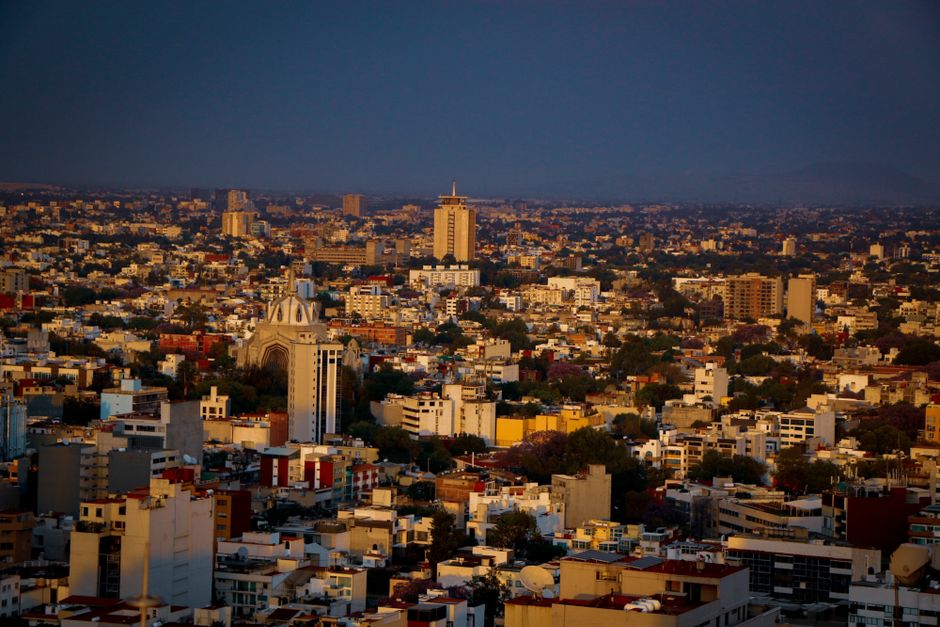
Guadalajara, the capital of Jalisco and Mexico’s second-largest city, is the home of mariachi music, tequila, the charreada (Mexican rodeo) and the wide sombrero. Its historic center is a chain of plazas around a twin-spired cathedral, leading to the Hospicio Cabañas and its fiery murals by José Clemente Orozco. Beyond it lie the pottery towns of Tlaquepaque and Tonalá, the leafy streets of Colonia Americana and an energetic food, art and nightlife scene. Tequila’s blue agave fields and Lake Chapala are easy day trips. At about 1,550 meters (5,090 feet), the city is warm and dry most of the year, with a rainy season from June to September.
Right now in Guadalajara
- Wed16–27°C62–80°FPartly cloudy
- Thu16–27°C60–81°F1 mm rain
- Fri18–24°C65–75°F10 mm rain
Top tours in Guadalajara
See all tours for Guadalajara →
From local operators, with prices and reviews; you check availability and book on Viator, our partner. We may earn a commission at no extra cost to you. How we earn money
Guadalajara at a glance
- Best for: colonial architecture, Orozco’s murals, mariachi, tequila tasting, crafts, food and a lively, local city feel.
- How long: 3 days for the city and Tlaquepaque; 5 days to add Tequila and Lake Chapala.
- Best time: October to April, dry and sunny, with highs of 25–30 °C (77–86 °F). May is the hottest month, at about 33 °C (92 °F).
- Getting there: Guadalajara International Airport (GDL), about 17 km (11 miles) south of downtown, now linked to the city by the electric Line 5 Macro Aeropuerto buses; long-distance buses from all over Mexico.
- Getting around: the light rail (Mi Tren) and Mi Macro rapid buses cost MXN 11 (about 60 US cents) a ride with the Mi Movilidad card, as of October 2026; app taxis are cheap.
- Before you go: entry rules, the immigration fee, money and tipping are in our Mexico travel guide.
Guadalajara neighborhoods: where things are
The metropolitan area joins several cities: Guadalajara itself, Zapopan to the west and north, Tlaquepaque and Tonalá to the southeast. Visitors spend most of their time in the historic center, the neighborhoods just west of it and Tlaquepaque.
Centro Histórico
Four plazas laid out in the shape of a cross surround the cathedral, and the long pedestrian Plaza Tapatía runs east to the Hospicio Cabañas. Government palaces with murals, the Teatro Degollado and the huge Mercado San Juan de Dios are all within walking distance. It is the busiest part of the city by day and the base for most sightseeing.
Colonia Americana, Lafayette and Chapultepec
West of the center, the early-20th-century mansions of Colonia Americana and Lafayette now house cafés, galleries, boutique hotels and some of the city’s best restaurants and bars. Avenida Chapultepec is the hub of the nightlife, with an art market on weekends. It is the favorite area for younger travelers and remote workers.
Providencia, Zapopan and the west
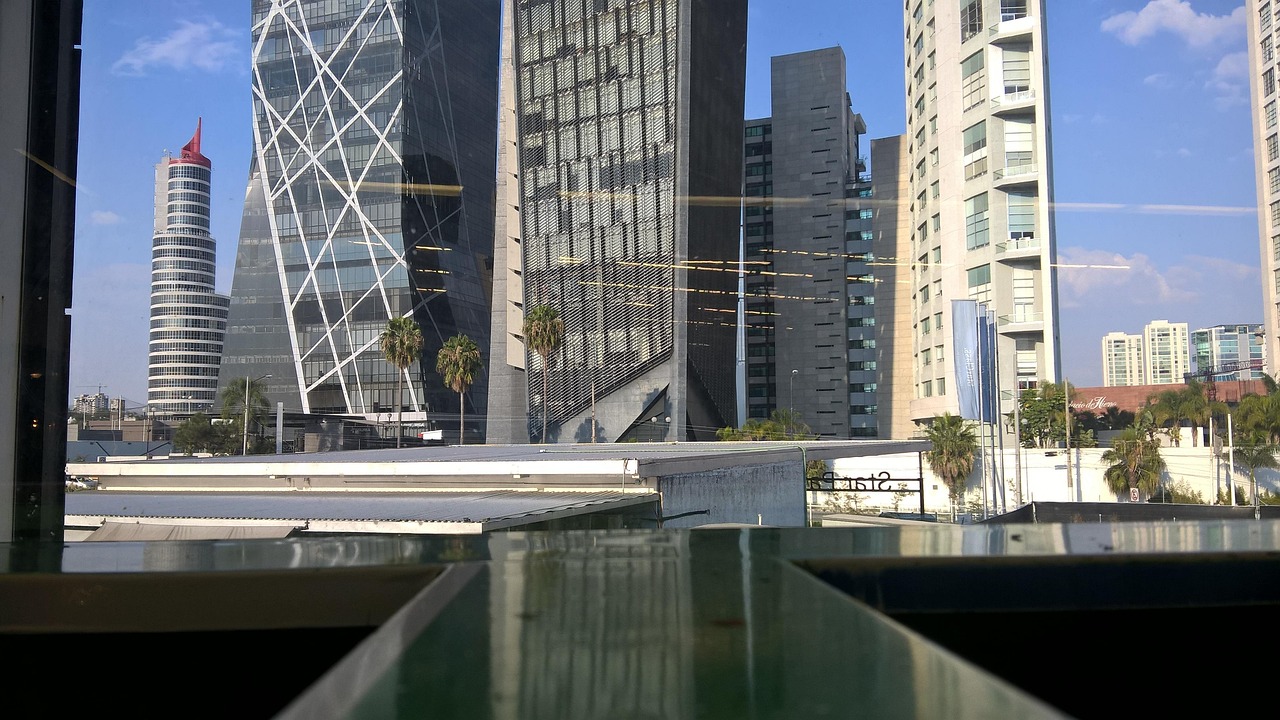
Further west, Providencia and the districts around Andares are modern and upscale, with shopping malls, business hotels and international restaurants. The old town of Zapopan, with its basilica and art museum, has a pleasant pedestrian street.
Tlaquepaque and Tonalá
San Pedro Tlaquepaque, about 7 km (4 miles) southeast of the center, is a former village of colorful streets full of galleries, ceramics, glass-blowing workshops and restaurants, with mariachis playing in El Parián, its big central courtyard. Neighboring Tonalá is a working crafts town, best visited on its Thursday and Sunday street markets.
Top things to see in Guadalajara
Prices and hours below were checked on the official sites in October 2026, unless we say otherwise; check again before you go. Many museums close on Mondays.
The Cathedral and the four plazas
Guadalajara’s cathedral, begun in the 16th century, is the symbol of the city, with yellow-tiled neo-Gothic spires added after an earthquake in the 19th century. Entry is free. Around it, the Plaza de Armas has a French bandstand, the Plaza de la Liberación faces the Teatro Degollado, and the Rotonda de los Jaliscienses Ilustres honors famous people from Jalisco. Inside the Palacio de Gobierno on the Plaza de Armas, Orozco’s dramatic mural of the independence hero Miguel Hidalgo fills the main staircase; entry is free.
The Hospicio Cabañas (Museo Cabañas)
Founded in the early 19th century as an orphanage and hospice, this vast neoclassical building with 23 courtyards is a UNESCO World Heritage Site. Its chapel holds José Clemente Orozco’s murals of the conquest and the modern age, painted in 1936–1939, crowned by “The Man of Fire” in the dome; benches let you lie back and look up. It is open Tuesday to Sunday, 10 a.m.–5 p.m. According to the museum, as summarized in October 2026, general admission costs about MXN 160 (about US$9) and entry is free on Tuesdays; we could not open the museum’s site to confirm, so check the price at the door.
Teatro Degollado and the Plaza Tapatía
The neoclassical Teatro Degollado, opened in 1866, has a ceiling painted with scenes from Dante’s Divine Comedy and hosts the Jalisco Philharmonic, opera and the Ballet Folclórico of the University of Guadalajara. Behind it, the pedestrian Plaza Tapatía stretches for several blocks to the Hospicio Cabañas, lined with fountains and sculptures; it is a pleasant walk at any time of day.
Mercado San Juan de Dios
Officially called Mercado Libertad, this is one of the largest indoor markets in Latin America, on three floors next to the Plaza Tapatía. Look for leather goods, sombreros, sweets and fruit, and climb to the top floor for cheap regional dishes such as birria (spiced goat or beef stew) and pozole. Watch your bags in the crowds.
Plaza de los Mariachis and mariachi music
Mariachi music was born in Jalisco and is part of UNESCO’s list of the intangible cultural heritage of humanity. Groups play for hire around the Plaza de los Mariachis near San Juan de Dios and in El Parián in Tlaquepaque, where you pay by the song; agree on the price first. The International Mariachi and Charrería Festival, usually from late August into early September, brings groups from around the world.
Tlaquepaque
Spend an afternoon walking the pedestrian Calle Independencia, browsing pottery, blown glass, silver and modern Mexican design, and visiting the Museo Regional de la Cerámica. In the evening, El Parián fills with diners and mariachis. Tlaquepaque is on Light Rail Line 3, or a short app-taxi ride from the center.
The Basilica of Zapopan
The 18th-century basilica houses the much-loved image of the Virgin of Zapopan. Every October 12, more than a million pilgrims walk with the image from Guadalajara’s cathedral back to Zapopan in the Romería, one of the biggest religious processions in Mexico. Next to the basilica is a small museum of Huichol (Wixárika) art.
Other sights
- Mercado San Juan de Dios (Libertad)
- Plaza de los Mariachis
- Teatro Degollado
Churches and cathedrals
- Basilica of Our Lady of Zapopan
- Guadalajara Cathedral
Museums
- Hospicio Cabañas
Monuments
- The Minerva
Activities and best months
- CultureINAH's Guachimontones archaeological zone with its circular stepped pyramids, 1 km north-east of Teuchitlán, is open Thursday to Sunday 9:00-17:00, free of charge.
Other things to do in Guadalajara
Food and drink
Guadalajara’s signature dish is the torta ahogada, a crusty pork sandwich “drowned” in tomato and chile sauce. Try birria, pozole and carne en su jugo, and finish with jericalla, a local custard. Cantina culture is strong: order a cantarito, tequila with citrus juice and grapefruit soda served in a clay pot, or a straight tequila with sangrita. Colonia Americana has the most creative restaurants and cocktail bars.
Charreada and lucha libre
Watch a charreada, Mexico’s national sport of horsemanship and roping, at a lienzo charro on a Sunday afternoon. Arena Coliseo in the center has lucha libre wrestling on several nights a week. The Estadio Akron in Zapopan hosted group-stage matches of the 2026 FIFA World Cup in June 2026 and is home to the Chivas football (soccer) team.
Walking and cycling
On Sunday mornings, several main avenues close to cars for the Vía RecreActiva, when locals walk, run and cycle. The city has a public bike-share, MiBici, with stations around the center and Colonia Americana. See our city sightseeing and cycling guides.
Day trips from Guadalajara
Tequila: about 60 km (37 miles) northwest, the town that gave the drink its name sits among the blue agave fields of the Agave Landscape and Ancient Industrial Facilities of Tequila, a UNESCO World Heritage Site. Tour a distillery such as José Cuervo’s La Rojeña or Sauza’s, see the jimadores harvesting the agave hearts, and walk the pretty plaza. Go by bus from the Nueva Central Camionera (about two hours), by car, on an organized tour, or on a tequila train run by the distilleries from Guadalajara on many weekends; book well ahead, and do not drive after tastings. Lake Chapala and Ajijic: Mexico’s largest lake is about 50 km (31 miles) south, past the airport. Chapala has a lakeside promenade, and Ajijic is a cobbled village of murals and galleries with a large community of retirees from the United States and Canada. Guachimontones: about an hour west near Teuchitlán, these unusual circular stepped pyramids were built by the Teuchitlán culture around 2,000 years ago; according to INAH, the site opens Thursday to Sunday, 9 a.m.–5 p.m. For the coast, Puerto Vallarta is about five hours away by road or a short flight; see our Puerto Vallarta guide.
Nearby destinations
- Tequila56 km
- Puerto Vallarta196 km
- Riviera Nayarit207 km
- Guanajuato220 km
- San Miguel de Allende271 km
Getting there and getting around
From Guadalajara International Airport (GDL)
The Miguel Hidalgo y Costilla International Airport, run by the airport group GAP, is about 17 km (11 miles) south of the center on the road to Chapala and is one of the busiest in Mexico, with many flights from the United States. A second terminal is under construction.
- Line 5 Macro Aeropuerto: launched in June 2026, this electric bus line runs from the airport along the Carretera a Chapala, with three trunk routes: T01 to Chapalita Inn and the Estadio Akron (about 50 minutes), T02 to Parque Agua Azul near the center, and T03 to Expo Guadalajara. According to SITEUR, it runs daily, 3:30 a.m.–10:30 p.m., every 5 minutes on the main corridor and every 15 minutes on the trunk routes, for MXN 11 (about 60 US cents) with the Mi Movilidad or Única card, with discounted transfers to the light rail.
- Airport taxis: buy a fixed-price ticket at the authorized taxi counter inside the terminal; the ride to the center takes 30–45 minutes depending on traffic. App-based rides also serve the airport.
By bus
First-class buses arrive at the Nueva Central Camionera in Tlaquepaque, about 10 km (6 miles) southeast of the center, from Mexico City (about seven hours), Puerto Vallarta, San Miguel de Allende, Guanajuato and the rest of the country. Take an authorized taxi or app ride into town.
Light rail, Mi Macro and fares
SITEUR runs the city’s mass transit. Light Rail (Mi Tren) Lines 1, 2 and 3 cross the center (Line 3 links Zapopan, the center and Tlaquepaque), and Line 4, opened in December 2025, runs south to Tlajomulco. Mi Macro Calzada and Mi Macro Periférico are rapid-bus lines on their own lanes. As of October 2026, the general fare is MXN 11 (about 60 US cents); Lines 1–3 run 5 a.m.–11 p.m. and Line 4 from 4:50 a.m. Pay with the rechargeable Mi Movilidad card, sold at stations and topped up at stations and Oxxo convenience stores; it gives discounted transfers between lines. App taxis are inexpensive and convenient at night.
Driving
You do not need a car in the city, where traffic is heavy and parking scarce, but one is handy for Tequila, Lake Chapala and the Guachimontones. Use toll roads (cuotas) where possible and avoid driving at night outside the city.
When to go and how long to stay
Guadalajara has a warm, sunny climate with a clear dry season and a short rainy season. The table uses the 1991–2020 climate normals of Mexico’s National Meteorological Service (SMN-Conagua) for the Guadalajara observatory: average daily highs and lows, and days with rain.
| Season | Average high / low | Days with rain per month | What it’s like | Good for |
|---|---|---|---|---|
| Winter (Dec–Feb) | 25–27 °C (77–81 °F) / 7–8 °C (44–46 °F) | 1–2 | Dry and sunny; cold nights | Sightseeing, Tequila, Lake Chapala |
| Spring (Mar–May) | 30–33 °C (85–92 °F) / 9–14 °C (49–58 °F) | 1–3 | Hot and dry, the hottest weeks in May | Early starts, rooftop evenings |
| Summer (Jun–Aug) | 28–31 °C (83–88 °F) / 16–17 °C (61–62 °F) | 16–21 | The rainy season, with afternoon and evening storms | Green landscapes, museums |
| Fall (Sep–Nov) | 26–28 °C (79–82 °F) / 10–16 °C (50–61 °F) | 2–16 | Rains end in early October; pleasant and clear | Mariachi festival, Romería, walking |
The station records about 950 mm (37 inches) of rain a year, almost all from June to September. Guadalajara is far inland, but Pacific hurricanes can bring heavy rain to Jalisco between May 15 and November 30, the eastern Pacific hurricane season; in late September 2026 the remnants of Hurricane Polo caused deadly flooding in parts of the state. Watch the forecast if you travel in that season, especially for road trips.
Events worth planning around
- March: the Guadalajara International Film Festival.
- Late August to September: the International Mariachi and Charrería Festival.
- October: the Fiestas de Octubre fair all month, and the Romería of the Virgin of Zapopan on October 12.
- Late November to early December: the Guadalajara International Book Fair (FIL), one of the largest in the world; hotels fill up.
3 days in Guadalajara
Day one: the cathedral, the plazas and the Palacio de Gobierno murals, the Plaza Tapatía and the Hospicio Cabañas, then lunch upstairs at San Juan de Dios and mariachis in the evening. Day two: Tlaquepaque’s galleries and workshops, and dinner in El Parián. Day three: Colonia Americana’s cafés and Avenida Chapultepec, the Basilica of Zapopan, and a night out in the bars of Lafayette.
5 days in Guadalajara
Add a full day in Tequila with a distillery tour, and a day at Lake Chapala and Ajijic. With more time, visit the Guachimontones (Thursday to Sunday), see a charreada or lucha libre, or continue to the coast or to San Miguel de Allende and Guanajuato, about four to five hours east by road.
Where to stay in Guadalajara and the hotel tax
- Centro Histórico: walk to the main sights; good-value colonial hotels; quieter at night.
- Colonia Americana and Lafayette: boutique hotels and apartments near the best restaurants and nightlife.
- Providencia and Andares: modern, upscale business hotels and malls.
- Tlaquepaque: charming small hotels in a crafts village, with a slower pace.
Room rates in Mexico are often quoted before tax. Jalisco charges a state lodging tax (Impuesto sobre Hospedaje) of 5% for 2026, according to the state’s 2026 revenue law, and federal VAT (IVA) of 16% is added on top, so taxes add a little over 20% to the room price, as of October 2026. Short-term rentals booked through platforms such as Airbnb also collect these taxes.
Practical tips for Guadalajara
- Mondays: many museums are closed; plan Tlaquepaque or a day trip instead.
- Water: drink bottled or filtered water, not tap water.
- Money: cards work in hotels, restaurants and shops; carry pesos for markets, mariachis, street food and tips.
- Tequila tastings: pace yourself, drink water, and never drive after a tour.
- Safety: the center, Colonia Americana, Providencia and Tlaquepaque are busy and generally fine for visitors; watch for pickpockets in markets and crowds, use app or authorized taxis at night, and avoid driving on rural roads after dark. Cartel-related violence affects parts of Jalisco but is rarely aimed at visitors in the tourist areas.
- Emergencies: call 911. Plugs and voltage (127 V, types A and B) are the same as in the United States.
What to pack for Guadalajara
Bring light clothes for warm, sunny days, plus a sweater or light jacket for the evenings, which drop to around 7–10 °C (44–50 °F) from December to February. From June to September, add a compact umbrella or rain jacket. Comfortable walking shoes are a must for the cobbled streets of Tlaquepaque and Tequila, and a hat, sunglasses and sunscreen help in the agave fields, where there is no shade. Leave space in your bag for pottery, glass and a bottle or two of tequila.
Guadalajara travel FAQ
How do I get from Guadalajara airport to the city center?
Take Line 5 Macro Aeropuerto (route T02 goes to Parque Agua Azul, near the center) for MXN 11 with a Mi Movilidad card, or buy a fixed-price taxi ticket at the counter inside the terminal.
How much does the Guadalajara light rail cost?
MXN 11 (about 60 US cents) per ride as of October 2026, paid with the Mi Movilidad card, with discounted transfers between lines.
Is the Hospicio Cabañas worth visiting?
Yes: Orozco’s murals in the chapel are among the masterpieces of Mexican art. It is open Tuesday to Sunday, 10 a.m.–5 p.m., and is free on Tuesdays.
How do I get to Tequila from Guadalajara?
By bus from the Nueva Central Camionera (about two hours), on a guided tour, by car (about 1.5 hours), or on a weekend tequila train run by the distilleries.
Where can I hear mariachi in Guadalajara?
At the Plaza de los Mariachis near San Juan de Dios, in El Parián in Tlaquepaque, and at the International Mariachi Festival in late summer.
What is the hotel tax in Guadalajara?
Jalisco’s lodging tax is 5% for 2026, plus 16% IVA.
When is the rainy season in Guadalajara?
From June to September, with storms mostly in the afternoon and evening. October to April is dry.
Which is the best area to stay in Guadalajara?
The Centro Histórico for sightseeing on foot, Colonia Americana for restaurants and nightlife, and Tlaquepaque for a quieter, village atmosphere.
What should I eat in Guadalajara?
The torta ahogada, birria, pozole, carne en su jugo and jericalla, with a cantarito or a tequila.
Plan your trip
Partner links: TravelerCenter may earn a commission if you book, at no extra cost to you.
🇪🇸 Useful Spanish phrases for Guadalajara
All 38 Spanish phrases: restaurant, hotel, emergencies, romance (printable) →
Sources · last reviewed 4 October 2026
Researched and last reviewed on 4 October 2026. Airport: Grupo Aeroportuario del Pacífico (GAP); Line 5 Macro Aeropuerto, light rail, Mi Macro and fares: SITEUR; Guachimontones: INAH; hotel tax: the 2026 revenue law of the State of Jalisco (Congreso de Jalisco); climate: SMN-Conagua 1991–2020 normals for the Guadalajara observatory; Hurricane Polo: the US National Hurricane Center’s advisories. The Hospicio Cabañas price and free Tuesdays come from a summary of the museum’s site, which we could not open, and the new terminal, Tequila travel times, the tequila train, event dates and Hurricane Polo’s effects in Jalisco come from secondary sources; all are flagged for checking. Check the official sites before you go. For entry rules, the immigration fee, money and tipping, see our Mexico travel guide.
Also: inah.gob.mx
Data: Weather: MET Norway (CC BY 4.0) · Air quality: OpenAQ · Rates: ECB · Costs: World Bank ICP and price levels · © OpenStreetMap contributors (ODBL) · Wikidata (CC0)