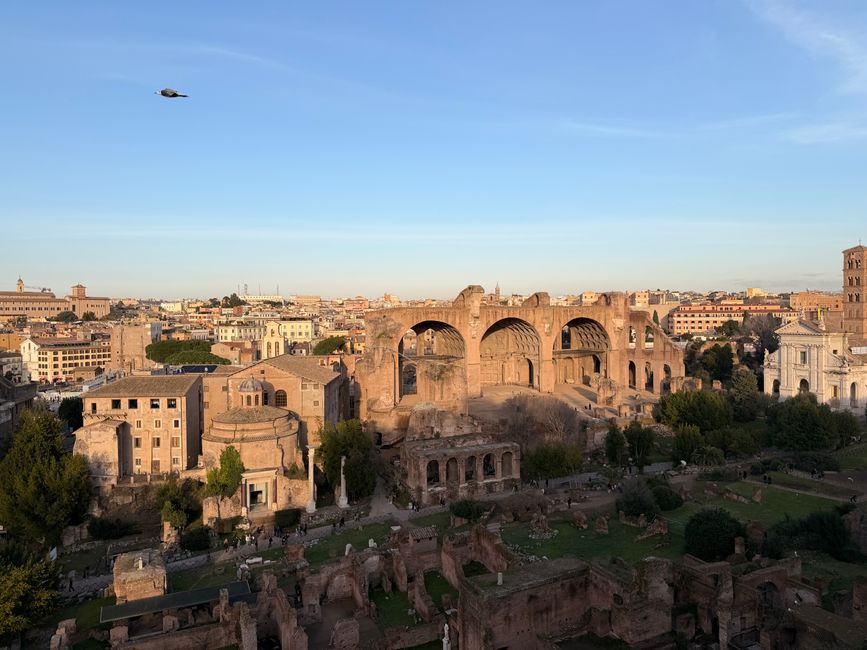
The best city sightseeing across Portugal, Spain, France, Italy, Greece and the United Kingdom is in Rome, Paris, London, Barcelona, Florence, Athens, Lisbon and Venice, with smaller gems such as Porto, Seville, Granada, Lyon, Edinburgh, York and Rhodes Old Town. Go in spring or autumn, and book timed tickets weeks ahead for the big sights: the Alhambra, the Sagrada Família, the Colosseum, the Uffizi, the Louvre, the Acropolis, Pena Palace and Edinburgh Castle all limit numbers, and several sell out.
Below: the top cities in each country, which sights need booking, which city passes are worth it, the tourist taxes and fees to expect, and the best months. Prices and rules are as of October 2026.
City sightseeing in Europe at a glance
- Big three: Rome (3–4 days), Paris (3–4 days) and London (3–5 days). Add Barcelona, Florence, Athens, Lisbon, Madrid and Venice for 2–3 days each.
- Book well ahead: the Alhambra’s Nasrid Palaces, the Sagrada Família, the Last Supper in Milan, the Borghese Gallery, Edinburgh Castle in summer and Pena Palace.
- Many great museums are free: the British Museum, the National Gallery and the Natural History Museum in London, and the National Museum of Scotland in Edinburgh.
- New fees: €2 to get close to the Trevi Fountain (since February 2026), a 5% visitor levy in Edinburgh (since July 2026), and Venice’s day-tripper access fee on peak days in spring and summer.
- Best months: April–June and September–October; July and August are hot and crowded in the south.
What city sightseeing involves
Most European old towns are best on foot: compact, pedestrian and full of stairs, cobbles and hills. Use metros, trams, buses and boats to link districts, and plan on walking 10–20 km a day. The big monuments now use timed entry: you buy a ticket for a date and a time slot, and late arrivals may lose their visit. Several sights also need named tickets that match your passport or ID, such as the Alhambra and the Colosseum.
Many museums close one day a week, usually Monday (the Louvre closes on Tuesday), so plan free sights, markets and viewpoints for that day. Free-entry days, such as the first Sunday of the month at many Italian and French state museums, are popular, and some need booking.
Safety basics
- Pickpockets work crowded trams, metros and viewpoints in every big city. Use a zipped bag worn in front and keep phones out of back pockets.
- Fake ticket sites: buy from the official site of each monument or a seller it names. Edinburgh Castle warns about lookalike sites and the Vatican Museums sell only through their own site.
- Heat: Seville, Córdoba, Granada, Rome, Florence and Athens average July highs of 31–37 °C. See the big sights at opening time and rest at midday.
- Dress codes: churches and monasteries ask for covered shoulders and knees; at Meteora, women wear skirts below the knee and men long trousers.
- Emergencies: 112 in all six countries (999 also works in the UK).
Best cities for sightseeing, country by country
Portugal
Lisbon rewards 3–4 days: climb to São Jorge Castle (€17), ride tram 28 early, and book Jerónimos Monastery (cloister €18, closed Mondays) and Belém Tower, which reopened in May 2026 with 60 visitors every half hour. The Lisboa Card costs €31, €51 or €62 for 24, 48 or 72 hours, with transport and more than 50 museums. A day in Sintra, 40 minutes by train, should include Pena Palace (timed tickets from €20) or Quinta da Regaleira (€20).
In Porto, a UNESCO city since 1996, walk both decks of the Dom Luís I bridge, book a slot for Livraria Lello (from €10, deducted from a book), climb the Clérigos Tower and join the 30-minute guided tour of the Palácio da Bolsa (€14). Évora, 1 hour 40 minutes by train from Lisbon, has a Roman temple and the Chapel of Bones. Tourist taxes: €4 per person per night in Lisbon, €3 in Porto.
Spain
In Barcelona, the Sagrada Família (from €26, €36 with towers), Park Güell (€18, timed slots with 30 minutes to enter and no re-entry), Casa Batlló and Casa Milà all sell timed tickets online. The Hola Barcelona card covers metro and buses for 1–5 days. In Madrid, see the Prado, the Reina Sofía and the Royal Palace (€18), which is free for EU citizens and residents on Monday to Thursday evenings.
In Andalusia, Granada‘s Alhambra is the hardest ticket in Spain: €22.27 for the general visit, with entry to the Nasrid Palaces only at the time printed on your ticket; bring the ID you booked with. Seville has the Real Alcázar, the cathedral and Giralda and Plaza de España, and Córdoba‘s Mezquita is free from 8:30 to 9:30, Monday to Saturday. Toledo sells a €14 wristband for seven monuments, and Segovia is a day trip from Madrid for its Roman aqueduct. On the coast, Valencia has the City of Arts and Sciences, and Málaga the Alcazaba and the Picasso Museum.
France
In Paris, the Louvre costs €22 for EEA residents and €32 for other visitors since January 2026, and a time slot is recommended for everyone; it closes on Tuesdays. The Musée d’Orsay closes on Mondays, and the Palace of Versailles (Passport €35 from April to October) needs a timed palace slot and closes on Mondays. The lift to the top of the Eiffel Tower costs €36.70. The Paris Museum Pass (€85, €105 or €125 for 2, 4 or 6 days) covers more than 50 sites, including the Arc de Triomphe and Sainte-Chapelle, but not the Eiffel Tower. Notre-Dame and Sacré-Cœur are free. Paper metro tickets have been withdrawn; buy a Navigo Easy card (€2) or use the app.
Lyon has about 80 traboules (passages through buildings) open to the public and a Lyon City Card. Bordeaux‘s UNESCO centre has tourist-office walking tours and a CityPass; Strasbourg‘s cathedral platform is 330 steps up; Nice has been UNESCO-listed since 2021 as a winter resort town; and Marseille‘s one-day route runs from the Vieux-Port through Le Panier to Notre-Dame de la Garde. Don’t miss the Palais des Papes in Avignon or Mont-Saint-Michel Abbey.
Italy
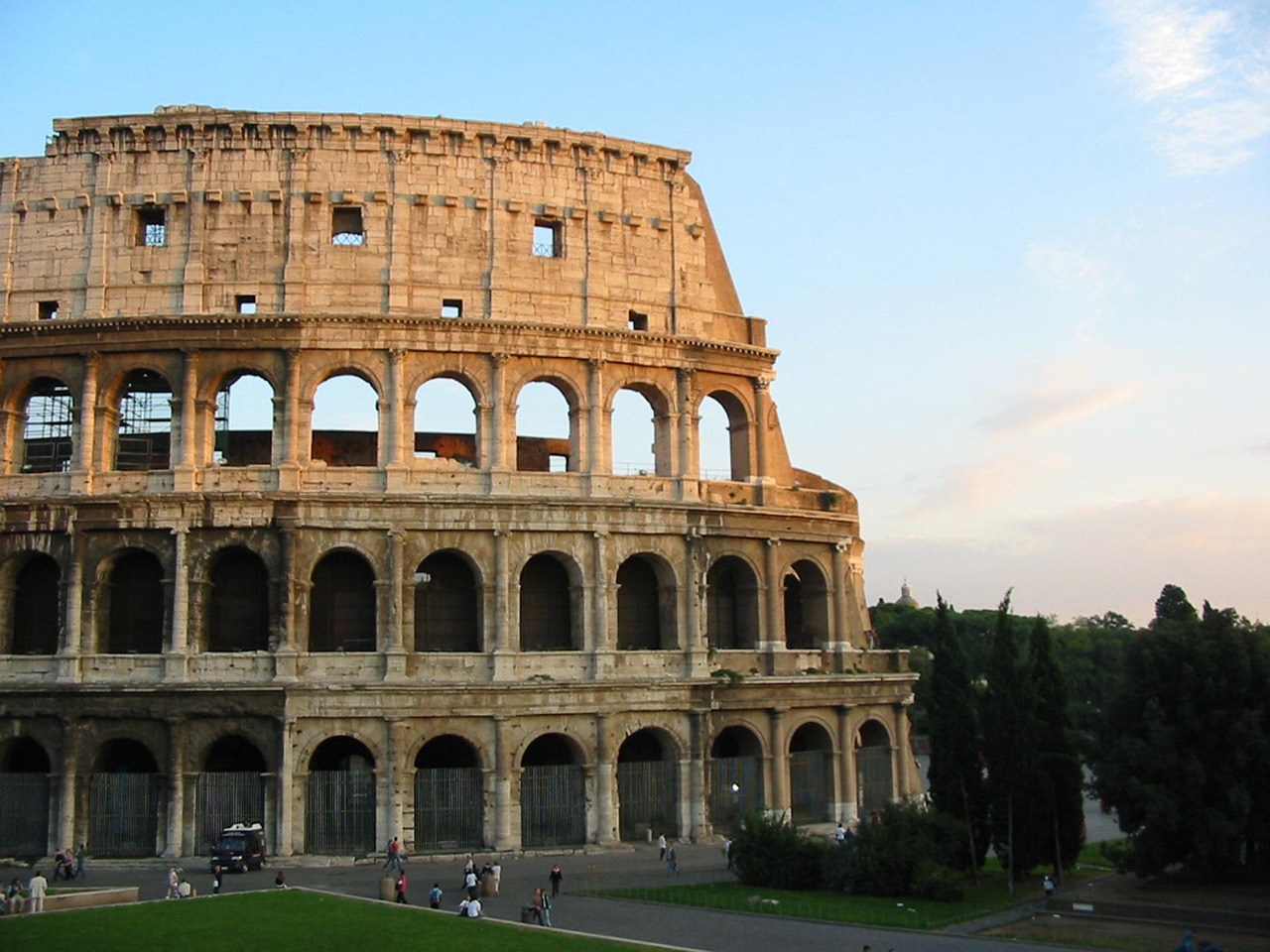
Rome needs 3–4 days. The 24-hour ticket for the Colosseum and the Roman Forum and Palatine costs €18, with named tickets. The Vatican Museums cost €20 at the door or €25 online, from their official site only, and are free on the last Sunday of the month. Since 2 February 2026, getting close to the Trevi Fountain costs €2 from 9:00 to 22:00. The Borghese Gallery always needs booking, and the Pantheon charges a small fee. Rome’s transport passes cost €8.50 for 24 hours.
In Florence, the Uffizi costs €25 on the day or €29 booked ahead (closed Mondays), and the cathedral is free, while the €30 Brunelleschi Pass covers the dome climb, bell tower, museum and baptistery. In Venice, the city charged a day-tripper access fee of €5–10 on 60 peak days from 3 April to 26 July 2026; the 2027 calendar has not been decided. St Mark’s Basilica and the Doge’s Palace are the big sights, and a 24-hour vaporetto pass costs €25. In Milan, book the Last Supper weeks ahead and climb to the Duomo roof. Naples has a UNESCO historic centre and Pompeii nearby; Verona has its Roman Arena; and the Leaning Tower of Pisa sells timed tickets.
Greece
In Athens, start early at the Acropolis: €30 (reduced €15) all year since April 2025, with timed entry slots, and free on set days such as 28 October and the first and third Sundays from November to March. Then visit the Acropolis Museum (€20) and walk the pedestrian Dionysiou Areopagitou promenade; the Ancient Agora and Kerameikos need separate tickets.
Rhodes Old Town, UNESCO-listed since 1988, is one of Europe’s best-preserved medieval towns, with the Palace of the Grand Master and the Street of the Knights. Thessaloniki has 15 UNESCO Early Christian and Byzantine monuments, including the Rotunda. At Meteora, six monasteries open to visitors, each closing one day a week, with €5 entry in cash. In Nafplio, climb to the Palamidi fortress, and on Santorini walk from Fira to Oia. Greek hotels add a climate resilience fee per room per night, from €2 to €15 in April–October depending on the stars.
United Kingdom
London is the best value of the big capitals because many great museums are free: the British Museum (book a free timed slot), the National Gallery and the Natural History Museum. Paid highlights include the Tower of London (about £38 for adults) and Westminster Abbey (£32). Bus fares are £1.75 with a daily cap of £5.25 until 1 November 2026. In Edinburgh, Edinburgh Castle costs £23.50 online and often sells out in summer, and once online tickets are gone none are sold at the gate. Since 24 July 2026, Edinburgh adds a 5% visitor levy on the first five nights of a stay.
York has a 3.4 km walk around its medieval walls, the Minster and the Shambles; Bath has the Roman Baths and the Royal Crescent; Oxford and Cambridge have colleges, walking tours and free museums such as the Fitzwilliam; and Belfast‘s Titanic Quarter has the world’s largest Titanic visitor experience.
When to go: season table by city
Average highs and rainy days are 1991–2020 normals from each national weather service (IPMA, AEMET, Météo-France, Aeronautica Militare, HNMS and the Met Office) at the nearest station; Greek rain days are 1955–2010 averages.
| City (station) | Best months | Average high, Jan / Jul | Rainy days, Jan / Jul | Good to know |
|---|---|---|---|---|
| Lisbon | Mar–Jun, Sep–Nov | 15.1 / 28.2 °C | 8–10 / under 2 | Steep hills and cobbles |
| Porto | May–Oct | 14.0 / 24.3 °C | 10–13 / 3–5 | Rainy winters |
| Madrid (Retiro) | Apr–Jun, Sep–Oct | 10.2 / 33.3 °C | 6 / 2 | Hot, dry summers |
| Barcelona | Apr–Jun, Sep–Oct | 14.2 / 29.0 °C | 4 / 2 | Book Gaudí sights early |
| Seville | Mar–May, Oct–Nov | 16.2 / 35.7 °C | 6 / 0 | Too hot in July–August |
| Granada | Mar–Jun, Sep–Nov | 14.3 / 36.4 °C | 6 / 0 | Alhambra sells out |
| Paris | Apr–Jun, Sep–Oct | 7.6 / 25.7 °C | 10 / 7 | Louvre closed Tuesdays |
| Lyon | Apr–Jun, Sep–Oct | 7.1 / 28.2 °C | 8 / 8 | Festival of Lights in December |
| Rome (Ciampino) | Apr–Jun, Sep–Oct | 12.0 / 31.0 °C | 7 / 2 | Free first Sundays are busy |
| Florence (Arezzo) | Apr–Jun, Sep–Oct | 9.3 / 31.4 °C | 7 / 4 | Uffizi closed Mondays |
| Venice (Treviso) | Apr–Jun, Sep–Oct | 7.9 / 30.2 °C | 5 / 7 | Access fee on peak days |
| Athens | Mar–May, Oct–Nov | 13.5 / 33.2 °C | 13 / 2 | Acropolis at opening time |
| London (Heathrow) | Apr–Sep | 8.4 / 23.9 °C | 12 / 8 | Free museums all year |
| Edinburgh (Leuchars) | May–Sep | 6.8 / 19.3 °C | 12 / 11 | Book castle in August |
How to plan: timed tickets, passes and taxes
- Book the must-sees first, then build the days around those slots: the Alhambra, the Sagrada Família, the Colosseum, the Vatican, the Last Supper, the Borghese, the Uffizi, the Louvre, Versailles, the Acropolis, Pena Palace and Edinburgh Castle.
- Use official sites only. Resellers charge more, and some named tickets can’t be transferred.
- Do the pass maths: a pass pays off only if you visit several paid sights a day. The Lisboa Card and the Paris Museum Pass suit busy sightseers; in London, many top museums are free anyway.
- Watch closing days: Mondays in Lisbon (Jerónimos, Belém Tower), Florence (Uffizi), Paris (Orsay, Versailles); Tuesdays at the Louvre.
- Budget for taxes and fees: nightly tourist taxes apply in Lisbon, Porto, Barcelona, Paris, Rome, Florence, Venice and Edinburgh, and Greece’s climate resilience fee applies to most stays.
- Guided tours skip the planning and often include timed entry. In Portugal, check operators in the free RNAAT search.
What to pack for a city break
What to pack
- City walking shoesLisbon and Porto are steep, with polished limestone cobbles that get slippery, so grippy soles matter.
- Day packs and anti-theft bagsA small zipped or anti-theft bag makes crowded trams and viewpoints less stressful.
- Rain jacketsFrom October to April Porto and Lisbon see rain on roughly a third of days.
- Travel adapters and convertersPortugal uses Type C and F sockets at 230 V, so most visitors from outside Europe need an adapter.
Comfortable walking shoes with grippy soles matter more than anything else on cobbles, stairs and polished marble. Add a small zipped day bag, a refillable water bottle, sun protection in summer, a scarf or light layer for churches, and a light rain jacket for London, Edinburgh, Paris and Porto in any season. The UK uses Type G plugs and the other five countries mostly Type C and F, so pack a travel adapter.
City sightseeing in Europe: questions and answers
Which European city is best for a first sightseeing trip?
Rome, Paris and London each fill 3–4 days with world-famous sights. For a smaller, cheaper first trip, Lisbon, Porto, Seville and Florence are compact and walkable.
Do I need to book the Alhambra in advance?
Yes. Tickets are limited and often sell out weeks ahead. The Nasrid Palaces can only be entered at the time on your ticket, and you need the ID used for booking.
How much does the Acropolis cost?
€30 for adults (€15 reduced) all year, as of October 2026, with timed entry. Under-18s and EU residents under 25 go free, and entry is free on set days such as 28 October.
Do you have to pay to see the Trevi Fountain?
Since 2 February 2026, visitors pay €2 to enter the area beside the basin from 9:00 to 22:00; it is free from 22:00 to 9:00 and for Rome residents. You can still see it from the square for free.
Is the Paris Museum Pass worth it?
For busy museum-goers, yes: €85 for 2 days covers more than 50 sites. It doesn’t include the Eiffel Tower, and the Louvre and Versailles still need a time slot.
Does Venice still charge an entry fee?
In 2026 the access fee applied to day-trippers on 60 peak days between 3 April and 26 July, at €5 or €10. The trial ended on 26 July, and the city has not yet set the 2027 calendar.
Are London’s museums really free?
Yes for the permanent collections of the British Museum, the National Gallery, the Natural History Museum and many others. Some special exhibitions charge, and booking a free timed slot is advised at busy times.
What is the Edinburgh visitor levy?
A 5% charge on overnight stays in Edinburgh, from 24 July 2026, for the first five nights. It is added to your accommodation bill.
When is the best time for a city break in southern Europe?
April to June and September to October, when it is warm but not hot. Seville, Córdoba, Granada and Athens average July highs of 33–37 °C.
More ideas for your trip: hiking, cycling and wine tasting.
Sources and last review
Researched and last reviewed by TravelerCenter on 4 October 2026. Prices, hours and booking rules come from the official sites of each monument and city, as cited on our destination and attraction pages: Museus e Monumentos de Portugal, Parques de Sintra, Turismo de Lisboa and Livraria Lello; the Patronato de la Alhambra, Patrimonio Nacional, the Sagrada Família, Park Güell, the Mezquita and Toledo Monumental; the Louvre, Versailles, the Eiffel Tower, the Paris Museum Pass and the Lyon, Bordeaux and Alsace tourist offices; the Colosseum, the Vatican Museums, Roma Capitale, the Uffizi, the Duomo of Florence, the Comune di Venezia and AVM; the Greek Ministry of Culture, the Acropolis Museum, the City of Athens and Visit Meteora; and the British Museum, the National Gallery, Westminster Abbey, Edinburgh Castle, the City of Edinburgh Council and TfL. Climate data are the national weather services’ 1991–2020 normals. A few prices (Pantheon, Tower of London, Last Supper) come from secondary or snippet sources, flagged in our notes. Prices and hours change, so check the official sites before you go.