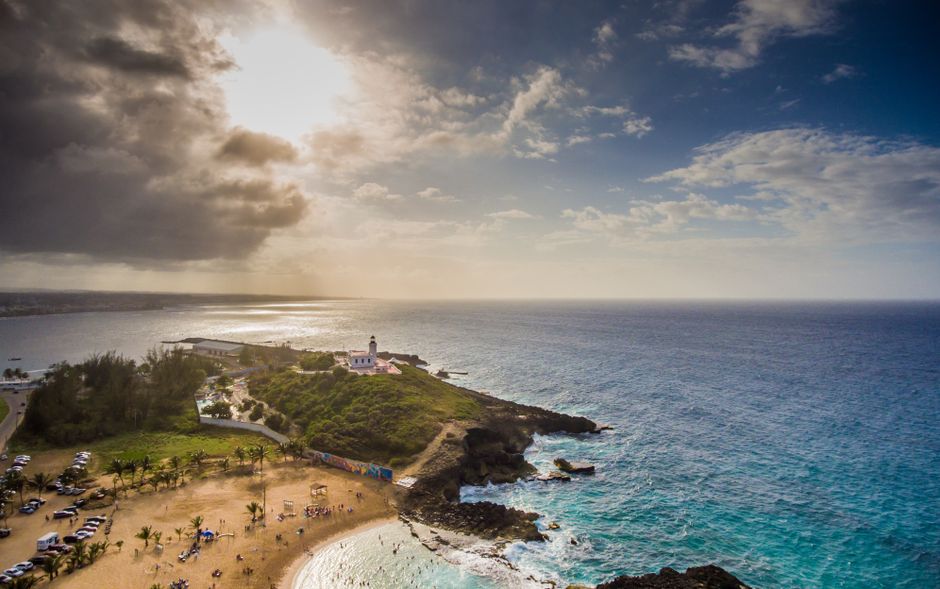
Rincón sits on Puerto Rico’s westernmost tip, where the Atlantic meets the Mona Passage, and it has been the island’s surf capital since the 1960s. In winter, swells roll in from the North Atlantic to break on reefs and points with names like Domes, María’s and Tres Palmas, the island’s famous big-wave spot, and humpback whales pass close to shore. In summer the sea calms down, and the same coast becomes a place for snorkeling in the Tres Palmas Marine Reserve, paddleboarding and lazy beach days. The town is small and laid-back, with guesthouses on green hills, food trucks, a weekly art walk and, every evening, sunset watchers gathered at the Punta Higüero lighthouse. It is about two and a half hours’ drive from San Juan, or about half an hour from Aguadilla’s airport. Come from November to March for surf and whales, or from April to August for calm water.
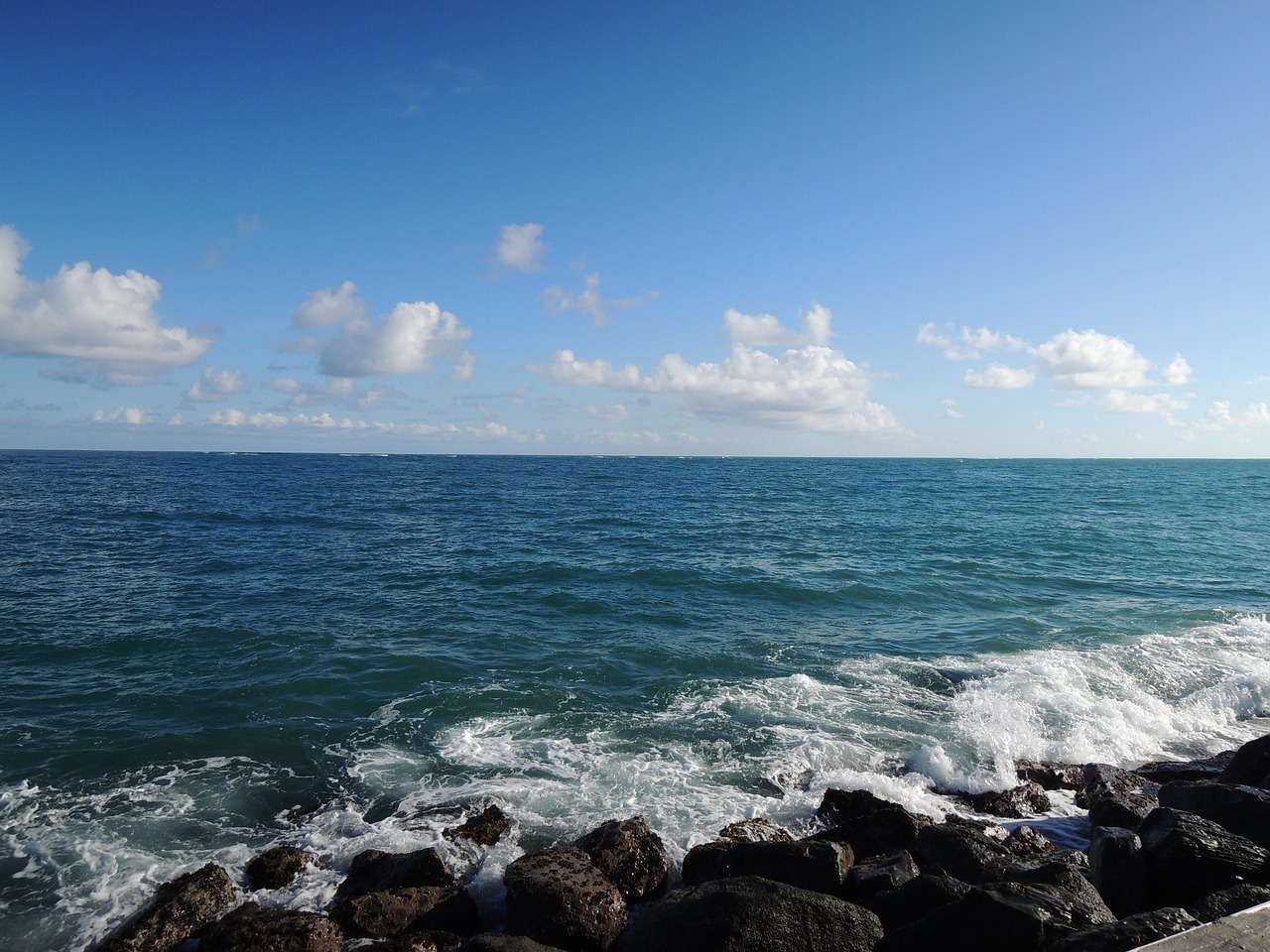
Right now in Rincón
- Tue 27–31°C 80–87°F 4 mm Showers
- Wed 27–30°C 80–85°F 5 mm Rain
- Thu 27–29°C 80–84°F 3 mm Light showers
- Mon 12 Oct Columbus Day (Día de la Raza / Descubrimiento de América)
Weather: MET Norway (CC BY 4.0) · Sea temperature: NOAA CoastWatch · Holidays: Nager.Date
Top tours in Rincón
See all tours for Rincón →
From local operators, with prices and reviews; you check availability and book on Viator, our partner. We may earn a commission at no extra cost to you. How we earn money
Rincón at a glance
- Best for: surfing from beginner to big-wave level, sunsets, winter whale watching, summer snorkeling and diving, and a slow, friendly small-town pace.
- How long: 3–4 nights for the beaches and a surf lesson or two; a week or more for a surf trip.
- Best time: November to March for waves and humpback whales, with highs of 81–84 °F (27–29 °C); April to August for flat, clear water. September to November is the wettest season and peak hurricane season.
- Getting there: fly to Aguadilla’s Rafael Hernández Airport (BQN), about 30 minutes away, or to San Juan (SJU) and drive about two and a half hours.
- Getting around: you need a car; beaches are spread along about 8 miles (13 km) of coast, and there is little public transport.
- Before you go: entry rules, money, taxes, power cuts and general safety for the whole island are in our Puerto Rico travel guide; for US entry rules, see our United States travel guide.
Rincón’s areas and who each one suits
The municipality curves around a corner of the coast, with the north-facing surf beaches on one side, the calmer Caribbean-facing beaches to the south, and a small town center in between.
The north shore: Domes, María’s and Sandy Beach
The stretch from the Punta Higüero lighthouse north and east is surf central, with breaks at Domes, Indicators, María’s and Sandy Beach, surf shops, guesthouses, rentals and beach bars along a single winding road. Best for surfers and anyone who wants to watch them.
The town center
The plaza, church and town hall, with a few restaurants, bakeries and shops, and the Thursday evening art walk. It is the practical heart of Rincón rather than a beach base.
The south coast: Córcega and Puntas
South of town, the beaches face the Caribbean and are usually calmer, with long sandy stretches at Córcega and Balneario de Rincón, small hotels, and some of the area’s quieter places to stay. Best for families and swimmers.
The hills
Many rentals and boutique guesthouses sit on the steep hills above the coast, with views of the sea and Desecheo Island, cooler breezes and spectacular sunsets, but you will drive to the beach on narrow, twisting roads.
Top things to see in Rincón
Information below was checked on official sites in October 2026, unless we say otherwise; check again before you go.
Surfing the winter waves
According to Discover Puerto Rico, the island’s official destination marketing organization, Rincón is a hub for both experienced and beginner surfers, who gather at María’s, Sandy Beach, Tres Palmas and Domes, and Domes hosts an annual international surfing competition. The biggest and most consistent waves arrive from about November to March. Tres Palmas is a serious big-wave spot for experts only; Discover Puerto Rico says its winter waves can reach up to 20 feet (6 m). Beginners should start with a lesson at one of the town’s surf schools, which pick spots to suit the day’s swell, and should not paddle out at reef breaks without local advice. In summer most north-shore breaks go flat, though tropical swells sometimes bring waves.
Punta Higüero lighthouse park
The lighthouse at Punta Higüero, first lit in 1892 and rebuilt after the 1918 earthquake, according to Discover Puerto Rico, stands in a small park with benches, viewfinders and food kiosks. It is the classic place to watch the sunset, to look down on surfers at Domes and Indicators, and, in winter, to watch for humpback whales, which can come within about 100 yards of the coast. On clear days you can see Desecheo Island offshore.
Tres Palmas Marine Reserve and Steps Beach
The Tres Palmas Marine Reserve protects the reefs along Steps Beach, Little Malibu and Por Fin Dogman’s Beach. According to Discover Puerto Rico, the reef has horn corals, sponges, lobsters, turtles and bottlenose dolphins, and it is ideal for snorkeling when the sea is calm in summer, while winter waves make snorkeling unsafe. Steps Beach takes its name from a set of old concrete steps sitting on the sand. As a protected area, the reserve doesn’t allow taking anything, so never touch or stand on the coral and use reef-friendly sunscreen.
Whale watching
Humpback whales migrate past Puerto Rico’s west coast in winter, roughly from January to March, to breed and calve in warm Caribbean waters. Watch from the lighthouse park, from a hillside terrace or on a boat tour from Rincón’s marina; tour operators should keep their distance and follow federal rules on approaching marine mammals.
More to see
- The BONUS dome: the dome of a prototype nuclear power plant that ran only from 1960 to 1968, next to Domes Beach; according to Discover Puerto Rico it now opens by appointment as a technology museum.
- Rincón Art Walk: Thursday evenings in the town square, with crafts, food trucks and music.
- Balneario de Rincón: the calm public beach with facilities on the Caribbean side, good for children.
- Sunset from the hills: many restaurants and bars on the hillsides have sunset views over the Mona Passage.
Other things to do in Rincón
Diving, snorkeling and boat trips
Dive shops run boat trips to the reefs off Rincón and, when the sea allows, to Desecheo Island, a nature reserve about 13 miles (21 km) offshore with clear water and walls; landing on the island itself is not allowed. In summer, snorkel the Tres Palmas reserve straight from the beach. Sunset sails and fishing charters leave from the small marina south of town.
Food, drink and the slow life
Rincón’s food scene is casual and international: food trucks, beach bars, fresh fish, smoothies and Puerto Rican classics. Breakfast with a view and dinner at sunset are local rituals, and some restaurants close one or two days a week or in the quiet season, so check before you go. Yoga studios, horseback rides and mountain biking fill the rest of the day.
Beach safety and sargassum
Winter swells make Rincón’s north-facing beaches dangerous for swimmers: waves break hard on shallow reefs and rocks, and rip currents are strong. Swim at the calmer south-coast beaches or at the Balneario when the surf is up, never swim alone, and watch for sea urchins on reef entries. Rip currents can be deadly anywhere on the island: according to NOAA’s National Hurricane Center, three people drowned in rip currents in Puerto Rico in August 2025 as the swell from distant Hurricane Erin arrived. Sargassum seaweed drifts into the Caribbean mostly from spring to late summer and tends to pile up on east- and south-facing beaches; Rincón’s west- and north-facing shores are usually less affected. According to the University of South Florida’s Sargassum Watch outlook for September 2026, 2026 is one of the largest sargassum years on record, but amounts were falling in September and were expected to keep falling until about November.
Day trips and onward travel
Aguadilla and Isabela
North of Rincón, Aguadilla’s Crash Boat Beach is known for its clear water and old pier pilings, and Isabela’s Jobos Beach and the cliffs of the north coast are favorites with surfers. Both are within about 30 to 45 minutes’ drive.
Cabo Rojo and La Parguera
About an hour south, Cabo Rojo has the Los Morrillos lighthouse on limestone cliffs above Playa Sucia, the salt flats and the Cabo Rojo National Wildlife Refuge, a stop for migratory birds. Beyond it, La Parguera has mangrove channels, a bioluminescent bay visited by boat or kayak, and some of the island’s best diving on the wall offshore.
Mona Island
About 40 miles (64 km) offshore in the Mona Passage, Mona is an uninhabited nature reserve of cliffs, caves and iguanas, managed by Puerto Rico’s Department of Natural Resources and Environment. Visits need permits and an organized boat trip, usually from Cabo Rojo, and the crossing can be rough; plan well ahead.
Nearby destinations
- Punta Cana120 km
- San Juan121 km
- El Yunque National Forest155 km
- La Romana182 km
- Vieques194 km
- Samaná250 km
- Santo Domingo284 km
Getting there and getting around
By air
The closest airport is Rafael Hernández International Airport (BQN) in Aguadilla, about 30 minutes north of Rincón, which has some flights from the US mainland. Most visitors fly into San Juan’s Luis Muñoz Marín International Airport (SJU), which has many more flights, including nonstop services from Miami and other US cities, and drive about two and a half hours west along the north coast. Flights from the US mainland are domestic: US citizens need a REAL ID-compliant license or other TSA-accepted ID, not a passport. When you fly back to the mainland, USDA inspectors check your bags at the airport before check-in; pork products and most fresh fruit are not allowed.
By car
A rental car is essential. From San Juan, the PR-22 expressway (a toll road with electronic tolls) runs west to Hatillo and the north coast, then PR-2 continues to Aguadilla and Rincón; the last stretch is slower, with traffic lights and towns. In Rincón itself, the coastal road PR-413 links the surf beaches; it is narrow and winding, with steep driveways and few sidewalks, so drive slowly and watch for pedestrians and dogs. Parking at popular beaches fills up on winter weekends.
When to go and how long to stay
Rincón is warm all year. The north-coast surf season runs from about November to March, the whale season from about January to March, and the calm-water season from about April to August. The table combines NOAA’s 1991–2020 climate normals for two stations: temperatures from Isabela Substation, about 16 miles (25 km) to the northeast at 420 feet (128 m) above sea level, so the coast is slightly warmer, and rainfall from the Rincón 1.5 N station.
| Season | Average high / low (Isabela) | Rain per month (Rincón) | What it’s like | Good for |
|---|---|---|---|---|
| Winter (Dec–Feb) | 81–82 °F (27–28 °C) / 67–69 °F (19–20 °C) | 2.3–3.8 in (58–97 mm) | Dry, breezy and sunny; big north swells | Surfing, whale watching from January, sunsets; peak prices |
| Spring (Mar–May) | 83–85 °F (28–29 °C) / 67–71 °F (20–22 °C) | 1.8–8.4 in (45–214 mm) | March is the driest month; rains return in May; swells fade | Late-season surf, the start of calm-water snorkeling |
| Summer (Jun–Aug) | 86–87 °F (30 °C) / 72–73 °F (22–23 °C) | 6.0–8.6 in (152–217 mm) | Hot and humid, afternoon showers, flat and clear water | Snorkeling, diving, paddleboarding, quieter prices |
| Fall (Sep–Nov) | 87 °F falling to 84 °F (31 to 29 °C) / 73 °F falling to 71 °F (23 to 21 °C) | 5.7–7.1 in (146–181 mm) | Wet and peak hurricane season; first swells arrive | Low prices; surf from late October |
The Rincón station averages about 65 in (1,650 mm) of rain a year, with August the wettest month at about 8.6 in (217 mm) and March the driest at about 1.8 in (45 mm).
Hurricane season: according to NOAA’s National Hurricane Center (NHC), the Atlantic hurricane season runs from 1 June to 30 November, with most activity from mid-August to mid-October. Hurricane Fiona made landfall in extreme southwestern Puerto Rico, not far from Rincón, on 18 September 2022, bringing catastrophic flooding and an island-wide power cut, five years after Hurricane Maria. As of 4 October 2026, the 2026 season had produced eight tropical storms and no hurricanes, according to the NHC. If you travel in season, buy travel insurance, follow the NHC and the National Weather Service in San Juan, and obey local emergency orders.
How long to stay: 3, 5 and 7 days
3 days: day one, settle in, a surf lesson or a swim at the Balneario, and sunset at the lighthouse; day two, snorkeling at Steps Beach in summer or whale watching and surf-watching at Domes in winter, then the Thursday art walk if it falls right; day three, a drive north to Crash Boat Beach or south to Cabo Rojo.
5 days: add a dive or boat trip to Desecheo, and a day trip to Cabo Rojo and La Parguera with an evening bio bay tour. 7 days: a proper surf week in winter, with mornings in the water and afternoons exploring.
Where to stay in Rincón and the hotel tax
- North shore: surf guesthouses, rentals and small hotels near Domes, María’s and Sandy Beach.
- South coast: beachfront hotels and condos near Córcega and the Balneario, best for calm-water swimming.
- The hills: villas and boutique inns with sea views; you will need a car.
Rincón’s busiest and most expensive season runs from December to April, when surfers fill the guesthouses; book early for holidays. As of October 2026, under Puerto Rico’s Room Occupancy Rate Tax Act, the room tax is 9% at most hotels and 7% at paradores, certified bed and breakfasts and short-term rentals such as Airbnb and Vrbo. Under the Federal Trade Commission’s fees rule, in force since May 2025, mandatory resort or cleaning fees must be included in the total price advertised. Ask whether your accommodation has a generator and a water tank, as power cuts still happen.
Practical tips for Rincón
- Match the beach to the season: north-shore surf in winter, south-coast and reserve swimming and snorkeling in summer.
- Take a lesson first: reef breaks are shallow and crowded with experienced locals.
- Respect the lineup: wait your turn and don’t drop in on other surfers.
- Carry cash: food trucks and small bars may not take cards.
- Lock up: don’t leave anything visible in a parked car at the beach.
- Emergencies: call 911.
What to pack for Rincón
Pack swimwear, rash guards, reef-friendly sunscreen, a hat, polarized sunglasses and reef booties for rocky entries and sea urchins. Surfers can rent boards locally, but bring your own wax and leash if you are picky, and note that board bags cost extra on most airlines. Add a mask and snorkel for summer, binoculars for whale watching in winter, insect repellent for dusk, a light rain jacket from May to November, and a flashlight and power bank for outages.
Rincón travel FAQ
When is the surf season in Rincón?
The biggest and most consistent waves arrive from about November to March. Summer is usually flat on the north shore, apart from tropical swells.
Is Rincón good for beginner surfers?
Yes, with a lesson. Surf schools take beginners to gentler spots that suit the day’s swell; avoid reef breaks and Tres Palmas, which is for experts only.
When can you see whales in Rincón?
In winter, roughly from January to March, when humpback whales migrate past the west coast. The lighthouse park at Punta Higüero is the best spot to watch from land.
Can you snorkel in Rincón?
Yes, best in summer when the sea is calm, especially in the Tres Palmas Marine Reserve at Steps Beach. In winter the waves make snorkeling unsafe.
How far is Rincón from San Juan?
About two and a half hours by car, according to Discover Puerto Rico. Aguadilla’s airport (BQN) is about 30 minutes away.
Which airport is closest to Rincón?
Rafael Hernández International Airport (BQN) in Aguadilla. San Juan’s airport (SJU) has more flights but is a longer drive.
Do I need a car in Rincón?
Yes. The beaches, restaurants and guesthouses are spread out along the coast and the hills, and public transport is very limited.
What is the hotel tax in Rincón?
As of October 2026, 9% at most hotels and 7% at paradores, bed and breakfasts and short-term rentals, under Puerto Rico’s room tax law.
Where is the best sunset in Rincón?
The Punta Higüero lighthouse park, where the sun sets over the Mona Passage, with surfers below and whales in winter.
Sources and last review
Researched and last reviewed on 4 October 2026. Surf beaches, the Tres Palmas Marine Reserve, the lighthouse, the BONUS dome, the art walk and the drive from San Juan: Discover Puerto Rico (the island’s official destination marketing organization); airports: Puerto Rico Ports Authority; hotel room tax: Puerto Rico’s Room Occupancy Rate Tax Act; hurricanes and the 2025 rip current deaths: NOAA’s National Hurricane Center; sargassum: University of South Florida’s Sargassum Watch; resort fees: Federal Trade Commission; climate: NOAA’s 1991–2020 normals for Isabela Substation and Rincón 1.5 N. Surf and whale seasons, Desecheo and Mona Island rules, driving times and beach descriptions are general references and flagged for checking. Conditions change, so check the official sites and local surf reports before you go. For US entry rules, see our United States travel guide.
Plan your trip
Partner links: TravelerCenter may earn a commission if you book, at no extra cost to you.
🇪🇸 Useful Spanish phrases for Rincón
All 38 Spanish phrases: restaurant, hotel, emergencies, romance (printable) →