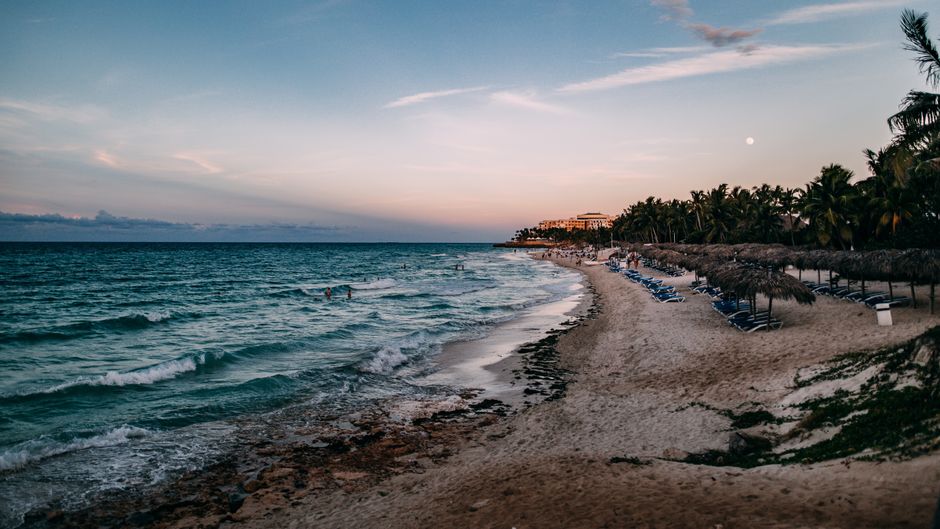
Varadero is Cuba’s biggest beach resort: a long, narrow sand spit, the Hicacos Peninsula, on the north coast of Matanzas province, with a beach of fine white sand and shallow turquoise water that runs for about 20 km (12 miles). The small town of Varadero sits at the western end, with casas particulares, paladares and a relaxed Cuban feel, while dozens of large all-inclusive hotels fill the middle and eastern end of the peninsula toward a nature reserve at the tip. It is the easiest place in Cuba for a simple beach holiday, about two to two and a half hours east of Havana, and a good base for catamaran trips, diving and day trips to Matanzas and the Bay of Pigs. In 2026, Varadero has been hit hard by the drop in flights and visitors: several hotels closed temporarily from February, and flights to its airport were cut when jet fuel ran short. Check that your hotel and flight are confirmed before you go. December to April is the most comfortable season.
Right now in Varadero
- Tue 26–29°C 79–83°F 1 mm Showers
- Wed 25–29°C 77–83°F 7 mm Showers
- Thu 25–30°C 77–85°F 4 mm Partly cloudy
- Sat 10 Oct Independence Day (Día de la Independencia)
Weather: MET Norway (CC BY 4.0) · Sea temperature: NOAA CoastWatch · Holidays: Nager.Date
Top tours in Varadero
See all tours for Varadero →
From local operators, with prices and reviews; you check availability and book on Viator, our partner. We may earn a commission at no extra cost to you. How we earn money
Varadero at a glance
- Best for: all-inclusive beach holidays, calm swimming, catamaran trips, diving and an easy add-on to Havana.
- How long: 3–4 days for the beach and a day trip; a week for a full resort stay.
- Best time: December to April, the driest and least humid months; cold fronts can make some winter days cool and windy. May to October is hot, humid and rainy, and hurricane season.
- Getting there: Juan Gualberto Gómez Airport (VRA) is about 20–25 km (12–16 miles) west of the town; Havana’s airport is about 2.5 hours away by road.
- Getting around: the hop-on, hop-off tourist bus, taxis, horse carts, rental scooters and bikes along the main road.
- Before you go: get the e-visa and complete D’Viajeros; entry rules, US travel categories, money and general safety are in our Cuba travel guide. For US rules on the way home, see our United States travel guide.
Varadero’s areas and who each one suits
Varadero town
The western end of the peninsula, between the Kawama area and about Calle 64, with a grid of numbered streets, small hotels, casas particulares, paladares, bars, the Parque Josone gardens and local life. Best for independent travelers, budgets and anyone who wants to walk to restaurants. The beach here is just as good, though busier with Cuban families in summer.
The hotel zone
East of the town, a long strip of large all-inclusive resorts, many run by Spanish and other foreign hotel groups in joint ventures with Cuban state companies, plus the Varadero Golf Club and the Xanadu Mansion. Best for resort holidays; restaurants and town life are a taxi or bus ride away.
The eastern tip and marinas
The far end of the peninsula has more resorts, the Varahicacos Ecological Reserve, and the Gaviota and Chapelín marinas where catamaran and diving trips leave.
Top things to see in Varadero
Opening hours, prices and boat trips change often with demand and fuel supplies in 2026; check with your hotel’s tour desk first.
Varadero Beach
The main attraction: a continuous beach on the north side of the peninsula, with powdery sand, gently sloping water and few rocks. It is public along its whole length, though sun loungers and facilities in front of resorts are for guests. The water is calm most of the year; during winter cold fronts, waves and currents can be strong, so watch the flags. See our beaches guide.
Xanadu Mansion
A clifftop mansion built in the late 1920s for the US industrialist Irénée du Pont, now the clubhouse of the Varadero Golf Club, with a restaurant and a rooftop bar that is popular at sunset.
Varahicacos Ecological Reserve
A small protected area of dry coastal forest at the eastern end of the peninsula, with short trails, the Cueva de Ambrosio, a cave with pre-Columbian drawings, and a giant cactus known as El Patriarca, said to be several centuries old.
Parque Josone
A landscaped park in town with a lake, rowing boats, old trees and a few restaurants, built around a 1940s mansion; a pleasant break from the beach.
Cueva de Saturno
A flooded cave (cenote) near the airport road, with clear fresh water for swimming and snorkeling; it can be busy when tour groups arrive.
More to see
- Catamaran trips: day trips to Cayo Blanco and other offshore cays, with snorkeling stops; check what is running, as trips depend on fuel and demand.
- Diving: dive centers at the marinas visit reefs, walls and wrecks off the peninsula. See diving and snorkeling.
- Golf: the 18-hole Varadero Golf Club, along the coast by the Xanadu Mansion.
- Cárdenas: the working town at the base of the peninsula, with horse carts, the Oscar María de Rojas museum and an everyday Cuban atmosphere.
Other things to do in Varadero
Water sports
Kayaks, paddleboards, small sailboats and snorkeling gear are usually included at all-inclusive resorts. Kitesurfing is possible when the wind picks up in winter. See our boat trips guide.
Food and nightlife
Most visitors eat at their resort, but the town has private paladares serving seafood, Cuban classics and pizza, and a handful of bars and small clubs with live music. Many paladares price in US dollars or euros and accept only cash.
Beach safety and sargassum
Most of Varadero’s beach is calm and shallow, but there are no lifeguards along much of it outside the hotels. Swim between flags where they are posted, stay out of the water when a red flag is flying during cold fronts, and watch for boats near the marinas. Sargassum seaweed reaches Varadero much less often than the eastern Caribbean, though 2026 has been one of the largest sargassum years on record across the region, according to the University of South Florida’s Sargassum Watch; resorts clean their beaches.
Day trips and onward travel
Matanzas
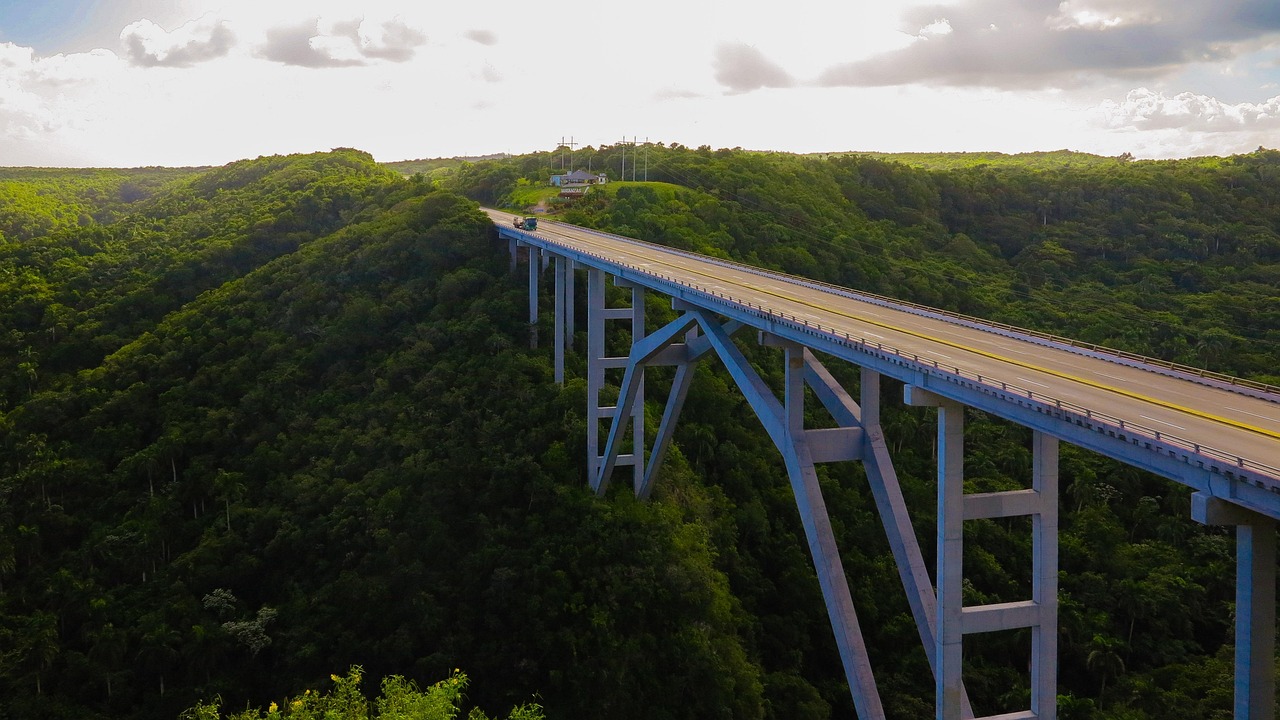
About 40 km (25 miles) west: Cuba’s “City of Bridges” on a wide bay, with the 19th-century Teatro Sauto and a historic pharmacy museum. On the way to or from Havana, stop at the Bacunayagua Bridge viewpoint.
The Bay of Pigs and Playa Girón
About 2 hours south on the Zapata Peninsula: the museum of the 1961 invasion at Playa Girón, reef snorkeling and diving at Caleta Buena and Punta Perdiz, and the Zapata Swamp, rich in birds and crocodiles.
Havana
About 140 km (87 miles) west, 2–2.5 hours by road: a long day trip, better as an overnight stay. See our Havana travel guide.
Trinidad and Viñales
Trinidad is about 4.5 hours away by road and Viñales about 5 hours, too far for day trips; see our Trinidad and Viñales travel guides.
Nearby destinations
- Havana110 km
- Key West166 km
- Florida Keys173 km
- Trinidad201 km
- Everglades National Park249 km
- Viñales256 km
Getting there and getting around
By air
Juan Gualberto Gómez International Airport (VRA), between Matanzas and Varadero, is about 20–25 km (12–16 miles), or 25–35 minutes, from the town and further from the eastern resorts. It mainly serves charter and scheduled flights from Canada and Europe. In 2026, aviation notices said jet fuel was unavailable at Cuban airports, so many of these flights were suspended or refueled elsewhere, and Air Canada has said it will not return until November 2026. Many visitors now fly into Havana instead. Package holidays usually include airport transfers; otherwise, take an official taxi and agree the fare first.
By road
Viazul coaches link Varadero with Havana, Trinidad and other cities from the bus station in town; book in advance, as fuel shortages have cut departures. Private drivers and shared taxis from Havana take about 2–2.5 hours along the coastal Vía Blanca.
Getting around
The Varadero Beach Tour, an open-top hop-on, hop-off bus, has run along the peninsula between the town and the eastern resorts for a small day-ticket fee, when fuel allows. Taxis, coco-taxis and horse carts wait outside hotels; agree the fare first. Scooters, bicycles and cars can be rented, but fuel is rationed in 2026.
When to go and how long to stay
Varadero has the same tropical climate as Havana, about 140 km (87 miles) to the west, with slightly less rain and a little more breeze. There are no official long-term averages for Varadero online, so the table uses the averages for Havana published by the World Meteorological Organization’s World Weather Information Service, with data from Cuba’s Institute of Meteorology (INSMET).
| Season | Average high / low (Havana) | Rain per month | What it’s like at the beach | Good for |
|---|---|---|---|---|
| Winter (Dec–Feb) | 26 °C (79 °F) / 19–20 °C (65–67 °F) | 58–69 mm (2.3–2.7 in) | Sunny, breezy; cold fronts bring cool days, waves and red flags | Peak season, golf, excursions |
| Spring (Mar–May) | 28–30 °C (82–86 °F) / 20–22 °C (67–72 °F) | 46–54 mm (1.8–2.1 in), then 98 mm (3.9 in) in May | The calmest, sunniest beach weather | Swimming, diving, catamaran trips |
| Summer (Jun–Aug) | 31–32 °C (87–89 °F) / 23–24 °C (73–75 °F) | 100–182 mm (3.9–7.2 in) | Hot and humid with afternoon storms; warmest sea | Cuban family holidays, snorkeling |
| Autumn (Sep–Nov) | 28–31 °C (82–88 °F) / 21–24 °C (70–75 °F) | 88–181 mm (3.5–7.1 in) | Rainy until late October; peak hurricane risk | Lower prices, with flexible bookings |
The sea is warmest, about 29–30 °C (84–86 °F), in late summer, and coolest, about 25 °C (77 °F), in February.
Hurricane season: according to NOAA’s National Hurricane Center (NHC), the Atlantic hurricane season runs from 1 June to 30 November, with most activity between mid-August and mid-October. Hurricane Irma’s eyewall raked the north coast of central Cuba in September 2017, flooding parts of Varadero. As of 4 October 2026, the 2026 season had produced eight tropical storms and no hurricanes, and none had affected Cuba, according to the NHC.
How long to stay: 3, 5 and 7 days
3 days: two beach days and a catamaran trip to Cayo Blanco. 5 days: add the Varahicacos reserve, the Xanadu Mansion at sunset and a day in Matanzas or at the Bay of Pigs. 7 days: combine with two or three nights in Havana.
Where to stay in Varadero and hotel taxes
- Varadero town: casas particulares and small hotels, walkable to paladares and bars; the best value.
- Mid-peninsula: large all-inclusive resorts close to the golf course and town.
- Eastern tip: the newest and most upmarket resorts, quieter and further from everything.
In February 2026, Cuba’s tourism ministry began temporarily closing hotels with low occupancy in Varadero and the northern cays and moving guests to other hotels, to save fuel; some reopened later. Check that your hotel is open, and what happens if you are moved. Room rates and packages are normally quoted with taxes included, without a separate nightly tourist tax at checkout. US travelers should check the State Department’s Cuba Prohibited Accommodations List, which covers many state-owned resorts.
Practical tips for Varadero
- Confirm your booking: in 2026, check that your flight and hotel are operating shortly before travel.
- Cash: US-issued cards don’t work; bring US dollars or euros for tips, taxis and paladares.
- Power cuts: resorts usually have generators; the town has regular blackouts.
- Beach flags: respect red flags during winter cold fronts.
- Excursions: book through your hotel desk or licensed agencies, and check fuel-dependent trips the day before.
- Water: drink bottled water.
- Emergencies: call 106 for police and 104 for an ambulance; the international clinic is in town.
What to pack for Varadero
Pack swimwear, a cover-up for town, light clothes, a sun hat, high-factor reef-friendly sunscreen, sunglasses, water shoes for cave swimming and rocky spots, insect repellent, a light sweater for windy winter evenings, a power bank and flashlight, a travel adapter, any medicines you need, and cash for tips.
Varadero travel FAQ
How far is Varadero from Havana?
About 140 km (87 miles), or 2–2.5 hours by road along the coast. Varadero’s own airport, Juan Gualberto Gómez, is about 25–35 minutes from town.
Are Varadero hotels open in 2026?
Many are, but several closed temporarily from February 2026 because of low occupancy and fuel shortages, with guests moved to other hotels. Confirm your hotel before you travel.
Are flights to Varadero running?
Fewer than usual. Jet fuel has been unavailable at Cuban airports for much of 2026, so many Canadian and European flights were cut. Air Canada plans to return in November 2026; check your airline.
Is Varadero beach public?
Yes. The whole beach is public, but loungers and facilities in front of resorts are for hotel guests.
What is the best time to visit Varadero?
December to April, the driest months. March to May has the calmest beach days; September and October are the peak of hurricane season.
Is there sargassum in Varadero?
Rarely. Varadero gets much less sargassum than the eastern Caribbean, even in a heavy year like 2026, and resorts clean their beaches.
Can Americans stay at Varadero resorts?
US travelers must travel under one of the 12 OFAC categories, which don’t include tourism, and may not stay at properties on the State Department’s Cuba Prohibited Accommodations List, which includes many state resorts.
Is Varadero good for families?
Yes. The water is shallow and calm most of the year, and many all-inclusive resorts have kids’ clubs. Watch the flags during winter cold fronts.
What is there to do in Varadero besides the beach?
Catamaran trips to Cayo Blanco, diving, golf, the Varahicacos reserve, the Cueva de Saturno and day trips to Matanzas or the Bay of Pigs.
Do I need cash in Varadero?
Yes, for tips, taxis, paladares and markets. Cards issued outside the US work at many resorts, but US-issued cards don’t work anywhere in Cuba.
Sources and last review
Researched and last reviewed on 4 October 2026. Entry rules come from Cuba’s Ministry of Foreign Affairs; the US travel categories and the Cuba Prohibited Accommodations List from the US Treasury’s Office of Foreign Assets Control; hurricane season and the 2026 season from NOAA’s National Hurricane Center; the climate averages from the WMO World Weather Information Service (INSMET data for Havana); sargassum from the University of South Florida’s Sargassum Watch. Hotel closures, flight disruptions, airport distances, the tourist bus, sights and Hurricane Irma’s effects come from press reports and general references and are flagged for checking. For entry rules and money, see our Cuba travel guide; for US rules on the way home, see our United States travel guide.
Plan your trip
Partner links: TravelerCenter may earn a commission if you book, at no extra cost to you.
🇪🇸 Useful Spanish phrases for Varadero
All 38 Spanish phrases: restaurant, hotel, emergencies, romance (printable) →