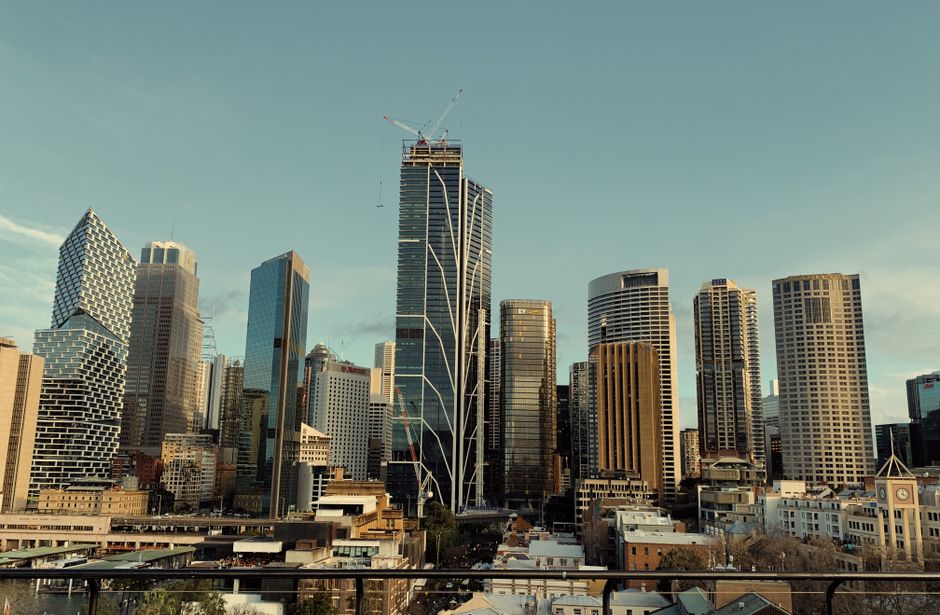
Sydney is the Australia most visitors picture first: the white sails of the Opera House, the steel arch of the Harbour Bridge, ferries crisscrossing a deep blue harbor and golden surf beaches a short bus ride from the skyscrapers. About 5.5 million people live in Greater Sydney, Australia’s largest and oldest city, founded as a British penal colony in 1788 on the land of the Gadigal people of the Eora Nation. Today it is a sun-loving, multicultural city where you can swim at Bondi before breakfast and catch a ferry to Manly for lunch. The national parks that ring the city, from the sandstone cliffs of the Royal National Park to the blue haze of the Blue Mountains, make easy day trips. Remember that the seasons are reversed: in the southern hemisphere, summer runs from December to February and winter from June to August, when Sydney is mild and sunny rather than cold.
Right now in Sydney
- Wed 14–17°C 58–63°F 1 mm Mostly clear
- Thu 13–18°C 56–64°F 1 mm Mostly clear
- Fri 12–21°C 53–69°F Clear
Weather: MET Norway (CC BY 4.0) · Sea temperature: NOAA CoastWatch
Top tours in Sydney
See all tours for Sydney →
From local operators, with prices and reviews; you check availability and book on Viator, our partner. We may earn a commission at no extra cost to you. How we earn money
Sydney at a glance
- Best months: September to November (spring) and March to May (autumn) for warm days, fewer crowds and comfortable walking; December to February (summer) for beach life, festivals and New Year’s Eve, with more heat, humidity and higher prices.
- Time needed: three days for the harbor, the Opera House, The Rocks, Bondi and Manly; five to seven days with the Blue Mountains, the Royal National Park or the Hunter Valley wine region.
- Getting there: Sydney Airport (SYD) is 8 km (5 miles) south of the city center, linked by the T8 Airport & South Line train, which runs every day between about 5 a.m. and midnight.
- Costs (as of October 2026): prices are in Australian dollars and include the 10% GST. A tap-on train ride of up to 10 km is $4.33 at peak times (about US$3), and adult public transport is capped at $19.30 a day Monday to Thursday and $9.65 Friday to Sunday. The airport train adds an $18.61 station access fee.
- Before you go: almost every visitor needs an ETA, eVisitor or visa before flying to Australia, and strict biosecurity rules apply on arrival; see our Australia travel guide.
Sydney neighborhoods and who each one suits
Circular Quay, The Rocks and the CBD
Circular Quay is the ferry hub, with the Opera House on one side and The Rocks, Sydney’s oldest quarter of sandstone warehouses and laneway pubs, on the other. The CBD stretches south to Town Hall and Central Station, with the Queen Victoria Building, Hyde Park and the main museums. It is the best base for a short stay without a car, but also the most expensive.
Darling Harbour and Barangaroo
West of the CBD, Darling Harbour is a family-friendly waterfront of aquariums, restaurants and the International Convention Centre; Barangaroo, to the north, has waterfront dining and a headland park planted with native species.
Surry Hills, Darlinghurst, Paddington and Newtown
These inner-city neighborhoods of Victorian terraces are where Sydney eats and drinks: cafes and wine bars in Surry Hills and Darlinghurst, boutiques in Paddington, the LGBTQ+ heart of the city on Oxford Street, and vintage shops, Thai restaurants and live music in Newtown. Good for travelers who prefer local life to harbor views.
Bondi, Coogee and Manly
Bondi Beach is about 7 km (4 miles) east of the city, reached by train to Bondi Junction and a short bus ride; Bondi, Bronte, Clovelly and Coogee are linked by a famous coastal walk. Manly, on a narrow strip of land between the harbor and the Pacific, is about 30 minutes from Circular Quay by ferry, with an ocean beach, a calm harbor cove and a pedestrian street of cafes. Both suit surfers, swimmers and families who want to wake up by the sea, but rush-hour trips into the city are slow.
Top things to see in Sydney
Sydney Opera House
Opened in 1973 and a UNESCO World Heritage Site since 2007, Jørn Utzon’s Opera House is one of the most recognizable buildings of the 20th century. Admire its tiled sails for free from the forecourt or a ferry, then join a daily guided tour (including step-free tours) or, better, a performance; opera, ballet, concerts and theater fill its venues almost every night.
Sydney Harbour Bridge
The “Coathanger,” opened in 1932, links The Rocks with North Sydney. Walking across the eastern footpath is free, takes about half an hour and looks straight at the Opera House. For a higher view, climb the stairs inside the southeast pylon to the Pylon Lookout, or book BridgeClimb, a guided ascent of the arch on catwalks and ladders; it is expensive, but unforgettable.
The Royal Botanic Garden and Mrs Macquarie’s Chair
East of the Opera House, the Royal Botanic Garden spreads across 30 hectares (74 acres) of lawns, palms and themed gardens on the harbor shore. Entry is free. Follow the waterfront path to Mrs Macquarie’s Chair, a bench carved into the sandstone in 1810, for the classic view of the Opera House and the Harbour Bridge together. The Domain, next door, holds the Art Gallery of New South Wales.
Art galleries and museums
The Art Gallery of New South Wales has two buildings, the original 19th-century gallery and the Sydney Modern building that opened in 2022, linked by an art garden; general admission is free and the collection of Aboriginal and Torres Strait Islander art is outstanding. The Museum of Contemporary Art Australia at Circular Quay is also free. The Australian Museum on College Street covers natural history and First Nations cultures, and the Hyde Park Barracks, a UNESCO-listed convict site, tells the story of the convicts who built early Sydney.
Bondi to Coogee coastal walk
This is Sydney’s best free activity. The cliff-top path runs about 6 km (3.7 miles) from Bondi Beach to Coogee past sandstone headlands, ocean pools and the beaches of Tamarama, Bronte, Clovelly and Gordons Bay, plus Waverley Cemetery, perched above the sea. Allow two to three hours with swims and coffee stops. Start early in summer, when the path is exposed to the sun, and wear a hat. The Bondi Icebergs ocean pool at the southern end of Bondi is one of the most photographed swimming spots in the world.
Manly, by ferry
The ferry from Circular Quay to Manly is one of the world’s great commuter rides: about 30 minutes past the Opera House, the harbor’s mansions and the cliffs of the Heads. In Manly, walk the Corso to the ocean beach, follow the path to Shelly Beach for snorkeling in a protected cove, or climb North Head for views back to the city. Ferries are part of the Opal network, so you pay with a contactless card.
Taronga Zoo and the harbor islands
Taronga Zoo, on the north shore of the harbor, has native wildlife such as koalas, kangaroos and platypuses, and perhaps the best view of any zoo in the world; arrive by ferry from Circular Quay, about 12 minutes, and ride the cable car up the hill. Cockatoo Island, a UNESCO-listed convict site turned shipyard, is another short ferry ride.
Other things to do in Sydney
- Beaches: beyond Bondi and Manly, try Bronte and Clovelly for families, Balmoral and Nielsen Park inside the harbor for calmer water, and Palm Beach at the northern tip of the Northern Beaches. Swim only at patrolled beaches, between the red and yellow flags.
- Surfing: learn-to-surf schools work at Bondi and Manly all year; the water is warmest from January to April, around 22–24 °C (72–75 °F), and coolest in August.
- Harbor cruises and kayaking: ferries are the cheapest cruise in town, but there are also sunset and dinner cruises, whale-watching boats from about May to November, and kayak and paddleboard rentals in calmer bays such as Rose Bay and Manly Cove.
- Markets and sport: The Rocks Markets at weekends and Paddington and Glebe markets on Saturdays; cricket in summer and rugby league and Australian rules football in winter.
Food and drink
Sydney’s food reflects its migrants: Thai and Chinese in Haymarket, Vietnamese in Cabramatta, Lebanese in Lakemba, Italian in Leichhardt. Look for Sydney rock oysters, barramundi and prawns, a serious brunch with a flat white, and Hunter Valley semillon and shiraz. Many cafes close by mid-afternoon. Tipping is optional; about 10% for good restaurant service is appreciated. Some restaurants add a surcharge of around 10–15% on Sundays and public holidays, and many add a small card fee; both must be shown on the menu or at the counter.
Day trips from Sydney
The Blue Mountains
The Greater Blue Mountains, a UNESCO World Heritage Area, rise about 100 km (62 miles) west of Sydney. Trains from Central Station reach Katoomba in about two hours on an ordinary Opal fare, so it is one of the cheapest day trips in Australia. From Katoomba, walk or ride the hop-on, hop-off bus to Echo Point for the view of the Three Sisters rock formation, follow cliff-top tracks to Leura’s waterfalls, or descend the Giant Stairway into the Jamison Valley. Scenic World adds a steep railway and cable cars. Blue Mountains National Park is always open but may close sections in bad weather or high fire danger; a vehicle fee of $8 a day applies only at attractions in the Glenbrook area. In summer, check fire danger ratings before you go.
The Royal National Park and the coast south
The Royal National Park, south of the city, is the world’s second-oldest national park (1879), with cliff-top walks, beaches and rock pools such as the Figure Eight Pools, which can only be visited safely at low tide in calm seas; waves have swept people off the rock platform. Trains run to stations on the park’s edge, and a little ferry crosses from Cronulla to Bundeena.
The Hunter Valley, Port Stephens and the Central Coast
The Hunter Valley, about two and a half hours north by road, is Australia’s oldest wine region, with more than 150 cellar doors, restaurants and hot-air balloon flights; join a tour if you plan to taste seriously, because drink-driving limits are strict. Port Stephens, farther northeast, has dolphin cruises and huge sand dunes. Canberra, the national capital, is about three hours southwest; for longer trips, see our Melbourne and Brisbane guides.
Nearby destinations
- Blue Mountains71 km
- Canberra248 km
Getting there and getting around
From Sydney Airport (SYD)
Sydney Airport (also called Kingsford Smith) has an international terminal (T1) and two domestic terminals (T2 and T3), with flights to Asia, the Americas, the Middle East and New Zealand and to every Australian capital. The underground train stations at the domestic and international terminals are served by the T8 Airport & South Line, running every day between about 5 a.m. and midnight; Central Station is around 15 minutes away. On top of the normal train fare, the privately owned airport stations charge a station access fee of $18.61 for adults paying with Opal or a contactless card ($19.00 added to a paper single ticket), with a separate weekly cap of $37.75. That makes the trip to the city roughly $23 at peak times. Opal cards bought at the airport need a $35 minimum top-up. Taxis wait outside each terminal; under a trial that started on 3 November 2025, an uninterrupted standard taxi trip from the airport to the CBD costs a flat $60 (or $80 for a maxi taxi). Bus 420 links the airport with Mascot Station and Burwood, and bus 350 runs from the domestic terminal to Bondi Junction.
Opal, contactless cards and fares
Transport for NSW runs the metro, trains, buses, ferries and light rail on one fare system, Opal. Visitors do not need an Opal card: tap on and tap off with a contactless credit or debit card or a phone wallet such as Apple Pay, Google Pay or Samsung Pay and you are charged the same adult fare, with the same caps. Fares depend on distance and time. You get a 30% off-peak discount on metro, train, bus and light rail outside the weekday rush hours and all day on Fridays, weekends and public holidays, and a $2 discount when you transfer between modes on one journey. If you forget to tap off, you pay the maximum fare.
| Adult fare (as of October 2026) | Peak | Off-peak |
|---|---|---|
| Metro or train, 0–10 km | $4.33 (about US$3.00) | $3.03 |
| Metro or train, 10–20 km | $5.38 | $3.76 |
| Bus or light rail, 0–3 km | $3.30 | $2.31 |
| Bus or light rail, 8 km or more | $5.77 | $4.03 |
| Sydney Ferries and Manly Fast Ferry, 0–9 km | $7.35 | Same |
| Sydney Ferries, more than 9 km | $9.20 | Same |
| Daily cap | $19.30 Monday to Thursday; $9.65 Friday to Sunday and public holidays | — |
| Weekly cap (Monday to Sunday) | $50 | — |
Children 4 to 15 pay child fares with a Child/Youth Opal card, capped at $9.65 a day Monday to Thursday. Opal single tickets, sold at machines, cost more and are not valid on buses. The Opal network also covers the Blue Mountains, the Central Coast, Newcastle and the Illawarra.
Getting around the city
The new Sydney Metro runs driverless trains under the harbor, from the north shore through the CBD (Barangaroo, Martin Place, Gadigal and Central) to the southwest, every few minutes. Suburban trains loop through the CBD’s underground stations; the light rail runs along George Street from Circular Quay to Central and on to Randwick and Kingsford, and also west to Dulwich Hill; and ferries leave Circular Quay for Manly, Taronga Zoo, Watsons Bay, Parramatta and other wharves. Driving in the center is slow, parking is expensive and motorways are tolled electronically, so rent a car only for trips beyond the city. NSW TrainLink trains to Canberra, Melbourne and Brisbane leave from Central and must be booked.
When to go and how long to stay
Summer (December to February) is warm to hot, averaging 26–27 °C (78–81 °F), with humid spells, storms and occasional heat waves. Autumn (March to May) stays warm and often settled. Winter (June to August) is mild and mostly sunny, with highs around 18 °C (64 °F) and cool nights; June is often one of the wettest months. Spring (September to November) brings warming days, jacaranda trees in bloom in late October and November, and the start of beach season. The ocean is warmest from January to April.
| Month | Average high | Average low | Rain | Rain days (≥1 mm) |
|---|---|---|---|---|
| Jan | 27 °C (81 °F) | 20 °C (68 °F) | 91 mm (3.6 in) | 8 |
| Feb | 27 °C (80 °F) | 20 °C (68 °F) | 132 mm (5.2 in) | 9 |
| Mar | 26 °C (78 °F) | 18 °C (65 °F) | 118 mm (4.6 in) | 10 |
| Apr | 24 °C (74 °F) | 15 °C (60 °F) | 114 mm (4.5 in) | 8 |
| May | 21 °C (70 °F) | 12 °C (54 °F) | 101 mm (4.0 in) | 8 |
| Jun | 18 °C (65 °F) | 10 °C (50 °F) | 142 mm (5.6 in) | 9 |
| Jul | 18 °C (64 °F) | 9 °C (48 °F) | 80 mm (3.2 in) | 7 |
| Aug | 19 °C (67 °F) | 10 °C (49 °F) | 75 mm (3.0 in) | 6 |
| Sep | 22 °C (71 °F) | 12 °C (54 °F) | 63 mm (2.5 in) | 6 |
| Oct | 23 °C (74 °F) | 15 °C (58 °F) | 68 mm (2.7 in) | 8 |
| Nov | 24 °C (76 °F) | 17 °C (62 °F) | 91 mm (3.6 in) | 9 |
| Dec | 26 °C (78 °F) | 18 °C (65 °F) | 73 mm (2.9 in) | 8 |
| Year | 23 °C (73 °F) | 15 °C (58 °F) | 1,150 mm (45 in) | 95 |
Figures are the Bureau of Meteorology’s 1991–2020 averages for Sydney (Observatory Hill), on the harbor next to The Rocks. The western suburbs are hotter in summer and colder on winter nights.
Events worth planning around
- New Year’s Eve (31 December): fireworks over the Harbour Bridge at 9 p.m. and midnight; foreshore vantage points fill by midday.
- Sydney Festival and Australia Day (January): arts events across the city and harbor celebrations on 26 January.
- Mardi Gras (February to early March): the parade along Oxford Street is one of the biggest of its kind.
- Vivid Sydney (late May to June): light projections on the Opera House and around the harbor.
- Whale season (about May to November): humpbacks pass the Heads; the Sydney to Hobart Yacht Race leaves the harbor on 26 December.
Dates change every year; hotels are most expensive around New Year’s Eve, Mardi Gras, Vivid and school holidays.
How long to stay: 3, 5 and 7 days
- Three days: the Opera House, the Royal Botanic Garden and Mrs Macquarie’s Chair, The Rocks and a walk across the Harbour Bridge; the Bondi to Coogee walk; the ferry to Manly or Taronga Zoo.
- Five days: add a day in the Blue Mountains and a day for the Art Gallery, Paddington and Surry Hills or a harbor cruise.
- Seven days: add the Royal National Park or a night in the Hunter Valley, Port Stephens or the Blue Mountains.
Where to stay in Sydney
- Circular Quay and The Rocks: harbor views and walking distance to the sights; the most expensive area.
- CBD and Darling Harbour: the widest range of chain and apartment hotels, close to transport.
- Surry Hills, Darlinghurst and Potts Point: boutique hotels and good restaurants near the center.
- Bondi, Coogee and Manly: beach hotels and apartments; slower to reach the city.
New South Wales has no separate hotel tax, and the 10% GST is included in the price you see. Book months ahead for New Year’s Eve.
Typical costs in Sydney
| Item (as of October 2026) | Australian dollars | About US dollars |
|---|---|---|
| Adult train or metro ride, 0–10 km, peak / off-peak | $4.33 / $3.03 | $3.00 / $2.10 |
| Ferry from Circular Quay to Manly | $9.20 | $6.40 |
| Airport station access fee (on top of the fare) | $18.61 | $12.90 |
| Taxi from the airport to the CBD (flat-fare trial) | $60 | $41 |
| Daily transport cap, Monday to Thursday / Friday to Sunday | $19.30 / $9.65 | $13.40 / $6.70 |
| Flat white coffee | about $5–6 | about $3.50–4 |
| Casual restaurant main | about $25–40 | about $17–28 |
| Mid-range hotel room, per night | about $250–400 | about $175–275 |
Transport prices are official Transport for NSW fares. Coffee, meals and hotels are typical ranges, not official prices, and vary widely by area and season. Conversions use about US$0.69 to A$1.
Safety in Sydney
Sydney is generally safe; take the usual care with bags and phones in crowds and late at night. The bigger risks are natural.
- Sun and UV: UV levels are among the highest in the world; use SPF 50+ sunscreen, a hat and sunglasses, even on cloudy days.
- Swimming between the flags: swim only at patrolled beaches, between the red and yellow flags. Rip currents are the biggest hazard on ocean beaches, including Bondi; if caught, stay calm, float and raise an arm for help, or swim parallel to the shore.
- Bluebottles: these stinging jellyfish wash onto eastern beaches in summer; rinse with seawater and use hot water.
- Bushfire season: roughly spring and summer; on high fire danger days, parks such as the Blue Mountains can close tracks. Check fire danger ratings and follow emergency services’ instructions.
- Heat: on hot days, drink water and avoid strenuous walks in the afternoon.
- Emergencies: call 000 (112 also works from mobile phones).
Practical tips for Sydney
- Time zone: Australian Eastern Time (AEST, UTC+10); daylight saving (AEDT, UTC+11) runs from 4 October 2026 to 4 April 2027, so Sydney is one hour ahead of Brisbane in summer.
- Money: cards and phone payments are accepted almost everywhere; card surcharges of about 1–2% are common.
- Water and power: tap water is safe to drink; Australian plugs are type I (two flat angled pins) at 230 V, 50 Hz.
- Shopping refunds: visitors can reclaim GST on purchases of $300 or more from one business through the Tourist Refund Scheme when they leave by air or sea (see our Australia travel guide).
What to pack for Sydney
Pack a sun hat, sunglasses, SPF 50+ sunscreen, a swimsuit and sturdy walking shoes for the uneven coastal paths. Add a light rain jacket for summer storms and a sweater from May to September, when harbor evenings are cool, plus a refillable water bottle and smart-casual clothes for the Opera House.
Sydney travel FAQ
How do I get from Sydney Airport to the city?
Take the T8 train from the airport stations to Central, about 15 minutes, or on to the CBD stations. With a contactless card, you pay the normal fare plus the $18.61 station access fee, roughly $23 at peak times. A taxi to the CBD costs a flat $60 under the current trial.
Can I use my credit card on Sydney public transport?
Yes. Tap on and off with a contactless credit or debit card or a phone wallet on metro, trains, buses, ferries and light rail. You pay the same adult fares and get the same daily and weekly caps as with an Opal card.
How much does public transport cost per day in Sydney?
Adult fares are capped at $19.30 a day Monday to Thursday and $9.65 a day Friday to Sunday and on public holidays, with a $50 weekly cap. The airport station access fee is not included in these caps.
How long is the Bondi to Coogee walk?
About 6 km (3.7 miles), two to three hours with stops. It is mostly paved, with stairs, and very exposed to the sun, so start early in summer.
Is the Manly ferry worth it?
Yes. The 30-minute ride from Circular Quay passes the Opera House and the harbor’s headlands and costs an Opal ferry fare of $9.20 for adults. Manly has an ocean beach, a calm cove for snorkeling and coastal walks.
How do I get from Sydney to the Blue Mountains?
Take a train from Central Station to Katoomba, about two hours, paying with Opal or a contactless card. From Katoomba station, walk or take a bus to Echo Point for the Three Sisters.
When is the best time to visit Sydney?
Spring (September to November) and autumn (March to May) for warm, settled weather and fewer crowds. Summer (December to February) is best for beaches and New Year’s Eve but hotter and busier.
Is it safe to swim at Bondi Beach?
Bondi is patrolled by lifeguards all year, but it has strong rip currents. Always swim between the red and yellow flags, never alone, and follow the lifeguards’ instructions.
Do I need to tip in Sydney?
No. Wages include service, so tipping is optional. Rounding up or leaving about 10% for very good service in a restaurant is appreciated but not expected.
How many days do you need in Sydney?
Three days covers the harbor, Bondi and Manly; five days adds the Blue Mountains and a museum day; a week lets you add the Royal National Park or the Hunter Valley.
Sources and last review
Researched and last reviewed on 5 October 2026. Fares, caps, off-peak and transfer discounts, contactless rules, airport train times, station access fees, the airport taxi flat-fare trial and airport bus routes come from Transport for NSW (transportnsw.info); daylight saving dates from the NSW Government; Blue Mountains National Park opening and fees from NSW National Parks and Wildlife Service; the Tourist Refund Scheme from the Australian Border Force; climate from the Bureau of Meteorology’s 1991–2020 statistics for Sydney (Observatory Hill); population from Wikidata. Attraction details, walking times, events, food notes, typical prices, sea temperatures and safety notes on bluebottles are general references and are flagged for checking. Prices and timetables change, so check the official sites before you go. For entry rules, biosecurity, money and safety across the country, see our Australia travel guide.
Plan your trip
Partner links: TravelerCenter may earn a commission if you book, at no extra cost to you.