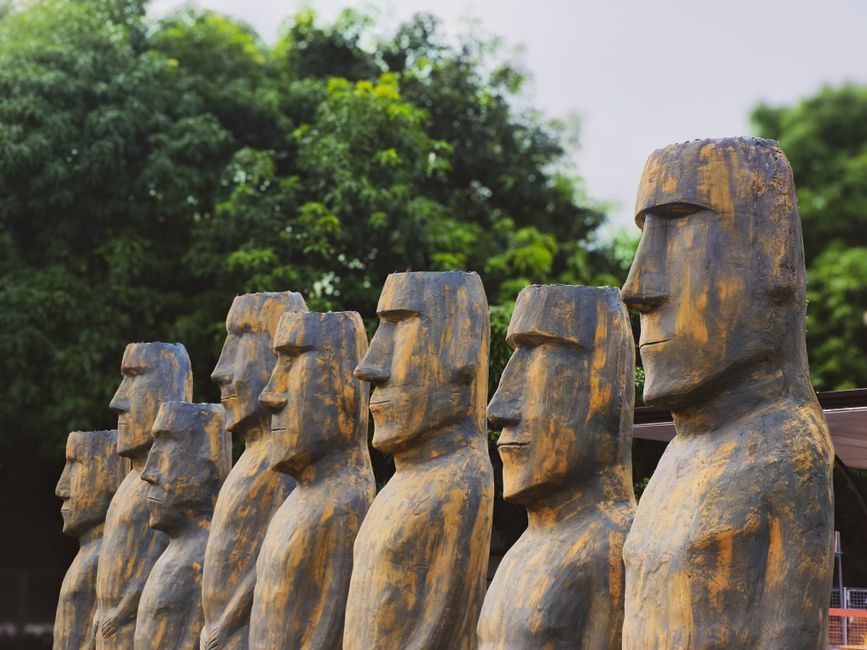
The Cook Islands are 15 small islands scattered across a vast stretch of the South Pacific between French Polynesia and Samoa, with fewer people than a small town and an exclusive economic zone almost the size of Mexico. They are a self-governing country in free association with New Zealand: Cook Islanders are New Zealand citizens, the New Zealand dollar is the currency, and flights from Auckland take under four hours. Most visitors stay on Rarotonga, the green, mountainous main island, where a single coast road circles beaches, the lagoon, the capital Avarua, churches and village homes in about 45 minutes, and then take a short flight to Aitutaki, whose vast turquoise lagoon and sandbars are among the most beautiful in the Pacific. Beyond them, the outer islands of Atiu, Mangaia, Mauke and the remote northern atolls see few visitors. Life is unhurried: Sunday is for church and family, island nights mean drumming and dance, and the warmth of the welcome, “kia orana”, is the islands’ best-known feature. The drier, cooler season from about May to October is the most popular time to visit; November to April is hotter, wetter and the cyclone season.

Right now in Cook Islands
- Tue 20–22°C 68–71°F 4 mm Light showers
- Wed 21–22°C 69–72°F 4 mm Light showers
- Thu 21–22°C 70–72°F 2 mm Mostly clear
Weather: MET Norway (CC BY 4.0)
Multi-day tours of Cook Islands
Multi-day tours from local operators. You check dates and book on Viator, our partner; we may earn a commission at no extra cost to you. How we earn money
Cook Islands at a glance: a country in free association with New Zealand
The Cook Islands have governed themselves since 1965, with their own parliament, prime minister and laws, in a relationship of free association with New Zealand. New Zealand helps with defense and some foreign affairs, Cook Islanders hold New Zealand citizenship and the New Zealand dollar is used as currency. For visitors, this means a simple arrival, familiar money and strong flight connections through Auckland.
- Capital: Avarua, on the north coast of Rarotonga, where the airport is.
- Population and size: about 15,000 people, around three-quarters of them on Rarotonga, on 240 km² (93 sq miles) of land. The country is divided into the Southern Group (Rarotonga, Aitutaki, Atiu, Mangaia, Mauke, Mitiaro and others) and the sparsely populated Northern Group of coral atolls, such as Manihiki, Penrhyn and Pukapuka.
- Languages: English and Cook Islands Māori (Rarotongan) are official. “Kia orana” means hello and may you live long, “meitaki” thank you.
- Currency: the New Zealand dollar (NZ$), alongside local Cook Islands coins and notes, which are not accepted outside the country. In early October 2026, NZ$1 was worth about US$0.56. VAT is 15%.
- Time zone: Cook Islands Standard Time, UTC−10, the same as Hawaii, with no daylight saving time. That puts the Cook Islands nearly a day behind New Zealand and Australia.
- Driving: on the left.
- Entry: most visitors receive 31 days on arrival without a visa (New Zealanders 90 days), with a passport valid six months beyond departure, a return ticket and booked accommodation.
- Emergency numbers: 999 for police, 998 for ambulance, 996 for fire.
The Cook Islands’ main islands
Rarotonga is a high volcanic island ringed by a lagoon and coastal road, with almost all the accommodation, restaurants and services. Aitutaki, 50 minutes north by plane, is a low island set in a huge triangular lagoon dotted with motus. Atiu, the “island of birds”, has limestone caves, coffee plantations and native forest; Mangaia, the oldest island in the Pacific by some measures, has dramatic raised-coral cliffs and caves; Mauke and Mitiaro are tiny, quiet islands with freshwater cave pools. The Northern Group atolls, known for black pearls, are reached only by infrequent flights or cargo ships.
Where to go: Rarotonga, Aitutaki and the outer islands
Rarotonga
Rarotonga is the hub. Its peaks, including the needle-shaped Te Rua Manga, rise above forested valleys, and the lagoon is calm and shallow on most sides. Muri Lagoon on the southeast coast, with its four motus, is the island’s water sports center for kayaking, paddleboarding and glass-bottom boat tours; Titikaveka and the Aroa Marine Reserve on the south coast have the best snorkeling. Avarua has the Saturday-morning Punanga Nui Market, cafés, shops and the national museum and cultural center. You can hike the Cross-Island Track, catch an island night show, visit a historic church, and circle the island on the clockwise or anticlockwise bus.
Aitutaki
Aitutaki is often called the world’s most beautiful lagoon. Its triangular reef encloses a lagoon of shallow, impossibly blue water, with 15 motus, sandbars and coral gardens. A lagoon cruise to One Foot Island (Tapuaetai), where you can get a novelty stamp in your passport, and Honeymoon Island is the essential experience. The main island has a handful of villages, a historic church, the Piraki lookout and resorts and guesthouses, some with overwater bungalows. Visit on a day tour from Rarotonga or stay several nights.
Atiu, Mangaia, Mauke and Mitiaro
These outer islands of the Southern Group are reached on small Air Rarotonga planes. Atiu offers guided cave tours to Anatakitaki, home of the rare kopeka bird, a coffee plantation and tumunu, traditional bush beer gatherings. Mangaia has a ring of raised coral cliffs (makatea) around a fertile interior, caves and burial sites. Mauke and Mitiaro have freshwater pools in caves and very few visitors. Accommodation is mainly in small guesthouses; Air Rarotonga runs packages combining islands.
The Northern Group
Remote coral atolls such as Manihiki, famous for black pearls, Penrhyn and Pukapuka have very limited flights and accommodation and are best for experienced, flexible travelers.
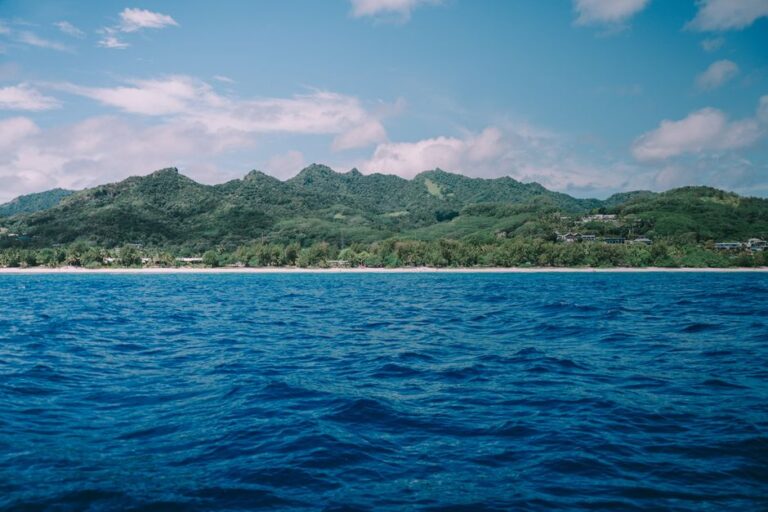
Aitutaki Travel Guide
Plan a trip to Aitutaki, Cook Islands: the lagoon and its motus, One Foot Island and its passport stamp, Honeymoon Island, giant clams, snorkeling,…
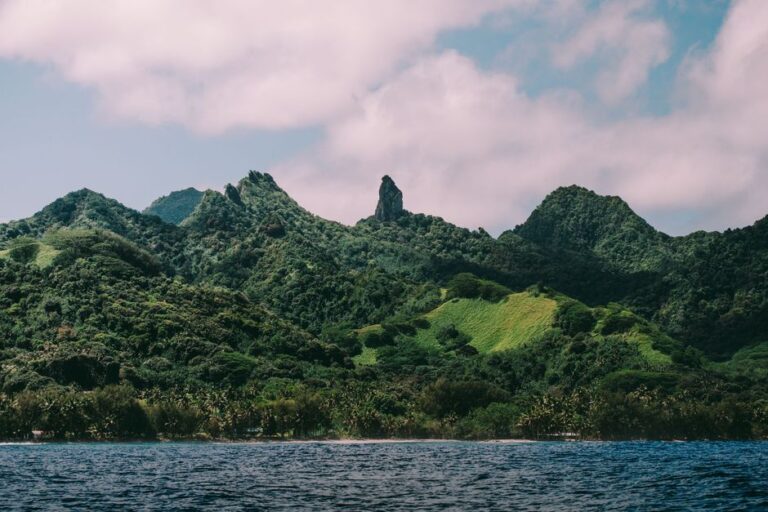
Rarotonga Travel Guide
Plan a trip to Rarotonga, Cook Islands: Muri Lagoon and its motus, Aroa Marine Reserve snorkeling, the Cross-Island Track and Te Rua Manga, Avarua's…
Where to stay: resorts, beach bungalows and guesthouses
The Cook Islands have no high-rise hotels: on Rarotonga, buildings may be no taller than a coconut palm. Accommodation is spread around the coast.
- Rarotonga resorts: family resorts with kids’ clubs and pools on the west and south coasts, and adults-only boutique resorts around Muri and Titikaveka.
- Beach bungalows and villas: self-catering bungalows and holiday homes, many right on the lagoon, are a Rarotonga specialty and good value for families and longer stays.
- Backpackers and budget motels: a handful of hostels and simple motels on Rarotonga.
- Aitutaki: resorts on the main island and on motus, including overwater bungalows on Akitua motu, plus beachfront guesthouses and self-catering bungalows.
- Outer islands: family-run guesthouses, often with meals.
You must have booked accommodation for your whole stay to enter the country; immigration officers can ask to see it on arrival.
Which part of Rarotonga?
- Muri and the southeast: the liveliest lagoon, with water sports, a night market, cafés and many resorts and bungalows; the best all-round base.
- Titikaveka and the south coast: quieter, with the best snorkeling at Aroa and Fruits of Rarotonga, and some adults-only resorts.
- Arorangi and the west coast: sunset views, family resorts, restaurants and the start of several valley walks.
- Avarua and the north: the town, market, airport and harbor; practical but less of a beach.
Island hopping: combining the islands
Island hopping in the Cook Islands means flying, as there are no regular passenger ferries. Air Rarotonga connects Rarotonga with Aitutaki several times a day, but links to the other Southern Group islands run only a few times a week, and there are no direct flights between most outer islands, so itineraries usually return to Rarotonga between islands. Air Rarotonga sells combination packages, such as Aitutaki and Atiu, that include flights, accommodation and transfers. Leave a buffer day on Rarotonga before your international flight, as small-plane schedules can change with the weather. The Northern Group atolls are served by occasional flights and cargo ships with long, unpredictable schedules, best left to travelers with plenty of time.
Best time to visit the Cook Islands
Rarotonga and Aitutaki have a mild tropical climate, a little cooler than Fiji or Tahiti because they lie farther south. The dry season from about May to October is cooler and less humid, with sunny days and nights down to around 19 °C (67 °F) in July and August. The wet season from November to April is hotter and more humid, with most of the year’s rain falling in heavy, short bursts, and is the tropical cyclone season. El Niño years tend to bring drier, cooler conditions to Rarotonga.
| Month | Average high | Average low | Rain |
|---|---|---|---|
| Jan | about 29 °C (84 °F) | about 24 °C (74 °F) | about 235 mm (9.3 in) |
| Feb | about 29 °C (85 °F) | about 24 °C (75 °F) | about 200 mm (7.9 in) |
| Mar | about 29 °C (85 °F) | about 24 °C (74 °F) | about 190 mm (7.4 in) |
| Apr | about 28 °C (83 °F) | about 23 °C (73 °F) | about 210 mm (8.3 in) |
| May | about 27 °C (81 °F) | about 21 °C (71 °F) | about 175 mm (6.9 in) |
| Jun | about 26 °C (78 °F) | about 20 °C (68 °F) | about 105 mm (4.1 in) |
| Jul | about 25 °C (77 °F) | about 19 °C (67 °F) | about 85 mm (3.3 in) |
| Aug | about 25 °C (77 °F) | about 19 °C (67 °F) | about 135 mm (5.2 in) |
| Sep | about 26 °C (78 °F) | about 20 °C (68 °F) | about 115 mm (4.5 in) |
| Oct | about 26 °C (79 °F) | about 21 °C (69 °F) | about 105 mm (4.1 in) |
| Nov | about 27 °C (81 °F) | about 22 °C (71 °F) | about 150 mm (5.9 in) |
| Dec | about 28 °C (82 °F) | about 23 °C (73 °F) | about 200 mm (8.0 in) |
| Year | about 27 °C (81 °F) | about 22 °C (71 °F) | about 1,910 mm (75 in) |
Figures are long-term averages for Rarotonga from the Cook Islands Meteorological Service, as published in the Pacific Climate Change Science Program’s climate profile of the Cook Islands, prepared with the Australian Bureau of Meteorology and CSIRO; values are read from its chart and rounded, and the base period is not stated. The Cook Islands’ annual average temperature is about 24.5 °C (76 °F) on Rarotonga and 28 °C (82 °F) in the northern atoll of Penrhyn. No WMO 1991–2020 normals are published for the Cook Islands.
Crowds and prices through the year
New Zealand and Australian school holidays, especially July and late September to early October, plus Christmas and New Year, are the busiest periods, when flights and lagoon-front bungalows fill early. May, June, September and October are a good balance of fine weather and lower rates; February and March are the quietest and cheapest.
Festivals and events
- Te Maeva Nui (late July and early August): the national festival celebrating self-government, with dance, drumming, song and float parades at the national auditorium in Avarua.
- Island nights: weekly dance and drumming shows with buffets at resorts throughout the year.
- Gospel Day (October) and Constitution Day (4 August): public holidays with church events and celebrations.
- Whale season: humpback whales pass Rarotonga from about July to October and can sometimes be seen from shore.
How long to stay: sample itineraries
5 days: Rarotonga
Snorkel the lagoon at Aroa and Titikaveka, kayak to Muri’s motus, hike the Cross-Island Track, browse the Saturday market, and join an island night.
7 to 10 days: Rarotonga and Aitutaki
Four or five nights on Rarotonga, then three to five on Aitutaki for a lagoon cruise to One Foot Island, snorkeling and doing very little. If time is short, take the Aitutaki day tour from Rarotonga.
2 weeks: the Southern Group
Rarotonga (5 nights), Aitutaki (4), and Atiu or Mangaia (3) for caves, birds and traditional village life, with a final night on Rarotonga before your flight.
Entry, money and costs
Entry requirements (as of October 2026)
According to the Cook Islands Ministry of Foreign Affairs and Immigration and the official tourism office:
- Visitors from most countries do not need a visa. All passport holders except New Zealanders receive a 31-day stay on arrival; New Zealand passport holders get 90 days.
- Your passport must be valid for at least six months beyond your departure date from the Cook Islands.
- You need a return or onward ticket and proof of booked accommodation for your stay, and you may be asked to show both, printed or on your phone, at immigration.
- You can apply to the Ministry of Foreign Affairs and Immigration in Rarotonga to extend your stay.
- People with criminal convictions must apply for an exemption before traveling.
Arrival card, customs and biosecurity
Airlines hand out a passenger arrival card, which you show at immigration and then to customs and the Cook Islands Quarantine Inspection Service after collecting your bags. Declare all food, plants and animal products. Each passenger can bring in duty-free goods worth up to NZ$750, plus 2 liters of wine or spirits or 4.5 liters of beer, and 200 cigarettes, 50 cigars or 250 g of tobacco.
Departure tax: included in your ticket
The Cook Islands departure tax is included in the price of all international air tickets, so there is nothing to pay at the airport when you leave.
Money, cards and taxes
The New Zealand dollar is the official currency. Cook Islands coins and notes, including the distinctive triangular $2 coin and the $3 note, circulate alongside New Zealand money and make good souvenirs, but they cannot be exchanged outside the country. Rarotonga’s airport has an ATM in the arrivals hall that dispenses New Zealand dollars, and there are ATMs in Avarua and Muri; Aitutaki has very few, and the outer islands may have none, so carry cash. Cards are widely accepted at resorts, restaurants and supermarkets on Rarotonga. Prices include 15% VAT. Tipping is not customary.
Typical travel costs
| Item (as of October 2026) | New Zealand dollars | About US dollars |
|---|---|---|
| Rarotonga bus, adult single / circle-island trip | NZ$5 / NZ$8 | US$2.80 / US$4.50 |
| Rarotonga bus, child single / return | NZ$3 / NZ$4 | US$1.70 / US$2.25 |
| Bus luggage fee, per large bag | NZ$2 | US$1.10 |
| Taxi, per kilometer / airport transfer | NZ$3 / NZ$15–40 | US$1.70 / US$8.40–22 |
| Cook Islands visitor license (scooter), tests and license | NZ$20 + NZ$10 + NZ$10 | US$11 + US$5.60 + US$5.60 |
| Flat white coffee | about NZ$5–6.50 | about US$2.80–3.65 |
| Fish sandwich or ika mata at a café | about NZ$15–25 | about US$8.40–14 |
| Scooter rental, per day | about NZ$25–35 | about US$14–20 |
| Beach bungalow or motel, per night | about NZ$150–300 | about US$85–170 |
| Resort room, per night | about NZ$300–700 | about US$170–395 |
| Aitutaki lagoon cruise | about NZ$100–150 | about US$55–85 |
Bus fares, taxi rates and license fees come from the Cook Islands Airport Authority and the tourism office. Coffee, meals, rentals, rooms and cruises are typical ranges, not official figures. Conversions use about US$0.56 to NZ$1 (European Central Bank reference rates, 2 October 2026).
Getting there and getting around
Flights to Rarotonga
Rarotonga International Airport (RAR), on the edge of Avarua, receives flights from Auckland (about 3 hours 45 minutes) with Air New Zealand and Jetstar, from Sydney and other Australian cities, and from Honolulu with Hawaiian Airlines; Air New Zealand has also flown seasonally from Los Angeles. Note the date line: flights from New Zealand arrive on the previous calendar day. Taxis, shuttles, rental cars and the round-island bus serve the airport.
Air Rarotonga to Aitutaki and the outer islands
Air Rarotonga, the domestic airline, flies from Rarotonga to Aitutaki up to five times a day in about 50 minutes, on Saab 340 turboprops, and to Atiu, Mangaia, Mauke, Mitiaro and the northern atolls less often. Its Aitutaki Day Tour runs Monday to Saturday, leaving at about 8 a.m. and returning by 5:30 p.m., with flights, an island tour and a lagoon cruise with lunch. Baggage limits are lower than on international flights; check before you fly. There are no regular passenger ferries between the islands, only occasional cargo ships.
Getting around Rarotonga
- Buses: the island’s bus runs clockwise (hourly from Avarua, from 7 a.m. to 5 p.m., Monday to Saturday) and anticlockwise (hourly from 8:30 a.m. to 4:30 p.m., Saturday to 1:30 p.m. only), with a night bus hourly from 6 p.m. to 11 p.m. On Sundays, only a reduced clockwise service runs. Flag it down anywhere; fares are paid in New Zealand dollars, though US, Australian and euro notes are accepted dollar for dollar.
- Scooters and cars: rentals are everywhere. Visitors from Australia, New Zealand, the US, Canada, the UK and the EU can drive with their full overseas license for up to six months, but only the vehicle classes they are licensed for at home; to ride a scooter without a motorcycle license, take theory and practical tests and get a Cook Islands visitor license at the police station in Avarua. Helmets are compulsory for riders and passengers on Rarotonga, with a NZ$250 fine. The speed limit is low, 50 km/h (31 mph) at most, and 30 km/h (19 mph) in town.
- Taxis: licensed taxis charge about NZ$3 per kilometer, with fixed airport fares of NZ$15 to NZ$40.
- Bicycles and e-bikes: easy on the flat coast road.
Culture, food and everyday etiquette
Culture and church
Cook Islands Māori culture is closely related to that of New Zealand Māori and Tahitians: voyagers from these islands are said to have sailed to Aotearoa in the great migration canoes. Dance (ura), drumming, carving, tivaevae quilts and the rito hats woven from coconut fiber are part of daily life. Most Cook Islanders are Christian, and Sunday is a day of rest. Visitors are welcome at church services, such as at the Cook Islands Christian Church (CICC) in Avarua, built in coral lime in 1853; dress modestly, with shoulders covered, and men in long trousers or a sulu, and stay for the hymns, which are unforgettable.
Food and drink
Try ika mata, raw fish marinated in lime and coconut cream; rukau, taro leaves cooked in coconut cream; umu-cooked feasts of pork, fish and root vegetables; tropical fruit; and fish sandwiches from beach cafés. Rarotonga has a lively café culture and night market in Muri, and the Punanga Nui Market on Saturday mornings is the best place for fresh food, crafts and island music. Local beer and coffee are made on Rarotonga and Atiu. Tap water on Rarotonga is supplied by a treated system in most areas, but many visitors drink filtered or bottled water.
Shopping: pearls, tivaevae and pareu
Black pearls from the northern atoll of Manihiki are the Cook Islands’ signature souvenir; buy from established jewelers in Avarua who can explain the grading. Tivaevae, the elaborate appliqué quilts sewn by groups of women, are treasured family heirlooms and are rarely sold, but smaller pieces, cushion covers and woven rito hats, fans and bags are available at the Punanga Nui Market. Colorful pareu (sarongs), local coffee, coconut oil, carvings and Cook Islands coins are other good buys.
Weddings and honeymoons
The Cook Islands are a popular place to marry, especially for New Zealanders and Australians: beach weddings on Rarotonga and Aitutaki are common, and resorts have wedding coordinators. Couples apply for a marriage license through the Ministry of Justice in Rarotonga after arrival, with a short minimum stay required; ask your resort or planner for the current rules and documents. Aitutaki’s overwater and beachfront bungalows are a classic honeymoon choice.
Everyday etiquette
Dress modestly away from the beach, ask before photographing people, and don’t remove coral or shells from the lagoon. Some areas of the lagoon are protected as ra’ui, traditional no-take zones marked by signs, where fishing and collecting are banned.
Safety, health and connectivity
Safety
The Cook Islands are one of the safest destinations in the Pacific. The main risks are on the road and in the water.
- Cyclone season (November to April): tropical cyclones can bring damaging winds, storm surge and heavy rain. Follow the Cook Islands Meteorological Service and Emergency Management Cook Islands, and your accommodation’s instructions.
- Lagoon currents and passes: the lagoon is calm, but strong currents flow out through the reef passages (avaavaroa), especially at outgoing tides; don’t swim near passes or beyond the reef.
- Reef cuts and stonefish: wear reef shoes, don’t walk on coral, and clean any cut immediately.
- Sun: UV is high all year; use reef-safe sunscreen, a hat and a rash vest.
- Dengue and other mosquito-borne diseases: dengue occurs in the Cook Islands, and the Ministry of Health (Te Marae Ora) runs outbreak campaigns; use repellent and cover up.
- Scooters: scooter accidents are the most common injury for visitors. Wear a helmet, ride slowly, avoid riding after drinking and watch for dogs.
- Dogs: wandering dogs are common on Rarotonga; keep your distance.
Health
Rarotonga Hospital, open 24 hours (+682 22664), and private clinics provide basic care; serious cases are flown to New Zealand. Travel insurance that covers medical evacuation is essential. An on-duty health officer is stationed at the airport.
Marae Moana: a protected ocean
In 2017 the Cook Islands declared its entire exclusive economic zone, nearly 2 million km² (770,000 sq miles) of ocean, a multiple-use marine park called Marae Moana, with large-scale fishing and seabed mining banned within 50 nautical miles of each island. On land and in the lagoons, villages manage ra’ui, traditional seasonal closures of fishing and collecting areas. Visitors help by respecting the signs, using reef-safe sunscreen, not standing on coral and taking their rubbish with them; water is precious on the small islands, so keep showers short.
Traveling with children and accessibility
The Cook Islands suit families well: the lagoons are shallow and calm, distances are short, and resorts have kids’ clubs and family bungalows. Bring child-sized rash vests and reef shoes, and supervise children closely near reef passages. Accessibility is limited: footpaths are few, many bungalows have steps, and boarding small boats and planes can be challenging; ask your accommodation and Air Rarotonga about specific needs before booking.
Connectivity and power
Vodafone Cook Islands sells SIM cards at the airport arrivals area. Wi-Fi is available at most accommodation, sometimes with data vouchers. Power is 240 volts, 50 Hz, with Type I angled flat-pin plugs, as in New Zealand and Australia.
Things to do: lagoons, hiking, culture and outer islands
Swim and snorkel in Rarotonga’s calm lagoon and at the Aroa Marine Reserve; kayak or paddleboard to Muri’s motus; take a glass-bottom boat; dive outside the reef with turtles and reef sharks; hike the Cross-Island Track past Te Rua Manga; watch whales from shore from July to October; cruise Aitutaki’s lagoon to One Foot Island; explore Atiu’s caves and coffee farm; dance at an island night; and listen to the hymns at Sunday church.
Snorkeling and diving
Rarotonga’s lagoon is shallow, so the best snorkeling is in the deeper channels and marine reserves on the south coast, such as Aroa and Fruits of Rarotonga, where giant clams, butterflyfish, turtles and parrotfish are common. Dive centers take certified divers outside the reef to coral canyons, swim-throughs and the wreck of the Maitai, with visibility often over 30 m (100 feet) in the dry season. Aitutaki’s lagoon has giant clam nurseries and coral gardens, and its outer reef has drop-offs with eagle rays and reef sharks.
Hiking and the Cross-Island Track
Rarotonga’s interior is steep, wet and covered in forest. The Cross-Island Track climbs from the north coast near Avarua to the base of Te Rua Manga (the Needle) and descends past Wigmore’s Waterfall to the south coast, about three to four hours; it is muddy and slippery, with tree roots and fixed ropes, and should not be attempted after heavy rain. Local guides lead walks with stories about medicinal plants and history. Easier walks include the coastal paths, the Avana Valley and the Maungatea Bluff (for the fit). On Aitutaki, a short climb to Maungapu, the island’s highest point, gives a view over the whole lagoon.
What to pack
Light, casual clothes, swimwear, a rash vest, reef shoes, a mask and snorkel, a hat, reef-safe sunscreen, insect repellent, hiking shoes for the Cross-Island Track, a light rain jacket, a modest outfit for church, your driver’s license if you plan to rent a scooter or car, cash in New Zealand dollars for the outer islands, and a Type I plug adapter.
Cook Islands travel FAQ
Do I need a visa for the Cook Islands?
No visa is needed for most visitors. You receive 31 days on arrival (New Zealanders 90 days), with a passport valid six months beyond your departure, a return ticket and booked accommodation.
What currency is used in the Cook Islands?
The New Zealand dollar. Cook Islands coins and notes circulate too but can’t be exchanged abroad. NZ$1 was worth about US$0.56 in October 2026.
Is there a departure tax in the Cook Islands?
Yes, but it is included in the price of international air tickets, so you don’t pay anything at the airport.
How do I get to the Cook Islands?
Fly to Rarotonga from Auckland (under four hours), Sydney or Honolulu. Flights from New Zealand cross the date line and arrive the previous day.
How do I get from Rarotonga to Aitutaki?
Fly with Air Rarotonga, about 50 minutes, up to five times a day, or join the Aitutaki Day Tour, Monday to Saturday.
When is the best time to visit the Cook Islands?
May to October, the cooler, drier season. November to April is hotter and wetter and the cyclone season, but quieter outside school holidays.
Can I drive a scooter in the Cook Islands?
Yes, if your home license covers motorcycles; otherwise you need a Cook Islands visitor license from the police station in Avarua, after a theory and practical test. Helmets are compulsory on Rarotonga.
How long should I spend in the Cook Islands?
A week to 10 days is ideal for Rarotonga and Aitutaki; two weeks lets you add an outer island such as Atiu.
Is Rarotonga or Aitutaki better?
Rarotonga has more to do, more places to eat and lower prices. Aitutaki has the more spectacular lagoon and a quieter, more romantic feel. Most visitors do both.
Do people speak English in the Cook Islands?
Yes. English and Cook Islands Māori are both official, and English is spoken everywhere.
Is tipping expected in the Cook Islands?
No. Tipping is not part of local culture.
Is the Cook Islands safe?
Very. The main risks are scooter accidents, currents near reef passages, coral cuts, the sun, mosquitoes and the cyclone season.
What plug adapter do I need for the Cook Islands?
Type I, the same as in New Zealand and Australia; the supply is 240 volts.
Sources and last review
Researched and last reviewed on 5 October 2026. Entry conditions come from the Cook Islands Ministry of Foreign Affairs and Immigration and Cook Islands Tourism; the arrival card, customs allowances, departure tax, airport ATM, buses, taxis and connectivity from the Cook Islands Airport Authority; driver and visitor license rules and the helmet law from Cook Islands Tourism, the Ministry of Transport and Te Marae Ora; VAT from the Ministry of Finance and Economic Management; Air Rarotonga’s Aitutaki flights and day tour from Air Rarotonga and Cook Islands Tourism; climate from the Pacific Climate Change Science Program’s profile of the Cook Islands, prepared with the Cook Islands Meteorological Service; the exchange rate from the European Central Bank; area and population from Wikidata. Emergency numbers, international routes, festival dates, whale season, speed limits and meal, rental, room and cruise prices are general references or estimates. Prices and rules change, so check the official sites before you go. For New Zealand, see our New Zealand travel guide.
Plan your trip
Partner links: TravelerCenter may earn a commission if you book, at no extra cost to you.