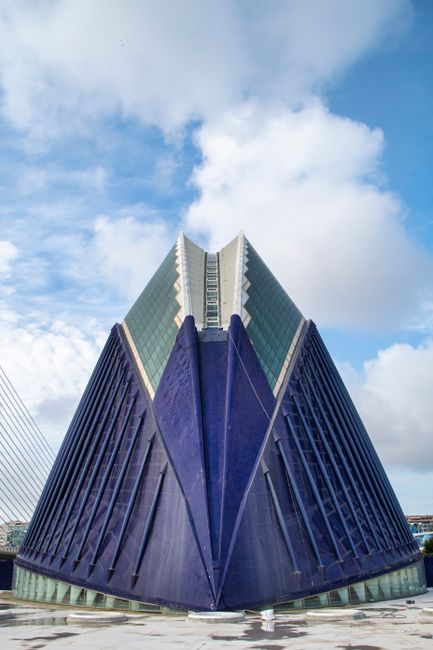
Valencia is Spain’s third city and its easiest-going one: a flat, sunny place where you cycle through a garden laid out in an old riverbed, eat paella where it was invented, spend the afternoon on a wide city beach and stay out late in Ruzafa or El Carmen. The Gothic old town and the white, futuristic City of Arts and Sciences are a bike ride apart. Give it three days, plus one for the Albufera lagoon or a day trip.
Right now in Valencia
- Wed 18–27°C 65–81°F Clear
- Thu 16–26°C 60–78°F Clear
- Fri 13–21°C 55–69°F Mostly clear
- Fri 9 Oct Day of the Valencian Community (Dia de la Comunitat Valenciana) · regional holiday in the Valencian Community
- Mon 12 Oct National Day of Spain (Fiesta Nacional de España)
Weather: MET Norway (CC BY 4.0) · Sea temperature: NOAA CoastWatch · Air quality: OpenAQ · Rates: ECB · Holidays: Nager.Date
Top tours in Valencia
See all tours for Valencia →
From local operators, with prices and reviews; you check availability and book on Viator, our partner. We may earn a commission at no extra cost to you. How we earn money
Valencia at a glance
- Best for: paella, city beaches, cycling, Gothic and modern architecture, the Fallas festival, relaxed nightlife.
- How long: 3 days for the city and the beach, 5 to add the Albufera and a day trip, 7 for more of the coast.
- Best time: April to June and late September to October; 15–19 March for the Fallas.
- Getting in: metro lines 3 and 5 from the airport in about 20 minutes; high-speed trains from Madrid in around two hours.
- Tourist tax: none. As of October 2026 there is no tourist tax in Valencia or anywhere in the Valencian Community.
- Before you go: entry rules, money and general safety are on our Spain travel guide.
Valencia’s neighbourhoods and who each one suits
The old town is wrapped by the Turia Gardens, a long park in the former riverbed that leads east to the City of Arts and Sciences. The port, the marina and the beaches line the coast a few kilometres away, linked to the centre by metro, tram and bus. Almost everything is flat.
Ciutat Vella and El Carmen
The old town holds the cathedral, the Silk Exchange, the Central Market and squares such as Plaza de la Virgen. El Carmen, its north-western quarter, is the bohemian part: street art, the medieval Serranos and Quart towers, and small bars that fill up late. Best for first-timers who want to walk everywhere; light sleepers should pick a quiet street.
Ruzafa (Russafa)
South of the North Station, Ruzafa is the city’s liveliest food-and-drink district: brunch cafés, wine bars, vintage shops, galleries and its own market. It comes alive in the evening, when people spill onto the pavements. Stay here to eat out a lot.
Eixample (Ensanche)
The 19th-century extension east of the old town has broad avenues, modernist buildings, the restored Colón market and the best shopping. Calmer than El Carmen or Ruzafa but still central, it suits families and older travellers.
El Cabanyal and the beach (Malvarrosa and Las Arenas)
The old fishermen’s quarter has long, narrow streets of low houses covered in colourful tiles, and some of the city’s most interesting places to eat. In front runs the promenade along Las Arenas, El Cabanyal and Malvarrosa beaches. Stay here for a beach holiday with a city attached; the old town is 20–30 minutes away by tram or bus.
Benimaclet
Near the universities, this former village still feels like one around its church square: young, relaxed and residential, with cheap bars and the open fields of the huerta (Valencia’s market gardens) just beyond. Good for longer stays and living like a local.
Ciutat de les Arts
The modern district around Calatrava’s buildings has big new hotels, wide pavements and easy access to the Oceanogràfic and the beach. It has less character and quieter nights, which suits families and anyone in town for an event.
Top things to see in Valencia
Prices and hours below were checked on the official sites in October 2026. They change by season, so check before you go.
City of Arts and Sciences
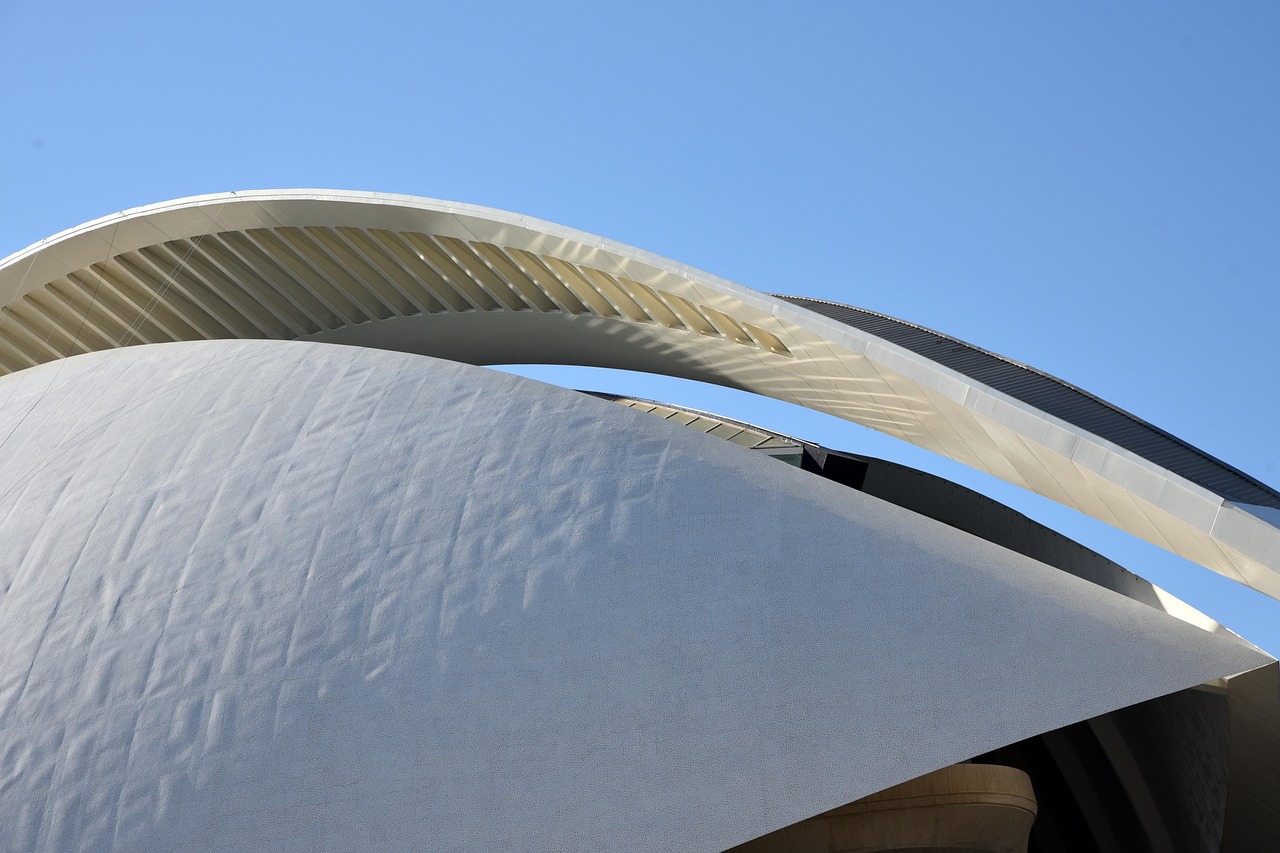
Santiago Calatrava’s white complex stretches for almost two kilometres along the old riverbed, its curved buildings reflected in shallow pools. Walking around outside is free and lovely at sunset. Inside are three paid attractions. The Oceanogràfic is the largest aquarium in Europe, with an underwater tunnel; allow three hours. As of October 2026 adults (13–64) pay €35.90 to €43.05 depending on the date, children aged 4–12 €26.65 to €31.95, and under-4s go free. Most days it opens at 10:00 and closes between 16:00 and 22:00. The Hemisfèric is a giant-screen cinema and planetarium with films of about 45 minutes, and the Museu de les Ciències is a hands-on science museum.
As of October 2026 a single ticket for the Hemisfèric or the museum starts at €8.90 (€6.90 reduced), and the “La Ciutat” ticket for all three, valid over one to three days, is €47.75 (€37.40 reduced) at mid-season prices. Buy online, as quieter days are cheaper. Tram line 10 and bus 95 stop nearby.
La Lonja de la Seda (Silk Exchange)
Built around 1500, when Valencia was one of the richest trading cities in the Mediterranean, the Silk Exchange has been a UNESCO World Heritage Site since 1996. Its Hall of Columns, with twisted stone pillars rising like palm trees, is one of Europe’s finest Gothic rooms. As of October 2026 entry is €2 (€1 reduced) and free on Sundays and holidays. It opens Monday to Saturday 10:00–19:00 and Sundays and holidays 10:00–14:00.
Valencia Cathedral and the Holy Grail chapel
The cathedral mixes Romanesque, Gothic and baroque styles. A side chapel keeps an agate cup that tradition holds to be the Holy Chalice of the Last Supper, and the visit includes Renaissance frescoes, Goya paintings and the cathedral museum, with an audio guide. As of October 2026 a ticket is €12, €6 reduced (ages 8–17, students, pensioners), €22 for a family, and free under 8. From October to June it opens Monday to Friday 10:30–18:30, Saturday 10:30–17:30 and Sunday 14:00–17:30. It closes to visitors on some holidays, including 19 March and 9 October.
The Micalet tower
The cathedral’s octagonal Gothic bell tower (Micalet in Valencian, Miguelete in Spanish) has 207 steps up a tight spiral to a view over the domes and out to the sea. It takes a separate ticket. As of October 2026 it opens daily from 10:00 to 18:45 between March and November, with last entry 45 minutes before closing.
Mercado Central
Opposite the Silk Exchange, this modernist hall of iron, glass and tiles is one of Europe’s great food markets. Stalls sell jamón, cheese, fruit from the huerta and every rice for paella, and a few bars serve tapas at the counter. As of October 2026 it opens Monday to Saturday 7:30–15:00 and is closed on Sundays. Come in the morning.
Turia Gardens
After a disastrous flood in 1957 the Turia was diverted south of the city, and the empty riverbed became a long park curving around the old town. It is Valencia’s living room: runners, cyclists, picnics under the palms and old stone bridges overhead, from Bioparc in the west to the City of Arts and Sciences in the east. Free and open all day.
Bioparc
At the western end of the gardens, Bioparc is an “immersion” zoo of African wildlife, where elephants, giraffes, gorillas and lemurs live in landscapes with hidden barriers. Allow half a day. Tickets started at €32.50 on the city’s official tourism shop in October 2026. Metro lines 3, 5 and 9 (Nou d’Octubre) and bus 95 get you there.
Other sights
- City of Arts and Sciences
- Mercat Central
Monuments
- Lonja de la Seda
Museums
- Institut Valencià d'Art Modern
- Museu de Belles Arts de València
- Valencian Museum of Ethnology
Protected areas
- La Albufera Natural Park
Beaches, paella and the Albufera
The city beaches
North of the port, Las Arenas, El Cabanyal, Malvarrosa and Patacona form more than three kilometres of wide, golden sand with a promenade behind. Las Arenas, by the marina, is the busiest; Malvarrosa is broad and family-friendly, with dozens of beach-volleyball courts; Patacona is quieter. In summer there are lifeguards, showers and free fitness classes on the sand, and the calm water suits paddle boarding. Tram lines 4 and 6 run to the beaches. For wilder sand, take EMT bus 24 south to El Saler, with dunes and pine woods inside the natural park. Our beaches guide covers what to bring.
A boat ride on the Albufera
About 10 kilometres south of the city, L’Albufera natural park surrounds Spain’s largest freshwater lake, ringed by rice fields. It is a protected wetland with more than 300 bird species, most numerous in autumn. The classic outing is a trip in a flat-bottomed wooden boat (an albuferenc), about 40 minutes across the lake and channels. Sunset is the favourite time, when the water turns red and gold, so book ahead. Most boats leave from the Gola de Pujol jetty and El Palmar. EMT bus 25 stops near the El Palmar jetty and bus 24 runs via El Saler; it is also an easy, flat bike ride. The city’s official tourism shop listed a boat trip with paella from €26 in October 2026. More ideas are in our boat trips guide.
Paella where it was born
Paella comes from the rice fields around the Albufera, and the village of El Palmar, on an island in the marshes, is the place to eat it. The traditional paella valenciana has chicken, rabbit, flat green beans and garrofó (a large white bean), cooked over a wood fire in a wide, shallow pan; seafood paella and black rice with squid ink are close cousins. Locals eat rice at lunch, not dinner, and most restaurants cook it to order for at least two, so expect a 20–30 minute wait. Also try all i pebre, a garlicky eel stew. Back in town, the beach restaurants at Las Arenas and Malvarrosa are the classic spot for Sunday paella; book at weekends.
Cycling the Turia and beyond
With more than 200 kilometres of bike lanes and no hills, Valencia is made for cycling. A classic loop follows the Turia Gardens to the City of Arts and Sciences, then the marina and the beach promenade. Rental shops cluster in the old town, Ruzafa and near the City of Arts and Sciences, and guided bike tours run daily. Do not ride on pavements, lock bikes only at racks, and under-16s must wear a helmet.
Activities and best months
- Beaches and swimmingCabanyal, Malvarrosa and Patacona form more than 3 km of golden-sand city beaches with full services and a promenade, used all year round. · source
Other things to do in Valencia
Horchata, tapas and long lunches
Valencia’s signature drink is horchata (orxata), a cold, sweet milk made from tiger nuts grown just north of the city, with fartons, soft finger pastries, for dipping. For tapas, order esgarraet (roasted pepper with salt cod), clóchinas (small local mussels, in early summer) and anything with local tomatoes. Lunch is the main meal, from about 14:00, and many restaurants offer a good-value weekday set menu.
Nights out in Ruzafa and El Carmen
Dinner starts around 21:00, drinks around 23:00. Ruzafa is best for wine bars and cocktails, El Carmen for old-school bars on small squares, and the marina for summer clubs. Plaza de la Virgen is lovely for a late drink between the cathedral and the basilica.
The Valencia Tourist Card
Sold by Visit València, the city’s official tourism body, the card combines unlimited public transport (EMT buses, metro and tram in zones A and B including the airport, Metrobus and commuter trains in zone AB) with free entry to 14 municipal museums and monuments, discounts and a free tapa and drink. As of October 2026 it costs €17 for 24 hours, €24 for 48 hours and €30 for 72 hours, 10% less online, and gives 20% off the cathedral. It activates on first use. A 7-day card without transport (€15) includes free cathedral entry.
Day trips from Valencia
Sagunto
Just north, Sagunto (Sagunt) has a Roman theatre, a long hilltop castle with sea views and an old Jewish quarter. Renfe commuter lines C5 and C6 run there. An easy half day.
Xàtiva
A handsome old town of fountains and palaces under a castle strung along a ridge, and the birthplace of two Borgia popes. Commuter line C2 runs from the North Station. The castle climb is steep, so go early.
Requena-Utiel wine country
Inland on a high plateau, the Utiel-Requena area grows the local Bobal grape, and many wineries open for tastings. Requena has a walled medieval quarter with cellars dug beneath it. Commuter line C3 heads that way, but a car or tour makes the wineries easier. See our wine-tasting guide.
Peñíscola
Up the coast, a walled old town on a rocky peninsula topped by a Templar castle, with long beaches either side. It is a long day out; better as an overnight stop on the way to Barcelona.
Altea and Benidorm
On the Costa Blanca to the south, Altea is a whitewashed hill town with a blue-domed church, and Benidorm next door is high-rise and all about its two long sandy beaches. Coaches run from Valencia’s bus station. Both are better for a night or two than a day.
Nearby destinations
- Benidorm106 km
- Peñíscola119 km
- Alicante125 km
- Ibiza165 km
- Formentera179 km
- Costa Daurada204 km
- Zaragoza246 km
- Sitges269 km
Getting there and getting around
Flying in
Valencia Airport (VLC) is in Manises, about 8 kilometres west of the city, with flights from across Spain and Europe. It handled a record 11.8 million passengers in 2025, according to AENA, so expect queues at peak times.
From the airport
- Metro: lines 3 and 5 leave every 15–20 minutes and reach the centre in about 20 minutes. As of October 2026 a single airport ticket is €4.80, plus €1.10 for a reusable cardboard card (€2.10 plastic). The Tourist Card covers it.
- Bus: Metrobus 150 leaves from outside arrivals and reaches the Central Market area in about 45 minutes, every 20–30 minutes, from 6:21 to 22:36 Monday to Saturday and 7:35 to 22:15 on Sundays (as of October 2026).
- Taxi: the rank is at arrivals; the city tourism office puts the fare to the centre at about €20.
By train
High-speed trains from Madrid (Renfe, Iryo and Ouigo) arrive at Joaquín Sorolla station, linked to the centre by metro lines 1 and 5 and a free Renfe shuttle bus. The fastest trains normally take under two hours, but speed restrictions on parts of Spain’s high-speed network in 2026 have slowed some services, so check the current timetable. Trains also run up the coast to Barcelona. The modernist North Station is the hub for commuter trains to Sagunto, Xàtiva, Buñol and Gandia. More on travelling around the country is in our Spain guide.
By ferry
Baleària and Trasmed sail from the port of Valencia to the Balearic Islands, including Ibiza and Palma de Mallorca; some crossings are overnight. Times change by season and ship, so check the operators. Buses 4 and 19 link the port with the centre.
Getting around the city
- Walking and cycling: the old town is compact and largely pedestrianised. Valenbisi, the public bike-share, has stations citywide and short-term subscriptions; check valenbisi.es for current terms.
- EMT buses: red city buses run from about 4:30 to 22:30, then night buses. As of October 2026 a single ticket on board is €2, with no transfers. Line 95 links Bioparc, the Turia, the City of Arts and Sciences and the marina.
- Metro and tram: single tickets from €1.50 (one zone) to €4.80 (airport), plus the card, as of October 2026. Trams 4 and 6 serve the beaches.
- Driving: not needed in the city, where parking is expensive. Rent a car only for wine country or the coast.
When to go and how long to stay
Valencia has a mild Mediterranean climate with about 2,700 hours of sunshine a year. The table uses AEMET’s official 1981–2010 climate normals for the Valencia city station: average daily highs and lows, and days with at least 1 mm of rain.
| Season | Average high / low | Rainy days per month | What it’s like |
|---|---|---|---|
| Spring (Mar–May) | 19–23 °C / 10–15 °C | 4–5 | Warm, sunny days and fresh evenings; Fallas in March; ideal for walking and cycling |
| Summer (Jun–Aug) | 27–30 °C / 19–22 °C | 1–3 | Hot and humid with warm nights; beach season; busiest in July and August |
| Autumn (Sep–Nov) | 28 °C falling to 20 °C / 19 °C falling to 11 °C | 4–5 | Warm sea in September and October; the wettest months, with occasional heavy storms |
| Winter (Dec–Feb) | 16–17 °C / 7–8 °C | 4–5 | Mild and often sunny; quiet and good value |
The city gets only about 475 mm of rain a year, but much of it falls in heavy autumn downpours (about 70–77 mm a month in September and October). These storms, called DANA or gota fría, can cause flash floods, as on 29 October 2024, when towns just south of the city were badly hit. Sights in the city and the Albufera are open, but in autumn check AEMET weather warnings and follow local advice.
Events worth planning around
- Las Fallas (15–19 March; in 2027, Monday 15 to Friday 19 March): Valencia’s fire festival, UNESCO Intangible Cultural Heritage since 2016. Hundreds of giant satirical monuments go up on the night of the 15th and burn on the night of the 19th. From 1 to 19 March a thunderous firework display, the mascletà, shakes the Plaza del Ayuntamiento at 14:00, and on 17 and 18 March falleros in traditional dress carry flowers to the Virgin. Book months ahead.
- La Tomatina, Buñol (last Wednesday of August): an hour-long tomato fight, 12:00 to 13:00, about 40 km west of Valencia, reached by commuter line C3. Entry is by official ticket only, capped at 22,000 people; the 2026 basic ticket cost €15 on the town council’s site, latomatina.info. By the usual rule, 2027’s would fall on 25 August; confirm on the official site.
- 9 October: Valencian Community Day, with a civic procession; the cathedral closes to visitors.
- Christmas: lights, markets and mild weather; many sights close on 25 December and 1 and 6 January.
How long to stay: 3-, 5- and 7-day plans
3 days: day 1, the Central Market at 9:00, the Silk Exchange, the cathedral and the Micalet, then an evening in El Carmen. Day 2, cycle the Turia to the City of Arts and Sciences, then on to the beach for a late paella. Day 3, Ruzafa in the morning and an Albufera sunset boat ride. 5 days: add Bioparc, El Cabanyal and a beach afternoon, then a day in Xàtiva, Sagunto or wine country. 7 days: spend two nights in Altea or Peñíscola, or take a ferry to Ibiza or Mallorca.
Weather month by month
Averages from AEMET normals 1991–2020, Valencia · Last reviewed 4 Oct 2026
Where to stay in Valencia
- Ciutat Vella / El Carmen: the most atmospheric first-visit base; ask for a quiet room.
- Ruzafa: for food lovers and night owls, close to both train stations.
- Eixample: calm, elegant and central; good for families.
- Las Arenas, Malvarrosa and El Cabanyal: seafront hotels and apartments, with the tram into town.
- Ciutat de les Arts: modern hotels and quiet nights near the Oceanogràfic.
There is no tourist tax to add as of October 2026. Prices jump during the Fallas and in July and August.
Practical tips for Valencia
- Two languages: Valencian and Spanish are both official, so names often appear twice (Russafa/Ruzafa, Llotja/Lonja).
- Sundays: the Silk Exchange is free, but the Central Market and many shops close. Make it a beach and paella day.
- Eat on Valencian time: rice at lunch, dinner from 21:00.
- Summer heat: sightsee in the morning and hit the beach late in the day.
- Watch your bag: pickpockets work busy squares, beaches and the metro, especially during the Fallas.
What to pack for Valencia
Sunscreen, sunglasses, a hat and a refillable bottle most of the year, plus swimwear and a beach towel from May to October. Light, breathable clothes help in the humid summer; from November to March add a sweater or light jacket for cool evenings. Bring comfortable shoes for walking and cycling, earplugs for the Fallas, and old clothes, grippy shoes and swimming goggles for the Tomatina.
What to pack
- Day packs and anti-theft bagsCarries water, towel and sunscreen down the long stairways to Algarve coves.
- Dry bags and phone pouchesProtects phones and cameras from sand and spray on beaches reached by ferry or steep paths.
- Quick-dry beach towelsA sand-shedding quick-dry towel packs small for beach days and lido visits.
- Reef-friendly sunscreenSummer UV is strong on Portuguese beaches and there is little shade below the cliffs.
- Water shoesRocky coves, lava pools and weever fish in shallow sand make water shoes useful.
- WetsuitsOn the west and north coasts the sea stays around 16–18 °C even in summer, so a thin suit helps for long swims.
Valencia travel FAQ
Is there a tourist tax in Valencia?
No. As of October 2026 there is no tourist tax in Valencia or anywhere in the Valencian Community. A regional tax was passed in 2022 but repealed in November 2023, before it took effect. The city’s mayor has said she favours one, but the regional government has rejected it.
How many days do you need in Valencia?
Three days covers the old town, the City of Arts and Sciences, the beach and an Albufera sunset. Five days adds Bioparc and a day trip.
What is the best time to visit Valencia?
April to June and late September to October, with average highs of about 21–28 °C. July and August are hot and humid but great for the beach. Come 15–19 March for the Fallas.
How do I get from Valencia airport to the city centre?
Metro line 3 or 5 takes about 20 minutes; as of October 2026 a single ticket is €4.80 plus €1.10 for the card. Metrobus 150 takes about 45 minutes, and a taxi costs about €20.
How much does the City of Arts and Sciences cost?
The outside is free. As of October 2026 the Oceanogràfic costs €35.90 to €43.05 for adults depending on the date, the Hemisfèric or science museum from €8.90, and all three €47.75 at mid-season prices.
Where is the best place to eat paella?
El Palmar in the Albufera, where paella was born, or the beach restaurants at Las Arenas and Malvarrosa. Order it at lunch and expect it cooked to order for two or more.
Can you swim at Valencia’s city beaches?
Yes. Las Arenas, El Cabanyal, Malvarrosa and Patacona have wide sand, usually calm water and lifeguards in summer.
How do I get to the Albufera?
Take EMT bus 25 to El Palmar or bus 24 via El Saler, or cycle on flat roads. Boat trips last about 40 minutes; book ahead for sunset.
When are the Fallas in 2027?
Monday 15 to Friday 19 March 2027, with the burning on the night of the 19th. Daily mascletà displays run from 1 March at 14:00.
Do you need tickets for the Tomatina?
Yes. Entry to the tomato fight in Buñol is by official ticket, capped at 22,000 people; in 2026 the basic ticket was €15 on latomatina.info. It is held on the last Wednesday of August.
Is the Valencia Tourist Card worth it?
If you ride public transport a lot, including the airport metro, yes. As of October 2026 it costs €17, €24 or €30 for 24, 48 or 72 hours (10% less online). If you mostly walk and cycle, single tickets are cheaper.
Sources
- © OpenStreetMap contributors · ODbL · fetched 3 Oct 2026
- Wikidata · CC0 · fetched 3 Oct 2026
Sources and last review
Researched and last reviewed on 3 October 2026. Climate figures come from AEMET’s 1981–2010 normals for the Valencia station; transport details and fares from Visit València, the city’s official tourism foundation; the tourist tax position from the Generalitat Valenciana’s Decree-Law 12/2023; and prices and hours from the official sites of the Oceanogràfic, the City of Arts and Sciences, Valencia Cathedral, the Mercado Central and the Buñol town council’s Tomatina site. Prices, hours and timetables change, so check the official links before you go.
Plan your trip
Partner links: TravelerCenter may earn a commission if you book, at no extra cost to you.
🇪🇸 Useful Spanish phrases for Valencia
All 38 Spanish phrases: restaurant, hotel, emergencies, romance (printable) →