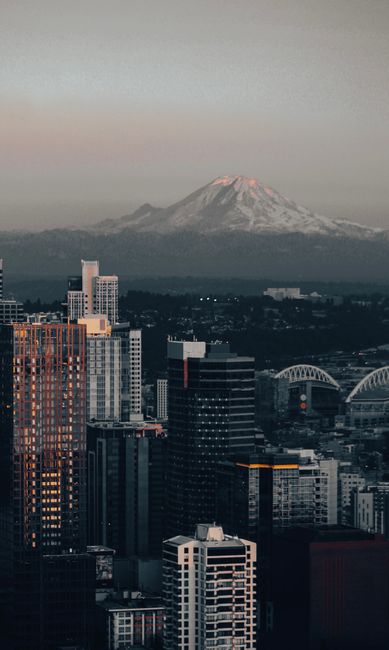
Washington, D.C., the capital of the United States, is a planned city of wide avenues, white marble monuments and green space on the Potomac River. At its heart, the National Mall runs two miles (3 km) from the Capitol to the Lincoln Memorial, lined with the Smithsonian’s museums, almost all of them free. Beyond the Mall are lively neighborhoods such as Georgetown, Capitol Hill, Dupont Circle and U Street, and just across the river lie Arlington National Cemetery and, a short drive south, George Washington’s estate at Mount Vernon. The city is compact, walkable and served by a good Metro system. Spring and fall are the best seasons; summers are hot and humid.
Right now in Washington, D.C.
- Tue 9–17°C 48–62°F Clear
- Wed 9–21°C 48–70°F Clear
- Thu 13–24°C 55–76°F Clear
- Mon 12 Oct Columbus Day
Weather: MET Norway (CC BY 4.0) · Air quality: OpenAQ · Holidays: Nager.Date
Top tours in Washington, D.C.
See all tours for Washington, D.C. →
From local operators, with prices and reviews; you check availability and book on Viator, our partner. We may earn a commission at no extra cost to you. How we earn money
Washington, D.C. at a glance
- Best for: free world-class museums, monuments and memorials, American history and politics, and leafy neighborhood walks.
- How long: 3 days for the Mall, the Capitol and the main museums; 4–5 days to add Arlington, Mount Vernon and Georgetown.
- Best time: late March to early April for the cherry blossoms, and September to early November. July averages a high of about 90 °F (32 °C).
- Getting there: Reagan National (DCA) by Metro, Dulles (IAD) on the Silver Line, Baltimore/Washington (BWI) by train; Amtrak to Union Station.
- Getting around: on foot on the Mall, and by Metrorail and Metrobus. Tap a contactless card or phone, or use a SmarTrip card.
- Before you go: entry rules and ESTA, money, tipping and driving are in our United States travel guide.
Washington’s neighborhoods and who each one suits
The District of Columbia is divided into four quadrants (NW, NE, SW and SE) meeting at the Capitol, so always check the quadrant in an address. Most of what visitors want is in Northwest and around the Mall.
Downtown and Penn Quarter
Just north of the Mall, between the White House and the Capitol: big hotels, restaurants, theaters, the Capital One Arena and the Smithsonian American Art Museum and National Portrait Gallery. The most convenient base for a first visit, with several Metro lines; quiet in parts after office hours.
Capitol Hill
Rows of 19th-century townhouses behind the Capitol, the Library of Congress and the Supreme Court, with Eastern Market’s food stalls and weekend flea market. Residential and pleasant, with a few small hotels and Union Station on its edge.
Georgetown
The old port town on the Potomac, older than the capital itself, with cobbled streets, Federal-style houses, the C&O Canal towpath, waterfront restaurants and shopping on M Street. Charming but not on the Metro; use buses, the bike share or a taxi.
Dupont Circle, Logan Circle and U Street
Dupont Circle has Embassy Row, galleries and cafés; Logan Circle and 14th Street have many of the city’s best restaurants and bars; U Street and Shaw, historic centers of Black culture, are known for live music and the soul food at Ben’s Chili Bowl. Good for couples and night owls.
The Wharf, Navy Yard and Arlington
The Wharf on the Southwest waterfront and Navy Yard, by the Nationals’ baseball park, are newer districts with riverside promenades, restaurants and modern hotels. Across the river in Virginia, Arlington (Rosslyn, Crystal City) often has lower hotel rates and quick Metro rides to the Mall.
Top things to see in Washington, D.C.
Prices, hours and booking rules below were checked on the official sites in October 2026, unless we say otherwise; check again before you go. Many free sights use timed-entry passes, so plan a few bookings ahead.
Federal sites and funding: the Smithsonian museums, the Capitol and the National Park Service memorials depend on federal funding. In October 2025 a lapse in funding closed the Smithsonian museums for several weeks. As of early October 2026, a law signed on 2 September 2026 funds federal agencies through 11 December 2026, and the official pages we checked showed normal opening. If funding lapses again, museums and visitor services can close at short notice, while the outdoor memorials usually stay accessible.
The National Mall and the memorials
The Mall and its memorials are run by the National Park Service, free and open around the clock; they are at their most striking lit up at night. From the Capitol, walk west past the museums to the Washington Monument, then on to the World War II Memorial, the Reflecting Pool and the Lincoln Memorial, with its seated statue of Lincoln and the steps where Martin Luther King Jr. gave his “I Have a Dream” speech. Nearby are the Vietnam Veterans Memorial wall, the Korean War Veterans Memorial and, around the Tidal Basin, the Martin Luther King Jr., Franklin Delano Roosevelt and Jefferson memorials. A full loop is about 4–5 miles (6–8 km); wear comfortable shoes or rent a bike.
The Washington Monument
The marble obelisk, more than 555 feet (169 m) tall, has an elevator to an observation level with views of the Capitol, the White House, the Lincoln Memorial and Arlington. According to the NPS, it opens daily 9 a.m.–5 p.m., closing on July 4, December 25 and one day a month for maintenance (in the rest of 2026: October 5, November 4 and December 8). Everyone aged 2 and over needs a timed ticket. Advance tickets are released on Recreation.gov 30 days ahead at 10 a.m., for a non-refundable $1 fee per ticket; free same-day tickets are handed out from 8:45 a.m. at the Washington Monument Lodge on 15th Street, up to six per person, and usually run out early. Arrive 15 minutes before your time for security; no food or large bags. Allow about an hour.
The Smithsonian museums
The Smithsonian Institution runs most of the museums on and near the Mall, and admission is free. Most open daily from 10 a.m. to 5:30 p.m. and close only on December 25. The highlights:
- National Air and Space Museum: the Wright Flyer, the Apollo 11 command module and the Spirit of St. Louis. As of October 2026 free timed-entry passes are required for everyone, whatever their age, up to nine per booking. Its larger companion, the Udvar-Hazy Center near Dulles airport, has the Space Shuttle Discovery.
- National Museum of African American History and Culture (NMAAHC): one of the most moving museums in the country, from slavery to civil rights and music. The museum says free timed-entry passes are required: advance passes are released 30 days ahead, and same-day passes online at 8:15 a.m. Eastern Time. Start at the bottom, in the history galleries, and allow at least three hours.
- National Museum of Natural History: the Hope Diamond, dinosaur fossils and the giant squid; no passes needed.
- National Museum of American History: the Star-Spangled Banner flag, Dorothy’s ruby slippers and the First Ladies’ gowns.
- Smithsonian American Art Museum and National Portrait Gallery: one grand building in Penn Quarter with the presidential portraits, open later than the Mall museums.
The National Gallery of Art, with the only Leonardo da Vinci painting in the Americas, is not part of the Smithsonian but is also free. Expect airport-style bag checks at every museum entrance.
The U.S. Capitol
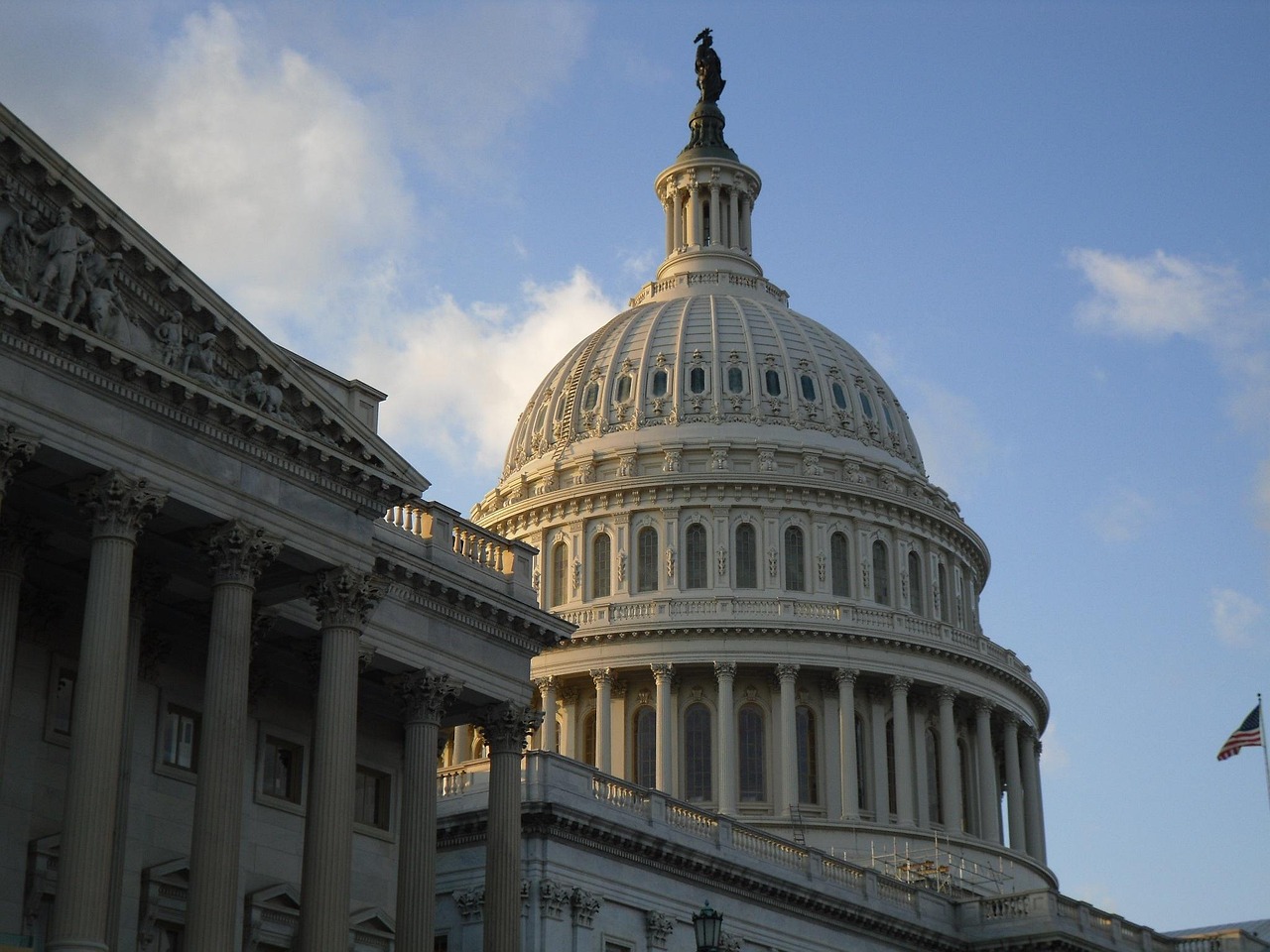
The domed home of Congress can be visited only on a free guided tour, which starts at the underground Capitol Visitor Center on the east side and covers the Crypt, the Rotunda and National Statuary Hall (not the Senate and House galleries). As of October 2026 the Visitor Center opens Monday to Saturday, 8:30 a.m.–4:30 p.m., with the last tour at 3:20 p.m.; it closes on Sundays, Thanksgiving, Christmas, New Year’s Day and Inauguration Day. Reserve timed passes on the Visitor Center’s website; a few same-day passes may be available if you arrive early, no later than 2:30 p.m. Check the prohibited-items list, which includes food and drinks. Across the street, the Library of Congress’s Thomas Jefferson Building has one of the most beautiful interiors in the city.
The White House
Public tours of the White House are free but must be arranged in advance. US citizens request a tour through their Member of Congress (Representative or Senator); international visitors should contact their country’s embassy in Washington for help. According to the White House, requests can be made 7–90 days before the date; the NPS advises at least 21 days, and tours are first come, first served, so ask as early as you can. Self-guided tours of the State Floor rooms (the East Room, Blue, Red and Green Rooms and State Dining Room) generally run Tuesday to Thursday 7:30–11:30 a.m. and Friday and Saturday 7:30 a.m.–1:30 p.m., and can be cancelled at short notice. Adults need a REAL ID-compliant ID or a passport matching their request. Without a tour, see the north side from Lafayette Square, the south side from the Ellipse, and the exhibits at the White House Visitor Center. In 2026 the White House announced free Fall Garden Tours on October 17 and 18, with timed tickets handed out from 8:30 a.m. outside the Visitor Center.
Arlington National Cemetery
Across Memorial Bridge in Virginia, the nation’s best-known military cemetery holds more than 400,000 graves on the hills below Arlington House. Visit the grave of John F. Kennedy and its eternal flame, and watch the Changing of the Guard at the Tomb of the Unknown Soldier. Entry is free. According to the cemetery, it opens daily from 8 a.m. to 5 p.m. from October to March (longer in summer). It is a working cemetery with funerals every day, so be quiet and respectful. Take the Metro Blue Line to the Arlington Cemetery station; a narrated tram tour (paid) helps on the steep paths.
More to see
- Eastern Market: a 19th-century market hall on Capitol Hill with food stalls, and arts and flea markets at weekends.
- Washington National Cathedral: a vast Gothic cathedral in Northwest D.C., with a Darth Vader gargoyle.
- The National Archives: the original Declaration of Independence, Constitution and Bill of Rights.
- The National Zoo: a free Smithsonian zoo in Rock Creek Park.
Other things to do in Washington, D.C.
Cycling, walking and the river
Capital Bikeshare has stations all over the city, and the Mall is flat and easy to ride. The Mount Vernon Trail follows the Virginia bank of the Potomac all the way to Mount Vernon, and the C&O Canal towpath starts in Georgetown. Rock Creek Park offers forest trails inside the city. Kayaks and paddleboards can be rented in Georgetown and at the Wharf in the warmer months. See our cycling, hiking and city sightseeing guides.
Day trips and onward travel
George Washington’s Mount Vernon
The first president’s plantation home sits above the Potomac about 15 miles (24 km) south of the city, run by the private Mount Vernon Ladies’ Association. Visit the mansion, the outbuildings, the gardens, the tomb of George and Martha Washington, and the memorial to the enslaved people who lived and worked there. The estate lists general admission at $30 for adults (12+) and opens every day of the year, 9 a.m.–5 p.m. from April to October and 9 a.m.–4 p.m. from November to March; book timed tickets online. Get there by car, by bike on the Mount Vernon Trail, or by Metro to Huntington and a Fairfax Connector bus; seasonal boats also run from the Wharf and Old Town Alexandria.
Old Town Alexandria, Annapolis and further afield
Old Town Alexandria, Virginia, a few Metro stops south, has colonial brick streets, a waterfront and the Torpedo Factory art center. Annapolis, Maryland’s sailing capital and home of the US Naval Academy, is about an hour east. Amtrak trains from Union Station reach Baltimore in under an hour, Philadelphia in about two hours and New York in about three; see our New York City travel guide. Shenandoah National Park’s Skyline Drive, about two hours west by car, is spectacular in fall color.
Nearby destinations
- Shenandoah National Park121 km
- Philadelphia199 km
- Virginia Beach246 km
Getting there and getting around
From the airports
Ronald Reagan Washington National (DCA), across the river in Virginia, is the closest airport, about 3 miles (5 km) from downtown, mainly for flights within North America. Its Metrorail station (Blue and Yellow lines) is connected to Terminal 2 by enclosed walkways; from Terminal 1, take the free airport shuttle bus. The ride to downtown takes about 15–20 minutes.
Washington Dulles International (IAD), about 26 miles (42 km) west in Virginia, handles most international flights. The Silver Line Metrorail station is linked to the main terminal by an underground walkway with moving sidewalks; trains run straight to downtown in roughly 50–60 minutes, at the top Metro fare at peak times. Baltimore/Washington International (BWI), about 30 miles (48 km) northeast in Maryland, often has cheaper flights: a free 24-hour shuttle bus links the terminal with the BWI rail station, where MARC commuter trains and Amtrak run to Union Station.
By train and bus
Union Station, a grand 1907 terminal by Capitol Hill, is the arrival point for Amtrak trains from New York, Philadelphia, Boston and the South, and for MARC and Virginia Railway Express commuter trains. Long-distance buses also stop nearby. The Red Line Metro stops inside the station.
Metrorail, Metrobus and fares
WMATA’s Metrorail has six color-coded lines covering the city and nearby Virginia and Maryland. Fares depend on distance and time: as of October 2026, a rail trip costs $2.25 to $6.75 on weekdays from opening to 9:30 p.m., and $2.25 to $2.50 on weekday evenings and at weekends; Metrobus costs $2.25. Tap a contactless bank card, phone or SmarTrip card at the gate both when you enter and when you leave, using the same card. Unlimited passes cost $13.50 for 1 day, $33.75 for 3 days and $60.75 for 7 days, loaded on a SmarTrip card (new cards cost $2 extra). Reduced fares are available for seniors and riders with disabilities.
Driving and parking
You do not need a car in central D.C. The NPS warns that parking near the Mall is limited and fills quickly, especially in spring and summer, and garage parking is expensive and taxed at 18%. Use the Metro, the bike share, ride-hailing or your feet. A car is useful only for Shenandoah and for Mount Vernon if you do not want to take the bus.
When to go and how long to stay
Washington has hot, humid summers, mild springs and falls, and cool winters with a little snow. The table uses NOAA’s 1991–2020 climate normals for the Reagan National Airport (DCA) weather station: average daily highs and lows, and days with at least 0.1 inch (2.5 mm) of rain or melted snow.
| Season | Average high / low | Wet days per month | What it’s like | Good for |
|---|---|---|---|---|
| Winter (Dec–Feb) | 45–49 °F (7–9 °C) / 30–35 °F (−1 to 1 °C) | 5.5–6.5 | Cool to cold, occasional snow | Museums without the crowds, low hotel rates |
| Spring (Mar–May) | 57–77 °F (14–25 °C) / 39–58 °F (4–14 °C) | 6.5–7.5 | Mild, with cherry blossoms in late March or early April | Blossoms, monuments, walking |
| Summer (Jun–Aug) | 85–90 °F (29–32 °C) / 68–72 °F (20–22 °C) | 5.5–6.5 | Hot and humid, afternoon thunderstorms | Air-conditioned museums, July 4 fireworks |
| Fall (Sep–Nov) | 81 °F falling to 58 °F (27–15 °C) / 64 °F falling to 42 °F (18–5 °C) | 5–6 | Warm September, clear and comfortable October | Sightseeing, fall color day trips |
Reagan National gets about 42 inches (1,060 mm) of precipitation a year and an average of about 14 inches (35 cm) of snow, mostly from December to February.
Cherry blossom season
The Yoshino cherry trees around the Tidal Basin are Washington’s most famous sight. The National Park Service defines peak bloom as the day when 70% of the blossoms are open; it is most likely between the last week of March and the first week of April, but has fallen as early as March 15 (1990) and as late as April 18 (1958). In 2026 it came on March 26, and in 2025 on March 28. The blossoms usually last only several days, and the NPS says the date can hardly be forecast more than 10 days ahead, so stay flexible. The National Cherry Blossom Festival runs for several weeks around the bloom. Hotels fill and prices rise, so book early.
How long to stay: 3, 4 and 5 days
3 days: day one, a Capitol tour, the Library of Congress and the Mall museums; day two, the Washington Monument, the memorials and the Tidal Basin, then the monuments lit up at night; day three, NMAAHC or Air and Space, then Georgetown. 4 days: add Arlington National Cemetery and a night on U Street or 14th Street. 5 days: add Mount Vernon and Old Town Alexandria.
Where to stay in Washington, D.C. and the hotel tax
- Downtown and Penn Quarter: the most central, close to the Mall and the Metro.
- Capitol Hill: quieter, near the Capitol and Union Station.
- Dupont Circle and Logan Circle: restaurants and nightlife, a short Metro ride to the Mall.
- Georgetown and the Wharf: waterfront charm, upmarket hotels.
- Arlington, Virginia: often cheaper, with Metro links to the Mall and Reagan airport.
Rates rise sharply during the cherry blossoms, big conferences and inaugurations, and are often lower at weekends and in July, August and winter, when Congress is in recess or the weather is less appealing. Room rates are quoted before tax. According to the District’s Office of Tax and Revenue, hotel stays in D.C. carry a 15.95% sales tax on transient accommodations, a temporary rate extended through 30 September 2027. Some hotels add a nightly “amenity” or “destination” fee on top, so check the full price. Hotels across the river in Virginia and Maryland charge their own local rates.
Practical tips for Washington, D.C.
- Book the free passes: the Washington Monument, Air and Space, NMAAHC and the Capitol all use timed passes; the White House needs weeks of notice.
- Sales tax: prices exclude D.C.’s sales tax, 6% on most goods and 10% on restaurant meals, as of October 2026.
- Tipping: 18–22% is usual at sit-down restaurants; more in our United States travel guide.
- Security: every federal building and museum has bag screening; travel light and leave knives, aerosols and large bags behind.
- Tap out on the Metro: you must tap your card when leaving the station too, or you will be charged the maximum fare.
- Emergencies: call 911; for city services, 311.
What to pack for Washington, D.C.
Comfortable walking shoes are essential: the Mall is big, and a day of museums and memorials easily adds up to 8 miles (13 km). In summer bring light, breathable clothes, a hat, sunscreen and a refillable water bottle, as the Mall has little shade, plus a light layer for the cold museums. In spring and fall pack layers and a light rain jacket; in winter, a warm coat and gloves. Carry a small bag to speed up security. Bring the ID you used to book any White House or Capitol tour.
Washington, D.C. travel FAQ
Are the Smithsonian museums free?
Yes, all the Smithsonian museums in Washington are free, as is the National Gallery of Art. Air and Space and NMAAHC require free timed-entry passes, booked online.
How do I get tickets for the Washington Monument?
Book on Recreation.gov up to 30 days ahead ($1 fee per ticket, released at 10 a.m.), or get free same-day tickets from 8:45 a.m. at the Washington Monument Lodge on 15th Street while they last.
Can foreigners tour the White House?
Yes. International visitors should contact their embassy in Washington to request a tour; US citizens apply through their Member of Congress. Apply as early as possible, up to 90 days ahead, and bring your passport.
How do I tour the U.S. Capitol?
Reserve a free guided tour on the Capitol Visitor Center website. Tours run Monday to Saturday, with the last at 3:20 p.m.; a few same-day passes may be available if you arrive before 2:30 p.m.
When do the cherry blossoms bloom in D.C.?
Peak bloom usually falls between the last week of March and the first week of April; it was March 26 in 2026. The National Park Service posts updates as the buds develop.
How do I get from Dulles airport to downtown?
Take the Metro Silver Line from the airport station, reached through a walkway from the main terminal. It runs straight to downtown in roughly an hour; tap a contactless card or SmarTrip in and out.
How much is the Metro in Washington?
As of October 2026, $2.25 to $6.75 per rail trip on weekdays, depending on distance, and $2.25 to $2.50 in the evenings and at weekends. A 1-day unlimited pass costs $13.50.
What is the hotel tax in Washington, D.C.?
15.95% of the room rate as of October 2026, a temporary rate extended through September 2027. Some hotels add a nightly amenity fee.
Will a government shutdown close the museums?
Federal funding runs through 11 December 2026. If it lapses, Smithsonian museums and federal visitor services can close after a short time, as in October 2025, while open-air memorials usually remain accessible.
How many days do I need in Washington, D.C.?
Three days covers the Capitol, the memorials and two or three museums. Four or five days lets you add Arlington, Georgetown and Mount Vernon.
Sources and last review
Researched and last reviewed on 4 October 2026. Washington Monument hours and tickets, the memorials and cherry blossom data: the National Park Service; Smithsonian museums and passes: the Smithsonian and the museums’ own sites; Capitol tours: the U.S. Capitol Visitor Center; White House tours and the 2026 Fall Garden Tours: the White House and the National Park Service; federal funding: the White House record of H.R. 6500; Arlington National Cemetery: the cemetery; Mount Vernon: the Mount Vernon Ladies’ Association; airports: the Metropolitan Washington Airports Authority and BWI Marshall Airport; Metro fares: WMATA; hotel and sales taxes: the D.C. Office of Tax and Revenue; climate: NOAA’s 1991–2020 normals for Reagan National Airport. Some museum hours and the Mount Vernon price come from summaries of official pages that blocked direct reading, and journey times are general references; all are flagged for checking. Prices and hours change, so check the official sites before you go. For entry rules, ESTA, tipping and driving, see our United States travel guide.
Plan your trip
Partner links: TravelerCenter may earn a commission if you book, at no extra cost to you.