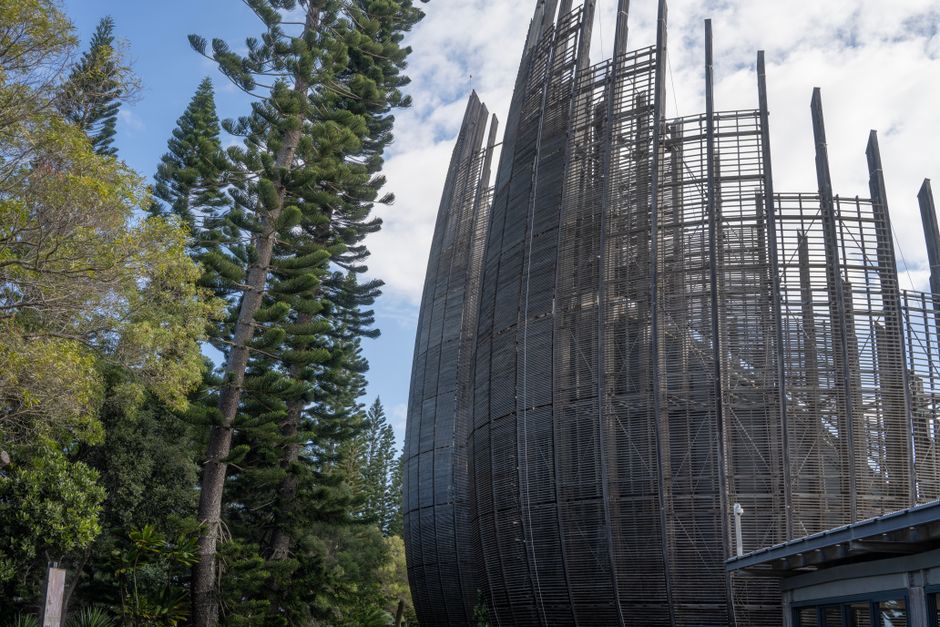
New Caledonia is a French territory in the southwest Pacific, about 1,500 km (930 miles) east of Australia and 1,800 km (1,100 miles) north of New Zealand. Its main island, Grande Terre, is long and mountainous, with red earth, pine forests, cattle country and empty beaches on the west coast and waterfalls and Kanak villages on the wetter east. It is surrounded by one of the world’s largest lagoons, protected by a barrier reef more than 1,500 km (930 miles) long and inscribed on the UNESCO World Heritage List. Most visitors start in Nouméa, the cosmopolitan capital, with its beaches, French cafés and the Tjibaou Cultural Centre, then head for the islands: the Isle of Pines with its tall columnar pines and white sand, and the Loyalty Islands of Lifou, Maré and Ouvéa. Kanak culture, French language and food, and influences from Wallis and Futuna, Vietnam, Indonesia and Tahiti mix here. New Caledonia has been through a difficult period since civil unrest in 2024, and its political future is still being negotiated; this guide sets out the current situation for travelers. The cooler, drier months from about September to November are the most pleasant time to visit.
Right now in New Caledonia
- Wed 17–25°C 62–76°F Clear
- Thu 19–24°C 65–76°F 3 mm Showers
- Fri 20–26°C 67–79°F 2 mm Showers
Weather: MET Norway (CC BY 4.0)
Multi-day tours of New Caledonia
Multi-day tours from local operators. You check dates and book on Viator, our partner; we may earn a commission at no extra cost to you. How we earn money
New Caledonia at a glance: a French territory with a unique status
New Caledonia is a special collectivity of France with wide autonomy under the Nouméa Accord of 1998: it has its own Congress, government and laws in many areas, and three provinces, the South, the North and the Loyalty Islands, while France keeps responsibility for defense, justice, public order and foreign affairs. It is not part of the Schengen area or the European Union and has its own entry rules.
- Capital: Nouméa, in the South Province, on a peninsula of Grande Terre’s southwest coast.
- Population and size: about 270,000 people on 18,576 km² (7,172 sq miles) of land; about two-thirds live in Greater Nouméa. Kanaks, the Indigenous Melanesian people, are the largest community, followed by Europeans, Wallisians and Futunians, and people of Asian and other Pacific origin.
- Languages: French is the official language; 28 Kanak languages are spoken, including Drehu (Lifou), Nengone (Maré) and Paicî. English is spoken in many hotels and tourist businesses in Nouméa.
- Currency: the CFP franc (XPF), the same currency as in French Polynesia, fixed at 1,000 XPF = €8.38. In early October 2026, 1,000 XPF was worth about US$9.40.
- Time zone: UTC+11 all year, with no daylight saving time.
- Driving: on the right.
- Entry: Australians, New Zealanders, Europeans and many other nationalities can visit without a visa for up to 90 days in any 180-day period; travel insurance is required for most visitors.
- Emergency numbers: 15 for medical emergencies, 17 for police, 18 for fire; 112 also works from mobile phones.
New Caledonia’s regions
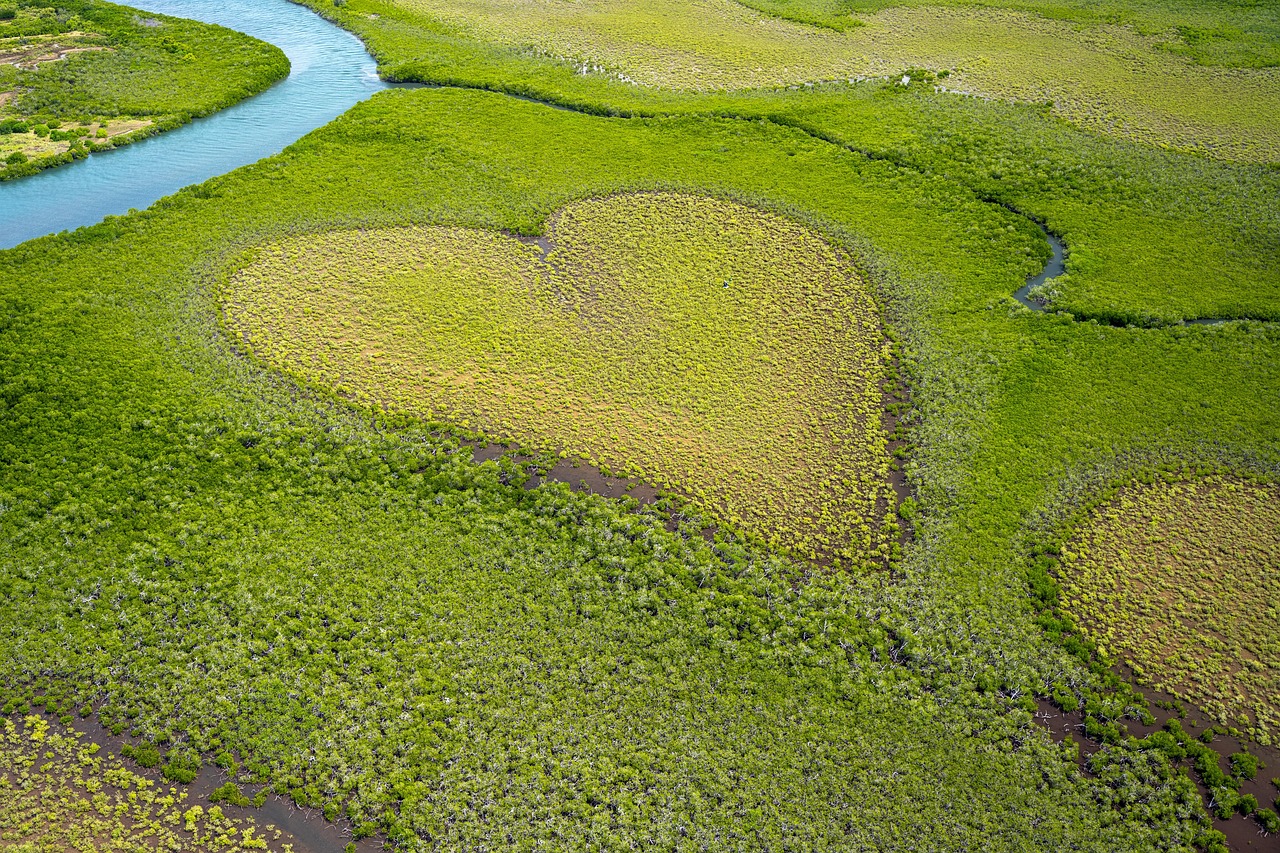
Greater Nouméa has most of the hotels, restaurants and services. The rest of the South Province includes the Blue River Provincial Park and the wild “Great South” of red earth and lakes, the Isle of Pines and the west coast around La Foa and Bourail. The North Province has the cattle country and mangroves of the west coast, including the famous Heart of Voh, and the green, mountainous east coast around Hienghène. The Loyalty Islands to the east, Maré, Lifou, Tiga and Ouvéa, are raised coral islands where land is held under Kanak customary tenure.
Where to go: Nouméa, the islands and Grande Terre
Nouméa
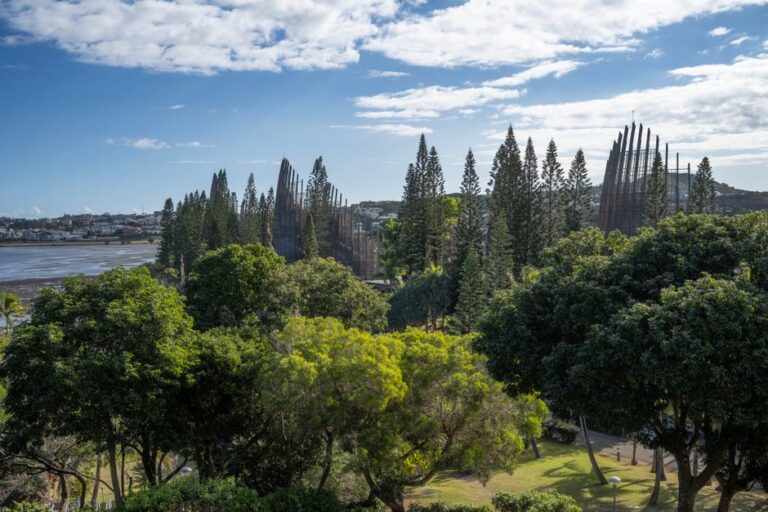
Nouméa is a laid-back, French-flavored city of bays and beaches. Anse Vata and the Baie des Citrons have beaches, bars and restaurants; the Tjibaou Cultural Centre, designed by Renzo Piano, celebrates Kanak culture; the Aquarium des Lagons, the New Caledonia Museum and the morning market at the port are all worth a visit. Water taxis run from Anse Vata to the islets of Île aux Canards and Îlot Maître, and day cruises sail to the Amédée Lighthouse.
The Isle of Pines
The Isle of Pines (Île des Pins), about 120 km (75 miles) southeast of Nouméa, is often called the “closest island to paradise”: bays of fine white sand fringed with tall, slender columnar pines, the natural swimming pool of Oro Bay, the Kuto and Kanumera beaches, caves and the remains of a 19th-century penal colony. Traditional pirogues (outrigger sailing canoes) take visitors across Upi Bay. It is reached by a 30-minute flight or about two to three hours by fast ferry.
The Loyalty Islands
Lifou, the largest, has cliffs, caves, vanilla farms and the snorkeling bay of Jinek; Maré has rugged cliffs, natural pools and blowholes; and Ouvéa has one of the longest beaches in the Pacific, about 25 km (16 miles) of white sand on a turquoise lagoon. Accommodation is mostly in small hotels, campsites and tribal guesthouses, where visitors stay with Kanak families. Customary rules apply: some sites need a customary gesture (coutume) or a local guide.
Grande Terre
A road trip around Grande Terre reveals a different New Caledonia: the Blue River Provincial Park, with its giant kauri trees, rivers and the endangered kagu, the flightless national bird; the beaches, surf and turtles of Bourail and the Roche Percée; the ranches and rodeos of the west coast; and the dramatic Hienghène coast in the northeast, with the black limestone towers of the Lindéralique Rocks and the “Brooding Hen” rock in the bay. Allow a week or more.
Nouméa Travel Guide
Plan a trip to Nouméa, New Caledonia: Anse Vata and the Baie des Citrons, the Tjibaou Cultural Centre, the New Caledonia Museum and the…
Where to stay: hotels, overwater bungalows, tribal stays and campsites
- Nouméa hotels: international resorts and apartment hotels at Anse Vata and Baie des Citrons, plus business hotels downtown.
- Overwater bungalows: a few resorts have them, including on the Isle of Pines and on islets in the lagoon off Nouméa.
- Island resorts and hotels: small resorts and hotels on the Isle of Pines, Lifou, Maré and Ouvéa.
- Tribal stays (accueil en tribu): simple rooms, bungalows or traditional huts hosted by Kanak families in the islands and on Grande Terre, often with home-cooked meals. The tourism office publishes a list.
- Gîtes and campsites: cottages, farm stays and beach campsites along the coasts of Grande Terre and in the islands.
The current situation: the 2024 unrest and its aftermath
In May 2024, violent unrest broke out in Greater Nouméa and other parts of New Caledonia after France’s parliament debated a change to the territory’s electoral rolls. Over the following weeks, people died, hundreds of businesses, homes and public buildings were burned or looted, roads were blockaded, and the French state declared a state of emergency. La Tontouta International Airport was closed to commercial flights for several weeks, and a night curfew was imposed across the territory. Public order was gradually restored, and the high commissioner lifted the territory-wide curfew from 2 December 2024, apart from a night curfew in Greater Nouméa over the 2024–2025 New Year.
Since then, talks between New Caledonia’s political parties and the French government have continued. A draft agreement reached at Bougival, near Paris, in July 2025, followed by further negotiations in January 2026, proposed a new status for the territory but was rejected by the French Parliament on 2 April 2026. Elections to the three provincial assemblies were held on 28 June 2026, and the new Congress first sat in July 2026; the French government plans to resume talks on the territory’s future.
For travelers, the main practical effects in 2026 have been on domestic transport and the economy:
- From 2 March 2026, Air Calédonie moved all its flights from Nouméa’s Magenta airport to La Tontouta International Airport, about 50 km (31 miles) from the city.
- From late February 2026, blockades closed the airfields of the Isle of Pines and the Loyalty Islands, and Air Calédonie canceled domestic flights for weeks. Flights to the Isle of Pines resumed on 30 March 2026, to Lifou on 3 June 2026 and to Ouvéa on 10 September 2026.
- Some businesses damaged in 2024 have not reopened, and some services and opening hours are reduced, especially in parts of Greater Nouméa.
Most tourist areas operate normally. Before you travel, check the latest news from the French High Commission in New Caledonia, Air Calédonie and your accommodation, and stay away from demonstrations and roadblocks.
Best time to visit New Caledonia
New Caledonia lies just north of the Tropic of Capricorn and has a milder climate than most tropical Pacific islands. The warm season, from about December to March, is hot, humid and the wettest time of year, with the risk of tropical cyclones; the cool season, from about June to August, is sunny and pleasant by day and fresh at night. The transition months, April to May and especially September to November, are often the best, with warm, dry weather; October is Nouméa’s driest month. The east coast of Grande Terre is much wetter than the west.
| Month | Average high | Average low | Rain | Rain days (≥1 mm) |
|---|---|---|---|---|
| Jan | 30 °C (85 °F) | 23 °C (74 °F) | 107 mm (4.2 in) | 10 |
| Feb | 30 °C (86 °F) | 24 °C (75 °F) | 128 mm (5.1 in) | 11 |
| Mar | 29 °C (84 °F) | 24 °C (74 °F) | 162 mm (6.4 in) | 12 |
| Apr | 27 °C (81 °F) | 22 °C (72 °F) | 118 mm (4.7 in) | 12 |
| May | 26 °C (78 °F) | 20 °C (68 °F) | 90 mm (3.5 in) | 11 |
| Jun | 24 °C (76 °F) | 19 °C (66 °F) | 78 mm (3.1 in) | 9 |
| Jul | 23 °C (74 °F) | 18 °C (64 °F) | 70 mm (2.7 in) | 9 |
| Aug | 23 °C (74 °F) | 18 °C (64 °F) | 68 mm (2.7 in) | 8 |
| Sep | 25 °C (76 °F) | 18 °C (65 °F) | 39 mm (1.5 in) | 6 |
| Oct | 26 °C (79 °F) | 20 °C (67 °F) | 36 mm (1.4 in) | 5 |
| Nov | 28 °C (82 °F) | 21 °C (70 °F) | 44 mm (1.7 in) | 6 |
| Dec | 29 °C (84 °F) | 23 °C (73 °F) | 64 mm (2.5 in) | 7 |
| Year | 27 °C (80 °F) | 21 °C (69 °F) | 1,004 mm (40 in) | 106 |
Figures are Météo-France’s 1991–2020 climate statistics for its Nouméa station (mean daily maximum and minimum temperature, mean monthly rainfall and days with at least 1 mm of rain). Nouméa is one of the drier places in the territory, with about 1,000 mm (40 in) of rain a year; the east coast and the mountains get several times as much. The sea is about 22 °C (72 °F) in August and 27 °C (81 °F) in February.
Crowds and prices through the year
Australian and New Zealand school holidays, especially in July and late September to early October, and the French summer holidays from mid-December to mid-February, when many residents travel within the territory, are the busiest periods. Cruise ships call at Nouméa, the Isle of Pines and Lifou, and those days are busy at popular beaches. Accommodation in the islands is limited, so book ahead in any season.
Seasons for whales, festivals and events
- Humpback whales: from about mid-July to mid-September, humpbacks gather in the Prony Bay area in the far south, and whale-watching trips leave from Nouméa and the south.
- Bourail Fair (August): the territory’s big agricultural show, with rodeos and stockman culture.
- Avocado festival on Maré (usually April) and the Yam festival: Kanak harvest festivals.
- 24 September: New Caledonia’s Citizenship Day, a public holiday.
How long to stay: sample itineraries
5 days: Nouméa and the Isle of Pines
Three nights in Nouméa, with a day at the Tjibaou Cultural Centre and Anse Vata and a lagoon trip to Amédée Lighthouse or Îlot Maître, then two nights on the Isle of Pines.
10 days: Nouméa and the islands
Nouméa (3 nights), the Isle of Pines (3) and Lifou or Ouvéa (3), returning to Nouméa for your flight. Check Air Calédonie’s current schedule before planning island combinations.
2 weeks: around Grande Terre
Nouméa (3 nights), the Blue River Provincial Park on a day trip, then a road trip up the west coast to Bourail (2) and across to Hienghène (3), returning via Koné, and finish on the Isle of Pines (3).
Entry, money and costs
Entry requirements (as of October 2026)
New Caledonia is French, but it is outside the Schengen area and has its own entry rules. According to New Caledonia Tourism, the territory’s official tourism office:
- Australian and New Zealand citizens need a passport issued less than 10 years ago, valid for at least three months beyond your planned departure, with at least two blank pages; no visa is needed for stays of up to three months in any six-month period.
- French and EU citizens need a passport (or, for French citizens, a national ID card) and no visa.
- Other nationalities: many, including citizens of the United States, Canada, the UK and Japan, are exempt from a short-stay visa for up to 90 days in any 180-day period. You need a passport meeting the same conditions, means of support (such as a bank card or cash), a return or onward ticket or other repatriation guarantee, and documents supporting the purpose of your trip, such as hotel bookings. Check the official list of exemptions or the France-Visas Visa Wizard before you travel.
- A Schengen visa, or a residence permit for France or another Schengen country, does not automatically allow entry to New Caledonia.
- Travel insurance covering medical treatment and emergency evacuation is mandatory for Australian, New Zealand and most other non-French visitors, with minimum coverage of €30,000 (about A$50,000).
ETIAS: not required for New Caledonia
The EU’s ETIAS travel authorization, scheduled to start in the last quarter of 2026, covers only the Schengen countries and Cyprus. You won’t need it for New Caledonia, but you will if you also stop in mainland France or another Schengen country.
Money, cards and tipping
The CFP franc (XPF) is used in New Caledonia, French Polynesia and Wallis and Futuna, with the same banknotes in all three. Visa, Mastercard and American Express are widely accepted in Nouméa, but cash is useful outside the capital, in the islands and for small purchases; ATMs are found in Nouméa, at La Tontouta airport and in larger towns. Fuel prices are regulated, so they are the same everywhere in the territory. Tipping is not expected.
Typical travel costs
| Item (as of October 2026) | CFP francs | About US dollars |
|---|---|---|
| Tanéo city bus, single ticket | 500 XPF | US$4.70 |
| Tanéo day pass | 1,500 XPF | US$14 |
| Coffee in a café | about 400–600 XPF | about US$3.75–5.65 |
| Plate of the day in a Nouméa restaurant | about 2,500–3,500 XPF | about US$24–33 |
| Bougna (Kanak feast) in a tribal stay, per person | about 2,500–4,000 XPF | about US$24–38 |
| Water taxi to Îlot Maître or Île aux Canards, return | about 2,000–4,000 XPF | about US$19–38 |
| Domestic flight, Nouméa to Isle of Pines, return | about 25,000–35,000 XPF | about US$235–330 |
| Tribal stay or gîte, per night | about 5,000–12,000 XPF | about US$47–115 |
| Hotel room in Nouméa, per night | about 15,000–35,000 XPF | about US$140–330 |
Tanéo fares come from New Caledonia Tourism. Other prices are typical ranges, not official figures. Conversions use the euro peg of 119.33 XPF to €1 and the European Central Bank’s euro–dollar rate of 2 October 2026, about US$9.40 per 1,000 XPF.
Getting there and getting around
Arriving by air
Nouméa–La Tontouta International Airport (NOU) is about 50 km (31 miles), or 45 to 60 minutes by road, northwest of Nouméa. Aircalin, New Caledonia’s international airline, flies from Sydney, Brisbane, Auckland, Tokyo, Nadi, Port Vila and Papeete, among others, and Qantas, Virgin Australia and Air New Zealand also serve the territory; there are connections to Paris via Asia. Flights from Brisbane take about 2.5 hours and from Sydney about three. Private shuttles, rental cars and taxis link the airport with Nouméa; book a shuttle in advance.
Domestic flights
Air Calédonie flies from La Tontouta (since 2 March 2026; it no longer uses Magenta airport) to the Isle of Pines, Maré, Lifou, Tiga and Ouvéa, and also flies to Port Vila in Vanuatu. Flights to the Isle of Pines take about 40 minutes. You can check in online from 30 hours to 40 minutes before departure. After the island blockades of early 2026, schedules were rebuilt gradually; check the current timetable and any notices on Air Calédonie’s website when you book. Air Océania operates some services to the Loyalty Islands.
Ferries
The Betico 2 high-speed ferry sails from Nouméa to the Isle of Pines, Maré and Lifou on set days of the week, a cheaper alternative to flying; the sea can be rough. Water taxis link Nouméa with the lagoon islets, and day cruises go to the Amédée Lighthouse and the Isle of Pines.
Getting around Grande Terre
- Rental cars: the best way to explore; roads are generally good, and a 4×4 is only needed for rough tracks. Drive on the right, avoid driving at night in rural areas, and fill up before long stretches, especially on Sundays and holidays, when rural fuel stations may be closed.
- Buses: in Greater Nouméa, the Tanéo network covers Nouméa, Dumbéa, Païta and Mont-Dore, with tickets from 500 XPF and a 1,500 XPF day pass; the intercity RAI network links towns around Grande Terre.
- Taxis and ride-hailing: taxis in Nouméa and a local app for booking drivers.
Culture, food and everyday etiquette
Kanak culture and the coutume
Kanak society is organized around clans, chiefdoms (chefferies) and the land, and many areas, especially in the North Province and the Loyalty Islands, are customary land. When visiting a tribe, a sacred site or customary land, it is respectful, and often expected, to make a coutume, a small gift of cloth (a manou), tobacco or money presented to the chief or your host, usually arranged through your guide or tribal stay. Ask permission before entering private land, swimming in rivers or photographing people. The Tjibaou Cultural Centre in Nouméa, named after the Kanak leader Jean-Marie Tjibaou, is the best introduction.
Food and drink
New Caledonia’s food blends French cuisine with Melanesian, Asian and Pacific flavors. Try bougna, a Kanak dish of yam, taro, sweet potato, banana and chicken, fish or lobster cooked in coconut milk wrapped in banana leaves on hot stones; venison and beef from the west-coast ranches; prawns (crevettes), crab and fish from the lagoon; Vietnamese bo bun and nems; and French pastries, cheese and wine in Nouméa. Tap water is generally safe to drink, but check locally after heavy rain.
Everyday etiquette
Greet people with “bonjour” when entering shops. Dress is casual, but cover up away from the beach, especially in villages and tribal areas. Topless sunbathing is not acceptable on most beaches, and never on customary land.
Safety, health and connectivity
Safety
- Political situation: follow the news, avoid demonstrations and roadblocks, and follow instructions from the authorities; disruptions can affect roads and domestic flights at short notice.
- Cyclone season (November to April): tropical cyclones and heavy rain can cause flooding and landslides; follow Météo-France New Caledonia’s vigilance alerts and your accommodation’s instructions.
- Reef cuts and sea currents: wear reef shoes on lagoon walks, as coral and shell cuts can cause severe infections; currents can be strong in passes and around islets. Watch for stonefish.
- Sharks: there have been occasional serious shark incidents, including near Nouméa. Swim at supervised spots, and avoid swimming at dusk, in murky water, at river mouths and far from shore. Follow local bans and signs.
- Sea snakes: the banded sea krait (tricot rayé) is common on islets; it is shy and rarely bites, but leave it alone.
- Sun: UV is high; use reef-safe sunscreen and a rash vest, and drink plenty of water.
- Dengue and other mosquito-borne diseases: dengue circulates in New Caledonia with periodic epidemics, mainly in the hot season; use repellent.
- Roads and bushfires: avoid night driving in rural areas, and check fire warnings in the hot, dry season.
Health
The Médipôle in Dumbéa, near Nouméa, is a modern hospital with a decompression chamber for divers, and there are clinics in Nouméa and hospitals in the North Province; the islands have small dispensaries, with medical evacuation by plane or helicopter. Travel insurance with evacuation cover is mandatory for most visitors.
Traveling with children and accessibility
New Caledonia is family-friendly: Nouméa’s beaches at Anse Vata and the Baie des Citrons are calm, the aquarium and the Zoological and Forest Park are popular with children, and many hotels have family rooms and kitchenettes. Bring rash vests and reef shoes for small children. Accessibility is good in Nouméa’s major hotels, museums and attractions, which mostly meet French standards, but limited in tribal stays, on islets and in rural areas, where paths are rough and boats and small planes can be hard to board; ask in advance.
Connectivity and power
OPT, the territory’s telecom provider, sells SIM cards at the airport and its agencies; coverage is good in Nouméa and towns, patchier in the bush. Power is 220 to 240 volts, 50 Hz, with European-style Type E and F sockets.
Things to do: lagoons, culture, hiking and islands
Snorkel and dive in the UNESCO-listed lagoon, from Nouméa’s islets to the Isle of Pines and the Loyalty Islands; sail a pirogue across Upi Bay; kayak and hike in the Blue River Provincial Park and the Great South; watch whales in Prony Bay in winter; surf at Bourail; see the Heart of Voh from a scenic flight; take a tribal stay with a bougna; explore the Tjibaou Cultural Centre; visit the penal-colony ruins on the Isle of Pines and Nouville; and drive the dramatic east coast to Hienghène.
The UNESCO lagoon: snorkeling and diving
In 2008, six areas of New Caledonia’s lagoons and reefs were inscribed on the UNESCO World Heritage List for their exceptional diversity of coral and fish, their dugongs, turtles and nesting seabirds, and the intact ecosystems from mangroves to the open ocean. Easy snorkeling starts at Nouméa’s islets, such as Îlot Maître, Île aux Canards with its underwater trail, and the reserve around the Amédée Lighthouse. Divers head for the passes of Boulari and Dumbéa, the drop-offs and caves of the Isle of Pines and Lifou, and the wrecks off Nouméa. Dugongs and turtles are protected; give them space and never chase or touch them.
Hiking and the Great South
Grande Terre has hundreds of kilometers of trails. The GR NC1 long-distance path crosses the mountains of the South Province over several days, from Prony to Dumbéa, with simple shelters. In the Great South, red-earth tracks lead to Lake Yaté, the Madeleine Falls and the Blue River Provincial Park, where you can walk, kayak or cycle among giant kauri trees and spot the kagu. Carry water and sun protection, as there is little shade on the red-earth plateaus, and check fire warnings.
The penal colony heritage
From 1864 to 1897, France sent more than 20,000 convicts to New Caledonia, and political deportees, including participants in the Paris Commune of 1871 and Kabyle rebels from Algeria, followed. Remains of the penal colony can be seen on the Nouville peninsula in Nouméa, in the ruins of the deportees’ prison on the Isle of Pines and at Fort Teremba near La Foa, which hosts sound-and-light shows. Many Caledonian families descend from convicts and settlers, and their history is part of the territory’s identity alongside that of the Kanak people.
What to pack
Light clothes for the warm season and a sweater for cool evenings from June to August, swimwear, a rash vest, reef shoes, a mask and snorkel, hiking shoes, a hat and reef-safe sunscreen, insect repellent, a light rain jacket, a sarong or modest clothes for villages, proof of travel insurance and a Type E/F plug adapter.
New Caledonia travel FAQ
Do I need a visa for New Caledonia?
Not if you are an Australian, New Zealand, EU, US, Canadian, UK or other visa-exempt citizen: you can stay up to 90 days in any 180-day period. You need a passport valid three months beyond departure, a return ticket and, for most visitors, travel insurance.
Is travel insurance mandatory for New Caledonia?
Yes, for most non-French visitors. It must cover medical treatment and emergency evacuation, with minimum coverage of €30,000 (about A$50,000).
Is New Caledonia part of the Schengen area?
No. A Schengen visa or a French residence permit does not automatically allow entry, and ETIAS will not be required for New Caledonia.
Is it safe to travel to New Caledonia now?
Most tourist areas operate normally in 2026. Since the 2024 unrest, the political situation has remained sensitive, and blockades closed island airfields in early 2026. Check the latest news, avoid demonstrations and roadblocks, and confirm flights and bookings before you travel.
Is there a curfew in New Caledonia?
The territory-wide curfew imposed in May 2024 was lifted from 2 December 2024. Check the French High Commission’s announcements before you travel, as temporary measures can be introduced.
What currency is used in New Caledonia?
The CFP franc (XPF), fixed at 1,000 XPF to €8.38, about US$9.40 in October 2026. Cards are widely accepted in Nouméa.
When is the best time to visit New Caledonia?
September to November, when it is warm, sunny and dry. December to March is hot, humid and the cyclone season; June to August is cooler but sunny.
How do I get to the Isle of Pines?
Fly with Air Calédonie from La Tontouta, about 40 minutes, or take the Betico 2 fast ferry from Nouméa, about two to three hours.
Where do domestic flights leave from in Nouméa?
Since 2 March 2026, all Air Calédonie flights leave from La Tontouta International Airport, about 50 km (31 miles) from central Nouméa, not from Magenta.
What language is spoken in New Caledonia?
French, plus 28 Kanak languages. English is spoken in many hotels and tour businesses in Nouméa, less so elsewhere.
What is a tribal stay?
A stay with a Kanak family on customary land, in simple rooms or traditional huts, usually with meals such as bougna. It is a good way to learn about Kanak culture; bring a small coutume gift.
Can I drink the tap water in New Caledonia?
Yes, tap water is generally safe, but check locally after heavy rain and in remote areas.
What plug adapter do I need for New Caledonia?
Type E or F, the European two-pin plug; the supply is 220 to 240 volts.
Sources and last review
Researched and last reviewed on 5 October 2026. Entry rules, travel insurance, buses, transport options, payments, time, water and power come from New Caledonia Tourism, the official tourism office; Air Calédonie’s move to La Tontouta, the 2026 airfield blockades and the resumption dates of flights from Air Calédonie; the ETIAS timetable and scope from the European Commission; climate from Météo-France’s 1991–2020 climate statistics for Nouméa; the euro–dollar rate from the European Central Bank; area and population from Wikidata. The 2024 unrest, the lifting of the curfew, the Bougival talks and the 2026 provincial elections are summarized from reporting by public broadcasters RNZ and Outre-mer la 1ère and from the French High Commission’s announcements as reported; the High Commission’s own website could not be reached. Emergency numbers, flight routes and times, festivals, whale season and meal, transport and room prices are general references or estimates. Prices and rules change, so check the official sites before you go. For mainland France, see our France travel guide.
Plugs and power in New Caledonia
New Caledonia uses 220 V, 50 Hz and these plugs (left) and wall sockets (right):
All plug types and voltages by country → · Check what you need to pack →
Plan your trip
Partner links: TravelerCenter may earn a commission if you book, at no extra cost to you.
🇫🇷 Useful French phrases for New Caledonia
All 38 French phrases: restaurant, hotel, emergencies, romance (printable) →