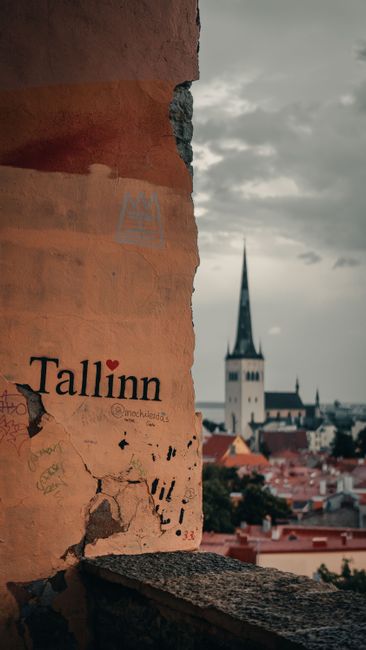
Estonia is the smallest and most northerly of the three Baltic states: a flat, forested country of bogs, islands and long, quiet beaches on the Baltic Sea, with a medieval capital that looks like a set from a fairy tale. Tallinn’s walled Old Town, a UNESCO World Heritage Site, sits two hours by ferry from Helsinki, and it is one of the best-preserved Hanseatic towns in Europe. Beyond the capital you find manor houses and bog boardwalks in Lahemaa National Park, the university city of Tartu, the summer resort of Pärnu, the windmills and juniper of Saaremaa, and the spring floods of Soomaa. Estonia is safe, easy and digital, with contactless payment almost everywhere, and still cheaper than its Nordic neighbours. Come from May to September for long, light days and Midsummer, or in December for the Christmas market and snow. Give it four or five days for Tallinn and one more region, and ten days to see the islands and the south.
Right now in Estonia
- Wed 6–14°C 42–57°F Mostly clear
- Thu 4–13°C 38–55°F Cloudy
- Fri 7–11°C 45–52°F 6 mm Rain
Weather: MET Norway (CC BY 4.0) · Rates: ECB
Key facts
| Currency | Euro (EUR, €); cards and contactless almost everywhere, a little cash for small islands such as KihnuSource: visitestonia.com · Last reviewed 4 Oct 2026 |
|---|---|
| Languages | Estonian; English widely spoken, Russian common in Tallinn and the north-eastSource: visitestonia.com · Last reviewed 4 Oct 2026 |
| Plugs and voltage | Type C and F · 230 V, 50 HzSource: visitestonia.com · Last reviewed 4 Oct 2026 |
| Emergency number | 112 (police, fire, ambulance); 1247 State HelplineSource: 112.ee · Last reviewed 4 Oct 2026 |
| Driving side | On the right; 50 in towns, 90 outside unless signed (up to 110-120 on some main roads in summer); headlights on at all times; alcohol limit 0.2 g/l; winter tyres 1 Dec-1 MarSource: transpordiamet.ee · Last reviewed 4 Oct 2026 |
| Tap water | Safe to drinkSource: terviseamet.ee · Last reviewed 4 Oct 2026 |
| Tipping | Not obligatory; about 10% in restaurants for very good serviceSource: visitestonia.com · Last reviewed 4 Oct 2026 |
| Calling code | +372 (dial 00 for international calls)Source: visitestonia.com · Last reviewed 4 Oct 2026 |
| Time zones | EET (UTC+2), summer time EEST (UTC+3) from the last Sunday in March to the last Sunday in OctoberSource: visitestonia.com · Last reviewed 4 Oct 2026 |
| Entry summary | Schengen and EU. Most visitors from outside the EU stay visa-free for up to 90 days in 180 and register in the EU Entry/Exit System at the border; ETIAS is not yet in operation. No internal border checks; the Russian border crossings are open only by day (Narva on foot only).Source: home-affairs.ec.europa.eu · Last reviewed 4 Oct 2026 |
Multi-day tours of Estonia
Multi-day tours from local operators. You check dates and book on Viator, our partner; we may earn a commission at no extra cost to you. How we earn money
Estonia at a glance: forests, islands and a medieval capital
Estonia covers about 45,000 km², a little larger than Denmark or the Netherlands, and about half of it is forest. More than 2,000 islands lie off its west coast, the largest being Saaremaa and Hiiumaa. The country is low and flat: its highest point, Suur Munamägi in the south-east, is only 318 m. It borders Latvia to the south and Russia to the east, and faces Finland across the Gulf of Finland. According to Statistics Estonia, 1,360,745 people lived in Estonia on 1 January 2026, and 452,563 of them in Tallinn, so outside the capital the country feels very empty. It is divided into 15 counties (maakond). Estonia has been a member of the European Union, NATO and the Schengen area since 2004 and 2007, and has used the euro since 2011.
Estonian is the official language. It is related to Finnish, not to Latvian or Lithuanian, and its long words full of double vowels (jäääär, “the edge of the ice”) are a national joke. Russian is widely spoken in Tallinn and in the north-east around Narva. Almost everyone under 50 speaks good English, and menus, signs and transport apps are usually in English too.
Time zone: Estonia runs on Eastern European Time (UTC+2) in winter and Eastern European Summer Time (UTC+3) from the last Sunday in March to the last Sunday in October. That is the same as Finland, Latvia and Lithuania, one hour ahead of Sweden and Germany and two hours ahead of the UK.
Estonia’s regions
- Tallinn and the north coast (Harju County): the capital with its Old Town, Kadriorg park and the creative districts of Kalamaja and Telliskivi, plus the limestone cliffs, waterfalls and beaches along the Gulf of Finland west and east of the city.
- North-east Estonia (Lääne-Viru and Ida-Viru): Lahemaa National Park with its manor houses and fishing villages, the cliffs and waterfall at Valaste, the oil-shale landscapes around Kohtla-Järve, and Narva, a mostly Russian-speaking border city with a medieval castle facing Russia across the river.
- South Estonia: Tartu, the university city and second city; the rolling hills and lakes of Otepää, the winter sports capital; Võru, smoke saunas and Suur Munamägi; and Setomaa, the home of the Seto people and their singing tradition, on the Russian border.
- West Estonia and the islands: Saaremaa with its windmills, Kuressaare castle and the Kaali meteorite crater; Muhu and its thatched villages; quiet Hiiumaa with its lighthouses; the old spa town of Haapsalu; and the bird-rich Matsalu bay.
- Pärnu and the south-west: Pärnu, the “summer capital”, with its long beach and mud spas; the island of Kihnu, whose living culture is on UNESCO’s intangible heritage list; and Soomaa National Park, famous for its bogs and spring floods.
- Central Estonia: farmland and forests around Viljandi, a small, artistic town with a castle ruin, a lake and Estonia’s best-known folk music festival.
Regions
- Harju County
- Hiiu County
- Ida-Viru County
- Järva County
- Jõgeva County
- Lääne County
- Lääne-Viru County
- Pärnu County
- Põlva County
- Rapla County
- Saare County
- Tartu County
- Valga County
- Viljandi County
- Võru County
Where to go: Tallinn, national parks, islands and the south
Most visitors start in Tallinn, which is easy to reach by air or by ferry from Helsinki and Stockholm. Distances are short: nowhere in mainland Estonia is much more than three hours’ drive from the capital. A first trip usually combines Tallinn with Lahemaa and either Tartu, Pärnu or Saaremaa. Estonia also links easily with Latvia (Riga is about four and a half hours by bus) and Finland.
Tallinn
Tallinn’s Old Town is the main reason most people come to Estonia. The Lower Town of merchants’ houses, church spires and cobbled lanes spreads around Town Hall Square, with the only surviving Gothic town hall in northern Europe. Above it, on the limestone hill of Toompea, are the castle (now the parliament), the onion-domed Alexander Nevsky Cathedral and viewing platforms over the red roofs. Nearly 2 km of the medieval town wall still stands, with more than 20 towers. Beyond the walls, see the baroque palace and park of Kadriorg, the Kumu art museum, the Seaplane Harbour museum with its submarine in a 1917 hangar, and the old factory buildings of Telliskivi Creative City, now full of cafés, studios and flea markets.
Lahemaa National Park
Founded in 1971, Lahemaa (“land of bays”) was the first national park in the Soviet Union. It lies about an hour’s drive east of Tallinn and is the easiest way to see Estonian nature on a day trip. There are restored Baltic German manor houses at Palmse, Sagadi and Vihula; old fishing and captains’ villages at Altja and Käsmu, with granite boulders scattered along the shore; pine forests; and the Viru bog boardwalk, where a wooden path crosses a raised bog to a viewing tower over dark pools. Public transport is limited, so hire a car or join a tour.
Tartu
Estonia’s second city is a university town founded in 1632, with a lively student population and a relaxed feel. It was a European Capital of Culture in 2024. See the classical Town Hall Square with its kissing students statue, the ruined Dome Church on Toome Hill, the Estonian National Museum in its striking modern building on a former Soviet airfield, and the AHHAA science centre. Tartu is about two hours from Tallinn by Elron train or bus, and it is the gateway to South Estonia.
Pärnu
Pärnu, about two hours south of Tallinn by bus, has been a seaside resort since 1838. In summer it is Estonia’s “summer capital”, with a wide, shallow sandy beach, a promenade, festivals and spa hotels offering the mud treatments the town is known for. The small old town has a 17th-century stone gate and wooden houses. Pärnu is also the base for Soomaa National Park and for the ferry to Kihnu island.
Saaremaa and Muhu
Saaremaa, Estonia’s largest island, is a world of juniper heaths, stone walls, windmills and empty coast. Kuressaare has the best-preserved medieval castle in the Baltics and a string of spa hotels. Also see the Angla windmills, the Kaali meteorite crater, the Panga cliffs and the remote Sõrve peninsula. On the way, little Muhu has thatched farm villages at Koguva and some of Estonia’s best country restaurants. A car ferry crosses from Virtsu on the mainland to Muhu in about half an hour, and a causeway links Muhu to Saaremaa.
Haapsalu, Hiiumaa and Matsalu
Haapsalu is a quiet seaside town of wooden villas and a bishop’s castle, where the Russian imperial family once took mud cures. Ferries run from nearby Rohuküla to Hiiumaa, a lightly populated island of forests and lighthouses, including Kõpu, one of the oldest working lighthouses in the world. South of Haapsalu, Matsalu National Park is one of Europe’s most important stopovers for migrating birds, with huge flocks of geese, swans and cranes in April and May and again in September and October.
Soomaa National Park
Soomaa (“land of bogs”) lies between Pärnu and Viljandi. About half of its 39,884 hectares is wetland, and in spring, when the snow melts, the rivers flood the forests and meadows so deeply that locals call it the “fifth season”. You can then canoe through the woods. The rest of the year, walk the boardwalks across the Riisa and Ingatsi bogs, try bog-shoe walking with a guide, and see the dugout boats whose building is on UNESCO’s list of intangible heritage in need of urgent safeguarding. The visitor centre is at Kõrtsi-Tõramaa.
South Estonia: Otepää, Võru and Setomaa
South of Tartu the land rises into gentle hills with lakes and farms. Otepää is the winter sports centre, with cross-country ski trails and the Tartu Ski Marathon in February. Around Võru you can climb the tower on Suur Munamägi and try a traditional Võro smoke sauna, a custom on UNESCO’s intangible heritage list. In Setomaa, near Värska, the Seto people keep their own language, Orthodox faith and polyphonic singing (leelo).
Narva and the north-east
Narva, on the river that forms the border with Russia, has a 13th-century castle facing Ivangorod fortress on the Russian bank, a riverside promenade and a Soviet-era centre. On the way from Tallinn, stop at the cliffs and waterfall of Valaste, the Toolse and Rakvere castles, and the beach resort of Narva-Jõesuu. Most people in the area speak Russian; it is a fascinating place to understand modern Estonia.
Pärnu Travel Guide
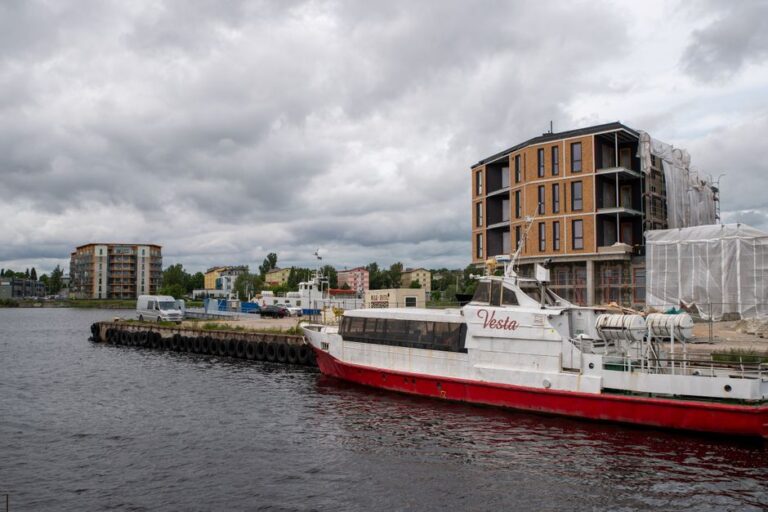
Plan a trip to Pärnu, Estonia's summer capital: the long shallow beach and promenade, the breakwater at sunset, the Mud Baths and spa hotels,…
Tallinn Travel Guide
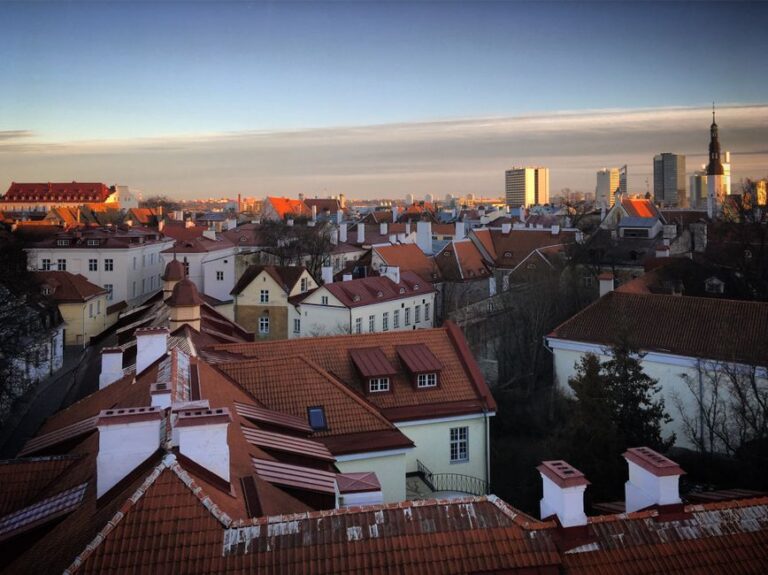
Plan a trip to Tallinn: the UNESCO Old Town and Town Hall Square, Town Hall and tower opening dates and prices for 2026, Toompea's…
Best time to visit Estonia, region by region
Estonia has a cool, damp climate with four clear seasons. Summers are mild and light, winters cold and dark, with snow that comes and goes on the coast and lasts longer inland. The islands are a little cooler in summer and milder in winter, because the sea holds the heat. The table shows rounded average daily highs at one weather station per region, from the official 1991–2020 climate normals that the Estonian Environment Agency submitted to the World Meteorological Organization, plus the average rainfall a year and the number of days with at least 1 mm of rain.
| Region (Estonian Environment Agency station) | Spring highs (Mar–May) | Summer highs (Jun–Aug) | Autumn highs (Sep–Nov) | Winter highs (Dec–Feb) | Rain a year (rainy days) |
|---|---|---|---|---|---|
| Tallinn (Tallinn-Harku) | 3–15 °C | 19–22 °C | 16 °C falling to 4 °C | −1 to 1 °C | about 700 mm (124) |
| North coast and Lahemaa (Kunda) | 3–15 °C | 19–22 °C | 16 °C falling to 4 °C | −1 to 1 °C | about 570 mm (108) |
| Tartu (Tartu-Tõravere) | 3–17 °C | 21–23 °C | 16 °C falling to 3 °C | −2 to 0 °C | about 670 mm (126) |
| South-east (Võru) | 4–18 °C | 21–24 °C | 17 °C falling to 3 °C | −2 to 0 °C | about 660 mm (122) |
| Pärnu and the south-west (Pärnu) | 3–17 °C | 20–23 °C | 17 °C falling to 4 °C | −1 to 1 °C | about 760 mm (128) |
| Saaremaa west coast (Vilsandi) | 3–13 °C | 17–21 °C | 16 °C falling to 6 °C | 0–3 °C | about 580 mm (112) |
Winter nights are colder than the highs suggest: average February lows are about −6 °C in Tallinn and −7 to −8 °C in Tartu and Võru, while the outer islands stay around −3 °C. Spring is the driest season, and July and August bring the most rain, often in short, heavy showers. In a warm summer, the shallow bays at Pärnu and Haapsalu can reach about 20 °C, but the open sea is usually cooler. Check the forecast on ilmateenistus.ee, the Estonian weather service.
White nights, dark winters and the Northern Lights
- White nights: around Midsummer the sun rises in Tallinn at about 4:00 and sets after 22:30, and it never gets fully dark. The light evenings last from late May to late July.
- Dark winters: in late December Tallinn has only about six hours of daylight, and the sun sets around 15:20. Snow, candles and the Christmas market make up for it.
- Northern Lights: the aurora is sometimes visible over Estonia on clear, dark nights from September to March, especially along the north coast and on the islands, but it is never predictable. Watch the space-weather alerts and get away from city lights; for reliable displays, go further north.
Crowds and prices through the year
- June to August: high season. Tallinn’s Old Town is busiest when cruise ships are in port, and Pärnu and the islands fill up with Estonian and Finnish holidaymakers, especially in July. Book ferries to Saaremaa and Hiiumaa ahead for summer weekends.
- May and September: fresh green forests, migrating birds at Matsalu, fewer people and lower prices. Some seasonal cafés on the coast open only from June to August.
- October to November: grey, wet and quiet, with good hotel deals in Tallinn. Some museums shorten their hours and the Town Hall tower closes.
- December to March: Christmas markets, snow, cross-country skiing around Otepää and, in very cold winters, ice roads across the sea to the islands. City breaks are cheap after New Year.
- Spring floods (March and April): Soomaa’s “fifth season”, when you can canoe through flooded forests.
Festivals and events through the year
- February: Independence Day on 24 February, with a military parade and flags everywhere, and the Tartu Ski Marathon from Otepää to Elva.
- June: Midsummer is the biggest party of the year. Victory Day (Võidupüha) on 23 June is followed by Midsummer Eve bonfires that night and St John’s Day (Jaanipäev) on 24 June; most Estonians head to the countryside, and many city businesses close for two days.
- July and August: the Viljandi Folk Music Festival, the medieval Old Town Days in Tallinn, music festivals and Hanseatic days in Pärnu, and outdoor concerts across the country. Restoration of Independence Day is 20 August.
- Song and Dance Celebration: the great choir festival, held in Tallinn every five years, last took place in 2025. The next one, Olemise viis, combining the youth and general festivals, is planned for summer 2028, and the organisers say ticket sales start in January 2028.
- November and December: the Black Nights Film Festival in Tallinn in November, and the Tallinn Christmas Market on Town Hall Square from 20 November 2026 to 6 January 2027, open daily 10:00–20:00, around what Tallinn claims was the world’s first public Christmas tree. Tartu and other towns have smaller markets.
Weather month by month
Averages from Estonian Environment Agency normals 1991–2020, Tallinn-Harku · Last reviewed 4 Oct 2026
How long to stay: sample itineraries
Estonia is small and the roads are quiet, so it is easy to cover a lot in a week. Buses and Elron trains link the main towns; for national parks, manors and the islands, a hire car gives far more freedom.
3 days: Tallinn and Lahemaa
Two days in Tallinn: the Old Town and Toompea on day one; Kadriorg, Kumu, the Seaplane Harbour and Telliskivi on day two. On day three, drive or take a tour to Lahemaa for Palmse Manor, the Viru bog boardwalk and the coast at Käsmu or Altja.
5 days: Tallinn, Tartu and Pärnu
Two days in Tallinn, then the train to Tartu for a day of museums and student cafés. Continue by bus to Pärnu for the beach and a spa, with a half-day in Soomaa if you have a car or join a tour. Return to Tallinn by bus in about two hours, or carry on south to Riga.
7–10 days: the islands and the west
Start with three days in Tallinn and Lahemaa. Drive to Haapsalu, take the ferry to Hiiumaa for a night, then the ferry from Sõru to Triigi on Saaremaa (in summer). Spend two nights in Kuressaare for the castle, windmills and Kaali crater, cross Muhu and return to the mainland at Virtsu. Finish in Pärnu, with a day trip to Kihnu or Soomaa.
2 weeks: the three Baltic capitals
Combine Estonia with Latvia and Lithuania: Tallinn (three days) and Lahemaa, Tartu, Pärnu, then Riga (three days) with a day in Jūrmala or the Gauja valley, and on to Vilnius. Buses link all three capitals, and through trains now run from Tallinn to Riga and Vilnius with a change at Valga. You can also add Helsinki, two hours away by ferry, or fly on to Gdańsk and the rest of Poland.
Entry, money and costs
Entry: Schengen, EES and ETIAS (last reviewed October 2026)
Estonia is part of the EU and the Schengen area, so the usual Schengen rules apply. EU, EEA and Swiss citizens only need a valid passport or national ID card. Many other nationalities, including UK, US, Canadian and Australian citizens, can visit without a visa for up to 90 days in any 180-day period, counted across all Schengen countries together.
- Entry/Exit System (EES): the EU’s digital border system has been fully running at all Schengen external borders, including Tallinn Airport and the Port of Tallinn, since 10 April 2026. The first time you enter, non-EU visitors register fingerprints and a facial photo instead of getting a passport stamp; children under 12 are not fingerprinted. Registration is free. Allow extra time at passport control, especially on flights from outside Schengen, such as from the UK. Ferries from Helsinki and Stockholm are inside Schengen, so there is no passport control on them.
- ETIAS: the EU’s planned online travel authorisation (fee €20) is not in operation as of October 2026, and no start date has been officially announced. You don’t need one yet. Ignore websites selling “ETIAS applications”.
- Passport validity: non-EU passports must have been issued within the last 10 years and be valid for at least three months after the day you plan to leave the Schengen area.
- The Russian border: Estonia’s land border with Russia, at Narva and in the south-east, has very limited crossings and is not a practical route for most visitors. Estonia restricts the entry of cars with Russian number plates. If you plan to travel this way, check the Estonian Police and Border Guard Board and your own government’s advice first.
Money: the euro, cards and cash
Estonia uses the euro (€). On 2 October 2026, €1 was worth about US$1.12 and £0.85 (European Central Bank reference rates). Estonia is one of the most digital countries in Europe: contactless cards and Apple Pay or Google Pay work almost everywhere, including on Tallinn’s buses and trams, at market stalls and in taxis booked by app. Cash machines are easy to find, but you may need a little cash on Kihnu, where there is no cash machine, and at some rural cafés and farm stays. Always choose to pay in euros, not your home currency, when a card terminal asks.
Tipping
Tipping is not obligatory. In restaurants, rounding up or leaving about 5–10% for good service is common and appreciated, usually added on the card terminal. Some restaurants in Tallinn’s Old Town add a service charge to the bill, so check before you tip twice. There is no need to tip in cafés, bars or taxis.
VAT, prices and tax-free shopping
Estonia raised its standard VAT rate to 24% on 1 July 2025, one of the highest in the EU, and VAT on accommodation rose from 9% to 13% in January 2025, so prices have crept up. Visitors who live outside the EU can claim back VAT on goods bought in shops displaying a tax-free sign, as long as they spend the minimum amount in one shop and take the goods out of the EU within three months. Ask for a tax-free form in the shop and have it stamped by customs when you leave the EU.
Alcohol rules
Shops may sell alcohol only between 10:00 and 22:00, and you must be 18 to buy it. Drinking in public places such as streets and parks is generally not allowed outside licensed terraces and events. Many Finns come to Tallinn’s harbour-side supermarkets to buy cheaper beer and spirits, so the shops near the ferry terminals are busy on Friday and Saturday afternoons. Local drinks to try include craft beer, Vana Tallinn liqueur and birch sap in spring.
Typical travel costs
Estonia is cheaper than Finland and Scandinavia, but no longer a bargain, especially in Tallinn’s Old Town and in summer. Lunch menus (päevapakkumine) on weekdays, bakeries, markets and supermarkets keep costs down. These estimates per person per day are a planning guide as of October 2026:
| Style | Estimated cost per day | What that looks like |
|---|---|---|
| Budget | about €50–75 | Hostel bed or simple guesthouse, bakery breakfast, a lunch menu, supermarket dinner, public transport and free sights such as the Old Town walls and viewpoints |
| Mid-range | about €110–180 | Double room in a 3- or 4-star hotel shared by two, lunch and dinner in restaurants, one or two museums, a day tour or bus trip |
| High-end | about €250+ | Boutique hotel in the Old Town or a manor-house hotel, tasting menus, a spa day in Pärnu or Kuressaare, car hire and guided nature tours |
Sample prices as of October 2026: a one-hour public transport ticket in Tallinn costs €2 (tap a contactless card on board); adult entry to the Kumu art museum costs €16, and a combined ticket for the Seaplane Harbour museum costs €22.
Getting there and getting around
By air
Tallinn Airport (TLL), named after Lennart Meri, is only about 4 km from the city centre. Trams 2 (to the Old City Harbour and Kopli) and 4 (to Tondi, via the centre) leave from the transport hub at the city end of the terminal; tap a contactless card on board or buy a €2 QR ticket from the machine. Direct flights link Tallinn with many European cities, and Riga, a bigger hub, is about four and a half hours away by road. Tartu Airport has a few flights to Helsinki.
By ferry
- Helsinki–Tallinn: one of Europe’s busiest sea routes, with many crossings a day all year by Tallink, Viking Line and Eckerö Line. The fast ships take about two to two and a half hours, so a day trip either way is easy. Tallink ships use Terminal D and Viking Line and Eckerö Line use Terminal A at the Old City Harbour, a 15-minute walk from the Old Town.
- Stockholm–Tallinn: an overnight cruise ferry, via the Åland Islands; see our Stockholm guide. There is also a cargo-passenger ferry from Kapellskär in Sweden to Paldiski, west of Tallinn.
- To the islands: state-run car ferries (book on praamid.ee) cross from Virtsu to Muhu, for Saaremaa, in about 30 minutes, and from Rohuküla, near Haapsalu, to Hiiumaa in about 75 minutes. The ferry Kihnu Virve sails to Kihnu from Munalaid, about 40 km from Pärnu, three or four times a day.
Trains: Elron and the link to Riga
Elron runs Estonia’s passenger trains from Tallinn’s Balti jaam station to Tartu (about two hours), Narva, Viljandi, Valga and the suburbs. Trains are modern, with Wi-Fi, and tickets are cheaper online or in the app than from the conductor. There is no train to Pärnu: take the bus. For Latvia, Elron runs a direct train from Tallinn to Riga via Tartu and Valga, and on other services you change at Valga to a Latvian train; through tickets are sold on elron.ee, where Riga appears as “Riia”. The new Rail Baltica high-speed line from Tallinn to Riga and Lithuania is under construction, including the new Ülemiste terminal in Tallinn, but it will not open for years: in September 2026 the three Baltic governments moved the target for the main line into the EU budget period that runs to 2034.
Buses
Comfortable intercity buses link every town, often more often than the trains. Tallinn to Pärnu takes about two hours and Tallinn to Tartu about two and a half. International coaches by Lux Express, FlixBus and others run from Tallinn via Pärnu to Riga in about four and a half hours, and on to Vilnius. Search domestic timetables and buy tickets on tpilet.ee or peatus.ee. Rural buses can be infrequent, especially at weekends.
Driving
Roads are quiet and mostly good, though many rural roads are gravel. Drive on the right, with dipped headlights on at all times. The general speed limit is 90 km/h outside towns and 50 km/h in towns, with up to 110 km/h on some main roads in summer. The drink-drive limit is very low (0.2 g/l), and speed cameras are common. Winter tyres are compulsory in the cold months, roughly from December to March, and hire cars come fitted with them. Watch for elk and deer at dawn and dusk. In very cold winters, official ice roads sometimes open across the frozen sea to the islands; use them only when they are officially open and follow the rules.
Cities: trams, buses, Bolt and bikes
Tallinn has trams, buses and trolleybuses. Public transport is free for registered residents, but not for visitors. As of October 2026, a one-hour ticket costs €2, a 1-day ticket €5.50, a 3-day ticket €9 and a 5-day ticket €11; the easiest way is to tap a contactless bank card on the validator each time you board, and taps are capped at the price of a day ticket. Bolt, the ride-hailing app, was founded in Estonia and works in every town, alongside electric scooters and city bikes.
Outdoors: bogs, forests and the right to roam
Estonians love their forests, and the public right of access lets everyone walk, cycle and pick berries and mushrooms in the countryside, as long as they respect private land, homes and nature reserves. The State Forest Management Centre (RMK) maintains hundreds of free hiking trails, bog boardwalks, observation towers and simple campsites with fire rings and firewood, listed on loodusegakoos.ee. Use these places rather than building your own fires, and check for forest fire warnings in dry summers.
- Bog boardwalks: the classic Estonian walk. The best known are the Viru bog in Lahemaa, Riisa in Soomaa and Kakerdaja and Männikjärve near Endla. Stay on the boards; the pools are deep and cold.
- Long-distance trails: RMK’s long trail runs about 820 km from Oandu in Lahemaa to Ikla on the Latvian border, and coastal trails follow the north shore.
- On the water: canoe in Soomaa, kayak along the coast and islands, and swim in lakes and the sea from June to August.
- Ticks: ticks are common in forests and long grass from spring to autumn, and some carry tick-borne encephalitis and Lyme disease. Use repellent, cover up and check your skin after walks; ask your doctor about the encephalitis vaccine if you plan a lot of hiking or camping.
Culture, food and everyday etiquette
Estonians are reserved and value personal space and quiet, but they are friendly and direct once you get talking. Small talk is short, and silence is comfortable. Shoes come off at the door in homes. The sauna is a national institution: most hotels and many guesthouses have one, and a smoke sauna in the south or on the islands is an experience. Singing is close to the national soul: the “Singing Revolution” of 1987–1991, when hundreds of thousands gathered at the Song Festival Grounds, helped Estonia regain its independence.
Food is hearty and seasonal: dark rye bread with every meal, smoked fish and sprats, pork with sauerkraut, blood sausage at Christmas, forest mushrooms, berries and kama, a mix of roasted grains eaten with buttermilk. Tallinn has a strong restaurant scene with modern Nordic cooking, and many manor houses and island farms serve excellent local food. Tap water is safe to drink.
Most shops open every day, including Sundays, and supermarkets often stay open until 22:00 or 23:00. Smoking is banned indoors in public places. The main public holidays coming up are Christmas (24–26 December), New Year’s Day, Independence Day (24 February), Good Friday and Easter Sunday (26 and 28 March 2027), 1 May, Pentecost (16 May 2027), Victory Day and St John’s Day (23 and 24 June) and Restoration of Independence Day (20 August).
Safety, health and connectivity
Safety
Estonia is a safe country with low violent crime. The UK government warns that pickpockets work in bars and clubs in Tallinn’s Old Town, and advises using official taxis marked “TAKSO” or a ride app rather than unmarked cars. Keep an eye on your drinks at night. The UK government also notes that some Ukrainian drones aimed at Russia have crossed into Estonian airspace; follow official guidance if you hear of an alert. The natural risks are cold water, slippery boardwalks and dark, icy roads in winter.
Emergency number: 112 for police, ambulance, fire and sea rescue.
Health
Healthcare is good, and pharmacies (apteek) are easy to find. EU and EEA citizens should carry their European Health Insurance Card (EHIC); UK visitors can use a GHIC or UK EHIC for necessary state care. Everyone should have travel insurance. For medical advice in Estonia, call the family doctor helpline on 1220 (it answers in English); for emergencies, call 112.
Connectivity and power
Estonia is famous for its digital life, and free Wi-Fi is everywhere, from cafés and buses to many beaches. Mobile coverage is excellent, and EU phone plans roam at home prices; others can buy a local SIM or eSIM. Sockets are type C and F at 230 V and 50 Hz, so bring a travel adapter from the UK, North America or Australia. Useful apps: Bolt, peatus.ee (journey planner), Elron, praamid.ee (island ferries) and the weather service’s app.
Things to do: sightseeing, hiking, beaches, boat trips and cycling
- City sightseeing: Tallinn’s Old Town, towers and museums, Tartu’s university quarter and National Museum, Pärnu’s resort architecture, Kuressaare’s castle and Narva’s border views.
- Hiking: bog boardwalks in Lahemaa and Soomaa, coastal paths along the north shore, RMK trails through the forests and the long RMK trail across the country.
- Beaches: Pärnu’s long sandy beach, Pirita and Stroomi in Tallinn, Narva-Jõesuu, and empty beaches on Saaremaa and Hiiumaa. The sea is shallow and calm but rarely warm; July and August are the swimming months.
- Boat trips: ferries to Helsinki and the islands, canoeing in Soomaa, sailing trips from Tallinn and Pärnu, and summer boats to small islands such as Prangli and Naissaar.
- Cycling: flat roads and EuroVelo routes along the coast, quiet island lanes on Muhu, Saaremaa and Kihnu, and cycle paths around Tallinn and Pärnu.
- Sauna and winter: smoke saunas in Võrumaa, sea saunas in Tallinn, cross-country skiing around Otepää and ice skating on Town Hall Square in winter.
What to pack
Pack in layers whatever the season. In summer, bring a light fleece for cool evenings and boat trips, a waterproof rain jacket for showers, swimwear, insect repellent for the forests and bogs, and an eye mask for the light nights. Comfortable shoes with a good grip are essential for Tallinn’s steep cobbles, and hiking shoes for boardwalks and trails. From November to March, add a warm coat, hat, gloves, warm waterproof boots and ice grips for icy pavements. Also bring a type C/F plug adapter and a contactless card; cash is optional.
Estonia travel FAQ
When is the best time to visit Estonia?
Late May to early September is best, with long, light days, highs of about 19–23 °C, open-air festivals and Midsummer on 23–24 June. May and September are quieter and cheaper. December is lovely for the Tallinn Christmas Market, which runs from 20 November 2026 to 6 January 2027.
How many days do you need in Estonia?
Two or three days are enough for Tallinn and a day trip to Lahemaa. Five days lets you add Tartu or Pärnu. A week to ten days covers Tallinn, the national parks and the islands of Saaremaa and Muhu.
Is Estonia expensive?
It is cheaper than Finland and Scandinavia but close to Western European prices in Tallinn. As a rough guide for October 2026, budget travellers spend about €50–75 a day and mid-range travellers about €110–180. VAT rose to 24% in July 2025. Weekday lunch menus are the best-value meals.
Do I need a visa or ETIAS to visit Estonia?
Estonia is in the Schengen area. Many nationalities, including UK, US, Canadian and Australian citizens, can stay up to 90 days in any 180 days without a visa. Since April 2026 non-EU visitors register fingerprints and a photo in the EES border system on first entry. ETIAS is not yet running as of October 2026, so you don’t need it yet.
What currency does Estonia use?
The euro, since 2011. Cards and mobile payments are accepted almost everywhere, including on public transport. Carry a little cash for small islands such as Kihnu, which has no cash machine, and some rural cafés.
Is public transport free in Tallinn?
Only for registered residents. Visitors pay: as of October 2026, €2 for one hour, €5.50 for a day, €9 for three days and €11 for five days. Tap a contactless bank card on the validator each time you board, or use the Tallinn Card, which includes public transport.
How do I get from Helsinki to Tallinn?
By ferry. Tallink, Viking Line and Eckerö Line sail many times a day all year, taking about two to two and a half hours. The Old City Harbour is a short walk from Tallinn’s Old Town, so a day trip works well either way. Both cities are in Schengen, so there is no passport control.
Can I travel from Tallinn to Riga by train?
Yes. Elron runs a direct train from Tallinn to Riga via Tartu and Valga, and other connections need a change at Valga; buy through tickets on elron.ee. The coach is still faster and more frequent, taking about four and a half hours via Pärnu. The Rail Baltica high-speed line is not expected for many years.
How do I get to Saaremaa?
Drive or take a bus from Tallinn or Pärnu to Virtsu, then the car ferry to Muhu, about 30 minutes; a causeway continues to Saaremaa. Book the ferry on praamid.ee for summer weekends. Kuressaare is about three and a half hours from Tallinn in total, and there are also short flights from Tallinn.
When is the next Estonian Song Festival?
The last general Song and Dance Celebration was in 2025. The next one, called Olemise viis and combining the youth and general festivals, is planned for summer 2028 in Tallinn. According to the organisers, tickets go on sale in January 2028.
Is Estonia safe to visit?
Yes. Estonia is a safe EU and NATO country with low crime. Watch for pickpockets in Tallinn’s Old Town bars, use official taxis or apps, and check your government’s travel information before you go. The emergency number is 112.
Sources
- Natural Earth · Public domain · fetched 4 Oct 2026
- © OpenStreetMap contributors · ODbL · fetched 4 Oct 2026
- Wikidata · CC0 · fetched 4 Oct 2026
Sources and last review
Researched and last reviewed on 4 October 2026. Population from Statistics Estonia; climate from the Estonian Environment Agency’s official 1991–2020 station normals (WMO collection); exchange rates from the European Central Bank; Tallinn public transport fares from Visit Tallinn and Tallinn Airport; Kumu and Seaplane Harbour prices from the museums; the Christmas market from its organisers; the 2028 Song and Dance Celebration from laulupidu.ee; Soomaa, Kihnu and the Pärnu bus from Visit Pärnu; Tallinn–Riga trains from Elron and Pasažieru vilciens; safety advice from the UK Foreign Office; EES from the EU. The VAT rates, Rail Baltica timetable, ferry crossing times, alcohol sale hours, driving rules and tax-free details come partly from secondary sources and are flagged for checking. Daily costs are estimates. Check the official links before you travel.
Plugs and power in Estonia
Estonia uses 230 V, 50 Hz and these plugs (left) and wall sockets (right):
All plug types and voltages by country → · Check what you need to pack →
Plan your trip
Partner links: TravelerCenter may earn a commission if you book, at no extra cost to you.
🇪🇪 Useful Estonian phrases for Estonia
All 38 Estonian phrases: restaurant, hotel, emergencies, romance (printable) →