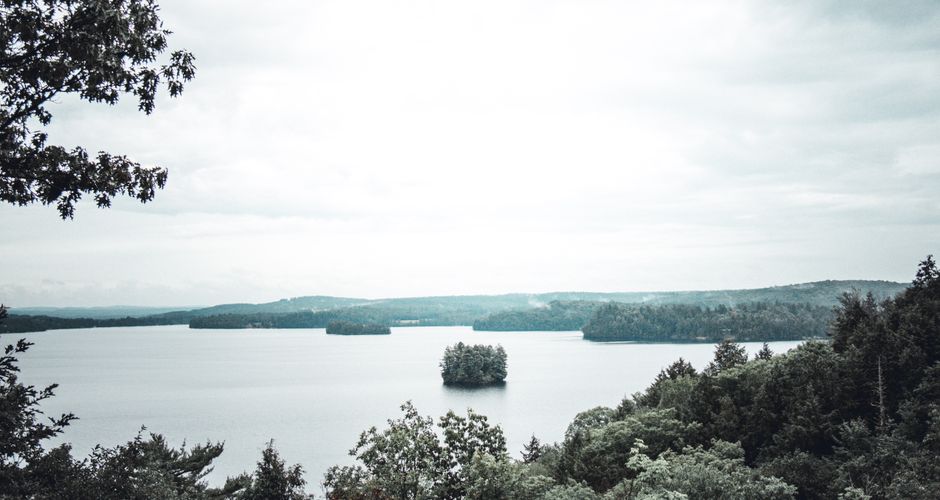
Muskoka is Ontario’s cottage country: a district of some 1,600 lakes, pink granite shores, windswept pines and wooden boathouses about two hours north of Toronto. For more than 150 years, city families have escaped here for the summer, first by train and steamship, now by car along Highway 11, and the “cottage” (anything from a log cabin to a lakeside mansion) is at the heart of the culture. The three big lakes, Muskoka, Rosseau and Joseph, are linked by locks and canals and dotted with islands; around them are the small towns of Gravenhurst, Bracebridge, Port Carling and Huntsville, historic resorts, a fleet of heritage steamships and, just beyond, Algonquin Provincial Park’s endless forests. Summer means swimming, paddling and boating; autumn brings some of the most spectacular fall colours in Canada; winter turns the lakes white for skating, skiing and snowmobiling.
Right now in Muskoka District Municipality (Gravenhurst)
- Tue 4–13°C 40–55°F 1 mm Mostly clear
- Wed 10–18°C 49–64°F 2 mm Light showers
- Thu 9–15°C 48–58°F 8 mm Light showers
- Mon 12 Oct Thanksgiving
Weather: MET Norway (CC BY 4.0) · Rates: ECB · Holidays: Nager.Date
Top tours in Muskoka District Municipality
See all tours for Muskoka District Municipality →
From local operators, with prices and reviews; you check availability and book on Viator, our partner. We may earn a commission at no extra cost to you. How we earn money
Muskoka at a glance
- Best months: July and August for swimming and boating; mid-September to mid-October for the fall colours; January and February for winter sports.
- Time needed: a long weekend for one lake town, a cruise and a park; a week to settle into a cottage and add Algonquin.
- Getting there: about 2 hours by car from Toronto to Gravenhurst via Highways 400 and 11; Ontario Northland buses from Toronto’s Union Station Bus Terminal and Yorkdale.
- Costs (as of October 2026): prices are in Canadian dollars (CA$1 is about US$0.72). Ontario Parks daily vehicle permits cost $12.25 to $21.00 depending on the park and season; Muskoka Discovery Centre admission is $25 plus tax for adults.
- Before you go: entry rules (including the eTA for visitors who fly in), money and general safety are in our Canada travel guide.
Muskoka’s towns and who each one suits
The District Municipality of Muskoka stretches from the Severn River in the south to beyond Huntsville in the north and from Georgian Bay to Lake of Bays. Highway 11 runs up its eastern side, linking the main towns; the big lakes lie to the west.
Gravenhurst
The “Gateway to Muskoka” is the first town you reach from the south, at the foot of Lake Muskoka. Its waterfront, the Muskoka Wharf, has the steamship dock, the Muskoka Discovery Centre, a boardwalk, a hotel and restaurants. Gravenhurst was also the birthplace of Dr. Norman Bethune, the surgeon remembered in China, whose home is a national historic site, and it has a well-loved summer theatre at the Gravenhurst Opera House. Best for a first short visit, steamship fans and families.
Bracebridge
Muskoka’s administrative centre sits on the Muskoka River where it tumbles over Bracebridge Falls right in town. The main street has independent shops, cafés and a brewery, and the town is known for Santa’s Village, a children’s amusement park, and for being roughly halfway between the Equator and the North Pole. Good for families and a central, practical base.
Port Carling and the Lake Rosseau shore
Port Carling, the “Hub of the Lakes”, grew up around the locks that opened in 1871 to link Lake Muskoka and Lake Rosseau. Its marinas, boat-builders and summer shops serve the cottages of the Township of Muskoka Lakes, where the grandest summer homes, the historic resorts of Windermere and Minett, and the lake life of “Millionaire’s Row” lie along the shores of Lakes Rosseau and Joseph. Best for boating, resort stays and seeing the classic Muskoka of wooden launches and boathouses.
Huntsville and Lake of Bays
In the north, Huntsville is the biggest town and the gateway to Algonquin Park, on Fairy Lake and Peninsula Lake, with Arrowhead Provincial Park on its doorstep, big resorts, a ski hill and a lively downtown. To the east, Lake of Bays and the village of Dorset, with its lookout tower, are quieter and wilder. Best for outdoor lovers, fall colours and anyone combining Muskoka with Algonquin.
Top things to see in Muskoka
The Big Three lakes: Muskoka, Rosseau and Joseph
Steamships opened up Muskoka. The first, the Wenonah, was launched near Gravenhurst in 1866, when roads were rough or nonexistent; in 1871 the locks at Port Carling let ships pass from Lake Muskoka into Lake Rosseau, and a short canal at Port Sandfield linked Lake Rosseau with Lake Joseph the following year. Hotels and then cottages spread along the shores, and the “Big Three” lakes are still the heart of the region: deep, clear water, rocky islands and pine-topped points. The best way to see them is from the water, on a cruise, a rented boat or a canoe; from land, drive the winding Muskoka Road 118 and Muskoka Road 169, and stop at Port Carling and Port Sandfield to watch boats in the locks.
Muskoka Steamships and the RMS Segwun
From the Muskoka Wharf in Gravenhurst (185 Cherokee Lane), the not-for-profit Muskoka Steamships & Discovery Centre runs heritage cruises on Lake Muskoka. The star of the fleet, the RMS Segwun, began life as the paddle steamer Nipissing and was relaunched as Segwun on 9 July 1925; she is North America’s oldest operating steamship. After her 100th year on the lakes in 2025, she went into a major $3 million restoration of her woodwork and machinery, scheduled to finish by 31 August 2026; check with the company whether she is back in service before you book. The Wenonah II, a modern ship built in the style of the old steamers, and the elegant Wanda III, a 1915 steam yacht now powered by quiet electric propulsion, also sail. Cruises returned in May 2026; options range from one- and two-hour sightseeing trips to lunch and dinner cruises and the “Millionaire’s Row” voyage to the historic cottages around Beaumaris. Cruises sail rain or shine, cabins are small, and the lake is often cooler and breezier than the shore; arrive 45 minutes before departure. Parking at the wharf is free.
Muskoka Discovery Centre
Next to the steamship dock at 275 Steamship Bay Road, this museum tells the story of the steamships, the grand hotels, boat-building and cottage life, with a collection of classic wooden boats in the Grace & Speed Boathouse and a KidZone. It is open all year: until 18 October 2026 from Tuesday to Sunday, 10 a.m. to 5 p.m., and from 22 October 2026 to 25 May 2027 on Thursday to Sunday, 10 a.m. to 5 p.m. (last entry 4 p.m.; closed 6 October for a private event). Admission in 2026 is $25 for adults, $10 for children aged 2–12 and $15 for steamship passengers, plus HST; children under 2 go free, and booking online saves 10%.
Algonquin Provincial Park and the Highway 60 corridor
Just east of Huntsville, Algonquin is Ontario’s oldest and most famous provincial park: 7,635 km² (2,950 sq miles) of maple hills, rocky ridges, bogs and thousands of lakes, home to moose, black bears, beavers and wolves, and the landscape that inspired the painter Tom Thomson and the Group of Seven. Most visitors see it along the Highway 60 corridor, which crosses the southern part of the park for about 56 km (35 miles) between the West Gate, roughly 45 km (28 miles) from Huntsville, and the East Gate. Along it are short interpretive trails such as the Lookout Trail and Track and Tower Trail, picnic areas, campgrounds, the Visitor Centre with exhibits and a viewing deck, and the Algonquin Logging Museum. The interior can only be explored by canoe or on foot.
Day-use areas are open all year. In 2026, Ontario Parks daily vehicle permits cost $12.25, $15.50, $18.00 or $21.00 including HST, depending on the park, its facilities and the season; the price for Algonquin is shown when you book. Buy online up to five days ahead (from 7 a.m.) to guarantee entry, which Ontario Parks strongly recommends for busy parks in summer and the fall colour season; otherwise permits are first come, first served at the gates. Park only in designated areas: stopping on the shoulder of Highway 60 to photograph colours or moose is dangerous and illegal. Most campgrounds close between mid-September and late October; Mew Lake campground stays open all year.
Arrowhead and Killbear provincial parks
Arrowhead Provincial Park, just north of Huntsville, is open all year, with beaches and campgrounds on Arrowhead Lake, the Big East River, Stubb’s Falls and the Big Bend Lookout over a sweeping river valley. In winter it is famous for its ice-skating trail through the forest (lit on some evenings), plus cross-country ski and snowshoe trails; check Ontario Parks for conditions and reservation rules before you go.
Killbear Provincial Park, on Georgian Bay just northwest of Muskoka near Parry Sound, is all pink granite, windswept pines and sandy beaches, with spectacular sunsets over the bay. In 2026 its main season runs from 8 May to 2 November, and it reopens for winter use from 8 January to 22 March 2027. It is home to the threatened eastern massasauga rattlesnake; keep to trails and give any snake space. Its campgrounds are some of the most sought-after in Ontario, so book months ahead for summer.
Museums
- Bethune Memorial House
- Woodchester Villa
Nature
- Lake Muskoka
- Lake Rosseau
Protected areas
- Algonquin Provincial Park
- Arrowhead Provincial Park
Nature reserves
- Georgian Bay Islands National Park
Activities and best months
- Boat tripsMuskoka Steamships cruise from Gravenhurst on the Wenonah II and the Wanda III, including the Millionaire's Row cruise, rain or shine; the Muskoka Discovery Centre next to the wharf is open all year. · source
- HikingAlgonquin Provincial Park, about an hour from Gravenhurst, covers 7,635 km² of forests, bogs, lakes and rivers; its interior is reached only by paddle or on foot, and its day-use areas are open all year. · source
Other things to do in Muskoka
Cottage culture
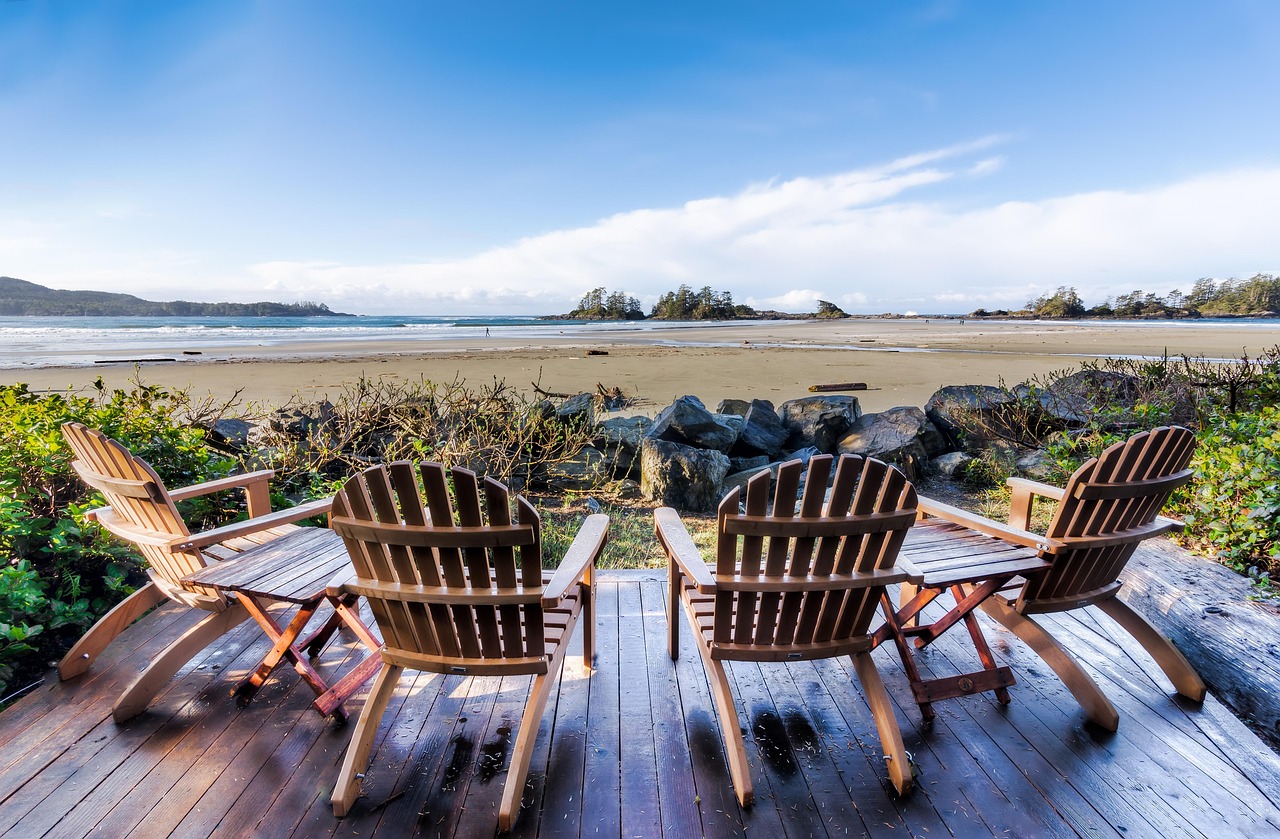
To understand Muskoka, spend a few days at a cottage: mornings on the dock with a coffee in a Muskoka chair (the wide, slanted wooden chair named after the region), swims off the rocks, canoe trips to the next bay, evening campfires and loons calling across the water. Cottages are rented weekly in summer, usually Saturday to Saturday, through rental agencies and online platforms; many are reached only by boat. Many townships require short-term rentals to hold a licence, so check that yours does, respect quiet hours and fire bans, and follow the owner’s rules on septic systems and boats.
Paddling, swimming and boating
Canoeing and kayaking are the classic Muskoka activities, from easy paddles on small lakes to multi-day canoe trips in Algonquin’s interior with outfitters in Huntsville and along Highway 60. Swimming season runs from July to early September, when the lakes are warmest; there are public beaches in every town and in the provincial parks. You can rent motorboats, pontoons and paddleboards at marinas; anyone operating a motorized boat in Canada needs proof of competency, such as a Pleasure Craft Operator Card, and visitors should ask the rental company what they accept.
Fall colours
Muskoka and Algonquin turn red, orange and gold from mid-September, with peak colour usually from late September to early October in Algonquin and the higher ground, and around Thanksgiving weekend (in 2026, 10–12 October) closer to Georgian Bay. On 3 October 2026, the Ontario Parks fall colour report showed 90% colour change and 30% leaf fall in Algonquin and 90% change at Arrowhead (1 October), so the 2026 peak is now; Killbear’s colours usually peak around Thanksgiving and stay strong through October thanks to its golden beech trees. Check the Ontario Parks fall colour report before you go, book a daily vehicle permit ahead and visit on weekdays if you can: autumn weekends on Highway 60 are very busy. Good viewpoints include Algonquin’s Lookout Trail, Arrowhead’s Big Bend Lookout and the Dorset Lookout Tower.
Winter in Muskoka
Muskoka gets plenty of snow, more than 3 metres (11 ft) in an average winter, and it becomes a winter playground from late December to March: skating on Arrowhead’s forest trail and on town rinks, cross-country skiing and snowshoeing in the provincial parks, downhill skiing at the small resort hills near Huntsville, dog-sledding tours, ice fishing and snowmobiling on a large network of groomed trails. In Algonquin, Mew Lake campground has heated yurts for winter camping. Lake ice can be unsafe even in deep winter, especially near currents and pressure ridges; walk, ski or drive on it only where locals and operators say it is safe.
Day trips and onward travel
Georgian Bay and the Thirty Thousand Islands
West of Muskoka, Georgian Bay’s coast of bare rock and countless islands is a UNESCO biosphere region. Parry Sound, about 30 minutes from the Muskoka Lakes, runs sightseeing cruises among the islands in summer, and Killbear Provincial Park is nearby. To the south, Orillia, about 30 minutes from Gravenhurst, sits between Lake Couchiching and Lake Simcoe.
Toronto and Niagara
Most visitors combine Muskoka with Toronto, two to three hours south depending on traffic (see our Toronto travel guide), and Niagara Falls, another 1.5 to 2 hours beyond (see our Niagara Falls travel guide). Ottawa is about four hours east through Algonquin on Highway 60 and the Ottawa Valley, one of the most beautiful drives in Ontario in autumn (see our Ottawa travel guide).
Nearby destinations
- Toronto166 km
- Niagara Falls229 km
- Ottawa286 km
Getting there and getting around
Driving from Toronto: Highways 400 and 11
From Toronto, take Highway 400 north to Barrie, then Highway 11 north through Orillia to Gravenhurst, Bracebridge and Huntsville; Gravenhurst is about a two-hour drive from Toronto in normal traffic, and Huntsville around 2.5 to 3 hours. On summer Fridays northbound and Sundays southbound, and on holiday weekends, the “cottage traffic” can add hours, so leave early or late. In 2026 the Ministry of Transportation has been carrying out rock-blasting work on Highway 11 between the Severn River Bridge and Gravenhurst, with short full closures on Tuesdays to Thursdays scheduled until October 2026; check Ontario 511 for closures before you drive. You will want a car in Muskoka: the towns are spread out and there is little public transport between the lakes and parks.
By bus: Ontario Northland
Ontario Northland, the provincial transport agency for northern Ontario, runs coaches up Highway 11 from the Toronto Union Station Bus Terminal and Yorkdale to stops in Gravenhurst, Bracebridge and Huntsville, and on to North Bay. It is the only practical car-free way into Muskoka; check schedules and fares on the Ontario Northland website and plan local taxis or a car rental for the last stretch to your cottage or park. Ontario Northland is also working to bring back the Northlander passenger train on this corridor, but it is not running yet.
By air
Most visitors fly into Toronto Pearson and drive about 2 to 2.5 hours north. The Muskoka Airport near Gravenhurst handles private aircraft and occasional seasonal flights, and floatplanes link some lakes and resorts in summer.
When to go and how long to stay
Muskoka has warm, sunny summers and long, cold, very snowy winters, with a short, glorious autumn in between. Summer (July and August) is high season, with lake water warm enough for swimming and every cruise and resort running; it is also the busiest and most expensive time. June is green and quiet but is blackfly season. September and October bring crisp days and the fall colours; November and April are the quietest months, with bare trees, mud and many businesses closed. Winter is cold but bright, with snow on the ground from December to March.
| Season | Average high | Average low | What it’s like |
|---|---|---|---|
| Spring (Mar–May) | 3–18 °C (37–64 °F) | −9 to 5 °C (16–41 °F) | Snow and ice melt in March and April; lakes open in late April or May; blackflies from mid-May. |
| Summer (Jun–Aug) | 22–25 °C (72–77 °F) | 10–13 °C (50–55 °F) | Warm days and cool nights; lakes warm enough for swimming in July and August; thunderstorms. |
| Autumn (Sep–Nov) | 19 to 5 °C (67–41 °F) | 8 to −3 °C (45–26 °F) | Fall colours from mid-September to mid-October; first frosts; snow by late November. |
| Winter (Dec–Feb) | −5 to −1 °C (23–30 °F) | −16 to −10 °C (4–13 °F) | Cold and very snowy, with over 3 m (133 in) of snow a winter; frozen lakes; ski and snowmobile season. |
Figures are Environment and Climate Change Canada’s 1981–2010 climate normals for the Muskoka Airport station near Gravenhurst. The area gets about 1,100 mm (43 in) of rain and melted snow a year, and about 338 cm (133 in) of snow, much of it lake-effect snow off Georgian Bay. Algonquin, on higher ground to the northeast, is usually a little colder.
How long to stay: 3, 5 and 7 days
- Three days: a cruise from the Muskoka Wharf and the Discovery Centre in Gravenhurst, Bracebridge Falls, a drive to Port Carling and Port Sandfield, and a day in Arrowhead or along Algonquin’s Highway 60.
- Five days: rent a cottage or resort room on one of the lakes, add a canoe trip, a Georgian Bay day at Killbear or Parry Sound, and the Dorset Lookout Tower.
- Seven days: a full cottage week, or split it between the Muskoka Lakes and a few nights camping or in a lodge in Algonquin.
Where to stay in Muskoka and the taxes
- Lakeside resorts: the classic Muskoka experience, from historic resorts on Lake Rosseau and Lake Joseph to big family resorts near Huntsville and Gravenhurst, with docks, beaches and boat rentals.
- Cottage rentals: best for families and groups staying a week; book months ahead for July and August.
- Town inns and motels: cheaper and practical in Gravenhurst, Bracebridge and Huntsville, especially off-season.
- Provincial park campgrounds and lodges: Arrowhead, Algonquin and Killbear; reserve through Ontario Parks, up to five months ahead for summer.
Taxes: rates are usually quoted before tax. Ontario adds 13% HST to rooms, cottage rentals through businesses, meals and attraction tickets. Some resorts add a daily resort fee, and some Ontario municipalities charge a municipal accommodation tax, so ask for the total price, including any fees, before you book. Ontario Parks permit prices already include HST.
Practical tips for Muskoka
- Time zone: Eastern Time, the same as Toronto, with daylight saving time.
- Wildlife and bears: black bears live throughout Muskoka and Algonquin; store food and garbage securely, never feed wildlife, and keep your distance from moose on and beside Highway 60. Drive carefully at dawn and dusk.
- Bugs and ticks: blackflies peak from mid-May to June and mosquitoes in early summer; bring repellent. Check for ticks after walks in long grass.
- Water and ice: the lakes are deep and cold outside midsummer; wear a life jacket in canoes and small boats, and never go on lake ice unless you know it is safe.
- Fire and smoke: check fire bans before campfires; in dry summers, wildfire smoke from farther north can reduce air quality for a few days.
- Phone signal and services: mobile coverage is patchy on the lakes and in Algonquin; download maps and fill up with fuel in the towns. Many businesses close or cut hours between Thanksgiving and late May.
- Emergencies: call 911.
What to pack for Muskoka
In summer, bring swimwear, water shoes for the rocky shores, sunscreen, a hat, insect repellent and a warm layer for cool evenings on the dock. For canoeing, add a dry bag and quick-drying clothes. In autumn, pack layers, a warm fleece, a waterproof jacket, hiking shoes and a hat and gloves for frosty mornings. In winter, you need full cold-weather gear: an insulated coat, thermal layers, a warm hat, mitts, a neck warmer and insulated waterproof boots, plus skates if you have them. A torch (flashlight) is useful year-round at cottages and campgrounds.
What to pack
- Day packs and anti-theft bagsA 20–30 litre pack carries layers, water, a head torch and snacks on full-day levada walks.
- Dry bags and phone pouchesSpray soaks phones and cameras on open boats to the Algarve caves and on whale-watching trips.
- Fleeces and warm layersIt is cooler at sea than on land, especially on morning whale-watching trips.
- HeadlampsLevada routes such as PR1 and PR9 pass through long, dark, wet tunnels.
- Hiking shoes and bootsMadeira's levadas and the Azores' crater rims are wet, rocky and slippery, so grippy shoes matter more than anywhere else in Portugal.
- Rain jacketsA windproof, waterproof shell keeps you warm on open boats, where wind and spray cool you quickly.
- Reef-friendly sunscreenSun reflects off the water on cruises and cave tours.
- Trekking polesLong stone staircases and steep descents on Madeira's peaks and the Azores' crater rims are easier on the knees with poles.
- Water bottles and hydration packsAlgarve and Alentejo trails are hot and exposed with few refill points.
- Water shoesKayak and small-boat trips to the Algarve grottoes land on rock and wet sand.
Muskoka travel FAQ
How far is Muskoka from Toronto?
Gravenhurst, at the southern edge of Muskoka, is about a two-hour drive north of Toronto via Highways 400 and 11, and Huntsville about 2.5 to 3 hours. Summer weekend traffic can add much more; Ontario Northland buses also run from Toronto.
Can I get to Muskoka without a car?
Yes, to the towns: Ontario Northland coaches run from Toronto’s Union Station Bus Terminal and Yorkdale to Gravenhurst, Bracebridge and Huntsville. Beyond the towns you will need taxis, resort shuttles or a rental car.
When is the best time to see fall colours in Muskoka and Algonquin?
Usually late September to early October in Algonquin and around Thanksgiving weekend nearer Georgian Bay. On 3 October 2026 Algonquin was at 90% colour change; check the Ontario Parks fall colour report for the latest.
How much does it cost to enter Algonquin Park?
Ontario Parks daily vehicle permits cost $12.25 to $21.00 including HST in 2026, depending on the park and season. Buy online up to five days ahead to guarantee entry, especially on autumn weekends.
Is the RMS Segwun sailing?
The Segwun has been under a $3 million restoration that was scheduled to finish by 31 August 2026. Check with Muskoka Steamships before booking; the Wenonah II and Wanda III also cruise from the Muskoka Wharf in Gravenhurst.
What is Muskoka like in winter?
Cold and snowy, with more than 3 metres (11 ft) of snow a winter: ideal for skating on Arrowhead’s forest trail, cross-country skiing, snowshoeing, dog-sledding and snowmobiling. Many summer businesses close, so book ahead.
Which Muskoka town is best to stay in?
Gravenhurst for the steamships and a short trip, Port Carling and the Lake Rosseau shore for classic lake resorts, and Huntsville for Algonquin, Arrowhead and outdoor activities.
Are there bears in Muskoka?
Yes, black bears live throughout the region. Store food and garbage securely at cottages and campsites, never feed wildlife, and make noise on trails; serious encounters are rare.
Is Killbear Provincial Park open in winter?
Its main 2026 season runs from 8 May to 2 November, and it reopens for winter use from 8 January to 22 March 2027. Camping fills up months ahead in summer.
Sources
- © OpenStreetMap contributors · ODbL · fetched 4 Oct 2026
- Wikidata · CC0 · fetched 4 Oct 2026
Sources and last review
Researched and last reviewed on 4 October 2026. Park operating dates, daily vehicle permit fees, advance permits and fall colour reports come from Ontario Parks; steamship history, the Segwun restoration, cruise practicalities, Discovery Centre hours and prices and the Highway 11 closures from Muskoka Steamships & Discovery Centre; bus stops from Ontario Northland; climate from Environment and Climate Change Canada’s 1981–2010 normals for the Muskoka Airport station; the place from Wikidata. Cruise prices and the 2026 cruise schedule could not be read, and distances, Algonquin corridor details, winter activities and some town details are general references; all are flagged for checking. Prices and timetables change, so check the official sites before you go. For entry rules, money and general safety, see our Canada travel guide.
Plan your trip
Partner links: TravelerCenter may earn a commission if you book, at no extra cost to you.