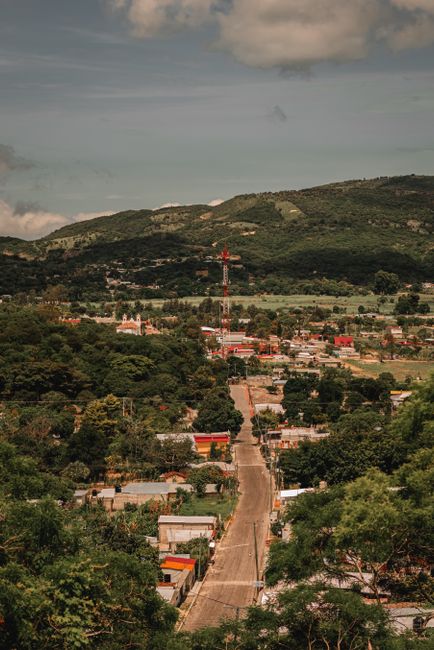
Copán Ruinas is a small, friendly town of cobbled streets and red-tiled roofs in the green hills of western Honduras, about 12 km (7 miles) from the Guatemalan border, and the gateway to one of the great cities of the ancient Maya. Just outside town, the archaeological park of Copán protects the remains of a royal capital that flourished from the 5th to the 9th centuries, when a dynasty of 16 kings ruled the valley. Copán is famous not for the height of its temples but for its art: the finest sculpture in the Maya world, with deeply carved stelae and altars portraying its rulers, and the Hieroglyphic Stairway, which, according to the Honduran Institute of Anthropology and History (IHAH), holds the longest known text in Maya writing. The Copán Valley was declared a UNESCO World Heritage Site in 1980. With its museums, hot springs, coffee farms, a macaw sanctuary and an easy-going central square, the town makes a relaxed stop of two or three days, often combined with Guatemala.
Right now in Copán Ruinas
- Tue 21–32°C 70–89°F 15 mm Rain
- Wed 21–32°C 69–89°F 11 mm Heavy rain
- Thu 21–31°C 69–87°F 12 mm Heavy showers
- Mon 12 Oct Columbus Day
Weather: MET Norway (CC BY 4.0) · Holidays: Nager.Date
Top tours in Copán Ruinas
See all tours for Copán Ruinas →
From local operators, with prices and reviews; you check availability and book on Viator, our partner. We may earn a commission at no extra cost to you. How we earn money
Copán Ruinas at a glance
- Best for: Maya ruins and sculpture, museums, history, birdwatching, coffee farms and hot springs.
- How long: two nights for the ruins, the sculpture museum and the town; three to add Las Sepulturas, the hot springs and a coffee farm.
- Best time: November to April, the dry season; mornings are best for the ruins all year.
- Getting there: about 3 hours by road from San Pedro Sula, or 5 to 6 hours by shuttle from Antigua in Guatemala via the El Florido border.
- Fees (as of October 2026): US$20 for foreign visitors for the archaeological park and Las Sepulturas, according to the IHAH; extra for the tunnels and museums.
- Before you go: entry rules, the CA-4 agreement and money are in our Honduras travel guide.
The town: where things are
Copán Ruinas is compact and hilly, built around the Parque Central, a shady square with the church and the town hall, which houses the regional archaeology museum. Hotels, restaurants and tour agencies are within a few blocks. The archaeological park is about 1 km (0.6 miles) east of town along the road toward San Pedro Sula, a 15-minute walk or a short tuk-tuk ride; Las Sepulturas is about 2 km (1.2 miles) further on.
Fees and tickets at Copán (as of October 2026)
The IHAH, which manages the site, publishes these fees for foreign visitors from outside Central America:
| Site | Foreign visitors | Central American visitors |
|---|---|---|
| Archaeological park and Las Sepulturas | US$20 (about L538) | US$10 |
| The tunnels (Rosalila and Los Jaguares) | US$15 | US$15 |
| Museum of Maya Sculpture | US$10 | US$5 |
| Regional Museum of Maya Archaeology (in town) | US$5 | US$5 |
Honduran citizens pay in lempiras. Lempira amounts are approximate, at about L26.89 to US$1 in October 2026. Tickets are sold at the visitor center at the park entrance; bring cash in dollars or lempiras in case card payment isn’t available. The IHAH’s Copán office can be reached on +504 2651-4108. A licensed guide, hired at the entrance, is highly recommended to explain the sculptures and inscriptions.
Top things to see at Copán
The Great Plaza and its stelae
A wide grassy plaza filled with tall carved stelae and altars, most of them portraits of the 13th ruler, Waxaklajuun Ub’aah K’awiil (often called 18 Rabbit), carved in deep relief in soft volcanic tuff so that the figures almost stand out in three dimensions. Many in the plaza are replicas; the originals are protected in the sculpture museum.
The Hieroglyphic Stairway
The stairway of Temple 26, with more than 60 steps carved with about 2,000 glyphs that tell the history of Copán’s dynasty. According to the IHAH, it holds the longest known inscription in Maya writing. It is protected by a canvas roof.
The Acropolis and Altar Q
The Acropolis, a complex of temples and courtyards built over centuries, includes Altar Q, a square stone showing all 16 kings of the dynasty passing power from the founder, K’inich Yax K’uk’ Mo’, to the last great ruler. The ball court nearby is one of the most elegant in the Maya world.
The tunnels
Archaeologists dug kilometers of tunnels into the Acropolis to study the earlier buildings inside. Two short sections are open to visitors: the Rosalila tunnel, with a view of the painted temple buried intact inside Temple 16, and Los Jaguares (separate ticket).
The Museum of Maya Sculpture
Next to the park entrance, a museum entered through a serpent’s mouth, holding original stelae and facades and a full-size, brightly painted replica of the Rosalila temple. It is the best place to understand Copán’s art.
Las Sepulturas
A residential area of the ancient city, about 2 km (1.2 miles) from the main park and included in the park ticket, where Copán’s nobles and scribes lived. It is quieter and shaded, with good birdwatching.
How to plan your visit to the park
Allow at least three to four hours for the main park, more with the tunnels, the sculpture museum and Las Sepulturas. A good order is to buy tickets at the visitor center, walk the forest path to the entrance where scarlet macaws often feed, see the Great Plaza and its stelae while the light is soft, then the Hieroglyphic Stairway, the Acropolis and Altar Q, and the ball court. Visit the tunnels while you are at the Acropolis, then finish in the sculpture museum, which is cool and shaded at midday. Keep Las Sepulturas for the afternoon or a second day. Paths are mostly level but there are steep steps on the Acropolis; there is little shade on the plazas, so bring water and a hat.
Other things to do in Copán Ruinas
- Macaw Mountain Bird Park: a rescue and breeding center for scarlet macaws, the sacred bird of Copán, a few kilometers from town; the macaws you see flying over the ruins were reintroduced from here.
- Hot springs: Luna Jaguar Spa Resort, about an hour north of town, has thermal pools in the forest.
- Coffee farms: tour a highland finca to see coffee grown, processed and roasted.
- Horseback riding and hiking: ride or walk to nearby villages and smaller Maya sites, such as Los Sapos, a carved rock linked with fertility. See our hiking guide.
- Regional Museum of Maya Archaeology: on the main square, with finds from tombs and a reconstructed burial.
- Río Amarillo and El Puente: smaller Maya sites managed by the IHAH in the surrounding valleys.
Day trips from Copán Ruinas
- Quiriguá, Guatemala: the Maya site with the tallest carved stelae in the Maya world, once a vassal of Copán, about 2.5 hours away across the border.
- Gracias and Celaque National Park: a colonial town, hot springs and the trail to Honduras’s highest peak, about 3 hours south-east.
- Los Sapos, Río Amarillo and El Puente: smaller Maya sites in the Copán valley and beyond: Los Sapos, a carved rock linked to childbirth rituals on a hillside reached on foot or horseback; Río Amarillo and El Puente, quieter ruins with small visitor centers, about an hour or more by road; check with the IHAH that they are open before going.
- Lake Yojoa and Pulhapanzak: the country’s largest lake and a big waterfall, about 4 hours east, on the way to the north coast.
Nearby destinations
- San Salvador127 km
- Antigua Guatemala173 km
- Placencia205 km
- Lake Atitlán220 km
- Tikal National Park269 km
Food and drink in Copán Ruinas
Copán’s food is western Honduran cooking with a few international touches for visitors. The essential snack is the baleada, a thick flour tortilla folded over refried beans, crumbled cheese and cream, with eggs, avocado or meat added; you’ll find them at stalls and small comedores around the square from breakfast to late evening. Lunch is a plato típico of grilled beef or chicken, beans, rice, fried plantain, cheese, cream and tortillas, and soups such as sopa de frijoles or chicken soup are common. Look also for pupusas, from nearby El Salvador, and tamales wrapped in banana leaves.
The hills around Copán grow excellent coffee, served in cafés in town and on farm tours, and some places serve local chocolate. Restaurants around the Parque Central range from simple comedores to small restaurants with garden terraces serving pasta, burgers and vegetarian dishes. Try a local Salva Vida or Port Royal beer, or fresh licuados (fruit shakes). The town is quiet at night, with a few bars open late at weekends. Don’t drink tap water; use filtered or bottled water.
Getting there and getting around
From Guatemala
Tourist shuttles run daily from Antigua and Guatemala City to Copán Ruinas, about 5 to 6 hours from Antigua, crossing at El Florido, about 12 km (7 miles) from town. You go through Guatemalan exit and Honduran entry immigration; Honduras and Guatemala are both in the CA-4 agreement, so your 90-day regional stay continues. Honduran immigration may charge a US$3 fee in cash at land borders; keep the receipt until you leave the country, according to the UK government. Cross in daylight, as borders can close in the early evening.
From San Pedro Sula and the rest of Honduras
Ramón Villeda Morales International Airport (SAP) in San Pedro Sula is the nearest major airport, about 3 hours away. First-class buses and shuttles link Copán Ruinas with San Pedro Sula, and from there with La Ceiba (for the Bay Islands ferry), Lake Yojoa and Tegucigalpa. The UK government suggests using private, luxury bus companies and reputable tour operators rather than local buses for longer trips, and traveling by day.
Getting around Copán Ruinas
The town is walkable, though steep. Tuk-tuks (mototaxis) are cheap for short trips, including to the ruins and Macaw Mountain; agree on the fare first.
When to go and how long to stay
Copán sits at about 600 m (2,000 ft) in a valley of the western highlands, with warm days and cooler nights. The Honduran Institute of Tourism describes the country’s dry season as November to April or May and the rainy season as May to October; in Copán, rain usually falls in afternoon storms, and mornings stay good for the ruins. March to May are the hottest months. The town is busiest at Holy Week and Christmas.
| Season | What it’s like | Good for |
|---|---|---|
| November–February | Dry and pleasant; cool nights | Ruins, hiking, birdwatching |
| March–May | Hot and dry; Holy Week crowds | Early-morning visits, hot springs |
| June–August | Rainy afternoons; green valley | Fewer visitors, coffee farms |
| September–October | Wettest months | Museums, quiet ruins |
Hurricanes: the Atlantic hurricane season runs from June 1 to November 30, according to NOAA’s National Hurricane Center. Copán is inland and rarely hit directly, but tropical storms can bring heavy rain and landslides on mountain roads; check forecasts before you travel.
Copán Ruinas month by month
| Month | Weather | Crowds and prices | Why go |
|---|---|---|---|
| January | Dry and pleasant; cool nights | Moderate | Ruins, birdwatching |
| February | Dry and pleasant | Moderate | Ruins, hiking |
| March | Hot and dry | Busy around Holy Week (late March in 2027) | Early-morning visits |
| April | Hot and dry | Busy early in the month | Hot springs, early visits |
| May | Hottest; first rains late in the month | Quiet | Ruins at opening time |
| June | Rainy afternoons; green valley | Quiet | Coffee farms, macaws |
| July | Rainy afternoons, a drier spell some years | Moderate | Ruins in the morning |
| August | Rainy afternoons | Moderate | Museums, coffee |
| September | Wet; Independence Day on September 15 | Quiet | Quiet ruins |
| October | Among the wettest months | Very quiet | Museums, quiet ruins |
| November | Dry season begins | Moderate | Ruins, hiking |
| December | Dry; cool nights | Busy at Christmas | Ruins, birdwatching |
2 days in Copán Ruinas
Day one, arrive and explore the town’s square, the regional museum and Macaw Mountain. Day two, go to the ruins when they open, with a guide, visit the sculpture museum and the tunnels, and walk to Las Sepulturas in the afternoon.
3 days in Copán Ruinas
Add the hot springs, a coffee farm, horseback riding to Los Sapos, or a day trip to Quiriguá in Guatemala.
Where to stay in Copán Ruinas and the hotel taxes
- Around the Parque Central: small hotels and guesthouses close to restaurants and the museum.
- On the edges of town: boutique hotels with gardens and views of the valley, a short walk from the center.
- In the countryside: eco-lodges and coffee-farm stays a few kilometers out, with a car or tuk-tuk needed.
Hotel bills in Honduras carry 15% sales tax and a 4% tourism tax, about 19% in total; check whether quoted rates include them.
What a day in Copán Ruinas costs
Copán Ruinas is good value, with the site fees as the main expense. The IHAH sets site fees in US dollars; most other prices are in lempiras, and dollars are widely accepted. Site fees are the IHAH’s official prices for foreign visitors; the rest are our estimates for 2026, converted at about L26.9 to US$1, the rate published by the Central American Monetary Council in early October 2026.
| Item | Lempiras (L) | About (US$) |
|---|---|---|
| Archaeological park and Las Sepulturas (IHAH) | about L538 | US$20 |
| Tunnels (IHAH) | about L400 | US$15 |
| Museum of Maya Sculpture (IHAH) | about L270 | US$10 |
| Licensed guide at the park (per group) | L800–1,350 | US$30–50 |
| Baleada at a stall | L25–60 | US$1–2.20 |
| Plato típico at a comedor | L150–250 | US$5.60–9.30 |
| Coffee at a café | L40–80 | US$1.50–3 |
| Tuk-tuk ride in town or to the ruins | L20–40 | under US$1.50 |
| Hostel dorm bed | L250–400 | US$9–15 |
| Mid-range double room | L1,350–2,700 | US$50–100 |
Budget travelers can manage on about US$40 to US$60 (L1,080–1,610) a day including the park fee; a mid-range day with a boutique hotel, a guide, the tunnels and museum and restaurant meals runs to about US$130 to US$190 (L3,500–5,100).
Practical tips for Copán Ruinas
- Money: the town has ATMs near the square; US dollars are widely accepted, and change may be in lempiras.
- Guides: hire a licensed guide at the park entrance; without one, much of the sculpture’s meaning is lost.
- Timing: arrive when the park opens for cooler weather, fewer groups and the macaws.
- Respect the site: don’t climb on stelae or altars, and stay on paths.
- Safety: Copán Ruinas is one of the calmer towns in Honduras, but keep valuables out of sight and take a tuk-tuk at night. For emergencies, call 911.
- Water: drink bottled or filtered water.
What to pack for Copán Ruinas
Bring comfortable walking shoes with grip for steep, cobbled streets and stone steps, a hat and sunscreen, insect repellent, a light rain jacket from May to October, a light sweater for cool evenings, swimwear for the hot springs, binoculars for macaws and birds, and US dollars or lempiras in small notes. Plugs are the US type.
Copán Ruinas travel FAQ
How much does it cost to visit the Copán ruins?
US$20 for foreign visitors for the archaeological park and Las Sepulturas, according to the IHAH. The tunnels cost US$15 and the sculpture museum US$10 more.
Are the Copán tunnels worth it?
If you are interested in archaeology, yes: they show the buried Rosalila temple inside the Acropolis. The full-size Rosalila replica in the sculpture museum is the better sight for most visitors.
How do I get from Antigua, Guatemala, to Copán?
By tourist shuttle in about 5 to 6 hours, crossing at the El Florido border, where Honduras may charge a US$3 fee.
Do I need a visa to cross from Guatemala to Copán?
US, Canadian and EU citizens don’t. British citizens need a visa for Honduras, according to the UK government. Your time counts toward the shared CA-4 90 days.
How many days do I need in Copán Ruinas?
Two nights for the ruins and museums; three to add hot springs or a coffee farm.
What is special about Copán?
Its sculpture and inscriptions, including the Hieroglyphic Stairway, the longest known Maya text, and Altar Q, which shows all 16 of its kings.
Is Copán Ruinas safe?
It is one of the quieter towns in Honduras for visitors. Take normal precautions and travel by day.
How long does it take to see the Copán ruins?
Allow three to four hours for the main park, and most of a day if you add the tunnels, the Museum of Maya Sculpture and Las Sepulturas. Arrive at opening time for cooler weather.
What food should I try in Copán Ruinas?
Baleadas, Honduras’s favorite snack of a flour tortilla with beans, cheese and cream, a plato típico of grilled meat, beans and plantain, and local coffee. Comedores around the square are the cheapest places to eat.
How much does a day in Copán Ruinas cost?
By our estimates, about US$40 to US$60 a day on a budget including the park fee, and US$130 to US$190 mid-range with a guide, the tunnels and the sculpture museum.
Sources and last review
Researched and last reviewed on 4 October 2026. Fees for foreign, Central American and Honduran visitors, the IHAH’s Copán contact, the UNESCO listing (1980), the Hieroglyphic Stairway as the longest Maya inscription, and nearby sites (Los Sapos, Río Amarillo, El Puente): the Honduran Institute of Anthropology and History (IHAH) and its Copán site; seasons: the Honduran Institute of Tourism; the lempira rate: the Executive Secretariat of the Central American Monetary Council (SECMCA); hurricane season: NOAA’s National Hurricane Center; the US$3 land-border fee, the UK visa rule, border hours and bus advice: the UK government. Copán’s history, rulers, the number of glyphs and steps, the tunnels, the museum, Altar Q, distances, travel times, altitude, temperatures, Macaw Mountain, the hot springs, Quiriguá and hotel taxes come from secondary sources or general knowledge and are flagged for checking. Prices change, so check with the IHAH before you go. For entry rules and money, see our Honduras travel guide. The visit plan, the food notes, the smaller sites as day trips, the month-by-month table and the daily costs (other than the IHAH fees) come from general knowledge or our own estimates and are flagged for checking.
Plan your trip
Partner links: TravelerCenter may earn a commission if you book, at no extra cost to you.
🇪🇸 Useful Spanish phrases for Copán Ruinas
All 38 Spanish phrases: restaurant, hotel, emergencies, romance (printable) →