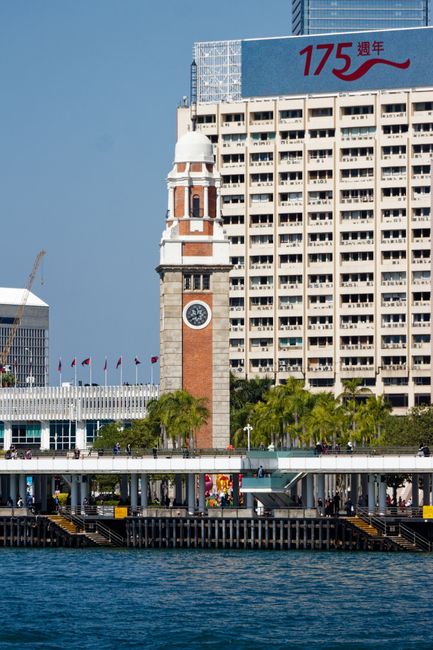
Hong Kong is one of the world’s most dramatic cities: a forest of skyscrapers squeezed between steep green mountains and one of the great natural harbors, where old green-and-white ferries still cross the water, double-decker trams rattle through the streets, and incense drifts from temples beside luxury malls. Beyond the skyline, around three-quarters of the territory is countryside, with hiking trails, beaches, fishing villages and more than 200 outlying islands. Come for the view from Victoria Peak and the harbor at night, dim sum and roast goose, the street markets of Kowloon, the Big Buddha on Lantau, museums such as M+ and the Hong Kong Palace Museum, and day trips to Macau across the water. Hong Kong is a Special Administrative Region of China with its own currency, immigration rules and laws, so most Western visitors can arrive without a visa and stay up to 90 days. Getting around is fast and easy with the MTR and an Octopus card. Plan around the weather: October to December is the most comfortable time, while summer is hot, very wet and typhoon season, when Hong Kong’s warning signals can shut down the city for a day.
Right now in Hong Kong
- Wed 21–28°C 70–82°F Clear
- Thu 24–28°C 75–82°F 1 mm Partly cloudy
- Fri 25–29°C 77–84°F Clear
Weather: MET Norway (CC BY 4.0) · Air quality: OpenAQ
Multi-day tours of Hong Kong
Multi-day tours from local operators. You check dates and book on Viator, our partner; we may earn a commission at no extra cost to you. How we earn money
Hong Kong at a glance: overview and geography
Hong Kong lies on the southern coast of China, on the east side of the Pearl River Delta, about 60 km (37 miles) east of Macau. It covers about 1,100 km² (425 sq miles) of land: Hong Kong Island, the Kowloon peninsula, the New Territories stretching north to the border with Shenzhen, Lantau Island, where the airport stands, and more than 200 smaller islands. About 7.5 million people live here, most of them in high-rise towers on a small fraction of the land; the rest is country parks, reservoirs and mountains, rising to Tai Mo Shan at 957 m (3,140 ft).
Hong Kong Island became a British colony in 1842, Kowloon followed in 1860, and the New Territories were leased in 1898. On July 1, 1997, Hong Kong became a Special Administrative Region of the People’s Republic of China under the “one country, two systems” arrangement. It keeps its own currency, the Hong Kong dollar, its own border controls, legal system and driving on the left. The official languages are Chinese and English; Cantonese is the everyday language, Mandarin is widely understood, and English is used on signs, transport and in most hotels and shops. Hong Kong Time is UTC+8 all year, with no daylight saving time. Electricity is 220 V with British-style three-pin (type G) sockets.
The areas of Hong Kong
- Central, Sheung Wan and the Mid-Levels: the financial heart on Hong Kong Island’s north shore, with skyscrapers, the Peak Tram, SoHo’s restaurants, Tai Kwun, PMQ and the antique shops and temples of Sheung Wan.
- Wan Chai and Causeway Bay: busy shopping and eating districts, the convention center by the harbor, and Happy Valley’s racecourse.
- The Peak and the south side: Victoria Peak’s views and walks, then the beaches and seaside towns of Repulse Bay, Stanley and Shek O, plus Aberdeen and Ocean Park.
- Tsim Sha Tsui and West Kowloon: the harborfront promenade facing the skyline, the Star Ferry, big hotels and museums, and the West Kowloon Cultural District with M+ and the Hong Kong Palace Museum.
- Yau Ma Tei, Mong Kok and Sham Shui Po: dense, neon-lit old Kowloon, with street markets, night markets and some of the city’s best cheap food.
- The New Territories: walled villages, temples, Sha Tin’s museums, and the hiking trails, beaches and geopark of Sai Kung.
- Lantau and the outlying islands: the Big Buddha and Ngong Ping, the stilt-house fishing village of Tai O, Hong Kong Disneyland, and the ferry islands of Lamma, Cheung Chau and Peng Chau.
Where to go: the harbor, the Peak, Kowloon and Lantau
Victoria Harbour and the Star Ferry
The harbor is Hong Kong’s living room. Ride the Star Ferry, running since 1888, between Tsim Sha Tsui and Central for one of the cheapest and best short trips in the world, then walk the Tsim Sha Tsui waterfront and the Avenue of Stars at dusk for the classic view of Hong Kong Island’s skyline, lit up after dark. Harbor cruises, including on a traditional red-sailed junk, run in the evening. On the Hong Kong Island side, the Central and Wan Chai harborfront promenades connect the ferry piers, the observation wheel and the convention center.
Victoria Peak
At 552 m (1,811 ft), the Peak gives the famous view over the skyscrapers, the harbor and Kowloon to the hills beyond. The historic Peak Tram climbs steeply from Garden Road in Central to the Peak Tower, where the Sky Terrace 428 viewing deck charges an extra fee. For a free view, walk the flat, shaded 3.5 km (2-mile) Peak Circle Walk around the summit. Queues for the tram can be long in the afternoon and on weekends; go early, or take bus 15 or a taxi up and the tram down. Clear days are most common from October to December.
Central, Sheung Wan and the old city
Ride the world’s longest covered outdoor escalator system, the Central–Mid-Levels Escalator, up through SoHo, and explore Tai Kwun, the restored former Central Police Station, now a heritage and arts center, and PMQ, a former police married quarters full of design shops. In Sheung Wan, the incense-filled Man Mo Temple, the antique stalls of Cat Street and the dried-seafood shops of Des Voeux Road West show older Hong Kong. Ride a double-decker “ding ding” tram along the north shore for a flat fare.
Kowloon: markets, temples and museums
In Mong Kok, the Ladies’ Market, the Goldfish Market, the Flower Market and the Yuen Po Street Bird Garden are each a few streets apart. Temple Street Night Market in Yau Ma Tei comes alive after dark with stalls, fortune tellers and open-air seafood. Further north, Wong Tai Sin Temple is Hong Kong’s busiest Taoist temple, and the wooden Chi Lin Nunnery and the classical Nan Lian Garden are a calm escape. On the waterfront, the West Kowloon Cultural District has M+, a museum of modern and contemporary visual culture, the Hong Kong Palace Museum, with treasures on loan from Beijing’s Palace Museum, and a harborside park. Sham Shui Po is the place for street food, electronics and fabric markets.
Lantau: the Big Buddha, Ngong Ping 360 and Tai O
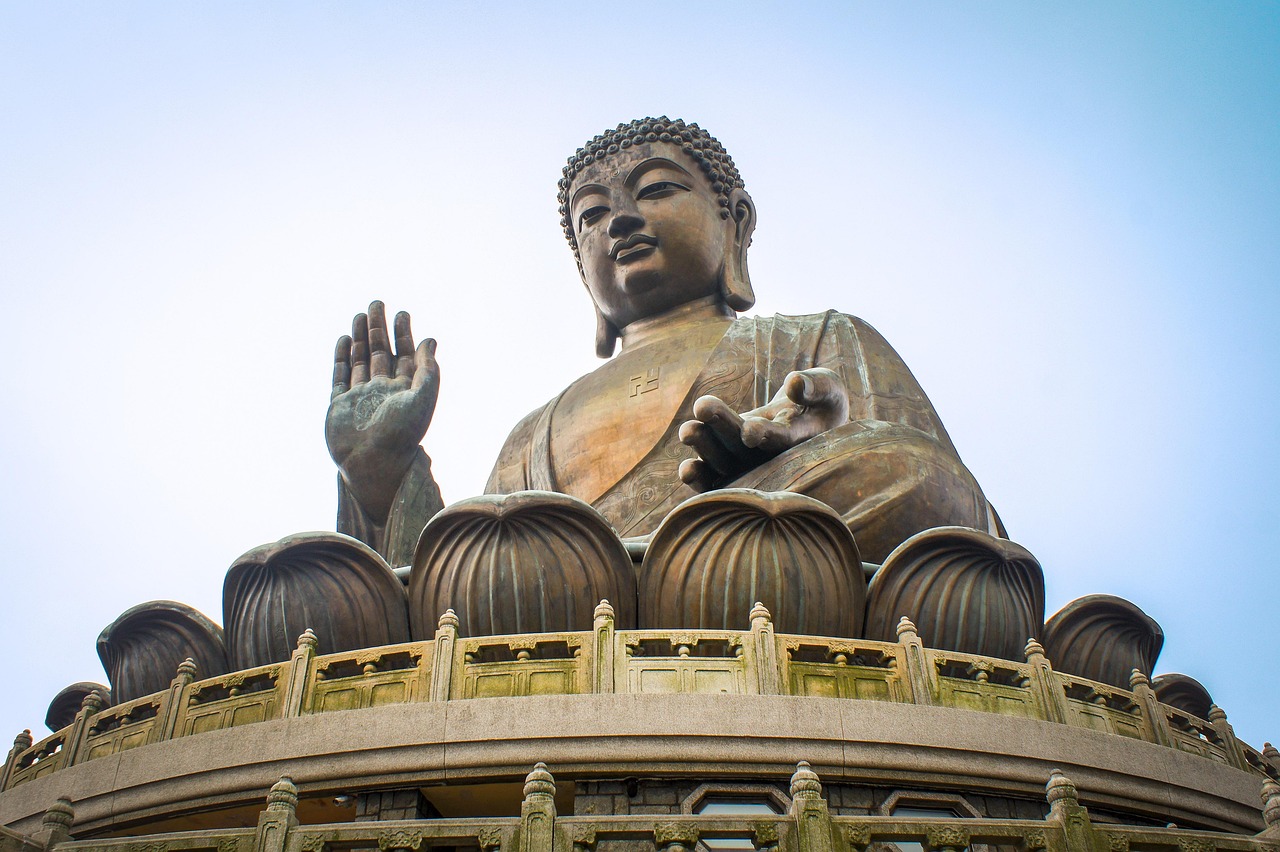
On the green mountains of Lantau, the giant bronze Tian Tan Buddha, known as the Big Buddha, sits at the top of a long flight of steps beside the Po Lin Monastery, at Ngong Ping. The best way there is the Ngong Ping 360 cable car, a 25-minute ride from Tung Chung MTR station over the bay and the mountains. As of October 2026, according to the operator, a round trip costs HK$295 (about US$38) for adults in a standard cabin, HK$365 (about US$47) in a glass-bottomed Crystal Cabin and HK$545 in the Crystal+ cabin; it runs from 10 a.m. to 6 p.m. on weekdays and 9 a.m. to 6:30 p.m. on weekends and public holidays. The cable car stops for scheduled servicing on some days and may be suspended in rainstorms or thunderstorms, so check before you go; buses from Tung Chung are the backup. From Ngong Ping, a bus continues to Tai O, a fishing village of stilt houses over a tidal creek, with boat trips to look for the rare pink dolphins. Lantau also has beaches at Cheung Sha and Pui O, and Hong Kong Disneyland.
The south side: beaches and Ocean Park
Buses wind over the hills from Central to the sandy bays of Repulse Bay and Deep Water Bay, the market town of Stanley and laid-back Shek O. Gazetted beaches have lifeguards and shark nets in the swimming season. Ocean Park, on its own MTR station, combines a theme park, aquariums and pandas, with a cable car over the headland.
Sai Kung and the islands
Sai Kung, in the east of the New Territories, has seafood restaurants on the waterfront, boat trips to hexagonal volcanic rock columns in the UNESCO-listed Hong Kong Global Geopark, and some of the best beaches, such as Tai Long Wan, reached on foot. By ferry from Central, Lamma Island has a car-free hiking trail between seafood villages, and Cheung Chau is a lively fishing island famous for its Bun Festival.
A few more worth your time
- The Dragon’s Back: Hong Kong’s most popular ridge walk, with sea views, ending at Big Wave Bay or Shek O.
- Kai Tak: the old airport, now a district with the Kai Tak Sports Park and a waterfront park.
- Hong Kong Museum of History and the Heritage Museum: the story of the city, in Tsim Sha Tsui and Sha Tin.
- The Ten Thousand Buddhas Monastery: hillside paths lined with gilded statues, above Sha Tin.
- Happy Valley Racecourse: Wednesday night horse racing in the middle of the city, in the racing season.
Where to stay in Hong Kong
- Tsim Sha Tsui: the most popular base for first-timers, with harbor views, every price level, and fast links to the airport and the island.
- Central and Sheung Wan: walkable, close to the Peak Tram, ferries and nightlife, but expensive; Sheung Wan has good boutique hotels.
- Wan Chai and Causeway Bay: lively, central and a little cheaper, with lots of mid-range hotels.
- Yau Ma Tei and Mong Kok: better value, close to the markets and street food, with smaller rooms.
- Lantau: airport and Disneyland hotels, or quiet guesthouses near the beaches and Tai O.
Rooms are small and expensive by international standards. According to the Inland Revenue Department, a hotel accommodation tax of 3% has applied to room charges since January 1, 2025, and most hotels also add a 10% service charge, so check whether quoted rates include both.
Best time to visit Hong Kong
Hong Kong has a subtropical monsoon climate with four distinct seasons. Fall, from October to early December, is the best time for most visitors: sunny, dry and warm, with the clearest views. Winter, from December to February, is mild and dry but often gray, with occasional cold spells. Spring, from March to May, is warm and humid, with fog and the first heavy rain. Summer, from June to September, is hot, humid and very wet, with thunderstorms and typhoons; according to the Hong Kong Observatory (HKO), the rainy season normally runs from April to September, with rain particularly heavy and persistent in May and June.
The table shows HKO’s 1991–2020 monthly normals for its headquarters in Tsim Sha Tsui. Rain days are days with at least 1 mm of rain, from HKO’s normals as submitted to the World Meteorological Organization.
| Month | Average high / low | Rain (days with 1 mm or more) | What to expect |
|---|---|---|---|
| January | 19 °C (66 °F) / 15 °C (58 °F) | 33 mm (1.3 in), 3 days | Cool, dry and often hazy; the quietest month |
| February | 19 °C (67 °F) / 15 °C (60 °F) | 39 mm (1.5 in), 4 days | Chinese New Year (starting February 6 in 2027), with a parade and fireworks; damp and gray |
| March | 22 °C (71 °F) / 18 °C (64 °F) | 75 mm (3.0 in), 6 days | Mild and humid, often foggy; Art Basel Hong Kong and the Rugby Sevens |
| April | 26 °C (78 °F) / 21 °C (70 °F) | 153 mm (6.0 in), 8 days | Warm; the rainy season begins; Easter and the Ching Ming holiday |
| May | 29 °C (84 °F) / 24 °C (76 °F) | 291 mm (11.4 in), 12 days | Hot and stormy; Cheung Chau Bun Festival |
| June | 31 °C (87 °F) / 26 °C (80 °F) | 492 mm (19.4 in), 16 days | The wettest month; Dragon Boat Festival |
| July | 32 °C (89 °F) / 27 °C (80 °F) | 386 mm (15.2 in), 16 days | The hottest month; typhoons possible; summer sales |
| August | 31 °C (88 °F) / 27 °C (80 °F) | 453 mm (17.8 in), 15 days | Hot and wet; the peak month for typhoon signals |
| September | 30 °C (87 °F) / 26 °C (79 °F) | 321 mm (12.7 in), 12 days | Typhoons still common; Mid-Autumn Festival lanterns (September 25 in 2026) |
| October | 28 °C (83 °F) / 24 °C (75 °F) | 120 mm (4.7 in), 5 days | Sunny and drier; National Day fireworks on October 1; one of the best months |
| November | 24 °C (76 °F) / 20 °C (69 °F) | 39 mm (1.5 in), 3 days | Clear, dry and comfortable; peak hiking season |
| December | 20 °C (69 °F) / 16 °C (61 °F) | 29 mm (1.1 in), 3 days | Cool and dry; Christmas lights and New Year’s Eve fireworks |
The Observatory averages about 2,431 mm (96 in) of rain a year, four-fifths of it from May to September. Summer humidity averages above 80%. According to HKO, sea temperatures range from about 17 °C (63 °F) in February to 27 °C (81 °F) in September, so the beaches’ swimming season runs from about May to October.
Typhoons and the warning signals
Tropical cyclones, called typhoons when they are strong, can affect Hong Kong from about May to November, most often from July to September. HKO issues numbered tropical cyclone warning signals, shown on TV, radio, apps and at hotels and stations. According to HKO:
- Standby Signal No. 1: a tropical cyclone is within about 800 km (500 miles) and may affect Hong Kong. Life goes on normally.
- Strong Wind Signal No. 3: strong winds of 41–62 km/h (25–39 mph), with gusts that may exceed 110 km/h (68 mph), are blowing or expected. Some ferries and outdoor activities may stop.
- Gale or Storm Signal No. 8 (northwest, southwest, northeast or southeast): sustained winds of 63–117 km/h (39–73 mph), with gusts that may exceed 180 km/h (112 mph). Offices, schools, shops, attractions and most public transport progressively close; ferries and buses stop, and the MTR runs a reduced service. Get back to your hotel before the signal goes up, usually with a couple of hours’ notice.
- Increasing Gale or Storm Signal No. 9: winds are increasing or expected to increase significantly.
- Hurricane Signal No. 10: sustained winds of 118 km/h (73 mph) or more, with gusts that may exceed 220 km/h (137 mph).
According to HKO’s 1991–2020 normals, Hong Kong has a signal No. 1 or higher on about 16 days a year, and a No. 8 or higher on about 2 to 3 days. Strong storms do hit: Super Typhoon Ragasa in 2025 brought the Hurricane Signal No. 10 although it passed about 120 km (75 miles) to the south, and Severe Typhoon Noul required the No. 9 signal in 2026. Flights are often canceled or delayed, so allow flexibility in your plans from July to October, and buy travel insurance that covers weather delays.
Rainstorm warnings
Separately, HKO’s rainstorm warning system has three levels. An Amber signal means heavy rain exceeding 30 mm (1.2 in) an hour, with flooding in some low-lying areas; Red means more than 50 mm (2 in) an hour, with serious road flooding and traffic congestion likely; and Black means very heavy rain of more than 70 mm (2.8 in) an hour, when everyone should stay indoors or take shelter until it passes. Avoid streams, hillside trails and underpasses during heavy rain, as flash floods and landslides can happen quickly.
Festivals and public holidays
Chinese New Year brings flower markets, a night parade and fireworks over the harbor, but many family-run shops and restaurants close for a few days. The Mid-Autumn Festival, with lanterns and the Tai Hang fire dragon dance, the Dragon Boat Festival, the Cheung Chau Bun Festival and the Hungry Ghost Festival follow the lunar calendar. The gov.hk holiday list for 2026 includes the day after Mid-Autumn on September 26, National Day on October 1, and the day after Chung Yeung on October 19. Hotels fill and prices rise during Chinese New Year, the mainland’s October “Golden Week” holiday, big conventions and the Rugby Sevens.
How long to stay: sample itineraries
- 3 days: day 1, Central, Sheung Wan, the Peak and the Star Ferry to the Tsim Sha Tsui waterfront at night; day 2, the Big Buddha by cable car and Tai O; day 3, Kowloon’s markets, Wong Tai Sin and West Kowloon’s museums, with Temple Street in the evening.
- 5 days: add a day trip to Macau and a day on the Dragon’s Back and the south side beaches, or at Disneyland or Ocean Park.
- 7 days: add Sai Kung and the Geopark, Lamma or Cheung Chau, and a night in Macau.
Entry, money, taxes and costs
Entry and visa-free stays (last reviewed October 2026)
Hong Kong runs its own immigration system, separate from mainland China’s. According to the Immigration Department’s visa requirements list, updated in August 2026, citizens of more than 160 countries and territories can visit without a visa. The visa-free period depends on your passport: 90 days for the United States, Canada, Australia, New Zealand, Ireland, the European Union countries, Japan, South Korea, Singapore, Malaysia, Mexico, Brazil, Israel and Saudi Arabia, among others; 180 days for British citizens; 30 days for Indonesia, Thailand and South Africa; and 14 days for the Philippines and Russia. Indian nationals must complete online pre-arrival registration before a visa-free visit of 14 days. Other nationalities get 7 days or need a visa. All visitors need enough money for their stay and, unless traveling on to mainland China or Macau, a return or onward ticket; visitors may not work or study.
Mainland China is a separate jurisdiction for entry: crossing from Hong Kong into Shenzhen or elsewhere in China requires meeting China’s own visa or visa-free rules. Macau also has its own rules; see our Macau travel guide.
Laws to know
Hong Kong’s laws apply to visitors, including its national security laws; follow police instructions and the rules posted in public places. Drug offenses are punished severely. Smoking is banned in indoor public places, restaurants, bars, parks, beaches and public transport facilities, and since April 30, 2022, importing, selling and promoting e-cigarettes and heated tobacco products has been banned. Eating and drinking are not allowed in the paid areas of MTR stations and on trains. Fines apply for littering and spitting. Flying drones is restricted in many areas, including near the airport and the harbor.
Money, cards and tipping
The currency is the Hong Kong dollar (HK$, HKD), linked to the US dollar; in late September 2026 the US Federal Reserve’s rate was about HK$7.84 to the US dollar. Cards and mobile wallets are accepted in most shops, hotels and restaurants, but some small eateries, markets and minibuses take only cash or Octopus. According to the MTR’s visitor information, many restaurants add a 10% service charge; where none is added, a 10% tip is welcome, and rounding up taxi fares is common.
Taxes and departure charges
There is no sales tax in Hong Kong, so shop prices are what you pay; luxury goods, electronics and cosmetics can be good value. Hotels charge the 3% accommodation tax described above. The air passenger departure tax, HK$120 for passengers over 12 according to the MTR, is included in airline tickets.
Typical travel costs
Prices are approximate, for October 2026, converted at about HK$7.84 to the US dollar.
| Item | Typical cost |
|---|---|
| Cha chaan teng (café) set meal or wonton noodles | HK$45–80 (about US$6–10) |
| Dim sum lunch for one | HK$120–250 (about US$15–32) |
| Mid-range restaurant dinner for one | HK$250–500 (about US$32–64) |
| Beer in a bar | HK$60–90 (about US$8–11) |
| MTR ride in the city | about HK$5–20 (about US$0.65–2.50) |
| Airport Express to Hong Kong Station | about HK$115 (about US$15) |
| Ngong Ping 360 round trip, standard cabin | HK$295 (about US$38) |
| Ferry to Macau, economy, weekday daytime | HK$194 (about US$25) |
| Hostel or guesthouse, per night | HK$300–600 (about US$38–77) |
| Mid-range hotel double, per night | HK$1,000–2,000 (about US$130–255) |
A comfortable mid-range trip costs roughly HK$1,800–3,000 (about US$230–380) per person per day including a shared hotel room; budget travelers in guesthouses who eat at noodle shops can manage on about HK$700–1,000 (about US$90–130).
Getting there and getting around
The airport and the Airport Express
Hong Kong International Airport (HKG), on reclaimed land off Lantau, is one of Asia’s biggest hubs, home to Cathay Pacific. According to the MTR, the Airport Express covers the 35.3 km (22 miles) to Hong Kong Station in Central in about 24 minutes, stopping at Tsing Yi and Kowloon, with trains from about 6 a.m. to nearly 1 a.m. You can pay with an Octopus, a contactless bank card or a QR-code ticket bought online, and free shuttle buses link Kowloon and Hong Kong stations with major hotels. When you fly out, passengers of some airlines can check in their bags at Hong Kong or Kowloon station from 24 hours to 90 minutes before departure. Public “A” buses, slower but cheaper, run to most districts, and taxis are color-coded: red taxis serve the urban areas, green ones the New Territories and blue ones Lantau.
The MTR and the Octopus card
The MTR metro network covers Hong Kong Island, Kowloon, the New Territories and Lantau, with frequent, clean and cheap trains from about 6 a.m. to 1 a.m.; the East Rail Line runs to the border crossings with Shenzhen. The Octopus card is Hong Kong’s stored-value travel card, accepted on the MTR, buses, trams, ferries and minibuses and at convenience stores, supermarkets, fast-food chains and many shops. You can buy one at MTR customer service centers and top it up with cash at stations and convenience stores, and iPhone users can add an Octopus card to Apple Wallet through the Octopus app. MTR gates also accept contactless Visa, Mastercard and UnionPay cards and QR-code payments, but Octopus is still the simplest option for buses, minibuses and ferries. Fares are a little cheaper with Octopus than with single-journey tickets.
Trams, ferries, buses and taxis
The double-decker trams along Hong Kong Island’s north shore charge a low flat fare, paid when you get off. The Star Ferry crosses the harbor every few minutes, and ferries from the Central piers serve Lamma, Cheung Chau, Peng Chau and Mui Wo on Lantau. Buses and green and red public light buses (minibuses) go everywhere the MTR doesn’t. Taxis are plentiful, metered and inexpensive by international standards; have your destination written in Chinese, as not all drivers speak English. Ride-hailing apps such as Uber operate.
To Macau: ferry or bridge
Two main ways connect Hong Kong with Macau, about 60 km (37 miles) away. Ferries leave from the Hong Kong–Macau Ferry Terminal at Sheung Wan (and on some routes from Kowloon) to Macau’s Outer Harbour and Taipa terminals. According to TurboJET, the crossing to the Outer Harbour takes about 60 minutes, with departures from 7:30 a.m. and night sailings until 10:30 p.m.; as of fares effective April 25, 2026, economy class costs HK$194 (about US$25) on weekday daytime sailings, HK$212 at weekends and on holidays, and HK$242 at night. Ferries are canceled when strong typhoon signals are up.
The Hong Kong–Zhuhai–Macao Bridge, according to the Highways Department, is a 55 km (34-mile) bridge-and-tunnel sea crossing open 24 hours a day; the trip from the Hong Kong Port, near the airport, to the Macao Port takes about 40 minutes. Round-the-clock shuttle buses run across it every 5 to 30 minutes depending on the time of day; reach the Hong Kong Port by bus from Tung Chung or the airport, and clear Hong Kong departure and Macau arrival immigration at each end. The bridge is usually the cheaper option, about HK$65–70 one way, and best if you are near the airport or Lantau; the ferry is quicker from Central and Sheung Wan.
Day trips from Hong Kong
- Macau: Portuguese-era churches, squares and egg tarts, the Ruins of St. Paul’s and the casino resorts of Cotai, an hour away by ferry or bus. See our Macau guide.
- Lantau: the Big Buddha, Tai O and the beaches, a full day by MTR, cable car and bus.
- Lamma and Cheung Chau: car-free islands with seafood, beaches and walks, 30 to 60 minutes by ferry.
- Sai Kung: boat trips to the Geopark’s rock columns and remote beaches, and a seafood dinner by the harbor.
- Shenzhen, China: just across the border by MTR or high-speed train, for markets, art villages and shopping; you need to meet China’s entry rules.
Food, drink and culture
Hong Kong is one of the world’s great food cities, built on Cantonese cooking. Start with dim sum (yum cha) in the morning or at lunch: har gow shrimp dumplings, siu mai, char siu bao and egg tarts, in a grand banquet hall or a simple teahouse. Try roast goose, char siu and crispy pork over rice, wonton noodles, congee, clay-pot rice in winter, and seafood picked from the tanks in Sai Kung or Lamma. Cha chaan teng, Hong Kong-style cafés, serve milk tea, pineapple buns, French toast and macaroni soup. Street snacks include egg waffles, fish balls and curry, and stinky tofu. Michelin-recognized street food sits alongside some of Asia’s finest restaurants, and craft beer and cocktail bars cluster in Central and SoHo. Tap water meets safety standards, but many locals boil it or drink bottled water.
Etiquette is relaxed but practical: queue for buses and at the MTR, stand on the right on escalators, don’t stick chopsticks upright in rice, and share tables in busy restaurants. In temples, don’t point your feet at altars, and ask before taking photos of people.
Things to do: hiking, beaches, museums and the harbor
- City sightseeing: the Peak, the Star Ferry, Central’s heritage buildings, Kowloon’s markets and the West Kowloon museums. See our guide to city sightseeing.
- Hiking: the Dragon’s Back, Lantau Peak, Lion Rock, the MacLehose Trail through the New Territories and the Peak Circle Walk; the cool, dry months from October to March are best. See our hiking guide.
- Beaches: Repulse Bay, Shek O, Cheung Sha and Sai Kung’s remote bays, with lifeguards in the swimming season. See our guide to beaches.
- Boat trips: junk cruises on the harbor, Sai Kung’s Geopark, and ferries to the islands. See our guide to boat trips.
- Theme parks: Hong Kong Disneyland on Lantau and Ocean Park on the south side.
- Shopping: malls in Central, Causeway Bay and Tsim Sha Tsui, and markets in Mong Kok, Sham Shui Po and Stanley.
Safety, health and connectivity
Safety
Hong Kong has a low crime rate, and walking around at night is generally safe. Watch your bags and phones in crowded markets and on the MTR, and beware of touts offering tailoring, “fake goods” or cheap massages in Tsim Sha Tsui. The bigger risks are natural: typhoons and rainstorms (follow HKO’s signals described above), heat on summer hikes, where heatstroke is a real danger, and slippery, steep trails; start early, carry plenty of water, tell someone your route and turn back in bad weather. HKO also issues Very Hot Weather, Cold Weather and Landslip warnings. In an emergency, call 999 for the police, fire or an ambulance.
Health
Healthcare is of a high standard; public hospital emergency departments treat visitors for a fee, and private hospitals are expensive, so buy travel insurance. Air pollution can be high on still days, especially in winter and spring; check the Environmental Protection Department’s Air Quality Health Index if you have breathing problems. Dengue fever occurs occasionally in summer, so use repellent on hikes and in parks.
Accessibility and connectivity
The MTR, the Airport Express, most buses, malls and hotels are wheelchair-accessible, but older streets are steep, crowded and full of steps, and many trams, ferries and minibuses are difficult. Mobile coverage is excellent: buy a prepaid tourist SIM or an eSIM at the airport or a convenience store, and use the free Wi-Fi in MTR stations, parks and public buildings.
What to pack
Light clothes and a small umbrella from April to October, a rain jacket for hiking in the wet season, a sweater or light jacket from December to March and for the strong air-conditioning, comfortable shoes for the hills and stairs, sunscreen and repellent. Hong Kong uses 220 V and British-style three-pin plugs.
Hong Kong travel FAQ
Do I need a visa to visit Hong Kong?
Not if you hold a passport from the US, Canada, the UK, the EU, Australia, New Zealand or more than 160 countries and territories in all. Hong Kong’s visa rules are separate from mainland China’s.
How long can I stay in Hong Kong without a visa?
90 days for US, Canadian, Australian, New Zealand and EU citizens, 180 days for British citizens, and 30, 14 or 7 days for some other nationalities, according to the Immigration Department.
What is an Octopus card?
Hong Kong’s stored-value card for the MTR, buses, trams, ferries and many shops. Buy one at an MTR customer service center, or add one to Apple Wallet with the Octopus app.
How do I get from Hong Kong airport to the city?
The Airport Express reaches Hong Kong Station in about 24 minutes, with free shuttle buses to big hotels; airport buses and taxis are slower but serve every district.
What does typhoon signal No. 8 mean in Hong Kong?
Gale or storm-force winds of 63–117 km/h (39–73 mph) are blowing or expected. Offices, shops and attractions close, ferries and buses stop and the MTR runs a reduced service, so stay indoors.
What is a black rainstorm signal?
HKO’s highest rain warning, issued when more than 70 mm (2.8 in) of rain an hour is falling or expected. Stay indoors or take shelter until it passes.
When is the best time to visit Hong Kong?
October to early December, when it is sunny, dry and comfortable. Summer is hot, very wet and typhoon season.
How much is the Ngong Ping cable car?
As of October 2026, an adult round trip costs HK$295 in a standard cabin and HK$365 in a Crystal Cabin; it runs from 10 a.m. (9 a.m. on weekends) to about 6 p.m.
How do I get from Hong Kong to Macau?
By ferry from Sheung Wan, about an hour, from HK$194 in economy; or by shuttle bus across the Hong Kong–Zhuhai–Macao Bridge, which runs 24 hours from the port near the airport.
Is there a hotel tax in Hong Kong?
Yes. A 3% hotel accommodation tax has applied since January 1, 2025, and most hotels add a 10% service charge.
Do I need cash in Hong Kong?
Carry a little. Cards, mobile wallets and Octopus work almost everywhere, but some small restaurants, markets and minibuses take only cash or Octopus.
Is Hong Kong expensive?
Hotels are expensive, but transport is cheap, there is no sales tax, and noodle shops and cafés serve filling meals for under HK$80.
Is Hong Kong safe for tourists?
Yes, crime is low. The main risks are typhoons, rainstorms, heat on hiking trails and pickpockets in crowded markets.
Sources and last review
Researched and last reviewed on 4 October 2026. Visa-free periods and entry conditions: the Hong Kong Immigration Department; tropical cyclone and rainstorm warning signals, recent typhoons, climate normals, signal frequency and sea temperatures: the Hong Kong Observatory, with rain days from its 1991–2020 normals via the World Meteorological Organization; hotel accommodation tax: the Inland Revenue Department; public holidays: GovHK; Airport Express route, journey time, hours, payment and in-town check-in, departure tax and tipping: the MTR Corporation; Ngong Ping 360 fares and hours: Ngong Ping 360; Macau ferry fares and times: TurboJET; Hong Kong–Zhuhai–Macao Bridge: the Highways Department’s HZMB website and the HZMB shuttle bus operator; exchange rate: the US Federal Reserve. Area, population, history, the Octopus card, Airport Express and MTR fares, bridge bus fares, smoking and e-cigarette rules, drone rules, taxis, hiking and beach notes, food and hotel prices are general references or estimates, flagged for checking. Rules and prices change, so check the official sites before you go.
Plugs and power in Hong Kong
Hong Kong uses 220 V, 50 Hz and these plugs (left) and wall sockets (right):
Some older buildings have Type D or M.
All plug types and voltages by country → · Check what you need to pack →
Plan your trip
Partner links: TravelerCenter may earn a commission if you book, at no extra cost to you.
🇭🇰 Useful Cantonese phrases for Hong Kong
All 38 Cantonese phrases: restaurant, hotel, emergencies, romance (printable) →