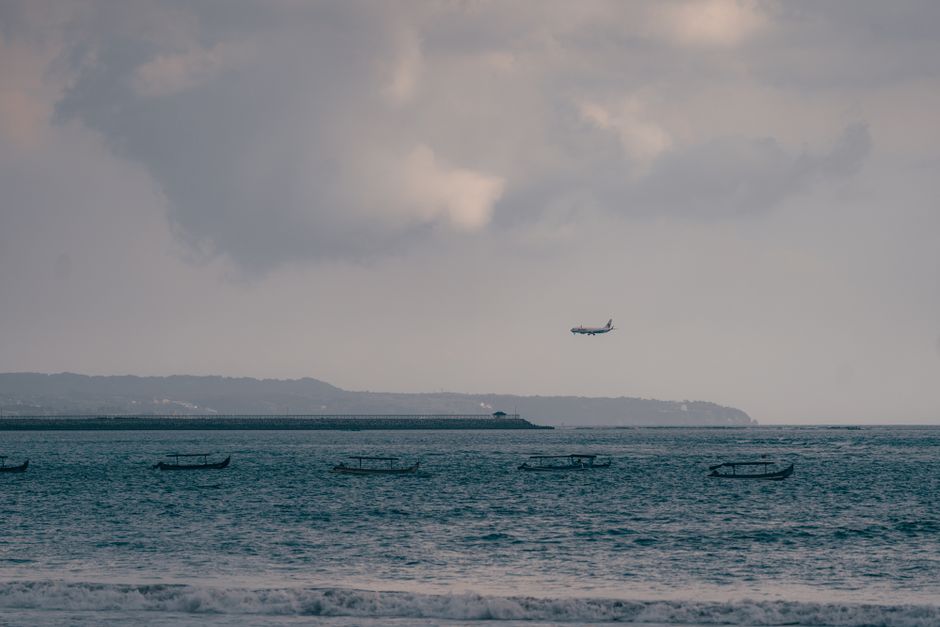
Kuta, on Bali’s southwest coast just north of the airport, is where the island’s beach tourism began, and it is still its busiest resort. A fishing village until the 1960s, it grew with surfers and backpackers into a dense town of hotels, surf schools, shopping malls, bars and street stalls behind a long, wide sand beach famous for its sunsets. The strip continues north through calmer Legian to stylish Seminyak, and south to Tuban, beside the airport. Kuta is lively, convenient and good value, the best place on Bali to learn to surf, and a practical base for day trips across the south; it is not the place for peace and quiet. The dry season, from April to October, brings the best beach weather and the biggest surf; from November to March, expect afternoon storms and more litter washing onto the beach.
Right now in Kuta
- Wed 23–30°C 73–86°F Clear
- Thu 23–30°C 73–86°F 2 mm Cloudy
- Fri 24–30°C 75–86°F 1 mm Partly cloudy
Weather: MET Norway (CC BY 4.0) · Sea temperature: NOAA CoastWatch · Air quality: OpenAQ
Top tours in Kuta
See all tours for Kuta →
From local operators, with prices and reviews; you check availability and book on Viator, our partner. We may earn a commission at no extra cost to you. How we earn money
Kuta at a glance
- Best for: learning to surf, sunsets, a long sand beach, budget to mid-range hotels, shopping, nightlife and easy airport access.
- How long: 2–3 days for the beach and Seminyak; longer as a base for day trips around south Bali.
- Best time: April to October, the dry season, with highs of about 29–31 °C (85–88 °F).
- Getting there: 10–20 minutes by car from Ngurah Rai International Airport (DPS), traffic permitting.
- Getting around: walking along the beach and the main streets, Grab and Gojek, metered taxis, and a driver for day trips.
- Good to know: swim only between the red-and-yellow flags, and don’t buy unlabeled spirits.
- Before you go: the Bali Tourism Levy and temple etiquette are in our Bali travel guide; visas, the arrival card, money and general safety are in our Indonesia travel guide; see also our Canggu guide.
Kuta’s areas and where to stay
The coast from Tuban to Seminyak forms one continuous built-up strip of about 8 km (5 miles), divided into neighborhoods with distinct personalities. Jalan Pantai Kuta follows the beach, while Jalan Legian runs parallel inland, lined with shops, bars and hotels.
Kuta has a longer history than its party reputation suggests. In the 19th century it was a trading port where the Danish merchant Mads Lange ran a business exchanging goods with Balinese kingdoms; his grave still stands near the Kuta river. In the 1930s, an American couple opened one of Bali’s first beach hotels here, and from the late 1960s surfers and overland travelers discovered its waves and cheap homestays, setting off the boom that turned the village into today’s resort.
Tuban
The southern end beside the airport, with family resorts, the big Discovery and Lippo malls and Waterbom Bali. Planes pass overhead, but it is quieter than central Kuta and the beach is calmer.
Central Kuta
The original resort, between the Kuta Beach entrance and Jalan Melasti, with Beachwalk Shopping Center, surf schools, budget hotels in the alleys (gang) and the busiest nightlife on Jalan Legian. Convenient and cheap, but crowded and loud.
Legian
North of Jalan Melasti, a little calmer and more relaxed, with mid-range beach hotels and good-value restaurants; popular with families and returning visitors.
Seminyak
North again, the most upscale part of the strip, with boutique hotels and villas, designer shops, Petitenget temple, celebrated restaurants and beach clubs; prices are higher but the beach is just as wide.
Top things to see in Kuta
Kuta Beach
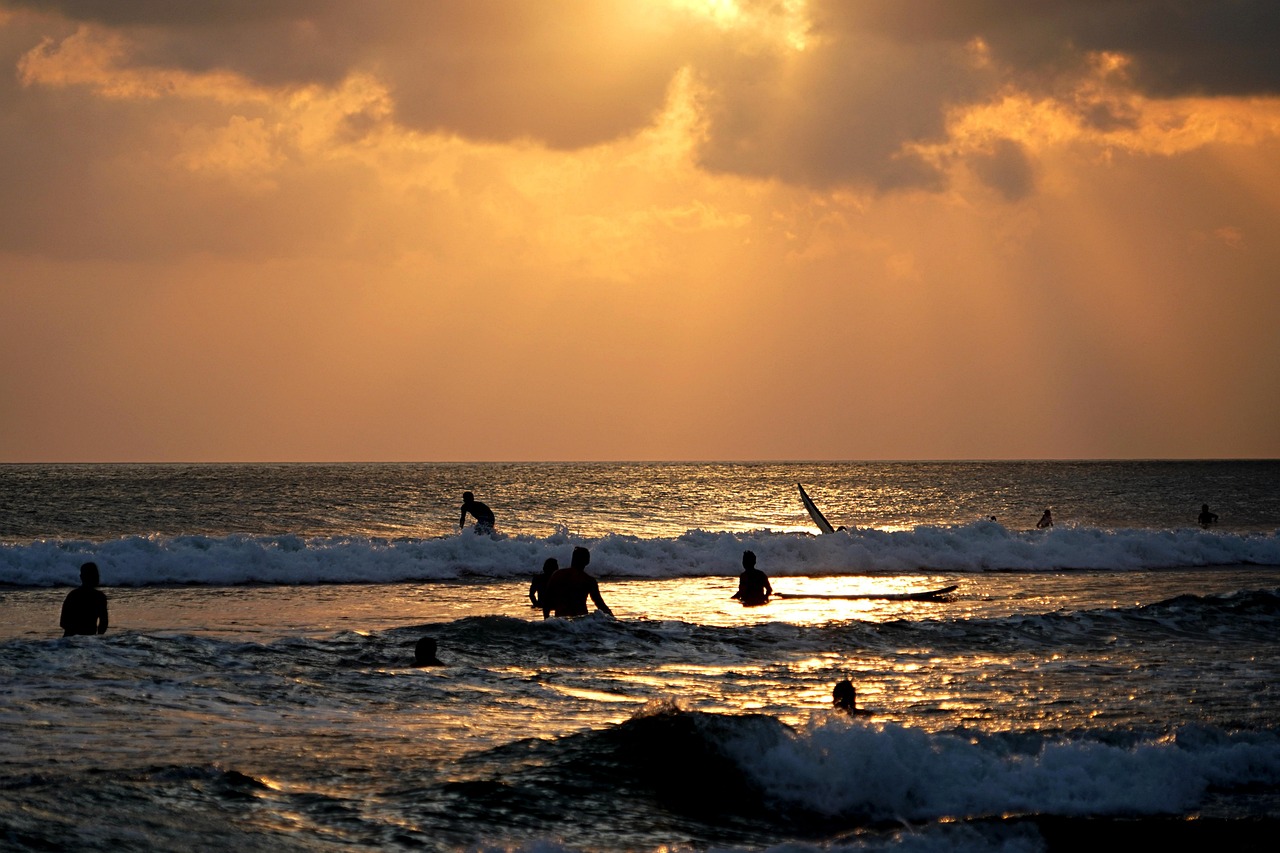
About 2.5 km (1.5 miles) of golden sand facing west, with the Indian Ocean swell rolling in and some of Bali’s most famous sunsets. In the dry season, the beach is busy with surf lessons, vendors and beachgoers; in the rainy season, from about December to March, monsoon winds and currents wash plastic and debris onto the beach, which cleanup crews remove each morning. The promenade along Jalan Pantai Kuta has cafés and the beach’s big split gate.
Surfing lessons
Kuta’s sandy bottom and gentle, consistent beach breaks make it Bali’s classic place to learn to surf. Dozens of schools and beach-boy instructors rent boards and give lessons; choose one with qualified instructors and soft boards. Experienced surfers paddle out at Kuta Reef, by boat from the beach, or head to the Bukit. See our surfing guide.
Bali Bombing Memorial
The Ground Zero monument on Jalan Legian lists the 202 people from more than 20 countries who were killed in the bombings of October 12, 2002. It is a place for quiet reflection, lit in the evening.
Sea turtle conservation
On the beach in front of Kuta, the Bali Sea Turtle Society runs a hatchery for olive ridley turtle eggs laid along this coast; during the nesting season, usually from around April to September, volunteers release hatchlings at sunset.
Waterbom Bali
A large water park with slides and lazy rivers in Tuban, a good escape for families on hot days.
More classic sights
- Pura Petitenget: a sea temple in Seminyak, often hosting ceremonies; visitors stay outside the inner courtyards.
- Beachwalk Shopping Center: an open-air mall facing the beach.
- Double Six and Seminyak beaches: wide sand, sunset bars and beanbags.
- Tanah Lot: the sea-rock temple, about 45–60 minutes north.
- Uluwatu Temple: the clifftop temple and kecak dance, about an hour south.
Other things to do in Kuta
Food and drink
Eat local at the warungs in Kuta’s back lanes, the Kuta night market or the food stalls around the beach: nasi campur, mie goreng, sate, babi guling and grilled corn. Seminyak’s Jalan Kayu Aya (Eat Street) and Petitenget have Bali’s densest collection of international restaurants, and Jimbaran’s seafood cafés on the sand are 20 minutes south. Kuta is party central at night: drink only sealed, labeled bottles in reputable bars, and avoid cheap “arak” cocktails and buckets of unknown origin.
Beaches and water sports
The beach is best for surfing, bodyboarding, sunbathing and sunset walks rather than swimming, because of the waves. For calm water, snorkeling, parasailing, jet skis and banana boats, head to Tanjung Benoa and Nusa Dua on the east side of the Bukit, about 30 minutes away. Sunset is the main event: locals and visitors gather on the sand with cold drinks and grilled corn as the sky turns orange. See our beaches guide.
Shopping
Beachwalk and the Kuta malls, surf brands, the Kuta Art Market for souvenirs, and Seminyak’s boutiques for fashion, homewares and jewelry. Bargain politely at markets and stalls.
Spas and wellness
Spas of every level line the streets, from simple massage shops to resort spas; a Balinese massage is one of the best value treats on the island.
Nightlife
Jalan Legian’s bars and clubs are loud and busy until late; Seminyak’s beach clubs suit sunset drinks and day beds. Keep your drink in sight, travel back by registered taxi or app, and watch your belongings in crowds.
Day trips from Kuta
- Uluwatu and the Bukit: clifftop temple, kecak dance, Padang Padang and Bingin beaches, and Jimbaran’s seafood at sunset.
- Tanah Lot and Canggu: the sea temple at sunset and the surf cafés on the way. See our Canggu guide.
- Ubud: the Monkey Forest, Tegallalang’s terraces and temples, about 1.5 hours away. See our Ubud guide.
- Nusa Penida: a long day trip by fast boat from Sanur, about 30 minutes from Kuta by road. See our Nusa Penida guide.
- Nusa Dua and Tanjung Benoa: calm swimming beaches and water sports.
- Sanur: a relaxed east-coast resort with a seaside path for cycling and the harbor for the Nusa islands.
- Denpasar: Bali’s capital, with the Bali Museum, Pura Jagatnatha and Badung market, 20–30 minutes away.
Nearby destinations
- Canggu10 km
- Sanur11 km
- Ubud26 km
- Nusa Penida40 km
- Bali42 km
- Gili Islands106 km
- Lombok126 km
- Bromo Tengger Semeru National Park255 km
Getting there and getting around
From the airport
Ngurah Rai International Airport is only 3–5 km (2–3 miles) from central Kuta, about 10–20 minutes by car in normal traffic. Take an official airport taxi from the counters in the arrivals hall, a pre-booked hotel transfer or Grab and Gojek from the designated pickup zone. Seminyak takes 30–60 minutes. The airport is also the hub for flights to Lombok, Labuan Bajo, Yogyakarta and Jakarta.
Around Kuta
The beach promenade and the main streets are easy to walk, though sidewalks are narrow and crowded. Grab and Gojek are cheap for cars and motorbike taxis, and Bluebird’s metered taxis are reliable. Traffic jams are a daily fact of life, especially on Jalan Legian, Sunset Road and around Simpang Siur; a short ride can take half an hour at rush hour. For day trips, hire a car with a driver. Scooters are widely rented, but ride only if you hold a motorcycle license and an International Driving Permit, and always wear a helmet.
Boats to the islands
Fast boats to Nusa Penida and Nusa Lembongan leave from Sanur, about 30 minutes away, and boats to the Gilis and Lombok from Padang Bai, Serangan and Sanur; many operators include hotel pickup from Kuta.
When to go and how long to stay
Kuta has a hot, humid tropical climate with a dry season from about April to October and a rainy season from November to March. Rain usually falls in heavy afternoon or evening bursts rather than all day, so even in the wet months there are often sunny mornings for the beach. BMKG’s published WMO normals for Bali’s stations do not include temperature or rainfall, so the table combines two official datasets: average daily highs and lows are 1991–2020 averages of BMKG’s observations at Ngurah Rai Airport, next to Kuta, compiled from NOAA’s global daily records, and rainfall and rain days are BMKG’s long-term normals for Denpasar (1961–1990), as published by the World Meteorological Organization.
| Month | Average high / low | Rain (rain days) | What to expect |
|---|---|---|---|
| January | 31 °C (88 °F) / 25 °C (77 °F) | 345 mm (13.6 in), 27 days | Wettest month; storms and beach debris; New Year crowds |
| February | 31 °C (88 °F) / 25 °C (76 °F) | 274 mm (10.8 in), 22 days | Wet, humid and quiet |
| March | 31 °C (88 °F) / 25 °C (77 °F) | 234 mm (9.2 in), 20 days | Rain easing; Nyepi usually falls this month |
| April | 31 °C (88 °F) / 25 °C (77 °F) | 88 mm (3.5 in), 9 days | Dry season begins; good surf for learners |
| May | 31 °C (87 °F) / 24 °C (76 °F) | 93 mm (3.7 in), 8 days | Sunny; good value |
| June | 30 °C (86 °F) / 24 °C (75 °F) | 53 mm (2.1 in), 6 days | Dry and breezy; bigger swells |
| July | 29 °C (85 °F) / 24 °C (75 °F) | 55 mm (2.2 in), 4 days | Peak season; strongest swells |
| August | 29 °C (85 °F) / 24 °C (74 °F) | 25 mm (1.0 in), 4 days | Driest and busiest month |
| September | 30 °C (86 °F) / 24 °C (74 °F) | 47 mm (1.9 in), 8 days | Dry, calmer; great sunsets |
| October | 31 °C (88 °F) / 24 °C (76 °F) | 63 mm (2.5 in), 12 days | Hotter; first storms possible |
| November | 32 °C (89 °F) / 25 °C (77 °F) | 179 mm (7.0 in), 16 days | Rains begin; low season |
| December | 31 °C (88 °F) / 25 °C (77 °F) | 276 mm (10.9 in), 22 days | Wet; very busy over the holidays |
Sea temperatures stay around 27–29 °C (81–84 °F) all year. According to BMKG’s 2026–27 rainy season outlook, a very strong El Niño was expected to push the start of the rains on Bali back to November or December 2026 and to make the season shorter than normal.
Two days in Kuta
Day one, a morning surf lesson, lunch at a warung, the Bali Bombing Memorial and shopping on Jalan Legian, then sunset on Kuta Beach. Day two, a spa morning, an afternoon walk north along the sand to Legian and Seminyak, and dinner on Seminyak’s Eat Street.
Four days with day trips
Add a day for Uluwatu, Padang Padang and Jimbaran, ending with the kecak dance at sunset and grilled seafood on the sand, and a day for Ubud’s Monkey Forest, rice terraces and temples, or for Tanah Lot and Canggu’s surf cafés. If you have a fifth day, take the fast boat from Sanur to Nusa Penida or Nusa Lembongan for snorkeling with manta rays.
Where to stay in Kuta
- Central Kuta: budget hotels and hostels in the lanes, close to the beach and nightlife.
- Legian: mid-range beachfront hotels with a calmer feel; good for families.
- Seminyak: boutique hotels and pool villas, close to the best restaurants.
- Tuban: resorts near the airport and Waterbom, convenient for early flights.
For quieter nights, choose a hotel set back from Jalan Legian. Prices rise in July and August and from mid-December to early January.
What a trip to Kuta costs
Prices are approximate, for October 2026, converted at about 17,900 rupiah to the US dollar.
| Item | Typical cost |
|---|---|
| Bali Tourism Levy, per person, once per visit | 150,000 rupiah (about US$8.40) |
| Group surf lesson, 2 hours, with board | 300,000–500,000 rupiah (about US$17–28) |
| Surfboard rental, per day | 50,000–100,000 rupiah (about US$2.80–5.60) |
| Taxi or app ride, airport to central Kuta | 80,000–150,000 rupiah (about US$4.50–8.40) |
| Mie goreng or nasi campur at a warung | 20,000–40,000 rupiah (about US$1.10–2.20) |
| Dinner in Seminyak, per person | 150,000–400,000 rupiah (about US$8.40–22) |
| Large Bintang beer in a bar | 40,000–60,000 rupiah (about US$2.20–3.40) |
| Balinese massage, 60 minutes | 100,000–250,000 rupiah (about US$5.60–14) |
| Budget hotel double, per night | 300,000–600,000 rupiah (about US$17–34) |
| Mid-range beach hotel double, per night | 800,000–1,800,000 rupiah (about US$45–100) |
Practical tips for Kuta
- Flags: swim between the red-and-yellow flags; red flags mean no swimming.
- Vendors: a polite “tidak, terima kasih” (no, thank you) works on the beach.
- Money changers: use licensed changers with posted rates and count your cash carefully.
- Drinks: stick to sealed bottles and reputable bars.
- Traffic: allow extra time for airport runs, especially in the late afternoon.
- Respect: cover up away from the beach, and step around offerings on the sidewalks.
- Levy: pay the Bali Tourism Levy online before you fly and keep the QR voucher on your phone.
- Early flights: Tuban and southern Kuta are the most convenient bases for dawn departures.
Safety
Kuta is generally safe, but busy. Rip currents form along Kuta, Legian and Seminyak beaches, especially at low tide and in big swells: swim only in the flagged areas patrolled by Bali’s lifeguards, and if you are caught in a rip, float, raise your arm and swim parallel to the shore. Methanol poisoning from illicit arak has harmed visitors in Bali, so avoid unlabeled spirits and suspiciously cheap cocktails. Scooter crashes are the most common cause of serious injuries; ride only if licensed, with a helmet, and never after drinking. “Bali belly” is common, so drink bottled water. Bag snatching from passing motorbikes and pickpocketing happen in crowds; carry bags on the side away from the road. Stray dogs may carry rabies. In an emergency, call 112; Kuta has a tourist police post on the beach road.
What to pack for Kuta
Swimwear, a rash guard for surfing, reef-safe sunscreen, a hat and sunglasses, sandals, light clothes, a sarong for temple visits, insect repellent and a light rain jacket from November to March. Indonesia uses 230 V and round two-pin plugs.
Kuta travel FAQ
Is Kuta good for beginner surfers?
Yes. Kuta’s sandy-bottomed beach breaks are Bali’s classic learning spot, with many surf schools renting soft boards and giving lessons.
How far is Kuta from Bali airport?
About 3–5 km (2–3 miles), or 10–20 minutes by taxi or app in normal traffic.
Is Kuta or Seminyak better to stay?
Kuta is cheaper and livelier, with the best learner surf; Seminyak is more upscale, with better restaurants, boutiques and beach clubs.
Is the sea safe for swimming in Kuta?
Only between the red-and-yellow flags where lifeguards are on duty; rip currents are common.
Why is there trash on Kuta Beach?
In the rainy season, roughly December to March, monsoon winds and currents wash plastic and debris onto Bali’s west-facing beaches; crews clean them every morning.
When is the best time to visit Kuta?
April to October, the dry season; May, June and September are less crowded than July and August.
When is the rainy season in Kuta?
Usually from November to March. BMKG expected the 2026–27 rains to start late and be shorter than normal because of El Niño.
Is Kuta safe at night?
Generally yes, but stick to sealed drinks, watch your belongings and use registered taxis or apps to get back.
Do I need to pay the Bali tourist levy if I stay in Kuta?
Yes. Every foreign tourist entering Bali pays the 150,000-rupiah levy once per visit, online at lovebali.baliprov.go.id or in the Love Bali app.
How many days do I need in Kuta?
Two or three days for the beach, surf lessons and Seminyak; use Kuta as a base for longer stays and day trips.
Sources and last review
Researched and last reviewed on 4 October 2026. The Bali Tourism Levy: the Bali provincial government’s Love Bali website; guidelines for foreign tourists: Bali Governor Circular Letter 7 of 2025; visas and the arrival card: the Directorate General of Immigration; the 2026–27 rainy season outlook: BMKG; temperatures: BMKG observations at Ngurah Rai Airport via NOAA GHCN-Daily (1991–2020 averages); rainfall normals: BMKG for Denpasar via the WMO World Weather Information Service (1961–1990); exchange rate: Bank Indonesia. Beach lengths, journey times, turtle nesting season, surf-school and entrance prices and other typical prices are general references or estimates, flagged for checking. Prices and rules change, so check before you go. For entry rules, money and general safety, see our Indonesia travel guide.
Plan your trip
Partner links: TravelerCenter may earn a commission if you book, at no extra cost to you.
🇮🇩 Useful Indonesian phrases for Kuta
All 38 Indonesian phrases: restaurant, hotel, emergencies, romance (printable) →