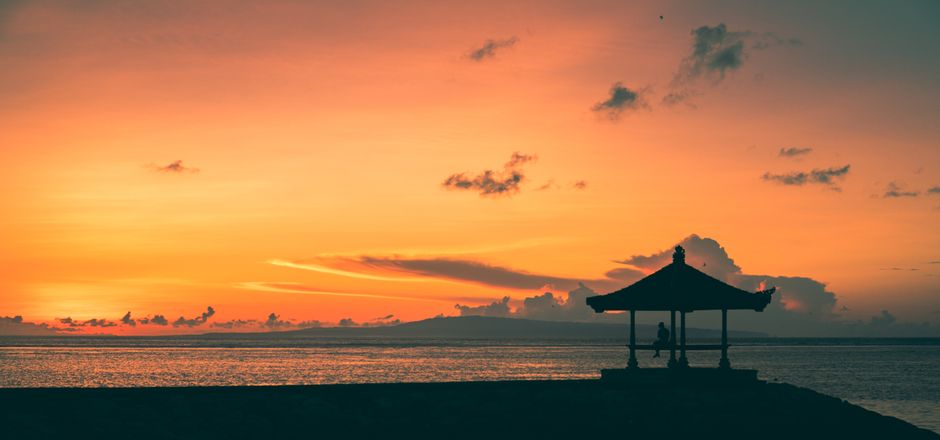
Sanur, on the southeast coast of Bali within the city of Denpasar, is the island’s most relaxed beach resort: a long, gently curving shore of pale sand where an offshore reef keeps the water calm and shallow, lined by a seaside path of about 5 km (3 miles) that is perfect for walking and cycling. It was one of the first places in Bali to welcome foreign artists and visitors in the 1930s, and it still has an easygoing, village feel, with temples, banyan trees and Balinese family compounds behind the beach hotels. Sanur suits families, older travelers, cyclists and anyone looking for a quieter base than Kuta or Canggu, with good restaurants, spas, kitesurfing and snorkeling, and it is the main harbor for fast boats to Nusa Penida, Nusa Lembongan and the Gili Islands. It is also well placed for day trips to Ubud and east Bali. Like everywhere in Bali, foreign visitors pay the Bali Tourism Levy, and the best weather is in the dry season, from about April to October.
Right now in Sanur
- Wed 23–30°C 73–86°F Clear
- Thu 23–30°C 73–86°F 2 mm Cloudy
- Fri 24–30°C 75–86°F 1 mm Partly cloudy
Weather: MET Norway (CC BY 4.0) · Sea temperature: NOAA CoastWatch
Top tours in Sanur
See all tours for Sanur →
From local operators, with prices and reviews; you check availability and book on Viator, our partner. We may earn a commission at no extra cost to you. How we earn money
Sanur at a glance
- Best for: calm swimming, families, cycling, kitesurfing, snorkeling and island-hopping by fast boat.
- How long: 3–5 days, or longer as a quiet base for exploring Bali.
- Best time: April to October, the dry season; July and August are the busiest.
- Getting there: about 30–45 minutes by car from Bali’s Ngurah Rai International Airport (DPS), depending on traffic.
- Getting around: on foot or by bike along the beach path; Grab, Gojek, taxis or a car with driver for longer trips.
- Good to know: at low tide the water inside the reef becomes very shallow; swim at high tide.
- Before you go: the Bali Tourism Levy and temple etiquette are in our Bali travel guide; visas, the arrival card, money and general safety are in our Indonesia travel guide.
Sanur’s areas and where to stay
Sanur stretches from the Bali Beach area in the north to Mertasari in the south, between the beach and the Ngurah Rai Bypass, the main road to the airport and Nusa Dua.
North Sanur: Matahari Terbit and Bali Beach
The northern end, around the Matahari Terbit harbor area and Sanur’s only high-rise hotel, built in the 1960s, whose height prompted Bali’s rule that buildings should not be taller than a coconut palm. Home to the fast-boat harbor, the Le Mayeur Museum and large resort grounds.
Central Sanur: Sindhu and Jalan Danau Tamblingan
The heart of the resort, around Sindhu Beach and the long main street of Jalan Danau Tamblingan, with restaurants, cafés, spas, shops, the night market and hotels at every price. The best all-round base.
South Sanur: Semawang and Mertasari
Quieter beaches, villas and small hotels, with kitesurfing at Mertasari and views across to Serangan Island and Nusa Penida.
Top things to see in Sanur
The beach path
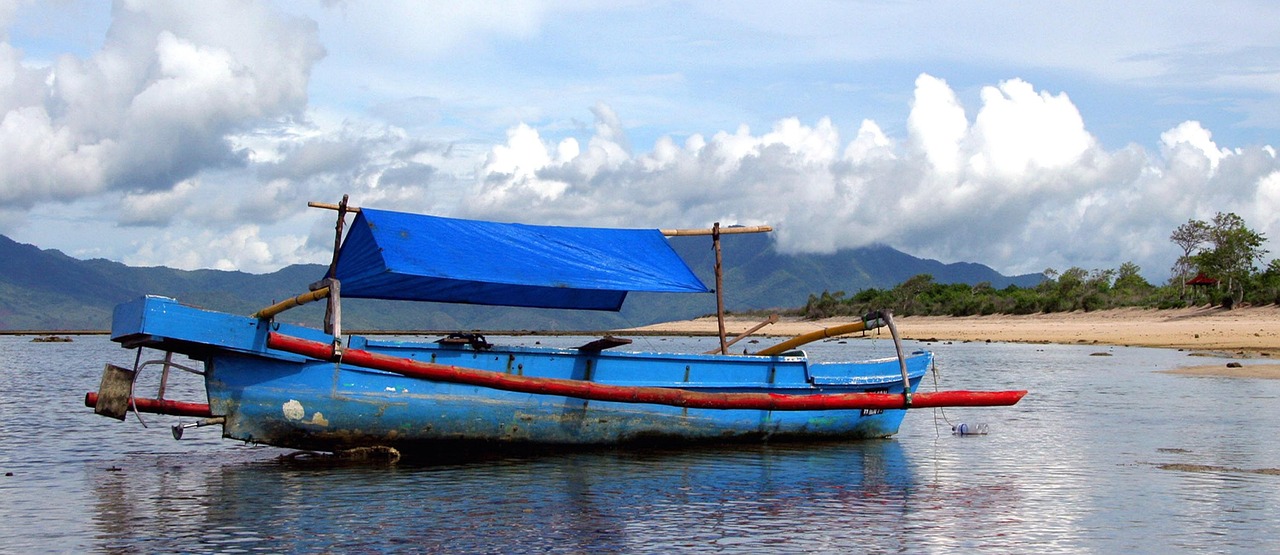
The paved seaside promenade runs almost the whole length of Sanur, past temples, warungs, fishing boats and hotel gardens. Walk it at sunrise, when the sun comes up over Nusa Penida and Mount Agung may appear to the northeast, or rent a bicycle and ride from end to end.
Sindhu, Semawang and Mertasari beaches
Sanur’s beaches are protected by the reef, so the water is usually calm and good for children and for swimming laps, though seaweed and coral rubble lie close to shore and the water becomes shallow at low tide. Sindhu is the busiest, with loungers and warungs; Semawang and Mertasari are quieter.
The Le Mayeur Museum
The former beach house of the Belgian painter Adrien-Jean Le Mayeur, who settled in Sanur in 1932 and married the Balinese dancer Ni Pollok; it preserves his paintings, carved doors and garden, a reminder of Sanur’s early artist community.
The Blanjong Pillar
In a small shrine in southern Sanur stands a stone pillar with an inscription dated to 914 CE, the oldest dated inscription found in Bali, recording a Balinese king’s military expedition.
Serangan Island and the turtles
Just south of Sanur, Serangan, reached by a causeway, has the Turtle Conservation and Education Center, which protects green turtles and hatchlings, plus a fishing village and a harbor for some fast boats.
More classic sights
- Sanur Night Market (Pasar Sindhu): evening food stalls serving Balinese and Indonesian dishes.
- Pura Segara and the beach temples: small temples along the shore, busy at full moon and during ceremonies.
- Bali Orchid Garden: tropical orchids north of Sanur on the coast road.
- Padang Galak: the beach where Bali’s kite festival is held each year.
- Denpasar: the Bajra Sandhi Monument in Renon and the Bali Museum are 15–30 minutes away.
Beaches, kitesurfing, snorkeling and diving
The reef off Sanur makes the lagoon calm, but the outer reef has waves, and from about June to September the southeast trade winds turn Sanur and Mertasari into one of Bali’s main kitesurfing spots, with schools for beginners. Snorkeling and dive trips leave by boat for the outer reef, and Sanur is the most convenient base for diving with manta rays off Nusa Penida. Swim inside the reef at high tide, and ask locally before swimming near the reef break. See our guides to beaches, snorkeling, diving and surfing.
Other things to do in Sanur
Food and drink
Sanur has a wide range of restaurants, from beachfront warungs serving grilled fish and nasi campur to international bistros, Italian and Japanese restaurants, bakeries and cafés. Try babi guling (Balinese roast pork), sate lilit (minced seafood satay) and bebek betutu (slow-cooked spiced duck), and eat with locals at the Sindhu night market. Bars are low-key; for nightlife, people head to Seminyak or Canggu.
Spas and wellness
Spas line Jalan Danau Tamblingan, offering Balinese massage, body scrubs and reflexology at reasonable prices; several resorts have luxury spas and yoga classes.
Cycling and walking
Sanur is one of the few places in Bali where cycling is genuinely pleasant. Most hotels lend or rent bikes, and the beach path is flat and car-free, although you’ll share it with walkers, so ride slowly. Early mornings are the best time, when fishermen bring in their boats, families make offerings at the beach shrines and the sun rises over the Nusa islands. Guided bike tours from Sanur also explore the backstreets, rice fields and villages inland. See our cycling guide.
Culture and festivals
Sanur’s banjar (village associations) are active, and you may see temple ceremonies and processions to the beach. The Bali Kite Festival, usually in July or August, fills the sky over Padang Galak with giant traditional kites flown by village teams, and the Sanur Village Festival, usually in August, brings food, music and arts. Follow Bali’s temple etiquette: cover your shoulders and knees, wear a sarong and sash, and don’t step on offerings.
Day trips from Sanur
- Nusa Penida and Nusa Lembongan: 30–45 minutes by fast boat from Sanur, for Kelingking Beach, manta rays and snorkeling. See our Nusa Penida guide.
- Ubud: rice terraces, temples and art, about an hour by car. See our Ubud guide.
- East Bali: the water palaces of Tirta Gangga, the Besakih mother temple and the beaches of Candidasa and Amed.
- Kuta, Seminyak and Canggu: beaches, surf and nightlife, 30–60 minutes away. See our Kuta and Canggu guides.
- The Gili Islands and Lombok: by fast boat from Sanur or Serangan in about 2–3 hours. See our Gili Islands guide.
Nearby destinations
- Kuta11 km
- Canggu14 km
- Ubud19 km
- Nusa Penida30 km
- Bali42 km
- Gili Islands95 km
- Lombok116 km
- Bromo Tengger Semeru National Park264 km
Getting there and getting around
From the airport
I Gusti Ngurah Rai International Airport (DPS) is about 15 km (9 miles) southwest of Sanur, via the Ngurah Rai Bypass; the trip takes about 30–45 minutes, longer at rush hour. Use the official airport taxi counter, a pre-booked hotel transfer, or Grab and Gojek from the designated pickup area. All foreign tourists must pay the Bali Tourism Levy of 150,000 rupiah (about US$8.40) per person, once per visit, online at lovebali.baliprov.go.id or in the Love Bali app, according to the Bali provincial government.
Fast boats from Sanur
Sanur is Bali’s main port for fast boats to Nusa Penida and Nusa Lembongan (30–45 minutes, many departures a day), and some boats go on to the Gili Islands and Lombok. Most leave from the harbor area at the northern end of Sanur, and many operators include hotel pickup. Book with established companies, check the weather, and expect to wade if boats load from the beach. Seas can be rough from June to September.
Getting around Sanur and Bali
Sanur is flat and compact: walk or cycle along the beach path, or rent a bicycle from your hotel. For longer trips, use Grab or Gojek, Bluebird taxis or a car with a driver, which is the easiest way to see Ubud and east Bali in a day. Scooters are widely rented, but you need a valid motorcycle license with an International Driving Permit, and traffic on the bypass is heavy.
When to go and how long to stay
Sanur shares south Bali’s tropical climate: hot all year, with a dry season from about April to October and a rainy season from November to March, when heavy afternoon and evening downpours are common and seaweed and rubbish can wash up on the beach. The east coast is breezier than the west from June to September, which kitesurfers love. BMKG’s published WMO normals for Bali’s stations do not include temperature or rainfall, so the table combines two official datasets: average highs and lows are 1991–2020 averages of BMKG’s observations at Ngurah Rai airport, from NOAA’s global daily records, and rainfall and rain days are BMKG’s long-term normals for Denpasar (1961–1990), as published by the World Meteorological Organization.
| Month | Average high / low | Rain (rain days) | What to expect |
|---|---|---|---|
| January | 31 °C (88 °F) / 25 °C (77 °F) | 345 mm (13.6 in), 27 days | Wettest month; New Year crowds |
| February | 31 °C (88 °F) / 25 °C (76 °F) | 274 mm (10.8 in), 22 days | Wet, humid and quiet |
| March | 31 °C (88 °F) / 25 °C (77 °F) | 234 mm (9.2 in), 20 days | Rain easing; Nyepi usually falls this month |
| April | 31 °C (88 °F) / 25 °C (77 °F) | 88 mm (3.5 in), 9 days | Dry season begins |
| May | 31 °C (87 °F) / 24 °C (76 °F) | 93 mm (3.7 in), 8 days | Sunny; good value |
| June | 30 °C (86 °F) / 24 °C (75 °F) | 53 mm (2.1 in), 6 days | Breezy; kitesurfing season starts |
| July | 29 °C (85 °F) / 24 °C (75 °F) | 55 mm (2.2 in), 4 days | Peak season; kite festival |
| August | 29 °C (85 °F) / 24 °C (74 °F) | 25 mm (1.0 in), 4 days | Driest month; Sanur Village Festival |
| September | 30 °C (86 °F) / 24 °C (74 °F) | 47 mm (1.9 in), 8 days | Dry and calmer |
| October | 31 °C (88 °F) / 24 °C (76 °F) | 63 mm (2.5 in), 12 days | Hotter; first storms possible |
| November | 32 °C (89 °F) / 25 °C (77 °F) | 179 mm (7.0 in), 16 days | Rains begin; low season |
| December | 31 °C (88 °F) / 25 °C (77 °F) | 276 mm (10.9 in), 22 days | Wet; very busy over the holidays |
The figures add up to about 1,730 mm (68 in) of rain a year. In its 2026–27 outlook, BMKG expected the rains to start later than normal across Bali because of a very strong El Niño, and the season to be shorter than usual.
3 days in Sanur
Day one, walk or cycle the beach path from Mertasari to the Le Mayeur Museum and swim at high tide. Day two, take an early fast boat to Nusa Lembongan or Nusa Penida for snorkeling. Day three, a kitesurfing lesson or spa morning, then dinner at the night market.
5 days or more
Add a day trip to Ubud and its rice terraces, a day in east Bali, and a morning at the Serangan turtle center, or spend two nights on Nusa Lembongan.
Where to stay in Sanur
- Central Sanur (Sindhu): the most convenient, near restaurants, shops and the beach path.
- North Sanur: large resorts and easy access to the fast-boat harbor.
- South Sanur (Semawang and Mertasari): villas and quieter hotels.
- Away from the beach: guesthouses and homestays west of Jalan Danau Tamblingan, at lower prices.
Hotels fill up from July to August and over Christmas and New Year.
What a trip to Sanur costs
Prices are approximate, for October 2026, converted at about 17,900 rupiah to the US dollar.
| Item | Typical cost |
|---|---|
| Bali Tourism Levy, per person, once per visit | 150,000 rupiah (about US$8.40) |
| Airport taxi or Grab to Sanur | 150,000–250,000 rupiah (about US$8.40–14) |
| Fast boat, Sanur to Nusa Penida or Lembongan, one way | 150,000–300,000 rupiah (about US$8.40–17) |
| Bicycle rental, per day | 30,000–60,000 rupiah (about US$1.70–3.40) |
| Kitesurfing lesson, two hours | 1,200,000–2,000,000 rupiah (about US$67–110) |
| Balinese massage, one hour | 120,000–300,000 rupiah (about US$6.70–17) |
| Meal at a local warung | 30,000–70,000 rupiah (about US$1.70–3.90) |
| Dinner at a mid-range restaurant, per person | 150,000–300,000 rupiah (about US$8.40–17) |
| Guesthouse double, per night | 350,000–700,000 rupiah (about US$20–39) |
| Beach resort double, per night | 1,500,000 rupiah and up (about US$84 and up) |
Practical tips for Sanur
- Tides: swim at high tide; at low tide the lagoon is shallow and rocky.
- Levy: pay the Bali Tourism Levy online before you fly and keep the QR voucher on your phone.
- Fast boats: book the day before in peak season, and keep valuables in a dry bag.
- Money: use ATMs inside banks or minimarkets and licensed money changers only.
- Temples: cover up and wear a sarong and sash at temples and ceremonies.
Safety
Sanur is one of Bali’s safest and calmest areas. The sea: the lagoon is calm, but currents run through gaps in the reef and beyond it; don’t swim out to the reef break, and watch children in the shallows, where coral and sea urchins can cut feet. Fast boats: choose established operators, wear life jackets, and don’t travel in rough weather. Roads: the Ngurah Rai Bypass is busy and fast; cross with care and ride a scooter only if licensed, with a helmet. Health: drink bottled water, eat freshly cooked food, and use repellent against dengue mosquitoes. Rabies is present on Bali, so avoid touching dogs and monkeys and seek treatment at once after a bite or scratch. Alcohol: avoid unlabeled spirits because of the risk of methanol poisoning. Earthquakes and tsunamis: if you feel a strong earthquake on the coast, move inland or to high ground. In an emergency, call 112.
What to pack for Sanur
Swimwear, reef-safe sunscreen, a hat and sunglasses, water shoes for the reef, light clothes and a sarong for temples, insect repellent, a light rain jacket from November to March, and a dry bag for boat trips. Indonesia uses 230 V and round two-pin plugs.
Sanur travel FAQ
Is Sanur good for families?
Yes. The reef keeps the water calm and shallow, the beach path is safe for walking and cycling, and the pace is relaxed. Swim at high tide.
How far is Sanur from Bali airport?
About 15 km (9 miles), or 30–45 minutes by car, depending on traffic on the Ngurah Rai Bypass.
Do I need to pay the Bali tourist levy if I stay in Sanur?
Yes. Every foreign tourist entering Bali pays the 150,000-rupiah levy once per visit, online at lovebali.baliprov.go.id or in the Love Bali app.
How do I get from Sanur to Nusa Penida?
By fast boat from Sanur’s harbor in about 30–45 minutes, with many departures a day; many operators include hotel pickup.
Is Sanur better than Kuta or Seminyak?
Sanur is quieter, calmer and better for families and swimming; Kuta and Seminyak have surf, nightlife and more shopping.
When is the best time to visit Sanur?
April to October, the dry season. June to September brings steady winds for kitesurfing and the busiest crowds in July and August.
Can you swim at Sanur Beach?
Yes, inside the reef, which keeps the water calm; it is best at high tide, as low tide leaves the lagoon very shallow.
Is Sanur good for kitesurfing?
Yes, especially from about June to September, when the trade winds blow; schools at Sanur and Mertasari teach beginners.
What is there to do in Sanur at night?
Eat at the night market or the restaurants on Jalan Danau Tamblingan, have a massage, or enjoy a quiet beachfront bar; for clubs, head to Seminyak or Canggu.
How many days should I spend in Sanur?
Three to five days, using it as a calm base for Nusa Penida, Ubud and east Bali.
Sources and last review
Researched and last reviewed on 4 October 2026. The Bali Tourism Levy: the Bali provincial government’s Love Bali website; temperatures: BMKG observations at Ngurah Rai airport via NOAA GHCN-Daily (1991–2020 averages); rainfall normals: BMKG for Denpasar via the WMO World Weather Information Service (1961–1990); the 2026–27 rainy season outlook: BMKG; visas and the arrival card: the Directorate General of Immigration; exchange rate: Bank Indonesia. The beach length, history and dates, the harbor arrangements, boat times, festival dates and typical prices are general references or estimates, flagged for checking. Rules change, so check the official sites before you go. For entry rules, money and general safety, see our Indonesia travel guide.
Plan your trip
Partner links: TravelerCenter may earn a commission if you book, at no extra cost to you.
🇮🇩 Useful Indonesian phrases for Sanur
All 38 Indonesian phrases: restaurant, hotel, emergencies, romance (printable) →